Lucca, Italy: The Ultimate Travel Guide 2026
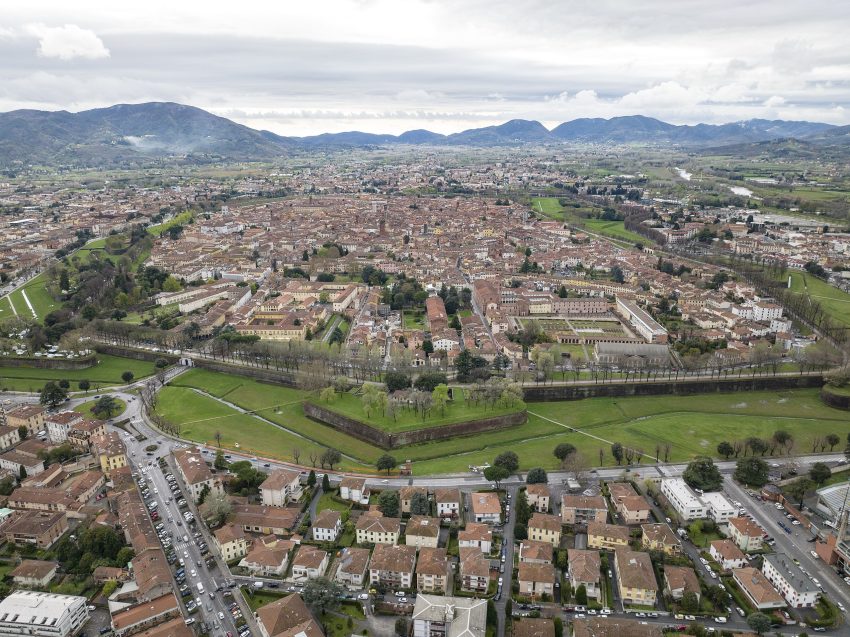
Lucca, considered one of Europe's most delightful towns, captivates visitors with its walled centre, ranking it among Tuscany's top attractions. The town boasts magnificent churches, many featuring the distinctive striped facades characteristic of Tuscan architecture, and they house a trove of precious art treasures. While strolling through its narrow streets and spacious piazzas, you can relish the serene ambiance and take in the alluring buildings. Unlike the bustling crowds of Florence and Pisa, Lucca offers a more relaxed atmosphere, making it a sought-after destination for a peaceful retreat.
The charming churches you see today were primarily constructed in the 12th century, partly using ancient materials, and now stand as some of Tuscany’s most exquisite architectural marvels. Begin your exploration with a walk along the encircling walls, offering a comprehensive overview of the city, before immersing yourself in the captivating ambiance of this endearing Italian gem.
TIP: If you are visiting Lucca for just a day and want to make the most of your visit, you may want to consider taking a walking tour with a local guide. This is one of the most complete and best-rated city tours that covers the main, must-see attractions in about 2 hours. If you prefer exploring at your own pace, read our Self Guided Walking Tour of Lucca.
Table of Contents
- History of Lucca
- 21 Best places to See in Lucca
- San Michele in Foro
- Torre delle Ore
- Puccini Museum
- Church and Baptistery of Santi Giovanni e Reparata
- Palazzo Ducale in Lucca
- Risorgimento Museum in Lucca
- Domus Romana
- Piazza Napoleone
- Teatro del Giglio
- Palazzo Pfanner
- Via Fillungo
- Basilica of San Frediano
- Guinigi Tower
- Piazza dell Anfiteatro
- Cathedral of San Martino
- Church of St Maria della Rosa
- Villa Bottini
- Botanical Garden
- Lucca City Walls
- Villa Guinigi National Museum
- Aqueduct of Nottolini
- 13 Best Day Trips from Lucca
- Where to Stay in Lucca
- Best Time to Visit Lucca
- How to get to Lucca
- Flying to Lucca
- Visiting Lucca By Train
- Visiting Lucca By Car
- Visiting Lucca by Bus
- Renting a Bike in Lucca
History of Lucca
Lucca, a historic city in Tuscany, Italy, is known for its well-preserved Renaissance walls and rich history that dates back to ancient times. Its strategic location and cultural heritage have made it an important city throughout the centuries.
Ancient and Roman Times
Lucca’s history begins in pre-Roman times when it was inhabited by the Etruscans. The city became a Roman colony in 180 BC, which marked the beginning of its rise to prominence. The layout of Lucca’s historic center still reflects the Roman street plan, and remnants of the Roman amphitheater can be seen in the Piazza dell’Anfiteatro.
Medieval Period
After the fall of the Roman Empire, Lucca became a prosperous independent city-state. It was one of the few cities in Europe to expand its walls during the Middle Ages, a testament to its economic strength and the need for protection against outside threats. During this period, Lucca was a major center of the silk trade, which brought wealth and influence to the city.
Renaissance and Beyond
In the Renaissance period, Lucca remained a powerful and independent city-state, maintaining its status through strategic alliances and skilled diplomacy. The city was famous for its banking prowess and its mint. Lucca’s impressive walls, which are a distinctive feature of the city today, were built during this period to defend against the advances of larger regional powers such as Florence.
19th Century to Modern Day
In 1805, Lucca was conquered by Napoleon, who gave it to his sister, Elisa Bonaparte, as a principality. After the Congress of Vienna in 1815, Lucca became a Bourbon duchy before eventually being annexed by the Grand Duchy of Tuscany in 1847. It became part of the newly unified Kingdom of Italy in 1861.
Throughout the 19th and 20th centuries, Lucca modernized and expanded beyond its historic walls. However, unlike many other cities, Lucca retained much of its historic architecture and charm, partly because its walls were converted into a public park and promenade rather than being torn down.
Cultural Significance
Today, Lucca is celebrated for its historical architecture, including numerous medieval churches, towers, and villas. It hosts several important cultural events, such as the Lucca Summer Festival and Lucca Comics & Games, one of Europe’s largest comics festivals. The city’s rich history is reflected in its array of museums, art galleries, and cultural institutions.
Lucca’s history of autonomy and prosperity has left a lasting legacy on the city, making it a unique and fascinating destination in Tuscany with a distinct identity preserved through its monumental walls and vibrant cultural life.

Moira & Andy
Hey! We're Moira & Andy. From hiking the Camino to trips around Europe in Bert our campervan — we've been traveling together since retirement in 2020!
Visiting Lucca for the first time and wondering what are the top places to see in the city? In this complete guide, I share the best things to do in Lucca on the first visit. To help you plan your trip, I have also included an interactive map and practical tips for visiting!
This website uses affiliate links which earn a small commission at no additional cost to you.
21 Best places to See in Lucca
This complete guide to Lucca not only tells you about the very best sights and tourist attractions for first-time visitors to the city but also provide insights into a few of our personal favorite things to do.
This is a practical guide to visiting the best places to see in Lucca and is filled with tips and info that should answer all your questions!
1. San Michele in Foro
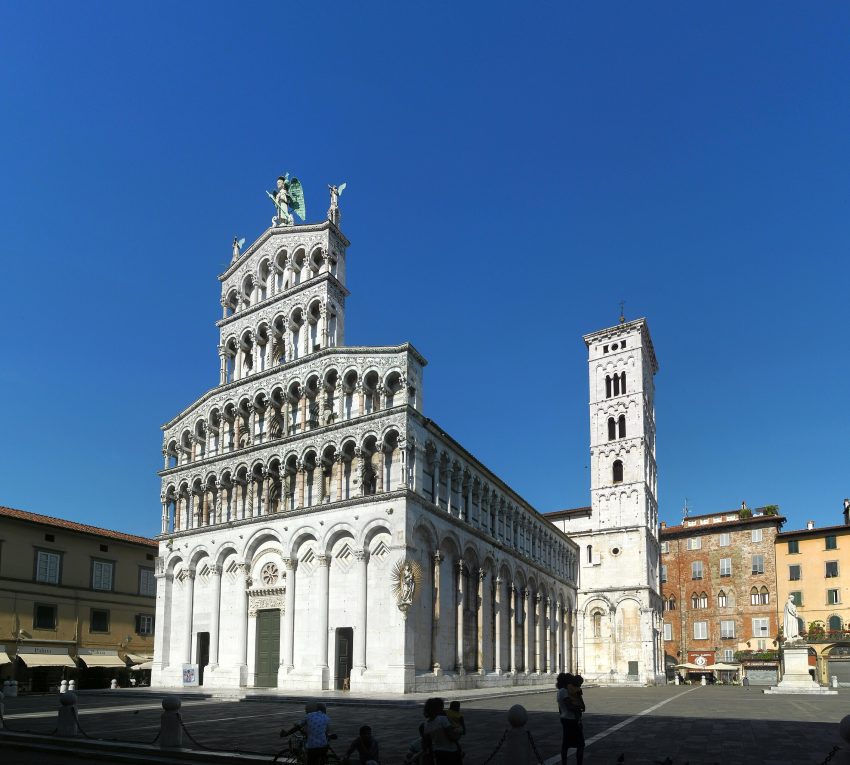
Location: Church of San Michele in Foro, Piazza San Michele, Lucca, Province of Lucca, Italy | Hours: Generally open daily with a mid-day pause or limited access during services; check posted times at the door on arrival. | Price: Entry to the main church is typically free; occasional donations or separate offerings may be suggested for maintenance or specific chapels. | Distance: 0.0km
2. Torre delle Ore
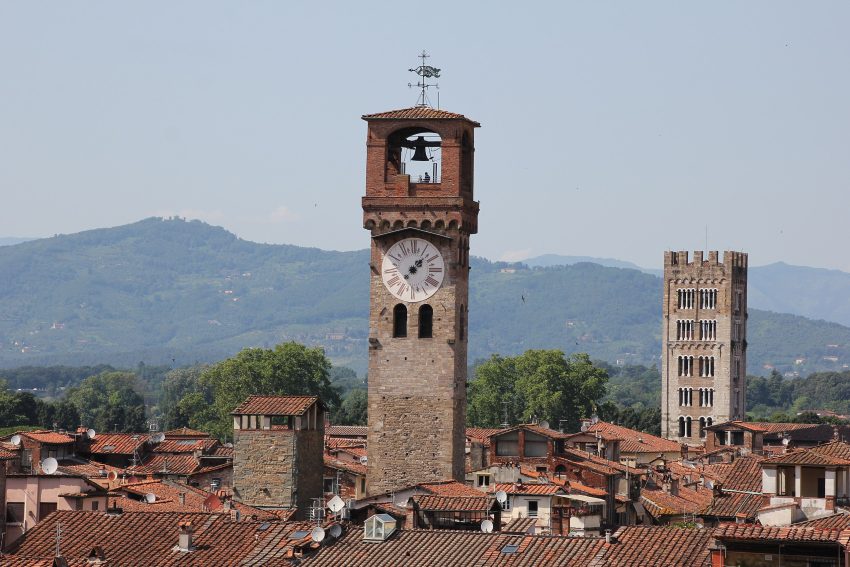
Location: Torre delle Ore, Via Fillungo, Lucca, Province of Lucca, Italy | Hours: January – February Closed for maintenance and restoration. March From 9:30 AM to 5:30 PM April – May From 9:30 AM to 6:30 PM June – September From 9:30 AM to 7:30 PM October From 9:30 AM to 5:30 PM | Price: A combination ticket covering the nearby Torre Guinigi or the Orto Botanico costs €6/4 (or €9/6 for all three sights). | Website | Distance: 0.1km

3. Puccini Museum
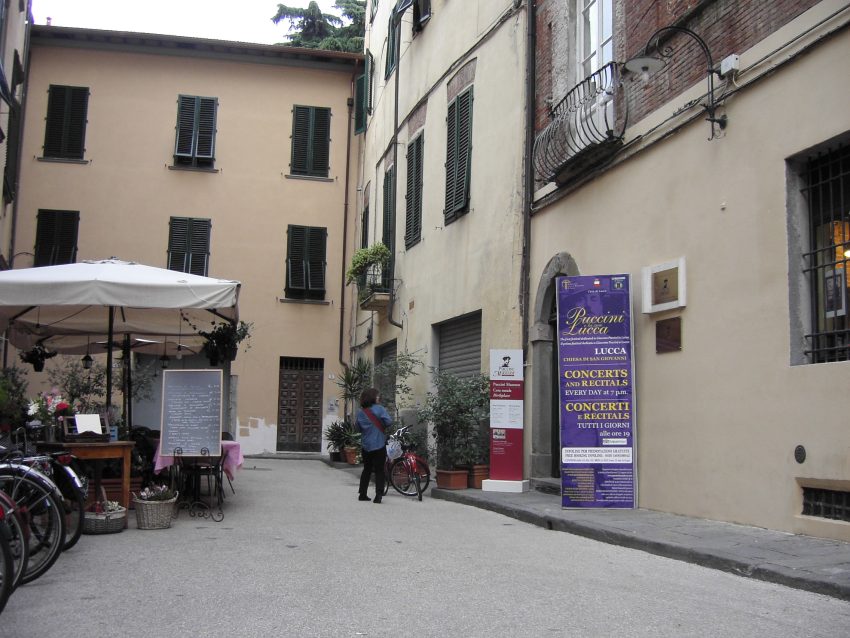
Location: Puccini Museum Corte S. Lorenzo, 9 55100 Lucca LU Italy | Hours: March Mon – Sun 10:00 am – 6:00 pm Closed on Tuesdays (except on holidays) 1st April – 30th September 10:00 am – 7:00 pm Open every day 1st October – 1st November Mon – Sun 10:00 am – 6:00 pm Closed on Tuesdays (except on holidays) 2nd November – 7th December Mon – Fry 10:00 am – 2:00 pm Sat – Sun 10:00 am – 5:00 pm Closed on Tuesdays (except on holidays and 29th november) and from 7th to 18th November 8th December – 8th January 10:00 am – 5:00 pm Closed 25th December 9th January – 28th February Mon – Sun 10:00 am – 5:00 pm Closed on Tuesdays (except on holidays) Last admission 30 minutes before closing | Price: Adults €9:00 | Website | Distance: 0.1km
4. Church and Baptistery of Santi Giovanni e Reparata
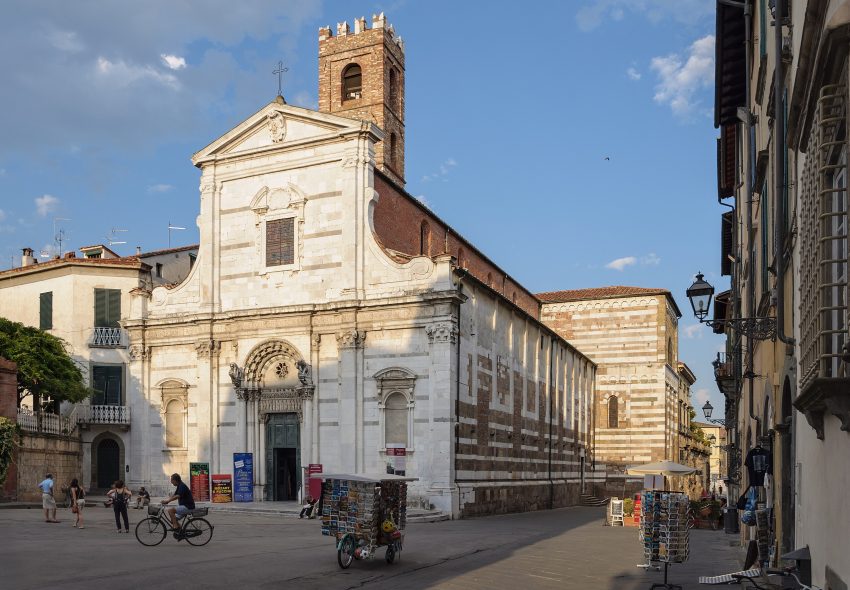
Location: Church of Saint John and Saint Reparata, Piazza San Giovanni, Lucca, Province of Lucca, Italy | Hours: Monday - Sunday: 10:00 - 18:00 | Price: Church of Santi Giovanni e Reparata Church + Archaeological area + Baptistery + bell tower of San Giovanni Full price: €4.00 | Website | Distance: 0.2km
5. Palazzo Ducale in Lucca

Location: Palazzo Ducale di Lucca, Cortile Carrara, Lucca, Province of Lucca, Italy | Hours: Museum Tuesday to Sunday 10:00 AM – 1:00 PM and 3:00 PM – 6:00 PM (Last admission 5:30 PM) | Price: Free | Website | Distance: 0.2km
6. Risorgimento Museum in Lucca
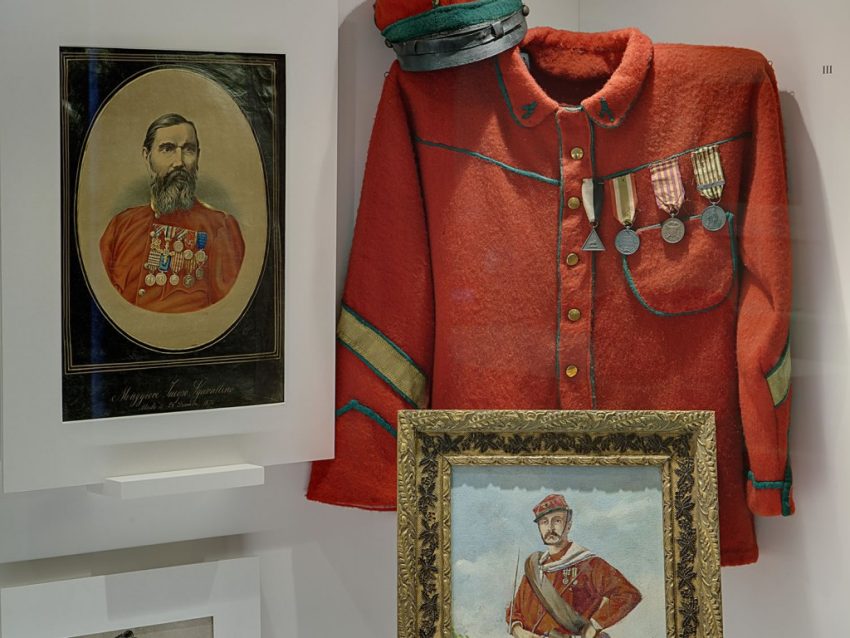
Location: Museo del Risorgimento Cortile degli Svizzeri, 18 55100 Lucca LU Italy | Hours: Monday to Friday: from 10.00 to 13.00 Tuesday and Thursday also open in the afternoon from 15.00 to 18.00 (last admission at 17.30) Saturday and Sunday there are guided tours by appointment | Price: Free entry | Website | Distance: 0.2km
7. Domus Romana
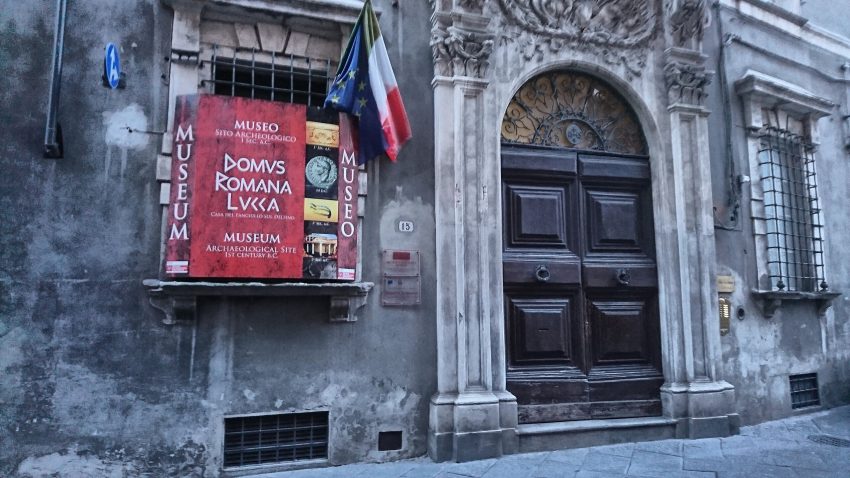
Location: Domus Romana Lucca Via Cesare Battisti, 15 55100 Lucca LU Italy | Hours: Open every day 10.00 - 18.00 Closed on Tuesdays | Price: €5.00 | Website | Distance: 0.2km
8. Piazza Napoleone

Location: Piazza Napoleone, Piazza Napoleone, Lucca, Italy | Hours: Open 24 hours a day as part of Lucca’s historic centre; event set-up may restrict certain areas temporarily. | Price: The piazza itself is a public space with free access; only ticketed events like concerts require paid admission. | Distance: 0.2km
9. Teatro del Giglio

Location: Teatro del Giglio, Piazza del Giglio, Lucca, Province of Lucca, Italy | Hours: Teatro del Giglio – check the official programme for upcoming operas, concerts, plays, and special events. | Price: Ticket prices vary depending on the performance and seating area, with different rates for stalls, boxes, and gallery seats. | Website | Distance: 0.3km
10. Palazzo Pfanner
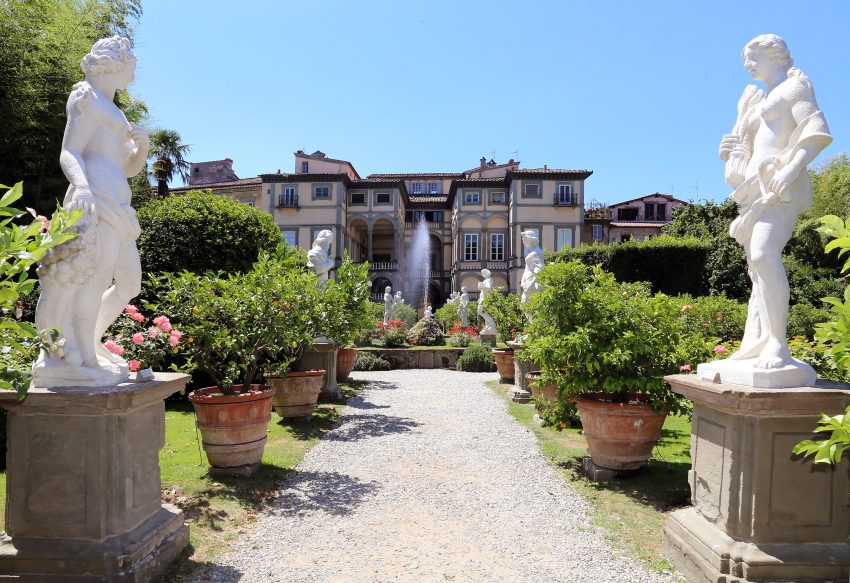
Location: Palazzo Pfanner, Via degli Asili, Lucca, Province of Lucca, Italy | Hours: Open from March to December Daily: 10:00 to 18:00 | Price: Adults: €10 | Website | Distance: 0.3km
11. Via Fillungo
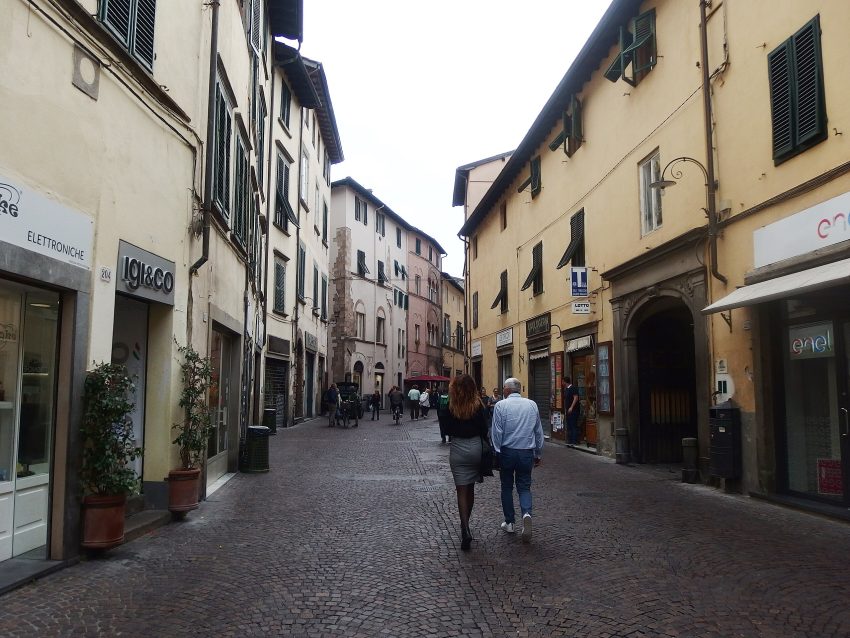
Location: Via Fillungo, Lucca, Province of Lucca, Italy | Hours: The street itself is accessible at all times, but most shops open roughly from late morning to early evening, often closing for a midday break and on some holidays. | Price: Strolling Via Fillungo is free; your only costs are whatever you choose to spend in its shops, cafés, and bakeries. | Distance: 0.4km
12. Basilica of San Frediano
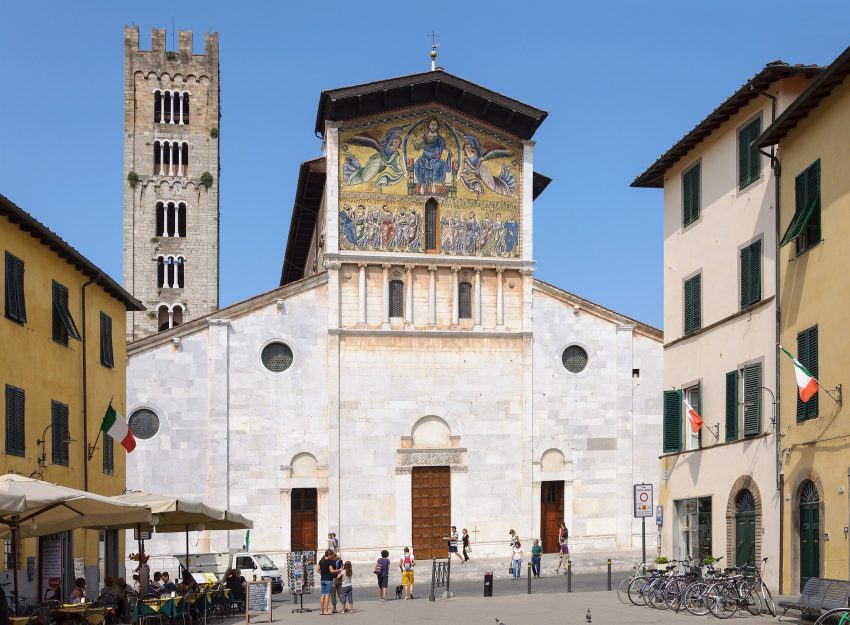
Location: Basilica di San Frediano, Piazza San Frediano, Lucca, Province of Lucca, Italy | Hours: Typically open daily with a pause at mid-day and limited access during Mass; check the posted schedule at the entrance on the day of your visit. | Price: Entry to the main basilica is often free or by small donation; a modest ticket may apply for access to specific areas or combined church itineraries. | Distance: 0.4km
13. Guinigi Tower
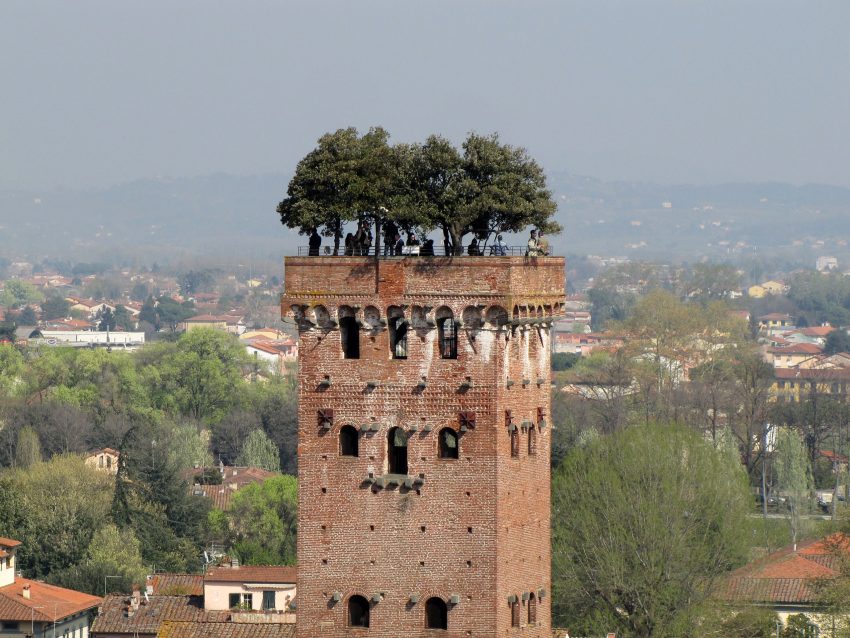
Location: Guinigi Tower, Via Sant'Andrea, Lucca, Province of Lucca, Italy | Hours: January 1 - March 20: 10.00 - 16.00 21 March - 31 May: 10.00 - 18.30* (* Saturday and Sunday closing 19:30) 1 June - 20 September: 10.00 - 19.30* (* June -Luglio: Saturday and Sunday closing at 8.30 pm; August: Saturday and Sunday closing at 20.00) 21 September - 30 September 10.00 - 18.30 1 October - 31 December: 10.00 - 16.00 (closed on 25 December) | Price: Adults € 6.00 | Website | Distance: 0.4km
14. Piazza dell Anfiteatro

Location: Piazza dell'Anfiteatro, Piazza dell'Anfiteatro, Lucca, Province of Lucca, Italy | Hours: Open 24/7 as part of Lucca’s historic centre; individual cafés and shops keep their own hours. | Price: Free - The piazza is a public square with access at all times. | Website | Distance: 0.4km
15. Cathedral of San Martino

Location: St Martin Cathedral, Piazza Antelminelli, Lucca, Province of Lucca, Italy | Hours: Cathedral: Monday – Friday: 9:30 am – 5:00 pm; Saturday: 9:30 am – 6:00 pm; Sunday: 12:00 pm – 5:00 pm Bell Tower: Monday – Friday: 10:00 - 17:00; Saturday: 10:00 - 18:00; Sunday: 10:00 - 17:00 Cathedral Museum: Monday – Friday: 10:00 - 17:00; Saturday: 10:00 - 18:00; Sunday: 10:00 - 17:00 Church of Saints John and Reparata with Baptistery and archaeological area: Monday – Friday: 10:00 – 17:00; Saturday: 10:00 – 18:00; Sunday: 10:00 – 17:00 | Price: Cathedral + Bell Tower + Museum + Church of Saints John and Reparata with Baptistery and archaeological area: €10.00 | Website | Distance: 0.4km
16. Church of St Maria della Rosa
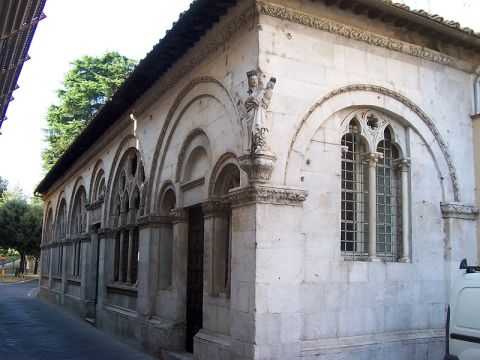
Location: Chiesa di Santa Maria della Rosa, Via della Rosa, Lucca, Province of Lucca, Italy | Hours: Hours can vary and may be limited, especially outside major feast days; check locally for current opening times. | Price: Entrance is typically free, though small donations for the upkeep of the church are always appreciated. | Distance: 0.5km
17. Villa Bottini

Location: Villa Bottini, Via Elisa, Lucca, Province of Lucca, Italy | Hours: Opening times depend on the municipal schedule and programmed events; consult up-to-date information before planning your visit. | Price: Access policies vary; some cultural events or exhibitions may be free while others charge a modest admission—verify current details locally. | Distance: 0.6km
18. Botanical Garden
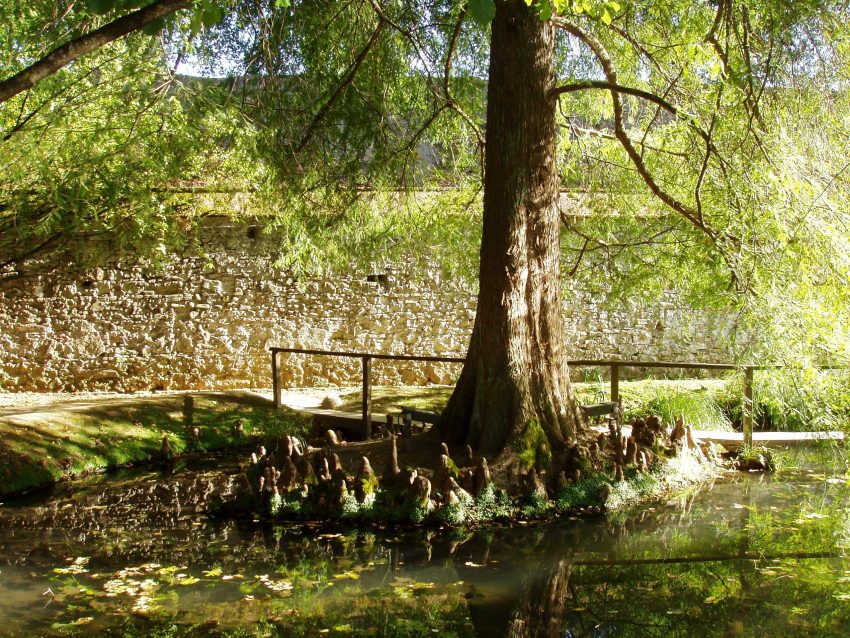
Location: Orto Botanico Comunale di Lucca, Rampa San Regolo, Lucca, Italy | Hours: Winter: Saturday to Sunday 11:00 – 16:00 Summer: Monday to Friday 10:30 - 19:30 | Price: Adults: €6.00 | Website | Distance: 0.6km
19. Lucca City Walls
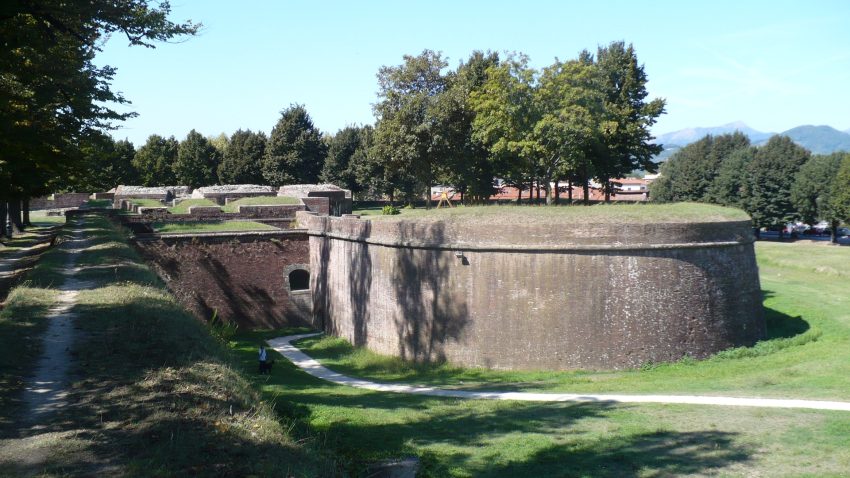
| Hours: Generally accessible year-round; specific ramps or gates may have limited hours, but the main circuit can usually be enjoyed from early morning until late evening. | Price: Free – the walls are a public park and promenade open to everyone. | Distance: 0.7km
20. Villa Guinigi National Museum
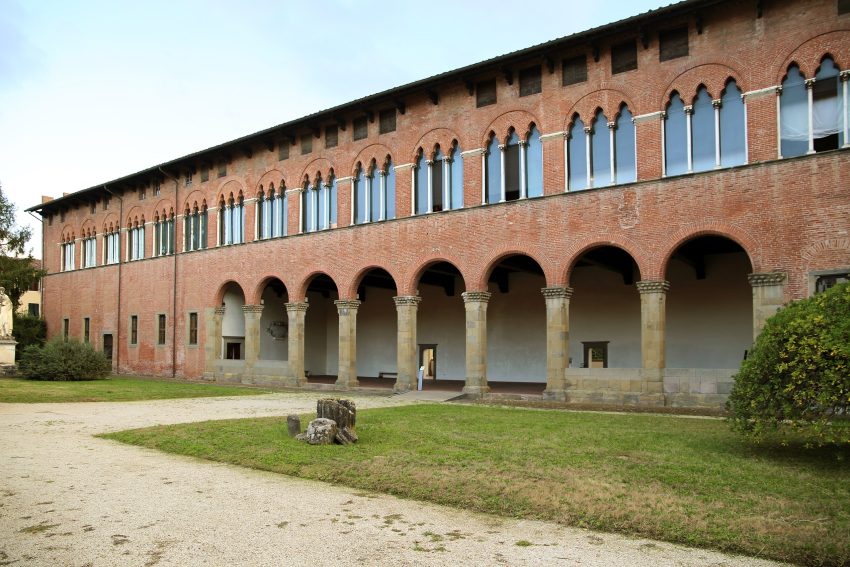
Location: Villa Guinigi National Museum, Via della Quarquonia, Lucca, Province of Lucca, Italy | Hours: Tuesday to Saturday from 12.00 to 19.30 (last admission at 18.00) first and third Sunday of the month from 9.00 to 19.30 (last admission at 18.00) | Price: € 4.00 Combined ticket for the National Museums of Villa Guinigi and Palazzo Mansi | Website | Distance: 0.8km
21. Aqueduct of Nottolini
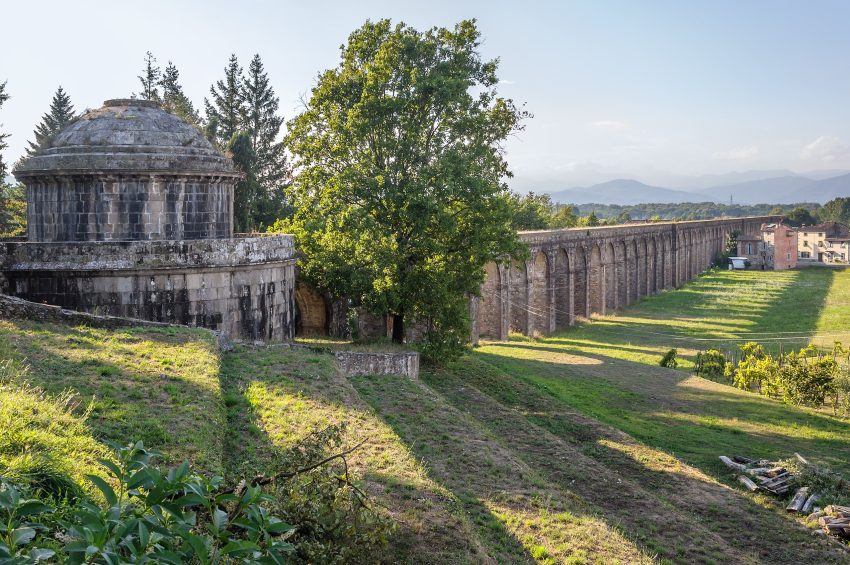
Location: Aqueduct of Nottolini, Lucca, Via Tempietto, Lucca, Province of Lucca, Italy | Hours: Open-air sections can be visited at any time, but check local information for access times to cisterns, trailheads, or guided walks. | Price: There is generally no formal entrance fee to walk alongside the aqueduct, though guided tours or special visits to specific structures may carry a charge. | Distance: 0.9km
Best Day Trips from Lucca
A day trip from Lucca offers the perfect opportunity to escape the urban rhythm and discover the surrounding region's charm. Whether you're drawn to scenic countryside, historic villages, or cultural landmarks, the area around Lucca provides a variety of easy-to-reach destinations ideal for a one-day itinerary. If you are looking to rent a car in Italy I recommend having a look at Discover Cars, first, as they compare prices and review multiple car rental agencies for you.
1. Villa Reale di Marlia
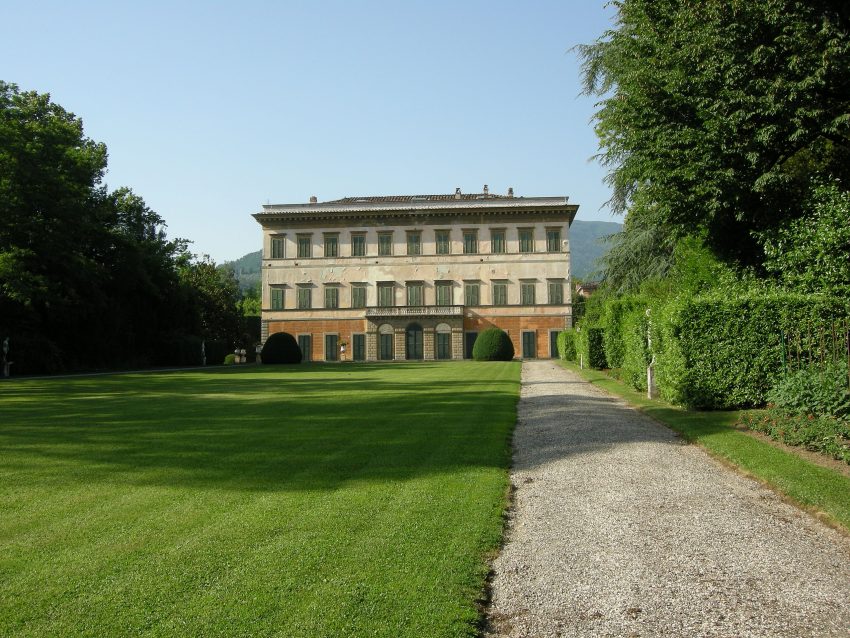
Location: Villa Reale di Marlia, Via Fraga Alta, Marlia, Province of Lucca, Italy | Hours: 19 December – 03 February: Closed for maintenance and restoration works. 04 February – 26 February: Weekends only from 10am to 6pm. 01 March – 05 November: Park opening hours every day from 10:00 to 18:00 | Price: Park: €12 / Park and Museums: €18 | Website | Villa Reale di Marlia Entrance Ticket | Distance: 7.7km
Visiting Villa Reale di Marlia
2. Villa Mansi
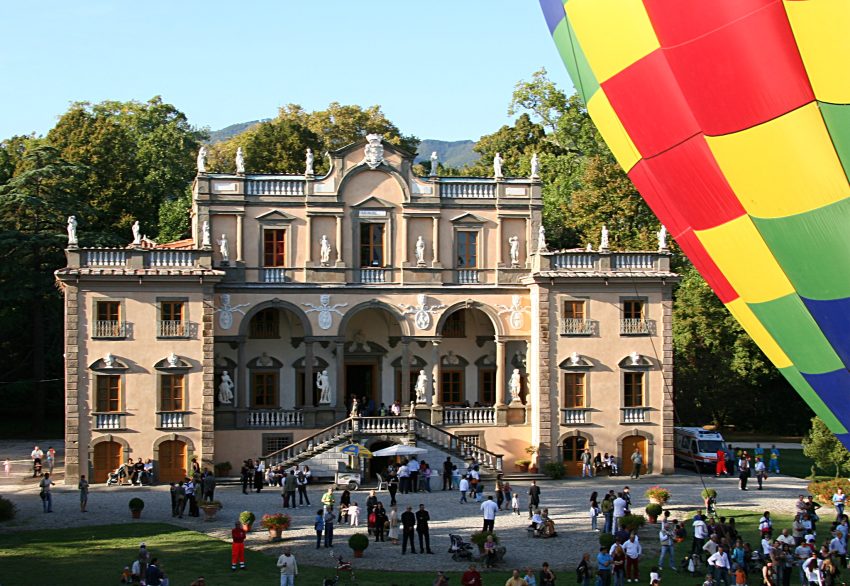
Location: Villa Mansi, Via delle Selvette, Capannori, Province of Lucca, Italy | Hours: Tuesday, Thursday, first and third Sunday of the month from 9.00 to 19.30 (last admission at 18.00) Wednesday, Friday and Saturday from 12.00 to 19.30 (last admission at 18.00) | Price: € 4.00 Combined ticket for the National Museums of Villa Guinigi and Palazzo Mansi: full price € 6.50 | Website | Distance: 9.4km
Visiting Villa Mansi
3. Villa Puccini in Torre del Lago
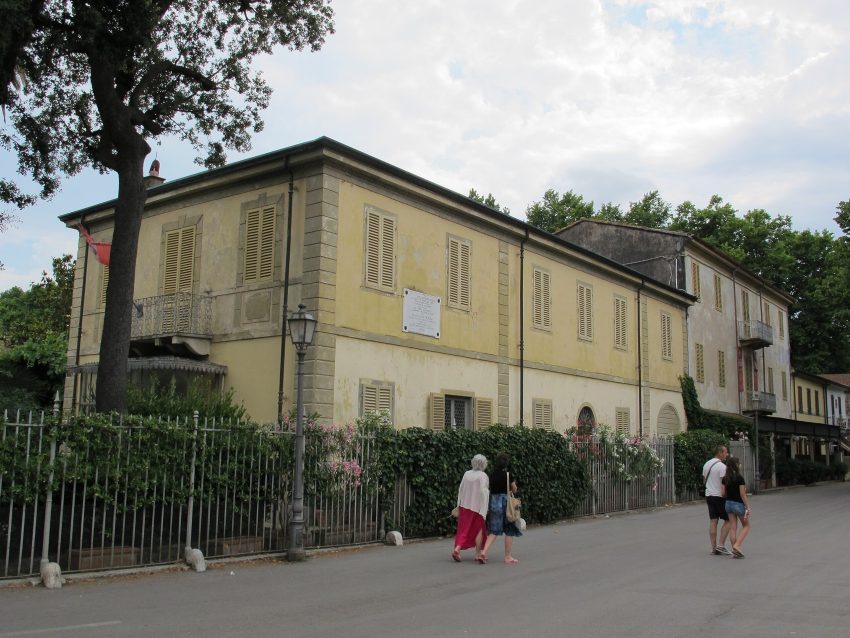
Location: Villa Puccini Museum, Viale Giacomo Puccini, Torre del Lago, Province of Lucca, Italy | Hours: November: OPEN ONLY on Saturday and Sunday from 10:00 a.m. to 12:40 p.m. (last admission 12:00) – from 2:00 p.m. to 5:20 p.m. (last admission 4:40 p.m.). December 1st to January 31st: from 10:00 a.m. to 12:40 p.m. (last admission 12:00) – from 2:00 p.m. to 5:20 p.m. (last admission 4:40 p.m.). February 1st to March 31st: from 10:00 a.m. to 12:40 p.m. (last admission 12:00) – from 2:30 p.m. to 5:50 p.m. (last admission 5:10 p.m.). April 1st to October 31st: from 10:00 a.m. to 12:40 p.m. (last admission 12:00) – from 3:00 p.m. to 6:20 p.m. (last admission 5:50 p.m.). On the days of the Puccini Festival (July and August): from 10:00 a.m. to 12:40 p.m. (last admission 12:00) – from 4:00 p.m. to 8:40 p.m. (last admission 8:00). Closed Monday morning (excluding period from June 1st to September 30th), December 25 (Christmas) | Price: € 7,00 | Website | Distance: 15.8km
Visiting Villa Puccini in Torre del Lago
4. Pisa

Visiting Pisa
5. Livorno
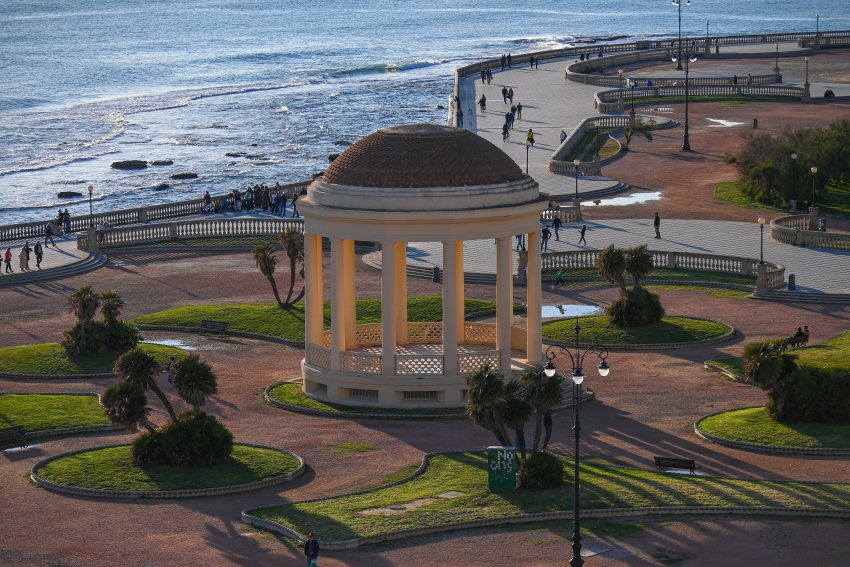
Visiting Livorno
6. Lerici
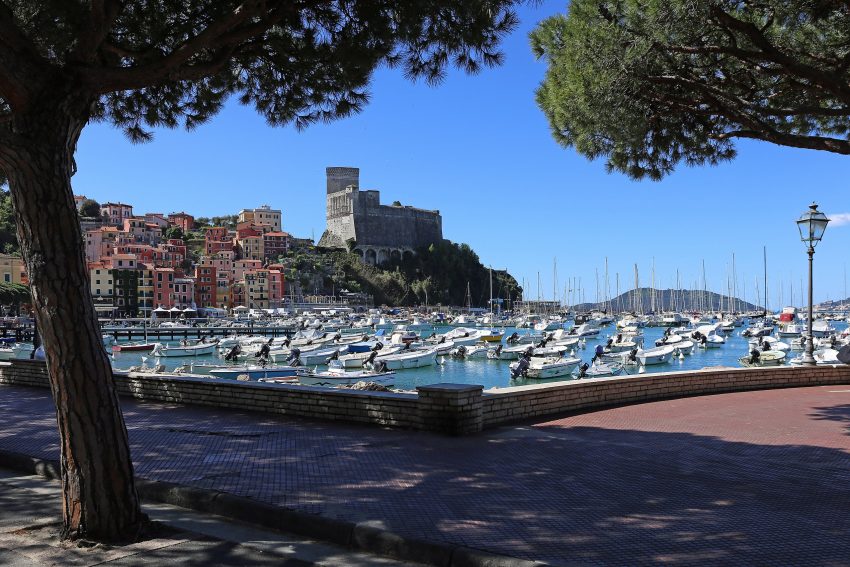
Visiting Lerici
7. Portovenere
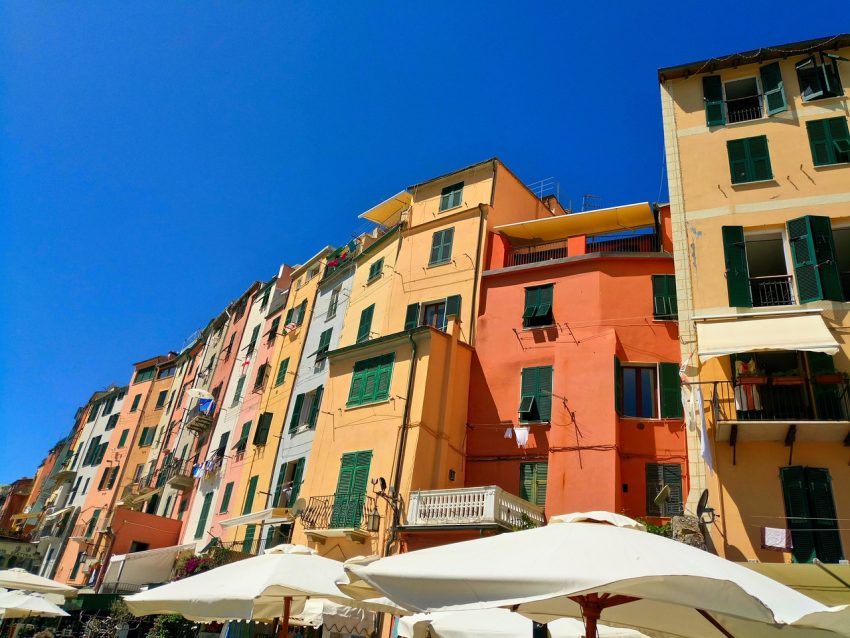
Visiting Portovenere
8. San Gimignano
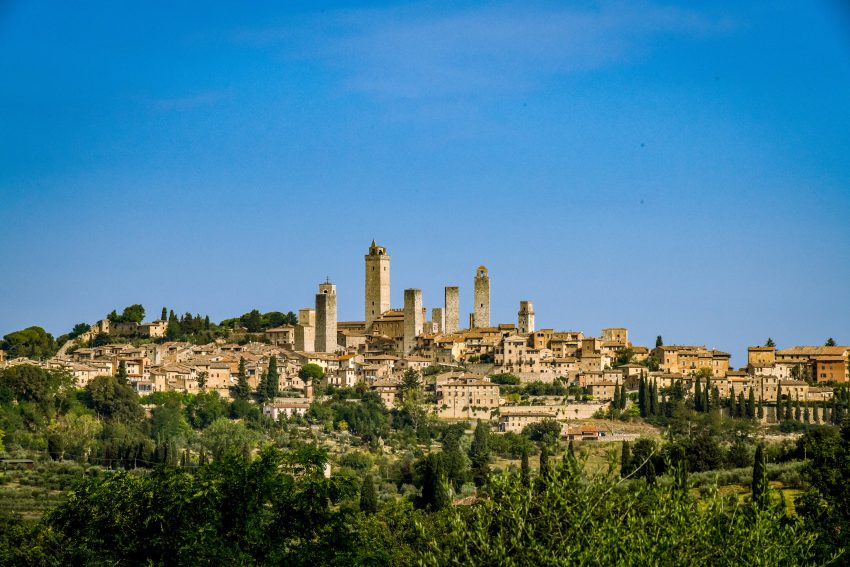
Visiting San Gimignano
9. Florence

Visiting Florence
10. La Spezia
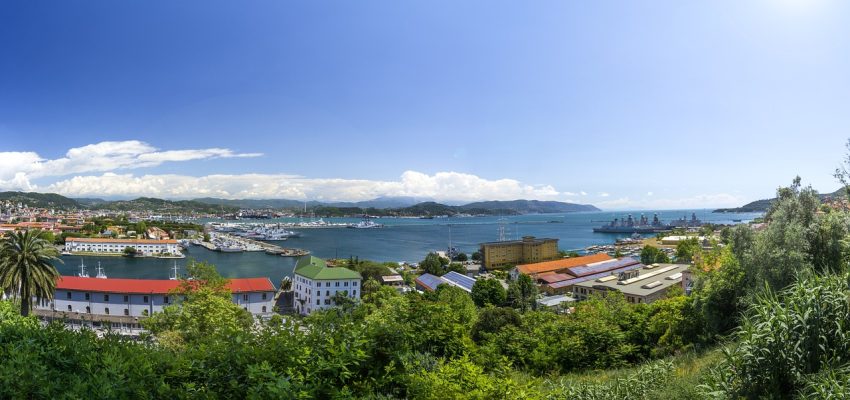
Visiting La Spezia
11. Riomaggiore
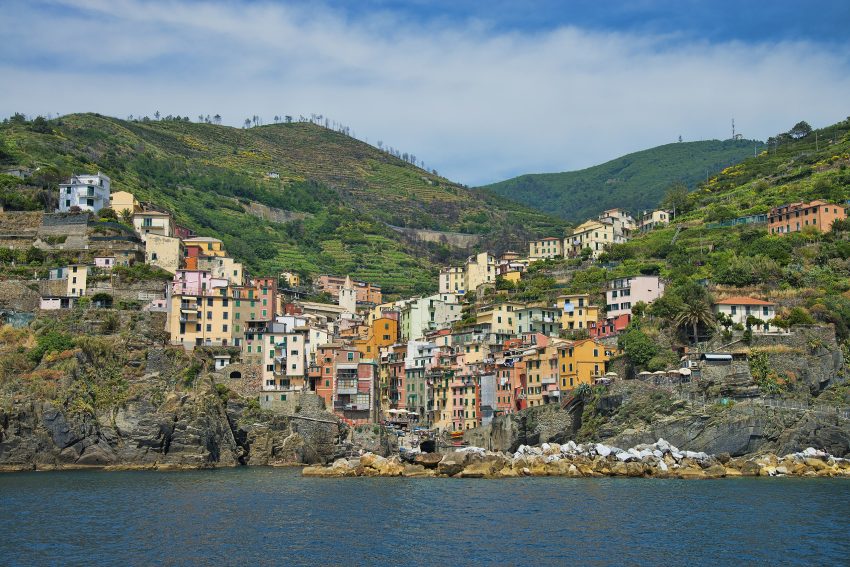
Visiting Riomaggiore
12. Manarola
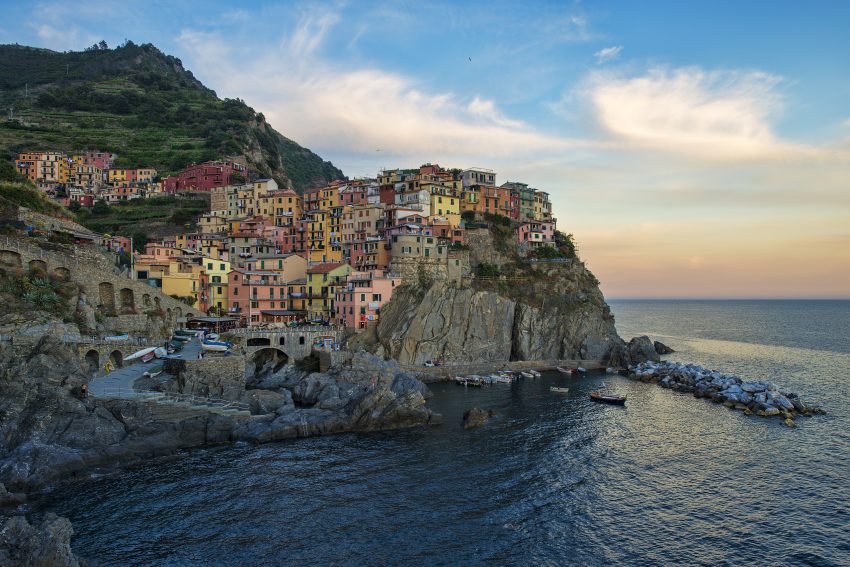
Visiting Manarola
13. Corniglia
Visiting Corniglia
Where to Stay in Lucca
Staying inside the city walls provides the best experience, with charming boutique hotels and guesthouses close to historic piazzas, the Guinigi Tower, and the Roman amphitheater. For a quieter stay, accommodations in the Tuscan countryside nearby offer scenic vineyard views and easy access to Lucca by bike or car.
A 2 to 3-day stay is ideal for exploring Lucca’s historic sites, walking along the city walls, and enjoying its local cuisine. A 4-day stay allows for day trips to Pisa, the Garfagnana region, or the Tuscan coast.
Using the our Hotel and Accomodation map, you can compare hotels and short-term rental accommodations in Lucca. Simply insert your travel dates and group size, and you’ll see the best deals for your stay.
Lucca Accommodation Map
Best Time to Visit Lucca
The best time to visit Lucca, Italy, largely depends on what you’re looking for in your visit. Each season offers unique attractions and experiences.
Spring (March to May)
Spring is a wonderful time to visit Lucca. The weather is mild, and the surrounding Tuscan countryside is lush and vibrant, perfect for outdoor activities like cycling around Lucca’s famous city walls or exploring the nearby hills. The tourist crowds are also thinner compared to the peak summer months. Events such as the Verdemura Garden Festival in April showcase local gardening and botanical arts, making it a colorful time to visit.
Summer (June to August)
Summer is the busiest and most vibrant season. The weather can be quite hot, especially in July and August, but this is also when Lucca comes alive with numerous events and festivals. The most notable is the Lucca Summer Festival, which attracts international music acts and large crowds. If you enjoy a lively atmosphere and don’t mind the heat, summer is a great time to visit.
Autumn (September to November)
Autumn is another excellent time to visit Lucca. The temperatures begin to cool, and the crowds start to thin out. The city celebrates several food and wine festivals, offering a taste of Tuscany’s seasonal bounty. The landscape turns into a picturesque blend of orange and yellow hues, ideal for photography and leisurely walks. Additionally, in late October to early November, Lucca hosts one of Europe’s largest comic book and gaming conventions, Lucca Comics & Games, which is a major draw for fans of the genres.
One of the most significant religious festivals of the year in Lucca is the “La Luminara di Santa Croce,” which takes place on the 13th of September. This festival is dedicated to the Volto Santo, a wooden crucifix with a legendary origin in the Holy Land. The highlight of the festival is a traditional candlelight procession through the Old Town. The procession commences at 8 PM, starting from the Basilica of San Frediano and culminating at the Cathedral of San Martino, where the Volto Santo is housed.
Winter (December to February)
Winter in Lucca is the quietest season, which might appeal if you prefer a more peaceful visit. The weather is typically mild compared to northern European cities, though it can be damp. This season offers the chance to experience Lucca without the crowds, allowing for a more relaxed exploration of its historical sites and museums. Christmas markets and festive decorations add a charming touch to the city in December.
Overall, the best times to visit Lucca are during the shoulder seasons of spring and autumn, when the weather is pleasant, and the city offers a blend of cultural activities without the peak season crowds.
Annual Weather Overview
- January 9°C 51°F
- February 10°C 55°F
- March 13°C 60°F
- April 17°C 67°F
- May 22°C 76°F
- June 28°C 86°F
- July 31°C 91°F
- August 29°C 88°F
- September 26°C 83°F
- October 21°C 73°F
- November 13°C 58°F
- December 9°C 52°F
How to get to Lucca
Lucca is easily accessible both by car and public transportation due to its strategic location on the main highways and railroad lines connecting Florence to Pisa and Viareggio.
Flying to Lucca
Lucca does not have its own airport, so direct flights to Lucca are not available. However, the closest airports to Lucca are Pisa Airport, which is the most convenient option, followed by Florence, Bologna, Rome, and Genoa, in that order. Pisa Airport is the most popular choice for flights to Lucca from within Europe, while Rome is the most likely arrival airport for visitors from the US and Canada.
Visiting Lucca By Train
The train is a convenient and straightforward way to reach Lucca. The Lucca train station is located in Piazza Ricasoli, right in front of Porta San Pietro. It's within a five-minute walk to Lucca's historic city center, enclosed by Renaissance walls. Lucca is connected to the train lines that link Florence to Viareggio and Florence (or Pistoia) to Pisa, ensuring regular daily train service to and from Lucca. Pisa is about a 15-20 minute train ride from Lucca, Florence is an hour and 20 minutes away, and Viareggio is around 20 minutes. Other popular Tuscan destinations accessible from Lucca by train include Pistoia (approximately 45 minutes away) and Montecatini Terme (less than half an hour). Daily trains also head to Garfagnana from Lucca.
From Pisa Airport, you can catch a train to Pisa Centrale station and then change for a train to Lucca. From Florence Airport, you need to reach the train station in Florence center (Santa Maria Novella) and then take a train or bus heading to Lucca.
Visiting Lucca By Car
Lucca is situated along the A11 Firenze – Mare highway, which links Florence with Pisa and the Versilia Coast. If approaching from the North or South, take the A11 and exit at Lucca Est or Ovest. If arriving from the coast on the A12 Genova – Roma highway, connect at Viareggio and then proceed to Lucca Ovest via the faster road known as Bretella. Be aware that tolls apply on A11 and A12. If coming from the Pisa or Florence airports, follow the indications to A11 in both cases. Lucca's highway exits are located approximately 1 km from the city center.
Visiting Lucca by Bus
The bus station is located in Piazzale Verdi, inside the city walls. Lucca is connected to several Tuscan cities, including Florence, Pisa, and Viareggio, via bus operated by VaiBus. While bus rides may take longer than trains, they are available as an alternative to get to Lucca.
Renting a Bike in Lucca
Whether you arrive by train or bus, you can opt to explore Lucca on foot or rent a bike. The city is known for being bike-friendly, with many bike-reserved areas throughout. It’s a great way to navigate the small and flat city. Renting a bike can be convenient if you’re short on time. Lucca is renowned for its well-preserved Renaissance walls, and biking atop them offers stunning views. You’ll find plenty of rental bike shops, especially near the access points to the ramparts, offering affordable hourly and daily rates. Two famous historical rental bike shops are located inside Porta Santa Maria, with others near Porta San Pietro and along the way from Porta Elisa toward the centre (after the old Porta San Gervasio).