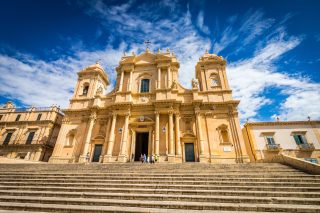
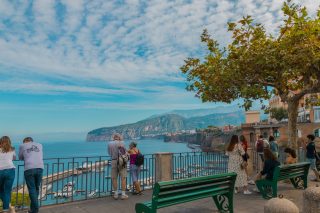
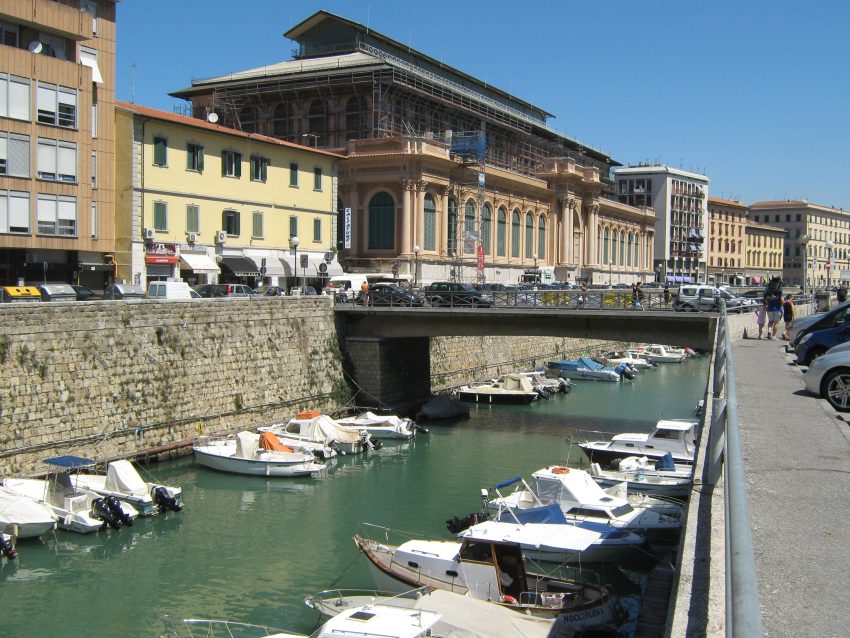
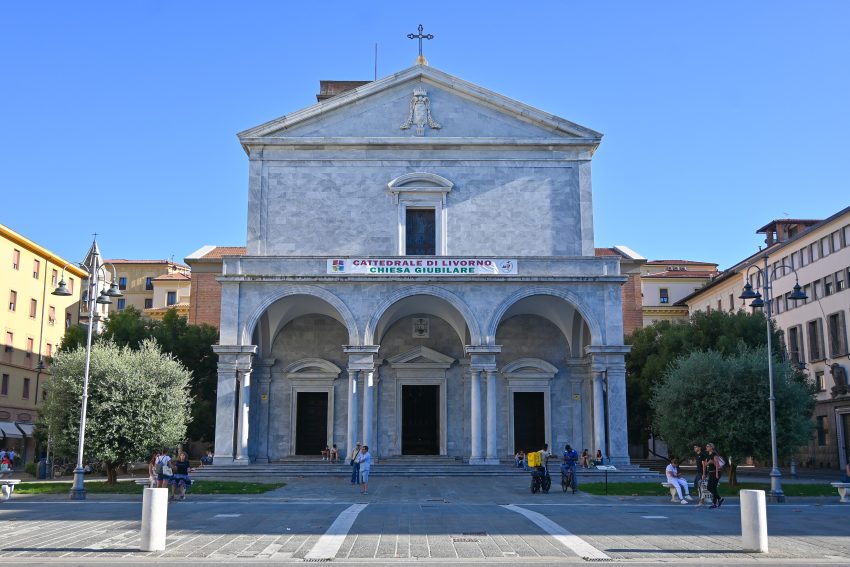
Livorno, Italy: The Ultimate Travel Guide 2026
The Complete Guide to Livorno
CC BY-SA 4.0 / Mykola Pokalyuk

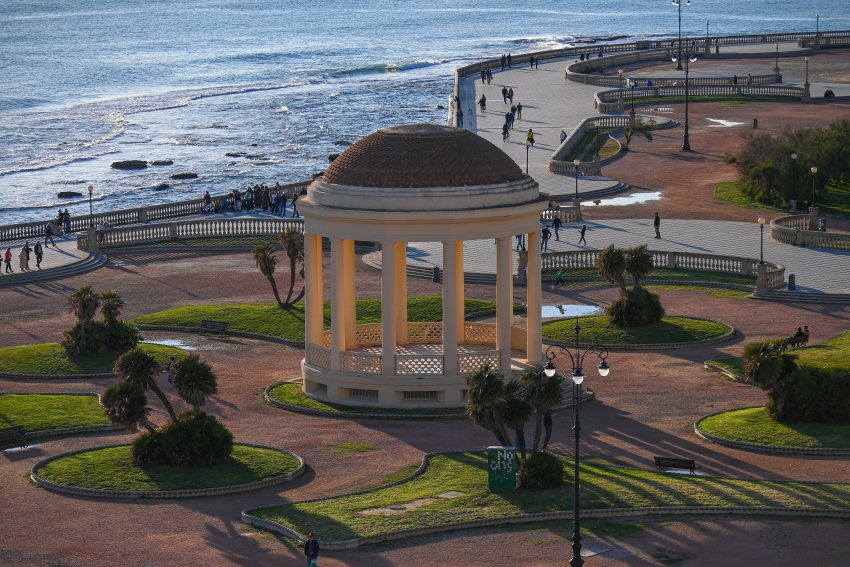
Livorno is a lively seaside city on Italy's Tuscan coast, known for its working port energy, waterfront promenades, and a refreshingly local feel compared with some of the region's more polished postcard towns. It's an easy place to enjoy simple pleasures: a stroll along the sea, a coffee in a canal-side square, and a long seafood lunch that leans into the city's maritime identity. If you like destinations that feel real and lived-in-where ferries, fishing boats, and daily life share the same horizon-Livorno delivers.

A great way to experience Livorno is to mix its neighborhoods: wander the canals and bridges of the old quarters, then head out to the coast for dramatic rocks, bathing platforms, and sunset views. The city is compact enough to explore on foot for much of the day, but it also rewards short hops by bus or taxi to reach the best sea viewpoints and nearby green spaces. Food is a major part of the visit, especially the local seafood traditions and market culture.

Livorno also works beautifully as a base for short trips around northern Tuscany, while still offering plenty to do without leaving town. You can spend mornings sightseeing, afternoons by the water, and evenings in relaxed piazzas with aperitivo. It’s a city that’s at its best when you slow down, follow the waterfront, and let the day unfold between canals, markets, and the sea breeze.

History of Livorno

Livorno in the Medieval Era

Livorno began as a small coastal settlement tied to the fortunes of nearby powers, with early development shaped by maritime needs and defensive concerns. Through the Middle Ages, it remained relatively modest compared with larger regional centers, but its strategic coastal role gradually increased its importance.

Livorno under the Medici: Port City Transformation (16th–17th Centuries)

A major turning point came when the Medici invested heavily in turning Livorno into a modern port. Fortifications, docks, and planned urban areas were developed to support trade and naval activity. Policies encouraging merchants and skilled newcomers helped the city grow quickly, creating a more cosmopolitan character than many comparable Italian cities of the time.

Livorno and the Age of Commerce (18th Century)

As trade networks expanded, Livorno benefited from its role as a commercial hub. Warehouses, customs activity, and shipping-related industries shaped daily life, while the city’s social fabric reflected a mix of communities connected to maritime commerce.

Livorno in the 19th Century: Modernization and New Ideas

The 1800s brought political change and modernization, including improvements in infrastructure and urban services. Like many Italian cities, Livorno experienced shifting governance and social movements, with port labor and maritime trade continuing to influence its economy and identity.

Livorno in the 20th Century: War, Reconstruction, and Industry

The 20th century brought severe disruption during wartime, followed by reconstruction that reshaped parts of the urban landscape. In the post-war decades, industrial activity and port operations remained central, while the city also developed a stronger relationship with leisure along the seafront.

Livorno Today: A Working Port with Cultural Life

In recent decades, Livorno has balanced its role as a major port with a growing focus on culture, events, and waterfront enjoyment. The city’s identity remains closely tied to the sea, expressed through food traditions, neighborhood life, and the constant movement of ships in and out of the harbor.

Moira & Andy
Moira & Andy

Hey! We're Moira & Andy. From hiking the Camino to trips around Europe in Bert our campervan — we've been traveling together since retirement in 2020!

Read our full story here

Visiting Livorno for the first time and wondering what are the top places to see in the city? In this complete guide, I share the best things to do in Livorno on the first visit. To help you plan your trip, I have also included an interactive map and practical tips for visiting!

This website uses affiliate links which earn a small commission at no additional cost to you.

19 Best places to See in Livorno

This complete guide to Livorno not only tells you about the very best sights and tourist attractions for first-time visitors to the city but also provide insights into a few of our personal favorite things to do.

This is a practical guide to visiting the best places to see in Livorno and is filled with tips and info that should answer all your questions!

1. New Synagogue
New Synagogue of Livorno
CC BY-SA 3.0 / Luca Aless
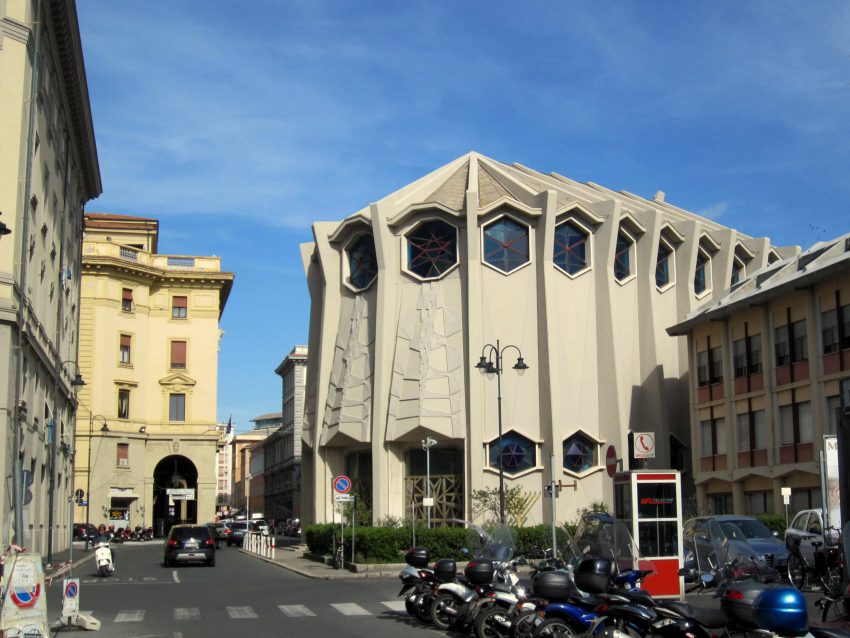
Livorno’s New Synagogue is an active Jewish house of worship completed in 1962, built on the Piazza Elia Benamozegh site where the city’s monumental 17th-century synagogue was destroyed in World War II. What stays with visitors is the modernist architecture: bold concrete planes shaped to suggest a protective “tent,” with angles that shift dramatically as you circle the exterior. Inside, the space relies on light and geometry rather than ornament, making the postwar choice to rebuild in a new language feel deliberate and moving. Travelers often note the calm, reverent atmosphere, and the sense of continuity for a community that once helped define Livorno’s merchant identity.
Location: Synagogue of Livorno, Via del Tempio, Livorno, Province of Livorno, Italy | Hours: By appointment only. | Price: €10.00 per person (guided visit; booking required). | Website | Distance: 0.1km


We recommend to rent a car in Italy through Discover Cars, they compare prices and review multiple car rental agencies. Book your rental car here.

2. Mercato Centrale

Mercato Centrale
Mercato Centrale
CC BY-SA 3.0 / Etienne (Li)
Mercato Centrale (Mercato delle Vettovaglie) is Livorno’s late-19th-century covered food market, built in iron and glass during the city’s “Risanamento” renewal and completed in 1904. The long facade—about 312 feet—faces the Royal Canal, and the rectangular building has an entrance on each side, with the main one on Via della Madonna. Inside, daylight pours through arched upper windows and a double roof onto a lofty hall accented with caryatids. Visitors notice the working rhythm of a real market: Tuscan provisions in the central hall, plus dedicated fish and vegetable rooms, including 22 marble fish counters and 22 produce stands. Expect busy stalls, friendly vendors, and easy snacks like pastries or inventive bruschetta.
Location: Via Buontalenti, 57126 Livorno LI, Italy | Hours: Monday – Saturday: 07:30–14:00. Sunday: Closed. | Price: Free. | Website | Distance: 0.2km

Here is a complete selection of hotel options in Livorno. Feel free to review each one and choose the stay that best suits your needs.

3. Duomo di Livorno

Duomo di Livorno
Duomo di Livorno
CC BY-SA 4.0 / Mykola Pokalyuk
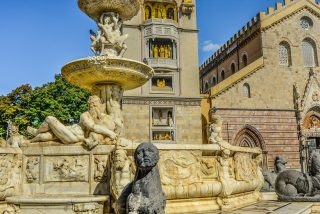
Duomo di Livorno, the Cathedral of Saint Francis of Assisi, stands on Piazza Grande within the city’s Buontalenti “Pentagon,” a reminder of Livorno’s planned-port origins. Begun in 1581, its restrained façade is easy to read: a three-arched porch carried by four Doric columns, topped by a simple upper section with a central rectangular window set into an arch. Inside, the plan evolved from a single nave to a cross shape when chapels were added in the 1700s, including the Eucharist chapel and the Immaculate Conception chapel. Much of what you see today reflects post–World War II rebuilding after near-total bombing, reconsecrated in 1952. Seek out Fra Angelico’s “Christ Crowned with Thorns,” a quietly arresting surprise.
Location: P.za Grande, 57123 Livorno LI, Italy | Hours: Monday – Sunday: 09:00–12:00 & 16:00–19:00. | Price: Free; donations appreciated. | Website | Distance: 0.3km

Traveling to a country with a different currency? Avoid ATM transaction fees and pay in local currency with a Wise Card. Having used it for over 5 years, we've saved loads on fees!

4. Teatro Goldoni

Facade of the Goldoni Theater in Livorno
Goldoni Theater in Livorno
CC BY-SA 3.0 / Luca Aless
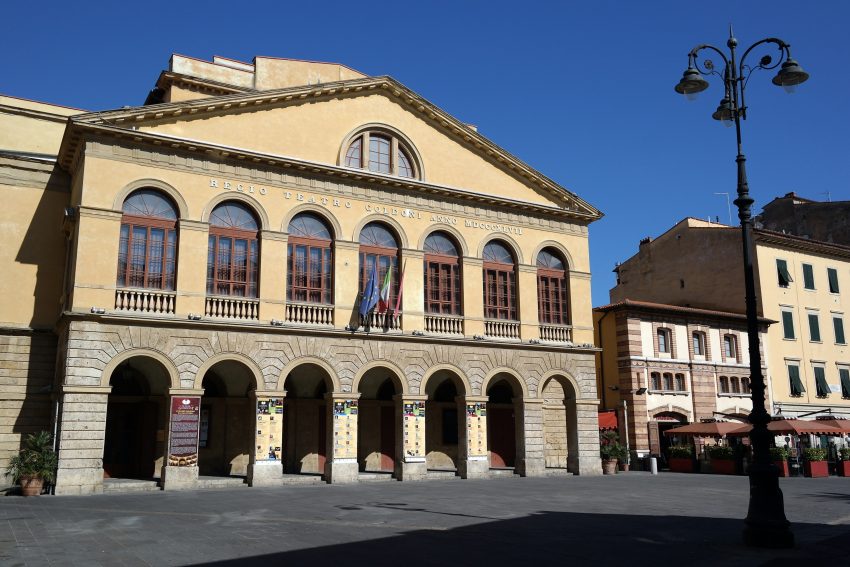
Teatro Goldoni is Livorno’s principal historic theatre, a 19th-century house where the city’s cultural life still feels active rather than preserved. Inside, visitors remember the traditional Italian auditorium—tiered balconies, plush seating, and the particular hush before the curtain rises. Built in 1847 and restored in 2004, it pairs old-world atmosphere with a working calendar of opera, concerts, plays, and touring productions. Look up for an unusual detail: a ceiling structure of iron and glass veiled by a curtain-like covering. Reviews often mention affordable tickets at the box office and evenings tied to local events such as the Mascagni Festival, which can make the experience feel distinctly Livornese.
Location: Teatro Goldoni, Via Enrico Mayer, Livorno, Province of Livorno, Italy | Hours: Tuesday – Thursday: 10:00–13:00. Wednesday – Saturday: 16:30–19:30. | Price: Performance tickets vary by event and seat; typical prices range from about €12–€43 (with discounts and under-35 options often available). | Website | Distance: 0.4km

Explore Livorno at your own pace with our self-guided walking tour! Follow our curated route to discover must-see sights and local secrets that makes Livorno one of the best places to visit in Italy.

5. Via Grande

Via Grande
Via Grande
CC BY-SA 3.0 / Luca Aless
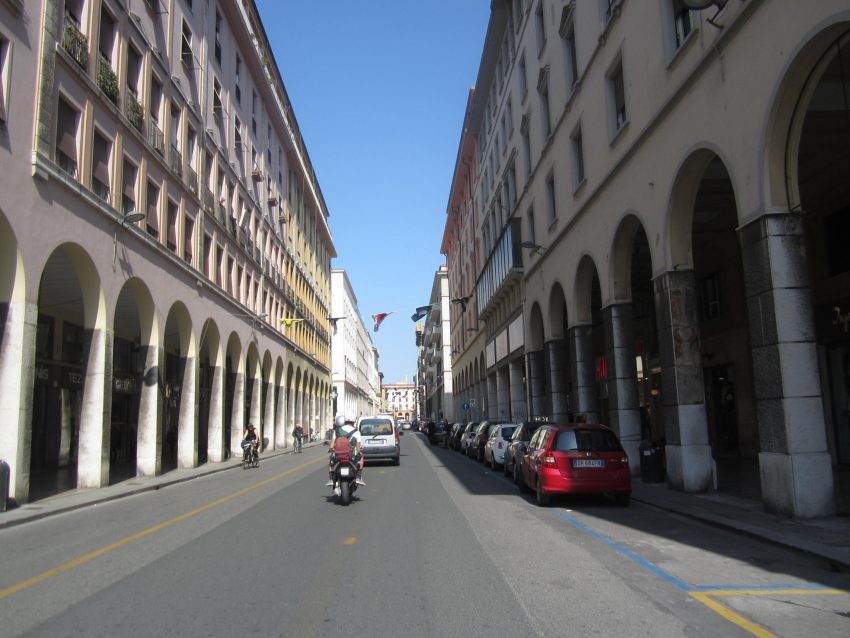
Via Grande is Livorno’s main commercial street, running in a straight line from the Medicean Port area to Piazza della Repubblica and acting as a natural route for visitors arriving from the waterfront. What you notice first is the steady flow of locals on errands mixed with cruise passengers, helped by shuttle drop-offs right on the street. The storefronts lean heavily toward recognizable fashion chains—Benetton, Max Mara, and Zara—alongside shoe shops and counters for jewelry and perfume, with a few smaller cafés and independent boutiques breaking up the lineup. At the west end, a Conad supermarket makes it a practical stop as well as a place to browse.
Location: Via Grande, 57123 Livorno LI, Italy | Hours: 24 Hours. | Price: Free. | Distance: 0.4km

6. Monumento Dei Quattro Mori

Monumento Dei Quattro Mori
CC BY-SA 3.0 / Sailko
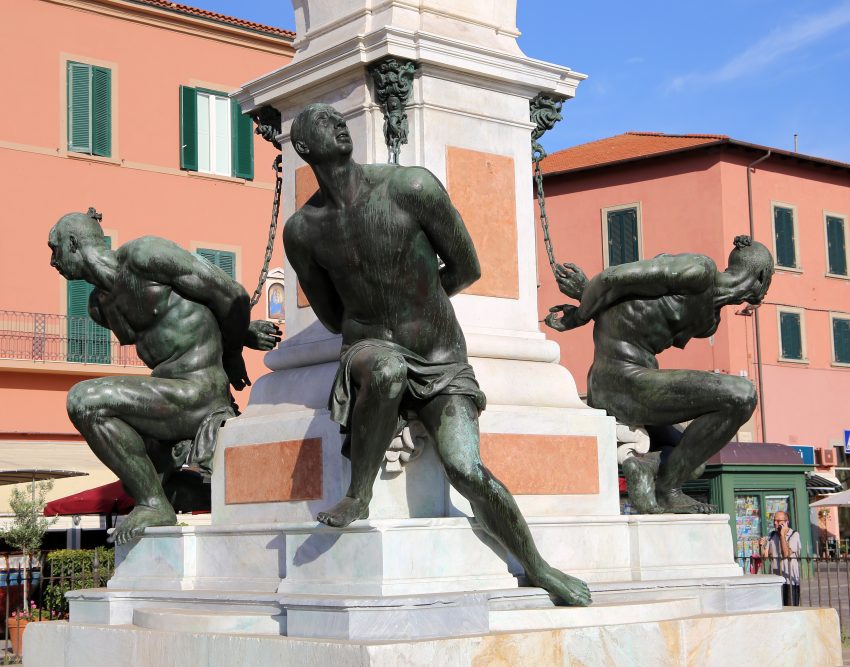
Monumento Dei Quattro Mori is a 17th-century harbor-side monument in Piazza Micheli, where a towering statue of Ferdinando I de’ Medici rises above four chained “Moor” prisoners at the pedestal’s corners. Commissioned in 1617 by Cosimo II and completed in 1626 under Ferdinando II, it was sculpted by Pietro Tacca in a late-Mannerist/Baroque style that rewards close, slow viewing. Visitors tend to remember the unsettling contrast between the triumphant duke—shown as a Knight of San Stefano—and the intensely modeled captives below, including one portrayed as African. The group also hints at Medici maritime ambitions and the era’s entanglement with slavery and Mediterranean warfare, framed by views toward Livorno’s old port defenses.
Location: Piazza Giuseppe Micheli, 57123 Livorno LI, Italy | Hours: 24 Hours. | Price: Free. | Distance: 0.5km

7. Piazza Della Repubblica

Piazza Della Repubblica
CC BY-SA 2.0 / Luca Aless
Piazza della Repubblica in Livorno is an enormous 19th-century public square built as a literal cover over the Fosso Reale (Royal Canal), turning a 789-by-296-foot vaulted structure into a walkable “square-bridge” locals still call Il Voltone. What you notice first is the sheer breadth of open space, then the odd awareness that boats can pass beneath your feet through the canal tunnel. The piazza is lined with details that feel almost utilitarian: 52 marble benches and 92 squat pillars that resemble old hitching posts. At opposite ends stand statues of Grand Dukes Ferdinand III and Leopold II, and the neoclassical Cisternino adds a crisp architectural counterpoint to the expanse.
Location: Piazza della Repubblica, 57100 Livorno LI, Italy | Hours: 24 Hours. | Price: Free. | Distance: 0.5km

8. Fortezza Nuova
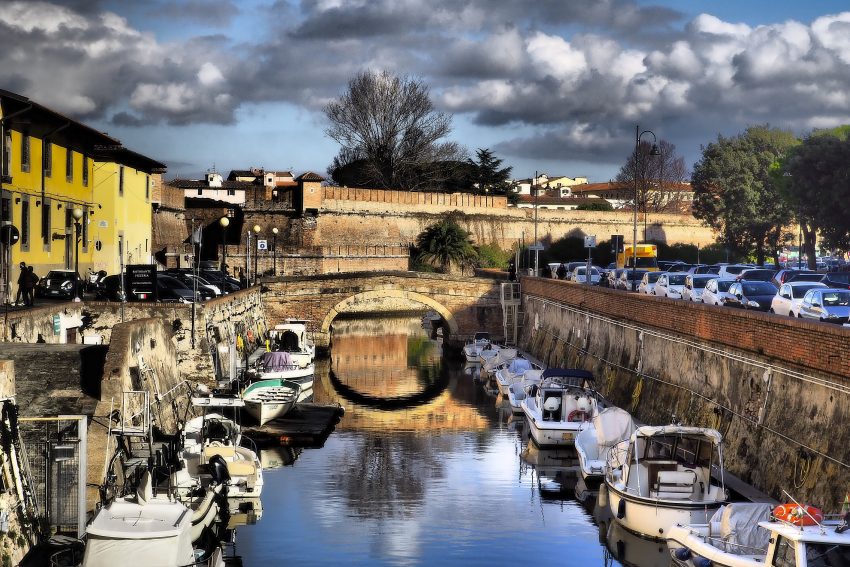
Fortezza Nuova
Fortezza Nuova
CC BY-SA 4.0 / Repuli
Fortezza Nuova is Livorno’s Medici-era “New Fort,” completed in 1604 from Bernardo Buontalenti’s pentagonal canal-and-bastion plan that reshaped the port’s defenses. It still reads like a fortified island: brick ramparts ringed by waterways, with long waterline views where walls and reflections meet. Part of the structure was cut back in 1629 under Ferdinando II to make room for the Nuova Venezia and San Marco commercial areas, leaving a curious blend of military geometry and urban change. After serving as a military site until World War II and suffering heavy damage, it was restored by 1972 and now functions as a leafy public park and events space, graffiti and all.
Location: Via Borra, 35, 57123 Livorno LI, Italy | Hours: Monday – Sunday: 08:30–17:00. | Price: Free. | Website | Distance: 0.6km

9. Porto Mediceo
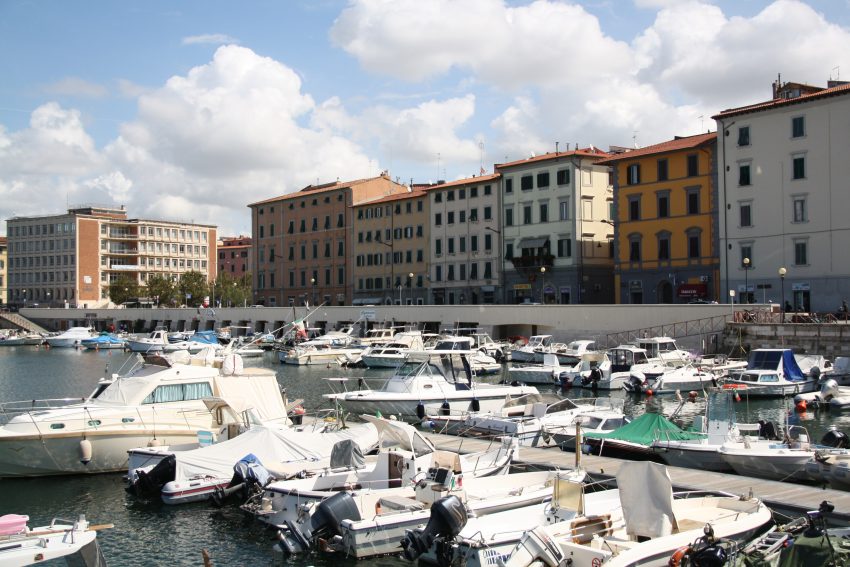
Porto Mediceo
Porto Mediceo
CC BY-SA 3.0 / Piergiuliano Chesi
Porto Mediceo is Livorno’s Medici-era harbor, a working waterfront shaped by fortified docks built to link the Old Fortress with the Fanale dei Pisani lighthouse. Commissioned in 1572 by Cosimo I and designed by Bartolomeo Ammannati, its layout includes the long Ferdinando quay (about 1,340 feet) and the perpendicular Cosimo quay (about 788 feet) ending at the Sassaia Fort on a reef. The Mediceo basin extends northwest, roughly 1,544 feet long and 821 feet wide, once holding up to 140 deep-sea ships. Today you’ll notice the wind off the breakwater, broad sea views, and the mix of fishing boats, yachts, ferries, and cruise ships.
Location: Via del Molo Mediceo, 57123 Livorno LI, Italy | Hours: 24 Hours. | Price: Free. | Distance: 0.7km

10. Chiesa di Santa Caterina

Chiesa di Santa Caterina
CC BY-SA 4.0 / Luca Aless
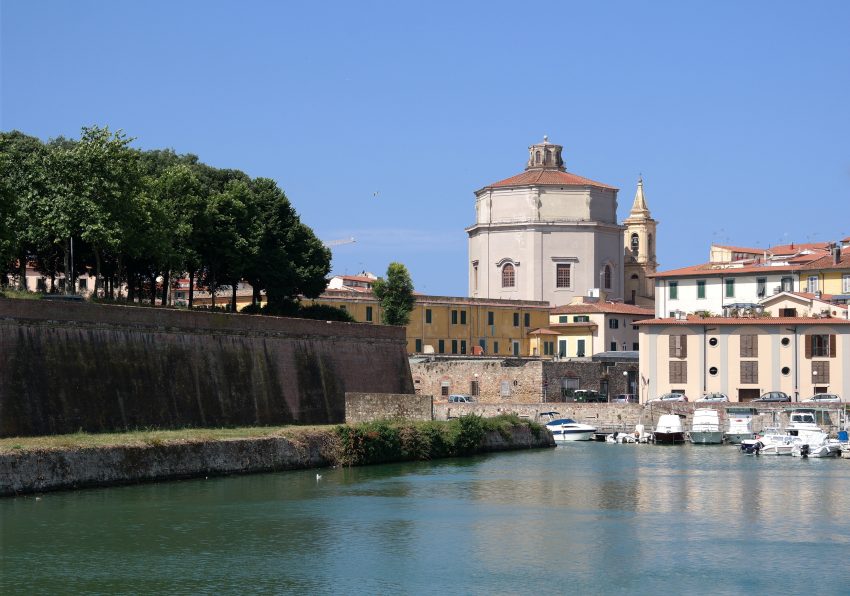
Chiesa di Santa Caterina is a Baroque church in Livorno’s Venezia Nuova (New Venice) district, set on Piazza dei Domenicani and built for the Dominican community. Visitors tend to remember its stark, unfinished façade and the huge octagonal dome—about 207 feet high—crowned by a lantern that was only added in 1869, giving the building its skyline-grabbing profile. Inside, the space is organized around an octagonal plan that pulls your gaze upward into the cupola, where 19th-century frescoes of the Evangelists (1855) animate the vault. Look as well for the Coronation of Mary above the main entrance and the chapel dedicated to Saint Catherine of Siena on the right.
Location: Piazza Dei Domenicani, 2, 57123 Livorno LI, Italy | Hours: Check official website. | Price: Free; donations appreciated. | Distance: 0.7km

11. Fortezza Vecchia

Fortezza Vecchia
Fortezza Vecchia
CC BY-SA 4.0 / Ingo Mehling
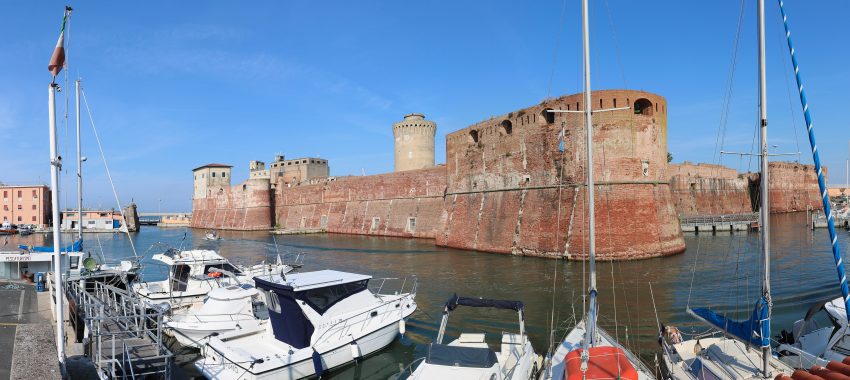
Fortezza Vecchia is Livorno’s old harbor fortress, a Medici-era stronghold built from earlier layers: the 11th-century tower of Countess Matilda and Pisa’s 1377 “Quadrature,” later absorbed into Cosimo I de’ Medici’s castle begun in 1519 and finished in 1534. Inside, you move between thick ramparts, open courtyards, and sea-facing viewpoints that explain its role controlling access to the port. Look for the church of Saint Francis (1530) and the spot where Livorno was proclaimed a city in 1606. The three bastions—Ampolletta on the land side, Canaviglia toward the port, and Capitana to the northeast—give the walk a clear, memorable geometry. Visitors often linger for sunset light on the stone and occasional evening concerts.
Location: Piazzale dei Marmi, 57126 Livorno LI, Italy | Hours: Check official website. | Price: Free. | Website | Distance: 0.7km

12. Museo della Città di Livorno
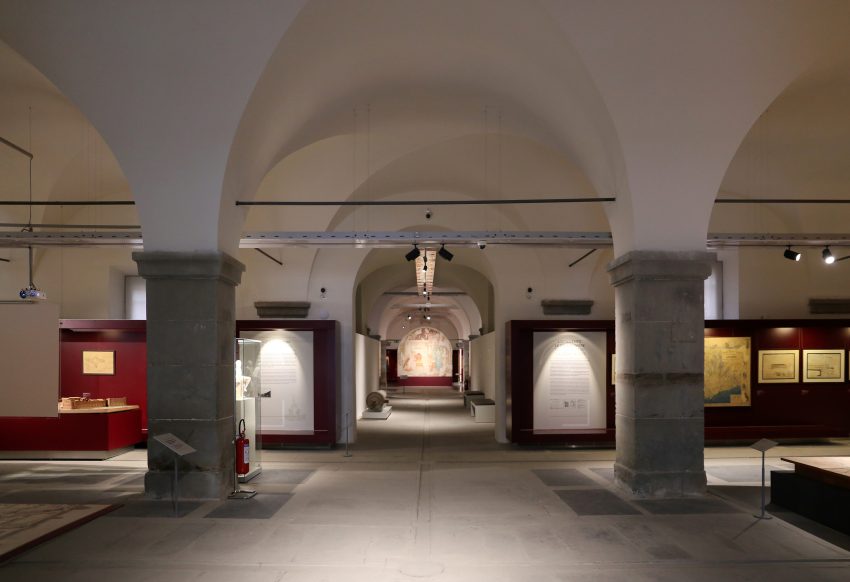
Museo della Città di Livorno
CC BY-SA 2.0 / Sailko
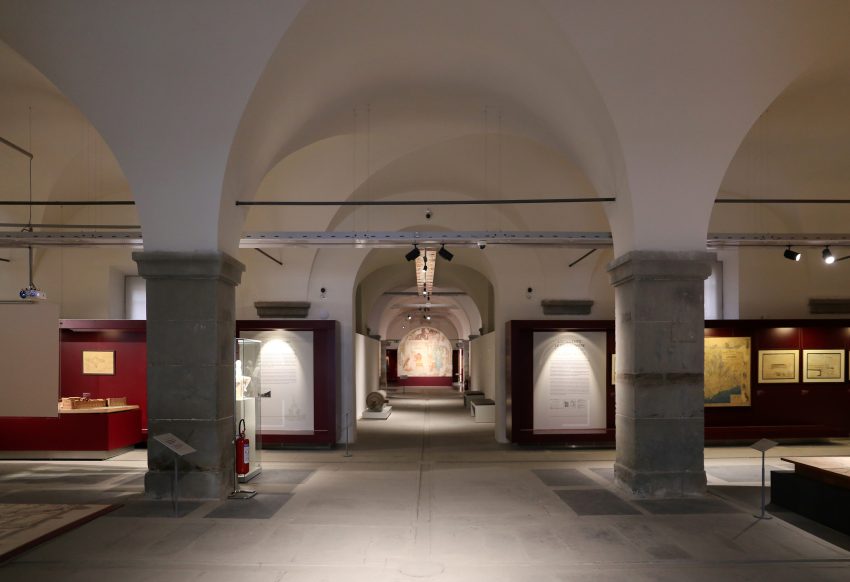
Museo della Città di Livorno is the city museum in the Bottini dell’Olio complex, linking Livorno’s port-born identity to the objects and art made here. The visit moves through spaces created from the former Churches of the Assumption and Saint Joseph, joined by a renovated olive-oil storage vault that still feels industrial and atmospheric. Collections touch everything from 9th-century Tuscan farming tools to garments associated with Giuseppe Garibaldi, alongside numismatic and archaeological material including Etruscan and Roman finds from Enrico Chiellini’s collection. Sections trace the city’s story up to the Risorgimento, and the contemporary galleries feature names like Piero Manzoni, Emilio Vedova, and Pino Pascali.
Location: Piazza del Luogo Pio, 19, 57123 Livorno LI, Italy | Hours: Tuesday – Sunday: 10:00–19:00. Closed on Monday. | Price: Full ticket (Ancient/Medieval/Modern + Contemporary): €8; Reduced: €6. Single section: €5; Reduced: €3. Combined ticket (Museo della Città + Museo Giovanni Fattori): €10; Reduced: €8. | Website | Distance: 0.8km

13. Cantiere Navale Fratelli Orlando
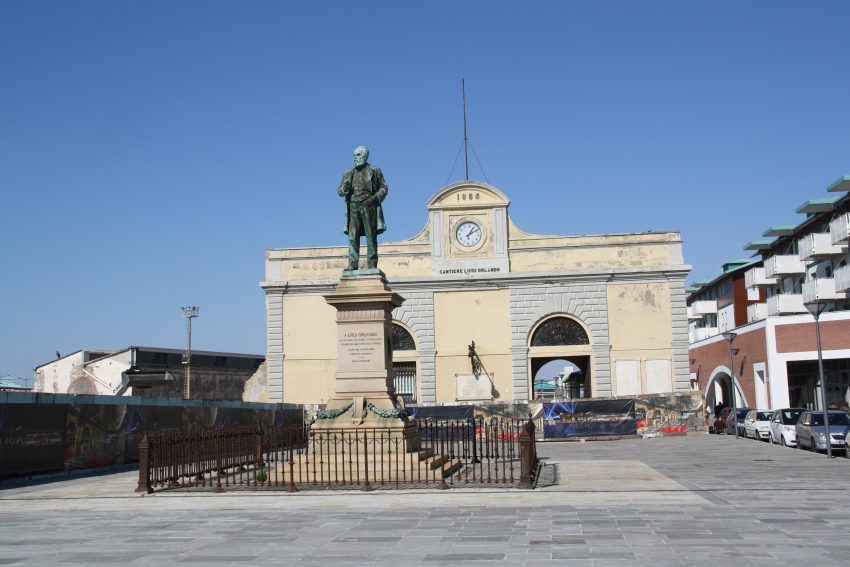
Cantiere Navale Fratelli Orlando
CC BY-SA 3.0 / Piergiuliano Chesi
Cantiere Navale Fratelli Orlando is the former Orlando Brothers Shipyard on Livorno’s working waterfront, founded in 1866 after Luigi, Giuseppe, Paolo, and Salvatore Orlando moved their operation from Genoa. Shipbuilding has ceased, but the docks and canal edges still hint at the yard’s scale and the city’s industrial, sea-facing identity. It launched early ironclads for the Regia Marina, beginning with the Conte Verde in 1867, and later sent the Lepanto down the ways in 1883. The brothers built the Morosini Slipway (Scalo Morosini) to handle larger hulls, a reminder of the engineering ambition once concentrated here. At the entrance, the Monument to Luigi Orlando still marks the site with a formal, pedestal-topped statue.
Location: Cantiere Luigi Orlando, 57123 Livorno LI, Italy | Hours: Monday – Sunday: 09:00–23:00. | Price: Free. | Website | Distance: 0.9km

14. Viale Italia
Viale Italia
Viale Italia
CC BY-SA 3.0 / Piergiuliano Chesi
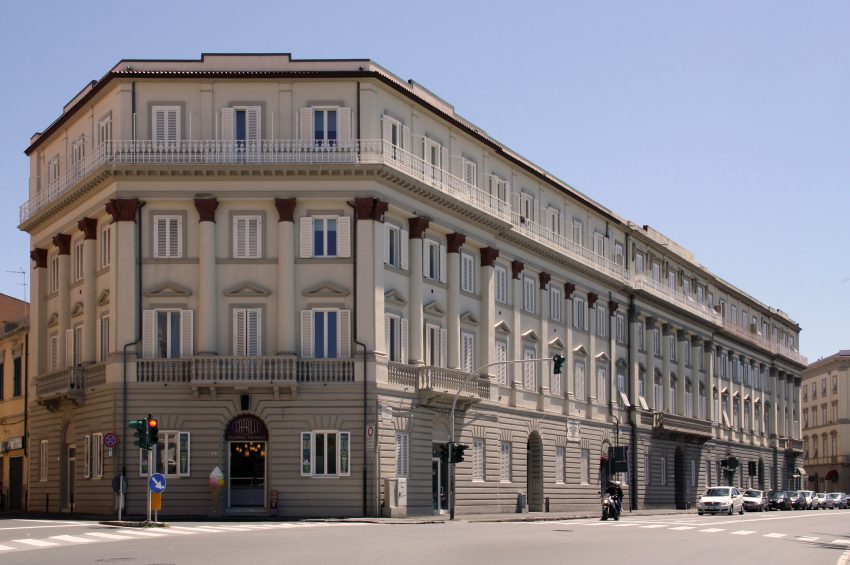
Viale Italia is Livorno’s long seafront promenade, running from La Rotunda toward Piazza Luigi Orlando and serving as the city’s everyday waterfront stage. It matters because it links sea views with many of Livorno’s maritime landmarks, so you experience the coast the way locals do—on foot, by bike, or lingering on benches in the breeze. Starting near the Regina Margherita Barrier, the pedestrian-friendly stretch leads past the Italian Naval Academy and the Church of San Jacopo in Acquaviva. Along the way you’ll spot the Queen’s Rock and the checkerboard terrace of Terrazza Mascagni near the Livorno Aquarium. Between viewpoints, the boulevard’s cafés, gelato stops, and small shops keep the walk pleasantly punctuated.
Location: Viale Italia, Livorno LI, Italy | Hours: 24 Hours. | Price: Free. | Distance: 1.2km

15. Scoglio della Regina
Scoglio della Regina
CC BY-SA 3.0 / Piergiuliano Chesi
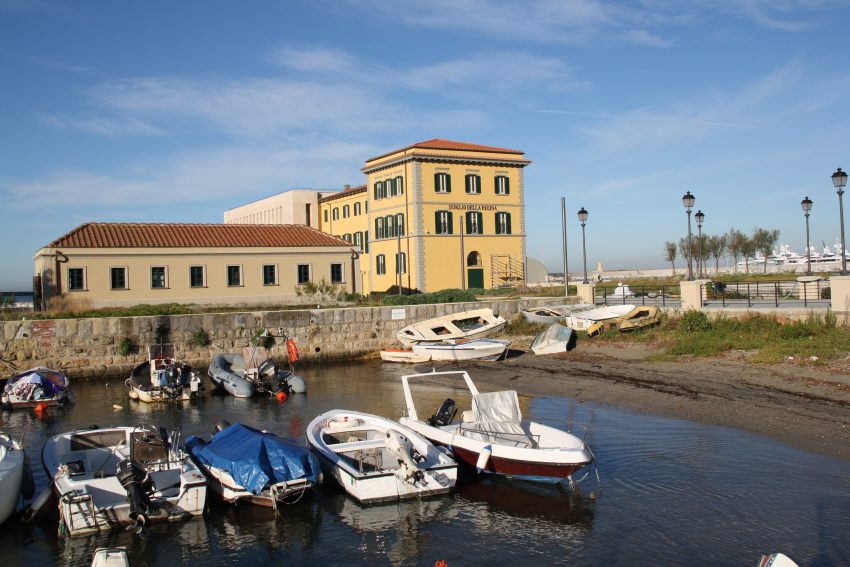
Scoglio della Regina (Queen’s Rock) is a rocky seawater access point on Livorno’s waterfront, where flat stone ledges and ladders let you slip into the Ligurian Sea without leaving town. The site takes its name from Maria Luisa of Etruria, who reportedly used this stretch for privacy and had a natural, sea-fed pool created. In 1846 it became one of Livorno’s early bathing establishments, built as Bagno Squarci, and the historic structure now houses the Sant’Anna School’s Sea Technologies and Marine Robotics Research Centre. Even without going inside, visitors remember the open-horizon views, the salt-worn architecture, and a 2017 statue by Sandro Chia; locals still sunbathe and hunt for crabs among the rocks.
Location: Viale Italia, 6, 57126 Livorno LI, Italy | Hours: 24 Hours. | Price: Free. | Distance: 1.3km

16. Acquario di Livorno
Acquario di Livorno
Acquario di Livorno
CC BY-SA 4.0 / Marcxosm
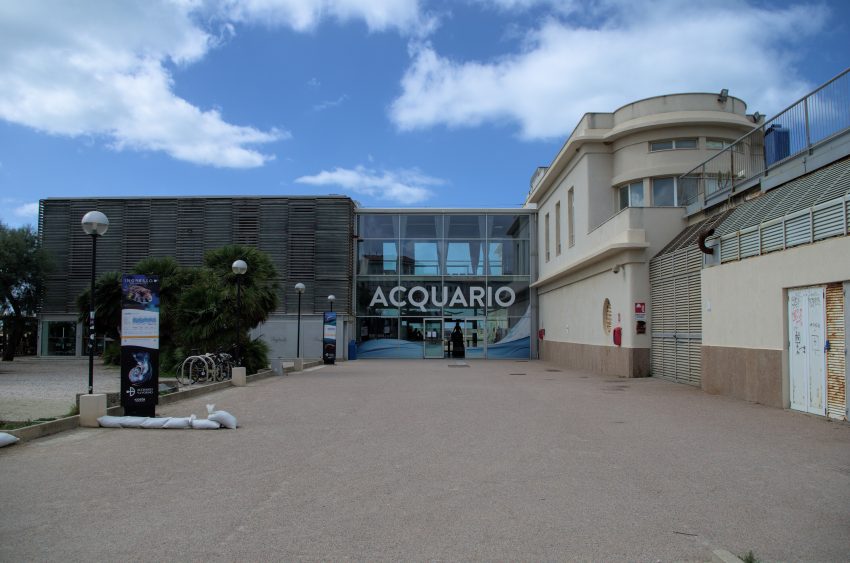
Acquario di Livorno is a compact aquarium on Livorno’s seafront beside Terrazza Mascagni, designed as an educational window into Mediterranean and global ecosystems. The route begins with a room dedicated to naturalist Diacinto Cestoni and moves through themed tanks on Mediterranean crustaceans and color, plus an Indo‑Pacific display where the resident turtles swim among zebra and reef sharks. Visitors often linger at the tactile tank to touch rays and at the jellyfish gallery, which ties the spectacle to plastic-waste impacts on sea turtles. A Mediterranean tank stages a Greek‑Roman shipwreck scene, and the visit ends with reptiles, amphibians, and leafcutter ants before stepping onto the panoramic terrace above the coast.
Location: Piazza Mascagni, 1, 57127 Livorno LI, Italy | Hours: Daily: 10:00–18:00. | Price: Adults: €16; Youth (1 m to 140 cm): €10; Reduced (over 65, military, disabled companions): €10; Under 1 m: free; Disabled persons: free. | Website | Distance: 1.7km

17. Terrazza Mascagni
Terrazza Mascagni
Terrazza Mascagni
CC BY-SA 4.0 / Mykola Pokalyuk
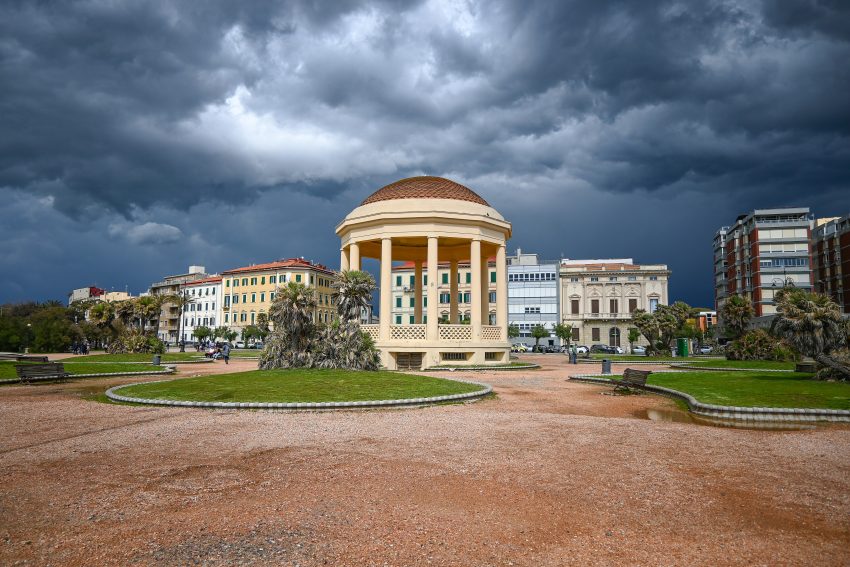
Terrazza Mascagni (Mascagni Terrace) is a broad seafront piazza in Livorno that looks straight out over the Ligurian Sea, built for lingering walks and big-horizon views. Underfoot, a black-and-white checkerboard of about 34,000 tiles spreads across roughly 8,700 square meters, turning the whole space into a graphic stage for the coastline. The terrace was laid out as a square in 1925 to a plan by engineer Enrico Salvais and later named for Livorno-born composer Pietro Mascagni, replacing the earlier Cavalleggeri Fort. At the southern end, a 1930s gazebo—rebuilt after WWII—adds a period flourish, and visitors often mention the “old world” feel and the quiet, wind-and-light drama by the balustrade.
Location: Viale Italia, 52, 57127 Livorno LI, Italy | Hours: 24 Hours. | Price: Free. | Website | Distance: 1.8km

18. Chiesa di San Jacopo in Acquaviva
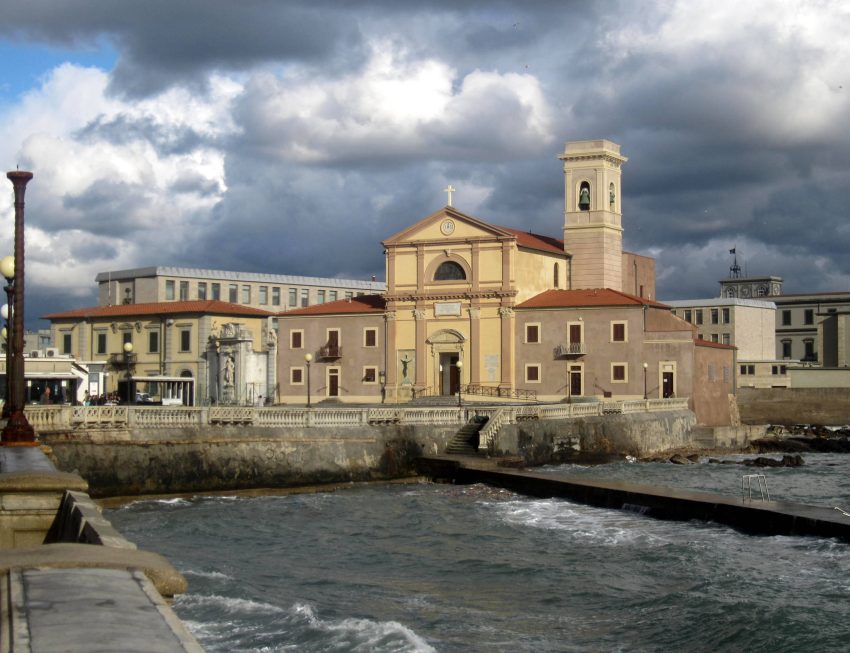
Chiesa di San Jacopo in Acquaviva
CC BY-SA 3.0 / Luca Aless
Chiesa di San Jacopo in Acquaviva is a seaside church on Piazza San Jacopo in Livorno, remembered as much for the crash of waves at its steps as for what’s inside. Its story reaches back to at least 1163, and the “Acquaviva” name is linked to a freshwater spring once said to run here, though no trace has been confirmed. The present building rose in 1606 on the earlier site, with an excavation in 1716 bringing the ancient church to light before it was restored and reconsecrated. Late-19th-century changes added a bell tower and neo-Renaissance façade, and visitors often seek out the crypt, sometimes opened on request. Inside, look for the monument to Pietro Leopoldo, Grand Duke of Tuscany.
Location: Piazza S. Jacopo in Acquaviva, 17, 57127 Livorno LI, Italy | Hours: Check official website. | Price: Free; donations appreciated. | Distance: 2.1km

19. Italian Naval Academy
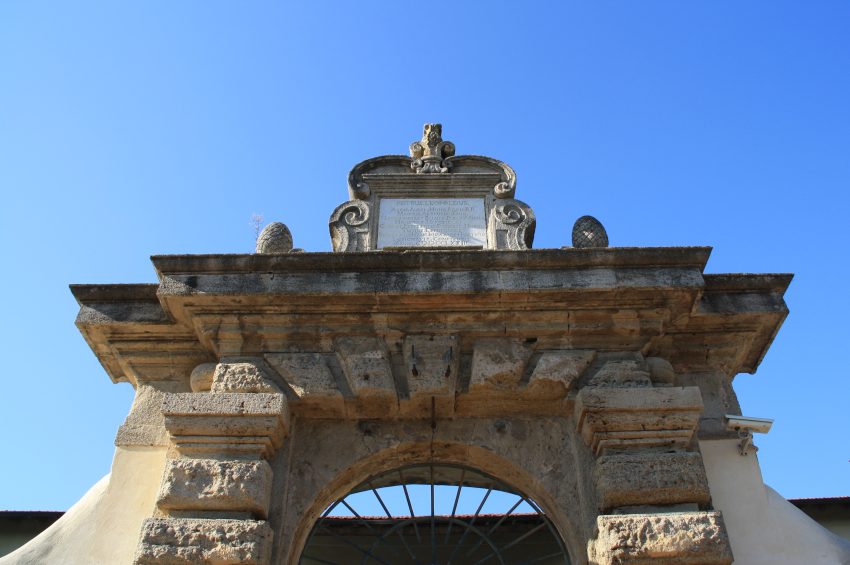
Italian Naval Academy
CC BY-SA 3.0 / Piergiuliano Chesi
The Italian Naval Academy (Accademia Navale) is Livorno’s working officer-training campus for the Italian Navy, stretching along the seafront on Viale Italia. Founded in 1881 from the merger of earlier naval schools in Genoa and Naples, it occupies former quarantine-hospital grounds dating to the 1640s, later expanded with the Saint Leopold Hospital. From outside, visitors remember the long, formal façades and gates and the sense of a self-contained “city” facing the Ligurian Sea. Inside the complex lies a vast parade ground that opens toward the water, where cadets practice sail handling in preparation for service on the tall ship Amerigo Vespucci. Locals often describe the area as calm and pleasant by the sea.
Location: Viale Italia, 72, 57127 Livorno LI, Italy | Hours: Check official website. | Price: Check official website. | Website | Distance: 2.1km

Best Day Trips from Livorno

A day trip from Livorno offers the perfect opportunity to escape the urban rhythm and discover the surrounding region's charm. Whether you're drawn to scenic countryside, historic villages, or cultural landmarks, the area around Livorno provides a variety of easy-to-reach destinations ideal for a one-day itinerary. If you are looking to rent a car in Italy I recommend having a look at Discover Cars, first, as they compare prices and review multiple car rental agencies for you.

1. Castello Boccale
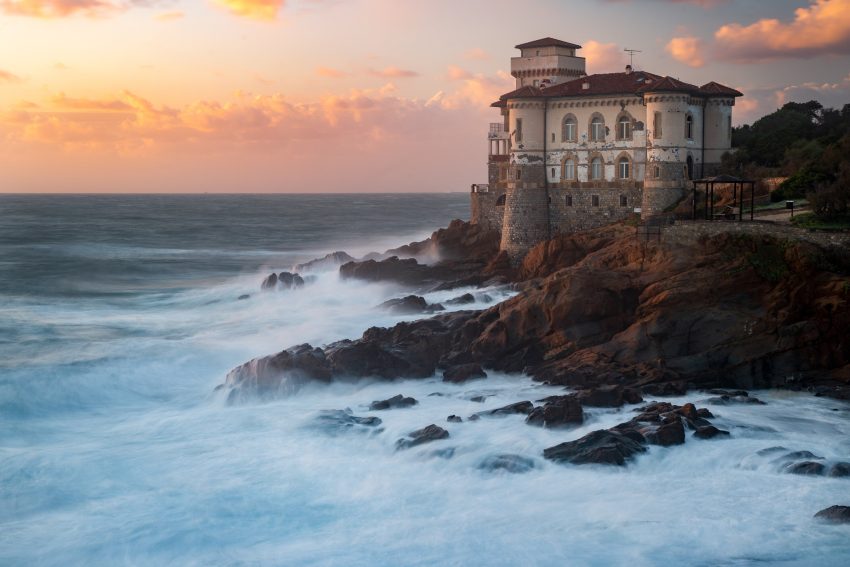
Castello Boccale
Castello Boccale
CC BY-SA 4.0 / Pamyd85
Castello Boccale is in Livorno, Italy, on the rocky coast south of the Antignano district along the road toward Calafuria. It is a former watchtower complex that now functions as private residences, so the visit is mainly about seeing the exterior and the setting rather than touring inside.The castle sits above the Tyrrhenian Sea with cliffs, rocks, and wide coastal…
Location: 57128 Livorno, Province of Livorno, Italy | Hours: 24 Hours. | Price: Free. | Website | Distance: 8.1km
Visiting Castello Boccale

2. Pisa

Visiting Pisa Italy
Visiting Pisa Italy
Pisa sits in western Tuscany in central Italy, close to the Tyrrhenian coast, and it works especially well as a short, high-impact stop on a wider Tuscany itinerary. The city is compact and easy to navigate on foot, with the main sights clustered close enough that you can structure your day around a few focused areas rather than constant transport.…
Visiting Pisa
Powered by GetYourGuide

3. Lucca

Italy   Lucca
Italy Lucca
www.arne-mueseler.com CC BY-SA3 .0 / Arne Müseler
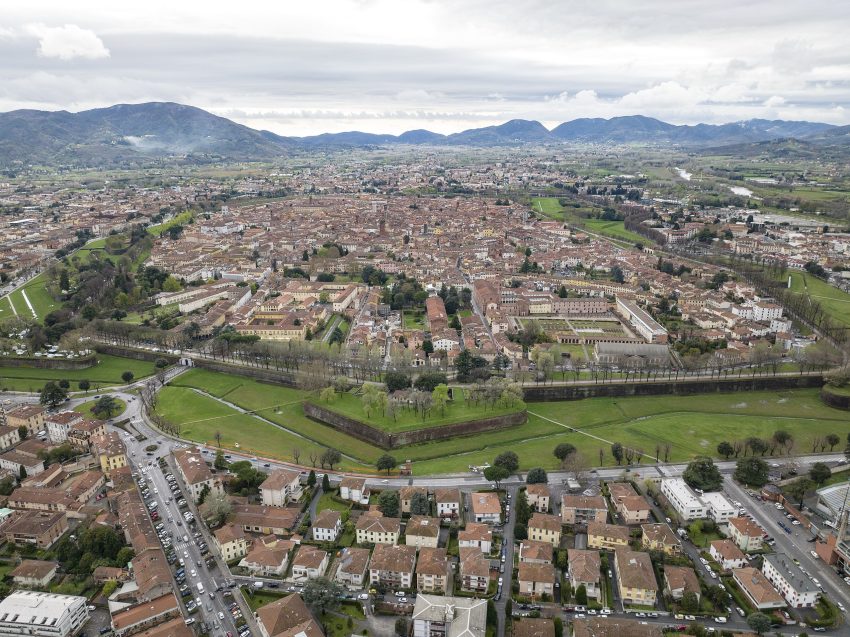
Lucca, considered one of Europe's most delightful towns, captivates visitors with its walled centre, ranking it among Tuscany's top attractions. The town boasts magnificent churches, many featuring the distinctive striped facades characteristic of Tuscan architecture, and they house a trove of precious art treasures. While strolling through its narrow streets and spacious piazzas, you can relish the serene ambiance and…
Visiting Lucca
Powered by GetYourGuide

4. San Gimignano

The Complete Guide to San Gimignano
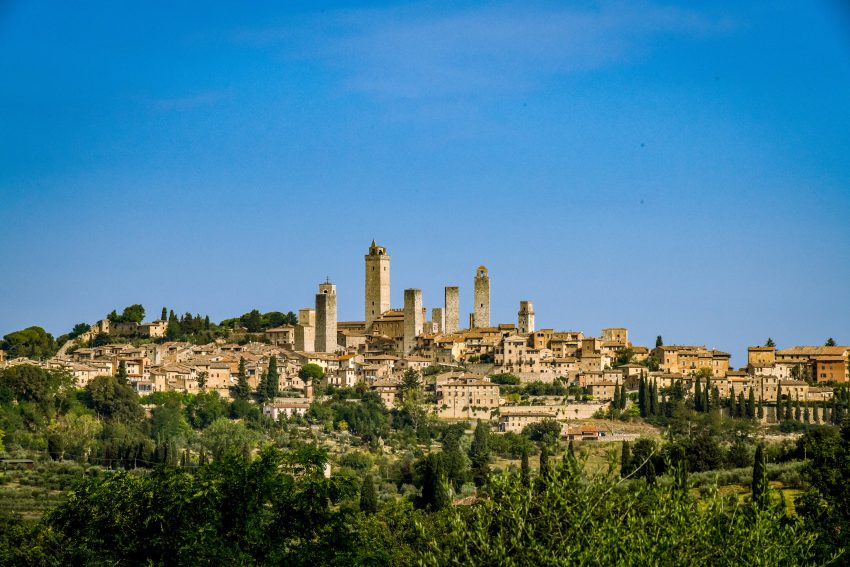
San Gimignano is one of Tuscany’s most atmospheric hill towns, celebrated for its skyline of medieval towers, golden-stone streets, and vineyard-draped countryside. It’s compact enough to explore on foot, yet packed with viewpoints, churches, small museums, and food stops that make it easy to fill a full day—or slow down and linger over long lunches with local Vernaccia wine. A…
Visiting San Gimignano

5. Lerici

Lerici La Spezia
Lerici La Spezia
CC BY-SA 4.0 / Evelyscher
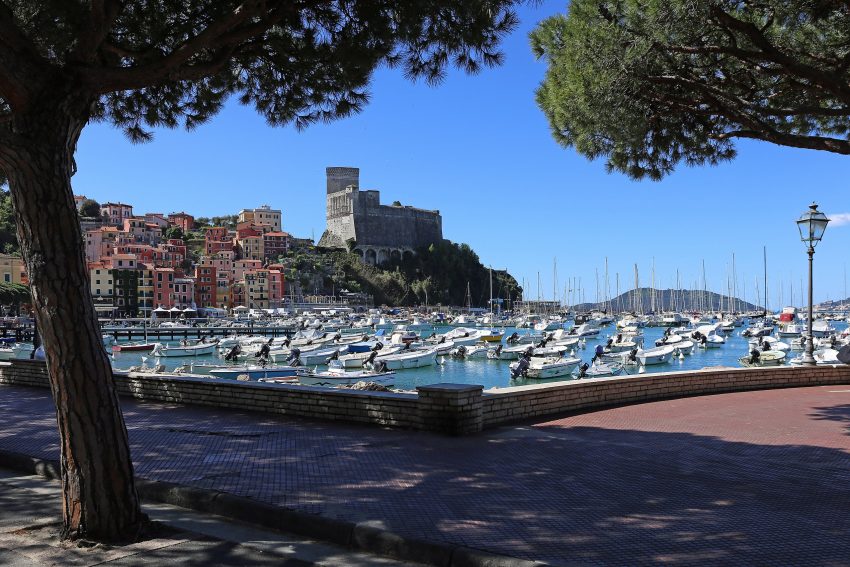
Lerici stands as a cherished and renowned tourist destination along the captivating Riviera di Levante, celebrated for its stunning beaches and picturesque vistas. For those seeking a seaside escape on the Riviera di Levante, where basking under the sun and the allure of the sea are paramount, Lerici emerges as the ideal destination. Each day beckons a new and distinct…
Visiting Lerici
Powered by GetYourGuide

6. Portovenere

portovenere
portovenere
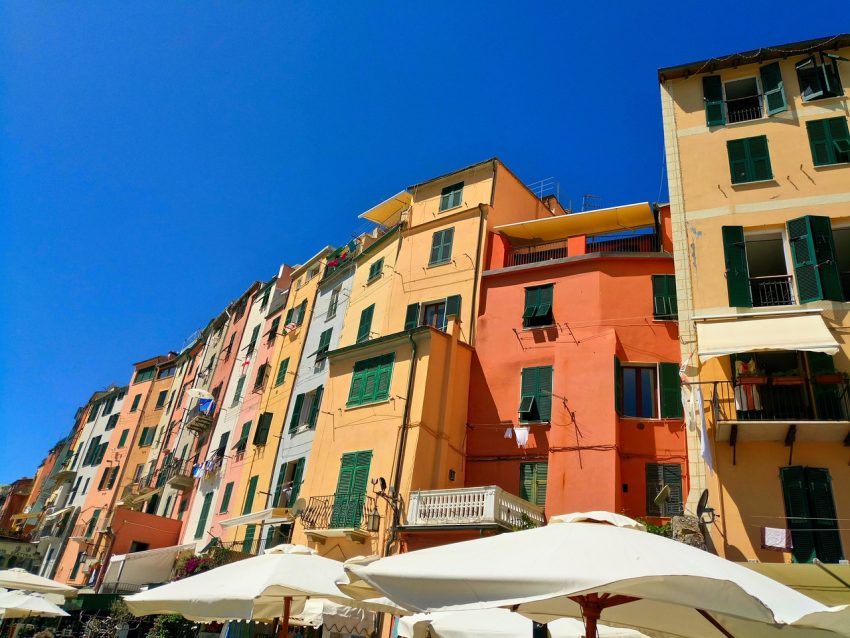
Porto Venere, a hidden gem in the heart of Liguria, Italy, sits just a stone's throw away from the renowned Cinque Terre. Despite its prestigious UNESCO World Heritage site designation and its position as a scenic marvel on the Gulf of the Poets, this enchanting town remains somewhat undiscovered by the multitude of global travellers converging on the Cinque Terre.…
Visiting Portovenere
Powered by GetYourGuide

7. La Spezia

la spezia
la spezia
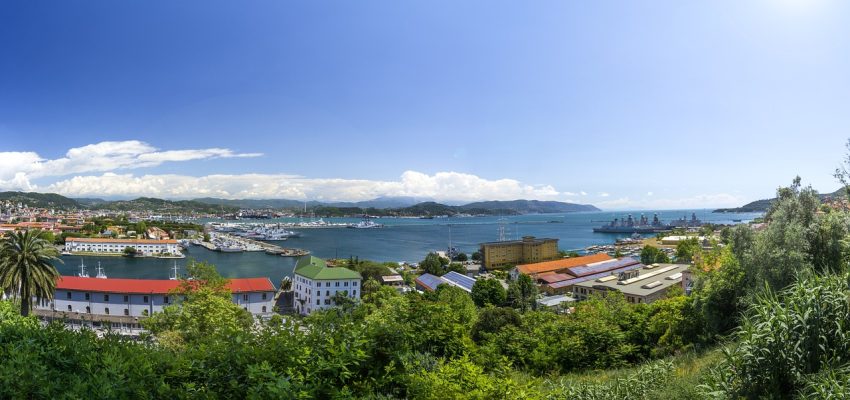
La Spezia, positioned in the far-eastern reaches of Liguria, stands as the region's largest and most densely populated city. However, its allure lies not only in its intrinsic attractions but also in its proximity to the splendid villages adorning the enchanting Gulf of Poets. Often, La Spezia merely brushes against the bustling tide of tourists drawn by the illustrious charms…
Visiting La Spezia
Powered by GetYourGuide

8. Riomaggiore

Riomaggiore Cinque Terre
CC BY-SA 2.0 / chensiyuan
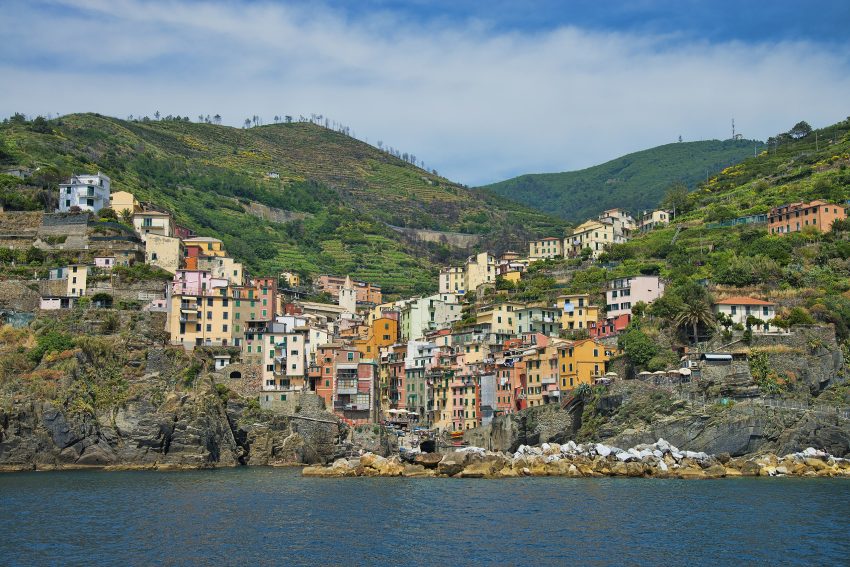
The Via dell'Amore is a pathway that links Riomaggiore to its frazione, Manarola, which is also a part of the Cinque Terre. Riomaggiore, situated in a small valley within the Liguria region of Italy, serves as the southernmost village among the five Cinque Terre when traveling north from La Spezia. Dating back to the early thirteenth century, this village is…
Visiting Riomaggiore
Powered by GetYourGuide

9. Manarola

manarola
manarola
CC BY-SA 2.0 / chensiyuan
Manarola, known as Manaea in the local dialect, is a small town located in the province of La Spezia, Liguria, northern Italy. It is a frazione of the municipality of Riomaggiore and is renowned as one of the famous Cinque Terre towns frequented by tourists. Despite being the second-smallest town in the area, it has a population of 353. The…
Visiting Manarola
Powered by GetYourGuide

10. Corniglia

Corniglia Cinque Terre
CC BY-SA 4.0 / Cs.adri
Corniglia, known as Corniggia in Ligurian and locally referred to as Curnigia (citation needed), is a hamlet within the comune of Vernazza in the province of La Spezia, Liguria, northern Italy. It has a population of approximately 150 people as of 2016. Unlike the other localities of the Cinque Terre, Corniglia is not situated directly by the sea. Instead, it…
Visiting Corniglia
Powered by GetYourGuide

11. Florence

Florence
Florence
Florence, one of Italy's most renowned cities, is a must-visit destination on the tourist circuit. Its breath-taking Renaissance architecture, charming streets, and picturesque buildings make it a captivating spot for travellers. Art lovers will find themselves in paradise with an abundance of galleries to explore, offering a diverse range of masterpieces. The city's magnificent Renaissance churches also provide a fascinating glimpse…
Visiting Florence
Powered by GetYourGuide

Where to Stay in Livorno

Staying in the canal district around Venezia Nuova is ideal if you want atmosphere, walkability, and easy access to restaurants and evening strolls; it’s a great base for exploring on foot while still feeling distinctly “Livorno.” A strong choice here is Agave in Città, which suits travelers who like stylish, apartment-style comfort close to the canals and central sights. If you prefer being closer to the seafront for sunrise walks and quick access to Terrazza Mascagni, consider the waterfront area; Hotel Navy works well for a relaxed coastal stay with straightforward access to the promenade. For a more classic, central hotel feel near transport links and practical city access, the area around the main station and central avenues can be convenient; Hotel Gran Duca is a solid option for comfort and location, especially if you’re arriving by train or planning day trips.

Using the our Hotel and Accomodation map, you can compare hotels and short-term rental accommodations in Livorno. Simply insert your travel dates and group size, and you’ll see the best deals for your stay.

Livorno Accommodation Map

Best Time to Visit Livorno

Livorno in Spring

Spring is one of the most pleasant times to visit, with mild temperatures, longer days, and comfortable conditions for walking the canals, markets, and seafront. It’s ideal for combining sightseeing with coastal strolls without the peak-summer crowds.

Livorno in Summer (Best)

Summer brings the classic seaside atmosphere: long evenings, lively waterfront areas, and the best conditions for swimming and sunbathing along the rocky coast. It’s also when the city feels most animated, with outdoor dining and seasonal events; check local calendars for summer festivals and waterfront performances.

Livorno in Autumn

Autumn is excellent for travelers who want warm-ish days and fewer visitors. The sea often stays inviting into early autumn, and it’s a great season for food-focused travel, especially seafood meals and market browsing.

Livorno in Winter

Winter is quieter and can be breezy, but it suits travelers who prefer a local pace and lower prices. You’ll still find plenty open in the center, and clear winter days can be beautiful for dramatic sea views and photography along the coast.

Annual Weather Overview

  • January 11°C
  • February 12°C
  • March 14°C
  • April 16°C
  • May 22°C
  • June 26°C
  • July 30°C
  • August 29°C
  • September 24°C
  • October 21°C
  • November 15°C
  • December 11°C

How to get to Livorno

Getting to Livorno by air

Nearest airports: Pisa International Airport (Galileo Galilei) is the closest major airport, with frequent onward connections by train, taxi, and car. Florence Airport is another option, especially for certain routes.

From Pisa Airport to the city: Take the PisaMover to Pisa Centrale, then continue by regional train.

Getting to Livorno by train

Main stations: Livorno Centrale is the primary rail hub for most arrivals; some services also stop at Livorno Porto (useful for port-side connections depending on schedules).

Train operators and tickets: Regional and long-distance services are primarily operated by Trenitalia: https://www.trenitalia.com/. For some high-speed routes connecting via nearby hubs, Italo can be useful: https://www.italotreno.it/.

Getting to Livorno by Car

Driving routes: Livorno is well connected by major roads along the coast and inland routes linking to nearby Tuscan cities. Driving is convenient if you plan to combine the city with coastal viewpoints and nearby towns.

Parking and access: Expect limited street parking in central areas; look for paid garages or designated lots, and pay attention to restricted traffic zones (ZTL) where applicable. If you are looking to rent a car in Italy I recommend having a look at Discover Cars, first, as they compare prices and review multiple car rental agencies for you.

Travelling around Livorno

On foot: The canal districts, central streets, and much of the waterfront are walkable.

Local buses: Buses are useful for reaching the farther stretches of the seafront and nearby neighborhoods.

Taxis and ride services: Handy for evenings or if you’re short on time.

Ferries and port connections: If you’re continuing to islands or other destinations by sea, allow extra time for port procedures and seasonal schedule changes.
More from this area