Bologna, Italy: The Ultimate Travel Guide 2026
bologna
bologna

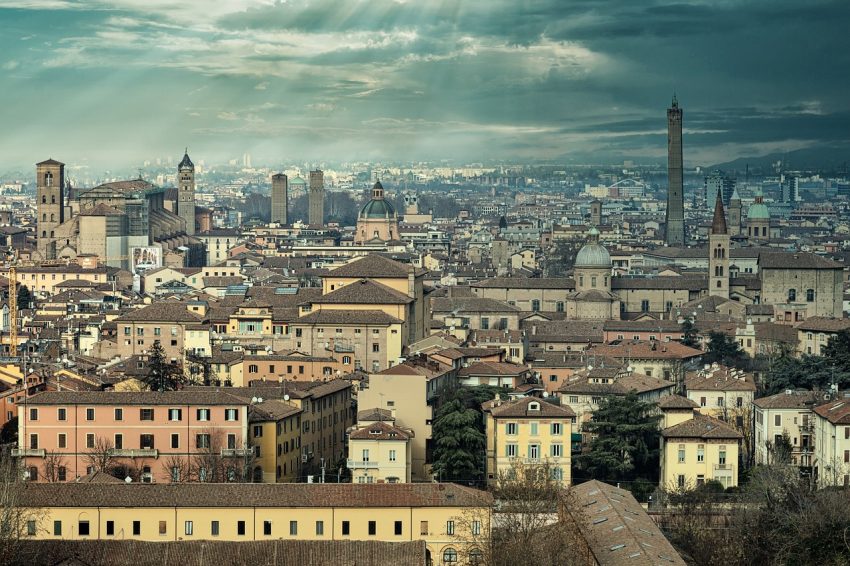
Bologna, a captivating city, holds the distinction of being the capital and largest city of the Emilia-Romagna region. Renowned by many Italians as the second most beautiful city after Venice, it boasts a rich heritage and a vibrant atmosphere. Bologna's charm lies in its relaxed and stress-free lifestyle, accompanied by a warm and lively ambiance. Its historic center, one of the largest and best-preserved in Italy, showcases remarkable architecture characterized by extensive porticos-a feature that is uniquely well-maintained in Europe. The cityscape is adorned with brick buildings crowned by terracotta tiles, presenting a breathtaking array of reds and oranges.

Within Bologna's boundaries lies the oldest university in Europe, established in the 11th century. With a significant portion of its population comprising university students, the city exudes a vibrant energy that contributes to its lively atmosphere, thriving nightlife, and theatrical offerings. Bologna holds the title of the Italian hub for rock and alternative music, hosting nearly 100 concerts annually featuring internationally renowned bands.

Often hailed as the culinary capital of Italy, Bologna's gastronomy is a source of great pride. It is famous for its delectable specialties such as Parma ham, balsamic vinegar, parmesan cheese, lasagne, and spaghetti Bolognese, all originating from this vibrant city.

History of Bologna

Ancient Origins and Roman Era

Bologna’s story begins long before the Roman Empire, with its roots in the Villanovan civilization around the 9th century BCE — one of the earliest Iron Age cultures in Italy. By the 6th century BCE, it had become an important Etruscan settlement known as Felsina, a thriving city surrounded by fertile plains and rich trade routes. When the Romans arrived in 189 BCE, they renamed it Bononia and incorporated it into their expanding empire. The Romans laid out the city in a grid pattern, parts of which still define Bologna’s historic center today. Bononia prospered as a key stop on the Via Aemilia, the great Roman road connecting Rimini and Piacenza, and it flourished as a center of agriculture and commerce throughout antiquity.

The Medieval Golden Age

After the fall of the Roman Empire, Bologna passed through periods of Lombard and Frankish control before becoming a self-governing commune in the 11th century. It was during this era that Bologna rose to prominence as one of medieval Europe’s intellectual capitals. The University of Bologna, founded in 1088, is widely recognized as the oldest university in continuous operation in the world and attracted scholars from across the continent to study law, philosophy, and theology. The city’s wealth grew rapidly during the Middle Ages, leading to the construction of hundreds of towers by powerful families — symbols of both status and defense, of which the Two Towers, Asinelli and Garisenda, remain today. Bologna also played a key role in the Lombard League’s resistance against imperial authority, asserting its independence while developing strong trade and guild traditions.

Renaissance to Modern Times

By the 16th century, Bologna had come under papal rule and became part of the Papal States, a relationship that brought stability but also limited its political autonomy. During this period, the city developed a rich artistic heritage, with painters like the Carracci family and Guido Reni shaping the Bolognese School of art. The Renaissance and Baroque eras left an enduring mark through elegant churches, arcades, and palaces that still define its streetscape. In the 19th century, Bologna joined the Kingdom of Italy after the unification movement, and its university regained its position as a leading European center of learning.

Throughout the 20th century, Bologna became known not only for its academic and cultural life but also for its progressive politics and resistance during World War II. The postwar years brought industrial growth and a renewed civic pride, earning it the nickname “La Dotta, La Grassa, e La Rossa” — the learned, the fat, and the red — in tribute to its university, cuisine, and left-leaning politics. Today, Bologna stands as a city that has successfully balanced its medieval character with a modern, forward-thinking spirit, continuing a legacy that stretches back more than 2,500 years.

Moira & Andy
Moira & Andy

Hey! We're Moira & Andy. From hiking the Camino to trips around Europe in Bert our campervan — we've been traveling together since retirement in 2020!

Read our full story here

Visiting Bologna for the first time and wondering what are the top places to see in the city? In this complete guide, I share the best things to do in Bologna on the first visit. To help you plan your trip, I have also included an interactive map and practical tips for visiting!

This website uses affiliate links which earn a small commission at no additional cost to you.
Powered by GetYourGuide

26 Best places to See in Bologna

This complete guide to Bologna not only tells you about the very best sights and tourist attractions for first-time visitors to the city but also provide insights into a few of our personal favorite things to do.

This is a practical guide to visiting the best places to see in Bologna and is filled with tips and info that should answer all your questions!

1. Monument to Fallen Partisans

Biblioteca Sala Borsa
CC BY-SA 4.0 / Pietro Luca Cassarino
The Monument to Fallen Partisans is a WWII memorial on the east-facing wall of Palazzo d’Accursio in Piazza Maggiore, a few steps from the Fountain of Neptune. Instead of a statue, it’s a grid of more than 2,000 portrait photographs sealed behind glass, so you find yourself meeting the eyes of people who died resisting fascism. The display began right after Bologna’s liberation in April 1945, when families and friends pinned up photos, flowers, and messages on the very wall where some partisans were executed during the occupation. Today the glass catches reflections of the square, visually layering everyday Bologna over the faces being remembered.
Location: Sacrario dei Caduti della Resistenza per le Libertà e la Giustizia Piazza del Nettuno, 1 40124 Bologna BO Italy | Hours: Always accessible. | Price: Free, public access at all times. | Distance: 0km

We recommend to rent a car in Italy through Discover Cars, they compare prices and review multiple car rental agencies. Book your rental car here.

2. Piazza Nettuno

Fontana del Nettuno e Palazzo Re Enzo
CC BY-SA 4.0 / EvelinaRibarova
Piazza Nettuno is the broad civic square anchored by the Renaissance Fountain of Neptune, where the bronze sea god raises his trident above a ring of cherubs, dolphins, and other sea creatures. Commissioned in the 1560s under Pope Pius IV and created by Giambologna with architect-painter Tommaso Laureti, the fountain was designed as a statement of authority and prosperity. The open space was carved out by clearing medieval buildings, leaving a stage framed by grand façades and palaces that still draw crowds to linger and people-watch. Step close to the base to catch the playful sculptural details and the constant splash that softens the square’s busy hum.
Location: Piazza Nettuno, Bologna, Metropolitan City of Bologna, Italy | Hours: 24 Hours | Price: Free | Distance: 0km

Here is a complete selection of hotel options in Bologna. Feel free to review each one and choose the stay that best suits your needs.

3. Biblioteca Salaborsa

Biblioteca Salaborsa
CC BY-SA 3.0 / Lorenzo Gaudenzi
Set into the northern wing of Palazzo d’Accursio by Piazza del Nettuno, Biblioteca Salaborsa is the city’s central public library, built around a soaring, light-filled atrium. Its defining experience is walking across the glass floor and looking straight down onto excavated layers of Roman Bononia—walls, streets, and wells—then heading to the basement walkways for a closer view with interpretive panels. Iron columns and a glazed ceiling give the interior a 19th-century civic grandeur, while reading rooms and exhibition spaces keep it firmly contemporary. Visitors often linger for the quiet atmosphere and the rare chance to see archaeology integrated into an everyday public space.
Location: Biblioteca Salaborsa, Piazza del Nettuno, Bologna, Metropolitan City of Bologna, Italy | Hours: Monday: 2.30pm-8.00pm Tuesday - Friday: 10am- 8pm Saturday & Sunday: 10am to 7pm | Price: Free | Website | Distance: 0.1km

Traveling to a country with a different currency? Avoid ATM transaction fees and pay in local currency with a Wise Card. Having used it for over 5 years, we've saved loads on fees!

4. Fontana Vecchia

Bologna Fontana Vecchia
CC BY-SA 2.0 / Fred Romero
Set into the façade of Palazzo d’Accursio on Piazza Maggiore, the Fontana Vecchia (“Old Fountain”) is a quietly elegant Renaissance water feature that many people pass without noticing. Created in the 16th century as the city upgraded its public water system, it reflects civic pride expressed through engineering as much as ornament. Look for Tommaso Laureti’s restrained design—sculpted basins and subtle reliefs—made to sit in harmony with the town hall’s sober architecture rather than compete with it. Its intimacy is part of the appeal: the steady flow and fine stonework reward a slower pause, especially when you later compare it with Laureti’s far more theatrical Fountain of Neptune nearby.
Location: Fontana Vecchia, Via Ugo Bassi, Bologna, Metropolitan City of Bologna, Italy | Hours: 24 Hours | Price: Free | Distance: 0.1km

Where to Stay in Bologna: An Area by Area Guide!

5. San Pietro Cathedral

Bologna CathedralSanPietro
CC BY-SA 3.0 / CEphoto, Uwe Aranas
San Pietro Cathedral is the city’s principal church and the seat of the archbishop, a layered monument rebuilt and reshaped from its 11th-century origins into a confident Baroque interior. Step inside and the mood shifts from the busy street to a bright nave dense with gilding, frescoes, and sculpted chapels. Look for the cedarwood Romanesque crucifix from the 12th century, preserved from the earlier cathedral, and works tied to local masters such as Ludovico Carracci and Alfonso Lombardi’s terracotta Lamentation. Above, the 70‑meter bell tower holds “La Nonna,” a 3,300‑kg bell still associated with traditional ringing. The exterior can seem restrained, but the interior feels vast and meticulously kept.
Location: Cattedrale Metropolitana di San Pietro, Via dell'Indipendenza, Bologna, Metropolitan City of Bologna, Italy | Hours: From Monday to Saturday: 7:30 am – 6:45 pm Sunday 8:00 am – 6:45 pm Bell Tower: Every Saturday from 2.00pm to 4.30pm in summer also from 19:00 to 23:00 cost: 5 euros | Price: Free entry | Cathedral of San Petronio and Archiginnasio Private Tour | Distance: 0.1km

Click here to read our blog about Best Day Trips From Bologna 2026

Powered by GetYourGuide

6. Palazzo d'Accursio

Palazzo dAccursio   Bologna
Palazzo dAccursio Bologna
CC BY-SA 4.0 / Vanni Lazzari
Palazzo d’Accursio, the city’s historic town hall on the west side of Piazza Maggiore, is a layered complex where civic power and art share the same corridors. The façade rewards a slow look: a terracotta Madonna and Child by Niccolò dell’Arca sits above the entrance, topped by a bronze Pope Gregory XIII (1580). Inside, grand council rooms open under Baroque ceiling frescoes painted in the 1670s, and the richly decorated Sala Farnese was rebuilt in 1665. The upper floors house the Municipal Art Collections and the Museo Morandi, devoted to Giorgio Morandi’s quiet still lifes. Many visitors remember the climb up the clock tower for its mechanisms and wide rooftop views.
Location: Palazzo d'Accursio, Piazza Maggiore, Bologna, Metropolitan City of Bologna, Italy | Hours: From Tuesday to Friday: 09:00 – 18:30 Saturday and Sunday: 10:00 – 18:30 Monday Closed | Price: Free entry | Clock Tower & Art collections of Palazzo D'Accursio Audio Guide and Food Tasting | Distance: 0.1km

Click here to read our blog about Emilia-Romagna, Italy 2026: 7-Day Itinerary & Travel Guide

Powered by GetYourGuide

7. Palazzo Re Enzo

Palazzo Re Enzo Bologna
CC BY-SA 4.0 / Vanni Lazzari
Facing Piazza del Nettuno, Palazzo Re Enzo is a red-brick Gothic civic palace built in 1244–1246 as an expansion of the adjacent Palazzo del Podestà. Its fame is inseparable from King Enzo of Sardinia, captured in 1249 and held here for decades—legend even places him in a suspended cage and credits him with fathering children during captivity. Inside, the vast Sala dei Trecento, completed in 1386, impresses with its scale and vaulted atmosphere, while the courtyard frames crisp views through soaring arches. Look for the small Chapel of Santa Maria dei Carcerati, once used by condemned prisoners before execution; today the halls often reopen for exhibitions and events.
Location: Palazzo Re Enzo, Piazza del Nettuno, Bologna, Metropolitan City of Bologna, Italy | Distance: 0.1km

Explore Bologna at your own pace with our self-guided walking tour! Follow our curated route to discover must-see sights and local secrets that makes Bologna one of the best places to visit in Italy.

8. Palazzo del Podesta

Palazzo del Podesta Bologna
CC BY-SA 3.0 / Georges Jansoone
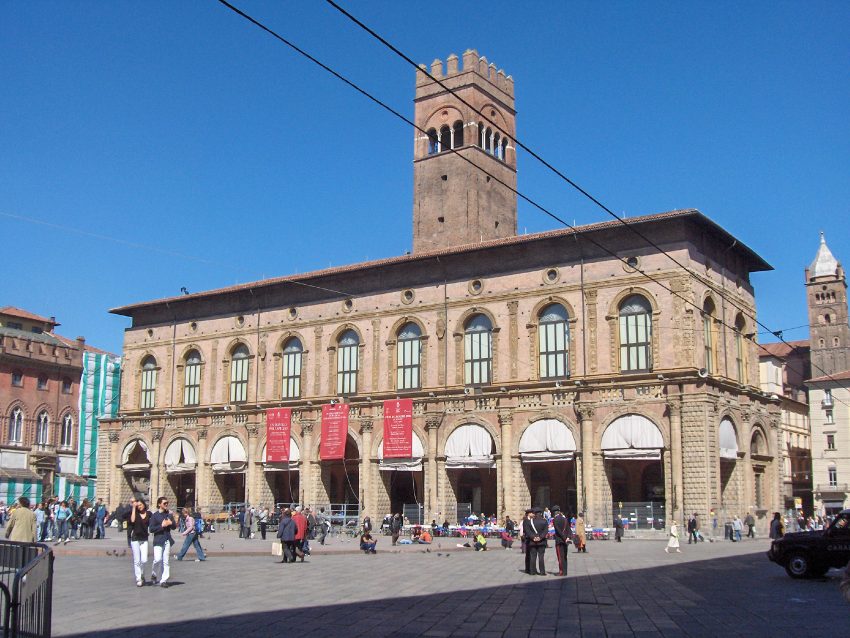
Facing Piazza Maggiore, the Palazzo del Podestà is a medieval civic palace built around 1200 as the seat of the podestà and city courts, later reshaped with a Renaissance-era exterior. Walk under its deep brick porticoes and you’ll pass through the Arco dei Podestà, a vaulted corridor where the “whispering gallery” acoustics let a soft voice travel from corner to corner. Look closely at the columns: the portico is studded with thousands of distinct rosette carvings that reward slow, upward glances. Above, the Campanazzo bell (installed in 1453) once called citizens to announcements, and the building still feels like the square’s public living room.
Location: Palazzo del Podestà, Piazza Maggiore, Bologna, Metropolitan City of Bologna, Italy | Hours: Admission only during exhibitions | Distance: 0.1km

Explore Bologna at your own pace with our self-guided walking tour! Follow our curated route to discover must-see sights and local secrets that makes Bologna one of the best places to visit in Italy.

9. Piazza Maggiore

Piazza Maggiore Bologna
CC BY-SA 4.0 / Vanni Lazzari
Piazza Maggiore is the broad civic square where public life has unfolded since the 13th century, framed by the city’s power centers. The gently arched stone platform known as the Crescentone edges the space and makes an easy perch for watching students, buskers, and evening strolls drift past. Around you rise the unfinished bulk of the Basilica di San Petronio and the palace-fronted Palazzo d’Accursio, with Gothic and Renaissance façades completing the architectural ring. Come at dusk when the red-brick walls warm in the light and the piazza turns calm and romantic, yet still humming with conversation and occasional open-air events.
Location: Piazza Maggiore, Piazza Maggiore, Bologna, Metropolitan City of Bologna, Italy | Hours: 24 hours | Price: Free | Distance: 0.1km

10. Palazzo dei Banchi
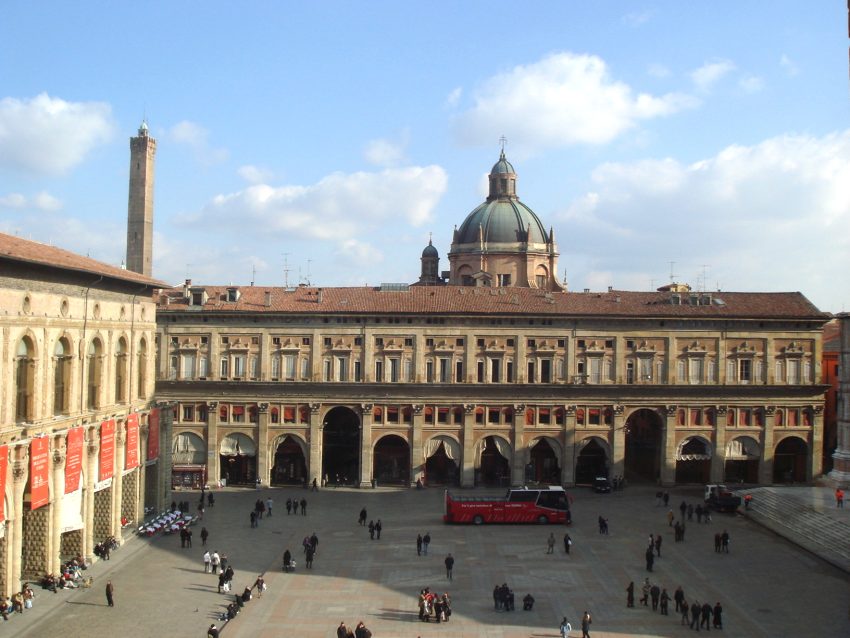
Bologna Palazzo dei Banchi
CC BY-SA 4.0 / Giovanni Dall'Orto
Stretching along the eastern edge of Piazza Maggiore, Palazzo dei Banchi is a restrained Renaissance façade designed by Vignola (1565–1568) to knit together a jumble of older medieval buildings behind it. Its rhythmic arches and symmetrical front read like a stage set, while the porticoes below recall the “banchi” where moneychangers and merchants once did business. Step under the arcades and you’ll notice how the palace masks narrow passages that slip into the market lanes of the Quadrilatero. Today the ground level buzzes with cafés and shops, and at night the lighting brings out the warm tones of the arches.
Location: Palazzo dei Banchi, Piazza Maggiore, Bologna, Metropolitan City of Bologna, Italy | Hours: interior is closed to the public | Distance: 0.2km

11. Prendiparte Tower
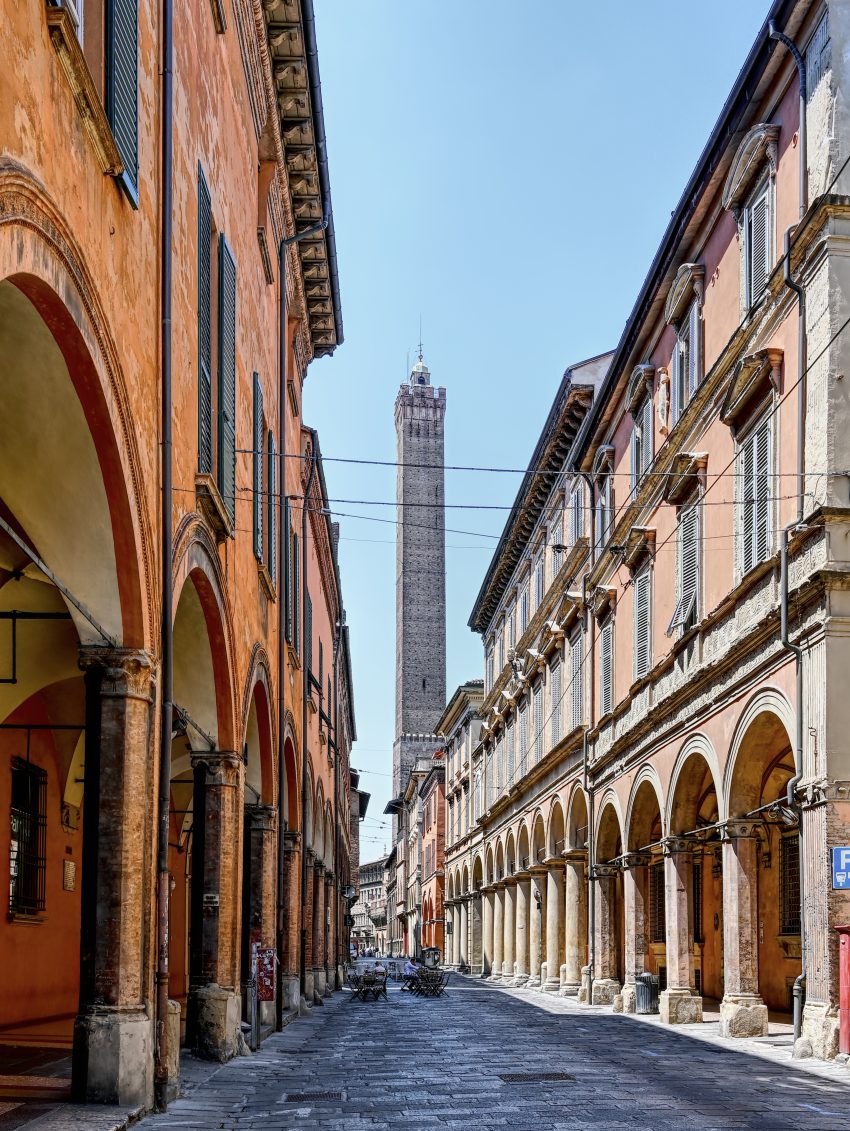
Torre dei Prendiparte
CC BY-SA 4.0 / TeKappa
Prendiparte Tower (Torre Prendiparte) is a 12th-century brick tower that still feels like a medieval stronghold, with thick walls, tight landings, and small chambers stacked vertically. Rising about 60 meters, it’s the city’s second-tallest surviving tower, and the climb culminates on a railed terrace with wide rooftop views that are especially striking as the light warms toward sunset. Inside, traces of its later life as a prison linger in scratched graffiti and inscriptions on the walls. Visitors remember the physicality of the ascent—stone at first, then steep wooden stairs—and the slightly raw, close-quarters atmosphere that makes the height feel earned.
Location: Torre Prendiparte (Sky Experience), Piazzetta Prendiparte, Bologna, Metropolitan City of Bologna, Italy | Hours: Open on Sundays 11am-2pm; 2:30pm-6:30pm | Website | Distance: 0.2km

12. Santa Maria della Vita & Oratory of Battuti

Oratorio dei Battuti Santa Maria della Vita Bologna
CC BY-SA 2.0 / Dimitris Kamaras
The Sanctuary of Santa Maria della Vita and the adjoining Oratory of the Battuti form a compact complex where devotion, charity, and art intersect. Step into the Baroque church’s airy elliptical interior and dome, then seek out Niccolò dell’Arca’s 1463 terracotta “Lamentation,” a life-size circle of mourners whose windblown drapery and anguished faces still stop visitors cold. Next door, the oratory (1604–1617) adds quieter drama with Alfonso Lombardi’s “Transit of the Madonna,” a 14-figure terracotta scene, and a painted Madonna by Nosadella. The small museum deepens the story with antique surgical tools and pharmacy specimens, echoing the site’s origins as a brotherhood-run hospital.
Location: Santa Maria della Vita, Via Clavature, Bologna, Metropolitan City of Bologna, Italy | Hours: From Tuesday to Sunday: 10am - 6:30pm. Last entrance 1h before closing time. | Price: €5 | Website | Distance: 0.2km

13. Basilica of San Petronio

Basilica di San Petronio   Bologna
Basilica di San Petronio Bologna
CC BY-SA 4.0 / Vanni Lazzari
Rising over Piazza Maggiore, the Basilica of San Petronio is a vast Gothic church dedicated to the city’s patron saint, instantly recognizable for its deliberately unfinished facade of brick and partial marble. Inside, the scale is startling: three broad naves open onto 22 chapels that feel like a walk-through museum of devotion, with works linked to artists such as Parmigianino and Lorenzo Costa. Seek out the Bolognini (Three Wise Men) Chapel, where Giovanni da Modena’s frescoes pack Heaven and Hell with vivid, unsettling detail. A different kind of marvel is Cassini’s 17th-century meridian line—about 67 meters long—used to track the sun with scientific precision. The hush and clean lines make even casual visitors linger.
Location: Basilica di San Petronio, Piazza Maggiore, Bologna, Metropolitan City of Bologna, Italy | Hours: Every day from 8.30am to 1.00pm and from 3.00pm to 6.30pm During the religious services, the tourist visit could be limited or suspended | Price: San Petronio: Free, San Petronio photo ticket: € 2,00, Cappella dei magi: € 5,00 / € 3,00, Museum: Free | Website | Distance: 0.2km

14. Palazzo Della Mercanzia
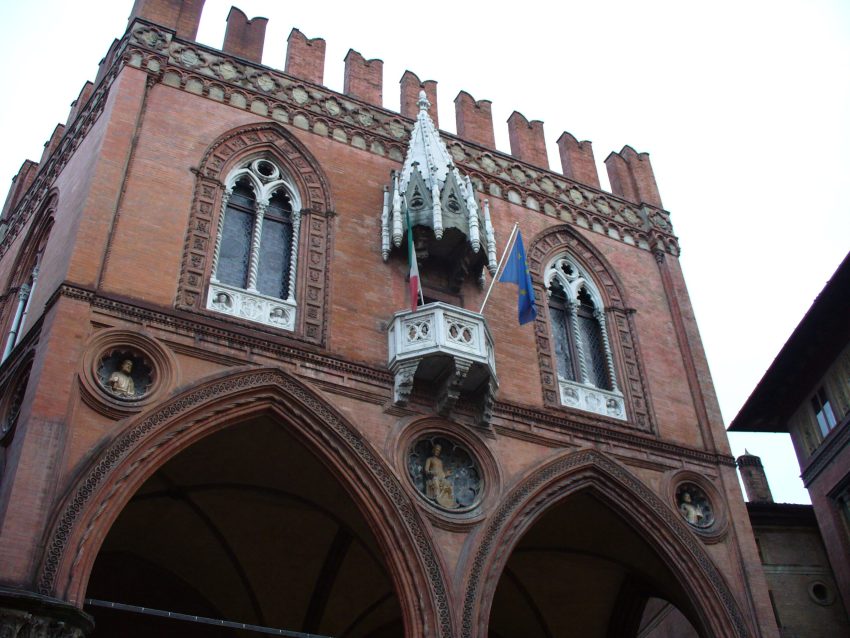
Palazzo Della Mercanzia
CC BY-SA 4.0 / Ambra75
Palazzo della Mercanzia is a late-14th-century Gothic palace at the corner of Piazza della Mercanzia and Bologna’s Quadrilatero, built in 1382 as the seat of the merchants’ guild that regulated trade and judged disputes. The façade is what most visitors remember: red brick and pale stone, sculpted pillars and twisted columns, and a small marble balcony beneath a slender spire where the “Lucardina” bell once signaled public verdicts. Tradition recalls debtors and fraudsters being shamed under the loggia’s central pillar, a stark reminder of how seriously commerce was taken. The building still houses the Chamber of Commerce and is often closed inside, though occasional displays note WWII bomb damage and restoration.
Location: Palazzo della Mercanzia, Piazza della Mercanzia, Bologna, Metropolitan City of Bologna, Italy | Website | Distance: 0.3km

15. Museo Civico Archeologico
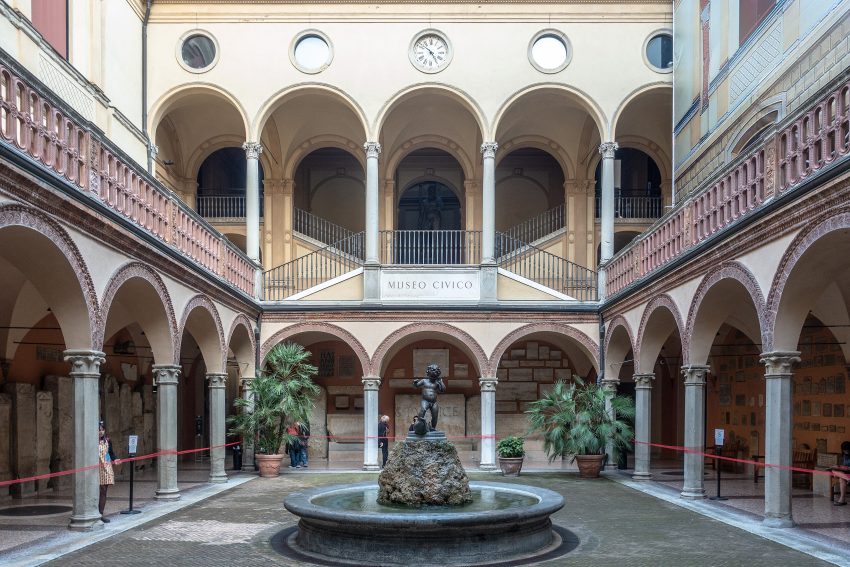
Museo civico archeologico di Bologna
CC BY-SA 3.0 / Ugeorge
Just off Piazza Maggiore, the Museo Civico Archeologico occupies the elegant 15th-century Palazzo Galvani, once part of a hospital complex, and turns its Renaissance rooms into a chronological walk through ancient Mediterranean worlds. Founded in 1881 from merged civic and university collections, it anchors local archaeology with finds from Felsina’s Etruscan roots through Roman-era life. Visitors linger in the Egyptology galleries—among Italy’s most substantial—with mummies, sarcophagi, and everyday objects, then move upstairs to artifact-dense Etruscan and Roman rooms of pottery, inscriptions, and marble portraits. A model of Roman Bologna and an extensive coin collection add satisfying, close-up detail.
Location: Museo Civico Archeologico, Via dell'Archiginnasio, Bologna, Metropolitan City of Bologna, Italy | Hours: Mon, Wed, Thu, Fri 9am-7pm| Sat, Sun 10am-8pm. Closed on Tue (except for holidays), 1 May, Dec 25th and Dec 31st. The ticket office closes one hour before. | Price: Adults €6; free with the Bologna Welcome Card. | Website | Distance: 0.3km

16. Archiginnasio Palace

Archiginnasio ora blu Bologna
CC BY-SA 4.0 / Wwikiwalter
The Archiginnasio is a 16th-century university palace commissioned by Cardinal Borromeo (1562–63) to gather scattered faculties under one roof, and today it houses the Municipal Library. Visitors first notice the Renaissance courtyard with two tiers of arcades, its walls crowded with hundreds of painted coats of arms left by students and professors. Upstairs, former lecture halls lead to the Anatomical Theatre (1637), an all-wood room built from spruce where anatomy was taught from a raised chair flanked by unsettling flayed figures based on Ercole Lelli’s designs. The building was heavily damaged in World War II and carefully reconstructed, which makes the restored frescoes and carved interiors feel especially hard-won.
Location: Teatro Anatomico, Piazza Galvani, Bologna, Metropolitan City of Bologna, Italy | Hours: Palace: Monday to Saturday 9.00 – 19.00 Sunday and holidays 10.00 – 14.00 Anatomical Theatre and Stabat Mater Room: Monday to Friday 10.00 – 18.00 Saturday 10.00 – 19.00 Sunday and holidays 10.00 – 14.00. | Price: € 3 | Website | Distance: 0.3km

17. The Two Towers: Garisenda and Degli Asinelli

The Two Tower Garisenda and degli Asinelli
CC BY-SA 4.0 / Clo5919
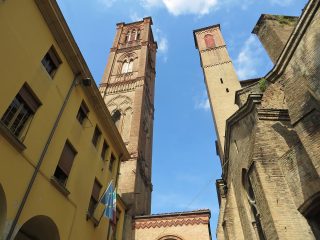
The Two Towers—Garisenda and the taller Degli Asinelli—stand side by side as a striking remnant of the medieval “tower-house” era. Garisenda is the one you’ll remember: built in the early 12th century, it began leaning soon after construction on unstable ground and was cut down in the 14th century to about 47 meters to reduce collapse risk. Its tilt, around four degrees, is dramatic when you stand at the base and look up, as if the brickwork is sliding overhead. Dante even compared its slant in Inferno (Canto XXXI). Asinelli can be climbed for big views, while Garisenda is admired from street level.
Location: Two Towers, Piazza di Porta Ravegnana, Bologna, Metropolitan City of Bologna, Italy | Hours: In the winter months open only on Saturday and Sunday from 9am to 5pm; from March opening hours 9-18. Tickets must be purchased at the Bologna Welcome Centre in Piazza Maggiore. | Price: Adults: € 5 | Website | Distance: 0.3km
Powered by GetYourGuide

18. Finestrella di Via Piella

Finestrella di Via Piella
CC BY-SA 4.0 / DONATELLA BAJO
Finestrella di Via Piella is a small wooden-shuttered “little window” set into a brick wall that reveals a sudden view onto the Canale delle Moline. Open the flap and you’ll see rippling water running between tall ochre and terracotta buildings, with reflections that feel almost Venetian despite the surrounding medieval streets. The canal is a surviving fragment of the old man‑made waterways that once powered mills and supported trades like silk production, while most other channels were later covered over. A nearby bridge gives a wider angle on the same hidden corridor of water. It can draw queues for photos, and on some visits the water level is low.
Location: Via Piella, Bologna, Metropolitan City of Bologna, Italy | Hours: 24 Hours | Price: Free | Distance: 0.4km

19. Jewish Museum

Tucked into the former Ghetto Ebraico near Via dell’Inferno, the Jewish Museum (Museo Ebraico di Bologna, MEB) is a compact, quietly powerful space devoted to Jewish life in the city and across Emilia-Romagna. Opened in 1999, it traces centuries of coexistence and exclusion through artifacts, archival documents, and personal testimonies that make the story feel immediate. Visitors move between a main gallery of ritual objects and family heirlooms and rotating temporary exhibitions that range from art and literature to Holocaust memory and contemporary dialogue. The setting itself is part of the experience: streets once marked by segregation now lead into rooms designed for study, reflection, and cultural exchange.
Location: Museo Ebraico di Bologna, Via Valdonica, Bologna, Metropolitan City of Bologna, Italy | Hours: Sunday - Monday - Wednesday 10.00 - 18.00 | Tuesday - Thursday 10.00 - 19.30 | Friday 10.00 - 16.00 | last admission 45 minutes before closing time | closed on Saturdays and Jewish holidays | Price: Adults €7 | Website | Jewish History Private Tour of the City Center | Distance: 0.4km
Powered by GetYourGuide

20. The Porticoes of Bologna

Porticoes of Piazza Cavour
CC BY-SA 4.0 / Fabrizio Garrisi
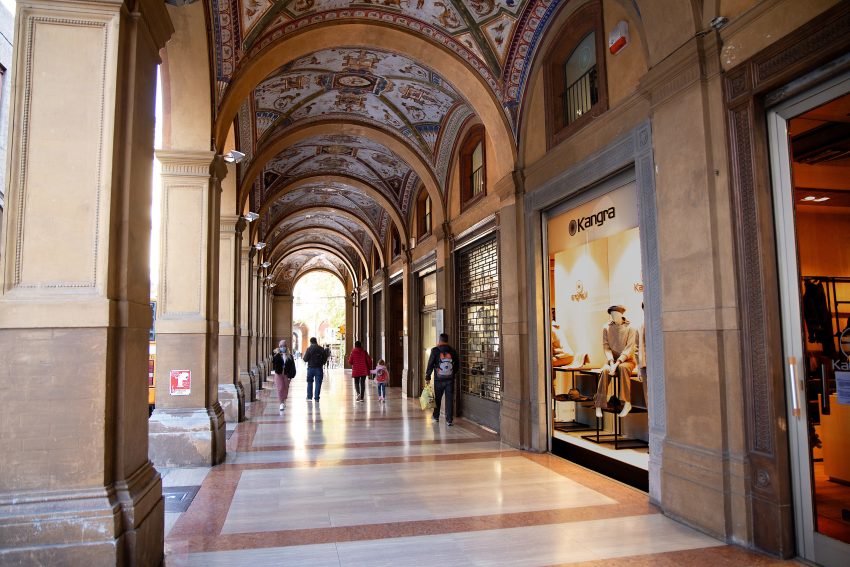
A citywide network of covered arcades, the Porticoes are continuous walkways that turn streets into sheltered public rooms and reveal centuries of building styles. They run for more than 62 km, shifting from simple medieval overhangs to brick-and-stone colonnades mandated after a 1568 decree, with a few rare wooden survivors still tucked along older streets. Look for painted ceilings around Piazza Cavour and the unusually wide arcade at Santa Maria dei Servi, where the space feels almost like an outdoor hall. For a memorable long stretch, the route to the Sanctuary of San Luca unfolds under 666 arches, a rhythmic tunnel of light and shadow that locals use in all weather.
Location: Piazza Cavour, Bologna, Metropolitan City of Bologna, Italy | Hours: 24 hours | Price: Free | Distance: 0.4km

21. Palazzo Isolani
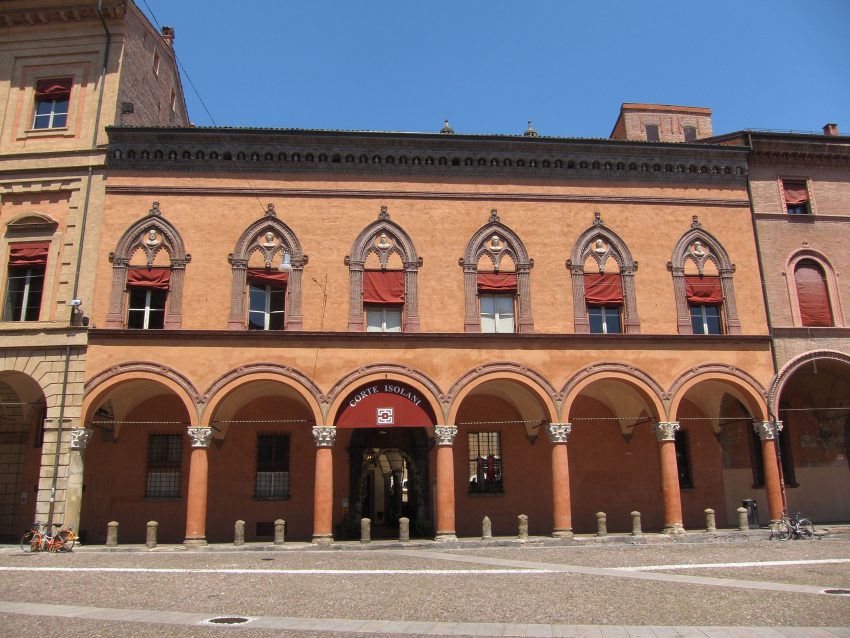
Corte Isolani, Bologna
CC BY-SA 3.0 / AHert
Palazzo Isolani is a 15th-century aristocratic residence on Strada Maggiore, just steps from the Two Towers, known for its poised mix of Renaissance symmetry and lingering Gothic touches. The façade’s arches and windows lead into a porticoed courtyard where original columns and arcades create a quiet pocket away from the street. Inside, surviving noble-era details—frescoed ceilings, decorative plasterwork, grand staircases, and marble floors—hint at the Isolani family’s long influence. Parts of the complex have been adapted for contemporary use, so what you notice is a building still lived in: historic rooms alongside spaces set up for events.
Location: Corte Isolani, 5, 40125 Bologna, Metropolitan City of Bologna, Italy | Website | Distance: 0.5km

22. Seven Churches and the Basilica of Santo Stefano

Basiica di Santo Stefano Bologna
CC BY-SA 4.0 / Vanni Lazzari
The Basilica of Santo Stefano, known as the “Sette Chiese,” is a layered complex of interlinked churches, courtyards, and cloisters that traces early Christian devotion through medieval monastic architecture. Enter from the hushed, cobbled Piazza Santo Stefano and you’ll move between distinct spaces like the Chiesa del Crocifisso, with its elevated 12th-century pulpit and an ancient crypt dating to 1019. The octagonal Santo Sepolcro echoes the Holy Sepulchre tradition, while the Cortile di Pilato centers on a marble basin donated by Lombard kings Liutprand and Hildeprand. Many visitors remember the calm of the two-story Benedictine cloister, where Romanesque arches and shifting light slow everything down.
Location: Piazza Santo Stefano, Via Santo Stefano, Bologna, Metropolitan City of Bologna, Italy | Price: Free | Distance: 0.5km

23. Palazzo Fantuzzi
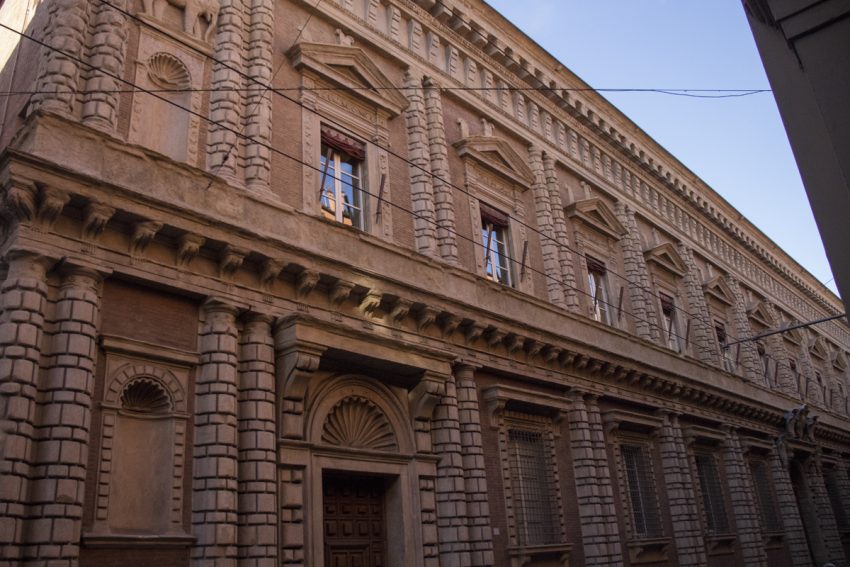
Palazzo Fantuzzi
Palazzo Fantuzzi
CC BY-SA 4.0 / WanderingTrad
Palazzo Fantuzzi is a Renaissance noble palace on Via San Vitale in Bologna’s historic centre, built for a powerful senatorial family and designed in 1517 by Andrea da Formigine. From the street, the main draw is the poised early-1500s façade: ashlar pilasters, careful symmetry, and corner niches where pairs of sculpted elephants hoist little towers—an unusual, memorable nod to the Fantuzzi coat of arms. When interiors are accessible for special openings, visitors encounter a different mood: ornate ceilings and frescoed decoration added in later centuries, including Baroque illusionism associated with Angelo Michele Colonna. The contrast between crisp Renaissance structure and theatrical later embellishment is what lingers.
Location: Palazzo Fantuzzi, Via San Vitale, Bologna, Metropolitan City of Bologna, Italy | Price: Free to view from outside | Distance: 0.6km

24. Pinacoteca Nazionale di Bologna

Set in the university quarter, the Pinacoteca Nazionale is a quietly absorbing painting museum charting Italian art from medieval icons to high Baroque drama. It began with the Academy of Fine Arts’ 1762 collections and grew when Napoleonic suppressions moved church and convent works here; the public museum opened in 1885. Visitors move through around 30 rooms of altarpieces and fresco-era panels, including Raphael’s luminous “Ecstasy of St. Cecilia” and Guido Reni’s harrowing “Massacre of the Innocents,” alongside the Carracci’s Bolognese School innovations. Expect monumental canvases—some over seven metres tall—and a calm, air-conditioned pace that rewards slow looking.
Location: Pinacoteca Nazionale di Bologna, Via delle Belle Arti, Bologna, Metropolitan City of Bologna, Italy | Hours: Closed Monday, Tuesday and Wednesday: 9am-2pm. Thursday to Sunday 9am-7pm | Price: Adults €8 | Website | Distance: 0.9km

25. MAMbo - Museo d'Arte Moderna di Bologna (Modern Art Gallery)

MAMbo (Museo d’Arte Moderna di Bologna) is a contemporary art museum set inside a repurposed industrial bakery, where the raw architecture and flexible galleries suit bold installations and performance-driven work. The permanent collection traces Italian art from the 1940s onward, touching movements like Arte Povera and Conceptual Art, while rotating shows keep the experience changeable. A memorable thread is its documentation of radical 1960s–70s performance culture, including the International Performance Art Weeks associated with Marina Abramović and Ulay. Since 2012 it has also housed the Morandi Museum, with over 250 works that shift the mood to quiet still lifes and etchings. Visitors often note the calm, well-organized spaces and friendly staff.
Location: MAMbo - Museo d'Arte Moderna di Bologna, Via Don Giovanni Minzoni, Bologna, Metropolitan City of Bologna, Italy | Hours: Tuesday to Thursday 2pm-7pm | Price: Adults: €6 | Website | Distance: 1km

26. Sanctuary of San Luca
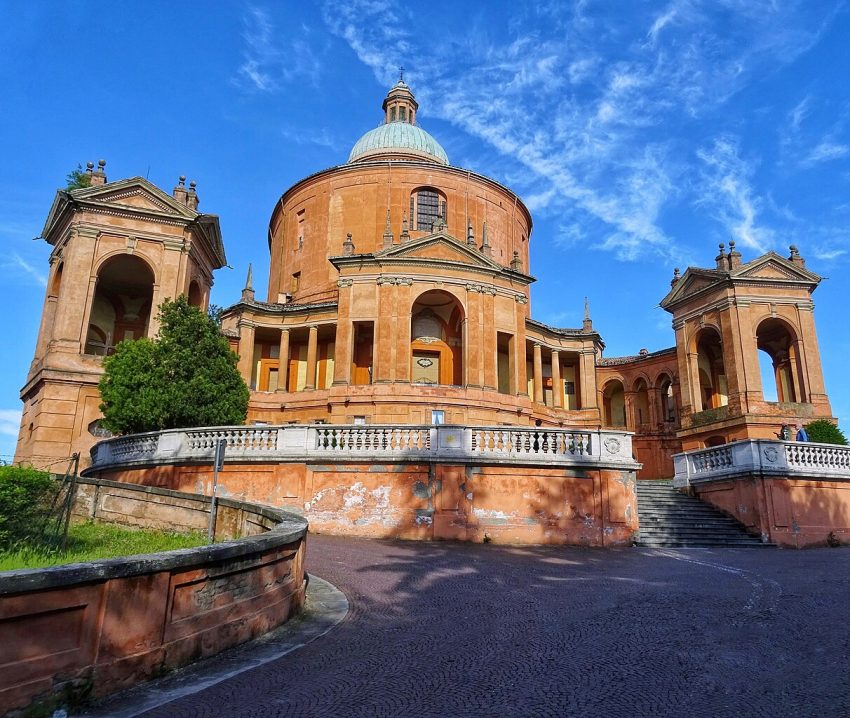
Sanctuary of San Luca
CC BY-SA 4.0 / Maretta Angelini
Perched on Colle della Guardia, the Sanctuary of the Madonna di San Luca is a Baroque hilltop church crowned by a broad dome and anchored by a venerated Byzantine Madonna-and-Child icon. Reaching it is part of the experience: a 4 km covered portico begins at Porta Saragozza and climbs through 666 arches, punctuated by small chapels marking the Stations of the Cross. Inside, expect marble altars, frescoes, and gilded stucco framing the devotional focus above the high altar. For a small fee, you can tackle 108 steps to the panoramic terrace for a wide, 180° sweep over rooftops and the surrounding hills—especially striking in clear morning light.
Location: Sanctuary of the Madonna di San Luca, Via di San Luca, Bologna, Metropolitan City of Bologna, Italy | Hours: 7:00am-7:00pm From March to October the Sanctuary will close 30min later. Opening times can be subjected to little changes. | Price: Free | Website | Distance: 3.9km

Best Day Trips from Bologna

A day trip from Bologna offers the perfect opportunity to escape the urban rhythm and discover the surrounding region's charm. Whether you're drawn to scenic countryside, historic villages, or cultural landmarks, the area around Bologna provides a variety of easy-to-reach destinations ideal for a one-day itinerary. If you are looking to rent a car in Italy I recommend having a look at Discover Cars, first, as they compare prices and review multiple car rental agencies for you.

1. Modena
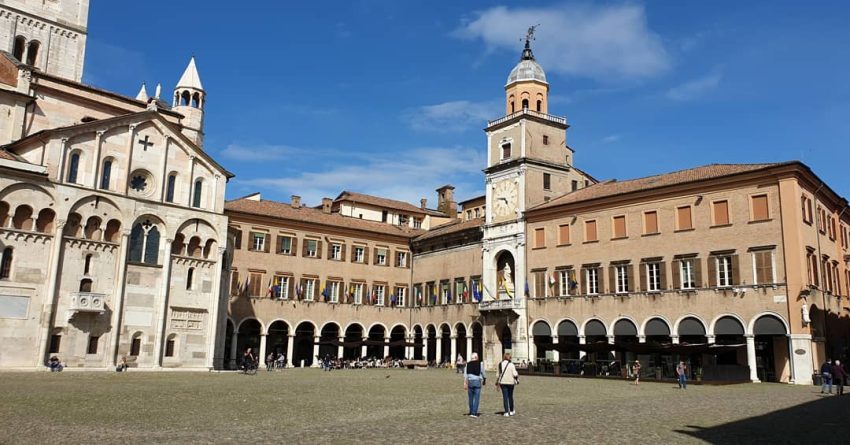
Piazza Grande a Modena
CC BY-SA 4.0 / Albypino
Nestled in the heart of the Emilia-Romagna region in northern Italy, Modena is renowned for its delectable cuisine, a reputation rooted in its barrel-aged balsamic vinegar and exquisite cheeses. Culinary enthusiasts journey to this medieval city to savor tastes that embody the region's unique flavors. Yet, the city's allure goes beyond its gastronomic delights. Its center, a captivating blend of…
Visiting Modena
Powered by GetYourGuide

2. Rocchetta Mattei

Grizzana Morandi rocchetta Mattei
CC BY-SA 4.0 / Gianni Careddu
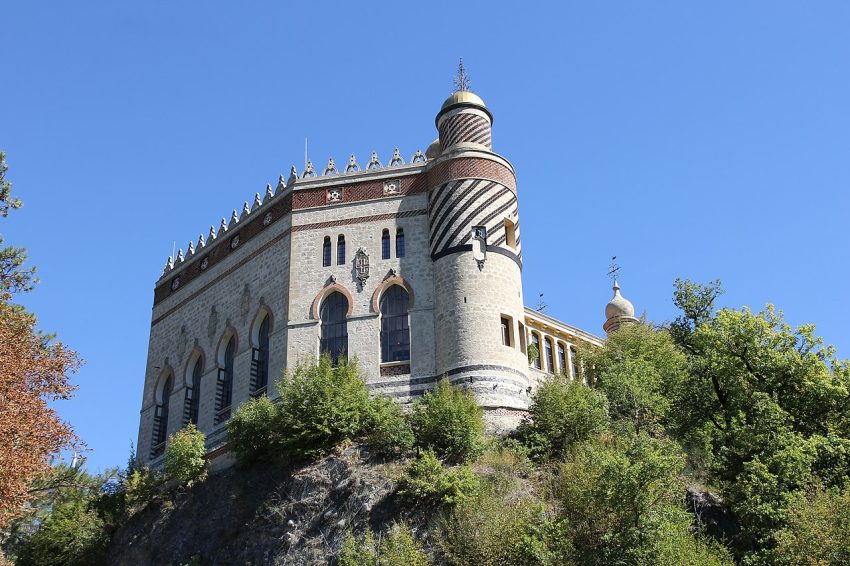
Perched on a hilltop about an hour from Bologna, Rocchetta Mattei looks like something out of a dream. Its domes, towers, and mosaic courtyards blend Moorish fantasy with European elegance, creating one of the most unique landmarks in northern Italy. Built by Count Cesare Mattei in the 19th century, the castle reflects his fascination with art, architecture, and science. For…
Location: Rocchetta Mattei, Metropolitan City of Bologna, Italy | Price: Adults: € 10, Children € 5 | Website | Distance: 37.6km
Visiting Rocchetta Mattei

3. Ferrara
ferrara
ferrara
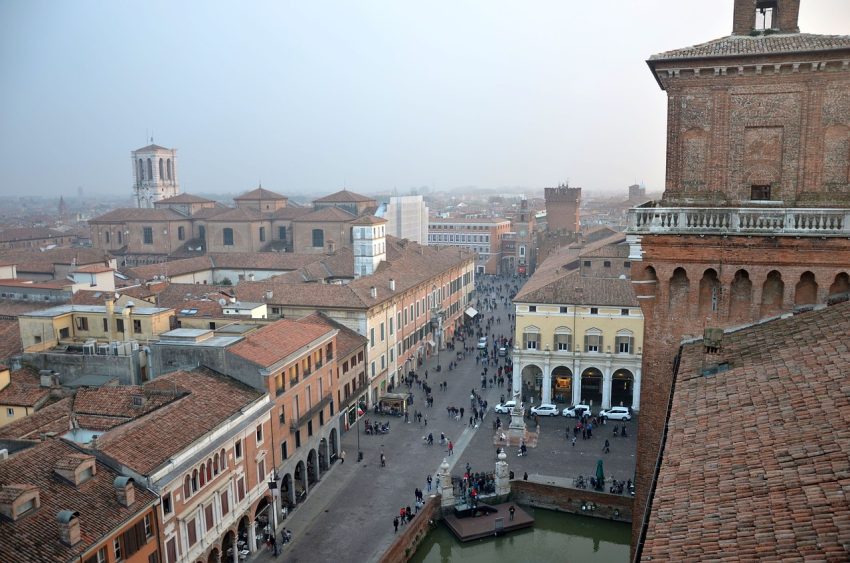
Ferrara is a city located in the Emilia-Romagna region of Italy, situated near the eastern Adriatic coast and positioned at the top of Italy's boot-shaped peninsula. This charming city is recognized as a UNESCO World Heritage site. For a period of three centuries, Ferrara was under the rule of the Este family, whose Renaissance court was renowned as one of…
Visiting Ferrara
Powered by GetYourGuide

4. Ravenna

Ravenna
Ravenna
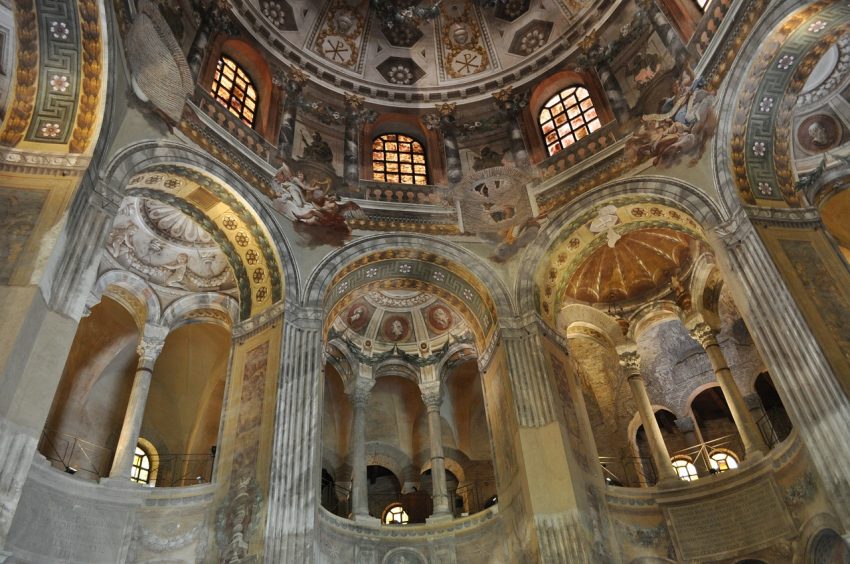
Situated on the eastern coast of Italy, nestled between San Marino and Bologna, Ravenna serves as the capital of the Ravenna province and stands as one of the larger cities in the Emilia-Romagna region. Throughout its illustrious history, Ravenna has held a position of great importance under various empires, including serving as the capital of the Western Roman Empire and…
Visiting Ravenna
Powered by GetYourGuide

5. Florence

Florence
Florence
Florence, one of Italy's most renowned cities, is a must-visit destination on the tourist circuit. Its breath-taking Renaissance architecture, charming streets, and picturesque buildings make it a captivating spot for travellers. Art lovers will find themselves in paradise with an abundance of galleries to explore, offering a diverse range of masterpieces. The city's magnificent Renaissance churches also provide a fascinating glimpse…
Visiting Florence
Powered by GetYourGuide

6. Parma

Parma
Parma
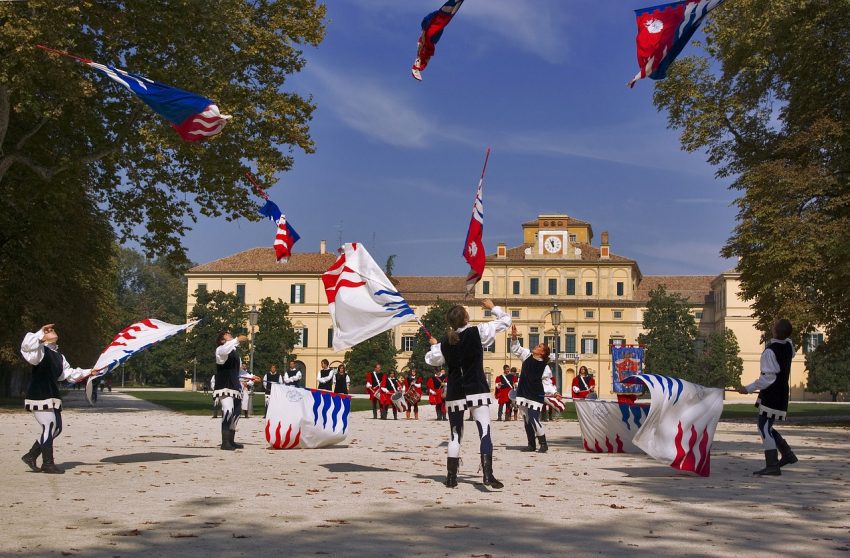
Parma's early history as a Roman colony along the Via Aemilia has left little visible trace in the city today. The province of Parma, in Emilia-Romagna is known for its grand palaces, elegant squares, and its role as the seat of the powerful Farnese dukes. The city also bears a French legacy due to its ownership by Napoleon's wife, Marie…
Visiting Parma
Powered by GetYourGuide

7. Lucca

Italy   Lucca
Italy Lucca
www.arne-mueseler.com CC BY-SA3 .0 / Arne Müseler
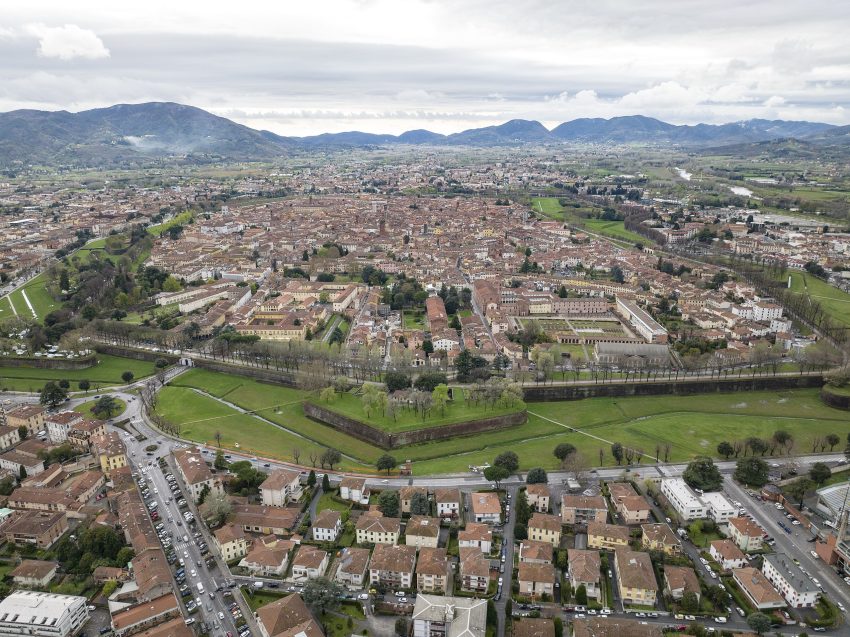
Lucca, considered one of Europe's most delightful towns, captivates visitors with its walled centre, ranking it among Tuscany's top attractions. The town boasts magnificent churches, many featuring the distinctive striped facades characteristic of Tuscan architecture, and they house a trove of precious art treasures. While strolling through its narrow streets and spacious piazzas, you can relish the serene ambiance and…
Visiting Lucca
Powered by GetYourGuide

8. San Marino

Visiting San Marino
Visiting San Marino
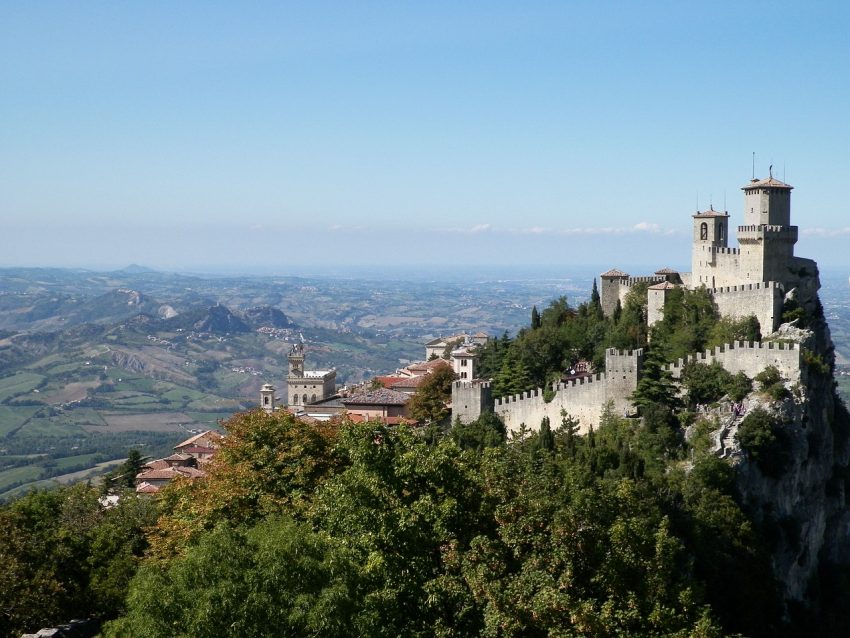
San Marino's origins are rooted in the captivating legend of Saint Marinus, who established the community and republic in AD 301 after seeking refuge on Mount Titano. The sovereignty of San Marino was confirmed after Italian Unification, possibly in recognition of their assistance to Garibaldi, a prominent leader in the Risorgimento movement. With the exception of Vatican City, San Marino…
Visiting San Marino
Powered by GetYourGuide

9. Verona

verona skyline
verona skyline
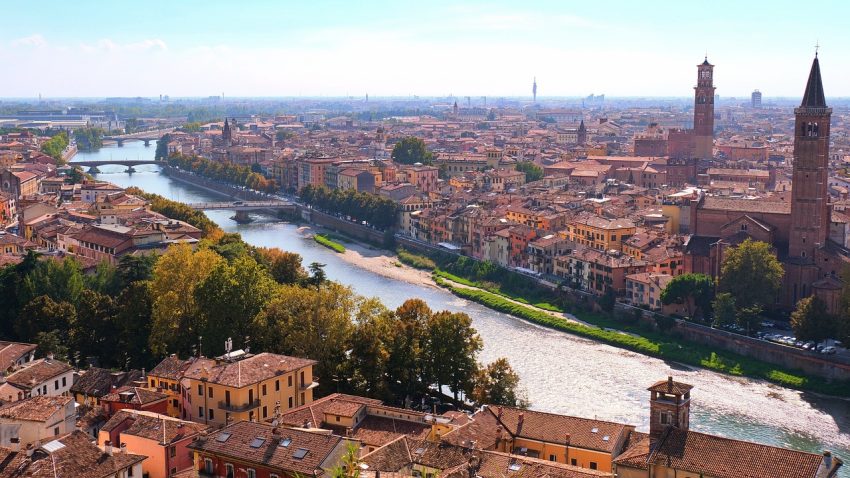
Verona stands out in the Veneto region, rivalling even Venice in its abundance of Roman sites and picturesque streets adorned with pink-hued medieval buildings. This laid-back city offers a wealth of attractions, surpassing other places in the region in terms of sheer sights. While the city's allure extends beyond tourism, drawing strength from its economic success as a pivotal crossroads.…
Visiting Verona
Powered by GetYourGuide

10. Rimini

riminiItaly
riminiItaly
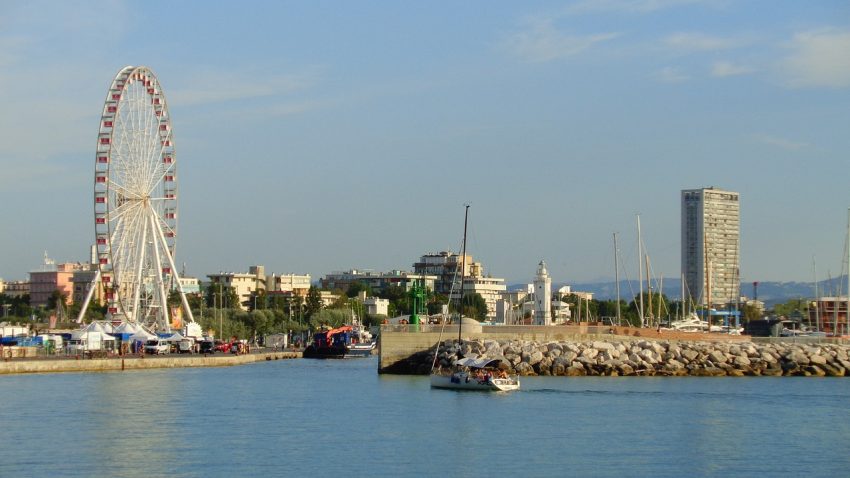
Located in the Emilia-Romagna region, Rimini boasts a rich history dating back to its Roman foundation in 268 BC. This coastal gem spans over 15 kilometers of pristine beaches, rendering it a favoured destination for seaside enthusiasts. Notably, the renowned filmmaker Federico Fellini hailed from this city, which is celebrated for its lively nightlife and historic landmarks, including the iconic…
Visiting Rimini
Powered by GetYourGuide

11. Padova

Padova Italy
Padova Italy
Padova or in English Padua is a city in North Eastern Italy, and the capital of the province of the same name. It is located centrally in the Veneto region, between Venice on one side and Verona on the other. Famous as the backdrop for Shakespeare's "The Taming of the Shrew," Padua is particularly distinguished for its 14th-century Scrovegni Chapel…
Visiting Padova
Powered by GetYourGuide

Where to Stay in Bologna

Bologna offers a wide range of accommodation options to suit every traveler, with each neighborhood revealing a different side of the city’s charm. For those who want to be surrounded by history, the Centro Storico, or historic center, is the best place to stay. Here, medieval towers, portico-lined streets, and Renaissance palaces create a timeless atmosphere within walking distance of the city’s main attractions. Staying in this area means you can easily visit Piazza Maggiore, the Two Towers, and the Basilica di San Petronio. A good choice for those seeking elegant comfort in the heart of the old town is Grand Hotel Majestic già Baglioni, a luxurious five-star property housed in an 18th-century palace. For something more intimate, Hotel Corona d’Oro combines period décor with modern amenities, making it ideal for travelers who appreciate history and style.

North of the main square lies the lively university district, which is one of the oldest in Europe and has an energetic, youthful atmosphere. This neighborhood is perfect for visitors who enjoy vibrant nightlife, casual trattorias, and independent bookshops. The area’s mix of students and locals gives it an authentic feel, and it’s still within easy reach of the city center. A comfortable and trendy option here is Aemilia Hotel Bologna, which offers spacious rooms and a rooftop terrace with panoramic views of the city’s terracotta rooftops. It’s a great base for exploring the university quarter’s museums, such as the Palazzo Poggi, or for an evening stroll along Via Zamboni’s lively café scene.

Travelers seeking a quieter, more refined stay often choose the area around Giardini Margherita, Bologna’s largest park. This elegant residential district is ideal for those who prefer green surroundings and a more relaxed pace, yet it’s only a short walk from the city’s historic heart. The park’s tree-lined paths and peaceful gardens make it a refreshing contrast to the bustling center. Here, Art Hotel Novecento offers a boutique experience with contemporary interiors and a touch of classic Bolognese charm. It’s perfect for couples or those seeking a refined retreat after a day of sightseeing.

For visitors arriving by train or planning day trips to nearby cities like Modena or Florence, the area around Bologna Centrale station is practical and well-connected. This district offers a mix of modern hotels and traditional options, and the nearby Via dell’Indipendenza provides easy access to the main attractions. Starhotels Excelsior is a reliable upscale choice with stylish rooms and an excellent breakfast, while UNAHOTELS Bologna Centro provides comfort and convenience just steps from the station. Staying here is ideal for travelers who want quick transport access while still being close enough to enjoy Bologna’s lively historic core.

Using the our Hotel and Accomodation map, you can compare hotels and short-term rental accommodations in Bologna. Simply insert your travel dates and group size, and you’ll see the best deals for your stay.

Bologna Accommodation Map

Best Time to Visit Bologna

Visiting Bologna in Spring (Best)

Spring is the best time to visit Bologna, when the city awakens from winter with mild weather, blooming parks, and lively outdoor life. From March to May, temperatures range between 15°C and 25°C, perfect for walking under the city’s porticoes and exploring its medieval streets without the summer heat. Piazza Maggiore fills with café tables, and the open-air markets return to full color with seasonal produce. April and May also bring a number of cultural events, including the Bologna Children’s Book Fair, one of the most important literary gatherings in Italy, and numerous food festivals celebrating fresh ingredients like asparagus and artichokes. Spring offers the perfect balance of pleasant weather, local atmosphere, and manageable crowds, making it the ideal season for sightseeing and sampling Bologna’s famous cuisine.

Visiting Bologna in Summer

Summer in Bologna, from June to August, can be quite warm, with daytime temperatures often reaching 30°C or higher. While the heat may deter some, this season brings long daylight hours and a festive mood. Many residents head to the coast, so the city feels quieter, and it’s easier to enjoy its landmarks without heavy crowds. Outdoor cinema screenings, concerts, and cultural events take place throughout the city as part of the “Bologna Estate” program. Evenings are especially charming when the streets cool and locals gather for aperitivo under the porticoes. For those who don’t mind the heat, summer offers a relaxed pace and a more intimate experience of Bologna’s nightlife.

Visiting Bologna in Autumn

Autumn, from September to November, is another delightful season for visiting Bologna. The weather remains comfortably warm through September, gradually cooling to crisp, pleasant days ideal for exploring. This is the time when food truly takes center stage — the harvest season fills markets and restaurants with truffles, mushrooms, and chestnuts. The annual “MortadellaBò” festival in October celebrates the city’s most famous sausage, and wine tastings take place across the Emilia-Romagna region. The light takes on a golden tone, enhancing the beauty of Bologna’s terracotta rooftops and porticoed streets. For travelers interested in gastronomy, this is the most rewarding time to experience Bologna’s culinary soul.

Visiting Bologna in Winter

Winter in Bologna, from December to February, is quiet and atmospheric, with temperatures averaging between 3°C and 10°C. Though it can be chilly, the city’s covered porticoes make walking comfortable even in cool weather. This is the best time to enjoy Bologna’s hearty cuisine — from rich ragù to tortellini in broth — in cozy trattorias that feel especially inviting during the colder months. The Christmas season adds a touch of magic, with festive markets, lights, and the traditional Fiera di Santa Lucia at the Church of Santa Maria dei Servi. January and February are less crowded, offering excellent opportunities for museum visits and day trips to nearby cities like Modena or Parma without the usual crowds.

Annual Weather Overview

  • January 9°C
  • February 11°C
  • March 16°C
  • April 19°C
  • May 24°C
  • June 30°C
  • July 31°C
  • August 30°C
  • September 27°C
  • October 22°C
  • November 14°C
  • December 9°C

How to get to Bologna

Getting to Bologna by Air

Nearest airports: The main airport serving the city is Bologna Guglielmo Marconi Airport, located about 6 kilometers northwest of the city center. It is one of the busiest airports in northern Italy and offers direct flights to many European destinations, as well as some intercontinental connections. Regular shuttle buses and taxis link the airport with Bologna Centrale railway station in around 20 minutes, making transfers simple and efficient. Travelers arriving from other Italian cities such as Rome or Naples can also reach Bologna by short domestic flights, though most prefer the train for convenience. For the best deals and a seamless booking experience, check out these flights to Bologna on Booking.com.

Getting to Bologna by Train

Bologna is one of Italy's key railway hubs and sits on the main north–south high-speed line linking Milan, Florence, Rome, and Naples. The city's main station, Bologna Centrale, is one of the largest and busiest in the country, with frequent services to major destinations such as Venice, Turin, Verona, and Pisa. Trains from Florence take as little as 35 minutes, while Milan can be reached in just over an hour on high-speed Frecciarossa and Italo trains. Regional services also connect Bologna with smaller towns in the Emilia-Romagna region, including Modena, Ferrara, Parma, and Ravenna, making it a convenient base for exploring the area. Use Omnio to easily compare schedules, book train tickets, and find the best prices all in one place for a hassle-free journey across Italy.

Getting to Bologna by Car

Reaching Bologna by car is straightforward, as the city lies at the intersection of several major motorways. The A1 Autostrada del Sole connects Bologna directly with Milan and Florence, while the A13 heads northeast to Padua and Venice, and the A14 runs south toward Rimini and the Adriatic coast. Drivers entering the city should be aware of Bologna's restricted traffic zone (ZTL) in the historic center, where access is limited to residents and authorized vehicles. Public car parks are available on the outskirts, with shuttle buses and pedestrian routes leading into the center. Parking near Bologna Centrale or the ring road offers convenient access without the hassle of navigating narrow streets. If you are looking to rent a car in Italy I recommend having a look at Discover Cars, first, as they compare prices and review multiple car rental agencies for you.

Travelling Around Bologna

Bologna is a compact and walkable city, ideal for exploring on foot, especially within the historic center where its famous porticoes provide shelter from both sun and rain. The local bus network, run by TPER, covers all major areas and suburban routes, including connections to the airport and surrounding towns. Bicycles and electric scooters are popular options, with rental services available throughout the city. For those staying longer, a Bologna Welcome Card or multi-day transport pass offers unlimited use of public transport and discounts on museums. Taxis and ride-share services are easy to find, but most visitors prefer to walk — it’s the best way to appreciate Bologna’s medieval streets, towers, and piazzas at a relaxed pace.
Powered by GetYourGuide

More from this area