Orvieto, Italy: The Ultimate Travel Guide 2026
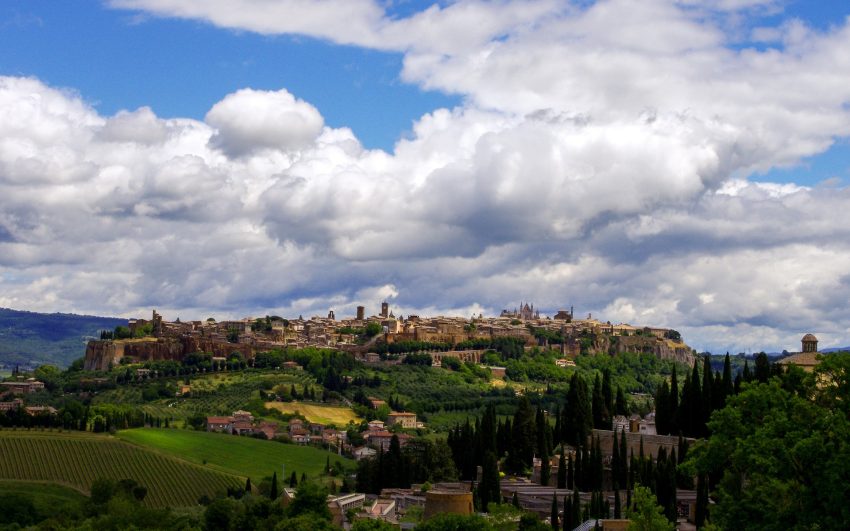
Orvieto is one of those hill towns that feels instantly cinematic: a compact historic center perched above the countryside, with big views, stone lanes, and a lively café culture. Set in Umbria, it’s an easy base for slow travel-think long lunches, local wines, and short scenic walks that start right from town. The pace is relaxed, but there’s plenty to fill a full day or a long weekend.
A great way to experience Orvieto is to split your time between the dramatic “upper town” and the lower areas near the station. Ride the funicular up for an effortless arrival, then wander on foot-most highlights are close together, and the best moments often come from turning into a quiet side street or stopping at a viewpoint. Food and drink are a big part of the visit, so plan to linger: Umbrian specialties pair beautifully with the area's white wines.
Orvieto also works brilliantly as a hub for nearby villages, vineyards, and lake scenery within a short drive. If you're traveling through central Italy, it's a rewarding stop that combines standout architecture, memorable underground spaces, and a distinctly local feel-without needing a packed itinerary. Come with comfortable shoes, a bit of curiosity, and time to take it all in.
Table of Contents
- History of Orvieto
- 18 Best places to See in Orvieto
- Corso Cavour
- Torre del Moro
- Palace of the Captain of the People
- Teatro Mancinelli
- Torre Dodecagonale
- Museo Claudio Faina
- Chiesa di Santi Andrea e Bartolomeo
- Piazza della Repubblica
- National Archaeological Museum of Orvieto
- Orvieto Underground
- Duomo di Orvieto
- Pozzo della Cava
- Etruscan Necropolis of Tufo's Crucifix
- San Giovenale Church
- Fortezza Albornoz
- Pozzo di San Patrizio
- Abbey of Saints Severus and Martirio
- Stazione di Orvieto
- 10 Best Day Trips from Orvieto
- Where to Stay in Orvieto
- Best Time to Visit Orvieto
- How to get to Orvieto
History of Orvieto
Orvieto in Etruscan Times
Orvieto’s earliest prominence is tied to the Etruscans, who established a major settlement here thanks to its naturally defensible position and access to trade routes. The city became an important political and religious center, with evidence of sanctuaries and necropolises that point to a sophisticated urban culture.
Archaeological finds from this period reveal a community with strong artistic traditions and far-reaching connections across central Italy. The Etruscan legacy remains one of the deepest layers of Orvieto’s identity, still visible today through excavations and museum collections.
Orvieto Under Roman Rule
As Roman power expanded, Orvieto’s role shifted within the wider imperial system. The city experienced administrative and cultural changes typical of Romanization, including new infrastructure and evolving civic institutions.
Over time, the transition altered local governance and trade patterns, integrating Orvieto more tightly into regional networks. While some Etruscan traditions persisted, Roman influence reshaped daily life and the built environment.
Orvieto in the Early Middle Ages
Following the fragmentation of Roman authority, Orvieto moved through periods of instability and reorganization. Control and influence changed hands among emerging powers, and the city’s defensive advantages again became crucial.
Religious institutions grew in importance during these centuries, helping to stabilize community life. The foundations of later medieval urban structures—both social and architectural—began to take form.
Orvieto in the High Middle Ages and the Commune
Orvieto flourished as a medieval commune, developing civic autonomy and expanding its urban fabric. This era saw the strengthening of local government, guild activity, and public works, reflecting the city’s rising prosperity.
Ambitious building projects and the growth of artisan culture marked Orvieto’s confidence and wealth. The city’s public spaces and monumental ambitions from this period set the stage for its most famous architectural achievements.
Orvieto and the Papal Era
Orvieto became closely connected with papal politics, at times serving as a refuge and a strategic center during turbulent periods. This relationship elevated the city’s status and encouraged major artistic and religious commissions.
The city’s religious prestige and institutional presence helped drive cultural production, attracting skilled artists and craftsmen. Orvieto’s identity as a place of spiritual significance was reinforced through ceremonies, patronage, and monumental art.
Orvieto from the Renaissance to Unification
In the Renaissance and early modern period, Orvieto continued to evolve under shifting political frameworks, balancing local traditions with broader cultural currents. Artistic tastes changed, and the city adapted its institutions to new realities.
By the 19th century, the transformations associated with Italian unification brought administrative and social changes. Orvieto’s modern civic life developed alongside efforts to preserve and interpret its layered past.
Orvieto in the 20th Century to Today
The 20th century brought modernization, new transportation links, and a growing focus on heritage and tourism. Conservation efforts helped protect key monuments while improving access for visitors.
Today, Orvieto continues to invest in cultural programming, museum interpretation, and the maintenance of its historic fabric. The city’s contemporary identity blends everyday local life with a strong commitment to celebrating its long historical arc.

Moira & Andy
Hey! We're Moira & Andy. From hiking the Camino to trips around Europe in Bert our campervan — we've been traveling together since retirement in 2020!
Visiting Orvieto for the first time and wondering what are the top places to see in the city? In this complete guide, I share the best things to do in Orvieto on the first visit. To help you plan your trip, I have also included an interactive map and practical tips for visiting!
This website uses affiliate links which earn a small commission at no additional cost to you.

18 Best places to See in Orvieto
This complete guide to Orvieto not only tells you about the very best sights and tourist attractions for first-time visitors to the city but also provide insights into a few of our personal favorite things to do.
This is a practical guide to visiting the best places to see in Orvieto and is filled with tips and info that should answer all your questions!
1. Corso Cavour
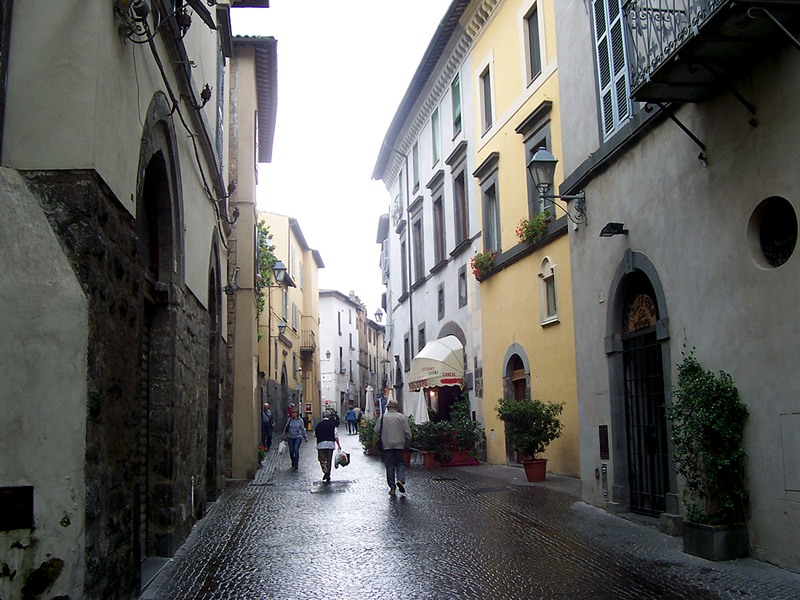
Location: Corso Cavour, 05018 Orvieto TR, Italy | Hours: 24 Hours. | Price: Free. | Distance: 0km
2. Torre del Moro
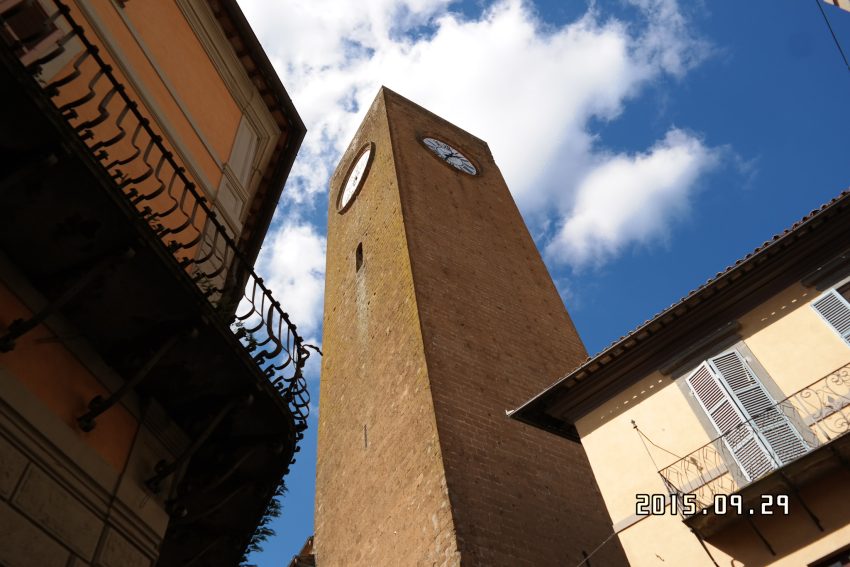
Location: Corso Cavour, 87, 05018 Orvieto TR, Italy | Hours: (March – April – September – October) Daily: 10:00–19:00. (May – August) Daily: 10:00–20:00. (November – February) Daily: 10:30–16:30. | Price: Adults: €3.80; Reduced: €3.00; Groups (15+): €2.00. | Website | Distance: 0km

3. Palace of the Captain of the People
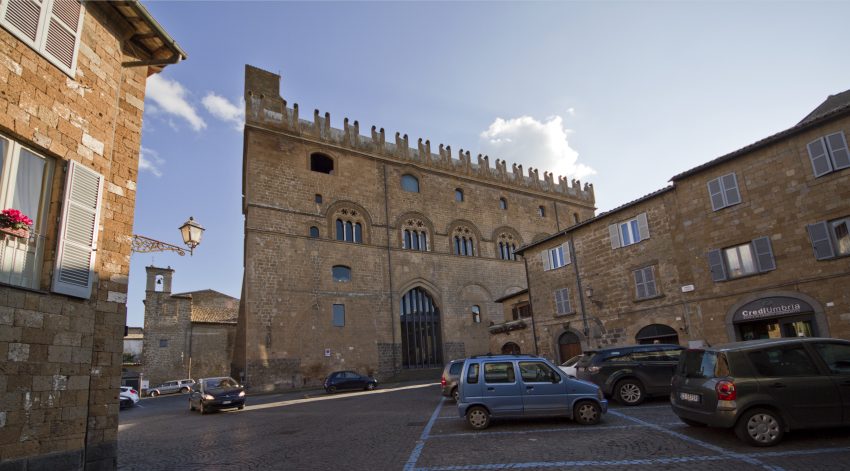
Location: Piazza del Popolo, 1, 05018 Orvieto TR, Italy | Hours: Monday: 09:00–14:00. Tuesday: Closed. Wednesday: 15:00–18:00. Thursday: 15:00–18:00. Friday: 09:00–14:00. Saturday: Closed. Sunday: Closed. | Price: Check official website. | Website | Distance: 0.1km

4. Teatro Mancinelli
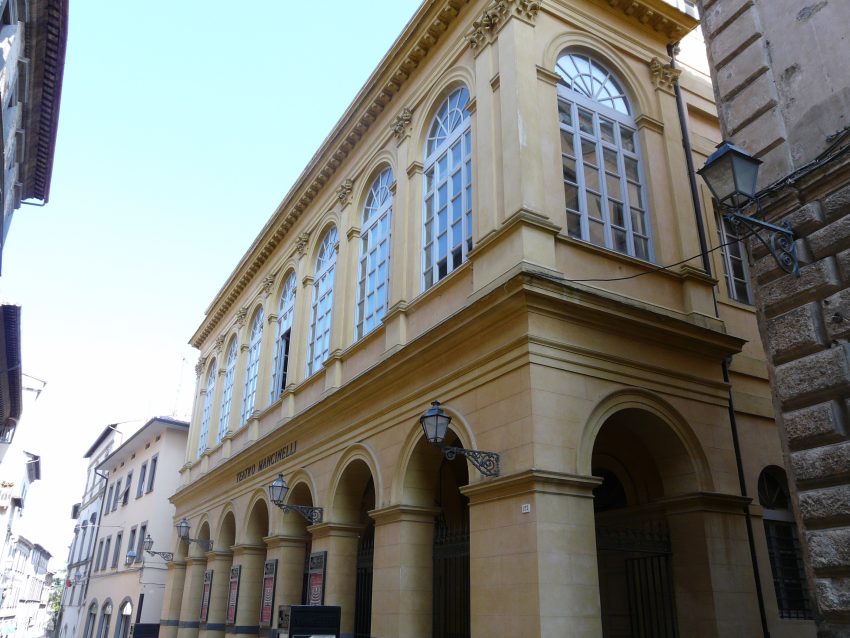
Location: Corso Cavour, 122, 05018 Orvieto TR, Italy | Hours: Check official website. | Price: Prices vary by show. | Distance: 0.2km
5. Torre Dodecagonale
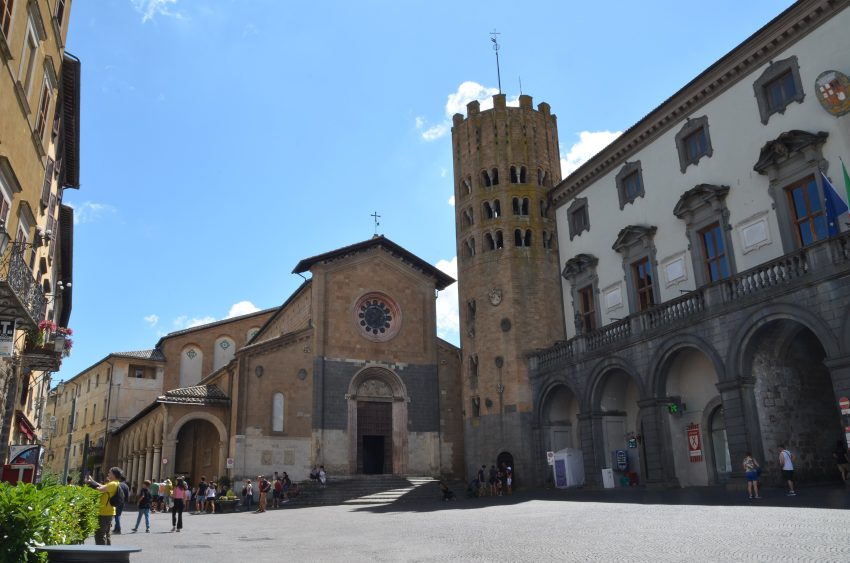
Location: Piazza della Repubblica, 05018 Orvieto TR, Italy | Hours: 24 Hours. | Price: Free. | Distance: 0.2km
6. Museo Claudio Faina
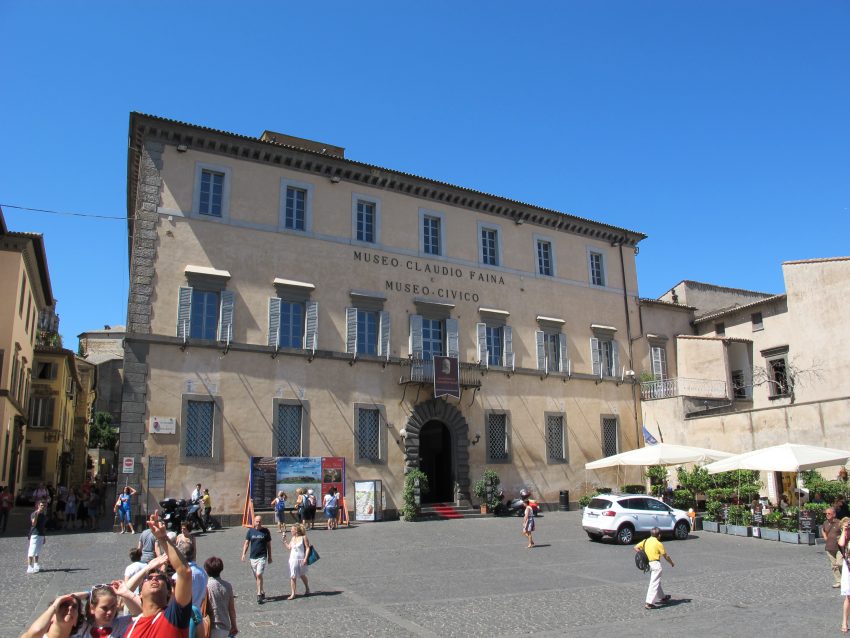
Location: Piazza del Duomo, 29, 05018 Orvieto TR, Italy | Hours: (Summer) April 1 – September 30; Daily: 09:30–18:00. (Winter) October 1 – March 31; Daily: 10:00–17:00. | Price: Adults: €7; Reduced: €5. | Website | Distance: 0.2km
7. Chiesa di Santi Andrea e Bartolomeo
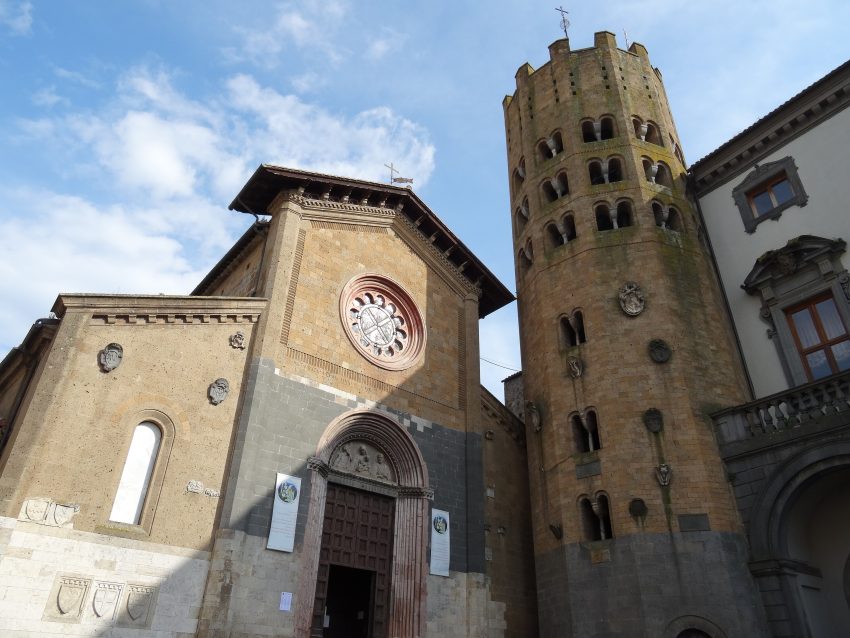
Location: Corso Cavour, 1, 05018 Orvieto TR, Italy | Hours: Check official website. | Price: Free; donations appreciated. | Distance: 0.2km
8. Piazza della Repubblica
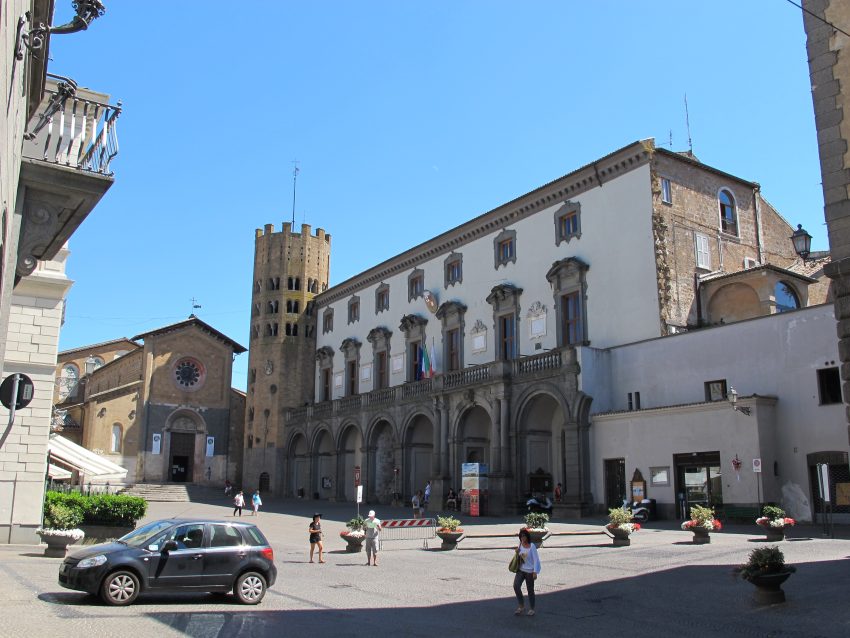
Location: Piazza della Repubblica, 13, 05018 Orvieto TR, Italy | Hours: 24 Hours. | Price: Free. | Distance: 0.2km
9. National Archaeological Museum of Orvieto
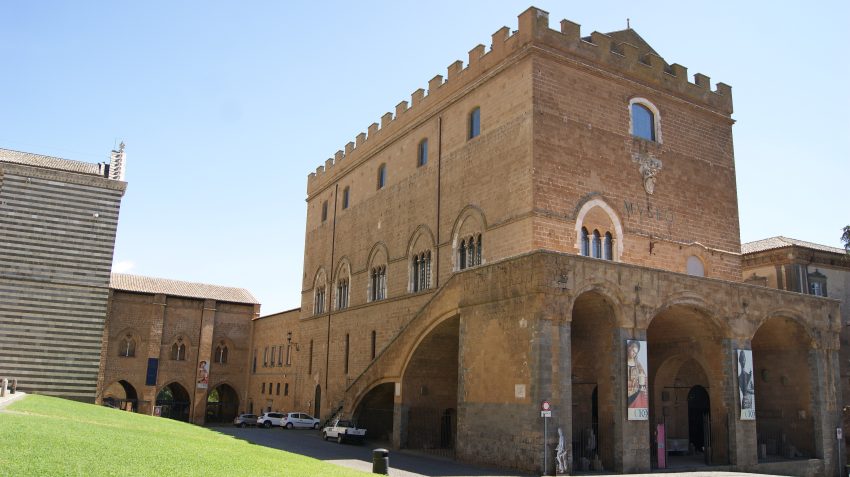
Location: Piazza del Duomo, 05018 Orvieto TR, Italy | Hours: Monday: Closed. Tuesday: 08:30–19:30. Wednesday: 08:30–19:30. Thursday: 08:30–19:30. Friday: 08:30–19:30. Saturday: 08:30–19:30. Sunday: 08:30–19:30. | Price: Adults: €4; Ages 18–25: €2; Under 18: free. | Website | Distance: 0.3km
10. Orvieto Underground
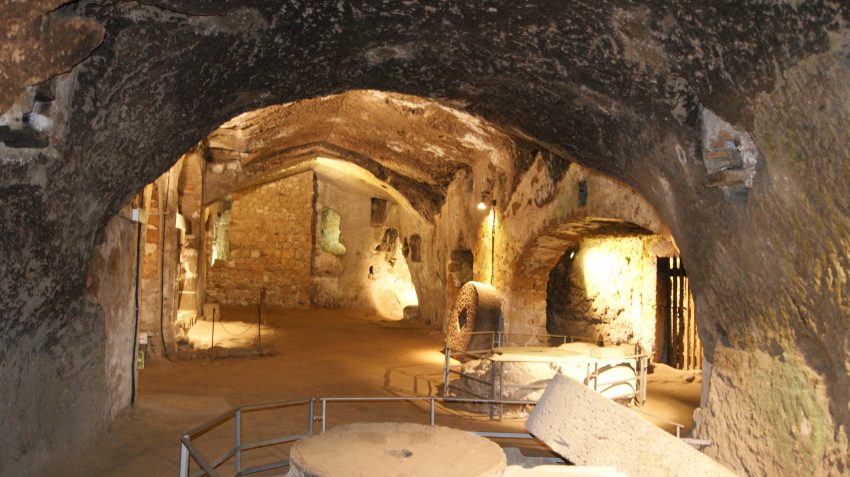
Location: Piazza del Duomo, 23, 05018 Orvieto TR, Italy | Hours: Monday – Sunday: 11:00–12:15 & 16:00–17:15. Closed on 25 December. | Price: Adults: €10; Reduced: €8; Children 0–5: free. | Website | Distance: 0.3km
11. Duomo di Orvieto
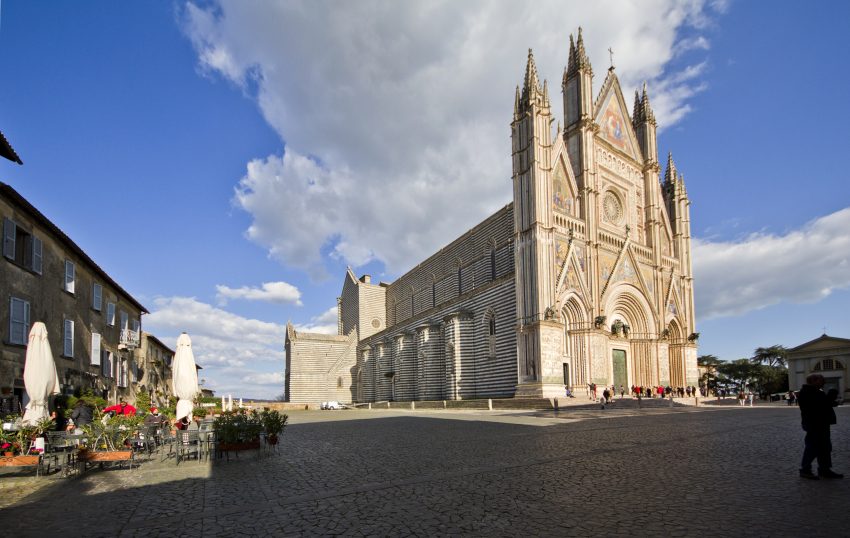
Location: Piazza del Duomo, 26, 05018 Orvieto TR, Italy | Hours: (January – February) Daily: 09:30–17:00. (March) Daily: 09:30–18:00. (April – September) Daily: 09:30–19:00. (October) Daily: 09:30–18:00. | Price: Adults: €8; Children 11 or under: free. | Website | Distance: 0.3km
12. Pozzo della Cava
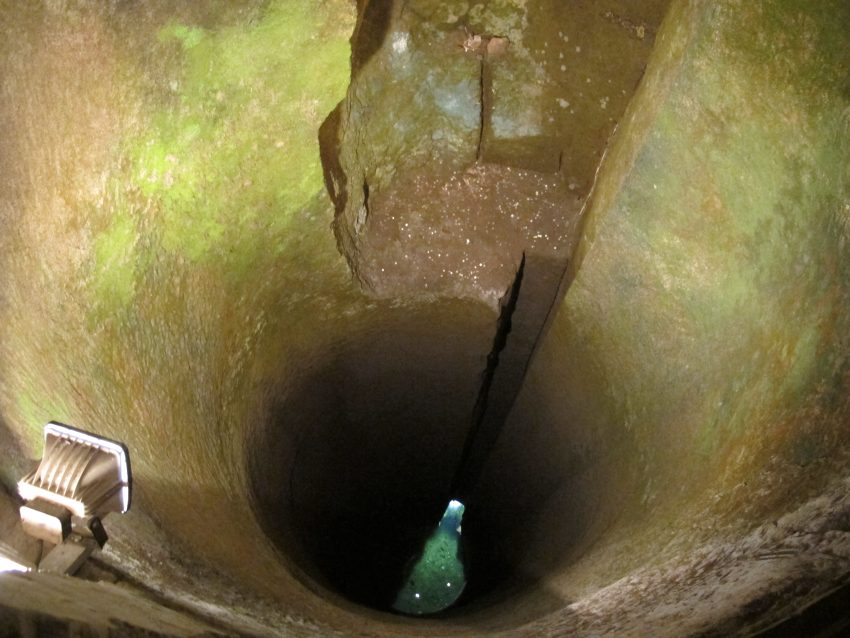
Location: Via della Cava, 28, 05018 Orvieto TR, Italy | Hours: Tuesday – Sunday: 10:00–20:00. Closed on Monday. | Price: Adults: €5.00; Reduced: €3.50; Children (0–5): free. | Website | Distance: 0.4km
13. Etruscan Necropolis of Tufo's Crucifix
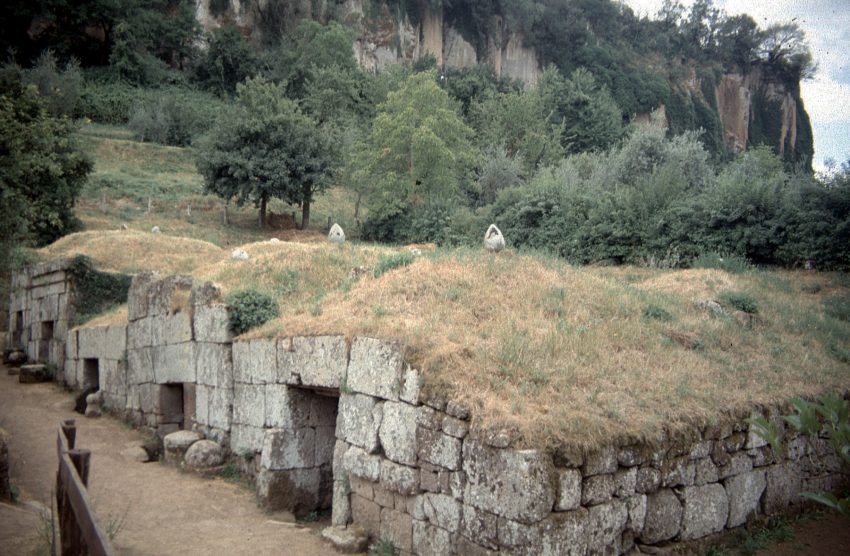
Location: Via Volsinia, 05018 Orvieto TR, Italy | Hours: Thursday – Sunday: 09:00–17:00. Closed on Monday, Tuesday, Wednesday. | Price: Adults: €3; Reduced (18–25): €2; Under 18: free. | Website | Distance: 0.5km
14. San Giovenale Church
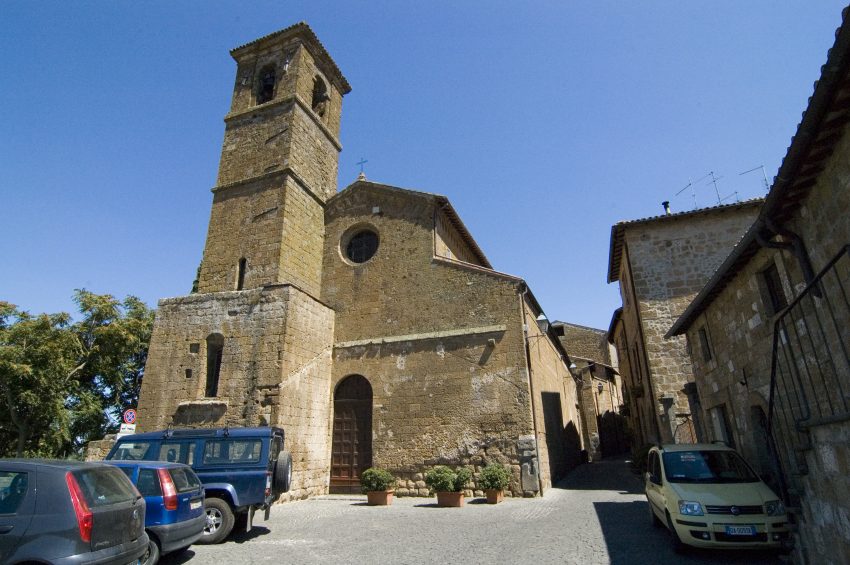
Location: Via Volsinia, 41, 05018 Orvieto TR, Italy | Hours: Check official website. | Price: Free; donations appreciated. | Website | Distance: 0.6km
15. Fortezza Albornoz
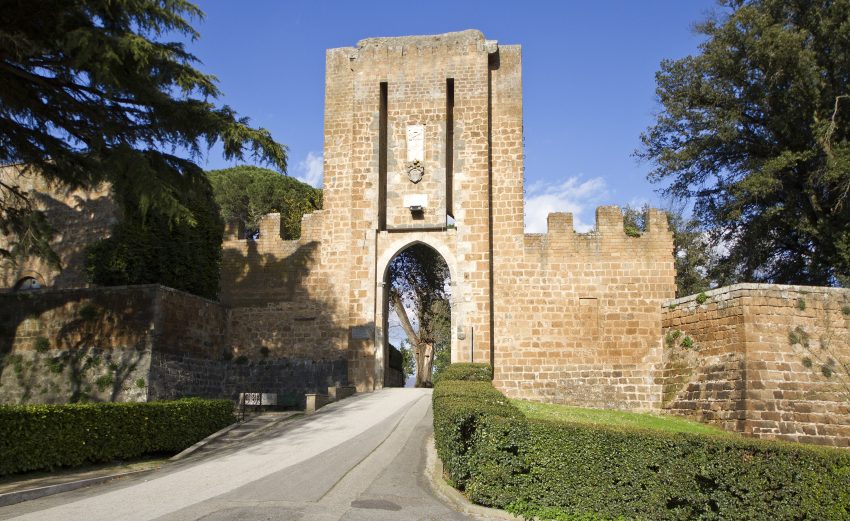
Location: Via Postierla, 301, 05018 Orvieto TR, Italy | Hours: (Summer) May – September: 08:00–19:30. (Winter) October – April: 08:00–16:30. | Price: Free. | Distance: 0.9km
16. Pozzo di San Patrizio
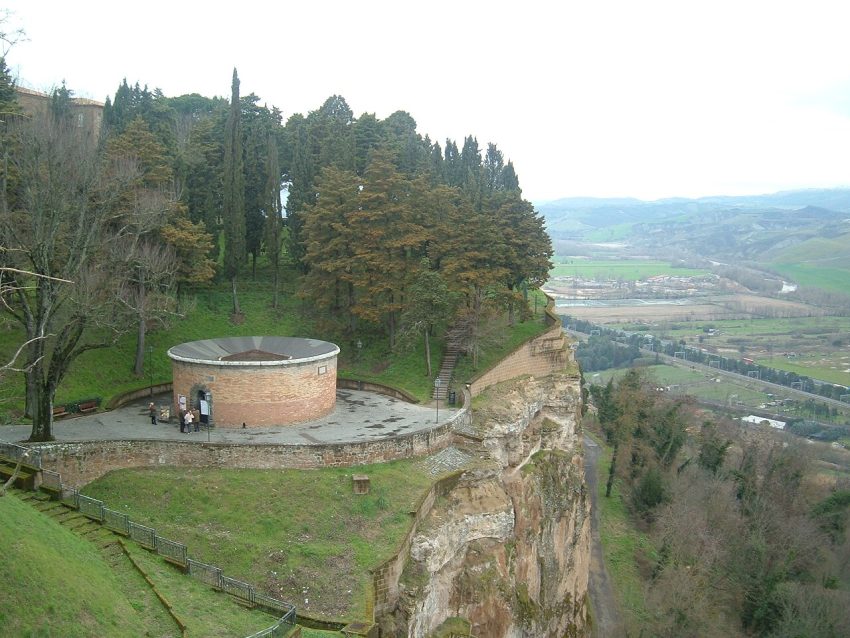
Location: Piazza Cahen, 5B, 05018 Orvieto TR, Italy | Hours: (Winter) January – February – November – December: 10:00–17:00. (Summer) March – April – September – October: 09:00–19:00; May – June – July – August: 09:00–20:00. | Price: Adults: €6.00; Reduced: €4.50; Ages 0–6: free. | Website | Distance: 0.9km
17. Abbey of Saints Severus and Martirio
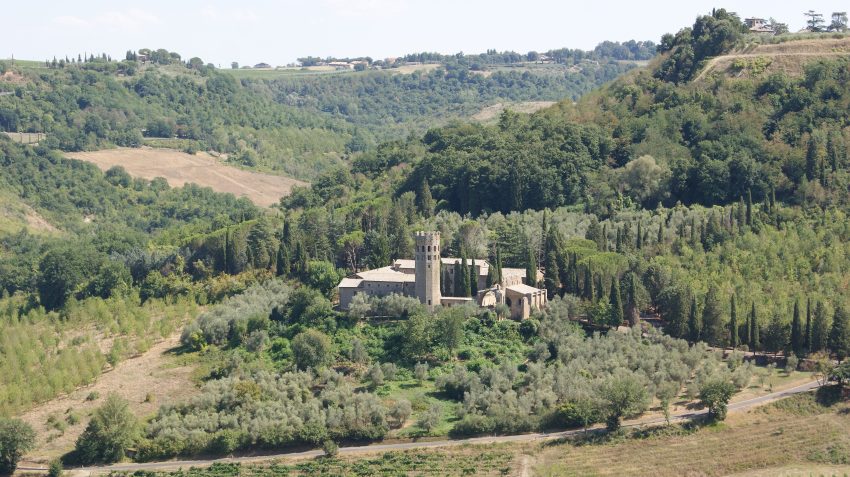
Location: Località La Badia, 05018 Orvieto TR, Italy | Hours: Monday: Closed. Tuesday: Closed. Wednesday: Closed. Thursday: Closed. Friday: Closed. Saturday: Closed. Sunday: Closed. | Price: Check official website. | Distance: 1.1km
18. Stazione di Orvieto
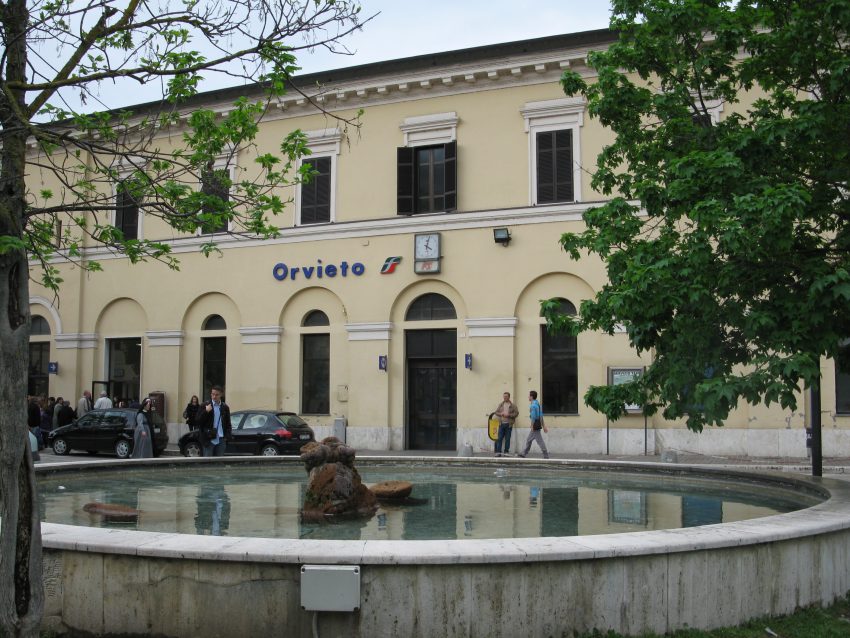
Location: Piazza Matteotti, 05018 Orvieto Scalo TR, Italy | Hours: Daily: Open 24 hours. | Price: Free. | Website | Distance: 1.4km
Best Day Trips from Orvieto
A day trip from Orvieto offers the perfect opportunity to escape the urban rhythm and discover the surrounding region's charm. Whether you're drawn to scenic countryside, historic villages, or cultural landmarks, the area around Orvieto provides a variety of easy-to-reach destinations ideal for a one-day itinerary. If you are looking to rent a car in Italy I recommend having a look at Discover Cars, first, as they compare prices and review multiple car rental agencies for you.
1. Perugia
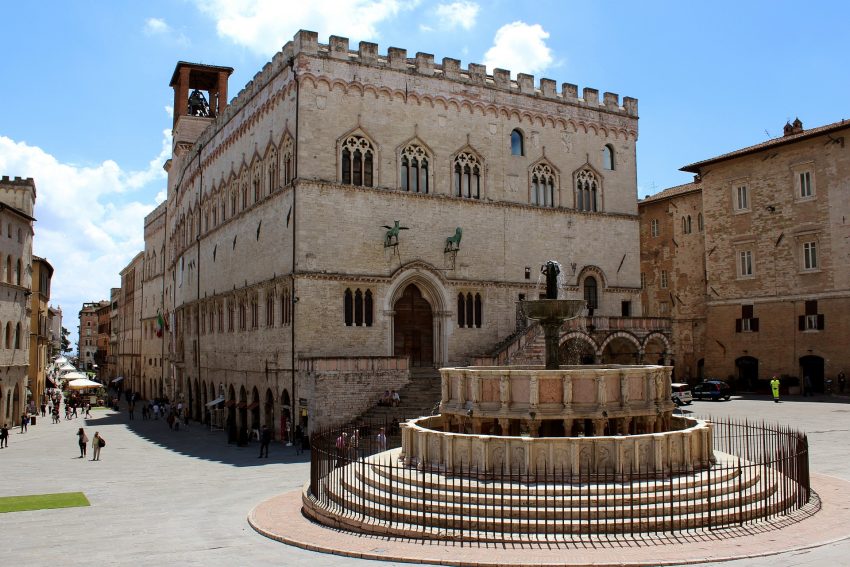
Visiting Perugia
2. Assisi

Visiting Assisi
3. Gubbio

Visiting Gubbio
4. Arezzo
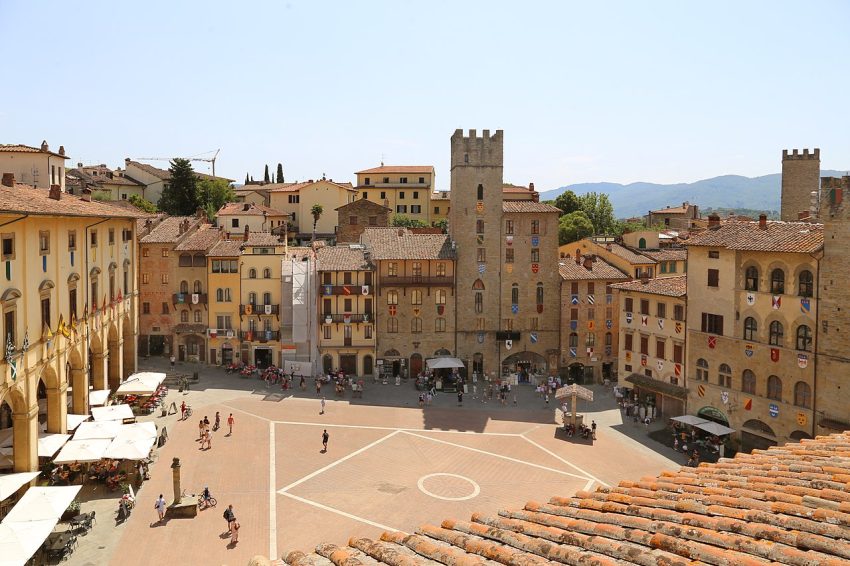
Visiting Arezzo
5. Siena
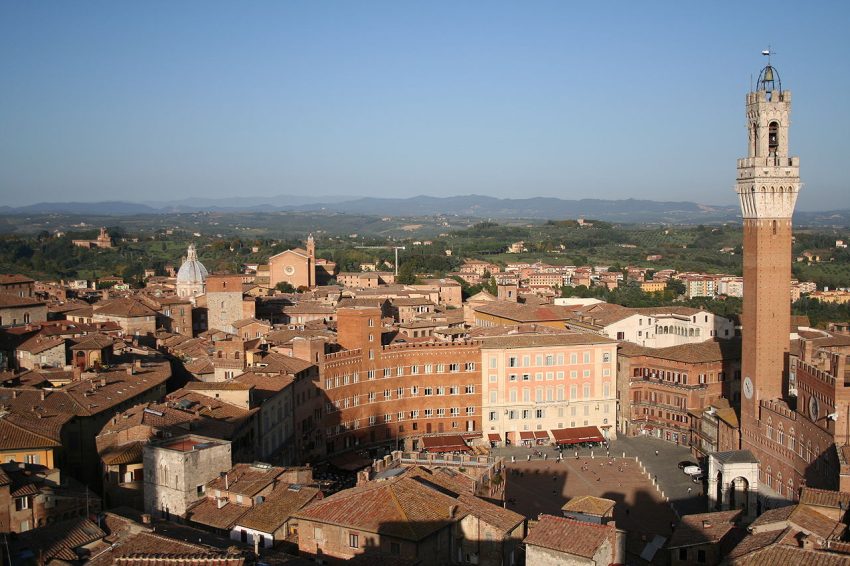
Visiting Siena
6. Rome
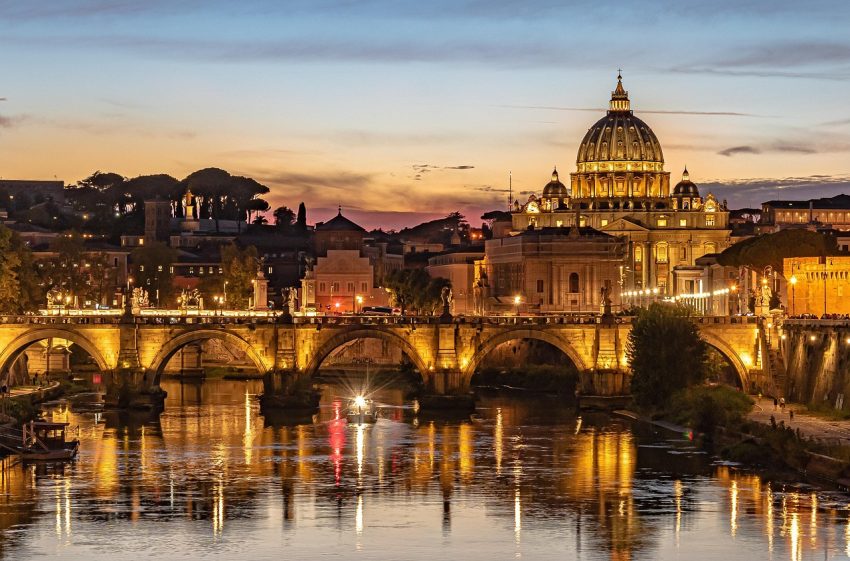
Visiting Rome
7. Tivoli
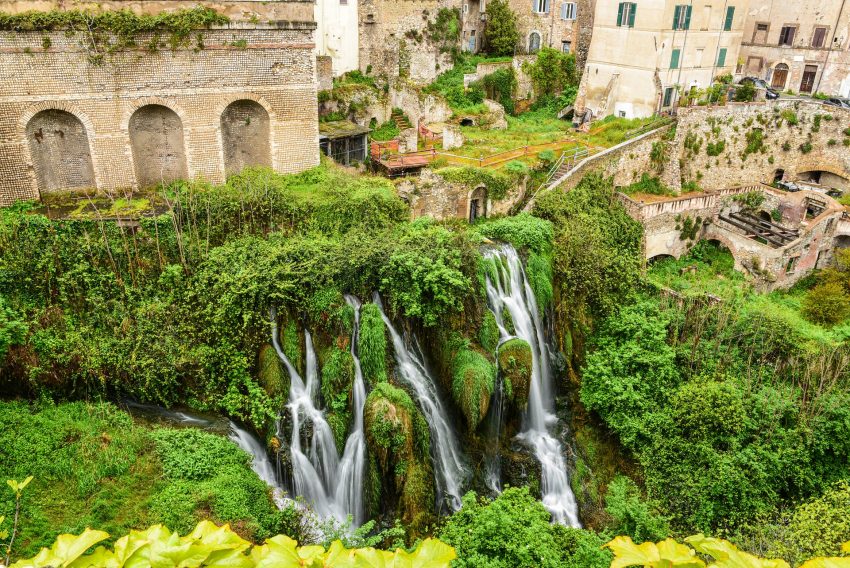
Visiting Tivoli
8. San Gimignano
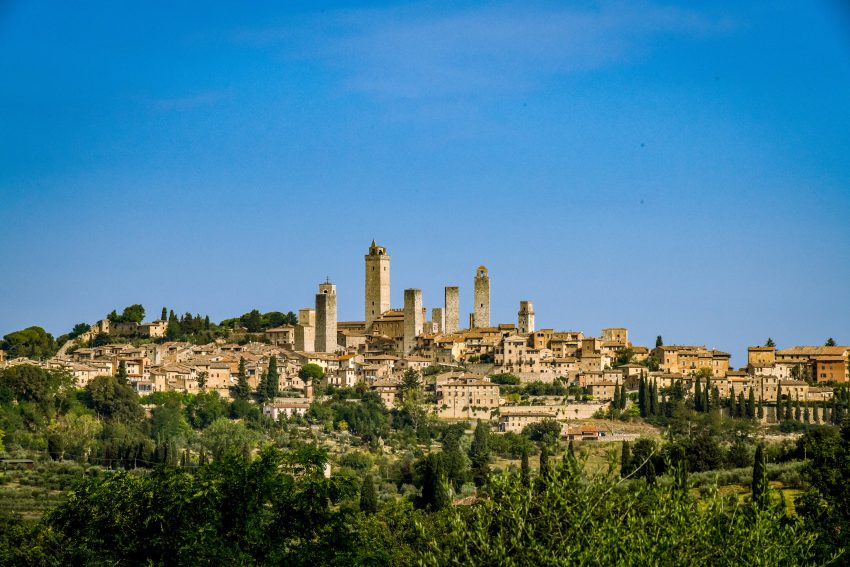
Visiting San Gimignano
9. Florence

Visiting Florence
10. San Marino
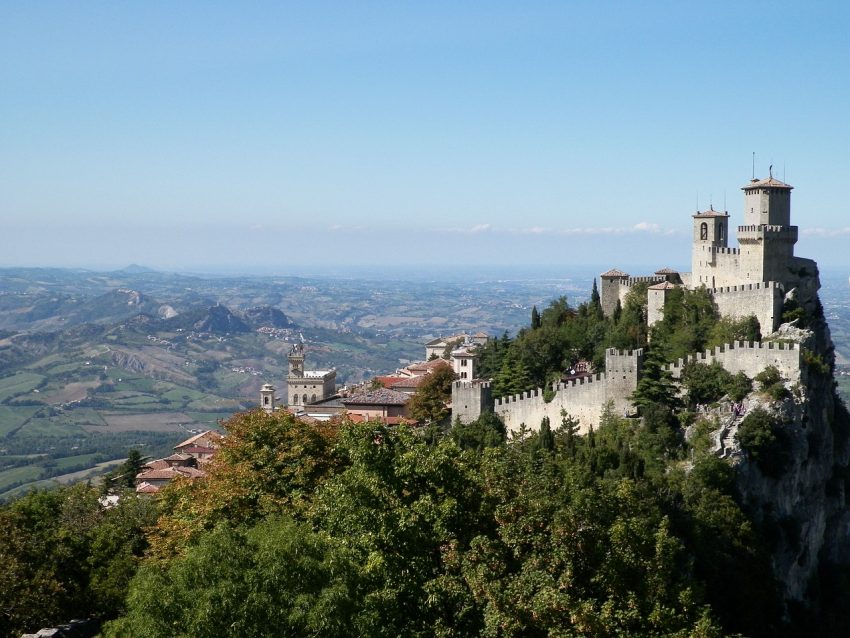
Visiting San Marino
Where to Stay in Orvieto
For most visitors, the best area to stay in Orvieto is the historic center if you want to be able to walk everywhere, step out for evening aperitivo, and enjoy the atmosphere after day-trippers leave. A comfortable, well-located choice is Hotel Duomo, which is popular for its proximity to the main sights and the ease of returning for a break between visits. Another strong option in the center is Palazzo Piccolomini, a good fit if you like classic style and want a central base that makes early-morning and late-evening walks effortless.
If you’re arriving by train, traveling with lots of luggage, or prefer simpler parking access, staying closer to the station/lower town can be more practical while still keeping the funicular connection to the old town. In that case, Hotel Oasi dei Discepoli, is a convenient choice that often appeals to travelers who want easier logistics and a calmer setting. For a more countryside-leaning stay just outside the center—especially nice if you’re planning winery visits—Altarocca Wine Resort, works well for its views, on-site amenities, and the feeling of a retreat while remaining close to town.
Using the our Hotel and Accomodation map, you can compare hotels and short-term rental accommodations in Orvieto. Simply insert your travel dates and group size, and you’ll see the best deals for your stay.
Orvieto Accommodation Map
How to get to Orvieto
Getting to Orvieto by air
Nearest airports: Rome Fiumicino (FCO) and Rome Ciampino (CIA) are the most commonly used for international and low-cost flights; Perugia San Francesco d'Assisi (PEG) can be convenient for some European routes.
From the airport to Orvieto: The simplest approach is to connect to rail services via Rome (for FCO/CIA) or via regional connections (for PEG). If you prefer door-to-door convenience, pre-booked transfers and car rentals are widely available at the airports.
Getting to Orvieto by train
Main rail route: Orvieto is well connected on the north–south line, making it straightforward to reach from Rome and Florence with frequent services.
Train operators and tickets: Use Trenitalia for schedules and tickets: https://www.trenitalia.com/ . For comparison and some high-speed services on other routes, you can also check Italo: https://www.italotreno.it/ .
Station to historic center: From Orvieto station, take the funicular up toward the old town, then continue on foot or by local bus/taxi depending on your accommodation.
Getting to Orvieto by Car
Driving routes: Orvieto is easy to reach via major highways, making it a practical stop on a central-Italy road trip. Follow signs toward the city and choose parking based on whether you’re staying in the historic center or outside it.
Parking and ZTL notes: The historic center has restricted traffic zones (ZTL). Use official car parks and confirm with your hotel if they can register your plate for limited access when applicable. If you are looking to rent a car in Italy I recommend having a look at Discover Cars, first, as they compare prices and review multiple car rental agencies for you.
Travelling around Orvieto
On foot: The historic center is best explored walking; expect slopes and cobblestones.
Funicular and buses: The funicular links the station area to the upper town, and local buses help connect key points and parking areas.
Taxis and day trips: Taxis are useful for luggage or quick transfers; for nearby villages, vineyards, and lake outings within 10 km, a car (or a hired driver) offers the most flexibility.