Arezzo, Italy: The Ultimate Travel Guide 2026
Arezzo
Arezzo
CC BY-SA 4.0 / Sailko

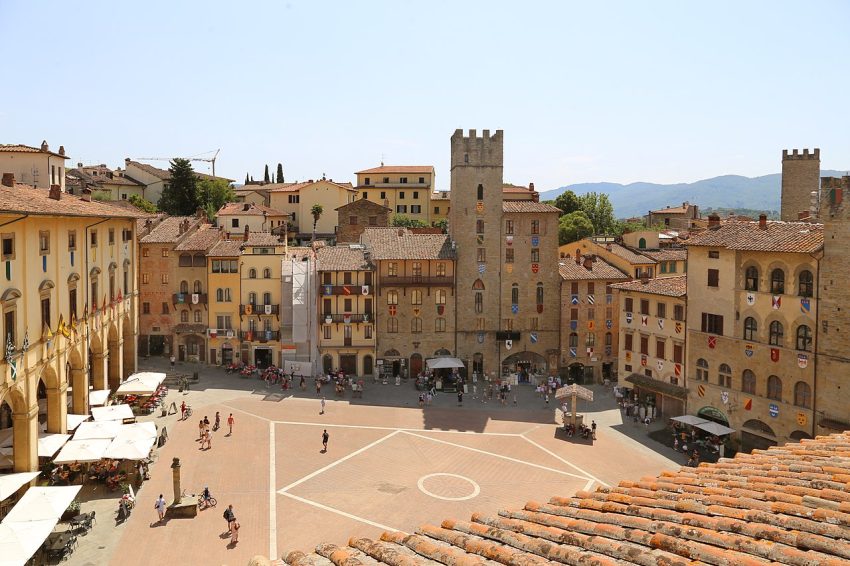
Situated in the south-eastern region of Tuscany, Arezzo is perched prominently atop a hill, at the intersection of four valleys: Val Tiberina, Casentino, Valdarno, and Valdichiana. This locale has deep historical significance within the Tuscan landscape, evidenced by the wealth of archaeological finds, such as stone tools and the discovery of the Paleolithic-era “Man of the Elm.”

The city’s roots trace back to Etruscan times, under the name “Aritim,” originating around the 9th century B.C. It swiftly evolved into a pivotal hub in Tuscany, owing to its strategic placement along the Roman Via Cassia.

Arezzo offers a rich tapestry of attractions, including fortifications, landmarks, churches, and museums, all of which invite visitors to embark on a journey through time. Remarkably, remnants of a Roman amphitheatre still grace the city's landscape.

TIP: If you are visiting Arezzo for just a day and want to make the most of your visit, you may want to consider taking a walking tour with a local guide.
This is one of the most complete and best-rated city tours that covers the main, must-see attractions in about 3 hours.
If you prefer exploring at your own pace read our Walking Tour of Arezzo in Tuscany.

Moira & Andy
Moira & Andy

Hey! We're Moira & Andy. From hiking the Camino to trips around Europe in Bert our campervan — we've been traveling together since retirement in 2020!

Read our full story here

Visiting Arezzo for the first time and wondering what are the top places to see in the city? In this complete guide, I share the best things to do in Arezzo on the first visit. To help you plan your trip, I have also included an interactive map and practical tips for visiting!

This website uses affiliate links which earn a small commission at no additional cost to you.

Powered by GetYourGuide

14 Best places to See in Arezzo

This complete guide to Arezzo not only tells you about the very best sights and tourist attractions for first-time visitors to the city but also provide insights into a few of our personal favorite things to do.

This is a practical guide to visiting the best places to see in Arezzo and is filled with tips and info that should answer all your questions!

1. Palazzo dei Priori
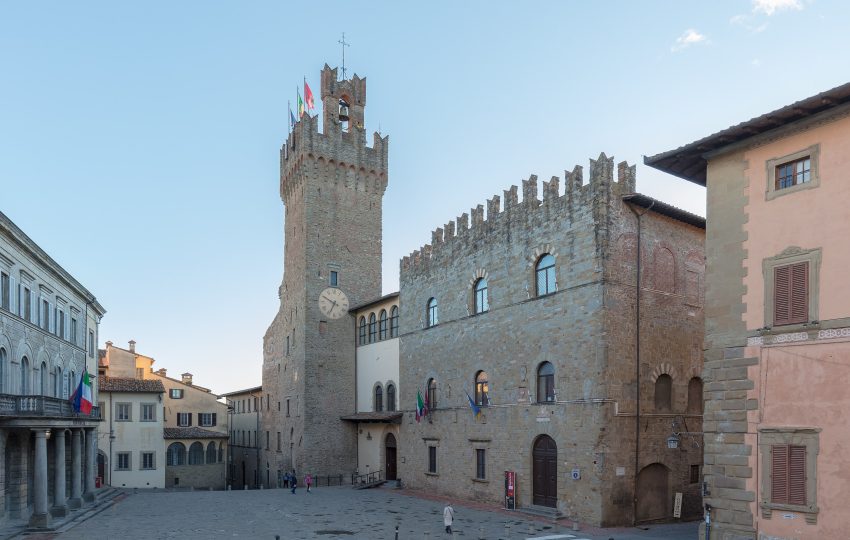
Palazzo dei Priori in Arezzo
CC BY-SA 4.0 / Diego Delso, delso.photo
Palazzo dei Priori is the medieval civic palace that still functions as the Town Hall, its rough stone façade and tall tower dominating Via Ricasoli. Inside, a 16th-century courtyard with arcades and loggias leads to rooms where layers of frescoes and portraits trace centuries of public life. On the ground floor, look for Salvi Castellucci’s 17th-century Madonna and Child with Saint Donato, set against a painted view of the city. The Sala dei Matrimoni, still used for civil weddings, is decorated with Teofilo Torri’s frescoes and a monumental stone fireplace, while the council chamber preserves 15th-century wall painting by Parri di Spinello.
Location: Palazzo dei Priori, Via Montetini, Arezzo, Province of Arezzo, Italy | Distance: 0km

We recommend to rent a car in Italy through Discover Cars, they compare prices and review multiple car rental agencies. Book your rental car here.

2. Cathedral of Arezzo

Arezzo cattedrale
Arezzo cattedrale
CC BY-SA 2.0 / phil tazzini
The Cattedrale dei Santi Pietro e Donato crowns the city’s highest point, its spire cutting a sharp outline against the Tuscan hills. Begun in the early 1300s and only finished in the mid-1500s, it carries visible “pause marks” of interrupted building—most notably the ornate side entrance by the park near the Medici Fortress and a faint line on the wall that records where work stopped for decades. Inside, the air turns cool and dim beneath soaring Gothic arches, sharpening the glow of Guillaume de Marcillat’s stained glass. Seek out Piero della Francesca’s Mary Magdalene fresco, then linger as late light scatters color across the floor.
Location: Arezzo Cathedral, Piazza Del Duomo, Arezzo, Province of Arezzo, Italy | Hours: Monday to Saturday: 10.00 am to 6.00 pm Sundays and Public Holidays: 1.30 pm to 6.00 pm | Price: € 6.00 | Website | Distance: 0.1km

Here is a complete selection of hotel options in Arezzo. Feel free to review each one and choose the stay that best suits your needs.

3. Fondazione Ivan Bruschi - Casa Museo dell'Antiquariato Ivan Bruschi

Fondazione Ivan Bruschi
CC BY-SA 3.0 / Sailko
Fondazione Ivan Bruschi – Casa Museo dell’Antiquariato Ivan Bruschi is a house museum in Arezzo, set inside the 13th-century Palazzo del Capitano del Popolo near Piazza Grande, where antiques dealer Ivan Bruschi’s personal collection remains arranged with a collector’s eye. Across sixteen rooms on three floors, visitors move from Renaissance glazed terracottas linked to the Della Robbia and Buglioni workshops to paintings and drawings by artists such as Neri di Bicci, Luca Giordano, and Sassoferrato, with some works attributed to Tintoretto and Guido Reni. The atmosphere feels intimate and densely layered, mixing art with objects like coins, seals, scientific instruments, textiles, jewelry, and even fossils. It also reflects Bruschi’s role in shaping Arezzo’s antiques culture through the fair he launched in 1968.
Location: Fondazione Ivan Bruschi - Casa Museo dell'Antiquariato Ivan Bruschi, Corso Italia, Arezzo, Province of Arezzo, Italy | Hours: Wednesday to Sunday: Opening hours 10.00 - 13.00, 14.00 - 18.00 | Price: €5.00 | Website | Distance: 0.2km

Traveling to a country with a different currency? Avoid ATM transaction fees and pay in local currency with a Wise Card. Having used it for over 5 years, we've saved loads on fees!

4. Palazzo Pretorio

Palazzo Pretorio Arezzo
CC BY-SA 3.0 / Tetraktys
Palazzo Pretorio, just off Piazza Grande on Via dei Pileati, is a stern medieval complex stitched together from former noble houses, later serving as the Captain of Justice’s seat. Its weathered stone façade is the main draw: dozens of carved coats of arms form a sculpted record of the podestà and captains who governed here from the 1400s onward. Inside, you’ll notice the building’s layered bones—Gothic arches and stone vaults alongside a Renaissance-style courtyard with a reconstructed loggia from early 20th-century restoration. A small ground-floor chapel preserves faint traces of an Annunciation fresco, a quiet counterpoint to the palace’s long life as a prison.
Location: Pretorio Palace, Via dei Pileati, Arezzo, Province of Arezzo, Italy | Distance: 0.2km

Explore Arezzo at your own pace with our self-guided walking tour! Follow our curated route to discover must-see sights and local secrets that makes Arezzo one of the best places to visit in Italy.

5. Palazzo della Fraternita dei Laici

Arezzo   Piazza Grande   Palazzo della fraternita dei laici
Arezzo Piazza Grande Palazzo della fraternita dei laici
CC BY-SA 2.0 / s9-4pr
Facing the slope of Piazza Grande, the Palazzo della Fraternita dei Laici is the long-time seat of a lay charitable brotherhood founded in 1262, still active today. Begun in 1375 and finished over centuries, it layers Gothic structure with Renaissance refinements, including additions linked to Giorgio Vasari. The façade is crowned by Felice di Salvatore Vannucci’s 1552 astronomical clock, a geocentric dial that tracks lunar phases and still runs. Inside, the Fraternita Palace Museum gathers paintings, sculptures, furniture, and archives from the 14th to 19th centuries, with a standout Madonna della Misericordia group by Bernardo Rossellino. Many visitors remember climbing to the terrace for a direct view down onto the piazza.
Location: Palazzo della Fraternita dei Laici, Via Giorgio Vasari, Arezzo, Province of Arezzo, Italy | Hours: Every day / 10.30am – 6.00pm | Price: € 5,00 | Distance: 0.2km

6. Church of San Domenico

Church of San Domenico in Arezzo
CC BY-SA 3.0 / Sailko
The Church of San Domenico is a sober late-13th/early-14th-century Dominican basilica, built with the patronage of the Ubertini and Tarlati families, where the first papal conclave was held in 1276 to elect Innocent V. Its plain Romanesque exterior gives way to a long single nave, subtly engineered so the spacing of the side windows makes the interior feel deeper than it is. Light gathers at the altar beneath a trifora window, drawing attention to the church’s defining work: Cimabue’s monumental painted Crucifix (about 340 × 270 cm), poised between Byzantine stiffness and a newly human sense of suffering. Fading frescoes and glazed terracottas add quiet color to the otherwise restrained space.
Location: San Domenico, Piazza San Domenico, Arezzo, Province of Arezzo, Italy | Distance: 0.2km

7. Church of Santa Maria della Pieve

Church of Santa Maria della Pieve in Arezzo
CC BY-SA 3.0 / Colin W
Santa Maria della Pieve is a Romanesque parish church whose layered stone façade reads like carved lace, with stacked columns and finely worked capitals. Look above the central portal for the allegories of the twelve months—small medieval symbols many visitors miss. Its 1330 bell tower, nicknamed the “Tower of a Hundred Holes,” rises nearly 60 meters and anchors the skyline. Inside, three tall naves lead to an elevated presbytery and a shadowy crypt, where a baptismal font is wrapped with 14th-century marble panels. Artworks to seek out include Pietro Lorenzetti’s gilded polyptych (1320) and a reliquary bust of St. Donatus.
Location: Santa Maria della Pieve, Corso Italia, Arezzo, Province of Arezzo, Italy | Distance: 0.2km

8. National Museum of Medieval and Modern Art

Museo Nazionale dArte Medievale e Moderna
CC BY-SA 3.0 / Sailko
Housed in the Renaissance Bruni Ciocchi Palace, the National Museum of Medieval and Modern Art doubles as a lesson in architecture and a deep dive into Tuscan painting. Visitors move through an arcaded courtyard and up grand staircases into about twenty rooms that track art from medieval devotion to 19th-century taste. Look for early works tied to the city’s past, including sculptures of St. Michael and a Madonna and Child once set on the gates, and paintings by figures such as Spinello Aretino, Luca Signorelli, and Giorgio Vasari. Smaller displays—ivories, bronzes, jewelry, and goldsmithing—add tactile detail, alongside a glazed terracotta by Andrea della Robbia.
Location: Museo Nazionale d'Arte Medievale e Moderna, Via San Lorentino, Arezzo, Province of Arezzo, Italy | Price: € 7,00 | Website | Distance: 0.3km

9. Casa Vasari Museum

Casa Vasari Museum in Arezzo
CC BY-SA 3.0 / Ввласенко
Casa Vasari Museum preserves the late-Renaissance home Giorgio Vasari bought in 1542 and personally designed and painted as a private showcase of his ideals. Spread over three floors, the rooms are dense with allegorical frescoes—look for the Camera della Fama e delle Arti, the Camera delle Muse, the Camera di Abramo, and the Salone del Camino, where ceilings and walls feel like a continuous painted program. Beyond Vasari’s own decoration, the museum displays more than fifty Mannerist works drawn from Florentine collections, with artists such as Alessandro Allori, Giovanni Stradano, and Santi di Tito. Visitors often linger over the intact frescoes and the concise intro film with English subtitles.
Location: Casa Vasari, Via XX Settembre, Arezzo, Province of Arezzo, Italy | Hours: Monday, Wednesday, Thursday, Friday and Saturday, entry every hour from 8.30 to 18.30. Sunday and holidays entry every hour from 8.30 to 12.30, with 1 hour visiting shifts. | Price: €5.00 | Website | Distance: 0.3km

10. San Francesco Basilica

Arezzo   San Francesco
Arezzo San Francesco
CC BY-SA 4.0 / Luca Aless
Facing Piazza San Francesco, the basilica’s rough, unfinished stone façade feels plain—until you step inside its spare Gothic nave and reach the Bacci Chapel. There, Piero della Francesca’s fresco cycle “The Legend of the True Cross” (painted 1452–1466) surrounds you with calm geometry, luminous color, and quietly intense faces that reward slow looking (and can leave you with a bit of a neck ache). Look beyond the chapel: fragments of earlier wall paintings by artists such as Spinello Aretino hint at how fully frescoed the church once was. The building itself carries scars and recoveries—damaged by a major fire in 1556 and later restored in the early 20th century—adding to the layered feel of the visit.
Location: Basilica di San Francesco, Piazza San Francesco, Arezzo, Province of Arezzo, Italy | Hours: Mon - Tue - Thu - Fri / 9:00 a.m. - 7:00 p.m. Sat / 9:00 a.m. - 7:00 p.m. Sun / 1:00 p.m. - 6:00 p.m. Last entry 30 minutes before closing. Tours interrupted due to church service from 10:30 a.m. to 11:00 a.m | Price: € 10.00 | Website | Distance: 0.3km
Powered by GetYourGuide

11. Piazza Grande

Arezzo piazza grande
CC BY-SA 2.0 / phil tazzini
Piazza Grande is a steeply sloped, trapezoidal square that feels like a stage set of stone façades, towers, and arcades layered from the Middle Ages to the Renaissance. The refined arches of Vasari’s Palazzo delle Logge (completed in 1595) face older medieval buildings such as the Torre Faggiolana, creating a striking contrast across the incline. Look for the Palazzo della Fraternita dei Laici, where Gothic arches sit beneath later Renaissance additions and a 1552 Aristotelian-Ptolemaic clock still marks the hours. On quieter days it’s a calm place to linger under the loggias with cafés and antique shops; twice a year it transforms for the armored spectacle of the Giostra del Saracino.
Location: Piazza Grande, Piazza Grande, Arezzo, Italy | Distance: 0.3km

12. Medici Fortress

Medici Fortress Arezzo
CC BY-SA 4.0 / LigaDue
Reached through Petrarca Park behind the cathedral, the Medici Fortress is a massive Renaissance stronghold commissioned by Cosimo I de’ Medici in the mid-1500s to cement Florentine control. Its five-pointed, star-shaped plan and angular bastions still read clearly from the ramparts, where you get broad views over terracotta rooftops and the Casentino Valley. Parts of the fort incorporate stone taken from the Roman amphitheater below, a striking link between ancient and Medici-era power. Today it’s often quiet and contemplative, though access can be partial and closures happen during major event setups; at other times, temporary art shows bring the empty spaces to life.
Location: the c, Viale Bruno Buozzi, Arezzo, Italy | Hours: Mon – Wed – Thur – Fri / 11.00 am – 7.00 pm (last admission at 6.30 pm) Sat – Sun / 10.00 am – 8.00 pm (last admission at 7.30 pm) | Price: €8,00 | Distance: 0.4km

13. National Archaeological Museum Gaius Cilnius Maecenas

Gaius Cilnius Maecenas, National Archaeological Museum
CC BY-SA 3.0 / Sailko
Housed in the former 14th-century St. Bernard Monastery, the National Archaeological Museum Gaius Cilnius Maecenas sits directly over the curved remains of a Roman amphitheatre, so you feel centuries layered in the architecture as you move through its vaulted corridors. The 26 rooms trace life from Etruscan sanctuaries to late antiquity, with painted terracotta temple fragments, jewelry from the Poggio del Sole necropolis, and votive objects from Castelsecco. The most memorable galleries spotlight Arretina vasa: an exceptionally large collection of glossy red terra sigillata stamped with ancient makers’ marks. Don’t miss the 6th-century BC Attic krater attributed to Euphronios, showing Hercules battling Amazons.
Location: Museo Archeologico Nazionale Gaio Cilnio Mecenate, Via Margaritone, 10, Arezzo, Province of Arezzo, Italy | Hours: Monday to Saturday / 9.00 am – 7.30 pm Sundays and public holidays / 2.30 pm – 7.30 pm First Sunday of the month / 9:30 am – 7:30 pm | Price: €7.00 | Website | Distance: 0.7km

14. Roman Amphitheatre
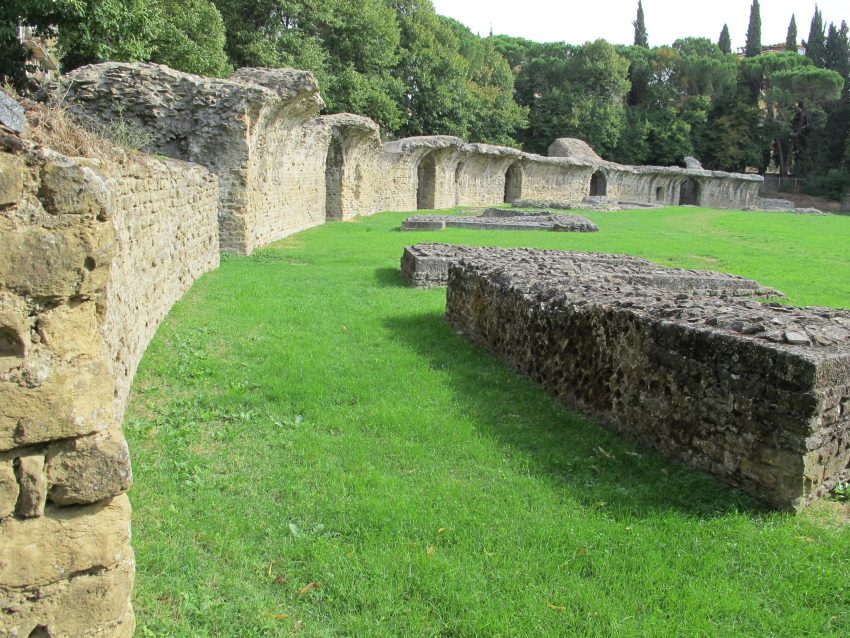
Roman Amphitheatre of Arezzo
CC BY-SA 3.0 / Sailko
The Roman Amphitheatre is a weathered 2nd-century AD arena, begun under Emperor Hadrian, whose elliptical curve still reads clearly between Via Crispi and Via Margaritone. Though much was quarried in the Middle Ages, surviving stone arches, inner corridors, and four vaulted entrances hint at the engineering behind a structure about 120 by 70 meters that once held thousands. A 14th-century layer of history sits literally inside it: the Monastery of San Bernardo, now the Archaeological Museum, rises within the former arena walls. From the museum loggia you can trace the full outline, then linger among Etruscan and Roman finds—travelers often single out the delicate 500 BC earrings.
Location: Roman Amphitheatre of Arezzo, Via Margaritone, Arezzo, Province of Arezzo, Italy | Hours: See National Archaeological Museum Gaius Cilnius Maecenas | Distance: 0.7km

Best Day Trips from Arezzo

A day trip from Arezzo offers the perfect opportunity to escape the urban rhythm and discover the surrounding region's charm. Whether you're drawn to scenic countryside, historic villages, or cultural landmarks, the area around Arezzo provides a variety of easy-to-reach destinations ideal for a one-day itinerary. If you are looking to rent a car in Italy I recommend having a look at Discover Cars, first, as they compare prices and review multiple car rental agencies for you.

1. Siena
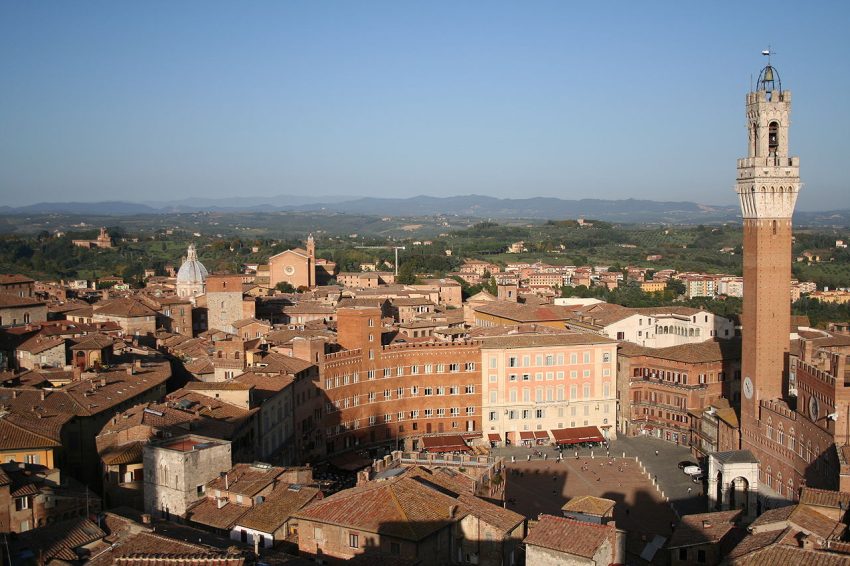
Piazza del Campo Siena
CC BY-SA 3.0 / Massimo Catarinella
Visiting Siena is like stepping into a timeless Italian dream, where medieval streets wind through a city rich in culture, charm, and breathtaking scenery. Nestled in the heart of Tuscany, Siena captivates visitors with its warm, earthy-toned buildings, stunning Gothic architecture, and lively piazzas. Whether you’re strolling through its narrow alleyways, savoring a meal at a traditional trattoria, or simply…
Visiting Siena
Powered by GetYourGuide

2. Perugia

Perugia, Umbria
Perugia, Umbria
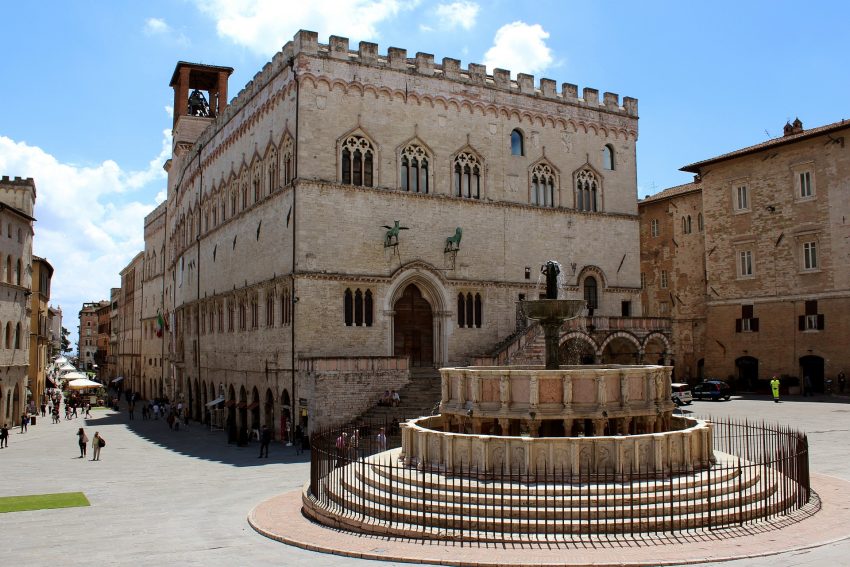
Nestled in the heart of Italy, Perugia is one of the country's oldest centers, celebrated for its vibrant social life, rich university heritage, and much more. This modern city, steeped in history, stands atop a hill in the Tiber Valley and serves as the capital of Umbria. Known as a city of art and a lively cultural hub, Perugia's medieval…
Visiting Perugia
Powered by GetYourGuide

3. Gubbio

umbria gubbio
umbria gubbio
Nestled amidst the rugged terrain of the Apennine Mountains, Medieval Gubbio boasts a picturesque setting approximately 25 miles northeast of the bustling capital of Umbria, Perugia. To the north and east, the landscape stretches out into vast expanses until reaching the border with the neighboring region of Le Marche. This ancient land, adorned with charming squares and majestic stone palaces,…
Visiting Gubbio
Powered by GetYourGuide

4. Florence

Florence
Florence
Florence, one of Italy's most renowned cities, is a must-visit destination on the tourist circuit. Its breath-taking Renaissance architecture, charming streets, and picturesque buildings make it a captivating spot for travellers. Art lovers will find themselves in paradise with an abundance of galleries to explore, offering a diverse range of masterpieces. The city's magnificent Renaissance churches also provide a fascinating glimpse…
Visiting Florence
Powered by GetYourGuide

5. San Gimignano

The Complete Guide to San Gimignano
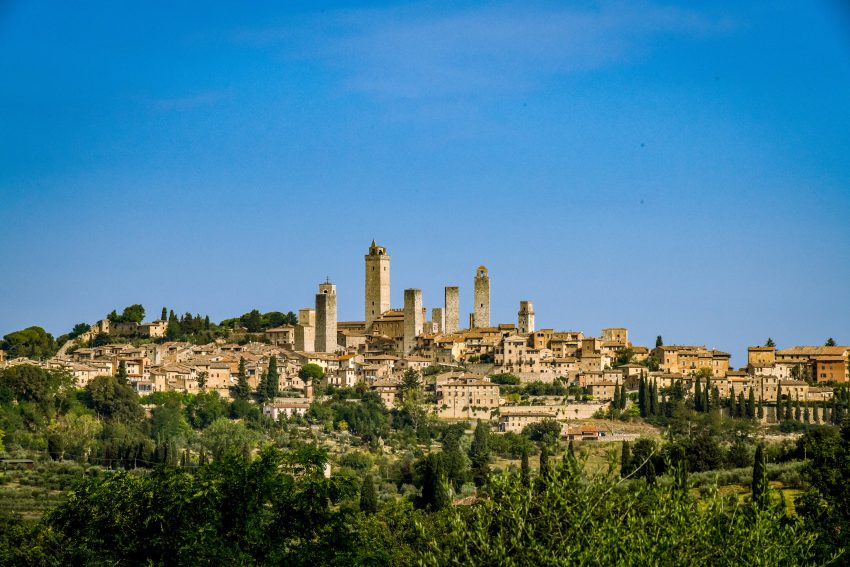
San Gimignano is one of Tuscany’s most atmospheric hill towns, celebrated for its skyline of medieval towers, golden-stone streets, and vineyard-draped countryside. It’s compact enough to explore on foot, yet packed with viewpoints, churches, small museums, and food stops that make it easy to fill a full day—or slow down and linger over long lunches with local Vernaccia wine. A…
Visiting San Gimignano

6. San Marino

Visiting San Marino
Visiting San Marino
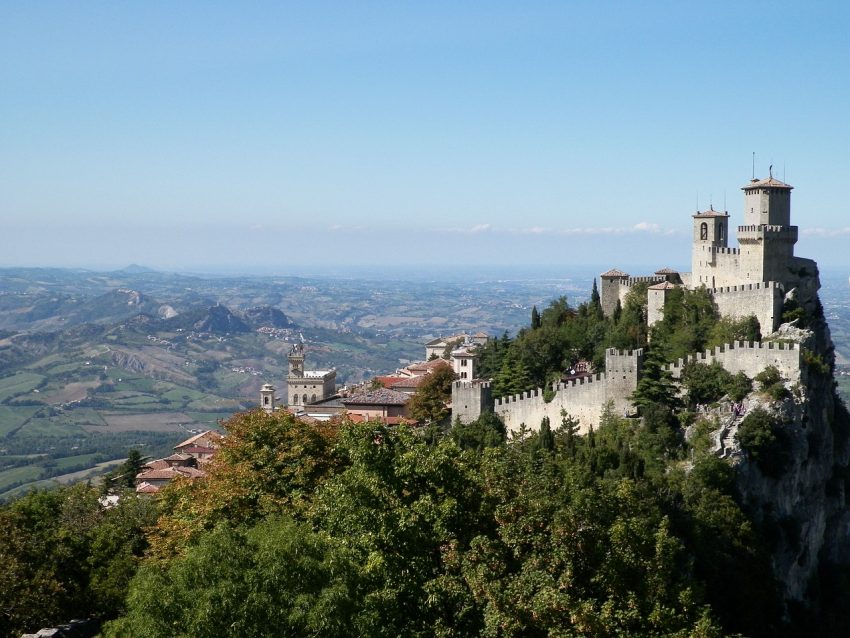
San Marino's origins are rooted in the captivating legend of Saint Marinus, who established the community and republic in AD 301 after seeking refuge on Mount Titano. The sovereignty of San Marino was confirmed after Italian Unification, possibly in recognition of their assistance to Garibaldi, a prominent leader in the Risorgimento movement. With the exception of Vatican City, San Marino…
Visiting San Marino
Powered by GetYourGuide

7. Assisi

Assisi
Assisi
When UNESCO inscribed the Franciscan attractions in Assisi as a World Heritage Site, it highlighted the city's significant influence on both religious expression and European art history. This intertwining of religious and artistic heritage makes Assisi a must-visit for tourists. As the birthplace of St. Francis and the center of his life's work, Assisi is deeply connected with the Franciscan…
Visiting Assisi

8. Orvieto

The Complete Guide to Orvieto
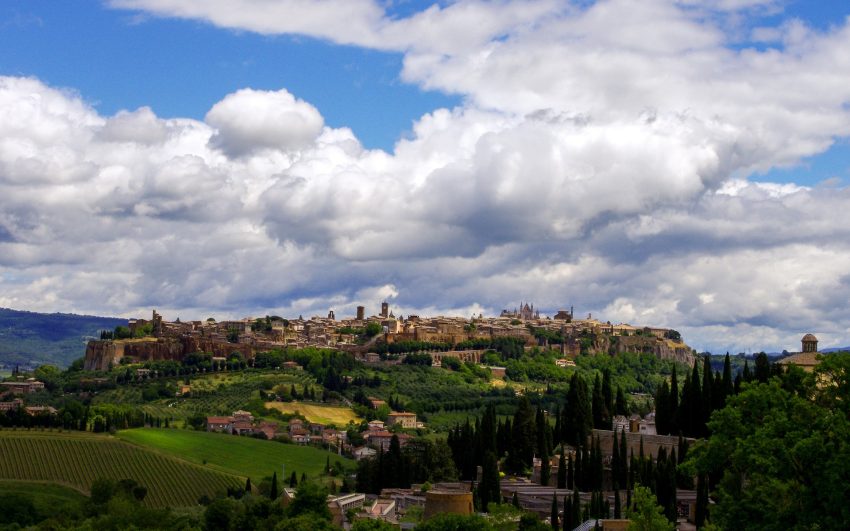
Orvieto is one of those hill towns that feels instantly cinematic: a compact historic center perched above the countryside, with big views, stone lanes, and a lively café culture. Set in Umbria, it’s an easy base for slow travel—think long lunches, local wines, and short scenic walks that start right from town. The pace is relaxed, but there’s plenty to…
Visiting Orvieto
Powered by GetYourGuide

9. Rimini

riminiItaly
riminiItaly
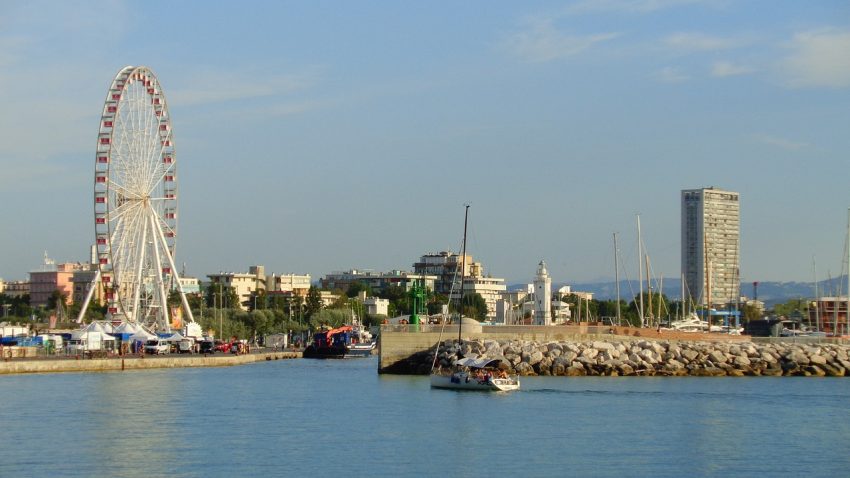
Located in the Emilia-Romagna region, Rimini boasts a rich history dating back to its Roman foundation in 268 BC. This coastal gem spans over 15 kilometers of pristine beaches, rendering it a favoured destination for seaside enthusiasts. Notably, the renowned filmmaker Federico Fellini hailed from this city, which is celebrated for its lively nightlife and historic landmarks, including the iconic…
Visiting Rimini
Powered by GetYourGuide

10. Ravenna

Ravenna
Ravenna
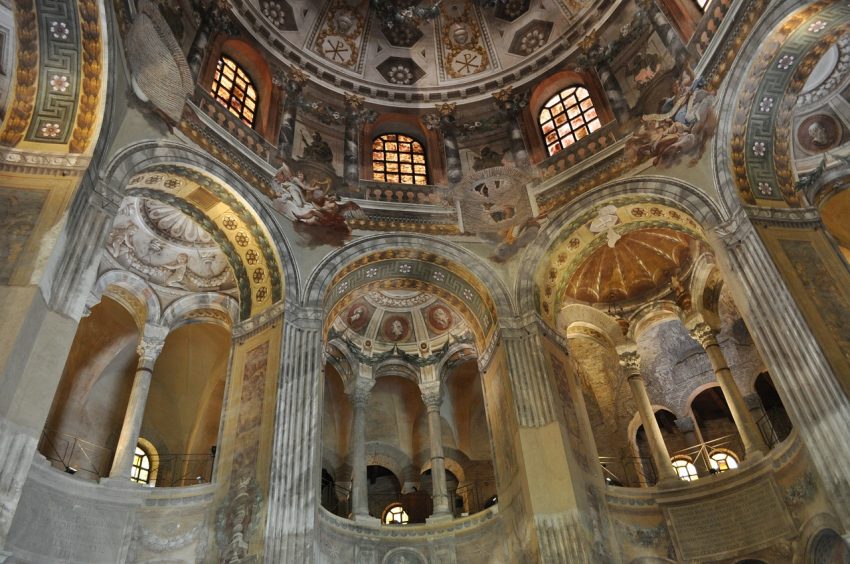
Situated on the eastern coast of Italy, nestled between San Marino and Bologna, Ravenna serves as the capital of the Ravenna province and stands as one of the larger cities in the Emilia-Romagna region. Throughout its illustrious history, Ravenna has held a position of great importance under various empires, including serving as the capital of the Western Roman Empire and…
Visiting Ravenna
Powered by GetYourGuide

Where to Stay in Arezzo

For exploring the historic centre and being within walking distance of the major sights, consider staying in the immediate medieval heart of the city. One excellent choice is Graziella Patio Hotel which is set in a charming townhouse, converted with character in the heart of Arezzo’s old town, just a short stroll from the cathedral and main squares. It offers individually decorated rooms with some boutique touches and is ideal if you want to immerse yourself in the atmosphere of the city centre. Another strong option in the centre is Minerva Hotel which lies slightly outside the pedestrian area but still very manageable on foot and offers more of a full-service hotel experience (free parking, gym/Turkish bath, etc). Both of these give you easy access to Arezzo’s core area, cafes, restaurants and historic ambience.

If you are arriving by car or prefer easier access and parking outside the strict old-town pedestrian zone, then consider the urban fringe or modern suburbs just outside the historic walls. For this there is Etrusco Arezzo Hotel, Sure Hotel Collection by Best Western which is very close to the exhibition centre and ease of access to the motorway, offering good value and convenience while still being just 2 km from the historic centre. This is handy if you have a car or want slightly more modern hotel amenities.

For a more rural, hillside or countryside setting around Arezzo, ideal if you want a quieter stay and want to combine your city visit with Tuscan surroundings, you could stay outside the urban core. One such property is Hotel Le Capanne which sits on the edge of the hills outside Arezzo, gives you space, greenery, outdoor pool, and a sense of relaxing countryside yet still within easy reach of the city. It’s perfect if you plan a slightly slower stay or want to venture into the surrounding Tuscan landscape.

Using the our Hotel and Accomodation map, you can compare hotels and short-term rental accommodations in Arezzo. Simply insert your travel dates and group size, and you’ll see the best deals for your stay.

Arezzo Accommodation Map

Best Time to Visit Arezzo

Arezzo offers delightful experiences in both spring and autumn:

Springtime in Arezzo: With its moderate temperatures and the blooming of beautiful flowers, springtime in Arezzo is a truly wonderful experience. The city becomes a burst of colours and fragrances, making it the perfect time to explore its beauty. The pleasant weather and gentle breezes enhance the joy of wandering through the streets and admiring the architecture.

In addition to its natural beauty, spring in Arezzo also presents various cultural opportunities. Many events take place in the city during this season, including the renowned Saracen Joust in June. Visitors can witness a medieval-style jousting competition and immerse themselves in the event’s vibrant atmosphere. All in all, spring is an ideal season to visit Arezzo if you desire a combination of natural splendour and cultural events.

Autumn Charm in Arezzo: Autumn in Arezzo invites you to immerse yourself in its enchanting ambiance as the leaves change colours and the air becomes crisp. The historic heart of the city is adorned with the vibrant hues of autumn leaves, creating a breath-taking landscape. The weather is perfect for leisurely walks through the streets, admiring the architecture, and stopping at a local café for a warm beverage.

Moreover, autumn is a paradise for food enthusiasts to savour the local cuisine. Arezzo is renowned for its delicious truffles, which are in season during this time of year. You can also indulge in the famous Chianina beef while sipping a glass of Tuscan wine. The city comes alive with gastronomic festivals during the harvest season, offering a unique opportunity to explore local culture and traditions. In conclusion, a visit to Arezzo in autumn is a special and not-to-be-missed experience.

Summer In Arezzo: The Giostra del Saracino, or Joust of the Saracen (Moor), is is a great event to see in Arezzo. It is usually held on the third Saturday in June and on the first Sunday in September (check the official site for confirmation), taking place in Arezzo’s magnificent Piazza Grande. The festivities commence a week before the actual joust when the captains participating in the event take an oath. During this time, they also determine the sequence in which they will charge and practice their jousting skills in the evenings throughout the week. The Joust of the Saracen is a captivating and time-honored tradition that showcases the rich cultural heritage of Arezzo.

Annual Weather Overview

  • January 8°C
  • February 10°C
  • March 13°C
  • April 18°C
  • May 23°C
  • June 30°C
  • July 30°C
  • August 31°C
  • September 25°C
  • October 21°C
  • November 12°C
  • December 9°C

How to get to Arezzo

Flying to Arezzo

There is no airport located directly in Arezzo, so flying directly to Arezzo is not an option. However, you can reach Arezzo by driving or taking a train from nearby airports. The airports closest to Arezzo, in order of proximity, are Florence, Perugia, Pisa, Bologna, Rome, and Genoa. Among these, Pisa airport is a popular choice for flights within Europe, while Rome is more likely to be the arrival airport for visitors from the US and Canada. Depending on your location and travel plans, you can choose the airport that best suits your needs and then travel to Arezzo by train or car from there.

Getting to Arezzo by Train

Arezzo has a train station located along the Bologna-Rome railway line. The station is served by daily connections with Intercity trains to Florence, Rome, and various other destinations in Italy. The TFT (Transport Railway Toscano) of the LFI group manages the railway lines for Arezzo-Sinalunga and Arezzo-Stia. Arezzo has three train stations, but if you are a visitor planning to explore the historical centre, it's best to choose the main station, which is simply named “AREZZO.” This station is located at the base of the city and is the closest to the historic center, making it the most convenient choice for those looking to explore the historical attractions of Arezzo.

Getting to Arezzo by Bus

Arezzo is connected to various nearby regions, including Valdichiana, Valtiberina, Pratomagno, Casentino, and Valdarno, via a comprehensive bus network provided by ATAM, LFI, and SITA bus companies. This network allows for easy and convenient bus travel to and from Arezzo and its neighbouring areas.

Getting to Arezzo by Car

You can drive to Arezzo from Florence or Rome via the Autostrada del Sole (A1 Milan-Naples). Exit at the tollgate of Arezzo, and from there, it's about 10 km to reach the city center. Here are some road distances from Arezzo to nearby cities: Cortona 29 km; Florence 74 km; Siena 89 km; Perugia 92 km; Rome 218 km.


More from this area