Corso Cavour, Orvieto
Area, Street and Walk in Orvieto
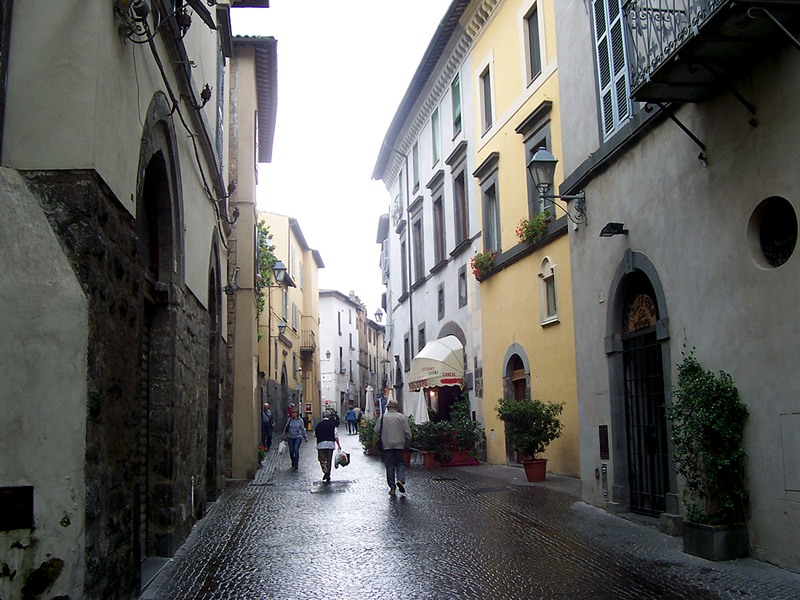
Corso Cavour is Orvieto's main street in the historic center of Orvieto, Italy. It is a public thoroughfare rather than a ticketed attraction, and it connects some of the town's busiest squares, shops, cafés, and side streets. Visitors usually encounter it while moving between the funicular area, the Duomo approach, and the central lanes of the old town.
What stands out here is the mix of daily life and historic setting: stone façades, small businesses, food shops, and places to stop for a coffee or a quick snack. Corso Cavour suits travelers who like to explore on foot, browse local products, and use one street to get their bearings. It also works well for anyone who wants a relaxed break between Orvieto's more focused sights.
Table of Contents
History and Significance of the Corso Cavour
Corso Cavour reflects Orvieto's long history as a hilltop city shaped by movement: pilgrims, merchants, and residents all needed a practical spine through the center. Over time, the street became a natural connector between key civic spaces and the lanes leading to religious and administrative landmarks.
Like many central streets in Italian historic towns, Corso Cavour is less about a single “monument” and more about the layered experience: medieval and Renaissance facades, small palazzi, and the rhythm of daily life. It's also a helpful reference point for navigation, because many of Orvieto's most-visited sights branch off from it.
Today, Corso Cavour is significant because it's where visitors and locals overlap. You can shop for Umbrian specialties, pause for gelato, and then, within minutes, be climbing a tower or turning onto the route that leads toward the Duomo area.
Things to See and Do in the Corso Cavour
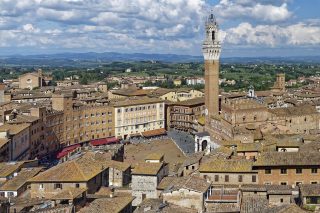
Start by treating the street as your “base line” for exploring Orvieto: walk it end-to-end once to get your bearings, then revisit sections for specific stops. Torre del Moro is one of the most recognizable landmarks along the route, and nearby side streets can quickly lead you toward the Duomo approach via Via del Duomo.
Corso Cavour is also a great place for low-stakes wandering. Pop into food shops for truffle products, olive oil, and local sweets, browse small boutiques, and watch how the street changes from busier nodes near the squares to quieter stretches in between.
If you enjoy architecture, keep an eye out for historic palazzi and details above street level: stonework, coats of arms, and old doorways that hint at Orvieto's wealth and civic pride. For a simple “best of” loop, combine Corso Cavour with a climb up Torre del Moro and a continuation toward Piazza della Repubblica.
How to Get to the Corso Cavour
The nearest major airports are Rome Fiumicino (FCO), Rome Ciampino (CIA), Florence (FLR), and Perugia (PEG). For the best deals and a seamless booking experience, check out these flights to Orvieto on Booking.com.
Orvieto is well-connected by rail on the Rome-Florence/Milan line; from Orvieto station (Orvieto Scalo), take the funicular or bus up to the historic center and walk onto Corso Cavour. Use Omnio to easily compare schedules, book train tickets, and find the best prices all in one place for a hassle-free journey across Italy.
If you're driving, park in one of the lots outside or at the edge of the historic center and continue on foot via escalators/lifts or the funicular area to reach Corso Cavour. If you are looking to rent a car in Italy I recommend having a look at Discover Cars, first, as they compare prices and review multiple car rental agencies for you.
Practical Tips on Visiting the Corso Cavour
- Entrance fee: Free.
- Opening hours: 24 Hours.
- Best time to visit: Late morning for open shops and a lively atmosphere, or early evening for an aperitivo-style stroll before dinner.
- How long to spend: Plan 45-90 minutes for a relaxed walk with a few stops, or 2-3 hours if you add a tower climb, shopping, and café breaks.
- Accessibility: Expect slopes and uneven paving typical of a hill town; some stretches are easier than others, but side streets can be steep.
- Facilities: You’ll find plenty of cafés, gelaterias, and small shops along or just off the street, plus restrooms in some paid attractions nearby.
Where to Stay Close to the Corso Cavour
Base yourself in Orvieto's historic center near Corso Cavour if you want to walk everywhere and enjoy the town after day-trippers leave.
For a classic, central stay right on the action, consider a hotel that puts you steps from shops and easy walking routes. For something quieter, look for properties on side streets branching off Corso Cavour, where you still have quick access but less foot traffic.
Hotel Corso Chosen for its ultra-convenient location on the main street, making it easy to start early walks and return for breaks.
Palazzo Piccolomini Included for its historic-building feel and proximity to the center, ideal if you want atmosphere without being far from Corso Cavour.
Hotel Duomo A strong pick for travelers prioritizing the Duomo area while still being a short walk from Corso Cavour’s shops and cafés.
Hotel Palazzo Decumani Selected for a boutique-style stay near major sights, great for couples who want a special-feeling base close to evening strolls.
Hotel Virgilio Included as a practical, central option that keeps you close to the main walking routes and easy access back to Corso Cavour.
Is the Corso Cavour Worth Visiting?
Yes, Corso Cavour is worth visiting because it's the most efficient way to experience Orvieto as a living town rather than a checklist of sights. Even if you're only in Orvieto for a few hours, walking this street naturally connects you to key squares, viewpoints, and the lanes that lead to headline attractions.
Honest Pivot: If you dislike shopping streets, crowds, or “in-between” attractions that are more about ambience than a single must-see monument, you can skip a dedicated Corso Cavour stroll and instead focus on the Duomo area plus one panoramic viewpoint.
For Different Travelers
Corso Cavour works well as a flexible backbone: you can keep it simple with a scenic walk, or use it as a launchpad for deeper exploring. Your experience will depend on timing, pace, and whether you're pairing it with nearby landmarks.
Families with Kids
For families, Corso Cavour is a manageable way to explore without committing to a long museum visit. Kids usually enjoy the quick rewards: gelato stops, window-shopping, and the sense of discovery in side lanes.
Plan a short loop with a clear “treat” stop and one viewpoint or tower nearby, then call it a win. Keeping the walk broken into small segments helps with the hill-town terrain.
Couples & Romantic Getaways
Couples will appreciate Corso Cavour for its easy, romantic rhythm: stroll, pause for a drink, browse local products, and drift into quieter streets. The street feels especially charming in the early evening when the light softens and the pace slows.
Use it as the connective tissue between a tower climb and a relaxed dinner in the center. It’s also a good place to pick up edible souvenirs for a picnic-style aperitivo back at your hotel.
Budget Travelers
For budget travelers, Corso Cavour delivers a lot for free: atmosphere, architecture, and a self-guided walking route through the heart of town. You can keep costs low by focusing on strolling, people-watching, and choosing one paid highlight nearby.
If you want a value-focused splurge, spend on a local snack or a small food souvenir rather than multiple ticketed attractions. The street’s shops make it easy to build a “tasting tour” without a formal tour price tag.
FAQs for Visiting Corso Cavour
Getting There
Tickets & Entry
Visiting Experience
Tours, Context & Itineraries
Photography
Accessibility & Facilities
Food & Breaks Nearby
Safety & Timing
The Corso Cavour appears in our Complete Guide to Visiting Orvieto!

Moira & Andy
Hey! We're Moira & Andy. From hiking the Camino to trips around Europe in Bert our campervan — we've been traveling together since retirement in 2020!
This website uses affiliate links which may earn a commission at no additional cost to you!
Planning Your Visit
24 Hours.
Free.
Nearby Attractions
- Torre del Moro (0) km
Historic Building, Tower and Viewing Point - Palace of the Captain of the People (0.1) km
Historic Building, Historic Site and Palace - Teatro Mancinelli (0.2) km
Arts Venue, Opera House and Theatre - Chiesa di Santi Andrea e Bartolomeo (0.2) km
Church, Historic Building and Religious Building - Torre Dodecagonale (0.2) km
Historic Building, Monument and Tower - Piazza della Repubblica (0.2) km
Attraction, Historic Building and Square - Museo Claudio Faina (0.2) km
Museum - Duomo di Orvieto (0.2) km
Cathedral, Church and Historic Building - Orvieto Underground (0.3) km
Attraction, Tour and Tunnel - National Archaeological Museum of Orvieto (0.3) km
Historic Building, Historic Site and Museum