San Marino, San Marino: The Ultimate Travel Guide 2026
Visiting San Marino
Visiting San Marino

San Marino's origins are rooted in the captivating legend of Saint Marinus, who established the community and republic in AD 301 after seeking refuge on Mount Titano. The sovereignty of San Marino was confirmed after Italian Unification, possibly in recognition of their assistance to Garibaldi, a prominent leader in the Risorgimento movement. With the exception of Vatican City, San Marino is the only city-state completely enclosed by another nation.

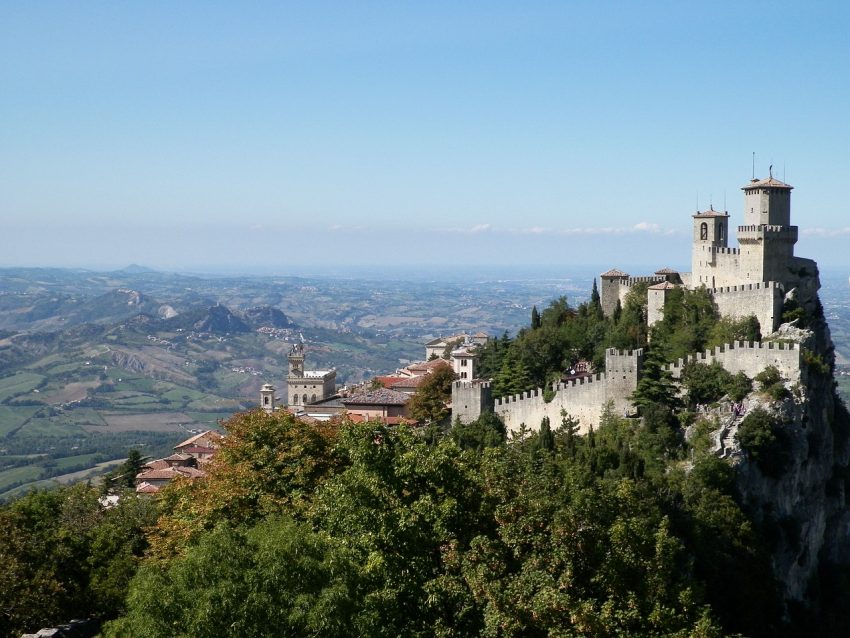
Exploring any part of this 61 sq km (24 sq mile) territory offers breathtaking panoramic vistas. However, the most stunning views are found atop the impressive Cesta Tower. From the charming Old Town perched on the slopes, your eyes can wander across the fertile lands of Emilia Romagna, the gentle rolling hills of the Marche region, and onwards to the tranquil Adriatic Sea. San Marino comprises nine ancient citadels, including the capital, San Marino.

Despite its small size, the city-state boasts a rich history, numerous museums, and invaluable architectural treasures. Moreover, a wide array of crafts and souvenirs promise a delightful shopping experience.

The open border between San Marino and Italy, along with the locals' support for the Italian national football team, may lead you to believe that the territory's independence is merely symbolic. However, San Marino maintains its own government and a distinct local culture. While Italian is widely spoken, the San Marino dialect has endured, and unique dishes such as white rabbit stew, black risotto, and Cacciatello cake are cherished local delicacies.

In addition to savouring the local cuisine, enjoyable activities include obtaining a colourful stamp in your passport at the State Post Office, visiting the impressive Three Towers of San Marino, and exploring the grand Parliament Building.

Top Tip: The easiest way to visit San Marino is by going on a guided tour. I think this private tour the most complete and best-rated tour available.

Moira & Andy
Moira & Andy

Hey! We're Moira & Andy. From hiking the Camino to trips around Europe in Bert our campervan — we've been traveling together since retirement in 2020!

Read our full story here

Visiting San Marino for the first time and wondering what are the top places to see in the city? In this complete guide, I share the best things to do in San Marino on the first visit. To help you plan your trip, I have also included an interactive map and practical tips for visiting!

This website uses affiliate links which earn a small commission at no additional cost to you.

Powered by GetYourGuide

15 Best places to See in San Marino

This complete guide to San Marino not only tells you about the very best sights and tourist attractions for first-time visitors to the city but also provide insights into a few of our personal favorite things to do.

This is a practical guide to visiting the best places to see in San Marino and is filled with tips and info that should answer all your questions!

1. Palazzo Pubblico

Liberty statue and exterior of Palazzo Pubblico San Marino
CC BY-SA 4.0 / Terragio67
Palazzo Pubblico is San Marino’s working government palace, facing Piazza della Libertà, and it’s where the republic’s public identity is performed in plain sight. Built between 1884 and 1894 on the footprint of an earlier communal “Great House,” its Neo‑Gothic, fortress-like façade uses crenellations and arched windows to blend with the stone city. Look for coats of arms referencing the Castles and the statue of Saint Marinus anchoring the building to the founding story. The terrace and square act as a civic stage, including the twice‑yearly swearing-in of the Captains Regent, while inside the formal rooms concentrate portraits, emblems, and seals into a small, dignified sequence. Travelers often remember the flags, guards, and the steady pulse of locals and visitors sharing the same meeting point.
Location: Palazzo Pubblico, Contrada del Pianello, San Marino | Hours: Daily 09:30–17:00 | Price: Adults: € 11.00 (Entry to Tower I, Tower II, Palazzo Pubblico (if open), State Museum, Pinacoteca San Francesco, National Gallery, Stamp and Coin Museum during public opening hours.) | Website | Included in the 7 State Museums Ticket! | Distance: 0km


Here is a complete selection of hotel options in San Marino. Feel free to review each one and choose the stay that best suits your needs.

2. Piazza della libertà

Piazza della Liberta din San Marino
CC BY-SA 4.0 / Cezar Suceveanu
Piazza della Libertà is San Marino City’s central civic square, set high on Monte Titano like a stone terrace above the countryside. It matters because it functions as the Republic’s front courtyard: the neo‑medieval Palazzo Pubblico faces the open space, and official life still plays out here alongside everyday foot traffic. At the center, a fountain supports Stefano Galletti’s late‑19th‑century marble Statue of Liberty, portrayed as a warrior crowned with the three towers of San Marino. The square’s footprint is compact, but the scene feels grand once you’re inside it, especially as the light shifts from crisp morning lines to late‑day gold.
Location: Piazza della Libertà, San Marino | Hours: 24 hours | Price: Free | Distance: 0km

Traveling to a country with a different currency? Avoid ATM transaction fees and pay in local currency with a Wise Card. Having used it for over 5 years, we've saved loads on fees!

3. Cava dei Balestrieri

Cava dei Balestrieri din San Marino
CC BY-SA 4.0 / Cezar Suceveanu
Cava dei Balestrieri is a quarry-turned open-air arena tucked behind San Marino’s Palazzo Pubblico, where pale rock walls form a sunken bowl that feels suddenly removed from the surrounding lanes. Cut in the late 1800s to supply stone for building and restoration work, it later found a second life as a venue for the republic’s crossbow tradition, formally inaugurated as an arena on 3 September 1971. Visitors notice the sheer stone faces, terraces, and steps that make it read like an accidental amphitheatre, with acoustics that carry even small sounds. On some days you may find spectators watching crossbow shooting; at other times it’s simply a quiet hollow with a few trees for shade.
Location: Cava dei Balestrieri, Via Eugippo, San Marino | Hours: 24 Hours | Price: Free | Distance: 0.1km

Explore San Marino at your own pace with our self-guided walking tour! Follow our curated route to discover must-see sights and local secrets that makes San Marino one of the best places to visit in San Marino.

4. State Museum

Museo di Stato di San Marino
CC BY-SA 1.0 / Mx. Granger
San Marino’s State Museum is a compact, three-level (often felt as four floors) survey of the republic’s identity, housed in Palazzo Pergami Belluzzi in the historic centre since 2001. Opened in 1899 and built largely through donations encouraged by Count Luigi Cibrario, it reads as a civic archive as much as an art-and-antiquities collection. Visitors move from prehistoric and early medieval finds to Mediterranean connections—Egyptian, Etruscan, and Roman pieces—then into paintings and sculpture that shape national myth. Standouts include votive bronzes linked to Tanaccia, the gold stud associated with the Treasure of Domagnano, and coin-and-medal displays that quietly signal sovereignty. On rainy days it can be pleasantly quiet, with friendly staff and clear room-to-room pacing.
Location: State Museum of San Marino, Piazzetta del Titano, San Marino | Hours: From 2 January to 29 June and from 7 September to 31 December: 09:00–17:00. From 30 June to 6 September: 09:30–18:30. Last admission 30 minutes before closing. Closed 1 January, 2 November (afternoon), and 25 December. | Price: Pass Ticket €11; Pass Mini Ticket €8; Last Minute Ticket €5 (from 16:00, valid until ticket-issue closing time). | Website | 7 State Museums Available! | Distance: 0.1km
Powered by GetYourGuide

5. Porta San Francesco

Porta San Francesco San Marino
CC BY-SA 4.0 / Cezar Suceveanu
Porta San Francesco (also called Porta del Paese) is a fortified city gate marking a historic threshold into San Marino’s old centre. First built as a guard post in 1361 and reworked in 1451 and 1581, it still reads as a compact defensive structure, with a raised arch, a crenellated tower, and machicolations overhead. As you pass through, look for coats of arms set into the inner wall and stone plaques recording old statutes that warned outsiders against entering with weapons. It’s a quick, memorable walk-through—part photo stop, part reminder that this was once a controlled entry point, not just a scenic arch.
Location: Porta San Francesco, Piazzale Lo Stradone, San Marino | Hours: 24 Hours | Price: Free. | Distance: 0.1km

6. Saint Francis Museum

Museum of St. Francis San Marino
CC BY-SA 4.0 / Cezar Suceveanu
Saint Francis Museum (Museo Pinacoteca San Francesco) is a compact museum set in a former Franciscan convent beside the Church of Saint Francis, just inside San Marino’s historic centre near the old Saint Francis gateway. Its 15th-century cloister—built by Comacini masters—sets a hushed tone with arcaded stonework and calm proportions that many visitors remember as a pause from the steep lanes outside. The collection is arranged between sacred art and a picture gallery, bringing together paintings on wood and canvas, liturgical objects, and church furnishings gathered from Franciscan sites across the republic. A small group of rooms devoted to 20th-century artist Emilio Ambron adds a modern counterpoint to the devotional pieces.
Location: Chiesa San Francesco Via Basilicius, 33 47890 Città di San Marino San Marino | Hours: From 2 January to 29 June and from 7 September to 31 December: 09:00–17:00. From 30 June to 6 September: 09:30–18:30. Last admission 30 minutes before closing. Closed 1 January, 2 November (afternoon), and 25 December. | Price: Pass Ticket €11; Pass Mini Ticket €8; Last Minute Ticket €5 (from 16:00, valid until ticket-issue closing time). Free entry is available for under-18s and selected categories. | Website | Distance: 0.1km

7. Basilica di San Marino

Basilica del Santo San Marino
CC BY-SA 3.0 / trolvag
Basilica di San Marino is the republic’s principal church, set just above Piazza della Libertà, and it anchors San Marino’s story of faith intertwined with civic tradition. Built from 1826 to designs by Bolognese architect Antonio Serra and consecrated in 1855, its neoclassical façade and Corinthian-columned porch feel deliberately dignified against the rugged drama of Mount Titano. Inside, the calm, ordered three-nave layout draws attention to the relics of Saint Marinus, kept beneath the altar and in a monument with a silver shrine. Near the sanctuary, the Captains Regent’s throne signals how state ceremony and worship have long shared this space. Visitors often remember the cool quiet—and, at times, the resonant acoustics during rehearsals or services.
Location: Basilica del Santo, Piazzale Domus Plebis, San Marino | Hours: Daily 08:00–19:00 (times may vary during services and special ceremonies). | Price: Free. | Website | Distance: 0.1km

8. Museum of Torture

San Marino Tortura
San Marino Tortura
CC BY-SA 3.0 / Corradox
In San Marino City’s steep, stone-laned old town, the Museum of Torture is a compact, confronting collection focused on medieval and early-modern punishment and the courtroom spectacle of “justice.” Its power lies in the contrast with the republic’s bright plazas and fortifications: here, authority is shown at the scale of the individual body, with devices and displays that invite slow reading rather than quick glances. Visitors tend to remember the dense, narrative layout—moving from what counted as a crime to how fear was made public—and the uneasy language used to frame “deviance.” Reviews often mention a strong emotional “vibe,” realistic figures, and that you can linger longer than expected if you follow the explanations closely.
Location: Museum of Medieval Criminology and Torture, Porta San Francesco, San Marino | Hours: (Summer) Monday – Sunday: 10:00–19:00. (Winter) November & January: Friday – Sunday: 10:00–19:00; December: Daily: 10:00–19:00. | Price: Adults: €8.00 | Website | Distance: 0.2km

9. Passo delle Streghe

Passo delle Streghe San Marino
Passo delle Streghe (“Witches’ Pass”) is a narrow stone walkway on Mount Titano’s crest in San Marino, running between the Guaita and Cesta towers where the fortress meets open sky. It’s remembered for its exposed, wind-swept feel: a few steps can shift your view from tower silhouettes and mossy, aged masonry to a wide sweep over the Romagna hills and, on clear days, the Adriatic Sea. The name carries medieval folklore of nighttime gatherings and uncanny sounds along the ridge, which still fits the way voices and gusts seem to funnel through the corridor. Visitors tend to linger here for the photo angles and the sense of walking a suspended spine of rock.
Location: Passo delle Streghe 10-4 47890 Città di San Marino San Marino | Hours: 24 Hours | Price: Free | Distance: 0.3km

10. Guaita Tower

Torre Guaita San Marino
CC BY-SA 4.0 / Diego Delso, delso.photo
Guaita Tower (Prima Torre) crowns Mount Titano as the first of San Marino’s three towers, a pentagonal stone fortress that still reads as working defense rather than decoration. Built in the 11th century and reshaped in later centuries, it has a double ring of walls, battlements, and corner towers that guide you along narrow ramparts and sudden drops. Inside, the austere core contrasts with later additions, and a few rooms recall its long use as prison cells into the 20th century. A small Chapel of Saint Barbara and artillery pieces in the courtyard add a human scale to the masonry. From the upper levels, the view can stretch from San Marino’s rooftops to the Adriatic on clear days.
Location: Salita Alla Rocca, San Marino | Hours: Opening hours: From 2 January to 29 June and from 7 September to 31 December: 09:00–17:00; from 30 June to 6 September: 09:30–22:30 (last entry 30 minutes before closing). Closed 1 January, 2 November (afternoon), and 25 December. | Price: Pass Ticket €11; Pass Mini Ticket €8; Last Minute Ticket €5 (available from 16:00 on site, valid until ticket-issue closing time). | Included in the 7 State Museums Ticket! | Distance: 0.3km

11. San Marino Cable Car

Funivia di San Marino
CC BY-SA 4.0 / Eleassar
The San Marino Cable Car is a short aerial link between Borgo Maggiore and the mountaintop historic center, turning a steep approach into a quick, memorable arrival. In about two minutes you rise above the lower town and the view opens to ridgelines and, on clear days, the Adriatic coast. Cars run frequently (often about every 15 minutes), so it works well as a simple connection from the main parking areas near the lower station. Travelers tend to remember how brief yet scenic the ride feels, plus the practical touches like public toilets and a small snack bar at the bottom. It’s also an easy way to save your legs for the uneven streets once you reach the top.
Location: Piazzale Campo della Fiera, 10, 47893 Valdragone, San Marino | Hours: Winter: 07.45 – 18.30; Summer: 07.45 – 01.00 | Price: €5.00 Round Trip / €3.00 Single | Website | Distance: 0.4km

12. Church of San Quirino

Biserica San Quirino din San Marino
CC BY-SA 4.0 / Cezar Suceveanu
The Church of San Quirino (Chiesa di San Quirino, also called the Capuchin church) sits on a quieter edge of San Marino’s historic centre, where a sheltered stone portico softens the street noise. Built by the Capuchins in the mid-1500s on an earlier chapel site and consecrated in 1709, it’s tied in local memory to the failed 4 June 1543 attempt to seize the Republic, a story that still reads as a marker of independence. Step inside and the restrained interior makes the altarpiece of the Deposition of Christ—traditionally linked to Taddeo Zuccari—feel especially concentrated. Outside, a small monument to Saint Francis and the adjoining Franciscan convent add to the sense of a working religious place.
Location: Chiesa di San Quirino, Viale Federico D'urbino, 27, 47890 Città di San Marino, San Marino | Hours: Daily: 08:00–18:00. | Price: Free. | Distance: 0.4km

13. Cesta Tower

Second Tower in San Marino
CC BY-SA 4.0 / Commonists
Cesta Tower is San Marino’s Second Tower, a rugged stone fortress crowning the highest point of Mount Titano. Its angular, pentagonal keep and thick defensive walls make it feel less like a romantic ruin and more like a working stronghold, once used as a guard post and even for holding prisoners. The reward for the climb is the wind-swept ramparts, where the panorama opens in every direction and the ridge line drops away beneath your feet. Inside, the tower doubles as the Museum of Ancient Arms, a compact room-by-room collection of weapons, armour, and early firearms that suits the setting. Visitors often linger for the 360-degree views.
Location: Salita Alla Cesta, San Marino | Hours: Opening hours: (Summer) 07 June – 05 September: Daily: 09:30–18:30. (Winter) 06 September – 06 June: Daily: 09:00–17:00. Closed on 01 January, 25 December, and 02 November (afternoon). | Price: Pass Ticket €11; Pass Mini Ticket €8; Last Minute Ticket €5 (from 16:00). | Website | Included in the 7 State Museums Ticket! | Distance: 0.5km
Powered by GetYourGuide

14. San Marino Railway Tunnel (Galleria Montale)

San Marino Train
San Marino Train
CC BY-SA 2.0 / Aisano
San Marino Railway Tunnel (Galleria Montale) is a preserved stretch of the former electric railway that once linked San Marino with Rimini, a rare reminder of the republic’s early-20th-century push toward modern transport. At the entrance, a displayed train and a small information panel set the scene before you step into the cool, walkable passage carved into the mountain. The experience is tactile and cinematic: the sound drops away, the temperature shifts, and the long perspective pulls you forward. About halfway through, an offshoot leads to an unexpected viewpoint, where you emerge from darkness to a framed look over San Marino below—an angle you won’t get from the main streets.
Location: Via del Voltone, 72, 47890 San Marino di Urbino, San Marino | Hours: 24 Hours | Price: Free | Distance: 0.8km

15. Montale Tower

Montale Tower
Montale Tower
CC BY-SA 4.0 / Commonists
Montale Tower is San Marino’s Third Tower, a late-13th-century pentagonal stone outpost set in the wooded, quieter end of Mount Titano’s ridge. You can’t enter it, so the visit is about circling the exterior, reading its compact geometry, and feeling how it sits hard on the rock behind old stone barriers. Slightly removed from the other fortifications, it was built for surveillance and completes the ridge’s defensive chain; inside, an 8-metre-deep dungeon hints at its harsher past. The approach through trees makes the tower appear suddenly, and the payoff is air, wind, and long views—sometimes even above the clouds—with far fewer people around.
Location: Third Tower - Montale, San Marino | Hours: 24 Hours | Price: Free | Website | Distance: 0.8km

Best Day Trips from San Marino

A day trip from San Marino offers the perfect opportunity to escape the urban rhythm and discover the surrounding region's charm. Whether you're drawn to scenic countryside, historic villages, or cultural landmarks, the area around San Marino provides a variety of easy-to-reach destinations ideal for a one-day itinerary.

1. Rimini
riminiItaly
riminiItaly
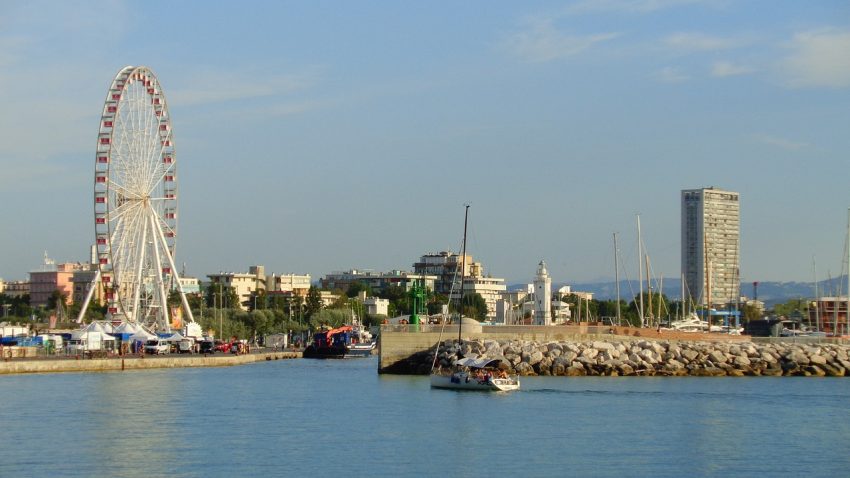
Located in the Emilia-Romagna region, Rimini boasts a rich history dating back to its Roman foundation in 268 BC. This coastal gem spans over 15 kilometers of pristine beaches, rendering it a favoured destination for seaside enthusiasts. Notably, the renowned filmmaker Federico Fellini hailed from this city, which is celebrated for its lively nightlife and historic landmarks, including the iconic…
Visiting Rimini
Powered by GetYourGuide

2. Ravenna

Ravenna
Ravenna
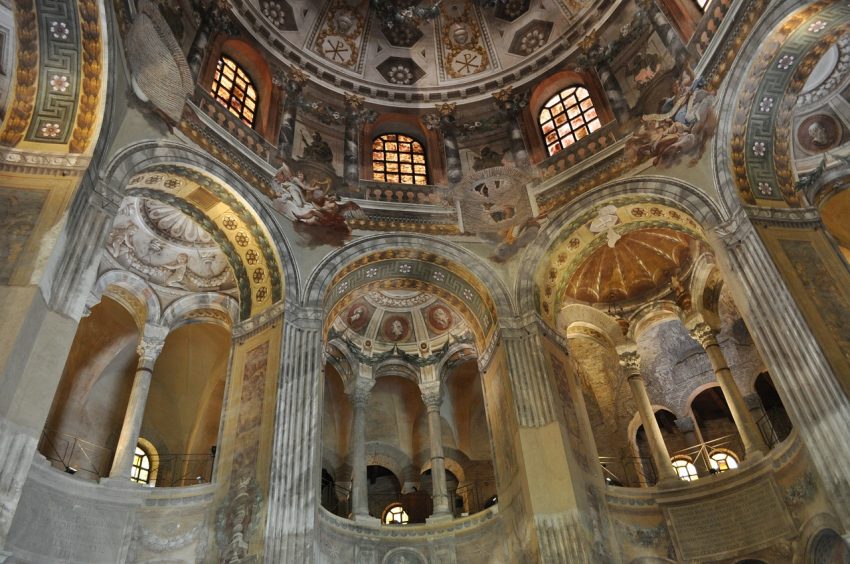
Situated on the eastern coast of Italy, nestled between San Marino and Bologna, Ravenna serves as the capital of the Ravenna province and stands as one of the larger cities in the Emilia-Romagna region. Throughout its illustrious history, Ravenna has held a position of great importance under various empires, including serving as the capital of the Western Roman Empire and…
Visiting Ravenna
Powered by GetYourGuide

3. Gubbio

umbria gubbio
umbria gubbio
Nestled amidst the rugged terrain of the Apennine Mountains, Medieval Gubbio boasts a picturesque setting approximately 25 miles northeast of the bustling capital of Umbria, Perugia. To the north and east, the landscape stretches out into vast expanses until reaching the border with the neighboring region of Le Marche. This ancient land, adorned with charming squares and majestic stone palaces,…
Visiting Gubbio
Powered by GetYourGuide

4. Arezzo

Arezzo
Arezzo
CC BY-SA 4.0 / Sailko
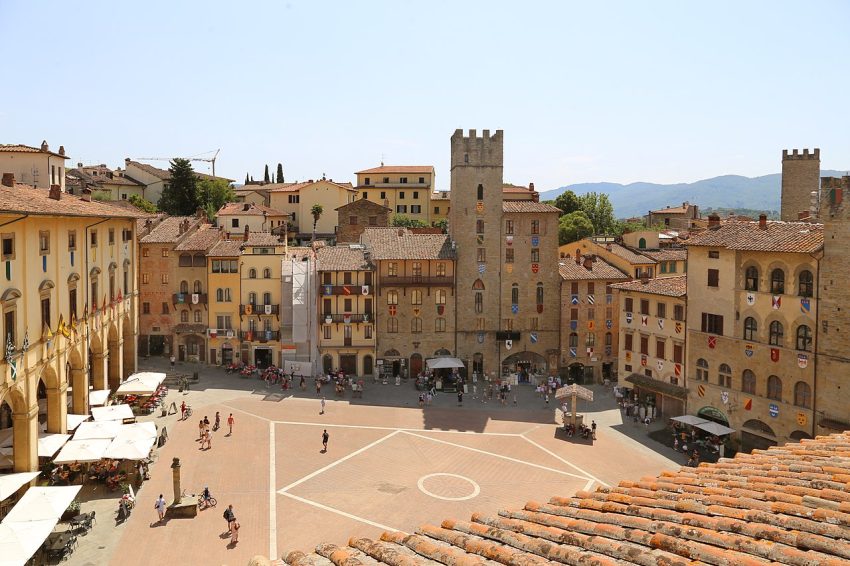
Situated in the south-eastern region of Tuscany, Arezzo is perched prominently atop a hill, at the intersection of four valleys: Val Tiberina, Casentino, Valdarno, and Valdichiana. This locale has deep historical significance within the Tuscan landscape, evidenced by the wealth of archaeological finds, such as stone tools and the discovery of the Paleolithic-era "Man of the Elm." The city's roots…
Visiting Arezzo
Powered by GetYourGuide

5. Perugia

Perugia, Umbria
Perugia, Umbria
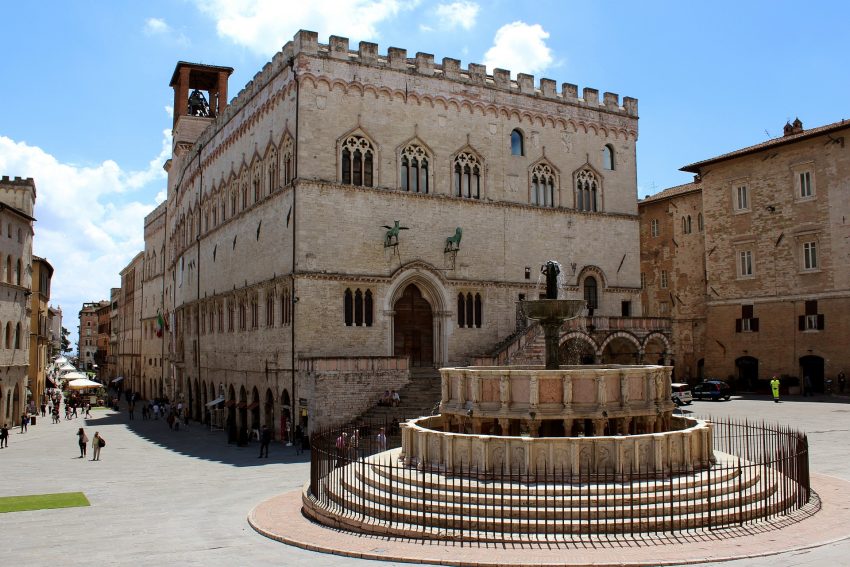
Nestled in the heart of Italy, Perugia is one of the country's oldest centers, celebrated for its vibrant social life, rich university heritage, and much more. This modern city, steeped in history, stands atop a hill in the Tiber Valley and serves as the capital of Umbria. Known as a city of art and a lively cultural hub, Perugia's medieval…
Visiting Perugia
Powered by GetYourGuide

6. Assisi

Assisi
Assisi
When UNESCO inscribed the Franciscan attractions in Assisi as a World Heritage Site, it highlighted the city's significant influence on both religious expression and European art history. This intertwining of religious and artistic heritage makes Assisi a must-visit for tourists. As the birthplace of St. Francis and the center of his life's work, Assisi is deeply connected with the Franciscan…
Visiting Assisi

7. Florence

Florence
Florence
Florence, one of Italy's most renowned cities, is a must-visit destination on the tourist circuit. Its breath-taking Renaissance architecture, charming streets, and picturesque buildings make it a captivating spot for travellers. Art lovers will find themselves in paradise with an abundance of galleries to explore, offering a diverse range of masterpieces. The city's magnificent Renaissance churches also provide a fascinating glimpse…
Visiting Florence
Powered by GetYourGuide

8. Bologna

bologna
bologna
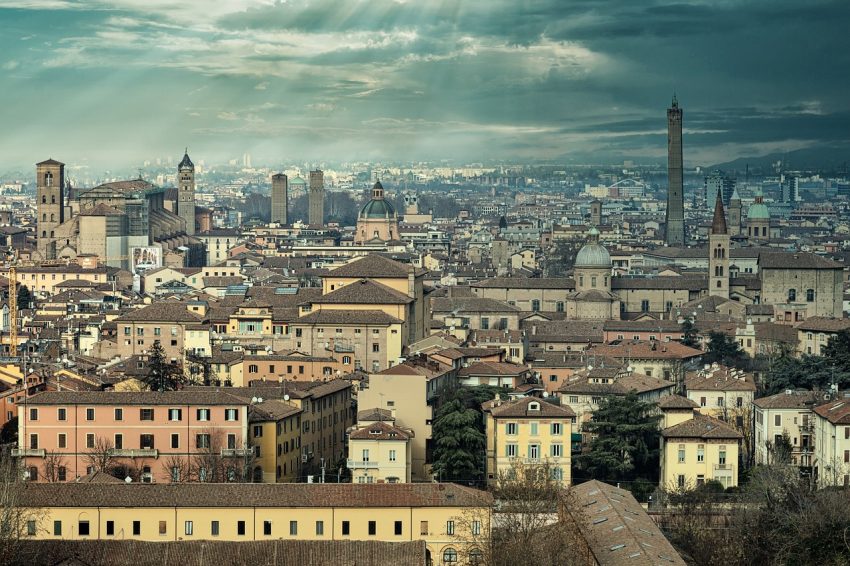
Bologna, a captivating city, holds the distinction of being the capital and largest city of the Emilia-Romagna region. Renowned by many Italians as the second most beautiful city after Venice, it boasts a rich heritage and a vibrant atmosphere. Bologna's charm lies in its relaxed and stress-free lifestyle, accompanied by a warm and lively ambiance. Its historic center, one of…
Visiting Bologna
Powered by GetYourGuide

9. Siena

Piazza del Campo Siena
CC BY-SA 3.0 / Massimo Catarinella
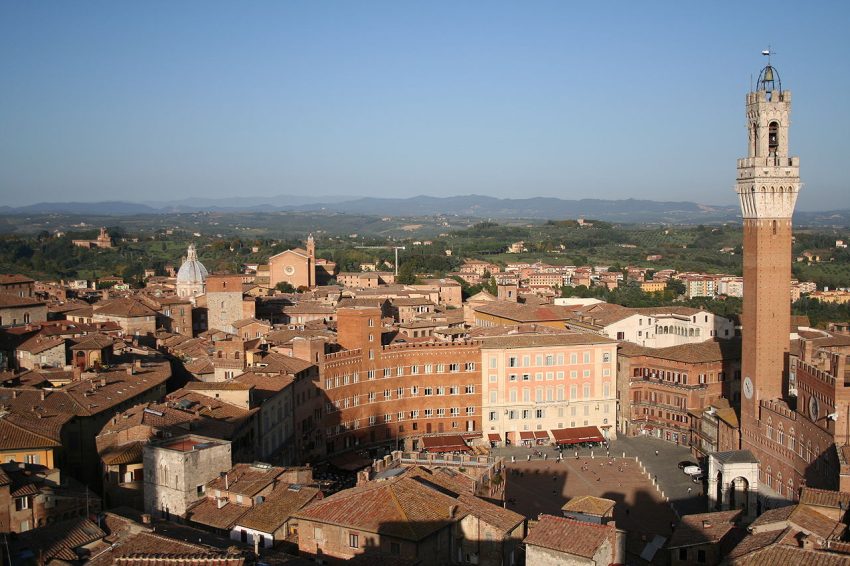
Visiting Siena is like stepping into a timeless Italian dream, where medieval streets wind through a city rich in culture, charm, and breathtaking scenery. Nestled in the heart of Tuscany, Siena captivates visitors with its warm, earthy-toned buildings, stunning Gothic architecture, and lively piazzas. Whether you’re strolling through its narrow alleyways, savoring a meal at a traditional trattoria, or simply…
Visiting Siena
Powered by GetYourGuide

10. Ferrara

ferrara
ferrara
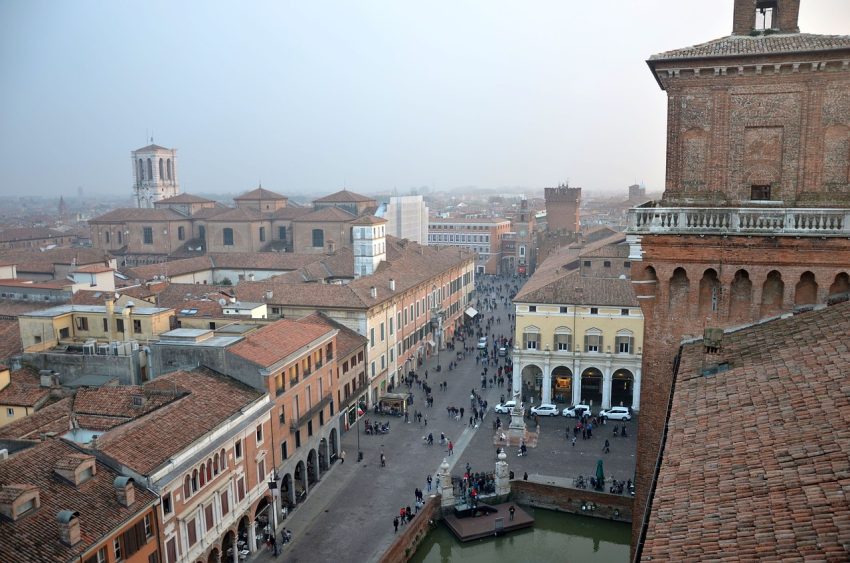
Ferrara is a city located in the Emilia-Romagna region of Italy, situated near the eastern Adriatic coast and positioned at the top of Italy's boot-shaped peninsula. This charming city is recognized as a UNESCO World Heritage site. For a period of three centuries, Ferrara was under the rule of the Este family, whose Renaissance court was renowned as one of…
Visiting Ferrara
Powered by GetYourGuide

Where to Stay in San Marino

Staying in the Old Town offers the best experience, with boutique hotels providing stunning views over the hills and easy access to historic landmarks. For a more peaceful retreat, accommodations in the surrounding countryside offer scenic stays with nature trails.

A 1 to 2-day stay is enough to explore San Marino’s castles, museums, and panoramic viewpoints. A 3-day stay allows for visiting nearby Rimini or taking excursions into the Emilia-Romagna countryside.

Using the our Hotel and Accomodation map, you can compare hotels and short-term rental accommodations in San Marino. Simply insert your travel dates and group size, and you’ll see the best deals for your stay.

San Marino Accommodation Map

Best Time to Visit San Marino

San Marino, a microstate surrounded by Italy, offers a unique experience for visitors with its rich history, stunning views, and charming atmosphere. Here’s a guide to the best time to visit San Marino:

  1. Spring (March to May): Spring is an excellent time to visit San Marino as the weather begins to warm up, and nature comes alive with blossoming flowers and green landscapes. The temperatures are mild, making it ideal for exploring the historic sites, such as the Three Towers of San Marino, without the summer crowds. Additionally, spring offers opportunities for outdoor activities like hiking in the surrounding hills.
  2. Summer (June to August): Summer is the peak tourist season in San Marino, with warm temperatures and long daylight hours. This is the best time for outdoor activities like sightseeing, hiking, and enjoying panoramic views of the surrounding countryside. However, be prepared for larger crowds and higher prices during this time, especially in July and August.
  3. Fall (September to November): Fall is another great time to visit San Marino, as the weather remains pleasant, and the summer crowds begin to dissipate. The temperatures are still mild, making it comfortable for exploring the city’s narrow streets, historic landmarks, and scenic viewpoints. Fall also brings harvest festivals and culinary events, allowing visitors to sample delicious local cuisine and wines.
  4. Winter (December to February): Winter in San Marino is relatively quiet, with fewer tourists and cooler temperatures. While some outdoor activities may be limited due to the weather, winter still offers opportunities to explore the city’s indoor attractions, such as museums, galleries, and historic buildings. Additionally, winter is a magical time to visit San Marino, with festive decorations and Christmas markets adding to the charming ambiance of the city.

Ultimately, the best time to visit San Marino depends on your preferences for weather, crowds, and activities. Whether you prefer the lively atmosphere of summer or the peaceful ambiance of the shoulder seasons, San Marino has something to offer for every traveler throughout the year.

Annual Weather Overview

  • January 10°C
  • February 11°C
  • March 14°C
  • April 17°C
  • May 21°C
  • June 26°C
  • July 29°C
  • August 29°C
  • September 25°C
  • October 21°C
  • November 15°C
  • December 10°C

How to get to San Marino

San Marino is situated just a few miles from the Adriatic coast, and its primary transport connections are via a main road and a bus service linking it with the seaside resort of Rimini, which is approximately 15 miles away. The nearest airport to San Marino is the Aeroporto Internazionale Federico Fellini di Rimini-San Marino, which offers budget flights from the UK operated by Ryanair. This airport is connected to Rimini railway station via an urban bus service. Other nearby airports that can be used to access San Marino include Bologna and Forli.

If you’re not staying within San Marino itself, Rimini is the most convenient base for visiting the small republic. Regular bus services operate from Rimini’s railway station, provided by companies called Bonelli and Benedettini. During the summer months, additional services are available from the seaside area of Rimini. You can obtain timetable information and tickets from the small bus ticket kiosk located outside Rimini railway station. The bus, at the time of writing, departs from the far side of the road, from a clearly marked stop with a displayed timetable. The journey from Rimini to San Marino takes approximately 45 minutes, with the bus making several stops in the modern shopping districts of San Marino before ascending to its terminus just below the city walls.

A funicular connects the town of San Marino with Borgo Maggiore, a settlement located lower down the slopes of Monte Titano.

For tourists, there are several fee-charging parking lots available in San Marino. Additionally, there are facilities for camper vans, some of which are free of charge. If you’re touring the area by car, you can combine a visit to San Marino with other intriguing small towns like San Leo or Verucchio, or explore nearby seaside resorts such as Rimini, Cattolica, or Pesaro.

More from this area