Graz, Austria: The Ultimate Travel Guide 2026
The Complete Guide to Graz

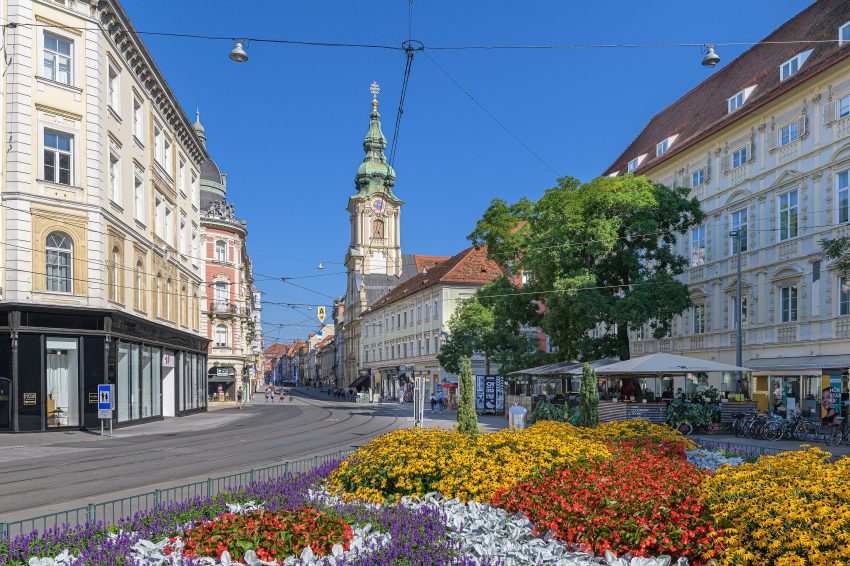
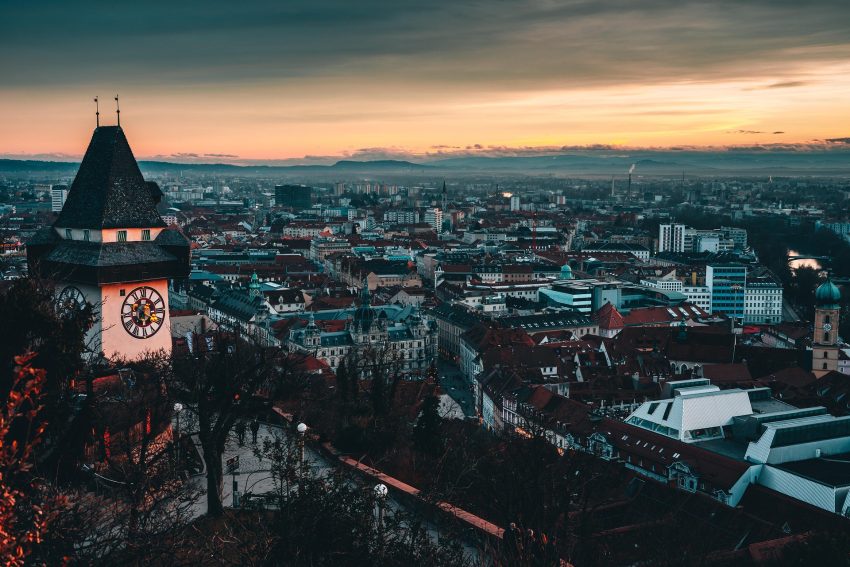
Graz is a lively, walkable city in southeastern Austria, set in the heart of Styria and surrounded by gentle hills, vineyards, and forested viewpoints. It’s a place where everyday local life-cafés, markets, student energy-mixes naturally with striking architecture and a strong food-and-wine culture. The city feels compact and easy to navigate, yet it offers enough variety to fill anything from a weekend break to a longer, slower stay.

A visit to Graz is especially rewarding if you like cities with distinct neighborhoods: a historic core for strolling and people-watching, a riverfront for modern design and evening walks, and hilltop lookouts that make the skyline feel close and dramatic. The culinary scene is a highlight, with Styrian specialties, seasonal produce, and excellent wine bars that make dining feel like part of the sightseeing.

Graz also works well as a base for short trips into the Styrian countryside, whether you're after scenic drives, vineyard visits, or easy hikes. Even if you keep your plans simple-morning market, afternoon museum, sunset viewpoint-you'll get a strong sense of the city's character: relaxed, creative, and quietly confident.

History of Graz

Graz in the Early Settlement and Medieval Growth

Graz began as a small settlement that developed around a fortified site and river crossing, gradually gaining importance as trade routes and regional administration strengthened. By the Middle Ages, the town had grown into a significant urban center with defensive walls, guild life, and a structured civic identity.

As medieval Graz expanded, churches, monasteries, and merchant houses shaped the street plan that still influences the old town today. The city’s role as a regional hub brought prosperity, but also made it a strategic target in periods of conflict.

Graz in the Habsburg Era and Courtly Influence

From the late medieval period into the early modern era, Graz became closely tied to Habsburg power, benefiting from courtly patronage and administrative prominence. This era saw major building activity, including representative residences and religious institutions that signaled political and cultural ambition.

The city’s fortifications were strengthened and reworked over time, reflecting the military realities of the region. Graz also developed as an intellectual and ecclesiastical center, with education and the arts gaining momentum alongside governance.

Graz in the 18th–19th Centuries: Reform, Industry, and Urban Change

The 18th century brought reforms that reshaped civic administration and influenced religious and educational institutions. Over time, older defensive structures became less central, and the city began to open outward, allowing new districts and public spaces to emerge.

In the 19th century, industrialization and improved transport links accelerated growth. Graz expanded beyond its historic core, with new housing, civic buildings, and cultural venues reflecting a modernizing society.

Graz in the 20th Century: War, Recovery, and Cultural Renewal

The 20th century brought upheaval, including the impacts of war and political change. Like many European cities, Graz experienced periods of hardship followed by reconstruction and social transformation.

In the post-war decades, the city invested in education, culture, and infrastructure, strengthening its role as a university city and regional capital. Architectural experimentation and contemporary design gradually became part of Graz’s identity.

Graz in the 21st Century: Design, Sustainability, and International Profile

In recent decades, Graz has balanced preservation of its historic fabric with confident modern interventions. Cultural institutions, festivals, and a strong creative scene have helped the city build an international reputation.

Today, Graz continues to evolve through urban development, sustainability initiatives, and a growing focus on livability—while keeping the human-scale charm that makes it distinctive.

Moira & Andy
Moira & Andy

Hey! We're Moira & Andy. From hiking the Camino to trips around Europe in Bert our campervan — we've been traveling together since retirement in 2020!

Read our full story here

Visiting Graz for the first time and wondering what are the top places to see in the city? In this complete guide, I share the best things to do in Graz on the first visit. To help you plan your trip, I have also included an interactive map and practical tips for visiting!

This website uses affiliate links which earn a small commission at no additional cost to you.
Powered by GetYourGuide

27 Best places to See in Graz

This complete guide to Graz not only tells you about the very best sights and tourist attractions for first-time visitors to the city but also provide insights into a few of our personal favorite things to do.

This is a practical guide to visiting the best places to see in Graz and is filled with tips and info that should answer all your questions!

1. Jakominiplatz
Jakominiplatz
Jakominiplatz
CC BY-SA 3.0 / Ben Bender
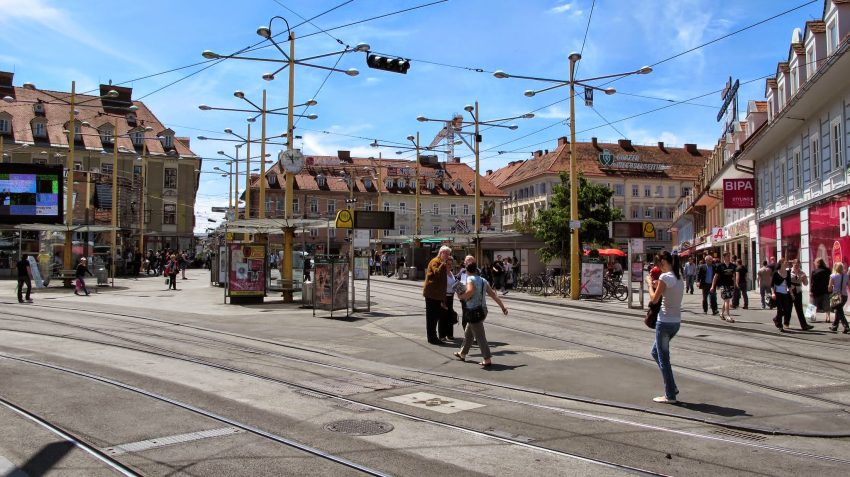
Jakominiplatz (Jakomini Square) is a busy open-air square in Graz’s Innere Stadt that functions as the city’s main public-transport interchange, where tram lines and many buses converge. It sits on ground created after Emperor Joseph II ordered the city walls dismantled in 1782; the former fortification land was later sold to Kaspar Andreas Ritter von Jacomini, whose name the square carries. You’ll notice the constant rhythm of arrivals and transfers—this was also the terminus of Graz’s first horse-drawn tram in 1878. A 1996 redesign by architects Jörg and Ingrid Mayer added modern traffic controls and distinctive lighting, giving the space a contemporary, utilitarian feel.
Location: Jakominipl., 8010 Graz, Austria | Hours: 24 Hours. | Price: Free. | Distance: 0.1km

We recommend to rent a car in Austria through Discover Cars, they compare prices and review multiple car rental agencies. Book your rental car here.

2. Stadtpfarrkirche

Stadtpfarrkirche
Stadtpfarrkirche
CC BY-SA 4.0 / Isiwal
Stadtpfarrkirche in Graz, Austria, began as a 1440 chapel founded by Emperor Friedrich III in the former Jewish ghetto, later expanded by Dominicans into a three-aisled Gothic church with a narrow chancel; a surviving fragment of the south-side cloister still shows ribbed vaulting. Inside, the mood shifts quickly from the busy Innere Stadt to a notably quiet nave. The Baroque Johannes Nepomuk Chapel remains intact, built on an oval plan by Josef Hueber and housing an Assumption of Mary altarpiece attributed to Tintoretto and his workshop. After WWII bombs destroyed the original chancel glass, Albert Bickle’s replacement windows—depicting Passion and Resurrection—caused controversy for including Hitler and Mussolini among Christ’s tormentors.
Location: Herrengasse 23, 8010 Graz, Austria | Hours: Daily: 07:00–16:45. | Price: Free; donations appreciated. | Website | Distance: 0.1km

Here is a complete selection of hotel options in Graz. Feel free to review each one and choose the stay that best suits your needs.

3. Herrengasse

Main Shopping Street in Graz, Austria
Herrengasse, Graz, Austria
CC BY-SA 3.0 / Ben Bender
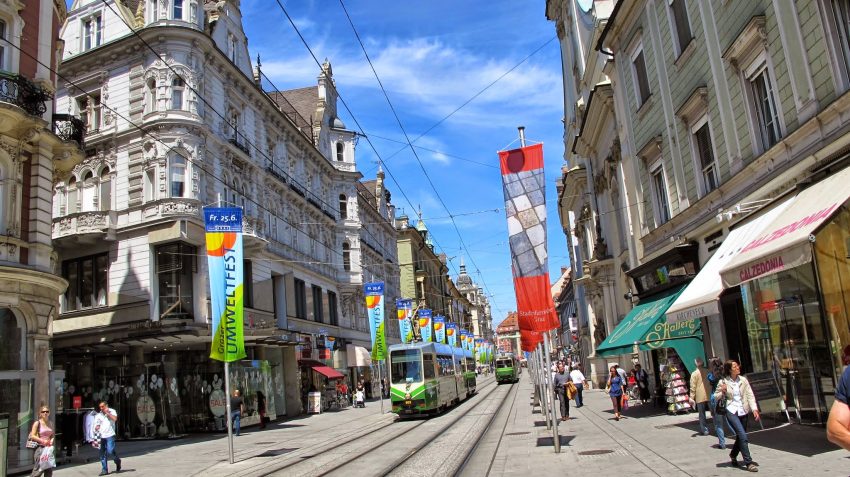
Herrengasse is Graz’s central pedestrian-friendly street and the old town’s everyday backbone, linking key squares while trams slide through the middle. What visitors remember is the architecture: stately townhouses with ornate, sometimes painted façades, plus arcades and passageways that suddenly open into quiet inner courtyards. The street feels like a working city centre rather than a museum—window-shopping, café tables, and a steady flow of locals create constant motion. Look up for sculpted details and changing light on the buildings, then glance sideways for those “hidden” entrances that lead to calmer spaces behind the storefronts.
| Hours: 24 Hours | Price: Free. | Website | Distance: 0.2km

Traveling to a country with a different currency? Avoid ATM transaction fees and pay in local currency with a Wise Card. Having used it for over 5 years, we've saved loads on fees!

4. Landhaus

Landhaus
Landhaus
CC BY-SA 4.0 / Cezar Suceveanu
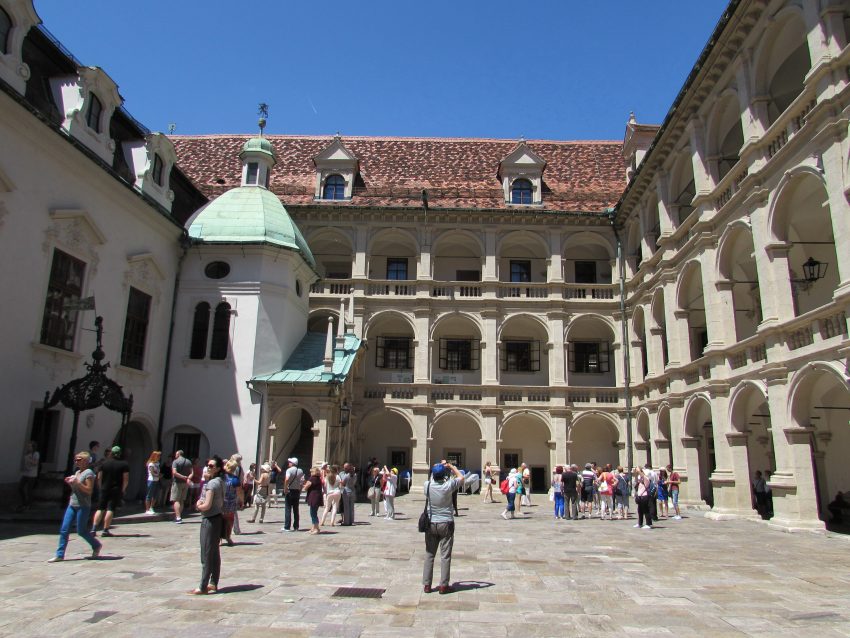
Graz’s Landhaus (Country House) is a 16th-century Renaissance seat of the Styrian estates and today the home of the Styrian Parliament, still functioning as a civic building rather than a museum piece. The moment you step into the Landhaushof courtyard, three tiers of arcades wrap around you like a stage set, punctuated by 16th-century gargoyles and a bronze fountain. Designed from 1557 by Italian architect Domenico dell’Aglio, it carries a distinctly Venetian feel in its proportions and light. Inside, Baroque embellishments add surprise—stucco ceilings, coats of arms, and even a meeting room ceiling marked with zodiac signs. In Advent, visitors often linger for the seasonal ice nativity display.
Location: Herrengasse 16, 8010 Graz, Austria | Hours: Monday – Thursday: 08:00–15:00. Friday: 08:00–12:00. Saturday: Closed. Sunday: Closed. | Price: Free. | Website | Distance: 0.3km

Explore Graz at your own pace with our self-guided walking tour! Follow our curated route to discover must-see sights and local secrets that makes Graz one of the best places to visit in Austria.

5. Landeszeughaus

Landeszeughaus
Landeszeughaus
CC BY-SA 4.0 / Tudoi61
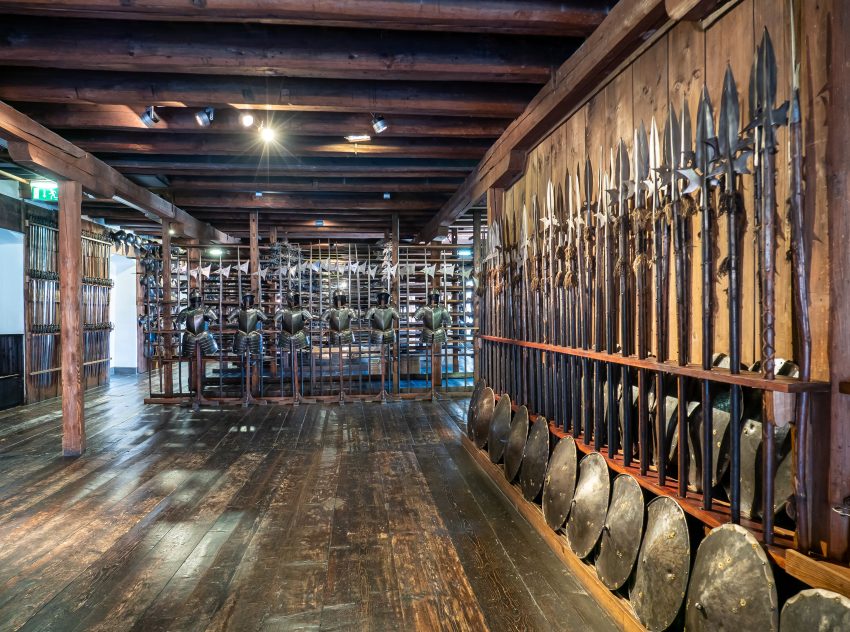
The Landeszeughaus (Styrian Armoury) in Graz is a four-floor 17th-century weapons depot turned museum, holding over 32,000 pieces in the original storehouse setting. Built in 1642–1645 by Tyrolean architect Antonio Solar, it was created when Styria needed to stockpile equipment during repeated wars on the Habsburg frontier. Inside, visitors face dense ranks of helmets and body armor alongside muskets, halberds, lances, sabres, partisans, and even odd-looking horse armor, arranged to feel like a working arsenal rather than a gallery. After the Ottoman conflict waned and warfare changed, Maria Theresa tried to move the cache to Vienna in 1745, but local estates kept it as a memorial. The sheer volume and close-up craftsmanship leave a lasting impression.
Location: Herrengasse 16, 8010 Graz, Austria | Hours: Winterschließzeit (January 7 – March 31, 2026): Closed. (Summer) April 1 – October 31, 2026; Tuesday – Sunday: 10:00–18:00. (Winter) November 1, 2026 – January 6, 2027; Tuesday – Sunday: Entry by guided tour only. Guided tours: Tuesday – Sunday: 11:00 (DE) & 12:30 (EN) & 14:00 (DE). | Price: Adults: €13; Seniors/disabled visitors/groups (12+): €11; Ages 19–25 (students/apprentices): €6.50; Ages 6–18: €3; Under 6: free; Family (2 adults + up to 2 children under 14): €26. | Website | Distance: 0.3km
Powered by GetYourGuide

6. Hauptplatz

Hauptplatz
Hauptplatz
CC BY-SA 3.0 / Isiwal
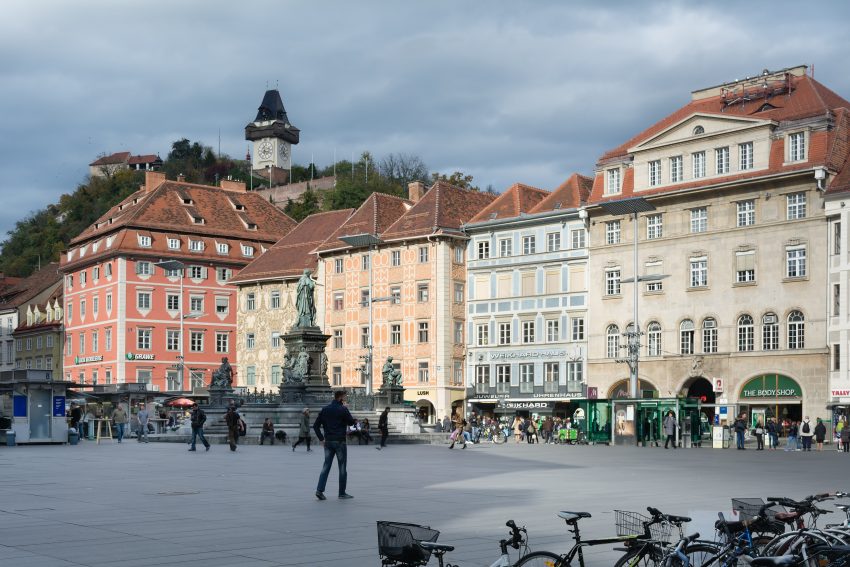
Hauptplatz is Graz’s trapezoid-shaped main market square, the city’s civic stage since 1160, ringed by medieval and late-Gothic houses with a patchwork of Gothic, Baroque, and Biedermeier facades. The Town Hall faces the square, while trams still cut through what has otherwise been largely pedestrianized since 1965, giving the plaza its steady pulse of movement. In the center, the 1878 Archduke Johann fountain by Franz Pönninger anchors the space, with four female figures symbolizing the Mur, Enns, Drava, and Sann rivers. Look for specific addresses: the White House (No. 3), the Eagle Pharmacy (No. 4), and the Citizens’ Home to the Great Christoph (No. 6), plus the exuberant stuccoed Luegg House.
Location: Hauptpl., 8010 Graz, Austria | Hours: 24 Hours. | Price: Free. | Distance: 0.4km

7. St. Catherine's Church and Mausoleum

St. Catherine’s Church and Mausoleum
CC BY-SA 4.0 / Mircea273
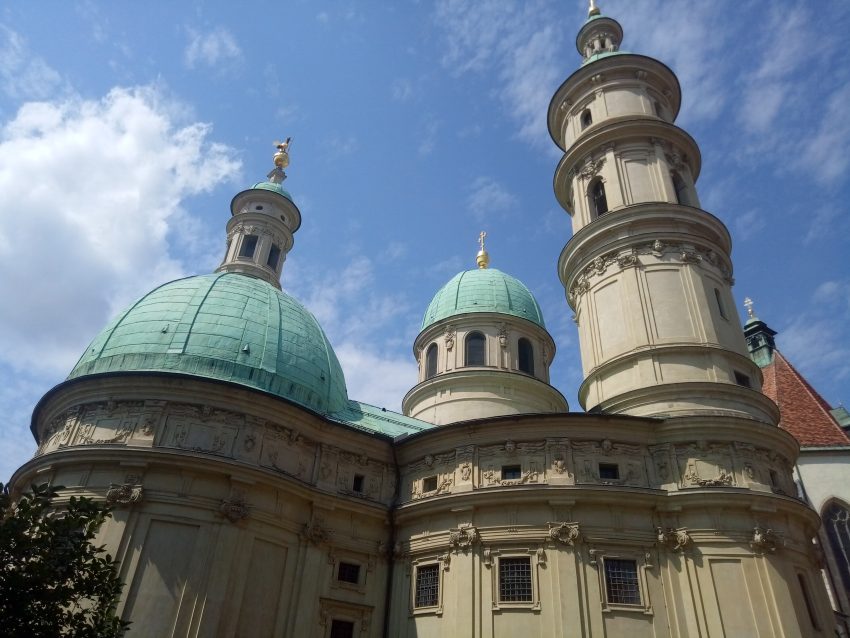
St. Catherine’s Church and Mausoleum in Graz is the combined burial church of Emperor Ferdinand II, begun in 1614 by his favored architect Giovanni Pietro de Pomis and later completed in 1687 under Leopold with Johann Bernhard Fischer von Erlach. From outside, its turquoise cupola and sculpted façade details read like a Roman Baroque statement dropped into the Old Town skyline. Inside, the scale shifts: the crypt is unexpectedly vast, the ceiling paintings are remarkably refined, and a convex mirror is placed so you can take in more of the frescoes at once. The mausoleum lies beneath the right-hand dome, with the sarcophagus underground, and the high altar dates to 1696. Visitors often remark on the calm, reverent atmosphere and the meticulous symbolism in the layout.
Location: Burggasse 3, 8010 Graz, Austria | Hours: (Summer) April 1 – October 31; Tuesday – Sunday: 09:00–18:00. (Winter) November 1 – March 31: Closed. | Price: Free. | Website | Distance: 0.4km

8. Glockenspiel

Glockenspiel
Glockenspiel
CC BY-SA 4.0 / Mircea273
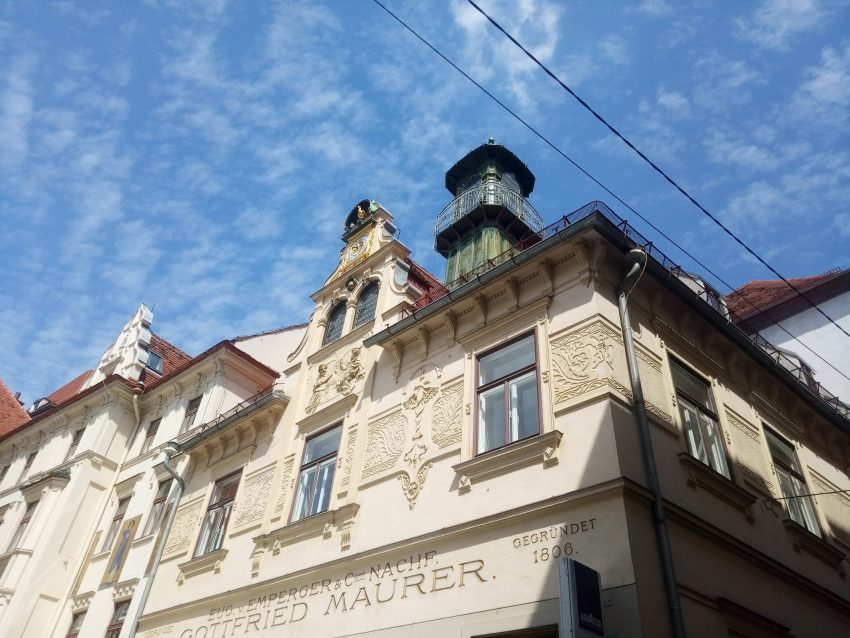
In Graz, Austria, the Glockenspiel on Glockenspielplatz is a carillon built into a historic facade that turns the small square into a brief daily gathering. At 11:00, 15:00, and 18:00, 24 bells play while two wooden figures—a young woman and a young man in traditional dress—step out and dance for a minute or two. The mechanism dates to wine and spirits merchant Gottfried Maurer, who installed it after being inspired by North German and Belgian carillons; it first sounded on Christmas Eve 1905 and was later gifted to the city. Look for the golden rooster that pops up near the finale, and remember the tunes can change by rearranging hundreds of pins.
Location: Glockenspielpl. 4, 8010 Graz, Austria | Hours: 24 Hours. | Price: Free. | Distance: 0.4km

9. Gemaltes Haus
Gemaltes Haus
Gemaltes Haus
CC BY-SA 4.0 / Cezar Suceveanu
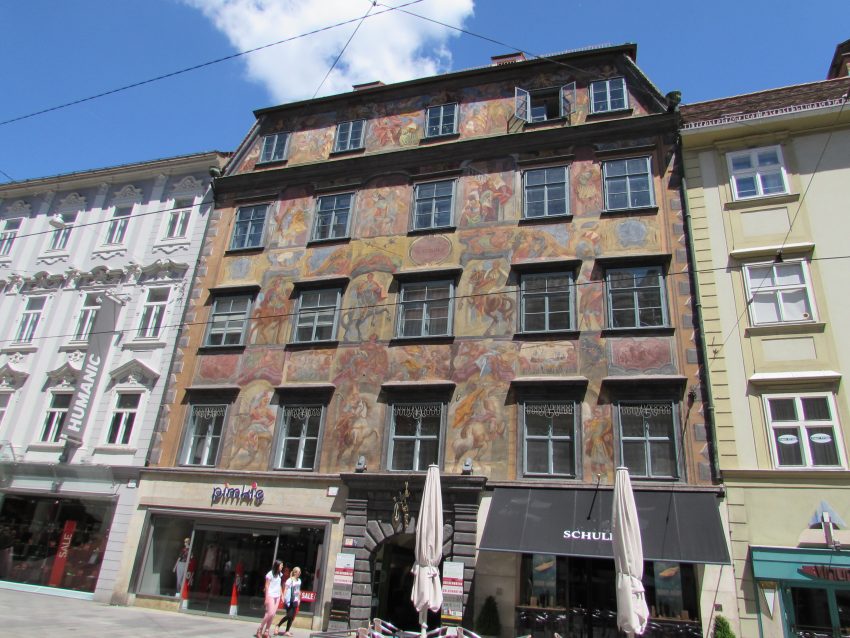
Gemaltes Haus (the Painted House) on Herrengasse is a historic Graz building whose entire street façade is covered in frescoes, turning a normal block into a stop-you-in-your-tracks sight. First recorded in 1360, it served as a place where the Dukes of Styria conducted public business, with an untaxed manager responsible for setting up the “Prince’s chair.” The exterior was first painted around 1600 by Giovanni Pietro de Pomis, later court painter to Ferdinand, but none of his work survives. Today’s 1742 fresco program by Johann Mayer spans about 723 square feet and layers mythic figures—Bacchus and Vulcan low down, then Apollo and Jupiter, up to heroes at the top—best appreciated by stepping back across the street.
Location: Herrengasse 3, 8010 Graz, Austria | Hours: 24 Hours. | Price: Free. | Distance: 0.4km

10. Rathaus
Rathaus
Rathaus
CC BY-SA 1.0 / Leonhard Lenz
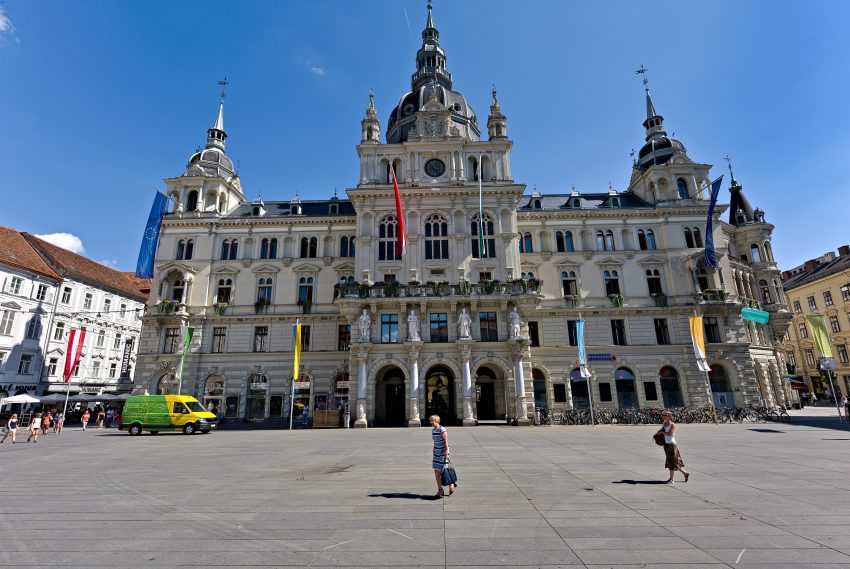
Graz’s Rathaus is the city’s working Town Hall, a four-level Historicist building that commands the north side of Hauptplatz and still hosts civic life and ceremonies. Built in 1893 to designs by Wielemans and Reuter, it rises with short corner towers and a taller central tower capped by a dome and spire. Look closely at the façade: statues in niches depict emperors and figures for art, science, trade, and industry, turning the front into a civic tableau. One memorable quirk is hidden inside—two older houses refused demolition and remain wedged in the inner courtyard, swallowed by the later structure. Inside, the council’s two-story session hall keeps its 19th-century coffered ceiling, gallery, chandelier, and clock.
Location: Rathaus, Hauptpl. 1, 8010 Graz, Austria | Hours: Monday – Thursday: 08:00–15:00. Friday: 08:00–12:30. Closed on Saturday, Sunday. | Price: Free. | Website | Distance: 0.4km

11. Burgtor
Burgtor, Graz
Burgtor, Graz
CC BY-SA 4.0 / Cezar Suceveanu
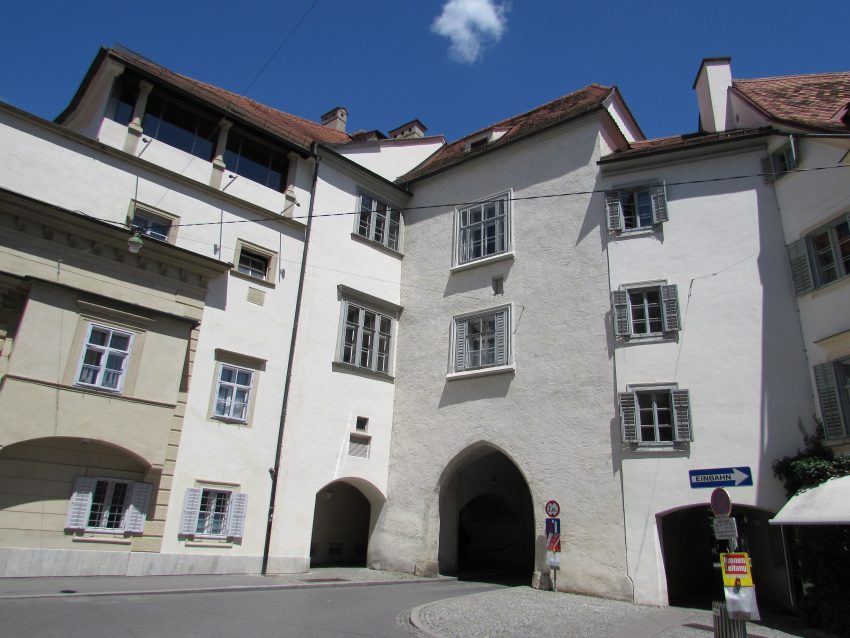
Burgtor is Graz’s old “castle gate,” a surviving piece of the city’s medieval defenses that once controlled passage between the ducal Burg complex and the streets beyond. Built in a key 14th‑century phase (often dated to 1346), it still feels like infrastructure: you step under a weighty arch into a vaulted passage where the stonework tightens the space. Approach from Hofgasse and it reads as a stern Gothic gateway with pointed-arch portals; emerge toward the park side and you meet a later Renaissance face with two-level arcades (1566–67) that shifts the mood to ceremony. Today it works as a quiet threshold between the old center’s formal streets and the calmer green of Stadtpark.
Location: Burgtor, Erzherzog-Johann-Allee, Graz, Austria | Hours: 24 Hours | Price: Free | Website | Distance: 0.5km

12. Franziskanerkirche
Franziskanerkirche
Franziskanerkirche
CC BY-SA 3.0 / Nikolai Karaneschev
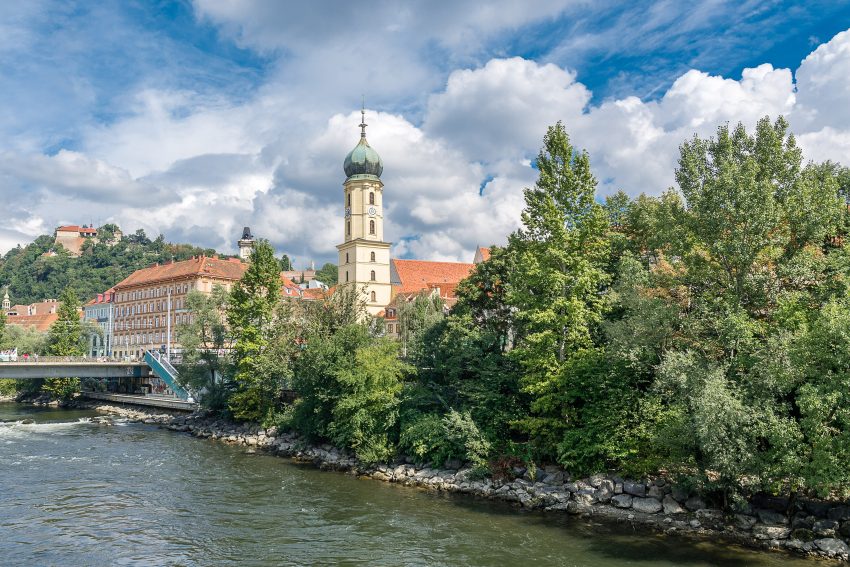
Franziskanerkirche in Graz, Austria is a Franciscan church and monastery complex rooted in the city since 1239, set tightly against the Old Town’s former walls near the Mur. What visitors remember first is the unusually tall chancel tower: square at the base with slim arched openings, turning hexagonal above with clocks, and finished with an onion dome and spire. Step inside and the mood shifts—stained glass brightens the space, and a gray cast-iron crucifix in the chancel appears to hover. The 14th-century chancel contrasts with the lower, wider nave, and parts were rebuilt after World War II bomb damage. When open, the cloisters provide a quiet pause amid the surrounding lanes.
Location: Franziskanerpl. 14, 8010 Graz, Austria | Hours: Check official website. | Price: Free; donations appreciated. | Website | Distance: 0.5km

13. Cathedral of St. Giles
Dom
Dom
CC BY-SA 4.0 / Isiwal
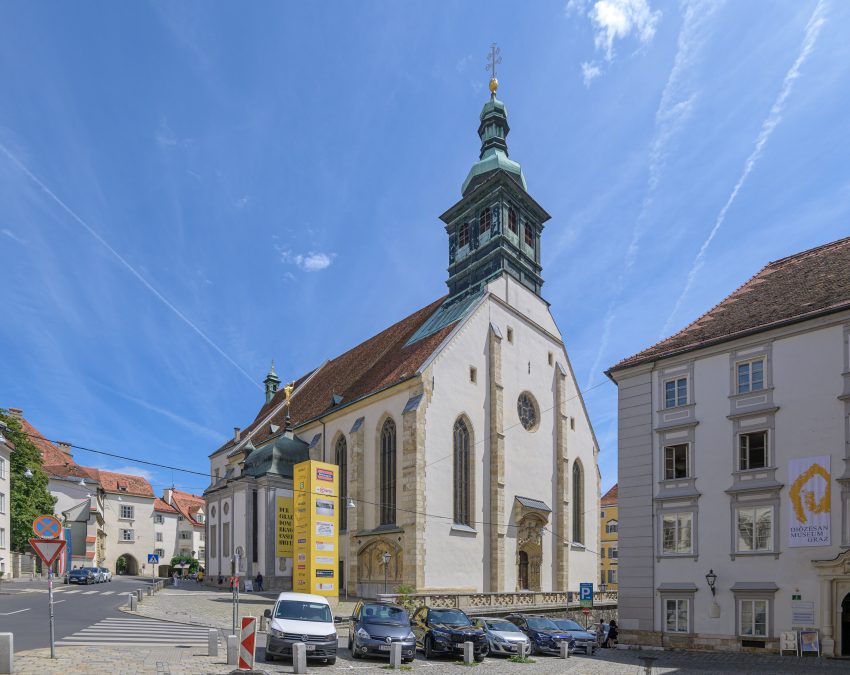
Graz’s Cathedral of St. Giles (Dom) is a late-Gothic hall church begun in the 15th century under Emperor Friedrich III, originally built as a fortified church outside the old city walls. The exterior can feel restrained, but look closely for the buttressed, walled choir and the surviving façade fresco of the “Plagues of God” by Thomas von Villach. Inside, three naves are divided by hefty pillars, with side chapels and a Baroque organ gallery that shifts the mood toward drama. In the sacristy and choir, plaques marked with Friedrich’s mysterious “AEIOU” motto invite a second look, and the Baroque high altar (1733) anchors the long choir beyond a tall triumphal arch.
Location: Bürgergasse 1, 8010 Graz, Austria | Hours: Check official website. | Price: Free; donations appreciated. | Website | Distance: 0.5km

14. Diocese Museum

Diocese Museum
Diocese Museum
CC BY-SA 4.0 / Johannes KSR
The Diocese Museum (Diözesanmuseum Graz) is a small sacred-art museum in Graz, representing the Diocese of Graz-Seckau and tracing Styrian Christian art across centuries. Set in a protected former Jesuit college now used as a seminary, it feels like a quiet, contemplative stop where craftsmanship and devotion meet in objects made for real churches and monasteries. The main exhibition, often framed around “Precious Styrian Churches,” brings together liturgical treasures and devotional works that show how faith shaped local culture. Visitors enter via the cloister of the Minoriten Monastery, which adds an atmospheric transition from street to galleries. The museum also stages about three special exhibitions a year—locals often return for seasonal Christmas displays and a well-curated shop.
Location: Bürgergasse 2, 8010 Graz, Austria | Hours: Tuesday – Friday: 09:00–17:00. Saturday: 11:00–17:00. Closed on Sunday, Monday. | Price: Adults: €6; Reduced: €5.50; Children: €2; Students (up to 25): €2; Family (2 adults + children): €11; Family (1 adult + children): €5.50. | Website | Distance: 0.5km

15. Grazer Burg

Grazer Burg
Grazer Burg
CC BY-SA 3.0 / gugganij
Grazer Burg (Graz Castle) is a former Habsburg residence begun in 1438 under Duke Frederick V (later Emperor Frederick III) and now part of Styria’s provincial government offices. Much of what visitors remember is the late‑medieval Doppelwendeltreppe, a double spiral staircase from around 1499–1500 whose two flights split and rejoin as you climb. The complex expanded when Graz became capital of Inner Austria in 1564, then declined after Ferdinand II moved to Vienna in 1619, with partial demolition in 1853–54. War damage in WWII led to post‑1947 rebuilding and a 1950s “New Castle.” Access is limited, but courtyards and small garden areas are open and feel quietly civic.
Location: Hofgasse 15, 8010 Graz, Austria | Hours: Daily: 07:30–20:00. | Price: Free. | Distance: 0.5km

16. Sporgasse

Sporgasse
Sporgasse
CC BY-SA 1.0 / Leonhard Lenz
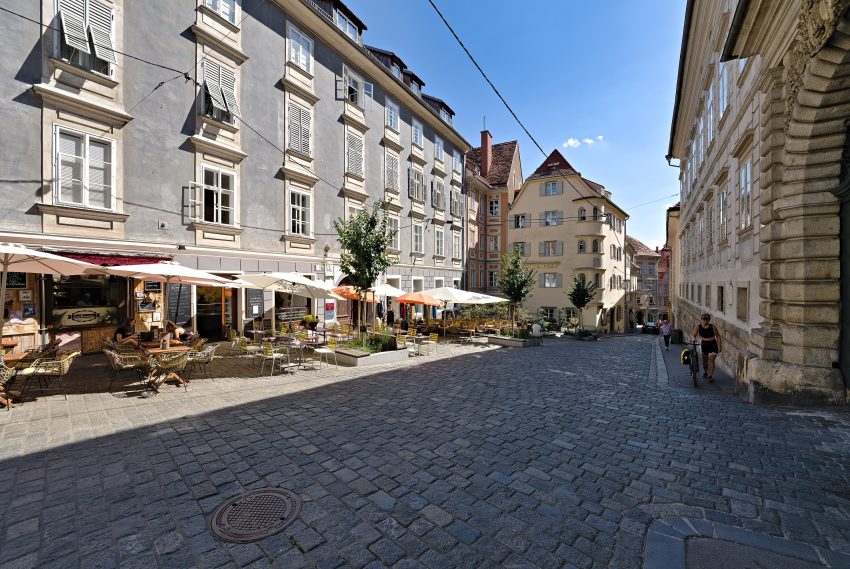
Sporgasse is Graz’s oldest-feeling Old Town street, a sloping, pedestrian-only corridor beneath the Schlossberg that still works as the city’s everyday shopping spine. It began as a Roman-era trade route known as the Strata Hungarica, and later became associated with spur makers and armorers—an origin echoed in its name. Walking it today, you pass a dense lineup of historic facades: the stuccoed Luegg-Haus near the main square, an Art Nouveau building with a floral 1900 frontage over a 16th-century core, and the “Inn to the Roman Emperor,” rebuilt in 1755 with Baroque-Rococo flair. Look for the Teutonic Knights’ courtyard arcades and the upper-end Palace Saurau with its sword-wielding Turk statue.
Location: Sporgasse, 8010 Graz, Austria | Hours: 24 Hours. | Price: Free. | Distance: 0.6km

17. Dreifaltigkeitskirche
Dreifaltigkeitskirche
CC BY-SA 3.0 / Pedro J Pacheco
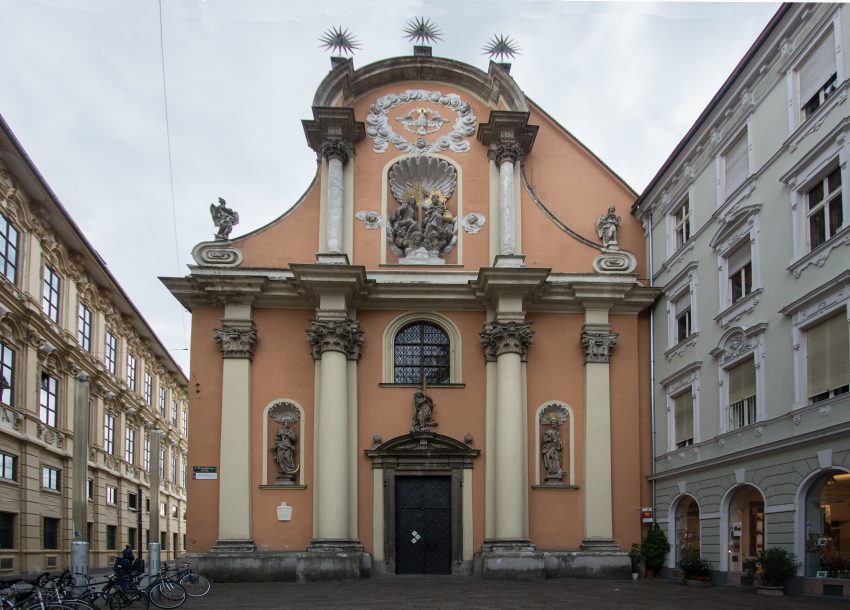
Dreifaltigkeitskirche (Holy Trinity Church) is a Roman Catholic Baroque church in Graz, set just off Schlossbergplatz on the line of the former city moat. Built in 1704 for the Ursulines by Bartholomaus Ebner and later cared for by Franciscan sisters, it shows an Italian-Baroque base with a South German–Austrian (Habsburg) accent. The façade is easy to remember: monumental columns, a curling gable, and a portal crowned by Archangel Michael in armor, with Mary and Joseph in side niches and the Trinity above as a stucco dove. Inside, the vaulted nave, galleries, and side chapels lead to a high altar framed by the four Fathers of the Church.
Location: Schloβbergplatz, 8010 Graz, Austria | Hours: Check official website. | Price: Free; donations appreciated. | Website | Distance: 0.7km

18. Uhrturm
Uhrturm
Uhrturm
CC BY-SA 4.0 / C.Stadler/Bwag
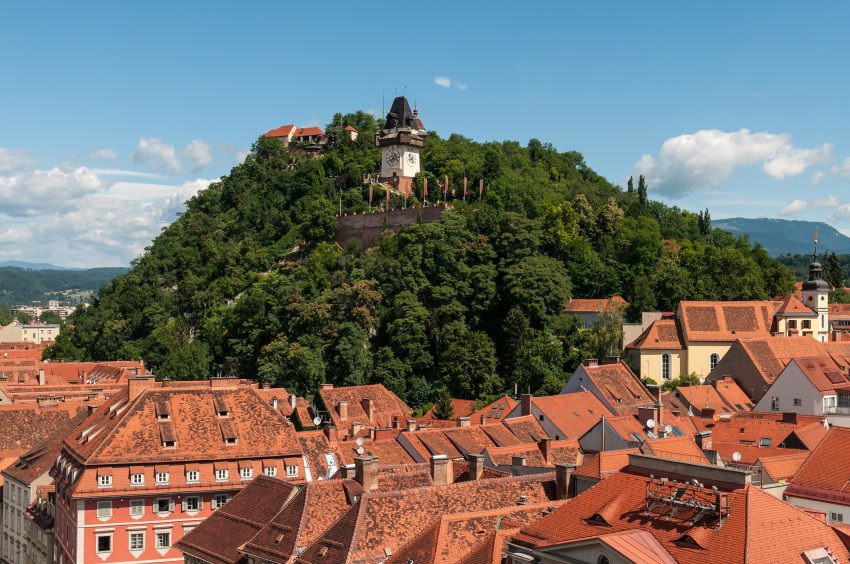
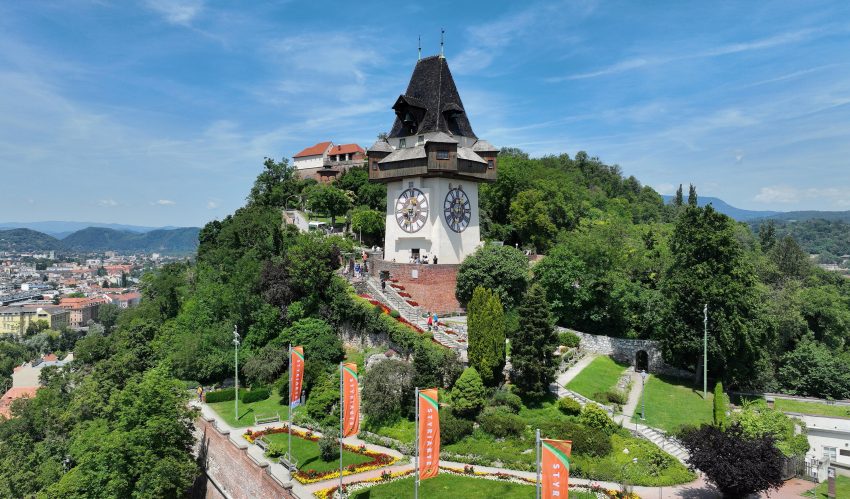
The Uhrturm (Clock Tower) rises on Schlossberg above Graz’s old town, a surviving piece of the medieval fortress first recorded in 1265 and still the city’s clearest landmark from the streets below. Up close, visitors notice the wooden battlement walkway that once let fire watchmen scan the rooftops, and the unusual clock faces: the hour hand is deliberately larger than the minute hand so it can be read from far away. The clock mechanism dates to 1569, with a second dial added in 1712. Inside are three bells, including an hourly bell cast in 1382—the oldest in Graz. Just below, a stone dog commemorates a legendary rescue in 1481.
Location: Am Schlossberg, 8010 Graz, Austria | Hours: 24 Hours. | Price: Free. | Website | Distance: 0.7km

19. Murinsel

Murinsel
Murinsel
CC BY-SA3.0 / Earnest B
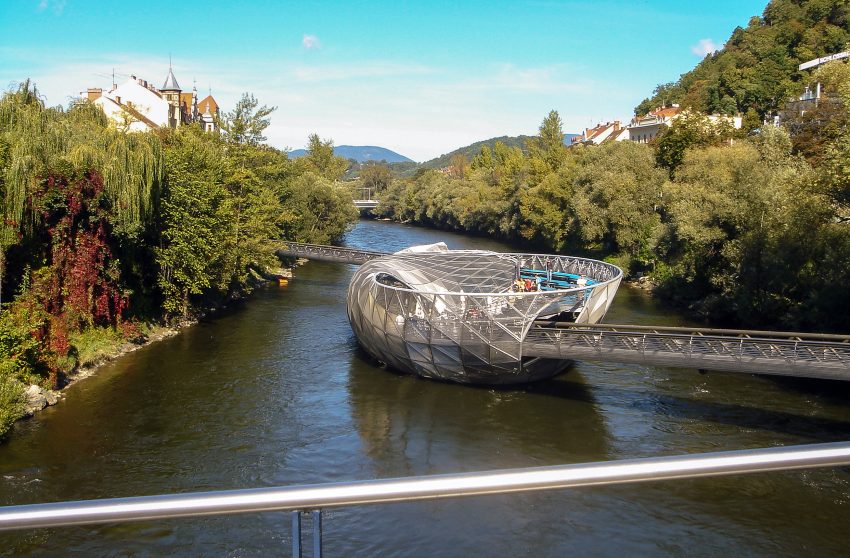
Murinsel in Graz, Austria is a steel-and-glass “island” moored in the Mur River, functioning as both walkable sculpture and pedestrian link between the banks. Conceived by New York artist Vito Acconci for Graz’s 2003 European Capital of Culture year, its form shifts between bowl and dome, like a partly opened seashell anchored to the riverbed. Crossing the footbridges drops you into an open amphitheater with sky-blue, layered benches that echo the river’s flow, while tunnels and gridded walkways curl under the shell. Inside, there’s a small blue-and-white café, and even a playful rope-and-slide maze that makes the structure feel more like a quirky ship than a static monument.
Location: Lendkai 19, 8020 Graz, Austria | Hours: Tuesday – Sunday: 10:00–20:00. Closed on Monday. | Price: Free. | Website | Distance: 0.7km

20. Kunsthaus

Kunsthaus
Kunsthaus
CC BY-SA 4.0 / Isiwal
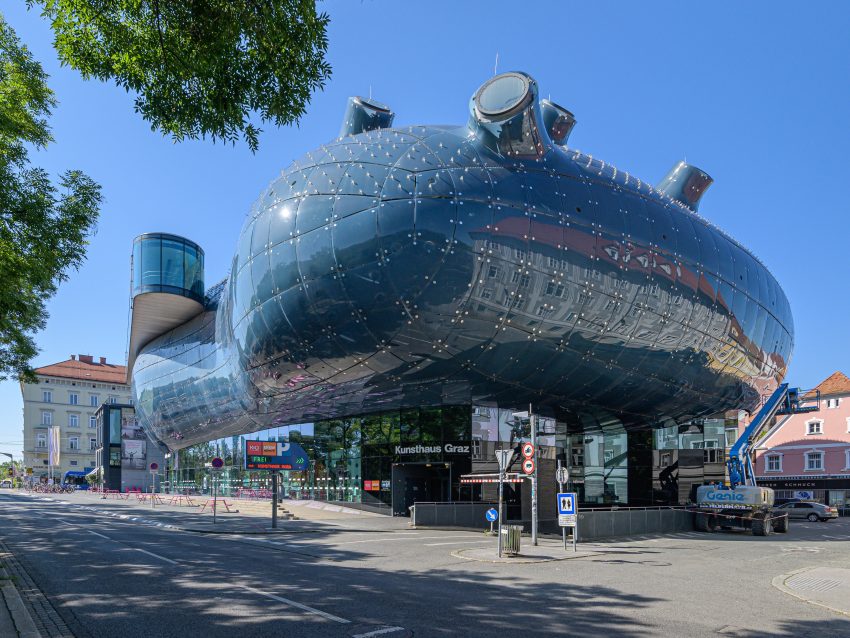
Kunsthaus Graz is a contemporary art venue on the Mur River, grafted onto the old Iron House structure and shaped like a glossy blue, biomorphic “Friendly Alien.” Visitors enter from multiple sides and glide inside on long moving walkways that carry you up through the exhibition levels, where the high, curved shell makes installations and video works feel immersive. Its BIX media façade turns the outer skin into a public artwork, shifting the building’s presence even before you step in. Look up to the roof’s cone-like “nozzles,” which modulate daylight and frame city views. The cantilevered glass “needle” observatory is the memorable finish, with seats for readings and a sweeping look over Graz.
Location: Lendkai 1, 8020 Graz, Austria | Hours: Tuesday – Sunday: 10:00–18:00. Closed on Monday. | Price: Adults: €13; Seniors/people with disabilities/groups (12+): €11; Ages under 19: free; Students/apprentices (19–25): €6.50. | Website | Distance: 0.7km

21. City Museum

City Museum
City Museum
CC BY-SA 2.0 / Tokfo
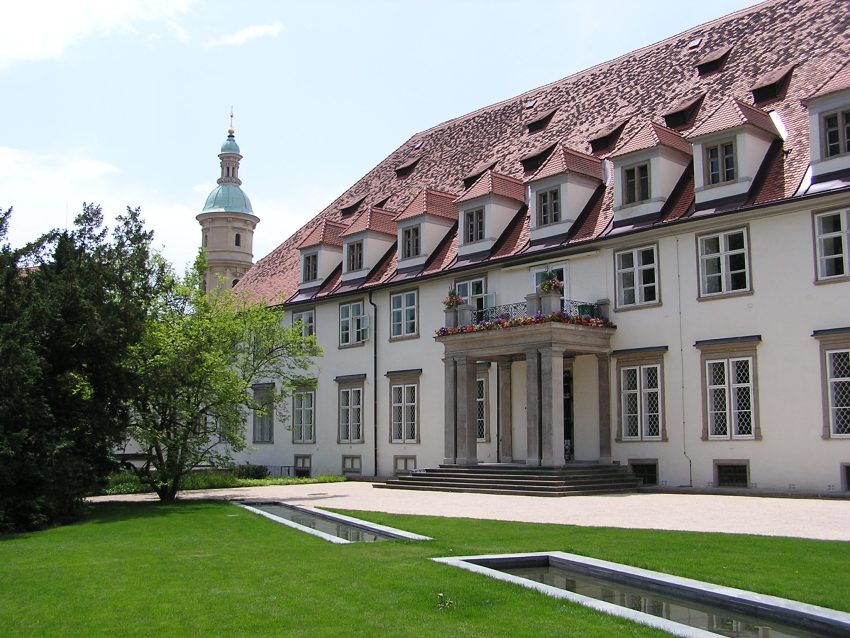
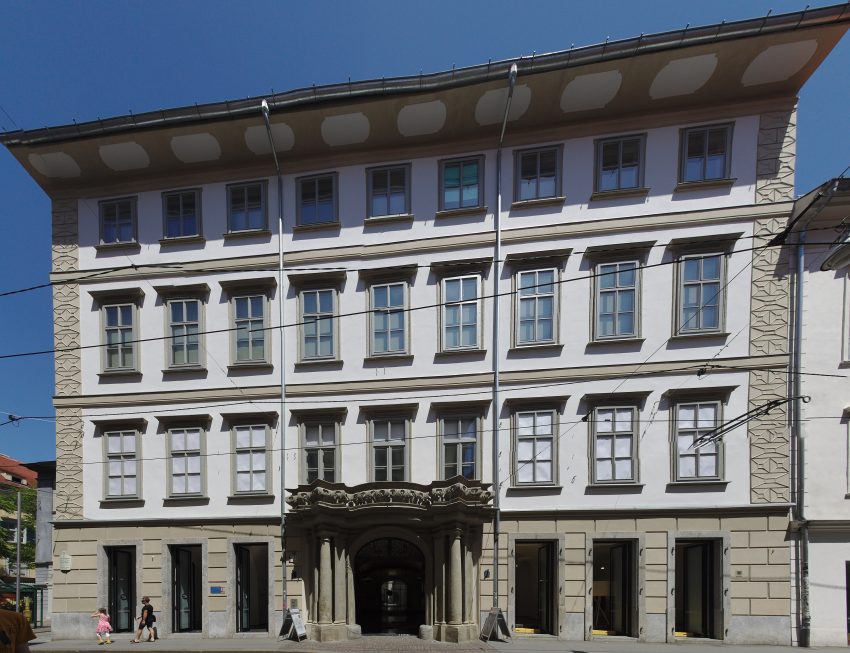
City Museum (Graz Museum) is Graz’s city-history museum in the Khuenberg Palace on Sackstrasse, created in 1928 for the city’s 800th anniversary and based here since 1972. Its galleries focus on how Graz has changed over time, mixing historical material with exhibitions that connect to present-day urban life. A memorable stop is the Museumsapotheke, a preserved pharmacy that makes past medical practice feel tangible rather than abstract. The museum is compact, with clear, story-driven texts and frequent special shows—recent visitors mention interactive themes like anti-war protest and the role of green spaces in city life. Many people appreciate it as a focused, modern way to understand the city’s identity.
Location: Sackstraße 18, 8010 Graz, Austria | Hours: Daily: 10:00–18:00. | Price: Adults: €9; Concessions: €7; Under 19: free. | Website | Distance: 0.7km

22. Folk Life Museum
The Styrian Folklore Museum
CC BY-SA 2.0 / Andi oisn
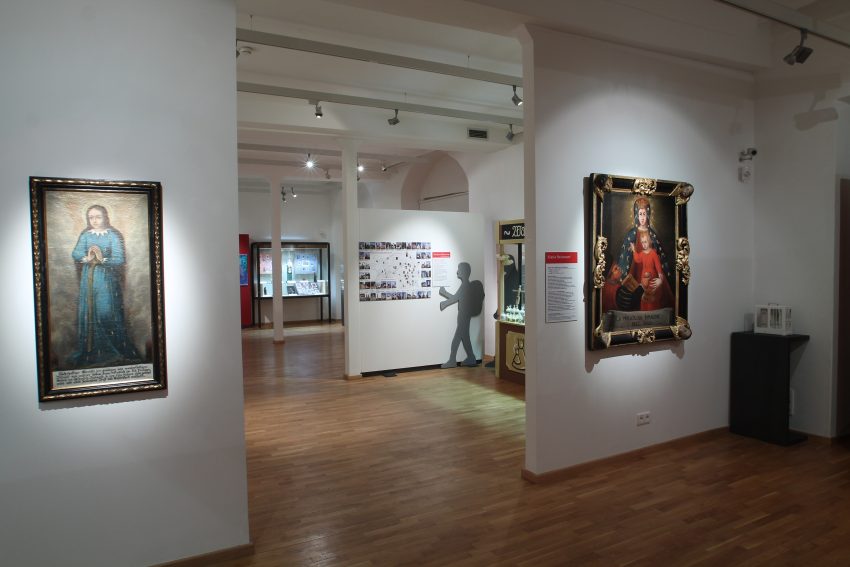
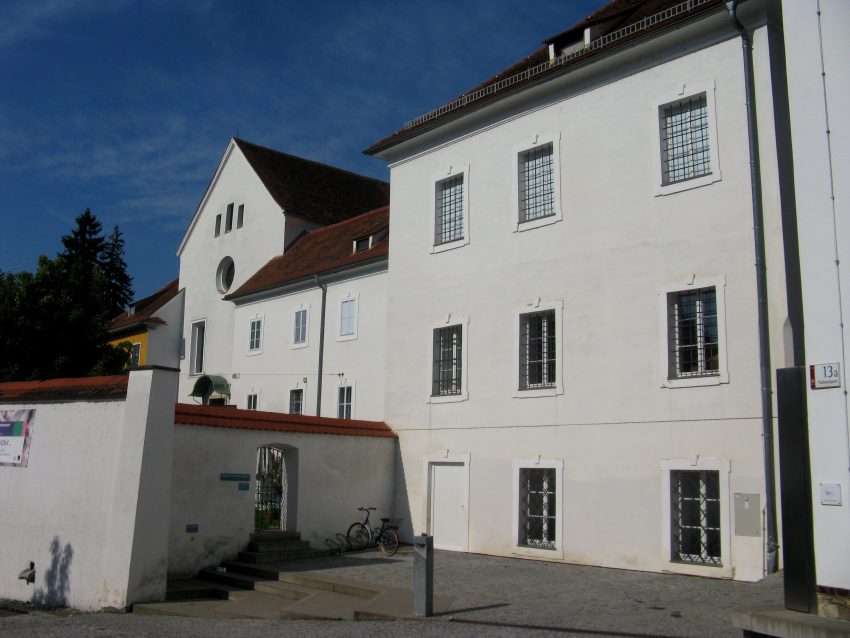
The Styrian Folklore Museum in Graz, set in a former Capuchin monastery on Paulustorgasse near the Paulustor gate, traces how people in Styria lived and how cultural identity shifts over time. Founded in 1913 by Viktor von Geramb and now part of the Universalmuseum Joanneum, it focuses on everyday life rather than grand events. Visitors move through displays of household objects, farm tools, and traditional dress, with memorable specifics like the sooty “Rauchstube” room that evokes older domestic routines. The collection ranges from humble laundry dolls and painted shooting targets to monastery-made crafts and modern protest banners, creating a sense of continuity and disruption. A specialist folklore library and archives deepen the museum’s documentary feel beyond the galleries.
Location: Paulustorgasse 11, 8010 Graz, Austria | Hours: Wednesday – Sunday: 10:00–18:00. Closed on Monday, Tuesday. | Price: Adults: €11; Seniors, people with disabilities, groups (12+): €9; Ages 6–18: €2.50; Under 6: free. | Website | Distance: 0.8km

23. Schlossbergbahn
Schloßbergbahn, Graz
CC BY-SA 1.0 / Leonhard Lenz
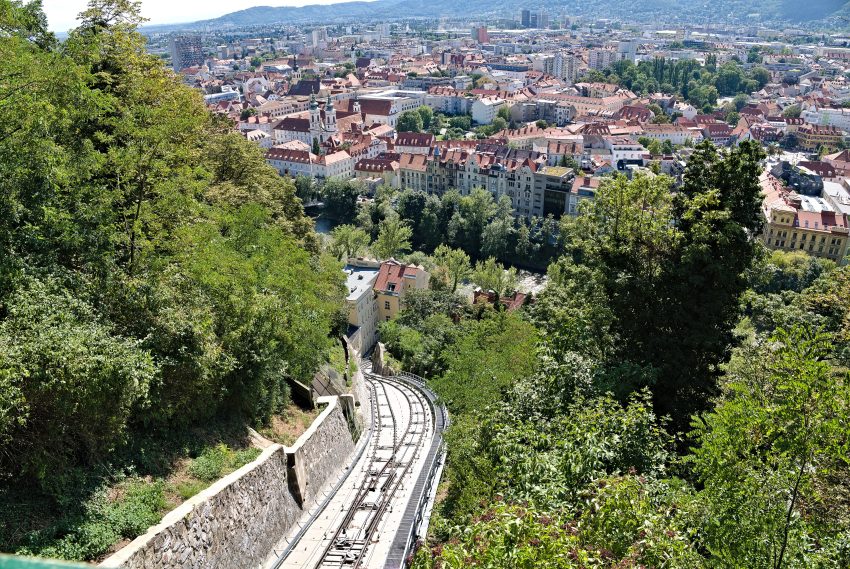
Schlossbergbahn is Graz’s funicular railway, built in the late 19th century to make the steep Schlossberg hill easy to reach and, in the process, turning the climb into part of the city’s everyday leisure. The glass-roofed car tilts up the slope in just a couple of minutes, and the view widens quickly into a layered sweep of Old Town rooftops. At the top you step out onto the Schlossberg plateau, where most people drift toward the Clock Tower viewpoints before looping along the terrace paths and benches. Locals and visitors use it as a quick reset between city streets and open sky, and it’s often bundled with public-transport day tickets—though queues can build on busy days.
Location: Schloßbergbahn, 8010 Graz, Austria | Hours: (Summer) 1 April – 30 September; Sunday – Thursday: 09:00–24:00. Friday – Saturday: 09:00–02:00. (Winter) 1 October – 31 March; Sunday – Thursday: 10:00–24:00. Friday – Saturday: 10:00–02:00. | Price: From €3.20 (adult single ride with a Zone 101/Graz Linien 1-hour ticket); Combined Schlossberg ticket (funicular + lift) from €4.70. | Website | Distance: 0.9km
Powered by GetYourGuide

24. Schlossberg

Schlossberg
Schlossberg
CC BY-SA 3.0 / Ralf Roletschek
Schlossberg (Castle Hill) rises steeply in the center of Graz, a forested parkland ridge that once held the city’s fortress and now frames the old town from above. After Napoleon ordered the stronghold dismantled in 1809, the ruins were reshaped into a public park in 1839, leaving the Clock Tower and a couple of bastions as memorable anchors. Reaching the top is part of the experience: you can tackle the long stairs, take the funicular to the hilltop restaurant, or use the elevator reached through a tunnel. On the summit, the Casemate Stage hosts open-air concerts under a retractable roof, and late-day light turns the red rooftops below into a glowing panorama.
Location: Am Schlossberg, 8010 Graz, Austria | Hours: 24 Hours. | Price: Free. | Website | Distance: 1km

25. Botanischer Garten
Botanischer Garten
Botanischer Garten
CC BY-SA 4.0 / Isiwal
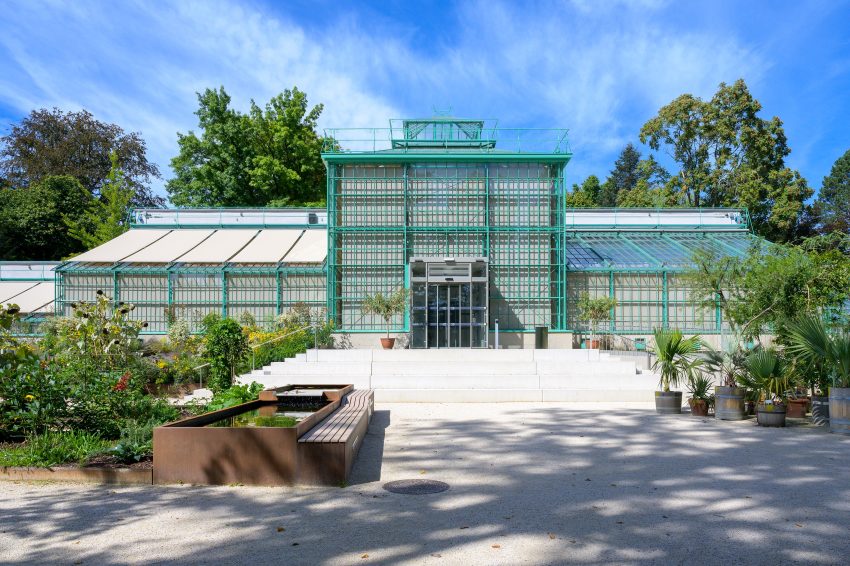
Botanischer Garten in Graz is the University of Graz’s botanical garden on Schubertstraße, a compact, research-rooted collection that doubles as a calm city escape. Founded in 1811 and moved here in 1887, it’s shaped by its glasshouses: step into the tropical house for warm, humid “jungle” air, then compare it with the cold, tempered, and succulent houses for cacti and other dry-climate plants. The current greenhouse complex was built from 1989 and opened to the public in 1995, replacing an 1889 structure that was later saved by local activism, listed in 2008, and reopened after renovation in 2021. Visitors notice close-up paths with clear plant labels and architecture that frames the greenery.
Location: Schubertstraße 59, 8010 Graz, Austria | Hours: (Summer) May 15 – September 15: Daily: 08:00–16:30. (Winter) September 16 – May 14: Daily: 08:00–14:30. Closed: December 24 – January 6. | Price: Free. | Website | Distance: 1.9km

26. Schloss Eggenberg
Schloss Eggenberg
Schloss Eggenberg
GNU Free / Ralf Roletschek
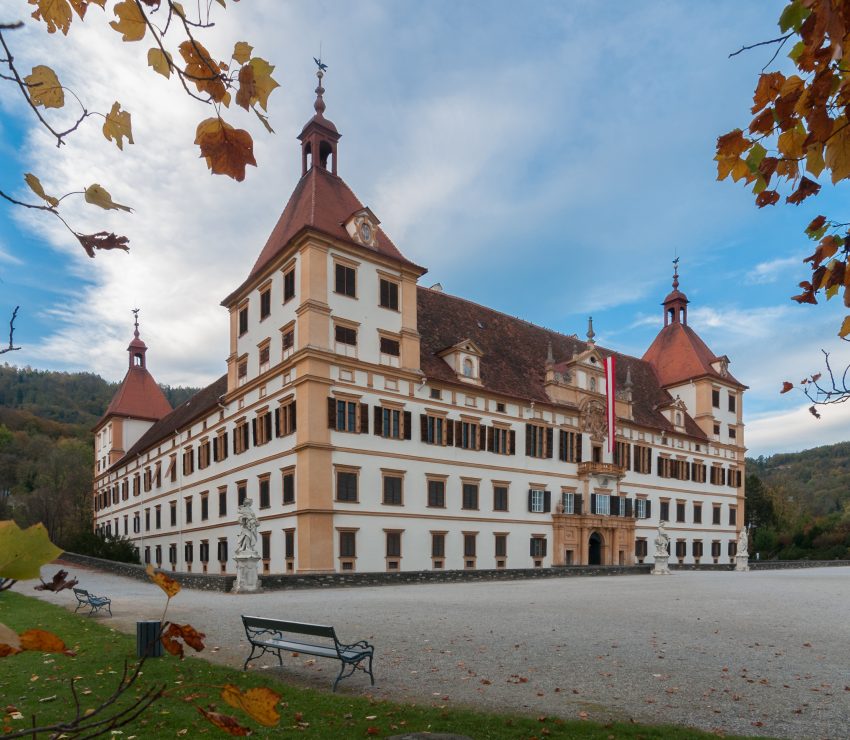
Schloss Eggenberg is a 17th-century princely palace on the western edge of Graz, built as a Baroque “model of the universe” for Prince Hans Ulrich von Eggenberg. Visitors notice how the building turns time into architecture: 365 windows, four corner towers, and a plan aligned so its diagonals meet at the old Gothic chapel. Inside, the Planetary Hall’s ceiling program links celestial bodies with days, gods, and metals, while zodiac signs ring the room. Outside, the spacious park continues the cosmic theme with a Planet Garden, and peacocks often strut across the paths. The Joanneum-run collections add depth, including a major Lapidarium of Roman stonework.
Location: Eggenberger Allee 90, 8020 Graz, Austria | Hours: (Summer) March 28 – October 31; Tuesday – Sunday: 10:00–18:00. Park and gardens: Daily: 08:00–19:00 (March 15 – October 31) & 08:00–17:00 (November 1 – March 14). | Price: State rooms (incl. guided tour): Adults: €20; Seniors/disabled/groups (12+): €17; Ages 6–18: €5; Under 6: free; Family (2 adults + up to 2 children under 14): €40. Park and gardens: Adults: €3; Seniors/disabled/groups (12+): €2.50; Ages 6–18: €0.50; Under 6: free; Family: €6. | Website | Distance: 3.8km

27. Basilika Mariatrost
Basilika Mariatrost
Basilika Mariatrost
CC BY-SA 4.0 / C.Stadler/Bwag
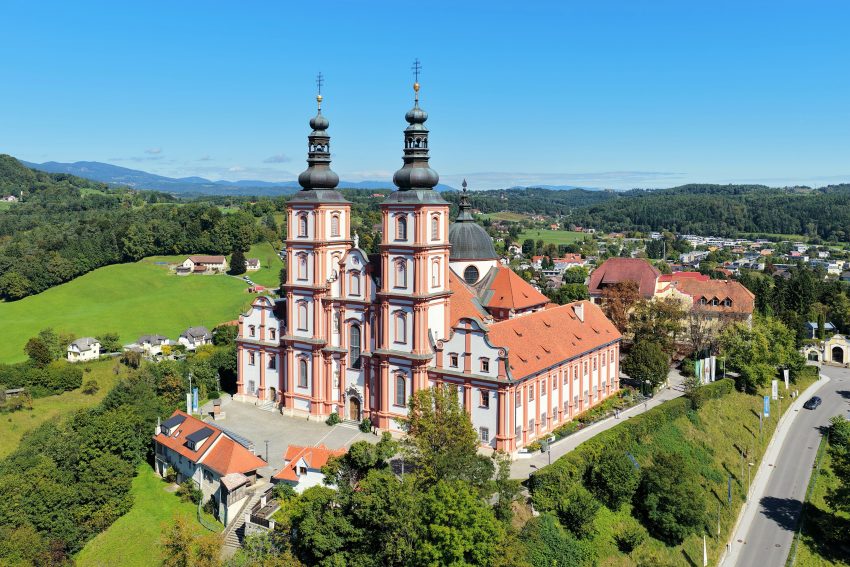
Basilika Mariatrost is a hilltop Baroque pilgrimage church in Graz’s Mariatrost district, long associated with Marian devotion in Styria. The approach is part of the experience: climb the Angelus stairway of 200+ steps to a façade framed by twin 61‑meter towers and a dome that stands out across the northeastern hills. Built from 1714 to 1724 under Andreas Stengg and Johann Georg Stengg, the interior rewards lingering with ceiling frescoes by Lukas von Schram and Johann Baptist Scheidt. Look for the 1730/31 pulpit by Veit Königer and the Madonna figure—Gothic in origin (c. 1465) and later reworked in Baroque style. Visitors often remark on the calm atmosphere despite steady foot traffic.
Location: Kirchpl. 8, 8044 Graz, Austria | Hours: Daily: 07:00–19:00. | Price: Free; donations appreciated. | Website | Distance: 5.7km

Best Day Trips from Graz

A day trip from Graz offers the perfect opportunity to escape the urban rhythm and discover the surrounding region's charm. Whether you're drawn to scenic countryside, historic villages, or cultural landmarks, the area around Graz provides a variety of easy-to-reach destinations ideal for a one-day itinerary. If you are looking to rent a car in Austria I recommend having a look at Discover Cars, first, as they compare prices and review multiple car rental agencies for you.

1. Gösting Castle ruine
Gösting Castle ruine
CC BY-SA 4.0 / C.Stadler/Bwag
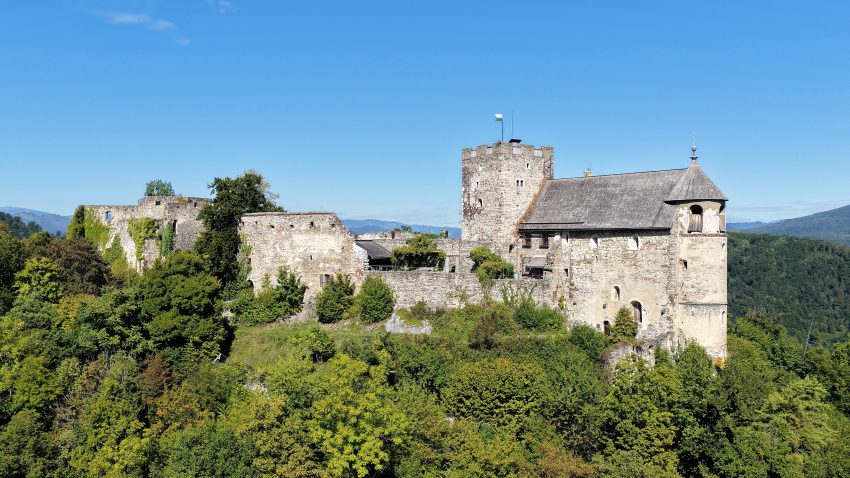
Gösting Castle ruine in Graz, Austria, is a medieval hilltop ruin on a ridge in the Gösting district north of the city. It combines exposed stone walls, towers, and open viewpoints with a short uphill approach, so it works as both a historical stop and a walk with a clear payoff.The site matters because its position above the Mur Valley…
Location: Schloßpl. 7, 8051 Graz, Austria | Hours: Check official website. | Price: Check official website. | Website | Distance: 6.1km
Visiting Gösting Castle ruine

2. Riegersburg Castle
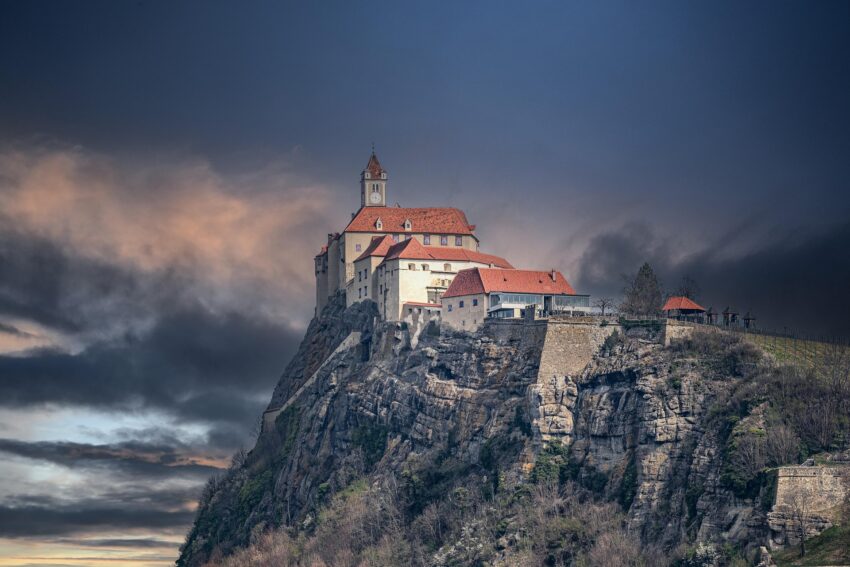
Riegersburg Castle
Riegersburg Castle
Riegersburg Castle rises dramatically above the Styrian landscape on a steep volcanic rock, and it feels every bit as theatrical as its setting suggests. Known in German as Burg Riegersburg, this is one of Austria’s most impressive fortress complexes, with massive defensive walls, commanding views, and a hilltop position that turns the approach into part of the experience. For visitors,…
Location: Riegersburg Castle, Riegersburg, Austria | Hours: 01 April 2026 – 30 April 2026; Daily: 10:00–17:00. 01 May 2026 – 30 September 2026; Daily: 09:00–18:00. 01 October 2026 – 01 November 2026; Daily: 10:00–17:00. | Price: Adult tickets from €23.90; children aged 6–15 from €14.50; family tickets from €54.90. | Website | Distance: 37.8km
Visiting Riegersburg Castle

3. Maribor
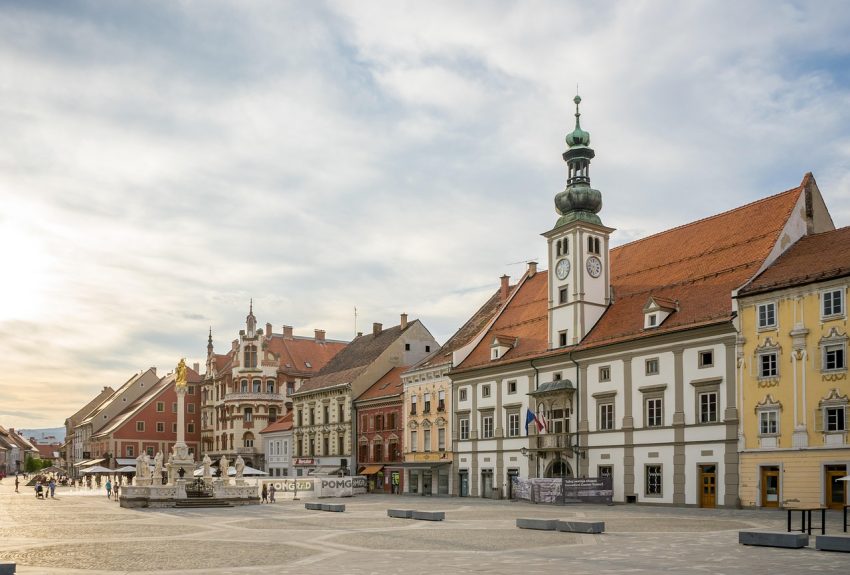
Complete guide to Maribor
Maribor, the second-largest city in Slovenia, sits in the northeast of the country within the lush wine-growing region of Styria. Nestled along the Drava River and surrounded by rolling hills, vineyards, and the nearby Pohorje Mountains, it offers visitors a perfect balance between urban charm and natural beauty. Its location makes it an appealing stop for those exploring Slovenia beyond…
Visiting Maribor
Powered by GetYourGuide

4. Eisenstadt

The Complete Guide to Eisenstadt
CC BY-SA 2.0 / Leonhard Niederwimmer
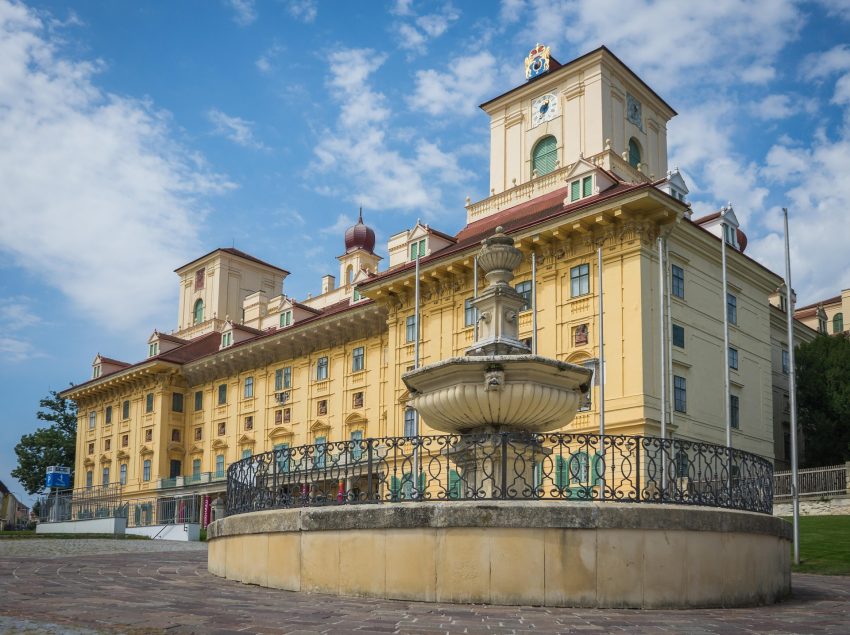
Eisenstadt makes an easy, rewarding base for a cultured short break in Austria’s Burgenland, surrounded by gentle vineyards, small wine villages, and wide-open plains that feel distinctly different from the Alpine west. The city is compact and walkable, so you can move from grand architecture to cafés and cellar doors in minutes, with plenty of chances to slow down and…
Visiting Eisenstadt
Powered by GetYourGuide

5. Bled

The Complete Guide to Bled
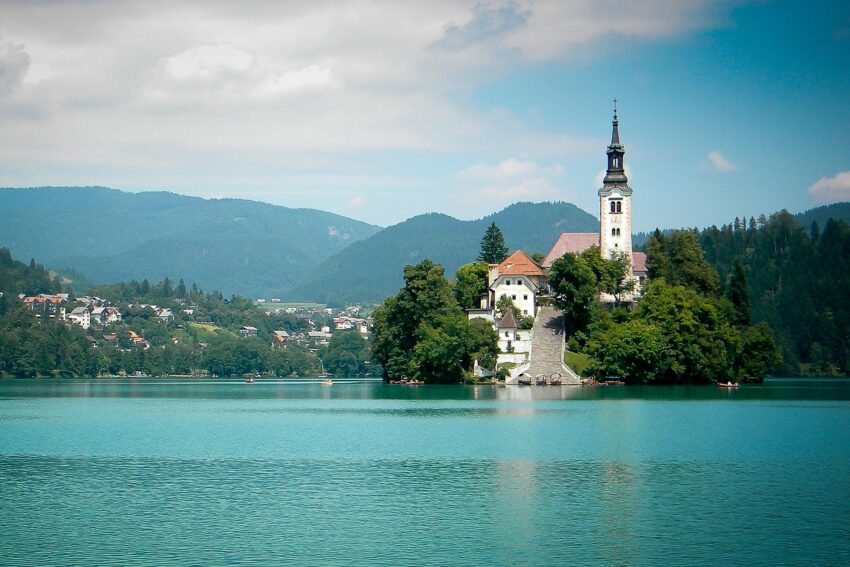
Bled is Slovenia’s postcard-perfect lakeside resort in the Upper Carniola region, on the edge of Triglav National Park and the Julian Alps. The town wraps around Lake Bled, where a turquoise shoreline path, rowing boats, and mountain backdrops make it easy to fill a day with simple, scenic pleasures.Most visits revolve around three icons: the lake loop for views and…
Visiting Bled

6. Melk

The Complete Guide to Melk
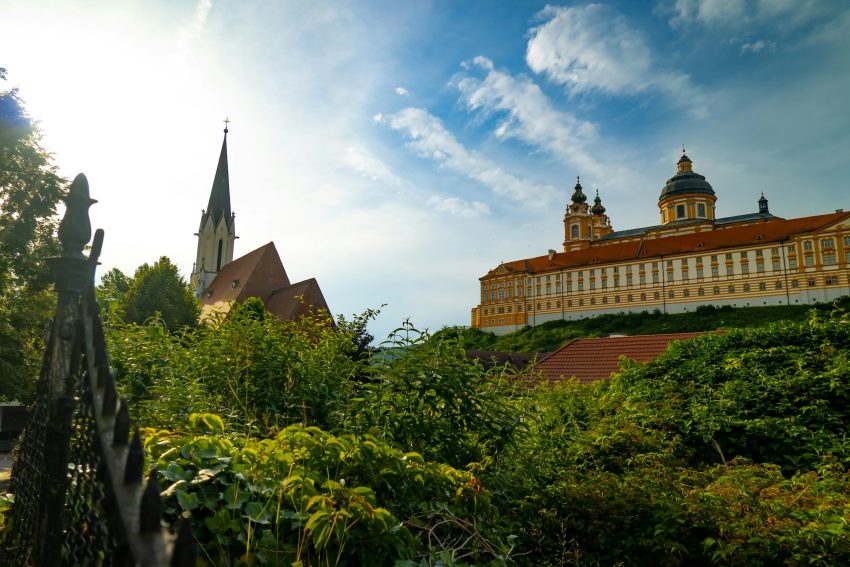
Melk is one of the most rewarding small-town stops on the Danube, set at the gateway to the Wachau Valley in Lower Austria. It’s compact and easy to explore on foot, yet it punches above its size with big views, riverside walks, and a lively café-and-restaurant scene that makes it feel like more than a quick photo stop. Most visitors…
Visiting Melk
Powered by GetYourGuide

7. Villach

The Complete Guide to Villach
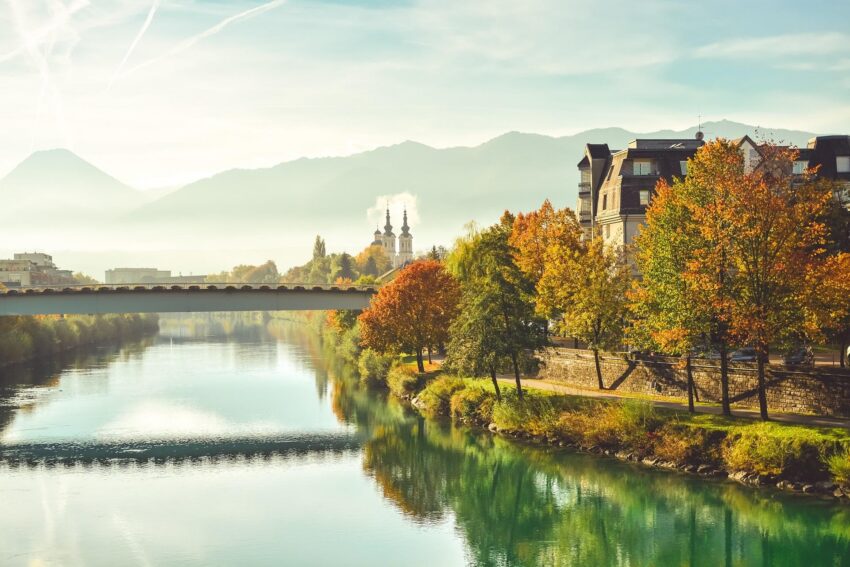
Villach is a relaxed, outdoorsy city in southern Austria, set in the state of Carinthia near the borders with Italy and Slovenia. It makes an excellent base for combining a walkable old town with quick access to lakes, mountains, and cross-border day trips. The River Drau runs through the center, and the surrounding landscape gives the city a bright, open…
Visiting Villach

8. Škofja Loka

Skofja Loka in Winter from hill
Skofja Loka in Winter
CC BY-SA 3.0 / Mihael Grmek
Škofja Loka is one of Slovenia’s most atmospheric small towns, with a compact old centre, river views, painted façades and a castle rising above the rooftops. It sits in the Upper Carniola area, close to Ljubljana, and works especially well for visitors who want a historic town that feels rich in detail without being overwhelming. The old streets are easy…
Visiting Škofja Loka

9. Ljubljana

complete guide to ljubljana
Ljubljana, the vibrant capital of Slovenia, is located in the central part of the country, surrounded by scenic hills and the Ljubljanica River. The compact city center makes it perfect for exploring on foot, with charming pedestrian streets, lively squares, and a mix of modern cafés and traditional eateries. Its central location also makes it a convenient base for day…
Visiting Ljubljana
Powered by GetYourGuide

10. Vienna

The Complete Guide to Vienna
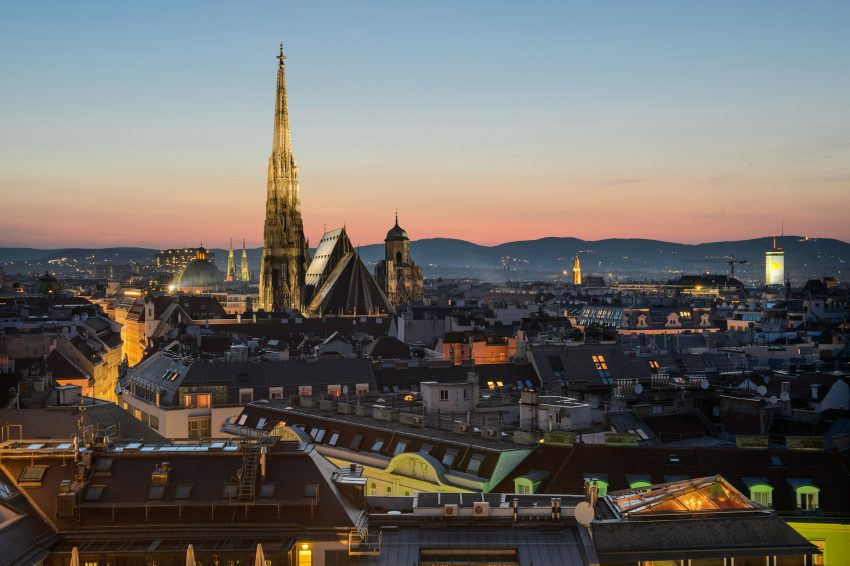
Vienna is a grand, walkable capital where imperial architecture, coffeehouse culture, and contemporary creativity sit side by side. Set in northeastern Austria along the Danube, the city is easy to navigate by tram and U-Bahn, with distinct neighborhoods that shift quickly from palace-lined boulevards to lively local markets and vineyard-dotted hills on the edge of town. A visit to Vienna…
Visiting Vienna
Powered by GetYourGuide

11. Zagreb

The Complete Guide to Zagreb
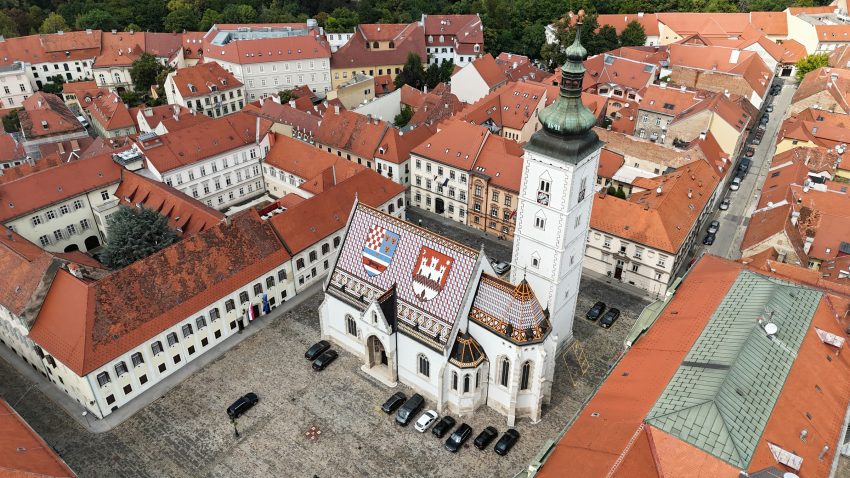
Zagreb is a lively, walkable capital in northwestern Croatia, set between the slopes of Medvednica Mountain and the lowlands of the Sava River. It’s a city of café terraces, leafy parks, and neighborhoods that shift quickly from grand Austro-Hungarian boulevards to intimate lanes and stairways. A visit here feels both relaxed and urban: you can spend a morning browsing markets…
Visiting Zagreb
Powered by GetYourGuide

12. Hallstatt

View of Hallstatt Austria ove lake.
Hallstatt Austria
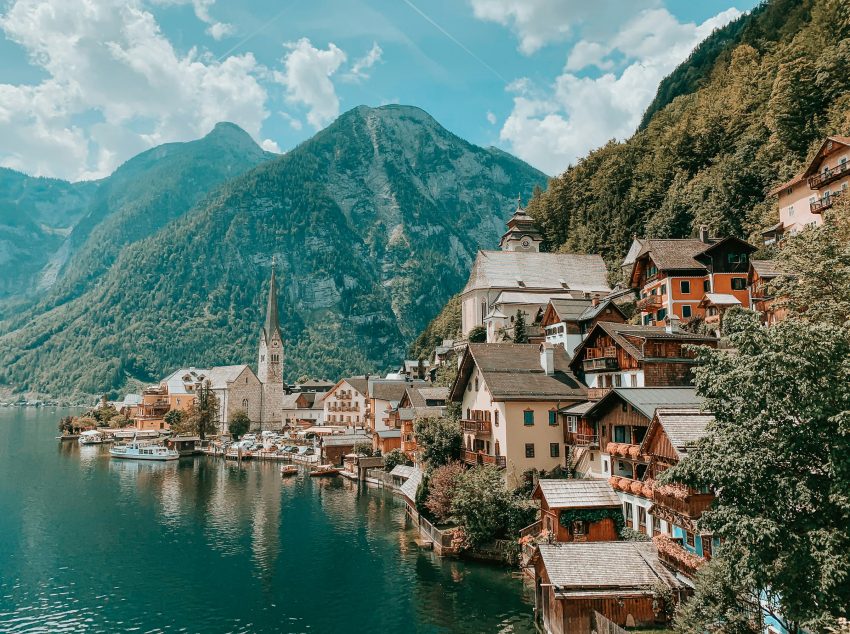
Hallstatt is one of the most memorable places to visit in the Salzkammergut region of Upper Austria, and much of its appeal comes from the way the village sits between the lake and the steep mountain slopes. It is compact enough to explore on foot, yet every corner seems to open onto another striking view, whether that is the waterfront,…
Visiting Hallstatt
Powered by GetYourGuide

Where to Stay in Graz

For first-time visitors, staying in Graz’s Old Town (Innere Stadt) is the most convenient choice because you can walk to major sights, cafés, and evening dining without relying on transport. A strong central option is Erzherzog Johann Palais Hotel, which suits travelers who want classic style and immediate access to the historic core. Another well-located pick is Hotel Weitzer Graz, ideal if you like being near the Mur riverfront with an easy stroll into the old town and good connections for getting around.

If you prefer a slightly quieter base with a local neighborhood feel while still being close to everything, consider the Lend district near the river and Kunsthaus area; it’s great for contemporary culture, casual dining, and a more residential vibe. For a modern, design-forward stay that matches this atmosphere, Lendhotel is a good fit, offering a creative feel and quick access to both the riverfront and the center.

For travelers arriving by train or planning day trips, the area around Graz Hauptbahnhof is practical and often better value, with straightforward tram connections into the center. A reliable choice here is IntercityHotel Graz, which works well for short stays focused on efficient transport, early departures, and easy check-in/check-out.

Using the our Hotel and Accomodation map, you can compare hotels and short-term rental accommodations in Graz. Simply insert your travel dates and group size, and you’ll see the best deals for your stay.

Graz Accommodation Map

Best Time to Visit Graz

Graz in Spring

Spring (roughly March to May) is a great time for Graz if you want mild temperatures, blossoming parks, and comfortable walking conditions for the old town and river promenades. Days lengthen quickly, café terraces start to fill, and the surrounding hills turn green, making viewpoints and short hikes especially appealing.

Graz in Summer (Best)

Summer (June to August) is ideal for long evenings, outdoor dining, and events, with the city at its most energetic. This is the prime season for open-air culture and festival atmosphere—highlights often include major music and arts programming such as Styriarte and other summer concert series, plus lively nightlife around the center.

Graz in Autumn

Autumn (September to November) is excellent for food-and-wine travelers, as Styrian harvest season brings seasonal menus and a cozy wine-bar vibe. The weather is often pleasantly crisp, and the city’s parks and hill paths take on warm colors that suit relaxed sightseeing.

Graz in Winter

Winter (December to February) is colder and quieter, but it’s a charming time for museums, cafés, and seasonal markets. If you enjoy festive lights and a slower pace, Graz’s Advent period can be a highlight, with Christmas markets and winter events creating a cozy city-break feel.

Annual Weather Overview

  • January 5°C
  • February 9°C
  • March 12°C
  • April 18°C
  • May 20°C
  • June 26°C
  • July 26°C
  • August 28°C
  • September 22°C
  • October 17°C
  • November 10°C
  • December 5°C

How to get to Graz

Getting to Graz by air

  • Nearest airports: Graz Airport (GRZ) is the closest option for direct access. Vienna Airport (VIE) is a major international hub and often the best choice for long-haul flights, with onward rail connections.
  • From Graz Airport to the city: Use local public transport (S-Bahn/bus) or taxis/ride services for a quick transfer.

Getting to Graz by train

  • Main station: Graz Hauptbahnhof is the primary rail gateway.
  • Train operators and tickets: For Austrian rail services and schedules, use ÖBB: https://www.oebb.at/en/ . For cross-border connections, you may also see services sold via Deutsche Bahn: https://www.bahn.com/en .

Getting to Graz by Car

  • Driving routes: Graz is well connected by Austrian motorways, making it straightforward to arrive from Vienna, Salzburg, or neighboring countries. Expect faster travel on main routes, with slower approaches during peak commuter hours.
  • Parking tips: Use garages near the center for convenience, and check whether your accommodation offers parking. In many central areas, street parking is limited and regulated.
If you are looking to rent a car in Austria I recommend having a look at Discover Cars, first, as they compare prices and review multiple car rental agencies for you.

The drive to Graz is:

  • 2 hours 15 minutes from Ljubljana, Slovenia
  • 2.5 hours from Vienna
  • 3 hours from Salzburg
  • 4.5 hours from Munich, Germany

Travelling around Graz

  • Public transport: Trams and buses cover the city efficiently, and most key sights are reachable without a car.
  • On foot and by bike: The center is very walkable, and cycling is a practical option for river paths and neighborhoods just outside the core.
  • Regional day trips: For nearby towns and countryside, regional trains and buses are useful; start planning with ÖBB: https://www.oebb.at/en/ .
More from this area