Zagreb, Croatia: The Ultimate Travel Guide 2026
The Complete Guide to Zagreb

Zagreb is a lively, walkable capital in northwestern Croatia, set between the slopes of Medvednica Mountain and the lowlands of the Sava River. It's a city of café terraces, leafy parks, and neighborhoods that shift quickly from grand Austro-Hungarian boulevards to intimate lanes and stairways. A visit here feels both relaxed and urban: you can spend a morning browsing markets and galleries, then be on a forest trail or at a viewpoint by afternoon.

The heart of Zagreb is easy to explore on foot, with the historic Upper Town (Gornji Grad) and the elegant Lower Town (Donji Grad) connected by streets, staircases, and the iconic funicular. Food and drink are a big part of the experience-think long coffees, local pastries, and modern Croatian bistros-while museums and design shops add a contemporary edge. Even if you only have a couple of days, the city rewards slow wandering and spontaneous stops.

Zagreb also works well as a base for day trips, but it's worth giving the city its own time. Seasonal events, open-air concerts, and a strong local culture keep the calendar busy, and evenings often revolve around wine bars, craft beer spots, and live music. Whether you're here for a weekend break or as part of a longer Croatia itinerary, Zagreb offers an easy rhythm and plenty to do without feeling overwhelming.

History of Zagreb

Early Zagreb: From Kaptol and Gradec (11th–13th centuries)

Zagreb’s roots lie in two neighboring medieval settlements: Kaptol, centered on the bishopric, and Gradec, a fortified hilltop town. Kaptol developed around ecclesiastical authority and trade, while Gradec grew as a civic community with its own defenses and privileges. Over time, the proximity of these two centers created a dynamic—sometimes cooperative, sometimes rivalrous—that shaped the city’s early identity.

Medieval and Renaissance Zagreb: Fortifications, Trade, and Growth (14th–16th centuries)

As regional commerce expanded, Zagreb benefited from its position on important routes and from the protections granted to Gradec. Defensive walls, gates, and towers became defining features, and craft guilds and markets supported urban life. Periodic fires, plagues, and political tensions affected development, but the twin-settlement structure continued to attract residents and merchants.

Baroque Zagreb: Religious and Civic Transformation (17th–18th centuries)

The Baroque era brought architectural and cultural change, with churches, monasteries, and public buildings reshaping the skyline and streetscapes. Zagreb’s institutions strengthened, and the city became a more prominent administrative and cultural center. Urban life increasingly reflected Central European influences in art, education, and civic organization.

19th-Century Zagreb: Modernization and the Rise of a Capital (1800s)

In the 19th century, Zagreb modernized rapidly: new boulevards, parks, and public buildings expanded the city beyond its medieval core. Cultural institutions flourished, including theaters, museums, and learned societies, while infrastructure improvements supported population growth. This period also saw stronger national cultural movements, with Zagreb emerging as a key center for political and intellectual life.

20th-Century Zagreb: War, Yugoslav Era, and Urban Expansion (1900–1990)

The 20th century brought upheaval through two world wars and shifting state structures. In the socialist Yugoslav period, Zagreb expanded significantly with new residential districts, industry, and modernist architecture, alongside continued cultural development. The city’s role as an economic and educational hub grew, and its urban footprint spread well beyond the historic center.

Contemporary Zagreb: Independence to Today (1991–present)

Following Croatia’s independence, Zagreb continued evolving as a modern European capital with a growing service economy, revitalized public spaces, and an increasingly international cultural scene. Restoration projects, new museums, and changing neighborhoods have refreshed the city’s image while preserving its layered heritage. Today, Zagreb balances historic character with contemporary life, hosting major events and maintaining a strong local identity.

Moira & Andy
Moira & Andy

Hey! We're Moira & Andy. From hiking the Camino to trips around Europe in Bert our campervan — we've been traveling together since retirement in 2020!

Read our full story here

Visiting Zagreb for the first time and wondering what are the top places to see in the city? In this complete guide, I share the best things to do in Zagreb on the first visit. To help you plan your trip, I have also included an interactive map and practical tips for visiting!

This website uses affiliate links which earn a small commission at no additional cost to you.
Powered by GetYourGuide

17 Best places to See in Zagreb

This complete guide to Zagreb not only tells you about the very best sights and tourist attractions for first-time visitors to the city but also provide insights into a few of our personal favorite things to do.

This is a practical guide to visiting the best places to see in Zagreb and is filled with tips and info that should answer all your questions!

1. Zagreb Cathedral
Zagreb Cathedral
Zagreb Cathedral
CC BY-SA 4.0 / Rangan Datta Wiki
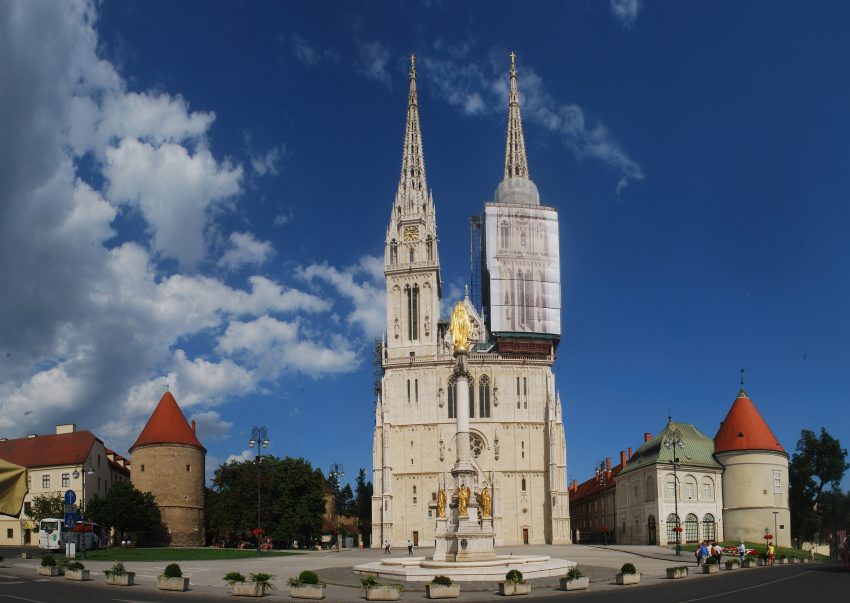
Zagreb Cathedral (Cathedral of the Assumption of the Blessed Virgin Mary) is the city’s towering neo-Gothic cathedral, its twin spires rising over Kaptol and serving as a visual anchor in the center. Founded as a cathedral in 1093 under King Ladislaus I of Hungary, it has been repeatedly rebuilt—after Mongol destruction in 1242 and again following the 1880 earthquake, when architect Hermann Bollé shaped its current silhouette. On the main façade, look for the tympanum showing the Virgin and Child with angels, and the entry flanked by statues of saints and the kings Stephen and Ladislaus. Inside, stained glass lights the tomb of Cardinal Aloysius Stepinac, and visitors often notice the prominent chandeliers and a Meštrović relief.
Location: Kaptol 31, 10000, Zagreb, Croatia | Hours: Daily: 08:00–19:00. | Price: Free; donations appreciated. | Website | Distance: 0.2km


Here is a complete selection of hotel options in Zagreb. Feel free to review each one and choose the stay that best suits your needs.

2. Saint Francis Assisi's Church

Saint Francis Assisi’s Church
CC BY-SA 1.0 / Baltabar
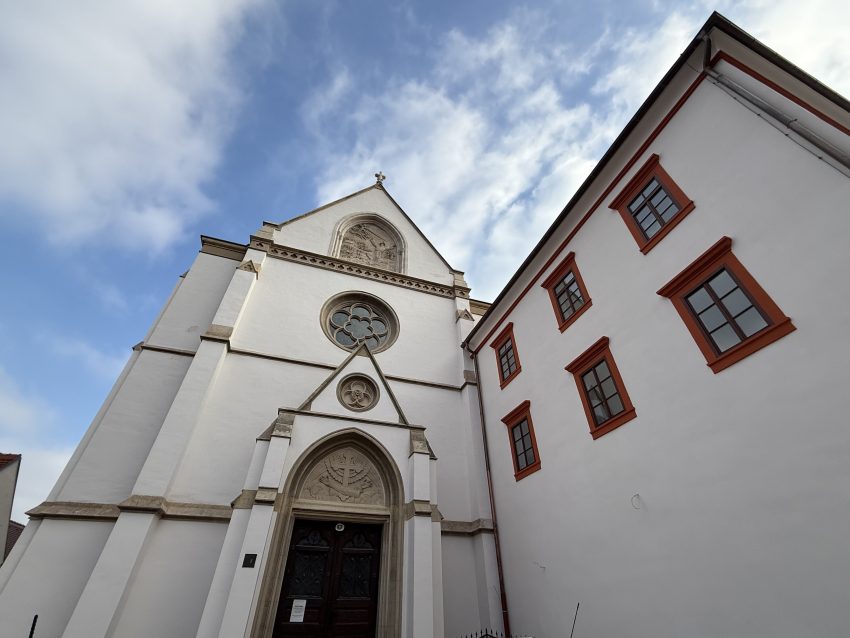
Saint Francis Assisi’s Church in Zagreb is a Franciscan church and monastery complex on the Kaptol side of the old center, rooted in a community that has been here since the 13th century. It began as a Gothic mendicant church, but after the 1880 earthquake it was rebuilt in a neo-Gothic spirit and given a new steeple, changing the silhouette you see today. Inside, the Franciscan devotion is tangible in the art and altars, including a main altar dated to 1672. One of the most memorable survivals is the choir seating from 1394, carved with delicate Gothic fretwork. The adjacent sacristy is also where the 1358 Treaty of Zadar was signed, tying the quiet interior to a pivotal political moment.
Location: Kaptol 9, 10000, Zagreb, Croatia | Hours: Check official website. | Price: Free; donations appreciated. | Distance: 0.3km

Traveling to a country with a different currency? Avoid ATM transaction fees and pay in local currency with a Wise Card. Having used it for over 5 years, we've saved loads on fees!

3. Tkalčićeva Street

Tkalčićeva Street
Tkalčićeva Street
CC BY-SA 2.0 / Damien Smith
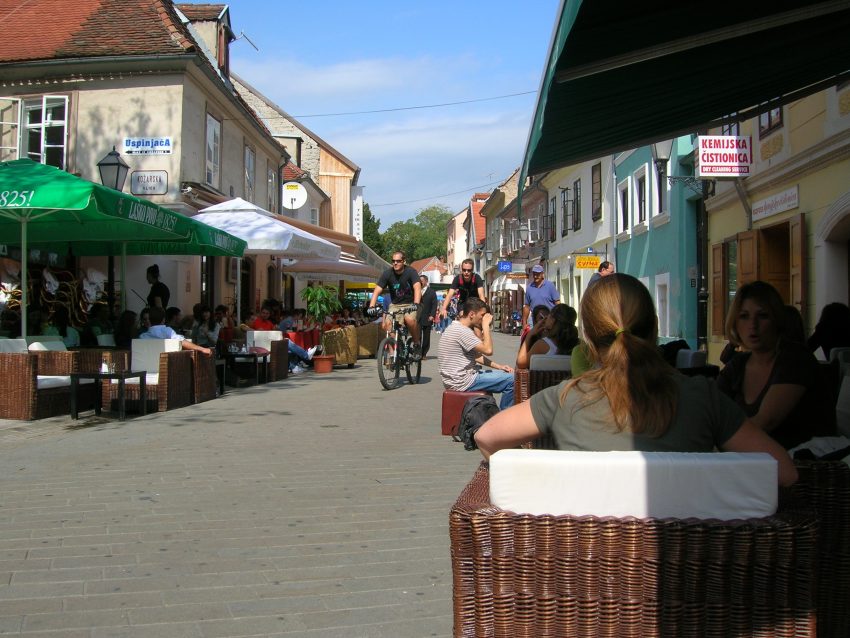
Tkalčićeva Street is a pedestrian corridor in central Zagreb that traces the buried Medveščak Creek, once the hard border between medieval Gradec and Kaptol. Before it was covered in 1898, the stream powered a line of water mills that produced everything from cloth and paper to soap and liquor, and rivalry over those mills even led to a 1392 treaty limiting new construction. Renamed in 1913 for historian-priest Ivan Tkalčić, the street is still lined with mostly 18th- and 19th-century houses. Today you notice the tight old-town scale, the gentle run between Upper Town and Nova Ves, and a long ribbon of terrace cafés where the evening buzz replaces its early-20th-century red-light past.
Location: Ul. Ivana Tkalčića, 10000, Zagreb, Croatia | Hours: 24 Hours. | Price: Free. | Distance: 0.4km

Explore Zagreb at your own pace with our self-guided walking tour! Follow our curated route to discover must-see sights and local secrets that makes Zagreb one of the best places to visit in Croatia.

4. Ban Jelačić Square

Ban Jelačić Square
Ban Jelačić Square
CC BY-SA 2.0 / Nick Savchenko
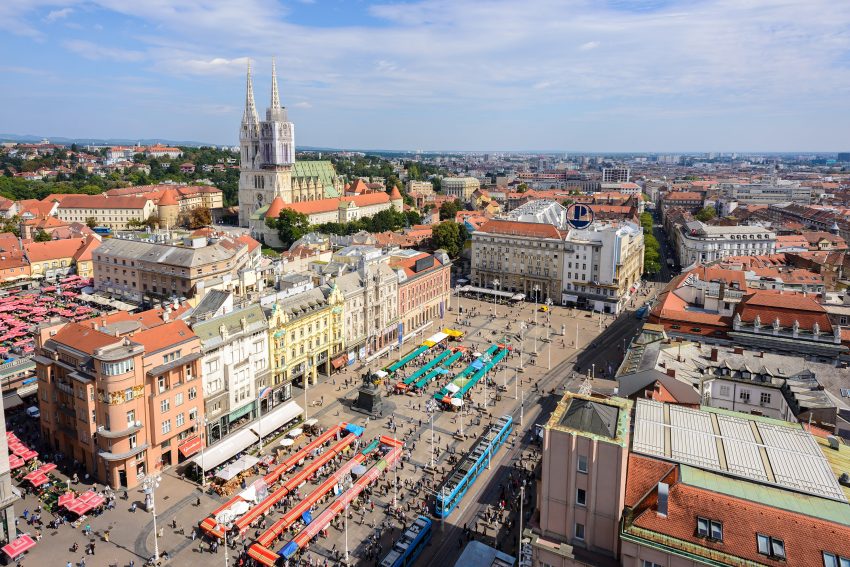
Ban Jelačić Square (Jelačić plac) is the central meeting point of Zagreb’s pedestrian downtown, where tram lines skim the edges and the city’s daily rhythm is on full display. It began as a 17th-century marketplace near the Manduševac spring, later known as Harmica, before taking its current name in 1848. At the center stands Anton Dominik Fernkorn’s equestrian statue of Ban Josip Jelačić—removed in 1947 when the square was renamed Republic Square, then returned in 1990. The 1987 renovation repaved the plaza and uncovered the long-buried Manduševac fountain. In winter, lights and trees brighten the surrounding mix of Classicist, Secessionist, and Modernist façades.
Location: Trg bana Josipa Jelačića, 10000, Zagreb, Croatia | Hours: 24 Hours. | Price: Free. | Distance: 0.4km

5. Dolac Market
Dolac Market
Dolac Market
CC BY-SA 2.0 / Jorge Franganillo
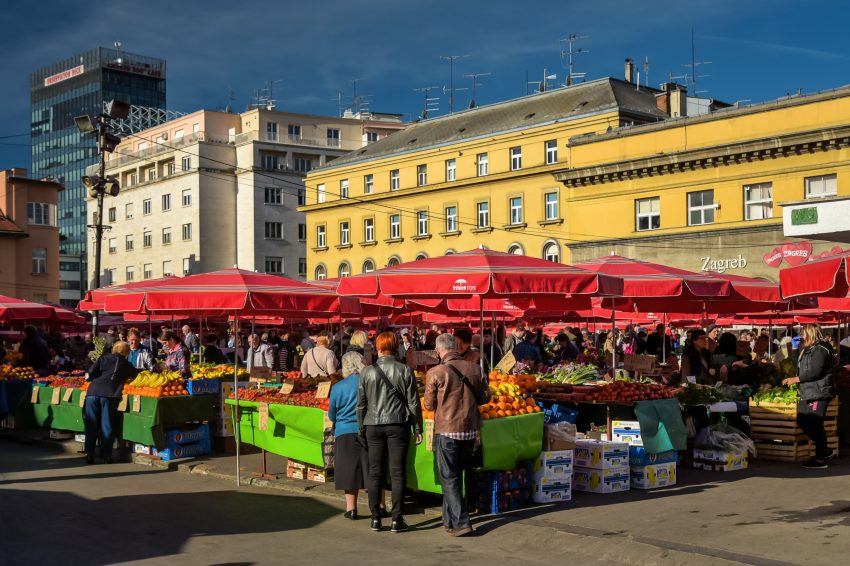
Dolac Market is Zagreb’s central farmers’ market, tucked just behind Ban Jelačić Square in the city’s oldest core, with an open-air plaza of stalls perched above a sheltered hall below. Running as a main trading post since 1930, it’s where visitors feel the city’s daily pulse—locals bargaining for fruit and vegetables while florists cluster on the upper level near Opatinova Park. Downstairs, butchers and fishmongers compete for attention beside elderly women selling cheeses, cream, and even lace, and the renovated Ribarnica fish market sits nearby. Look for the bronze Kumica Barica statue at the entrance, a nod to the market’s “kumicas,” the apron-wearing women who run many stalls.
Location: Dolac, 10000, Zagreb, Croatia | Hours: Monday – Saturday: 07:00–15:00. Sunday: 07:00–13:00. | Price: Free. | Website | Distance: 0.4km

6. Kamenita Vrata
Kamenita Vrata
Kamenita Vrata
CC BY-SA 4.0 / Miroslav.vajdic
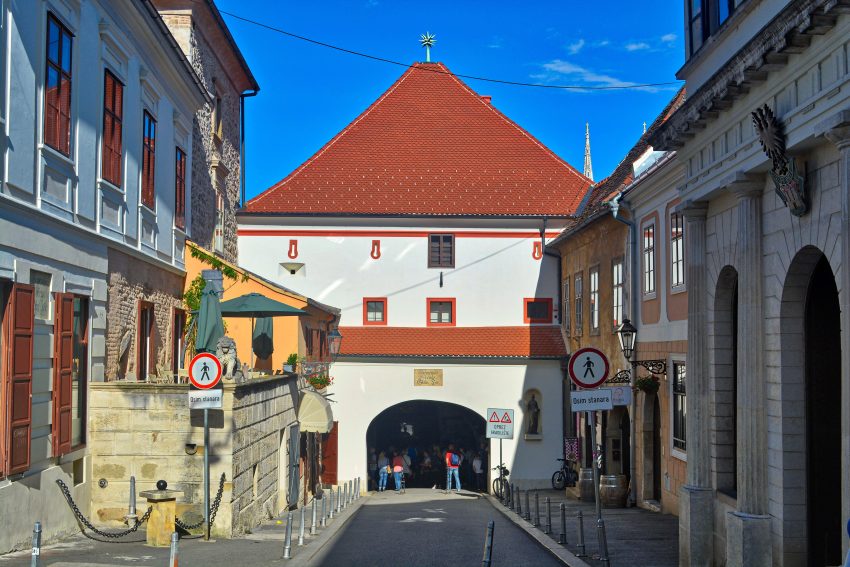
Kamenita Vrata (the Stone Gate) in Zagreb, Croatia is the last surviving fortified gate of medieval Gradec, believed to date to 1266, and it still functions as a passageway through the old town line. The rectangular, one-story entrance tower shows 16th-century loopholes on its north and west faces, and a tunnel runs through the center at street level. What visitors remember most is the candle-lit shrine inside: after the 1731 fire that devastated Zagreb, a painting of the Virgin and Child here was found untouched, and locals continue to stop, light candles, and pray. Look too for the small figure of Dora Krupićeva, holding the city keys, a nod to August Šenoa’s 19th-century novel.
Location: Kamenita ul. 1, 10000, Zagreb, Croatia | Hours: 24 Hours. | Price: Free. | Website | Distance: 0.5km

7. Archaeological Museum
Archaeological Museum
CC BY-SA 1.0 / Croateditor
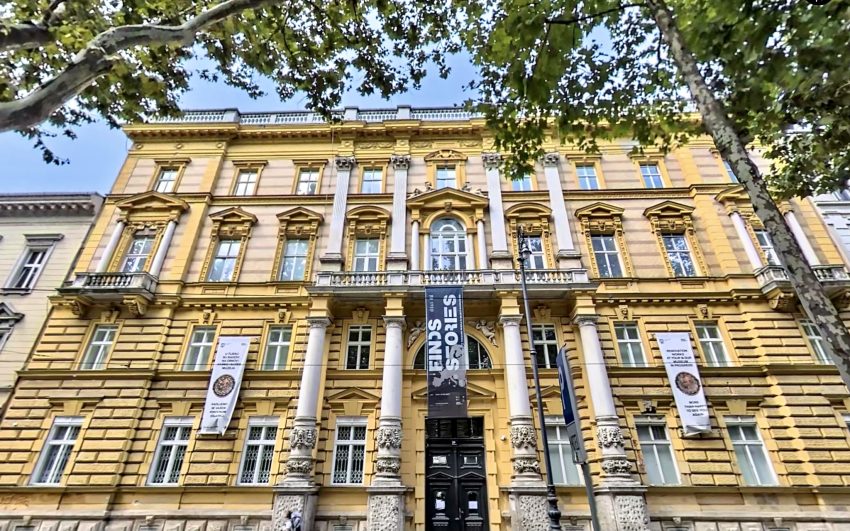
Zagreb’s Archaeological Museum is a central-city institution (founded in 1846) that traces Croatia’s past while placing it alongside older Mediterranean civilizations. Housed since 1945 in the 19th-century Vranyczany-Hafner mansion on Zrinski Square, it holds more than 450,000 objects arranged across five sections: Prehistory, Egypt, Antiquity, Middle Ages, and Coins and Medals. Visitors tend to remember the Egyptian rooms—about 600 pieces—and the unusual “Zagreb Mummy,” as well as the Antiquity galleries with roughly 1,500 Greek vases and inscribed stones. The Prehistory collection alone runs to about 78,000 items, and Roman finds from digs across Croatia add statues, military gear, and everyday tools; reviews often note the dense, English-friendly labels.
Location: Zrinjevac 19, 10000, Zagreb, Croatia | Hours: Tuesday – Friday: 10:00–18:00. Saturday: 10:00–20:00. Sunday: 10:00–13:00. Closed on Monday. | Price: Adults: €8; Pupils, students & retirees: €4; Family ticket (with children under 15): €14. | Website | Distance: 0.6km

8. Ilica Street
Ilica Street
Ilica Street
CC BY-SA 3.0 / lienyuan lee
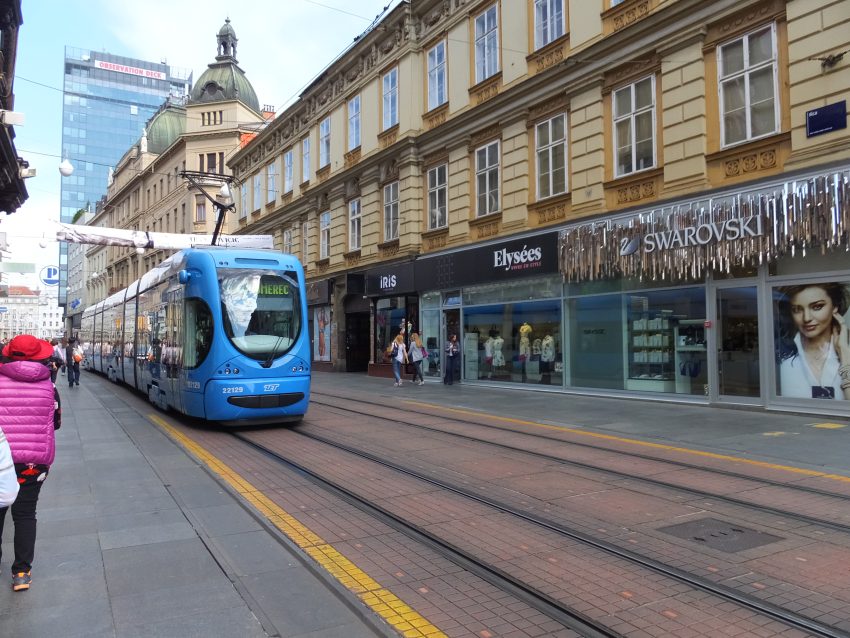
Ilica Street is Zagreb, Croatia’s long central thoroughfare, running about 3.5 miles from Ban Jelačić Square west toward Vrapče, and it still acts as the city’s everyday commercial spine. It feels like a classic European main street: a constant stream of shops, patisseries, cafés, and boutiques set against a mix of grand façades and worn storefronts. Traffic is part of the atmosphere, with cars and trucks sharing space with the blue trams—lines 1, 6, and 11 start near the main square and rattle along the route. Look for old passages and quick side turns into quieter courtyards, and notice how the street shifts from tourist-busy near the center to more local as you head west. Many visitors simply remember the length, the bustle, and the easy, scroll-like stroll.
Location: Ilica, Zagreb, Croatia | Hours: 24 Hours. | Price: Free. | Distance: 0.6km

9. Saint Mark's Church and Square
Saint Mark’s Church and Square
CC BY-SA 4.0 / Larisa Uhryn
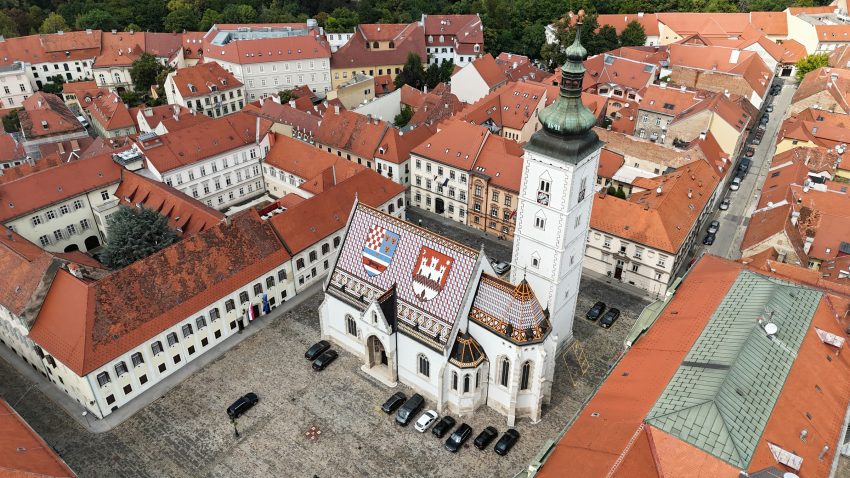
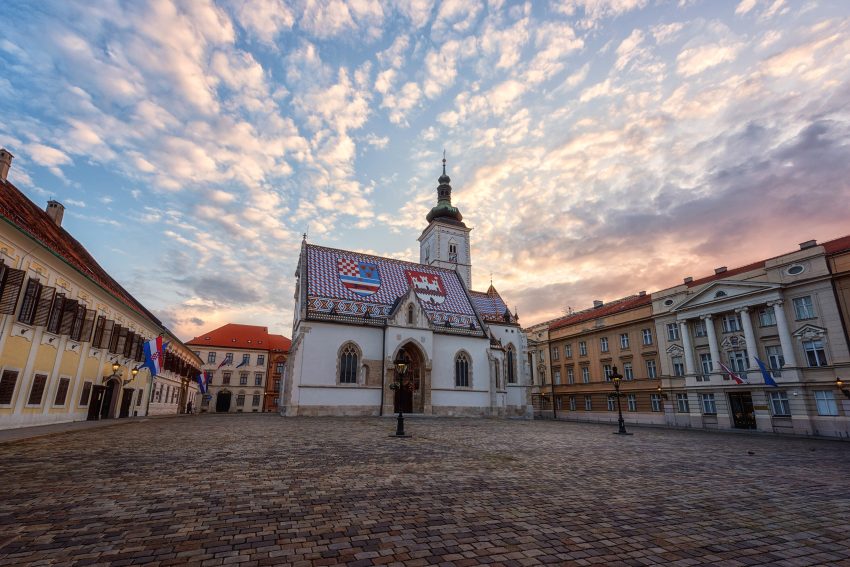
Saint Mark’s Church and Square sits at the center of Zagreb’s Upper Town, where cobbles and government buildings frame a compact, ceremonial-feeling space. The church’s standout is its 1880 roof of bright patterned tiles, laid by Friedrich von Schmidt and Herman Bolle, depicting the coats of arms of Zagreb and the Triune Kingdom of Croatia. Look closer at the south side for a Romanesque window hinting at 13th-century origins, and the elaborate Gothic south portal lined with 15 sculpted figures in niches. Although the church was rebuilt as a three-nave Gothic structure in the 14th century, visitors still remember the stout columns and ribbed vaults described inside when access allows. The square is ringed by Croatia’s key institutions, including Banski Dvori and the Parliament.
Location: Trg Sv. Marka 5, 10000, Zagreb, Croatia | Hours: Monday – Friday: 18:00–19:00. Saturday: 07:30–08:30. Sunday: 10:30–11:30 & 18:00–19:00. | Price: Free; donations appreciated. | Website | Distance: 0.7km

10. Zagreb Funicular
Zagreb Funicular
Zagreb Funicular
CC BY-SA 3.0 / Qaalvin
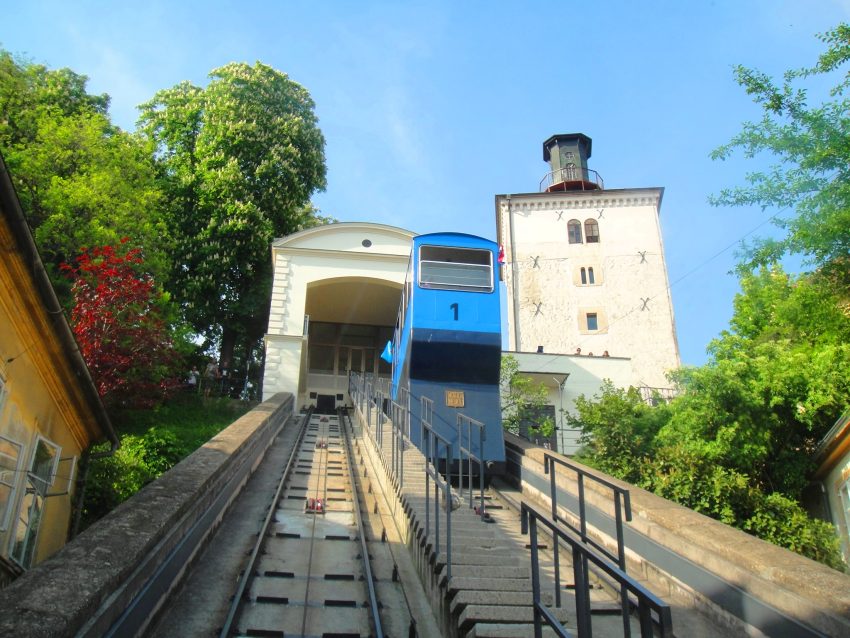
Zagreb Funicular is a compact rail lift linking the city’s Lower Town to the Upper Town in just over a minute, turning a steep climb into a small, memorable ritual. Commissioned in 1888 and opened in 1890, it began with steam power—plagued by low pressure and breakdowns—before switching to electricity in 1934. The lower station sits on Tomićeva Street just off Ilica, while the upper terminal emerges beneath Lotrščak Tower at Strossmayer’s Promenade. Two wagons run on separate tracks, each with 16 seats plus standing space, and its passenger list has ranged from locals to visiting royalty.
Location: Uspinjača, 10000, Zagreb, Croatia | Hours: Daily: 06:30–22:00. | Price: Check official website. | Website | Distance: 0.7km

11. Museum of Broken Relationships
Museum of Broken Relationships
CC BY-SA 2.0 / Patty Ho
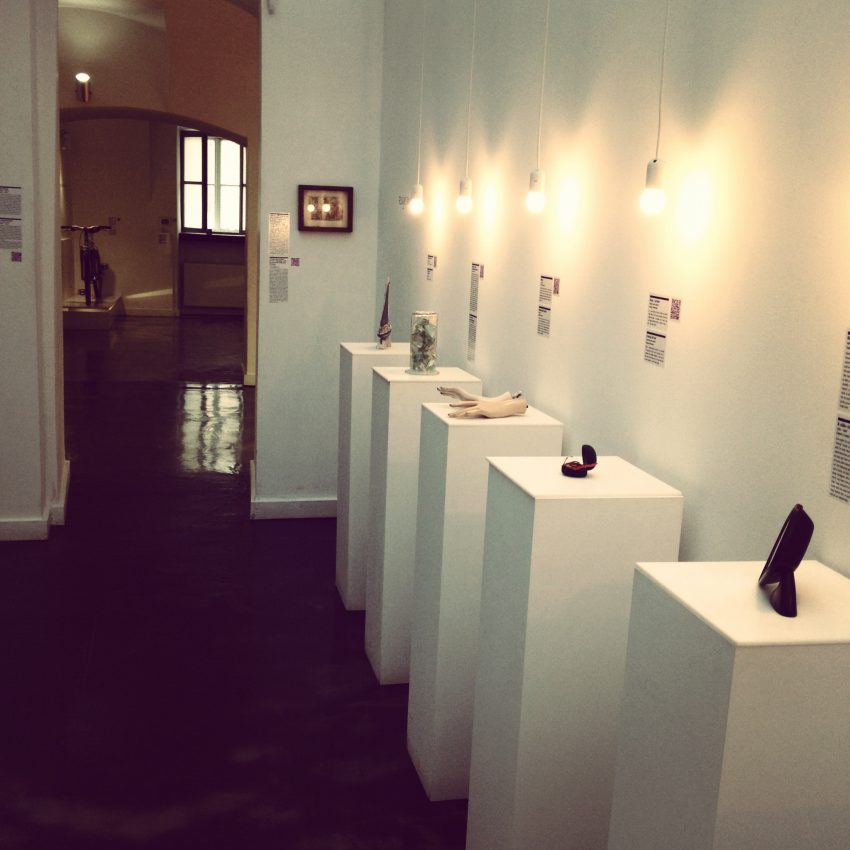
In Zagreb’s Upper Town, the Museum of Broken Relationships is a small, unusual museum devoted to love stories that ended, told through donated everyday objects and short, anonymous notes. Its galleries group “material remains” like photographs, letters, messages, and odd keepsakes, each tagged with dates and places, so the details feel specific even when the items are ordinary. Because space is limited, older pieces may be moved into the museum’s online “virtual web museum,” where registered visitors can upload their own images and documents. There’s also an intimate “confessional” area where you can leave a message or record a private reflection. Visitors often remember the emotional whiplash—funny entries beside ones that quietly sting.
Location: Ćirilometodska ul. 2, 10000, Zagreb, Croatia | Hours: (Summer) June 1 – September 30; Daily: 09:00–22:00. Last entry: 21:30. (Winter) October 1 – May 31; Daily: 09:00–21:00. Last entry: 20:30. Closed on Christmas Eve, Christmas, New Year’s Day, Easter & All Saints’ Day. New Year’s Eve: 10:00–18:00. | Price: Adults: €9; Pupils, students (full-time with ID), people with disabilities, seniors (65+): €7; Groups (15+): €7 per person. | Website | Distance: 0.7km

12. Zagreb City Museum
Zagreb City Museum
Zagreb City Museum
CC BY-SA 3.0 / Mister No
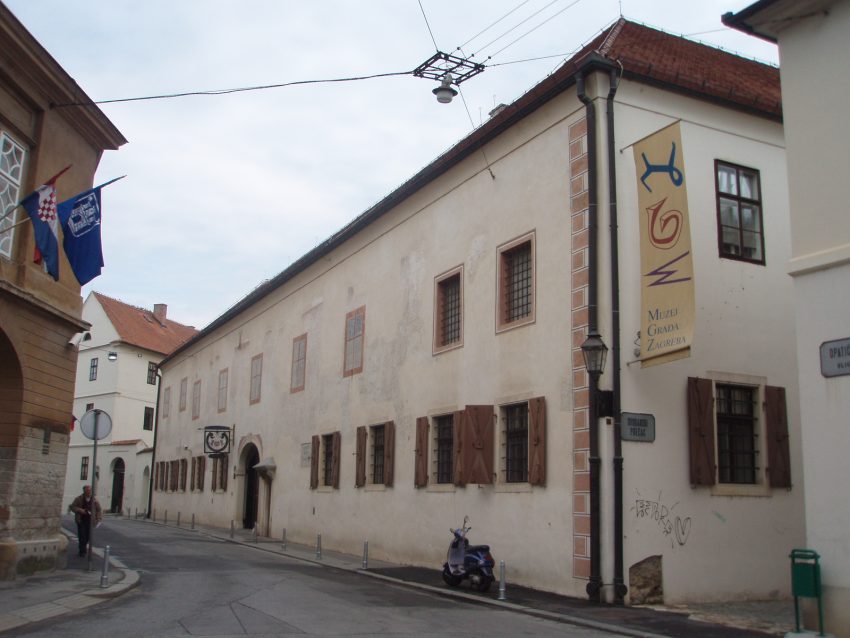
Zagreb City Museum (Muzej grada Zagreba) in Zagreb, Croatia, is a city-history museum that traces how the capital formed, from prehistoric and Roman finds through medieval life and into the 20th century. It’s set in a restored Upper Town complex that folds the story into the building itself, including the 12th-century Pop’s Tower, an observatory, and the 17th-century Zakmardi Granary linked to the former Poor Clares convent. Inside, the timeline is built from maps, panoramic city views, period furniture, flags, military uniforms, and coats of arms, alongside everyday objects that make civic life feel tangible. With multiple floors and dense displays, many visitors end up lingering well over an hour.
Location: Opatička ul. 20, 10000, Zagreb, Croatia | Hours: Tuesday – Saturday: 10:00–19:00. Sunday: 10:00–14:00. Closed on Monday. | Price: Check official website. | Website | Distance: 0.7km

13. Croatian Museum of Naive Art
Croatian Museum of Naive Art
CC BY-SA 4.0 / Szeder László
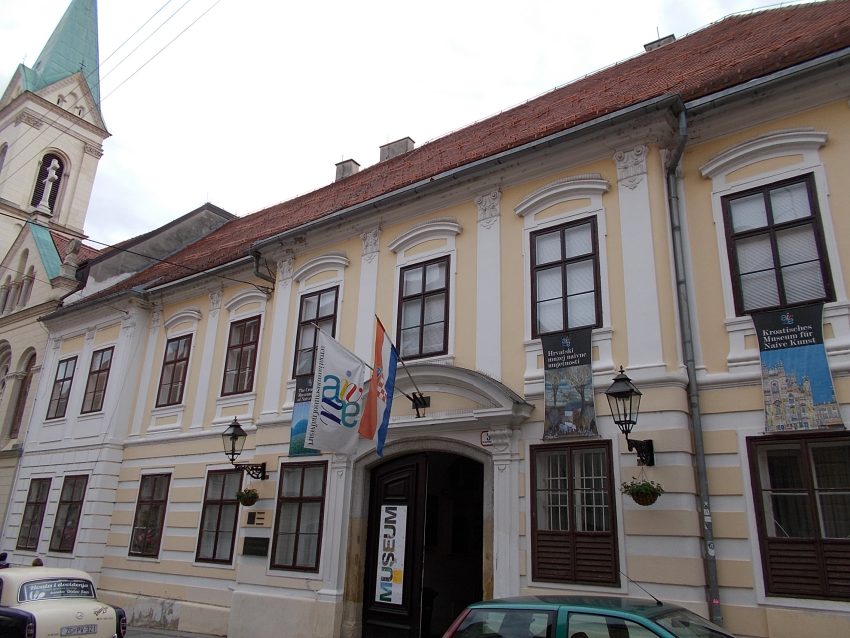
The Croatian Museum of Naive Art is a compact Zagreb museum devoted to 20th-century self-taught artists, housed on the first floor of the 18th-century Raffay Palace in Upper Town. In just 350 square meters, it introduces a distinctly Croatian strand of “naive” art—works that lean into skewed perspective, bold color, and storytelling scenes rather than academic realism. The collection totals over 1,900 pieces, though about 80 works from the 1930s to the 1980s are typically on view, with strong representation from the Hlebine School alongside select international names. Visitors often remember the reverse paintings on glass and the unusually detailed wall texts, plus occasional interactive elements like surveys or workshops.
Location: Ćirilometodska ul. 3, 10000, Zagreb, Croatia | Hours: Monday – Friday: 10:00–17:00. | Price: Adults: €5.50; Students: €3.00; Family ticket: €10.00; Groups (10–25): €4.00 per person. | Website | Distance: 0.7km

14. Lotršcak Tower
Lotršcak Tower
Lotršcak Tower
CC BY-SA 2.0 / Jorge Láscar
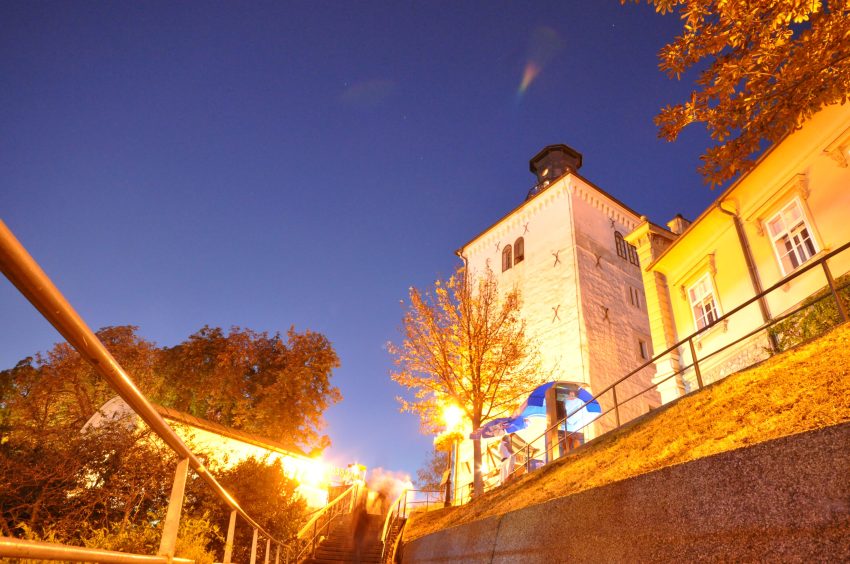
Lotršcak Tower is a centuries-old defensive tower on Zagreb’s southern ramparts above Strossmayer Promenade, built after King Béla IV ordered Gradec’s fortifications in the 13th century. The three-story Romanesque structure rises about 99 feet, with walls more than six feet thick, and it long served as the city’s lookout and alarm point—its bells once signaled fires, storms, gate-closing, and approaching Turks. Today visitors climb a narrow stairway to the belvedere for rooftop-and-spire views across central Zagreb toward the hills. At exactly noon a cannon fires, a tradition begun in 1877 and wrapped in local legend about a shot that supposedly struck a Turkish pasha’s lunch. The experience is simple, steep, and memorable—especially when the blast startles the crowd.
Location: Strossmayerovo šetalište 9, 10000, Zagreb, Croatia | Hours: Tuesday – Friday: 09:00–19:00. Saturday – Sunday: 11:00–19:00. Closed on Monday. | Price: Adults: €3; Children (7–18): €2. | Website | Distance: 0.7km

15. Ethnographic Museum
Ethnographic Museum
Ethnographic Museum
CC BY-SA 4.0 / DutchTreat
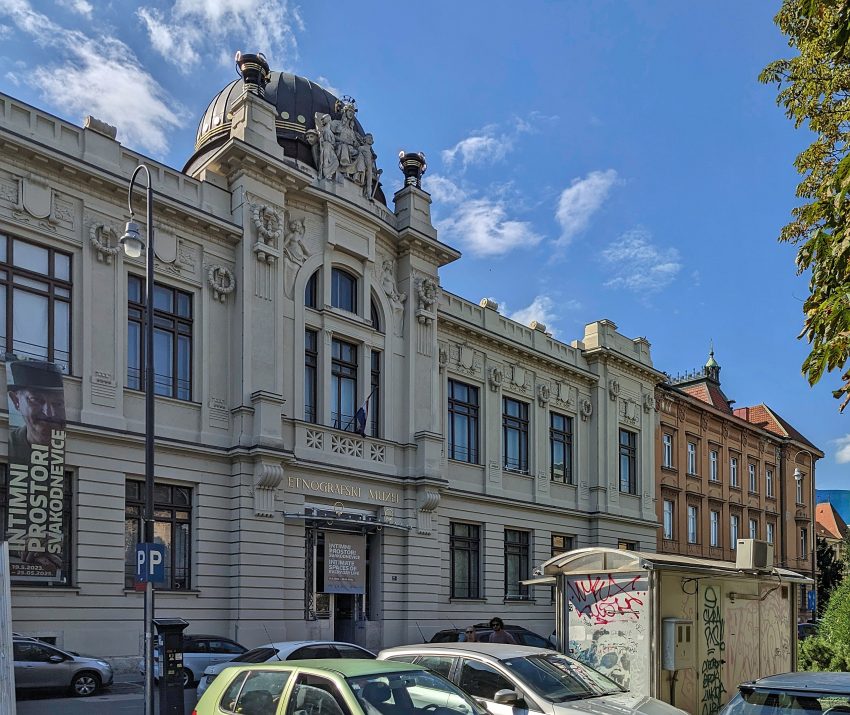
Zagreb’s Ethnographic Museum is a compact, detail-packed look at Croatian everyday culture, set in a 1903 Art Nouveau former Trades Hall on Ivan Mažuranić Square. Inside, about 80,000 objects trace life across Pannonian, Dinaric, and Adriatic regions, from gold-embroidered ceremonial costumes and regional textiles to tools, cookware, instruments, and furniture. Life-size room and farmhouse reconstructions make the material feel lived-in rather than vitrined. Don’t miss the building itself: Rudolf Valdec’s figures on the façade and Oton Iveković’s frescoes beneath the dome. Visitors often linger over the costume displays and the changing temporary exhibitions.
Location: Trg Antuna, Ivana i Vladimira Mažuranića 14, 10000, Zagreb, Croatia | Hours: Tuesday – Friday: 10:00–18:00. Saturday – Sunday: 10:00–13:00. Closed on Monday. Closed on public holidays. | Price: Adults: €4; Students & seniors: €3; Family ticket: €7; Under 5: free. | Website | Distance: 1.2km

16. Park Maksimir
Park Maksimir
Park Maksimir
CC BY-SA 4.0 / Miloš Vujčić
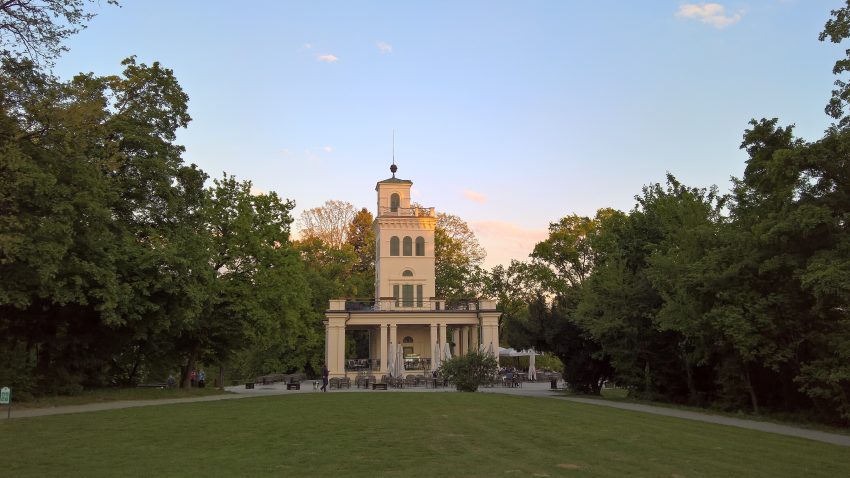
Park Maksimir is Zagreb’s oldest public park, begun in 1787 and opened to visitors in 1794 as an early large public park in South-Eastern Europe. Designed with an English-romantic feel, it pairs broad lawns and winding streams with five lakes and a surviving belt of original oak and hornbeam forest. The scale is memorable—over 1,005 acres—so a short lakeside loop can quickly turn into a deeper, quieter walk among taller trees. Wildlife is part of the experience too, with habitats that support species such as the Middle Spotted Woodpecker. In the park’s southern area, Zagreb Zoo adds a busier, family-friendly corner to the otherwise restorative greenery.
Location: Maksimirski perivoj 1, 10000, Zagreb, Croatia | Hours: 24 Hours. | Price: Free. | Website | Distance: 2.7km

17. Zagreb Zoo
Zagreb Zoo
Zagreb Zoo
CC BY-SA4.0 / Janjko
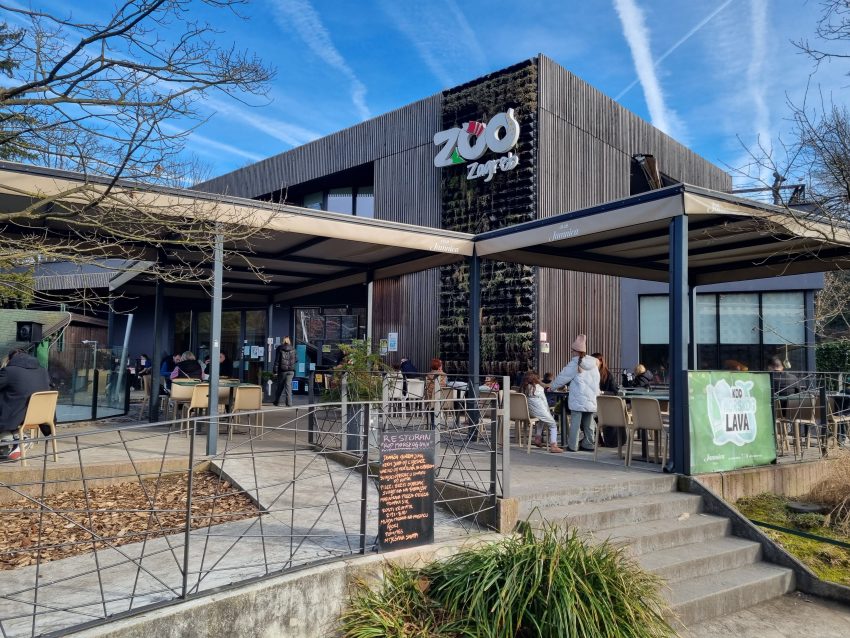
Zagreb Zoo is a 7-hectare city zoo set inside Maksimir Park, pairing animal exhibits with the feel of a long, leafy park walk. Founded in 1925 and extensively upgraded through renovations completed in 2016, it’s now part of European and world zoo associations and contributes to the European Endangered Species Programme. The collection is surprisingly broad for its compact size—about 2,225 animals across 275 species—with standouts like snow leopards, red pandas, and okapi. Visitors tend to remember the easy loop, English-language animal names on signs, and the relaxed rhythm of benches and a simple self-service eatery for breaks.
Location: Fakultetsko dobro 1, 10000, Zagreb, Croatia | Hours: Daily: 09:00–16:00. | Price: Adults: €7; Children (7–14): €5; Children (2–6): €3; Adults (Monday, excl. holidays): €5. | Website | Distance: 3.2km

Best Day Trips from Zagreb

A day trip from Zagreb offers the perfect opportunity to escape the urban rhythm and discover the surrounding region's charm. Whether you're drawn to scenic countryside, historic villages, or cultural landmarks, the area around Zagreb provides a variety of easy-to-reach destinations ideal for a one-day itinerary.

1. Maribor
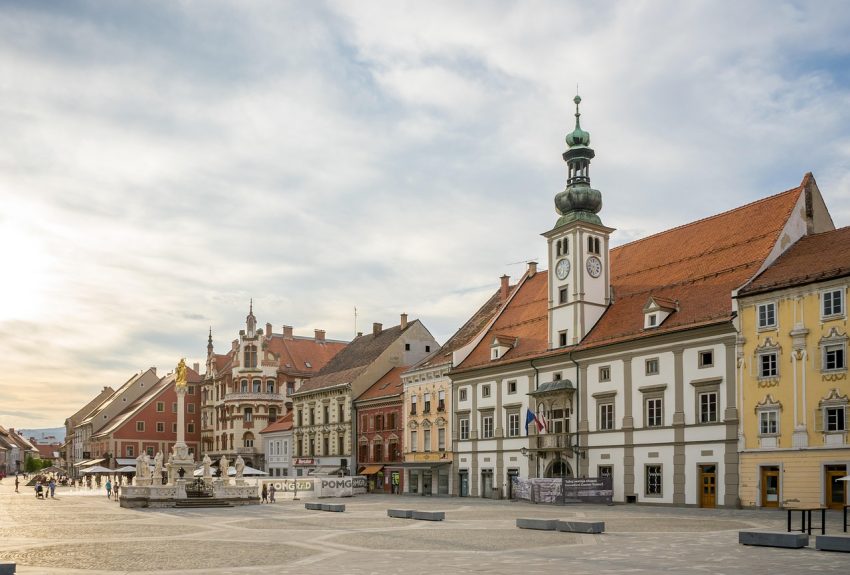
Complete guide to Maribor
Maribor, the second-largest city in Slovenia, sits in the northeast of the country within the lush wine-growing region of Styria. Nestled along the Drava River and surrounded by rolling hills, vineyards, and the nearby Pohorje Mountains, it offers visitors a perfect balance between urban charm and natural beauty. Its location makes it an appealing stop for those exploring Slovenia beyond…
Visiting Maribor
Powered by GetYourGuide

2. Ljubljana

complete guide to ljubljana
Ljubljana, the vibrant capital of Slovenia, is located in the central part of the country, surrounded by scenic hills and the Ljubljanica River. The compact city center makes it perfect for exploring on foot, with charming pedestrian streets, lively squares, and a mix of modern cafés and traditional eateries. Its central location also makes it a convenient base for day…
Visiting Ljubljana
Powered by GetYourGuide

3. Škofja Loka

Skofja Loka in Winter from hill
Skofja Loka in Winter
CC BY-SA 3.0 / Mihael Grmek
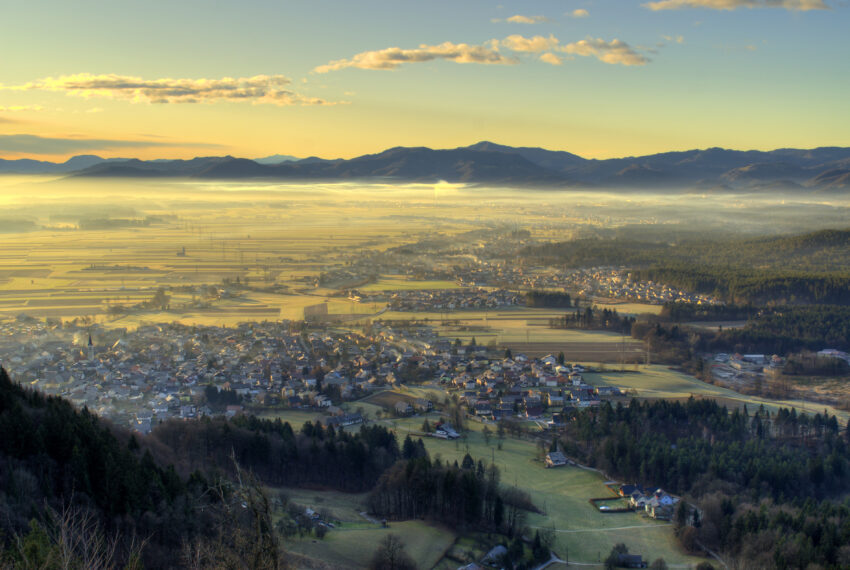
Škofja Loka is one of Slovenia’s most atmospheric small towns, with a compact old centre, river views, painted façades and a castle rising above the rooftops. It sits in the Upper Carniola area, close to Ljubljana, and works especially well for visitors who want a historic town that feels rich in detail without being overwhelming. The old streets are easy…
Visiting Škofja Loka

4. Graz

The Complete Guide to Graz
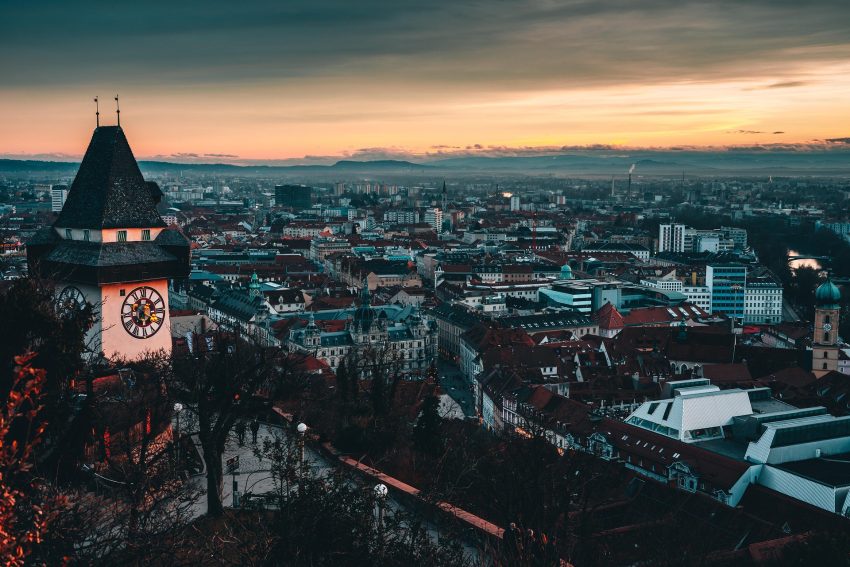
Graz is a lively, walkable city in southeastern Austria, set in the heart of Styria and surrounded by gentle hills, vineyards, and forested viewpoints. It’s a place where everyday local life—cafés, markets, student energy—mixes naturally with striking architecture and a strong food-and-wine culture. The city feels compact and easy to navigate, yet it offers enough variety to fill anything from…
Visiting Graz
Powered by GetYourGuide

5. Bled

The Complete Guide to Bled
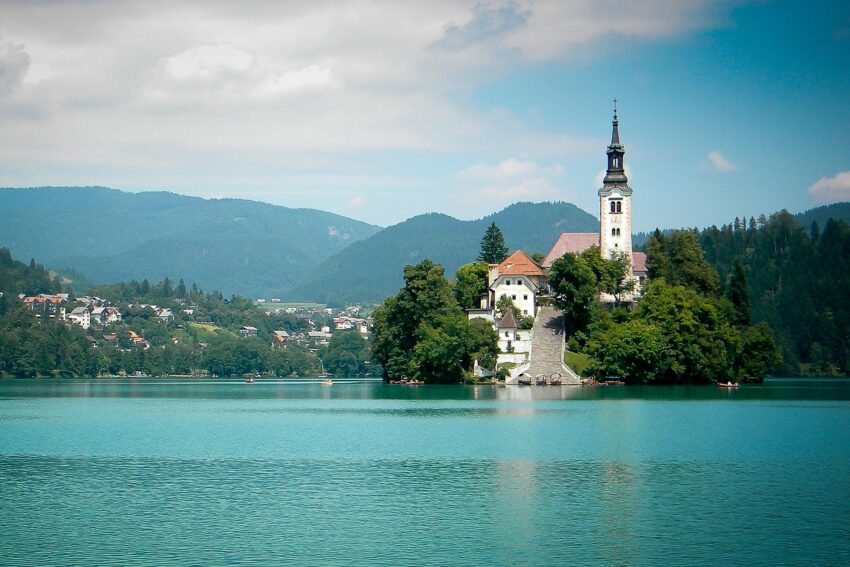
Bled is Slovenia’s postcard-perfect lakeside resort in the Upper Carniola region, on the edge of Triglav National Park and the Julian Alps. The town wraps around Lake Bled, where a turquoise shoreline path, rowing boats, and mountain backdrops make it easy to fill a day with simple, scenic pleasures.Most visits revolve around three icons: the lake loop for views and…
Visiting Bled

Where to Stay in Zagreb

For a first visit, staying in Zagreb’s Lower Town (Donji Grad) is the most convenient choice because you can walk to major sights, parks, museums, and the main café streets while also having quick tram connections to everywhere else. A classic, central option is Esplanade Zagreb Hotel, which suits travelers who want historic elegance, strong service, and an easy walk to the Green Horseshoe and the main station. For a stylish, modern stay right in the core, Hotel Dubrovnik works well because it places you steps from Ban Jelačić Square, making early starts and late evenings effortless.

If you prefer being close to the Upper Town vibe—quiet lanes, viewpoints, and quick access to museums—choose the area around the historic center and its edges, where evenings feel calmer once day-trippers leave. Hotel Jägerhorn is a great fit here because it combines a tucked-away, peaceful feel with immediate access to the main pedestrian routes. For a contemporary boutique option with a slightly more residential atmosphere but still within easy walking distance of the center, Canopy by Hilton Zagreb City Centre is a good pick thanks to reliable comfort, modern design, and straightforward transport links.

Using the our Hotel and Accomodation map, you can compare hotels and short-term rental accommodations in Zagreb. Simply insert your travel dates and group size, and you’ll see the best deals for your stay.

Zagreb Accommodation Map

Best Time to Visit Zagreb

Zagreb in Spring (March–May)

Spring is one of the most pleasant times to visit, with milder temperatures, longer days, and parks and promenades turning green. It’s ideal for walking between the Upper and Lower Town, lingering at outdoor cafés, and taking short hikes on Medvednica when trails are comfortable rather than hot.

Zagreb in Summer (June–August)

Summer brings warmer weather and a lively evening atmosphere, with terraces full and plenty of open-air happenings. It’s a good season for late-day sightseeing and enjoying the city’s nightlife, though midday heat can make museum visits and shaded park strolls more appealing.

Zagreb in Autumn (September–November) (Best)

Autumn combines comfortable temperatures with a calmer, local feel after peak summer travel. The city’s tree-lined streets and parks take on golden colors, and it’s a great time for food-focused exploring—markets, seasonal menus, and wine bars feel especially inviting.

Zagreb in Winter (December–February)

Winter is colder, but it’s also when Zagreb can feel most atmospheric, especially during the Advent season. The city is known for its Christmas markets and festive lights, with mulled wine stands, skating, and holiday events creating a cozy reason to visit despite the chill.

Annual Weather Overview

  • January 6°C
  • February 10°C
  • March 13°C
  • April 19°C
  • May 22°C
  • June 29°C
  • July 30°C
  • August 31°C
  • September 24°C
  • October 19°C
  • November 10°C
  • December 6°C

How to get to Zagreb

Getting to Zagreb by air

Nearest airport: Franjo Tuđman Airport (ZAG). From the airport, you can reach the city by shuttle bus, taxi, or rideshare.

Getting to Zagreb by train

Main station: Zagreb Glavni kolodvor (Central Station), well connected to domestic routes and international services.
Train operators and planning links: Croatian Railways (HŽPP) https://www.hzpp.hr/en, ÖBB (Austria) https://www.oebb.at/en, Deutsche Bahn (Germany) https://int.bahn.de/en, SŽ (Slovenian Railways) https://www.slo-zeleznice.si/en.

Getting to Zagreb by Car

Driving notes: Zagreb is connected by major motorways, making it straightforward to arrive from other Croatian cities and neighboring countries. Expect heavier traffic at rush hours, and use garages or designated paid parking zones rather than searching for street parking in the center. If you plan to explore beyond the core, a car can be convenient, but for central sightseeing it’s often easier to walk and use public transport.

Travelling around Zagreb

Public transport: Trams and buses cover the city efficiently, with frequent services through the central districts.
On foot: The center is compact and pedestrian-friendly, especially between the Lower Town and Upper Town.
Funicular and taxis: The funicular is a quick link between levels of the historic core, while taxis and rideshares are useful late at night or for hillier areas.
More from this area