Villach, Austria: The Ultimate Travel Guide 2026
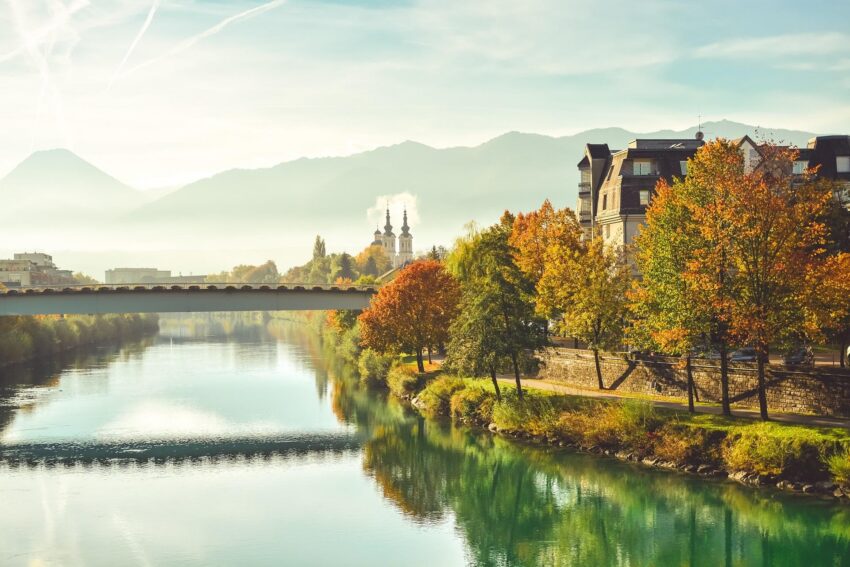
Villach is a relaxed, outdoorsy city in southern Austria, set in the state of Carinthia near the borders with Italy and Slovenia. It makes an excellent base for combining a walkable old town with quick access to lakes, mountains, and cross-border day trips. The River Drau runs through the center, and the surrounding landscape gives the city a bright, open feel that's especially appealing in warmer months.
Most visitors start in the compact center, where cafés, small shops, and pedestrian streets make it easy to settle into the local pace. From there, you can be at Lake Faak or Lake Ossiach in a short ride, or head up to viewpoints and hiking areas for classic Carinthian scenery. If you like wellness travel, Villach is also known for its thermal bathing options, which pair nicely with active days outdoors.
Villach's location is one of its biggest advantages: it sits on major rail and road routes that connect Vienna, Salzburg, and Graz with the south, and it's also a convenient gateway to the Julian Alps and northern Italy. Whether you're planning a weekend break, a multi-lake summer holiday, or a shoulder-season spa escape, Villach is easy to fit into a wider Austria itinerary while still feeling like a destination in its own right.
Table of Contents
- History of Villach
- Best things to do and See in Villach
- Stroll the Old Town and Hauptplatz
- Relax at KärntenTherme Warmbad-Villach
- Day trip to Lake Faak
- Visit Lake Ossiach
- Take the Villacher Alpenstraße to Dobratsch viewpoints
- Walk along the River Drau promenade
- Explore Landskron Castle
- Observe Macaques at Affenberg
- Climb the Parish Church of St. Jakob Tower
- Discover Regional Geography at the Relief von Kärnten
- 10 Best Day Trips from Villach
- Where to Stay in Villach
- Best Time to Visit Villach
- How to get to Villach
History of Villach
Ancient Beginnings and the Roman Influence on Villach
Long before it was a bustling city, the area around Villach was known to the Romans. In the first century BC, they established a station named Santicum near the thermal springs. The Romans were the first to truly harness the local geography, using the natural hot waters that still draw visitors today.
- Warmbad Villach: This area was already famous in antiquity. Roman inscriptions found here confirm that the thermal springs were used for healing and relaxation nearly 2,000 years ago. Today, the modern Kärnten Therme stands as a direct descendant of this ancient wellness tradition, proving that Villach’s identity as a spa destination is one of its oldest historical threads.
The Middle Ages: A Rise to Power in Villach
The name “Villach” first appeared in records in 878, specifically referring to a bridge (ad pontem Uillach). For over 700 years, from 1007 to 1759, the city was actually owned by the Bishops of Bamberg, a powerful ecclesiastical group from Germany. During this era, Villach flourished as a trade hub between Venice and Vienna.
- Parish Church of St. Jakob: The city’s most iconic landmark, this Gothic masterpiece was built starting in 1360 on the site of an earlier Romanesque church destroyed by an earthquake. Its 94-meter bell tower—the tallest in Carinthia—was a symbol of the city’s wealth and resilience.
- The City Walls: In 1233, fortifications were built to protect the growing trade wealth. While much of the wall was dismantled as the city modernized, you can still see a surviving section and a bastion tower near the northern end of the old town, serving as a silent reminder of the city’s medieval defenses.
Earthquakes, Fire, and Reformation in Villach
The 14th through 16th centuries were a rollercoaster for Villach. In 1348, a massive earthquake caused part of the nearby Dobratsch mountain to collapse, triggering fires that leveled much of the city. Yet, the people rebuilt. In the 1500s, Villach became a major center for the Protestant Reformation in the region.
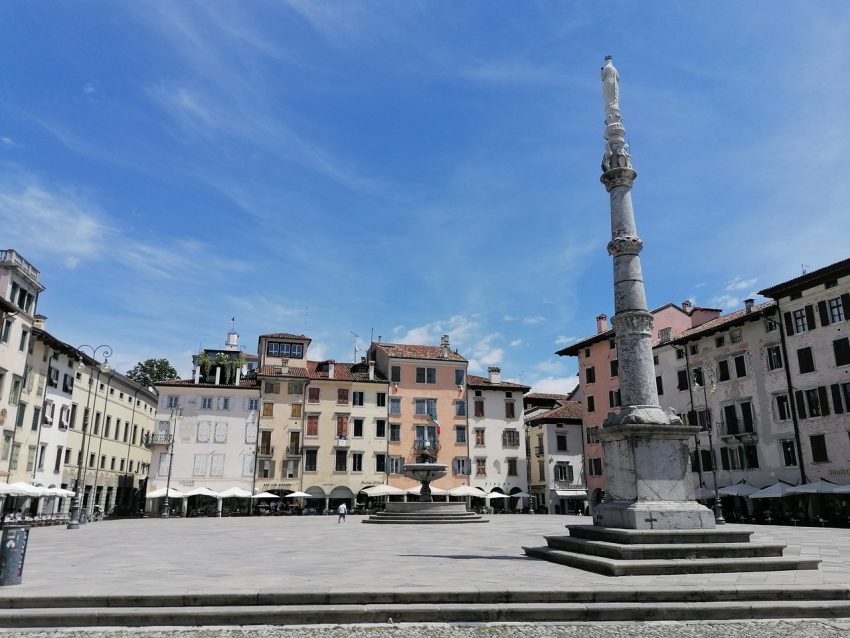
- Hauptplatz (Main Square): This elongated, pedestrian-friendly square has been the heart of Villach since the 12th century. The Trinity Column (1739) in the center was erected to thank God for protecting the city from the plague and other disasters, a common sight in European cities that survived the “Black Death.”
- Paracelsus House: Located on the Main Square, this was the home of the famous physician and alchemist Paracelsus during his youth. His scientific contributions reflect the intellectual boom Villach experienced during the Renaissance.
Napoleon, Railways, and War in Villach
In 1759, Empress Maria Theresa bought Villach back from the Bishops of Bamberg, integrating it fully into the Habsburg Empire. The city briefly fell under French rule during the Napoleonic Wars (1809–1813), becoming part of the “Illyrian Provinces.” However, the biggest shift came in 1864 with the arrival of the Southern Railway, which turned the city into a massive transportation hub.
- Hotel Post: This former palace of the noble Khevenhüller family hosted Emperor Charles V in 1552. Later, it served as a vital postal station and coaching inn during the Habsburg era, illustrating Villach’s constant role as a “stopping point” for the powerful and the traveling merchant alike.
- World War II Scars: Because of its importance as a railway junction, Villach was heavily bombed by Allied forces (hit 37 times). While much of the historic center was meticulously restored, you can still spot post-war buildings interspersed with medieval architecture—the visual DNA of a city that had to reinvent itself after 1945.
Modern Villach: High-Tech and Heritage
Today, Villach is no longer just a transit point or a medieval market. It has transformed into a high-tech center, often called the “Silicon Valley of the Alps” due to its massive microelectronics industry.
The city successfully balances this ultra-modern economy with its deep-seated traditions, such as the Villacher Kirchtag (Austria’s largest traditional custom festival), ensuring that while the city looks toward the future, its history remains very much alive in its streets and squares.

Moira & Andy
Hey! We're Moira & Andy. From hiking the Camino to trips around Europe in Bert our campervan — we've been traveling together since retirement in 2020!
Visiting Villach for the first time and wondering what are the top places to see in the city? In this complete guide, I share the best things to do in Villach on the first visit. To help you plan your trip, I have also included an interactive map and practical tips for visiting!
This website uses affiliate links which earn a small commission at no additional cost to you.
Best things to do and See in Villach
1. Stroll the Old Town and Hauptplatz
Spend time in Villach’s compact center, focusing on the pedestrian streets around the main square for cafés, local shops, and an easy introduction to the city’s atmosphere. The Hauptplatz is lined with pastel-colored historic buildings and hidden courtyards that house boutique galleries. Be sure to look for the Trinity Column and the Rathaus (Town Hall). Entry cost: free. Opening times: always open.
2. Relax at KärntenTherme Warmbad-Villach
Unwind at the modern thermal spa complex with pools and wellness facilities, ideal year-round and especially appealing in colder months. This world-class facility offers distinct areas for fun, fitness, and relaxation, including an outdoor thermal pool and a massive sauna world. It is built over ancient thermal springs that have been used since Roman times. Entry cost: paid (varies by ticket and duration). Opening times: daily; hours vary seasonally (check ahead for current times).
3. Day trip to Lake Faak (Faaker See)
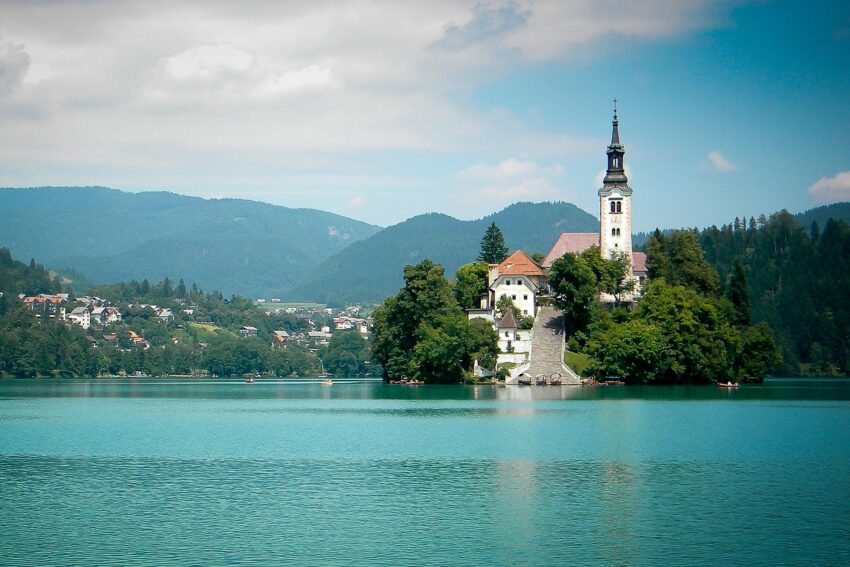
Head to one of Carinthia’s most striking lakes, known for its clear, turquoise water and scenic shoreline. The lake features a small island in the center and is framed by the rugged Karawanken mountain range. It’s great for swimming in summer and walking or cycling around the area in shoulder seasons. The sunset views here are particularly famous among photographers. Entry cost: free for public access areas (some lidos charge). Opening times: always open; lidos have seasonal hours.
4. Visit Lake Ossiach (Ossiacher See) for lakeside views
Enjoy a relaxed lakeside day with viewpoints, gentle walks, and easy access to nearby villages. As the third-largest lake in the region, it offers a variety of water sports, from windsurfing to stand-up paddling. You can also visit the historic Ossiach Abbey on its shores or take the Gerlitzen cable car nearby for a bird’s-eye view. Entry cost: free for public areas (some facilities charge). Opening times: always open; seasonal services vary.
5. Take the Villacher Alpenstraße to Dobratsch viewpoints
For big panoramas, drive up the Villacher Alpenstraße toward Dobratsch for lookouts and short hikes with sweeping views over Carinthia’s lakes and valleys. This 16.5-kilometer alpine road features several parking bays and themed platforms, including the Skywalk, which extends over a sheer drop. It is a fantastic spot for birdwatching and seeing Alpine flora. Entry cost: paid toll road (price varies by vehicle). Opening times: seasonal access; hours vary (check ahead).
6. Walk along the River Drau promenade
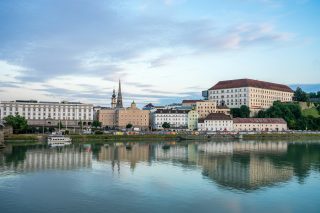
Follow the riverside paths for an easy, scenic stroll that works in any season, with plenty of spots to pause for photos and a coffee nearby. The river Drau is the lifeblood of the city, and the promenade is popular for both locals and visitors to jog, cycle, or simply watch the Drau boat tours glide past. During the winter, the paths are often beautifully lit. Entry cost: free. Opening times: always open.
7. Explore Landskron Castle (Burg Landskron)
Perched on a plateau northeast of the city, this medieval fortress offers a blend of history, wildlife, and gastronomy. Originally a 14th-century stronghold, the castle ruins now house a fine-dining restaurant with terraces overlooking the valley. Within the castle grounds, you can also visit the Adler Arena for impressive birds of prey flight demonstrations. Entry cost: castle grounds are free to enter (Eagle Arena and Monkey Mountain require separate paid tickets). Opening times: seasonal (typically April to October).
8. Observe Macaques at Affenberg (Monkey Mountain)
Located just below Landskron Castle, this unique wildlife enclosure is home to over 160 Japanese macaques living in a semi-wild environment. Unlike a traditional zoo, visitors enter the monkeys’ habitat on guided tours to learn about their social behavior and research. It is a popular spot for families and animal lovers looking for an interactive nature experience. Entry cost: paid (guided tour required). Opening times: seasonal; daily from approximately April to November.
9. Climb the Parish Church of St. Jakob Tower
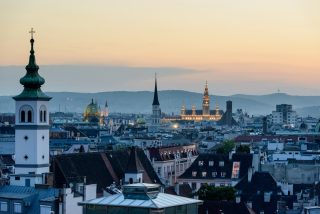
For the best perspective on the city’s historic layout, climb the 239 steps of the church’s bell tower. Standing at 94 meters, it is the highest church tower in Carinthia and has served as a watchtower and symbol of civic pride since the Middle Ages. From the top, you have a 360-degree view that stretches from the Karawanken mountains to the winding River Drau. Entry cost: small fee for tower ascent. Opening times: generally open during the summer months (check seasonal schedules).
10. Discover Regional Geography at the Relief von Kärnten
Visit Europe’s largest landscape relief model, which provides a fascinating 3D representation of the entire province of Carinthia. This detailed scale model, first created in 1913, helps you visualize the intricate network of mountains, valleys, and lakes that surround Villach. Modern light shows and sound installations now help bring the map to life, explaining the region’s geological and cultural development. Entry cost: paid. Opening times: seasonal (typically May to October).