Hallstatt, Austria: The Ultimate Travel Guide 2026
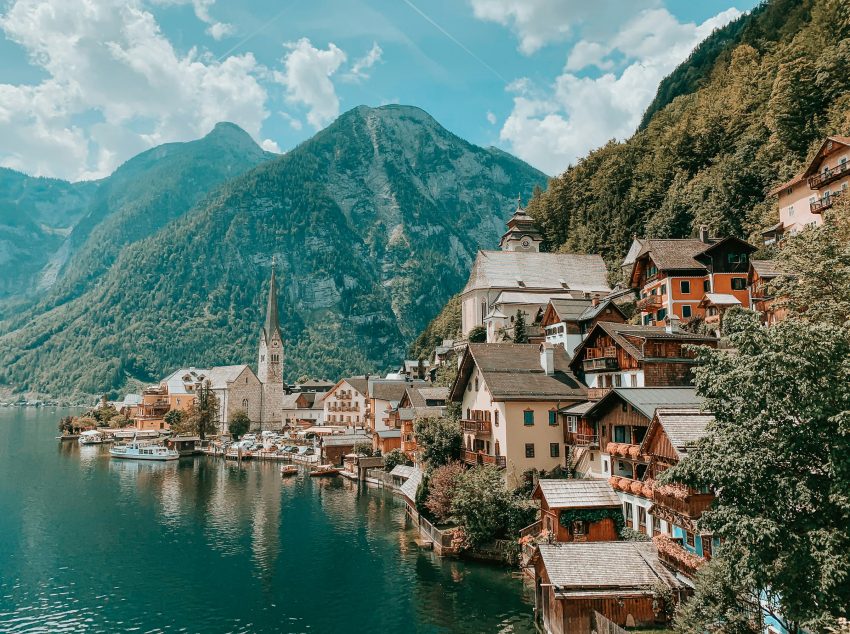
Hallstatt is one of the most memorable places to visit in the Salzkammergut region of Upper Austria, and much of its appeal comes from the way the village sits between the lake and the steep mountain slopes. It is compact enough to explore on foot, yet every corner seems to open onto another striking view, whether that is the waterfront, the pastel-painted houses, or the church towers rising above the lanes. The setting is what defines a visit here, and even without a packed sightseeing schedule Hallstatt feels special from the moment you arrive.
What makes Hallstatt rewarding for visitors is that it works on several levels at once. Some people come for the famous lake views and photographs, others for the mountain scenery and easy outdoor activities, and others simply to slow down for a night or two in a place that feels unlike anywhere else in Austria. The village centre is small, so it is easy to wander between the market square, the waterfront, the churches, and the museum without any rush, and that ease is part of the pleasure.
Hallstatt is at its best when you treat it as more than a quick stop. Staying overnight lets you enjoy the quieter early morning and evening hours after many day-trippers have left, and it also gives you time to combine the village itself with nearby walks, lake activities, and viewpoints in the surrounding Dachstein Salzkammergut area. Even when the weather changes, there is still enough here to make a visit feel full, from short scenic walks and museum time to a ferry crossing that is part of the experience rather than just transport.
History of Hallstatt
Early Hallstatt History
Hallstatt’s story reaches back far beyond the medieval village that visitors see today. The area became important because of salt, and this resource shaped life here for thousands of years. Archaeological discoveries from the region gave their name to the Hallstatt period of the Early Iron Age, which shows just how significant the settlement was in prehistoric Europe. The wealth created by salt extraction helped turn what might otherwise have been a remote alpine community into a place of lasting historical importance.
Long before modern tourism, Hallstatt was already known for specialised work, difficult terrain, and a way of life built around mining. That legacy still defines the identity of the village. Even today, many of the sights that visitors associate with Hallstatt, from the mountain above the village to the museum collections and the famous burial finds, connect directly back to the centuries-long importance of salt.
Medieval Hallstatt History
During the Middle Ages, Hallstatt developed into a more recognisable settlement, with churches, houses, and trade linked to the salt industry. The limited flat ground between the mountain and lake forced the village into a tight, layered form, which is still visible in its narrow lanes and stacked buildings. This unusual layout was not created for picturesque effect; it was the practical result of people making a home in a very restricted landscape.
Religious life also became central to the community in these centuries, and the parish church area above the village remains one of Hallstatt’s most atmospheric places. The cemetery and bone house reflect the pressures of living in such a confined space, where burial ground was limited and older remains were carefully preserved. That custom, unusual to many visitors today, forms one of the most distinctive parts of Hallstatt’s heritage.
Modern Hallstatt History
In the modern era, Hallstatt gradually shifted from an industrial settlement with a mining tradition to an international visitor destination. Its extraordinary setting, well-preserved village core, and archaeological importance brought growing recognition, and that recognition expanded further with its inclusion in the Hallstatt-Dachstein/Salzkammergut World Heritage landscape. Tourism is now a defining part of Hallstatt’s economy and identity, but the older layers of the village are still very much present beneath its postcard image.
What is striking today is how Hallstatt balances fame with authenticity. Visitors come for the iconic lakeside views, but they encounter a place whose character has been shaped by mining, faith, adaptation to the landscape, and centuries of local tradition. That is why the village feels deeper than its appearance in photographs suggests: the scenery may bring people here, but the history is what gives Hallstatt its real weight.

Moira & Andy
Hey! We're Moira & Andy. From hiking the Camino to trips around Europe in Bert our campervan — we've been traveling together since retirement in 2020!
Visiting Hallstatt for the first time and wondering what are the top places to see in the city? In this complete guide, I share the best things to do in Hallstatt on the first visit. To help you plan your trip, I have also included an interactive map and practical tips for visiting!
This website uses affiliate links which earn a small commission at no additional cost to you.
11 Best places to See in Hallstatt
This complete guide to Hallstatt not only tells you about the very best sights and tourist attractions for first-time visitors to the city but also provide insights into a few of our personal favorite things to do.
This is a practical guide to visiting the best places to see in Hallstatt and is filled with tips and info that should answer all your questions!
1. Hallstatt Market Square
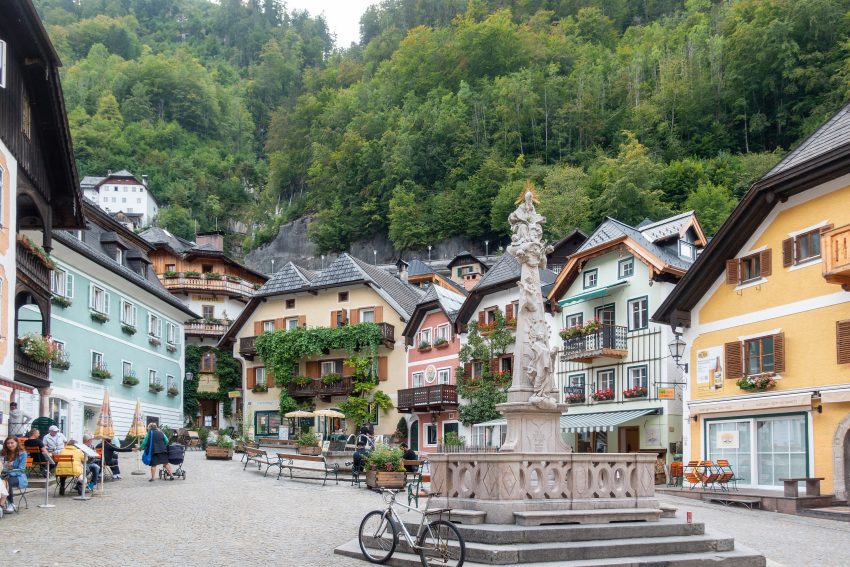
Location: Marktplatz, Hallstatt, Austria | Hours: 24 Hours | Price: Free. | Distance: 0km


2. World Heritage Museum Hallstatt
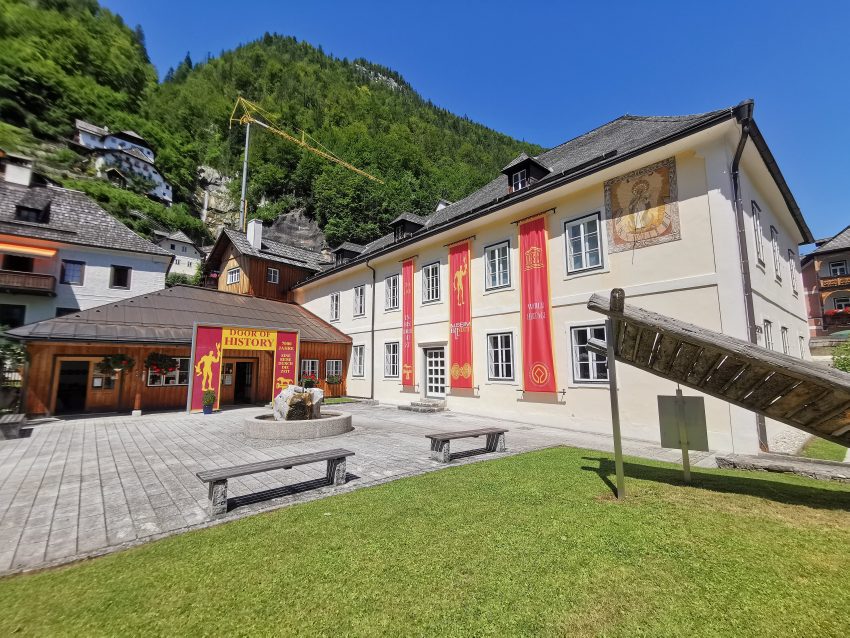
Location: Hallstatt World Heritage Museum, Seestraße, Hallstatt, Austria | Hours: (January – March) Daily: 11:00–16:00. (April) Daily: 10:00–16:00. (May – September) Daily: 10:00–18:00. (October) Daily: 10:00–16:00. (November – 23 December) Wednesday – Sunday: 11:00–16:00. (24 December – 8 January) Daily: 11:00–15:00. | Price: Adults €12.00; children up to 14 years €8.00. | Website | Distance: 0km
3. Christuskirche
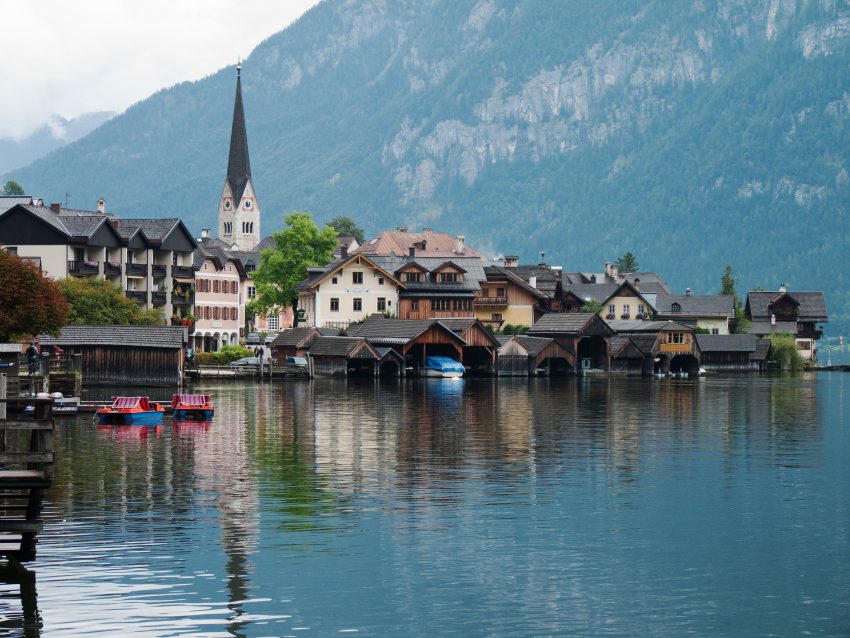
Location: Evangelische Pfarrkirche Hallstatt, Landungsplatz, Hallstatt, Austria | Hours: Daily: 10:00-18:00. | Price: Free. | Website | Distance: 0.1km
4. Archaeological Excavations in Hallstatt
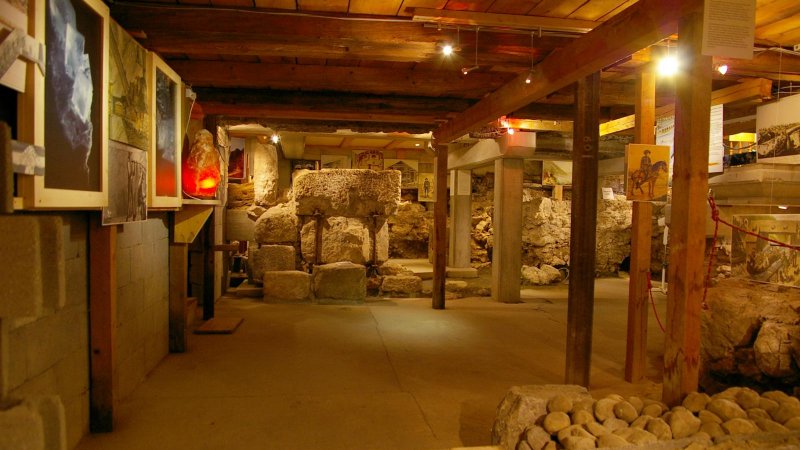
Location: Dachsteinsport Janu, Seestraße, Hallstatt, Austria | Hours: Daily: 09:00-17:00. In July & August: open later into the early evening (hours can vary). | Price: Free. | Website | Distance: 0.1km
5. Hallstatt Bone House
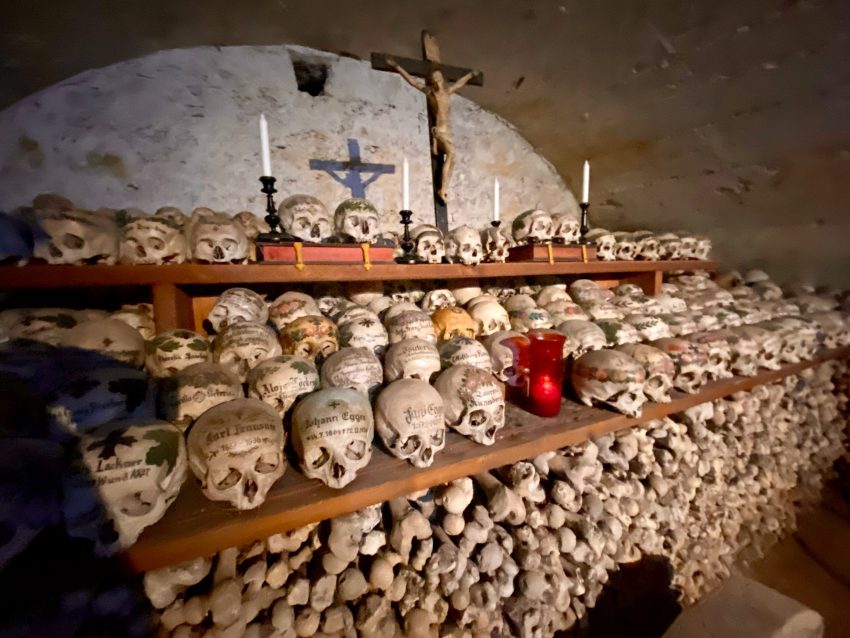
Location: Hallstatt Charnel House, Friedhof, Hallstatt, Austria | Hours: (Winter) Wednesday – Sunday: 11:30–15:30. Closed on Monday and Tuesday. (Summer) Daily: 10:00–18:00. (October) Daily: 10:00–17:00. | Price: (Winter) Wednesday – Sunday: 11:30–15:30. Closed on Monday and Tuesday. (Summer) Daily: 10:00–18:00. (October) Daily: 10:00–17:00. | Distance: 0.2km
6. Hallstatt Skywalk
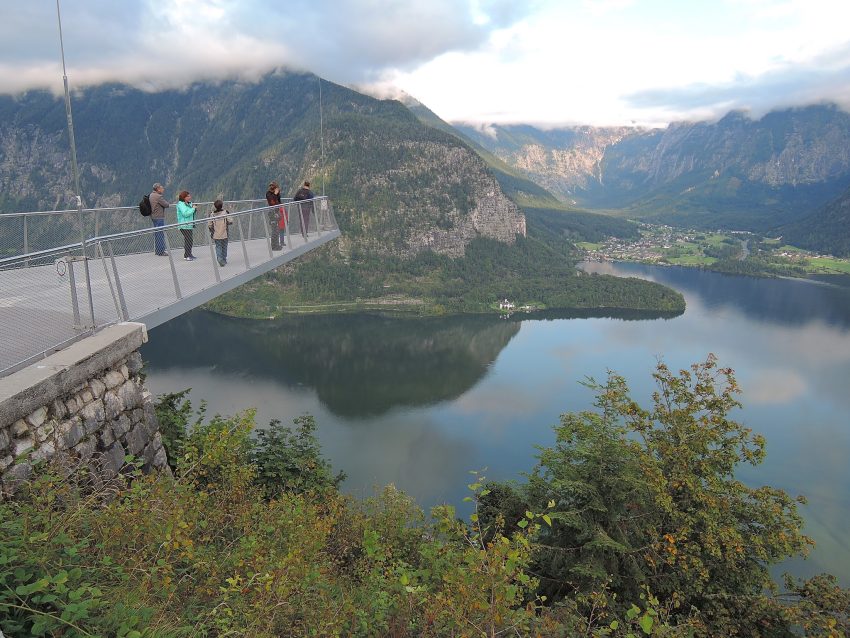
Location: Hallstatt Skywalk - Hallstättersee, Hallstatt, Austria | Hours: Temporarily closed until summer 2026. | Price: No regular Hallstatt Skywalk or funicular ticket is currently listed because Salzwelten Hallstatt, the funicular, skywalk, and high valley are closed until summer 2026. | Website | Distance: 0.4km
7. Rudolf Tower
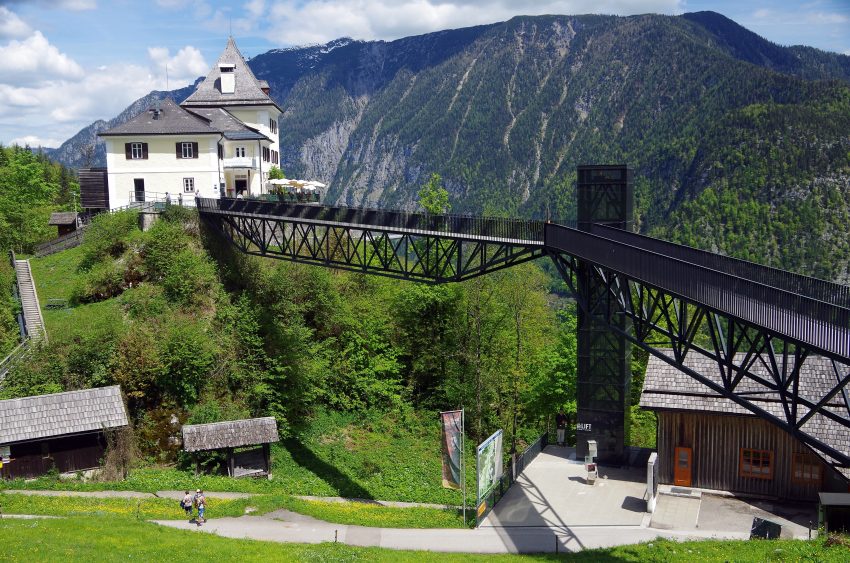
Location: Rudolfsturm, Salzberg, Hallstatt, Austria | Hours: N.B. Closed until June 2026. Opening hours: 10:00 - 16:00 Kitchen hours: 11:00 - 15:00 | Price: No separate tower admission; access is typically tied to the Salzberg cable car or Salzwelten Hallstatt tickets. | Website | Distance: 0.5km
8. Hallstatt Salt Mine Funicular
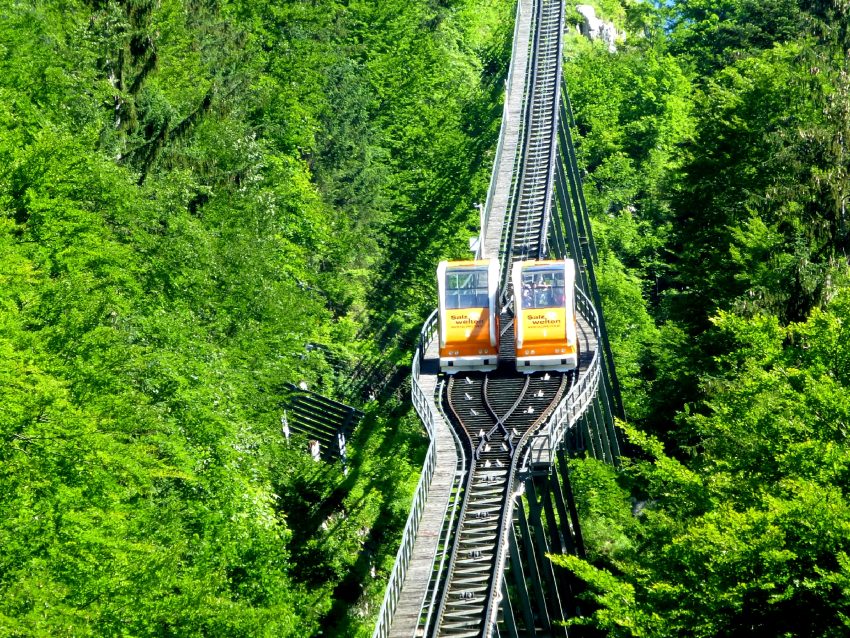
Location: Salzwelten Hallstatt: Tourstart, Salzbergstraße, Hallstatt, Austria | Hours: (Summer) From summer 2026 – 24 October 2026: Daily: 09:00–18:00. (Winter) 25 October 2026 – 6 January 2027: Daily: 09:00–16:30. Currently closed for renovation until summer 2026. | Price: (Summer) From summer 2026 – 24 October 2026: Daily: 09:00–18:00. (Winter) 25 October 2026 – 6 January 2027: Daily: 09:00–16:30. Currently closed for renovation until summer 2026. | Website | Distance: 0.6km
9. Salt Mine Visitor Center
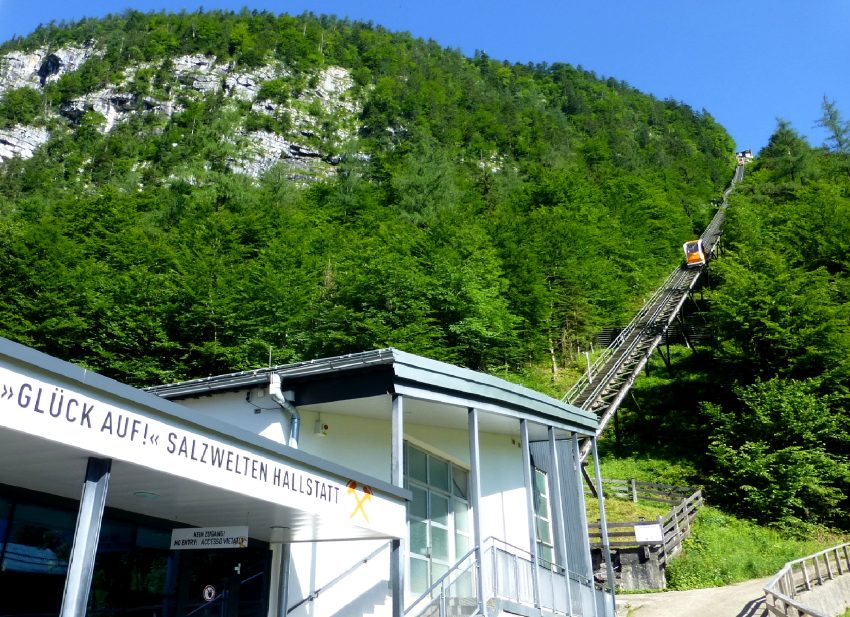
Location: Salzwelten Hallstatt: Tourstart, Salzbergstraße, Hallstatt, Austria | Hours: Until Summer 2026: Closed for renovation work. From Summer 2026 – 24 October 2026: Daily: 09:30–16:30. 25 October 2026 – 06 January 2027: Daily: 09:30–15:00. | Price: Adults €29 (funicular up & down) or €49 (combined ticket incl. salt mine + funicular); children (4–15) €14 / €23. | Website | Distance: 0.7km
10. Hallstatt Salt Mine
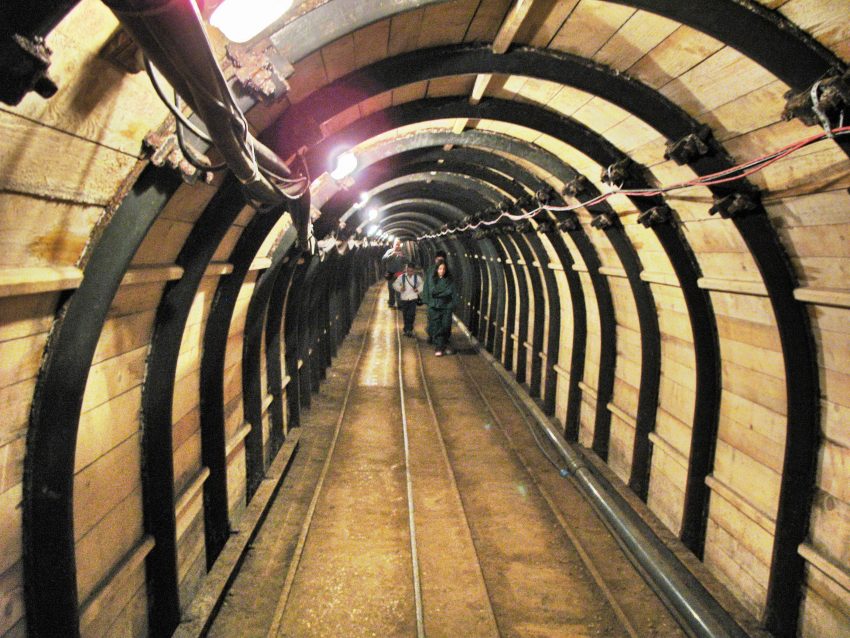
Location: Salzberg 15, 4830 Hallstatt, Austria | Hours: Daily: 09:00 - 16:00 | Price: Salt Mine with round-trip funicular: Adults €49; Children (4–15) €23. | Website | Distance: 1.1km
11. Waldbachstrub Waterfall
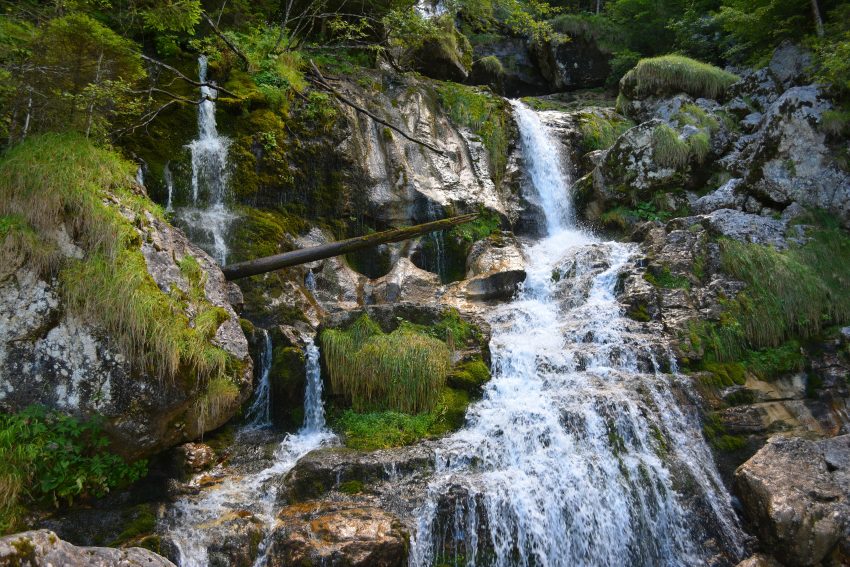
Location: Waldbachstrub, Hallstatt, Austria | Hours: 24 Hours. Trail access may be restricted in heavy snow or icy conditions. | Price: Free. | Distance: 2.9km
Best Day Trips from Hallstatt
A day trip from Hallstatt offers the perfect opportunity to escape the urban rhythm and discover the surrounding region's charm. Whether you're drawn to scenic countryside, historic villages, or cultural landmarks, the area around Hallstatt provides a variety of easy-to-reach destinations ideal for a one-day itinerary. If you are looking to rent a car in Austria I recommend having a look at Discover Cars, first, as they compare prices and review multiple car rental agencies for you.
1. Berchtesgaden
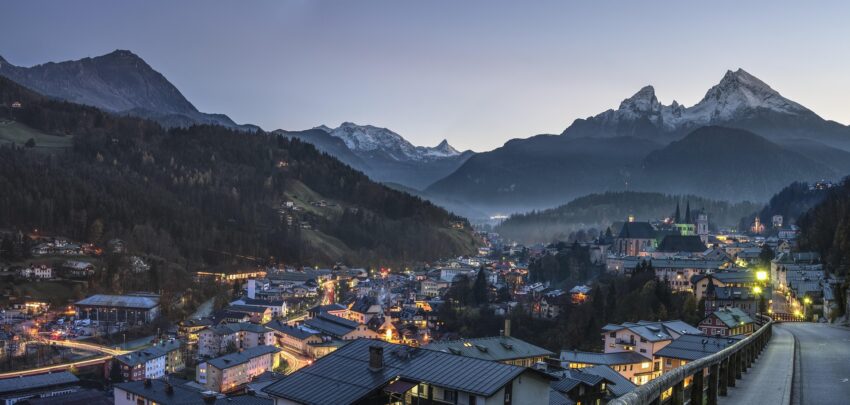
Visiting Berchtesgaden
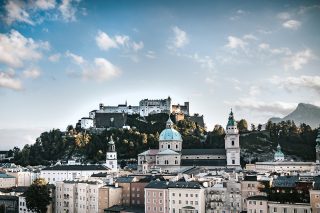
2. Salzburg
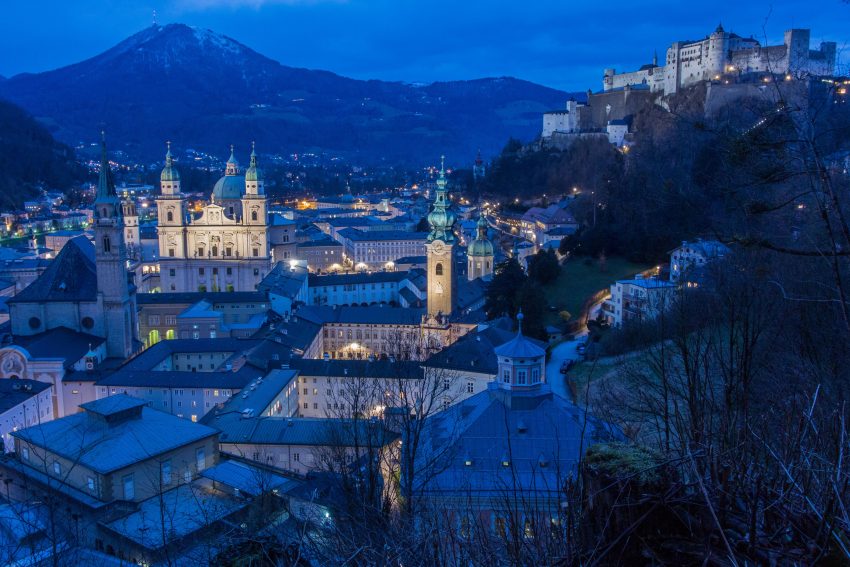
Visiting Salzburg
3. Zell am See
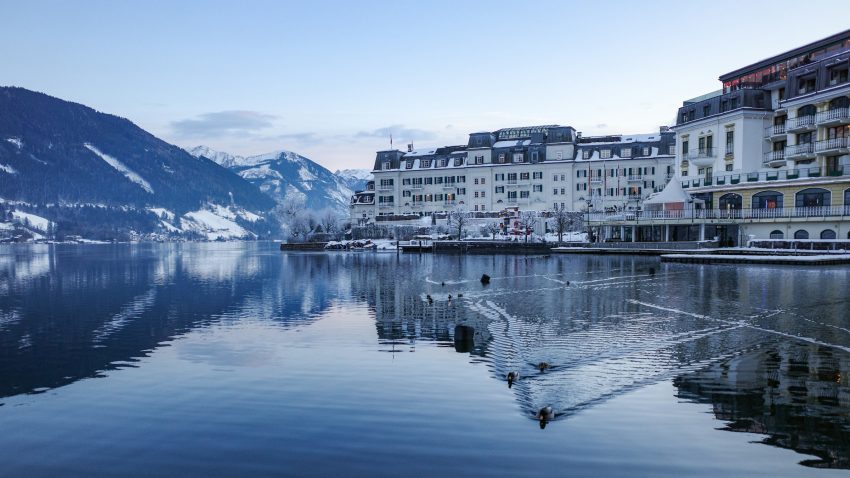
Visiting Zell am See
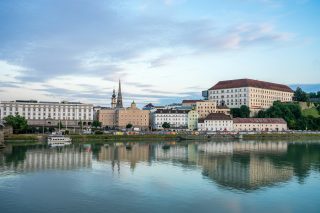
4. Linz
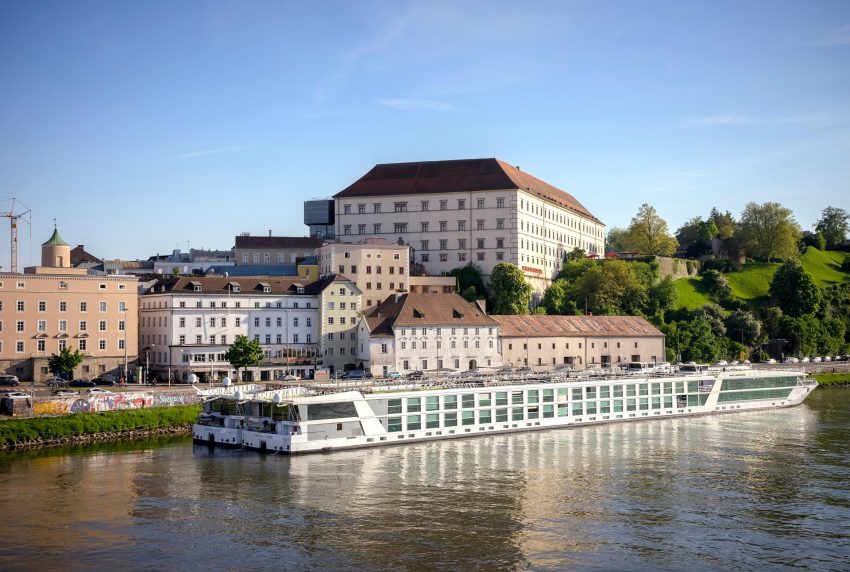
Visiting Linz
5. Villach
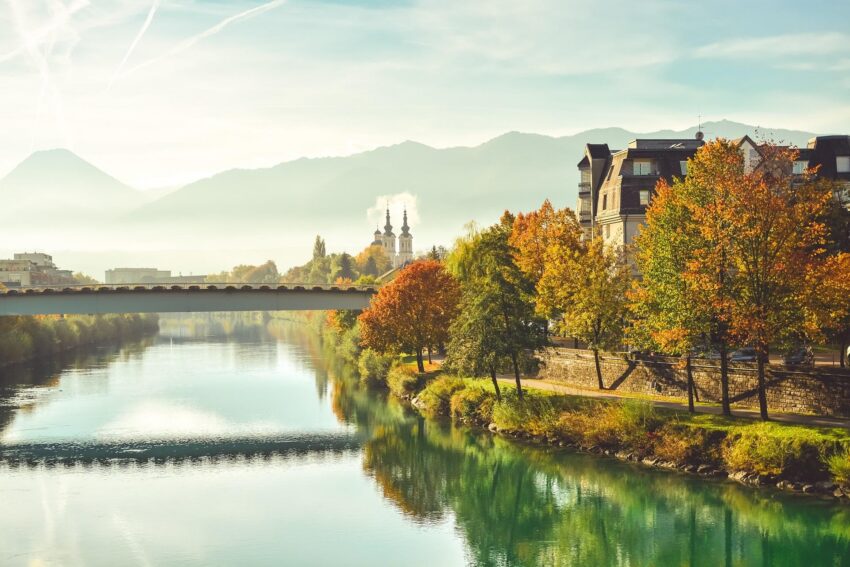
Visiting Villach
6. Bled
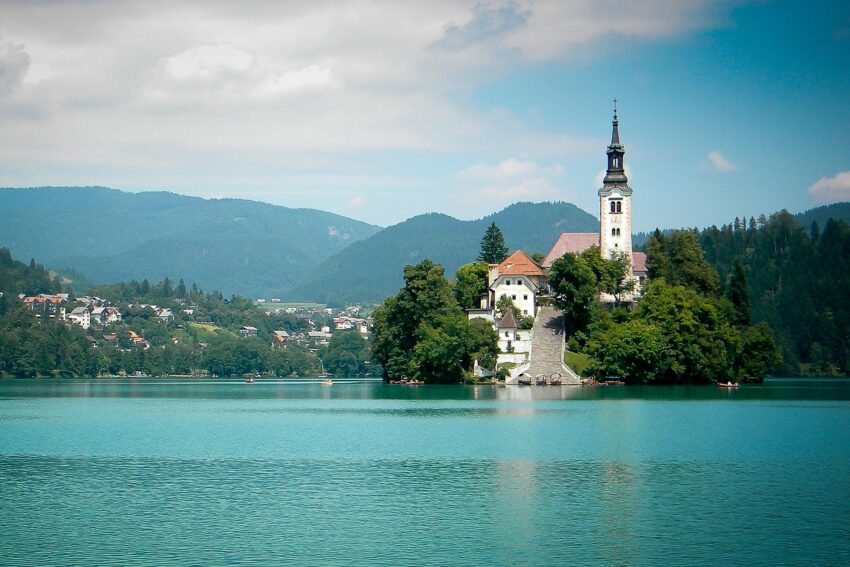
Visiting Bled
7. Graz
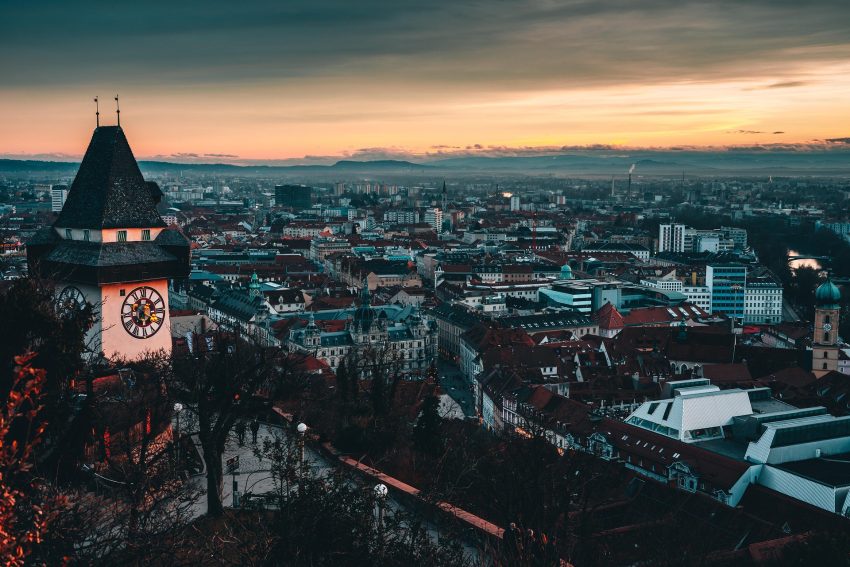
Visiting Graz
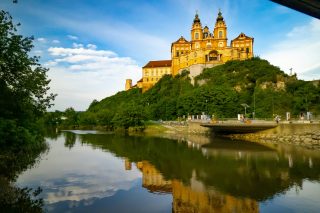
8. Melk
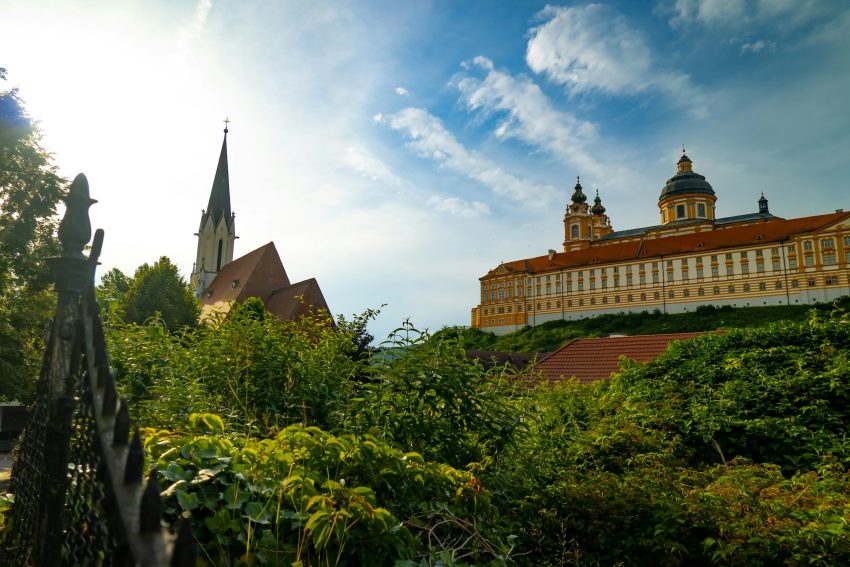
Visiting Melk
9. Český Krumlov
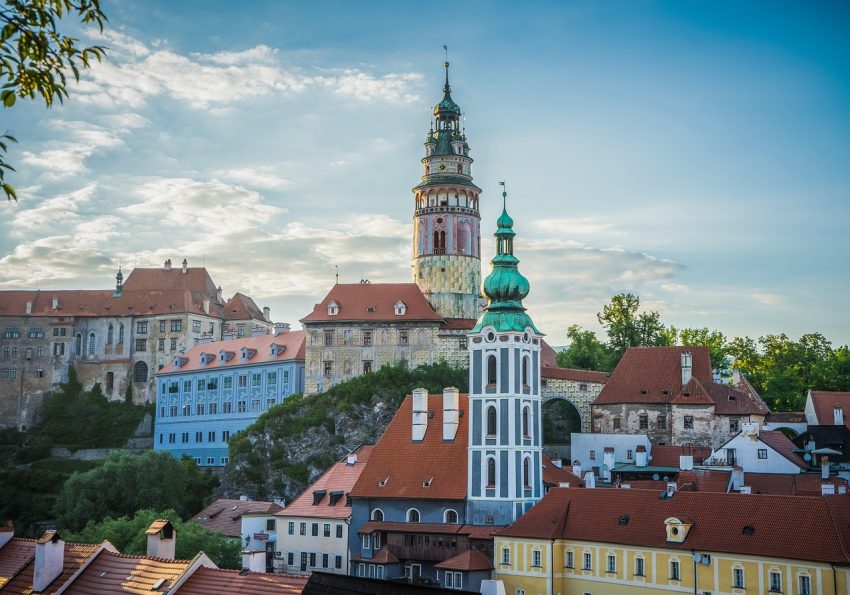
Visiting Český Krumlov
Where to Stay in Hallstatt
For most visitors, the best area to stay in Hallstatt is the historic centre if your priority is atmosphere, views, and being able to walk everywhere early in the morning and after the day-trippers leave. This part of the village puts you close to the market square, the waterfront, the ferry arrival point, and the main historic sights, so it gives the most immersive experience. Heritage.Hotel Hallstatt is the strongest choice if you want something more polished and full-service in the centre, with a setting that suits travellers who want the classic Hallstatt experience. Seewirt Zauner is another very good option right on the market square, and it suits travellers who want a traditional stay in the heart of the village rather than a more anonymous hotel feel. Bräugasthof Lobisser is a good fit if you want character and a long-established house with a particularly atmospheric setting near the water.
If you would rather stay slightly outside the busiest core while still remaining within easy reach, the Lahn side of Hallstatt is often the more practical choice. It can work better for travellers arriving by car, those who prefer a quieter night, or anyone who does not mind a short walk into the centre. Fenix Hall Boutique Hotel Hallstatt is a strong option in this area because it gives easier access and a calmer base while still being close to the lake and village. Polreich Bed&Breakfast is another good choice if you want something smaller and more intimate, especially if lakeside atmosphere matters more to you than full hotel facilities.
Using the our Hotel and Accomodation map, you can compare hotels and short-term rental accommodations in Hallstatt. Simply insert your travel dates and group size, and you’ll see the best deals for your stay.
Hallstatt Accommodation Map
Best Time to Visit Hallstatt
Hallstatt in Spring
Spring is a very good time to visit Hallstatt if you want fewer crowds and cooler walking weather. The mountains are still holding onto traces of winter early in the season, while the village itself begins to feel livelier as longer days return. It is a particularly pleasant time for strolling the waterfront, visiting the museum, and taking easy walks in places such as the Echerntal without the peak-season pressure of summer.
Late spring can be especially appealing because the scenery looks fresh and green, yet the village is usually more manageable than in high summer. This is also a sensible season for visitors who care more about atmosphere and landscape than swimming or boating. You should still expect changeable alpine weather, so layers and waterproofs are worth bringing.
Hallstatt in Summer (Best)
Summer is the most popular season in Hallstatt and the easiest time for combining village sightseeing with lake activities, boat hire, and longer outdoor excursions. The days are long, the water is inviting, and the surrounding Salzkammergut has the fullest range of seasonal activity. If your priority is having the broadest choice of things to do, this is the strongest season overall.
This is also when the village is busiest, so the best strategy is to stay overnight and explore early or late in the day. Summer events around Lake Hallstatt add extra life to the area, including seasonal concerts and the Hallstatt half marathon in the wider lake setting. For many travellers, summer gives Hallstatt its most complete experience, but it also demands more planning and patience.
Hallstatt in Autumn
Autumn is an excellent season for travellers who want Hallstatt at a calmer pace but still with good conditions for walking and sightseeing. The slopes around the lake begin to change colour, the light is often beautiful for photography, and the village can feel more reflective after the main summer rush. It is a particularly strong choice for people who value scenery and atmosphere over swimming weather.
Early autumn often still allows for boat trips and lakeside walks, while the cooler air makes hiking more comfortable than in the height of summer. As the season advances, opening times become shorter at some attractions, so it helps to check details in advance. Even so, Hallstatt in autumn often feels more balanced and less hectic than midsummer.
Hallstatt in Winter
Winter gives Hallstatt a quieter, more atmospheric character, and when snow arrives the village can look almost unreal. This is the season for travellers who want mood, scenery, and a slower stay rather than a packed sightseeing schedule. The lake, church towers, and mountain backdrop all take on a more dramatic feel, and nearby winter sports options in the wider region can add variety to a stay.
The trade-off is that days are shorter and some attractions operate reduced hours or seasonal schedules. Winter is therefore best for travellers who are happy to enjoy Hallstatt for its setting, cafés, short walks, and nearby regional excursions rather than expecting everything to be fully open. For the right visitor, though, it can be the most atmospheric time of all.
Annual Weather Overview
- January 0°C 35°F
- February 2°C 39°F
- March 4°C 43°F
- April 10°C 53°F
- May 14°C 61°F
- June 20°C 71°F
- July 20°C 71°F
- August 20°C 71°F
- September 18°C 67°F
- October 13°C 59°F
- November 7°C 48°F
- December 2°C 40°F
How to get to Hallstatt
Getting to Hallstatt by air
Nearest airports: The most practical airports for Hallstatt are usually Salzburg and Linz, with Vienna also possible if you do not mind a longer onward journey. From the airport, most visitors continue by rail and local connections rather than renting a car purely for the final stretch. Hallstatt is not a place you visit for airport convenience; it is a place you reach because the destination itself is worth the effort.
By public transport from the airport: Once you are on the Austrian rail network, ÖBB is the key operator for planning the journey into the Salzkammergut. Train timetables and tickets are handled through ÖBB, and the final arrival for rail passengers involves the well-known boat link across the lake from Hallstatt station to the village.
Getting to Hallstatt by train
Main operator: ÖBB is the main train operator to use for planning a rail journey to Hallstatt. The rail approach is part of the appeal, because Hallstatt station sits on the opposite side of the lake, and the final crossing by ferry makes the arrival feel distinctive rather than routine.
How the final connection works: After arriving at Hallstatt station, you take the ferry to Hallstatt Markt in the village. The crossing is short, and the ferry company publishes dedicated 2026 timetables linked to train arrivals, with departures able to shift if trains are delayed. That makes the train-and-boat combination one of the most memorable and practical ways to arrive.
Getting to Hallstatt by Car
Driving to Hallstatt is straightforward in principle, but the final approach is much less relaxed than in many alpine towns because the historic centre is car-free and parking is outside the core. That means you should think of driving as a way to reach Hallstatt, not a way to move around once you are there. If you have luggage, an overnight stay, or plans to explore the wider Salzkammergut, a car can still be useful.
The main advantage of coming by car is flexibility, especially if you want to combine Hallstatt with Gosau, Bad Goisern, Obertraun, or other lakes and valleys nearby. The downside is that day-trip traffic and parking logistics can take some of the ease out of the visit, so it is worth arriving early and staying at least one night if your schedule allows. If you are looking to rent a car in Austria I recommend having a look at Discover Cars, first, as they compare prices and review multiple car rental agencies for you.
Travelling around Hallstatt
Hallstatt itself is best explored on foot. The centre is compact, the lanes are narrow, and most of the memorable experiences come from walking between the market square, lakefront, churches, museum, and path entrances rather than using any kind of internal transport. This is one of the easiest places in Austria to experience without a car once you have arrived.
For nearby outings, ferries, local roads, regional buses, and short drives open up the wider Dachstein Salzkammergut area. Boat connections, seasonal boat hire, and regional transport make it possible to expand your visit beyond the village without too much effort, especially in the warmer months.