Eisenstadt, Austria: The Ultimate Travel Guide 2026
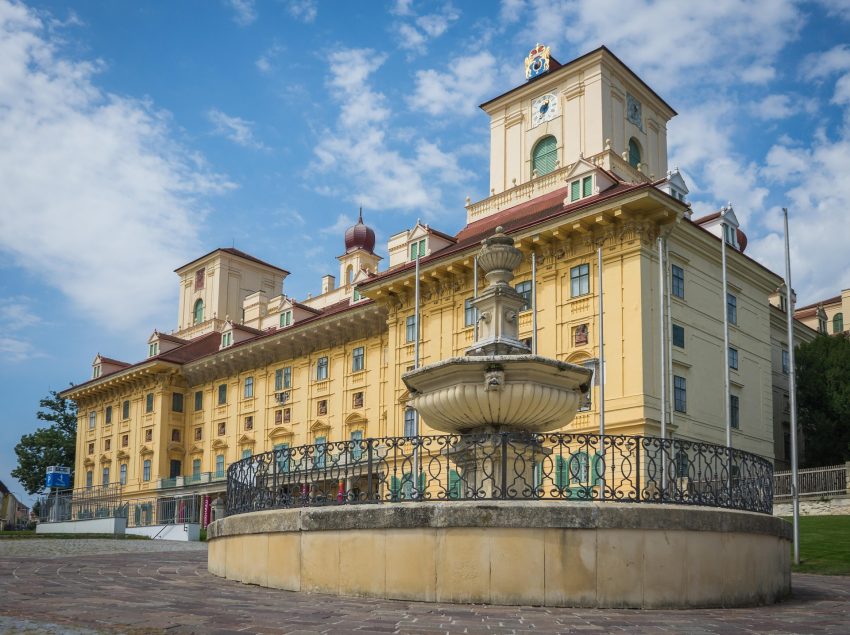
Eisenstadt makes an easy, rewarding base for a cultured short break in Austria's Burgenland, surrounded by gentle vineyards, small wine villages, and wide-open plains that feel distinctly different from the Alpine west. The city is compact and walkable, so you can move from grand architecture to cafés and cellar doors in minutes, with plenty of chances to slow down and enjoy local food and wine between sights.
A visit here is defined by elegant palace spaces, music, and a relaxed pace. You can spend a morning in formal gardens and museums, then switch to an afternoon of tasting regional whites and reds in nearby villages, or cycling quiet lanes that run through fields and vines. Because distances are short, it’s simple to combine “city” time with countryside time without feeling rushed.
Eisenstadt also works well as a day trip, but staying overnight lets you enjoy the city after day visitors leave-especially if you time your trip around concerts and seasonal events. Whether you're coming for classical music, wine culture, or a calm alternative to bigger cities, Eisenstadt delivers a polished, low-stress experience in the heart of Burgenland.
Table of Contents
- History of Eisenstadt
- Best things to do and See in Eisenstadt
- Eisenstadt and Schloss Esterházy
- Eisenstadt and the Haydnsaal
- Eisenstadt and Bergkirche
- Eisenstadt and the Austrian Jewish Museum
- Eisenstadt and Schlosspark Esterházy
- Eisenstadt and the Old Town
- Eisenstadt and Weingut Visits in the Leithaberg Wine Area
- Eisenstadt and St. Margarethen Quarry
- Eisenstadt and Familypark
- Eisenstadt and Neusiedler See
- 7 Best Day Trips from Eisenstadt
- Where to Stay in Eisenstadt
- Best Time to Visit Eisenstadt
- How to get to Eisenstadt
History of Eisenstadt
Eisenstadt in Early Settlement and the Middle Ages
The area around Eisenstadt was inhabited from early times, and by the medieval period a fortified settlement had formed with strategic importance for trade and defense. Over centuries, the town’s identity developed around a castle complex, market activity, and the steady influence of regional noble families.
During the later Middle Ages, Eisenstadt’s role as a local center strengthened, with civic institutions and religious life shaping the townscape. Fortifications and administrative functions helped it endure repeated political shifts that affected the wider region.
Eisenstadt under Habsburg-Era Nobility and the Esterházy Rise
A decisive turning point came when the Esterházy family gained prominence and made Eisenstadt a key seat of their power. The transformation of the castle into a Baroque palace complex elevated the town’s cultural standing and drew artisans, administrators, and musicians.
Court life and patronage left a lasting imprint: architecture, gardens, and ceremonial spaces were expanded, and Eisenstadt became associated with music and the arts. This era set the tone for the city’s refined character and many of its landmark buildings.
Eisenstadt and the Haydn Era
Eisenstadt became internationally linked with classical music through Joseph Haydn’s long service to the Esterházy court. Performances, sacred music, and court celebrations helped establish a musical tradition that continues to influence the city’s cultural calendar.
The presence of a major composer also encouraged the growth of musical infrastructure and audiences, embedding music into civic identity beyond the palace walls.
Eisenstadt from the 19th Century to the Early 20th Century
As Europe modernized, Eisenstadt experienced administrative and social change, with evolving municipal structures and a gradual shift from purely court-centered life to broader civic development. New public institutions and urban improvements reflected changing economic realities.
The early 20th century brought major political upheavals that reshaped borders and governance, affecting daily life and the city’s role within the region.
Eisenstadt in the Post-War Period and Contemporary Era
After the Second World War, Eisenstadt developed further as an administrative and cultural hub. Restoration, museum development, and concert programming strengthened its appeal, while modern services and infrastructure improved access and livability.
Today, Eisenstadt balances heritage preservation with contemporary cultural life, using its palace, museums, and music traditions as anchors for tourism and regional identity.

Moira & Andy
Hey! We're Moira & Andy. From hiking the Camino to trips around Europe in Bert our campervan — we've been traveling together since retirement in 2020!
Visiting Eisenstadt for the first time and wondering what are the top places to see in the city? In this complete guide, I share the best things to do in Eisenstadt on the first visit. To help you plan your trip, I have also included an interactive map and practical tips for visiting!
This website uses affiliate links which earn a small commission at no additional cost to you.

Best things to do and See in Eisenstadt
1. Eisenstadt and Schloss Esterházy (Esterházy Palace)
Schloss Esterházy is the essential starting point in Eisenstadt, combining grand state rooms with exhibitions that frame the city’s cultural identity. The palace interiors are elegant rather than overwhelming, so it’s an enjoyable visit even if you only have a half day.
Plan time for the main rooms and any temporary displays, then linger in the surrounding grounds to appreciate how the palace shapes the city’s layout. Concerts are often part of the palace’s appeal, so check schedules if you want an evening experience.
Typical entry cost: around €15–€25 depending on ticket type and exhibitions.
Typical opening times: daily, often 10:00–17:00 (seasonal variations apply).
2. Eisenstadt and the Haydnsaal (Haydn Hall) Concert Experience
The Haydnsaal is one of the most atmospheric classical venues associated with Eisenstadt’s musical reputation. Even if you don’t attend a full concert, guided access (when available) gives you a sense of the acoustics and ceremonial grandeur that define the space.
If you can, prioritize an evening performance: it’s a memorable way to experience the city beyond daytime sightseeing, and it pairs well with a relaxed dinner beforehand.
Typical entry cost: concert tickets often range from about €25–€90 depending on program and seating. Typical opening times: varies by event schedule; daytime access depends on palace touring hours.
3. Eisenstadt and Bergkirche (Haydn Church) & Haydn Mausoleum
The Bergkirche is a distinctive pilgrimage-style church complex and one of the most meaningful stops for music lovers, as it connects directly to Joseph Haydn’s legacy. The interior has a special character, and the mausoleum adds a reflective, museum-like dimension to the visit.
Give yourself time to explore quietly; it’s a contrast to the palace’s formal grandeur and helps round out an Eisenstadt itinerary with a more intimate cultural note.
Typical entry cost:often free or a small donation; special areas may have a modest fee.
Typical opening times:commonly daytime hours, with reduced access during services.
4. Eisenstadt and the Austrian Jewish Museum (Österreichisches Jüdisches Museum)
This museum offers a focused, thoughtful look at Jewish life and history connected to the city, presented in an accessible way that works well even for visitors with limited time. It’s one of the most impactful cultural stops in Eisenstadt because it adds depth beyond palaces and concerts.
Expect a quiet, interpretive experience rather than a large-scale museum; it’s best visited when you can read displays at your own pace.
Typical entry cost: around €8–€12.
Typical opening times: often Tue–Sun, roughly 10:00–17:00 (seasonal variations possible).
5. Eisenstadt and Schlosspark Esterházy (Palace Park & Gardens)
The palace park is ideal for a restorative walk between museum visits, with landscaped paths and viewpoints that make the city feel greener and more spacious. It’s especially pleasant in spring and early summer when the grounds are at their most vibrant.
Bring a coffee and treat it as a slow hour rather than a quick pass-through; the park is part of what makes Eisenstadt feel relaxed and livable.
Typical entry cost:usually free for general park access.
Typical opening times: generally open daily, daylight hours.
6. Eisenstadt and the Old Town (Hauptstraße, Squares, and Cafés)
Eisenstadt’s center is small enough that you can “collect” its main streets and squares in a single stroll, but it rewards lingering—especially if you enjoy café culture and browsing local shops. The architecture is a mix of civic elegance and everyday town life, making it feel authentic rather than staged.
A good approach is to walk without a strict plan: start near the palace, drift through the main pedestrian areas, and stop for Burgenland specialties and local wine by the glass.
Typical entry cost: free.
Typical opening times: public streets always accessible; shop hours vary (often closed Sundays).
7. Eisenstadt and Weingut Visits in the Leithaberg Wine Area
Within a short drive of Eisenstadt, the Leithaberg wine area is known for structured whites and elegant reds, and many producers welcome visitors for tastings. This is one of the most enjoyable “nearby” activities because it’s easy to combine with palace sightseeing on the same day.
Book ahead when possible, especially on weekends, and consider arranging a tasting that includes a short vineyard walk or cellar tour to better understand the local styles.
Typical entry cost: tastings often €10–€25 (sometimes waived with bottle purchase).
Typical opening times: vary by winery; many operate limited hours and require appointments.
8. Eisenstadt and St. Margarethen Quarry (Oper im Steinbruch)
The quarry at St. Margarethen hosts large-scale open-air opera and concert productions in a dramatic stone setting. It’s a standout evening option near Eisenstadt, combining performance with an unforgettable venue atmosphere.
Because it’s outdoors, bring layers and plan for weather changes; also allow extra time for arrival and seating, as big productions draw crowds.
Typical entry cost: often €30–€200+ depending on production and seating.
Typical opening times: event-based (mainly summer evenings).
9. Eisenstadt and Familypark (St. Margarethen)
If you’re traveling with children—or simply want a lighthearted day—Familypark is a popular nearby amusement park with rides, themed areas, and plenty of space to spend several hours. It’s an easy contrast to museums and concerts and works well as a half-day add-on.
Go early in peak season to reduce queue time, and consider combining it with a nearby winery lunch or a stop at the quarry viewpoint.
Typical entry cost: around €30–€40 per person (varies by season and discounts).
Typical opening times: seasonal; often 10:00–18:00 in the main season.
10. Eisenstadt and Neusiedler See (Lake Neusiedl) for Cycling and Birdlife
Lake Neusiedl is within easy reach and offers a completely different landscape experience: wide horizons, reed belts, and excellent cycling routes. It’s a great choice if you want nature and movement after a day of indoor cultural sites.
Depending on where you access the lake, you can rent bikes, take short walks along the water, or plan a longer loop that includes villages and wine stops. Early morning and late afternoon are especially rewarding for light and bird activity.
Typical entry cost: lake access is often free; bike rental commonly €15–€35/day.
Typical opening times: outdoor areas always accessible; rentals operate seasonal daytime hours.