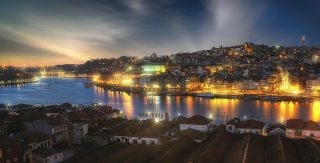
Braga, Portugal: The Ultimate Travel Guide 2026
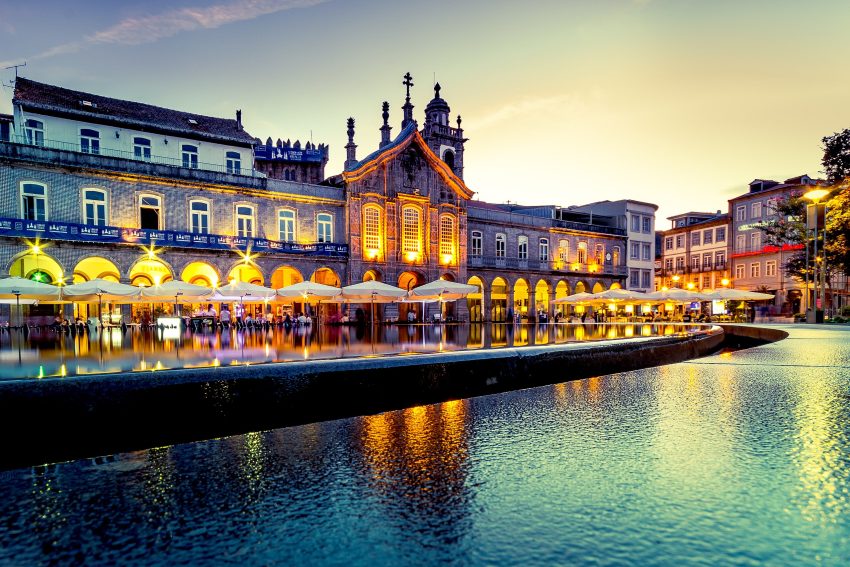
Braga is a town steeped in history, with a plethora of churches, palaces, gardens, and fountains visible almost everywhere you turn. The Romans knew it as Bracara Augusta, and it has been inhabited by various conquerors, including the Suevi, Visigoths, and Moors. For centuries, it has served as an archiepiscopal seat and pilgrimage site, with the Visigoths reputed to have abandoned their heresies there. Braga is also a renowned religious capital, hosting Portugal's most magnificent Semana Santa (Holy Week) observances, featuring torch-lit processions of hooded participants that may evoke images of the KKK.
Despite its rich history, Braga is a contemporary city, bustling with commerce and industry. The city centre, home to the historic core and cathedral, is surrounded by a thriving periphery that encompasses a range of manufacturing industries such as brick-making, soap-making, textiles, smelting, engineering, and leather goods. With a population of 65,000 residents, Braga's streets are now noisy, filled with increasing numbers of unsightly and uninspired apartment blocks, and subject to traffic congestion on roads that not so long ago only had a few cars and perhaps a donkey or two. Despite being known as Portugal's most conservative city politically, Braga has a lively nightlife that has earned it the nickname “Lisbon in miniature,” thanks to its youthful population.
Table of Contents
- History of Braga
- 16 Best places to See in Braga
- Braga Cathedral
- Episcopal Palace
- Santa Barbara Garden
- Torre de Menagem
- Pius XII & Medina Museum
- Arco da Porta Nova
- Theatro Circo
- Biscainhos Museum
- Fonte do Ídolo
- Palácio do Raio
- Praça da República
- Museu D. Diogo de Sousa
- Termas Romanas do Alto da Cividade
- Sanctuary of Bom Jesus do Monte
- Monastery of São Martinho de Tibães
- Sanctuary of Our Lady of Sameiro
- 12 Best Day Trips from Braga
- Where to Stay in Braga
- Best Time to Visit Braga
- How to get to Braga
History of Braga
Braga in Ancient Times: Roman Beginnings
Braga’s history begins with its foundation as Bracara Augusta by the Romans in the 1st century BCE. Named in honor of Emperor Augustus, it quickly became one of the most important Roman cities in the Iberian Peninsula. As the administrative center of the province of Gallaecia, Braga boasted a well-planned urban layout, Roman baths, aqueducts, temples, and a forum. Its strategic location made it a hub for trade and military movement, and it was one of the earliest cities in the region to adopt Christianity, laying the foundations for its long religious tradition.
Braga in the Early Middle Ages: Christianity and Barbarian Rule
With the fall of the Roman Empire, Braga experienced a period of turbulence and transformation. The city came under the control of the Suebi in the 5th century and became the capital of their kingdom. During this time, Braga solidified its role as a major Christian center, with the establishment of its bishopric—one of the oldest in western Europe. Later, the Visigoths took over, maintaining Braga’s ecclesiastical importance. Despite political upheaval, Braga retained its status as a religious stronghold, continuing to host church councils and influence early medieval Christianity in the Iberian Peninsula.
Braga in the Medieval Period: Episcopal Power and Regional Influence
During the Reconquista, Braga came under the control of emerging Christian kingdoms. By the 11th century, it was fully integrated into the County of Portugal and later the Kingdom of Portugal. The archbishops of Braga gained significant power, both religious and secular, with the city becoming the spiritual capital of Portugal. Churches, monasteries, and a new cathedral were built, reinforcing its ecclesiastical dominance. The city’s influence extended far beyond its borders through missionary work and theological scholarship, making it one of the principal centers of Christian thought in medieval Portugal.
Braga in the Renaissance and Baroque Eras
The 16th to 18th centuries were a time of architectural and cultural flourishing in Braga. As the archbishops sought to assert their prominence, they commissioned elaborate religious buildings and decorative projects. The city saw the rise of numerous baroque churches, convents, and civic buildings, giving Braga much of its current visual identity. One of the most iconic developments of this period was the construction of the Sanctuary of Bom Jesus do Monte, an important pilgrimage site with a monumental baroque staircase. This era reinforced Braga’s identity as a deeply spiritual city, rich in both artistic heritage and religious devotion.
Braga in the Modern Era: Growth, Preservation, and Innovation
In the 19th and 20th centuries, Braga evolved from a religious capital into a dynamic regional city. Industrialization and urban development expanded its economy and infrastructure, while efforts were made to preserve its historical core. The city maintained its role as a spiritual center while also becoming a center for education and technology. In recent decades, Braga has seen a cultural and economic renaissance, hosting international events and becoming a leader in digital innovation in Portugal. Today, Braga blends its Roman and ecclesiastical heritage with modern energy, standing as one of Portugal’s most vibrant and historically layered cities.

Moira & Andy
Hey! We're Moira & Andy. From hiking the Camino to trips around Europe in Bert our campervan — we've been traveling together since retirement in 2020!
Visiting Braga for the first time and wondering what are the top places to see in the city? In this complete guide, I share the best things to do in Braga on the first visit. To help you plan your trip, I have also included an interactive map and practical tips for visiting!
This website uses affiliate links which earn a small commission at no additional cost to you.
16 Best places to See in Braga
This complete guide to Braga not only tells you about the very best sights and tourist attractions for first-time visitors to the city but also provide insights into a few of our personal favorite things to do.
This is a practical guide to visiting the best places to see in Braga and is filled with tips and info that should answer all your questions!
1. Braga Cathedral
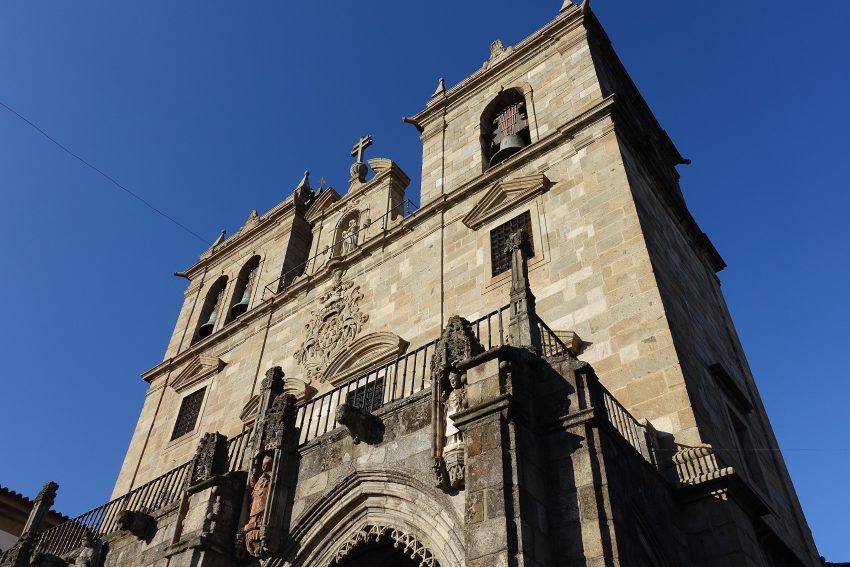
Location: Braga Cathedral, R. Dom Paio Mendes, Braga, Portugal | Hours: 9.30am-12.30pm & 2.30-6.30pm Apr-Oct, to 5.30pm Nov-Mar | Website | Distance: 0km

2. Episcopal Palace
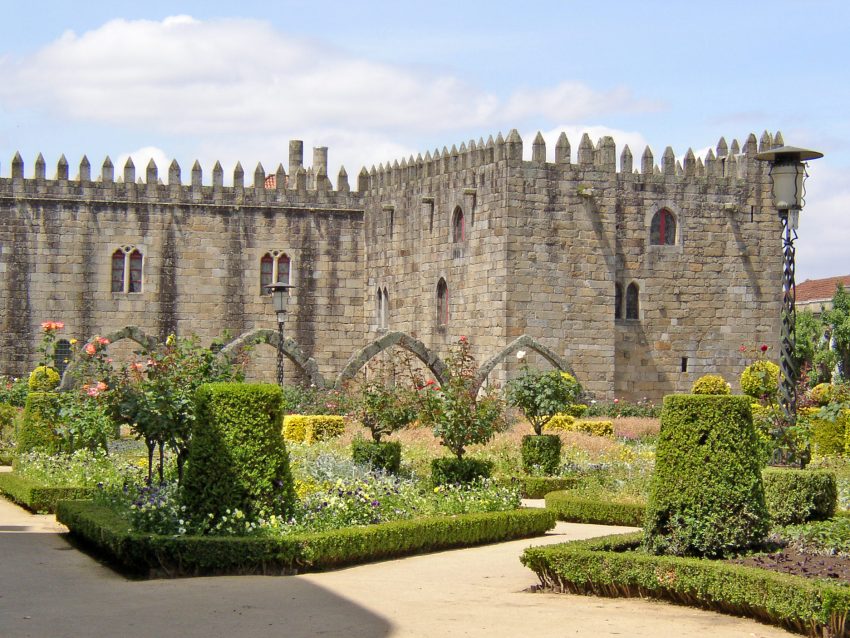
Location: Igreja de São Vicente, Rua de São Vicente, Braga, Portugal | Distance: 0.1km
3. Santa Barbara Garden

Location: Jardim de Santa Bárbara, Braga, Portugal | Distance: 0.1km
4. Torre de Menagem

Location: Torre de Menagem, Rua do Castelo, Braga, Portugal | Distance: 0.2km
5. Pius XII & Medina Museum

Location: Museu Pio XII, Largo de Santiago, Braga, Portugal | Hours: From Tuesday to Saturday, from 9:30 a.m. to 12:30 p.m. and 2:30 to 6 p.m. The Museum is closed on Mondays. As well as on 25 December, 1 January and Easter Sunday. | Price: Medina Gallery visit: 2€ Medieval Tower visit: 2€ Entire Museum visit: 4€ | Website | Distance: 0.2km
6. Arco da Porta Nova
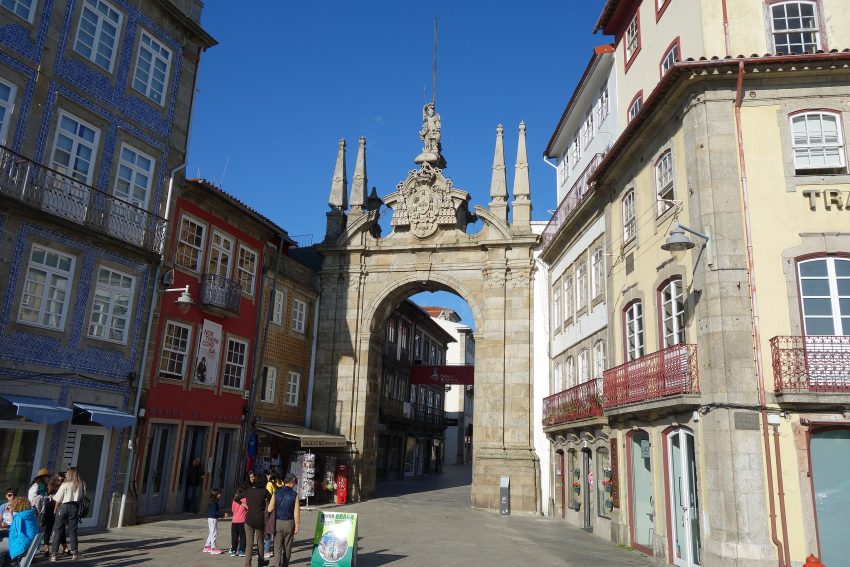
Location: Arco da Porta Nova, Rua Dom Diogo de Sousa, Braga, Portugal | Hours: 24 hours | Distance: 0.2km
7. Theatro Circo
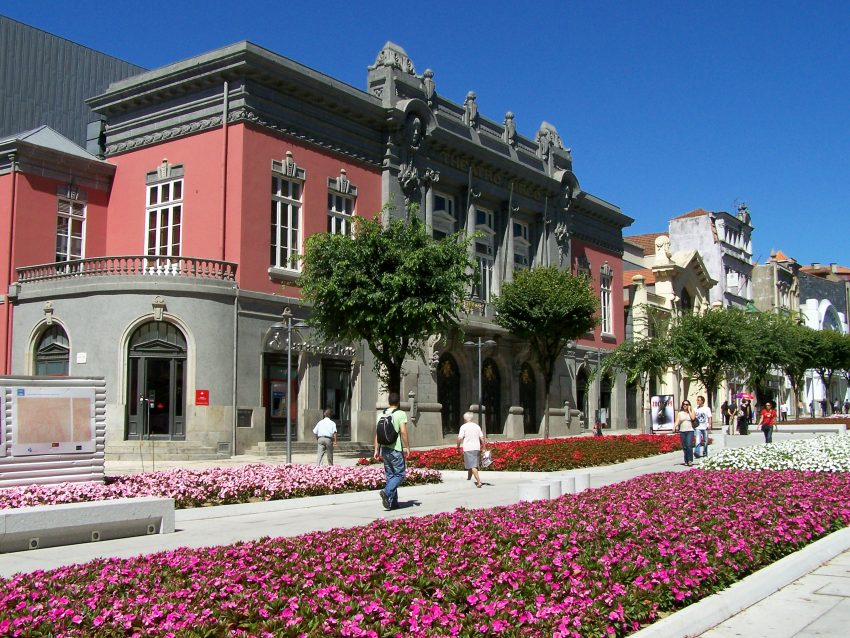
Location: Theatro Circo, Avenida da Liberdade, Braga, Portugal | Hours: Box office usually open Tuesday–Saturday, 10 am–7 pm, and one hour before shows. | Price: Ticket prices vary depending on the event, typically €10–€30. | Website | Distance: 0.3km
8. Biscainhos Museum

Location: Biscainhos Museum, Rua dos Biscaínhos, Braga, Portugal | Hours: 10am-12.30pm & 2-5.30pm Tue-Sun | Price: adult/student €2/1, first Sun of the month free | Distance: 0.3km
9. Fonte do Ídolo
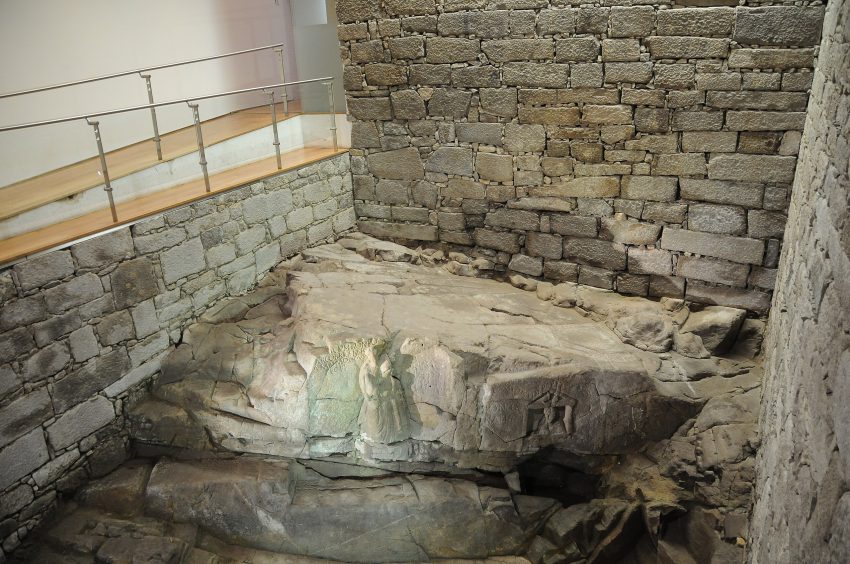
Location: Fonte do Ídolo, Rua do Raio, Braga, Portugal | Hours: 9.30am-1pm & 2-5.30pm Mon-Fri, 11am-5.30pm Sat | Distance: 0.4km
10. Palácio do Raio

Location: Palácio do Raio, Braga Norte, Braga, Portugal | Hours: Museum: 10am-1pm & 2.30-6.30pm Tue-Sat | Website | Distance: 0.4km
11. Praça da República

Location: Praça da República, Braga, Portugal | Distance: 0.4km
12. Museu D. Diogo de Sousa
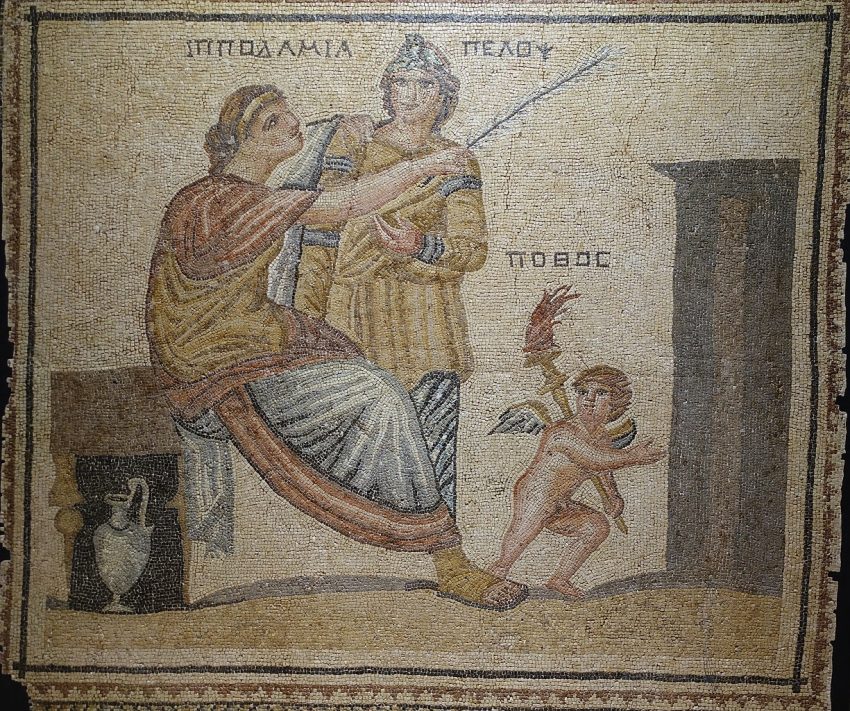
Location: Museu de Arqueologia D. Diogo de Sousa, Rua dos Bombeiros Voluntários, Braga, Portugal | Hours: 9.30am-6pm Tue-Sun Jun–mid-Sep, to 5.30pm mid-Sep–May | Price: adult/student €3/1.50, Sun free | Website | Distance: 0.5km
13. Termas Romanas do Alto da Cividade
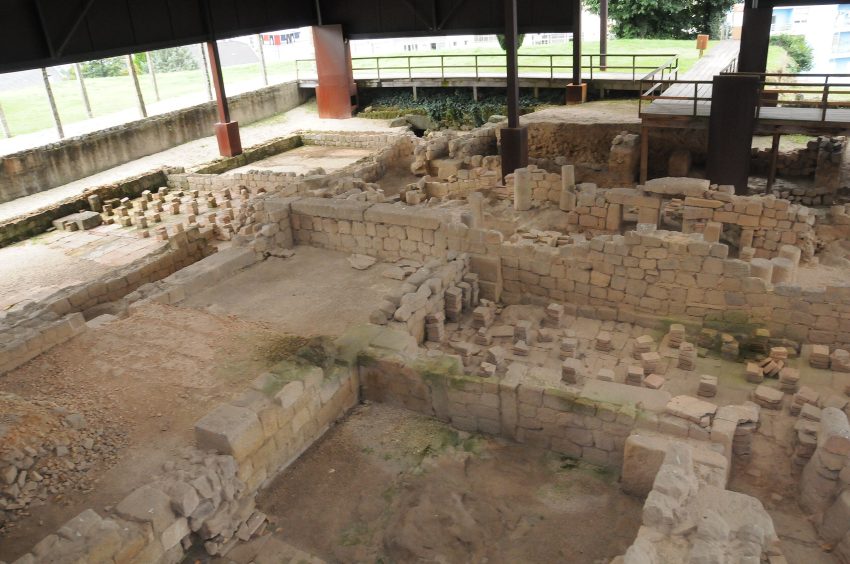
Location: Termas Romanas do Alto da Cividade, Rua Doutor Rocha Peixoto, Braga, Portugal | Hours: 9.30am-1pm & 2-5.30pm Mon-Fri, 11am-5.30pm Sat | Price: adult/student €1.85/0.95 | Distance: 0.5km
14. Sanctuary of Bom Jesus do Monte
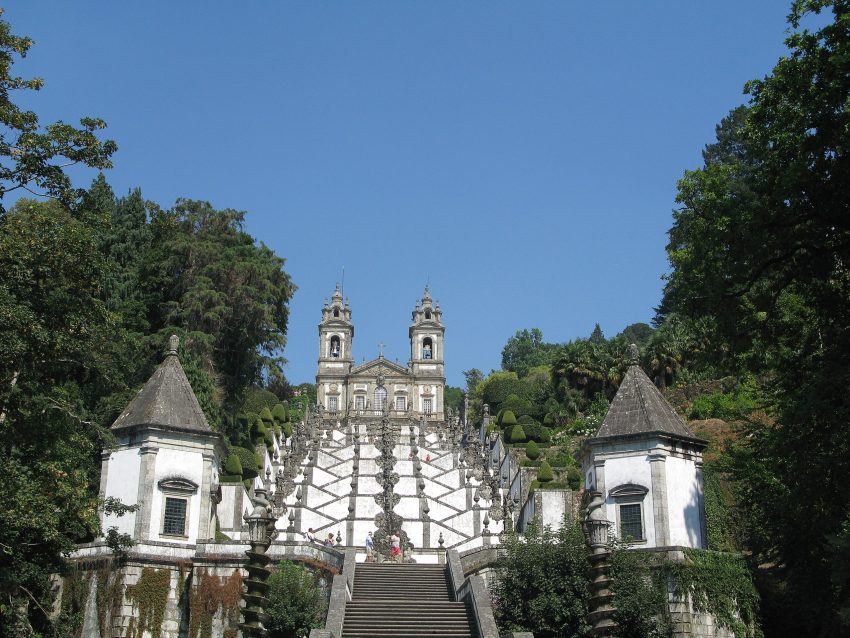
Location: Bom Jesus do Monte - Tenões 4700 Braga | Hours: Church: Summer 8 AM – 7 PM, Winter 9 AM – 6 PM. | Website | Distance: 4.1km
15. Monastery of São Martinho de Tibães
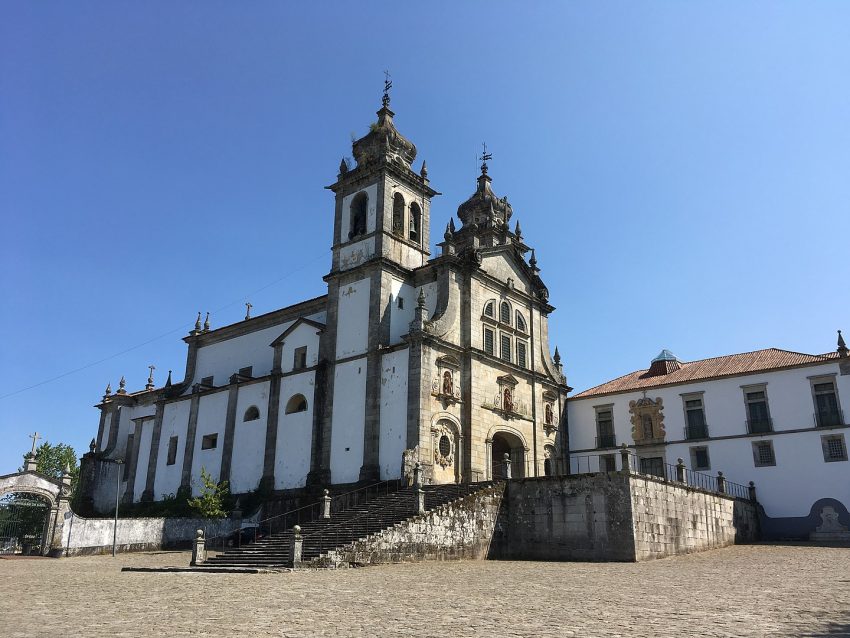
Location: Monastery of São Martinho de Tibães, Rua do Mosteiro, Mire de Tibães, Portugal | Distance: 4.4km
16. Sanctuary of Our Lady of Sameiro

Location: Sanctuary of Our Lady of Sameiro, Avenida Nossa Senhora do Sameiro, Braga, Portugal | Hours: Winter, Monday through Saturday from 7:30 am to 5:30 pm and Sunday from 6:30 am to 5:30 pm Summer, Monday through Saturday from 7:30 am to 7 pm and Sunday from 6:30 am to 7 pm. | Distance: 4.8km
Best Day Trips from Braga
A day trip from Braga offers the perfect opportunity to escape the urban rhythm and discover the surrounding region's charm. Whether you're drawn to scenic countryside, historic villages, or cultural landmarks, the area around Braga provides a variety of easy-to-reach destinations ideal for a one-day itinerary. If you are looking to rent a car in Portugal I recommend having a look at Discover Cars, first, as they compare prices and review multiple car rental agencies for you.
1. Citânia de Briteiros
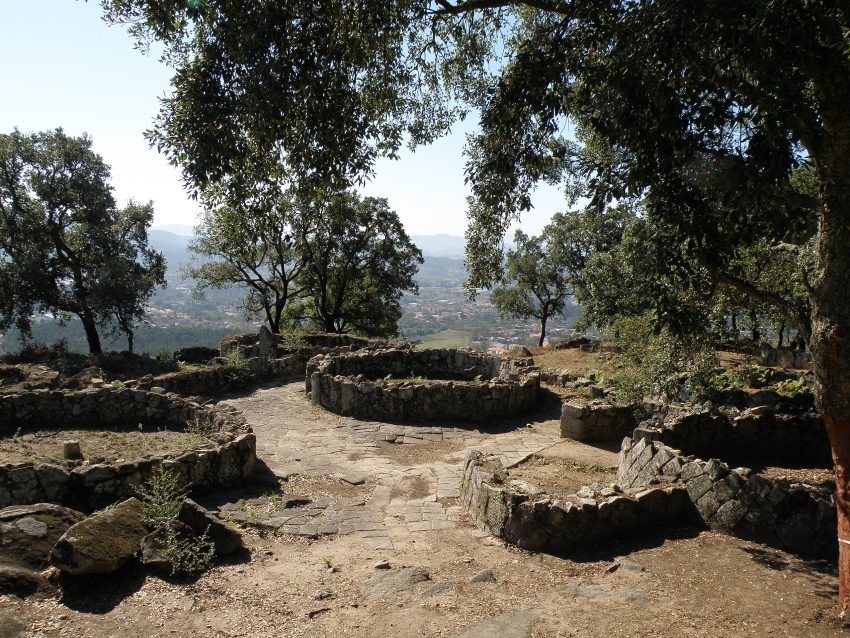
Location: Citânia de Briteiros, Briteiros, Portugal | Hours: 9am-6pm Apr-Sep, to 5pm Oct-Mar | Price: adult/child incl museum €3/1.50 | Website | Distance: 9.6km
Visiting Citânia de Briteiros
2. Barcelos
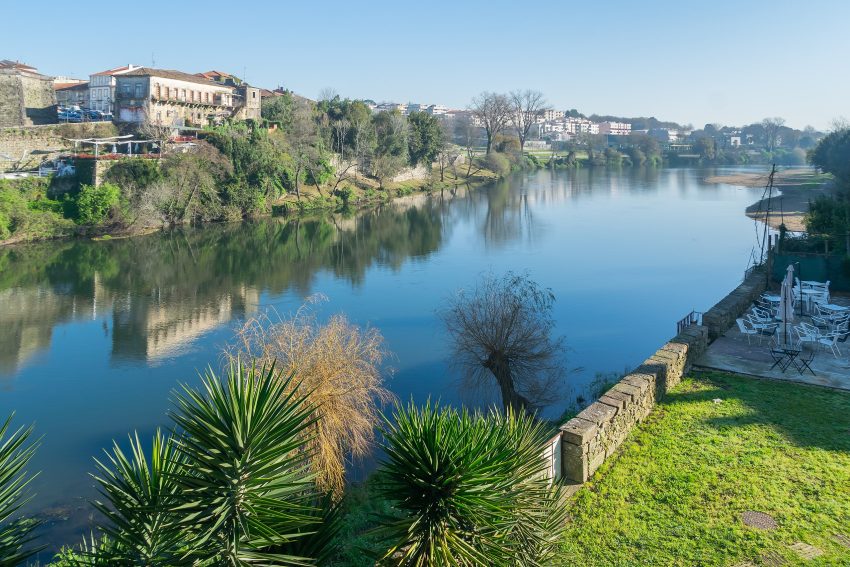
Visiting Barcelos
3. Guimarães
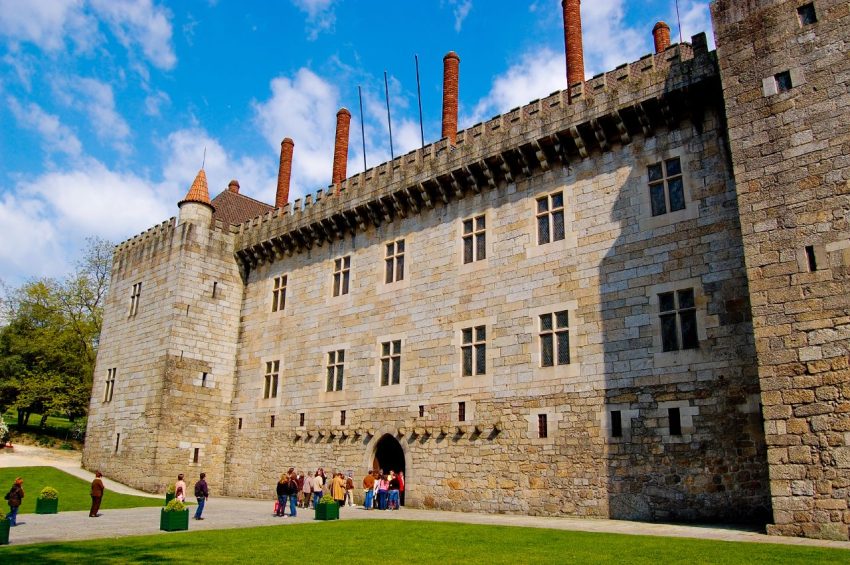
Visiting Guimarães
4. Capela de São Frutuoso (Braga)
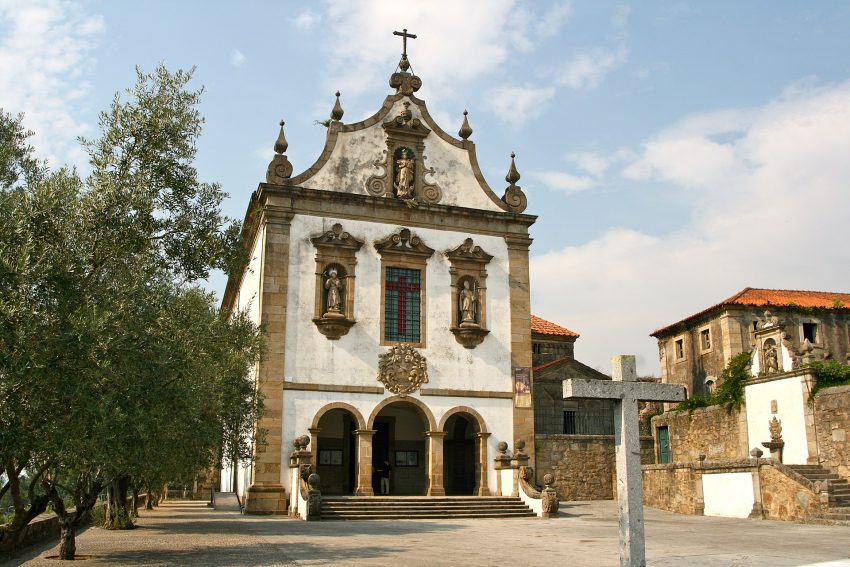
Location: Capela de São Frutuoso, Braga, Portugal | Distance: 16.9km
Visiting Capela de São Frutuoso (Braga)
5. Esposende
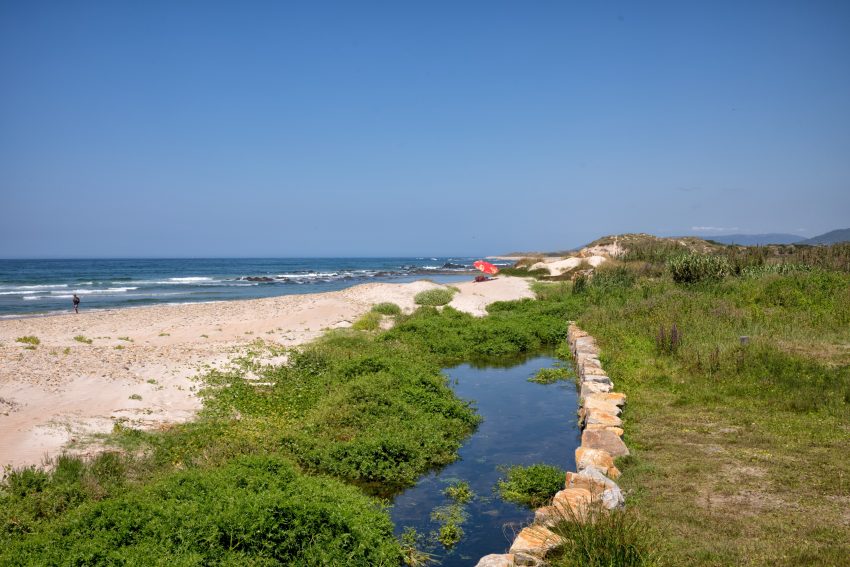
Visiting Esposende
6. Viana do Castelo
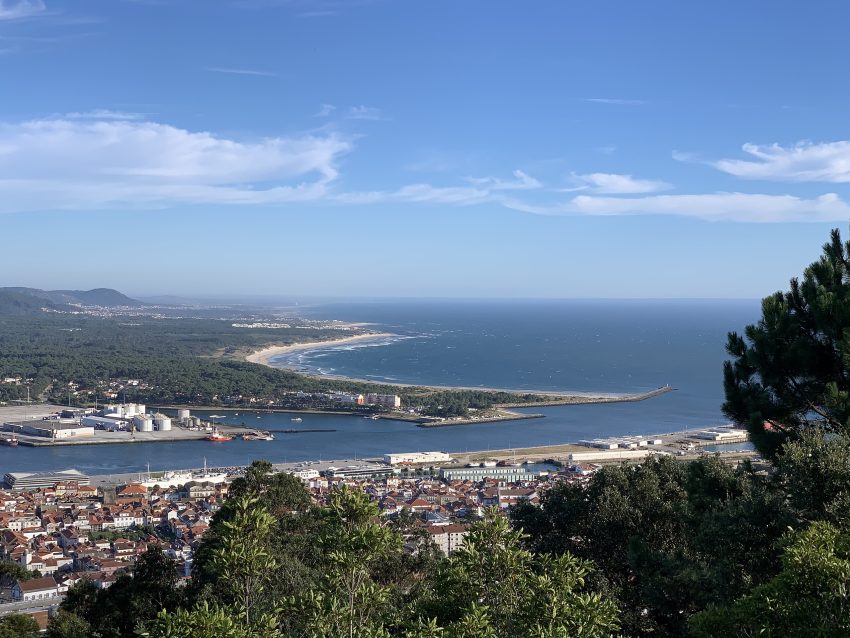
Visiting Viana do Castelo
7. Porto
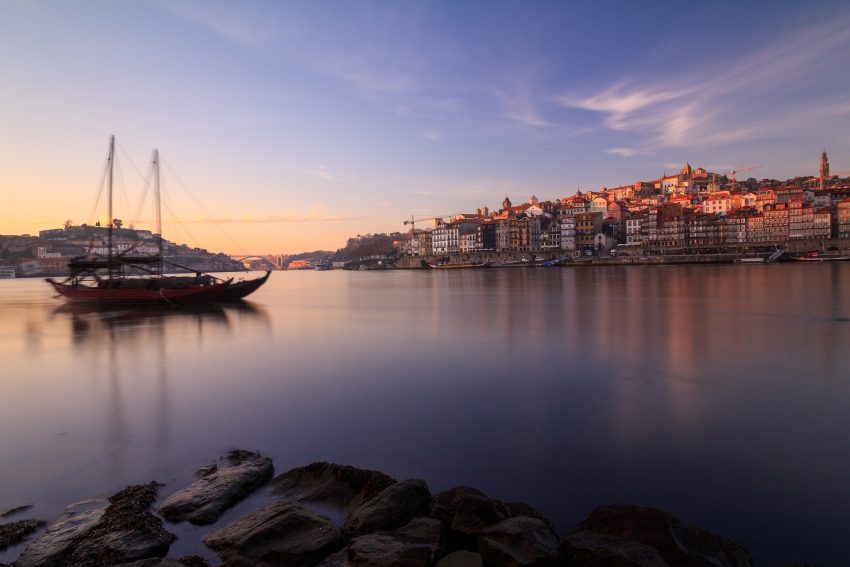
Visiting Porto
8. Espinho
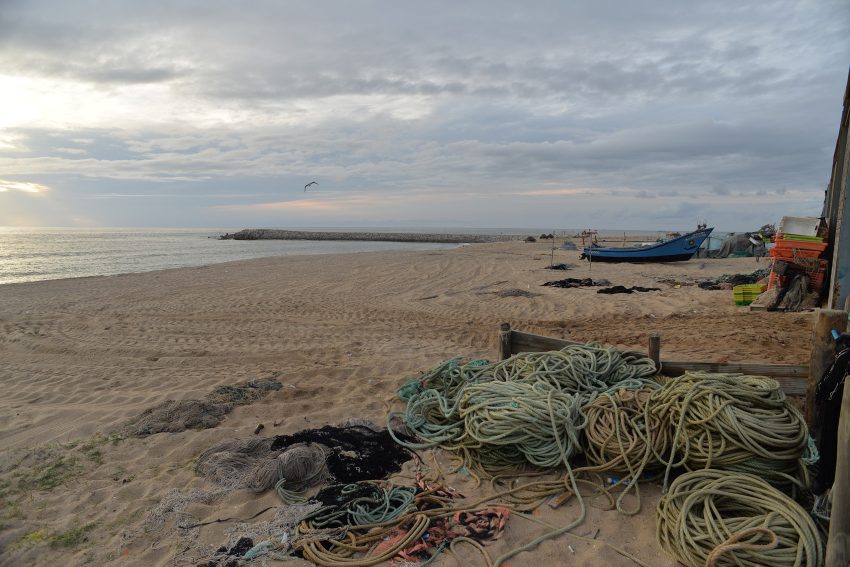
Visiting Espinho
9. Vila Real
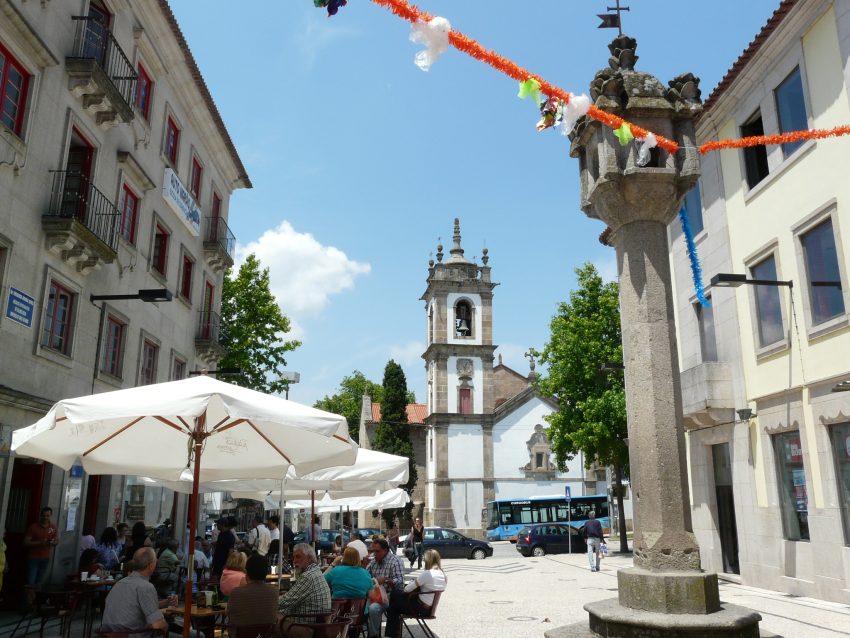
Visiting Vila Real
10. Peso da Régua
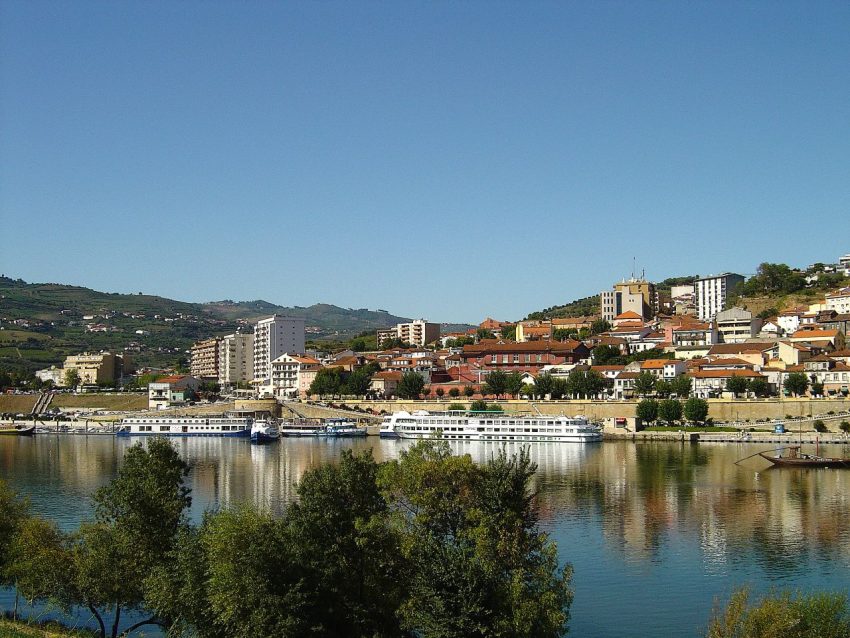
Visiting Peso da Régua
11. Lamego
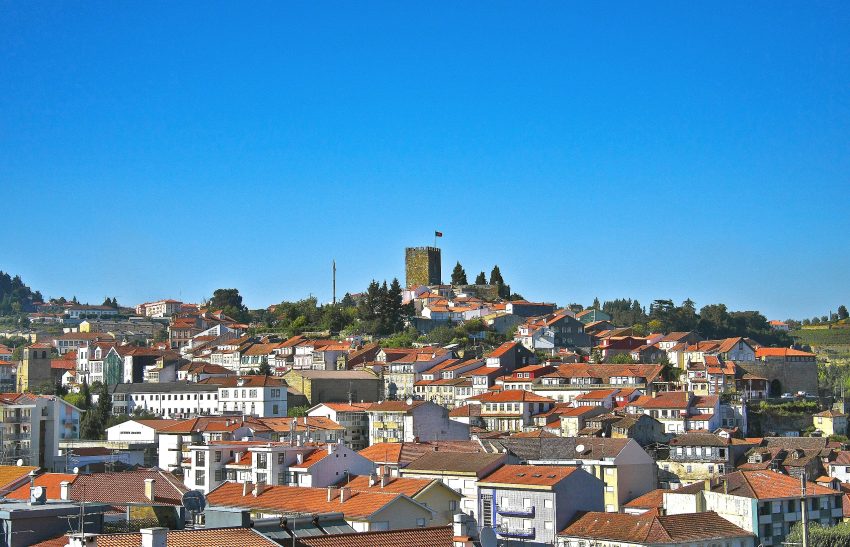
Visiting Lamego
12. Vigo
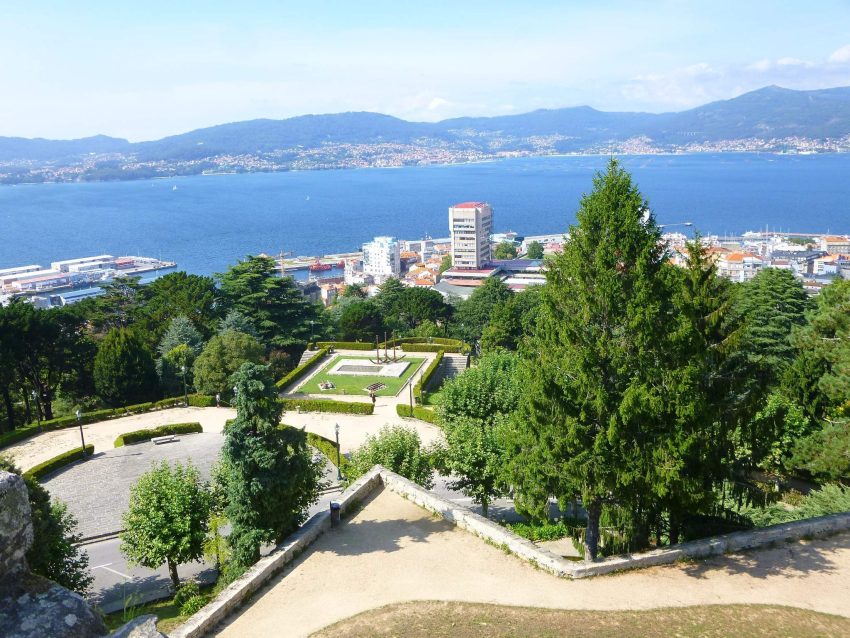
Visiting Vigo
Where to Stay in Braga
Braga offers a mix of historic charm and modern comforts, making it an inviting destination for travelers who appreciate both culture and convenience. For first-time visitors, the historic city center is the most recommended place to stay. This area is home to the Sé de Braga (Braga Cathedral), charming pedestrian streets, and vibrant squares filled with cafés and restaurants. Staying here means easy access to landmarks, local shops, and public transportation. A stylish and well-located option in the heart of the old town is Vila Galé Collection Braga, housed in a former monastery and featuring a pool, spa, and beautiful cloistered courtyards.
For travelers who prefer a quieter atmosphere with panoramic views, the Bom Jesus do Monte area offers a peaceful escape just outside the city. Nestled in the wooded hills surrounding the sanctuary, this area is ideal for spiritual retreats or nature lovers. From here, you can enjoy scenic walks, visit the iconic baroque staircase, and still reach the city center by funicular or taxi. A standout accommodation here is Hotel do Parque, offering classic decor, serene surroundings, and direct access to the sanctuary grounds.
If you’re combining business with leisure or prefer a more contemporary setting, the Avenida da Liberdade and Central Avenue area is ideal. This district is more commercial, with modern boutiques, shopping centers, and a wide range of restaurants. It’s well-connected and perfect for travelers who want modern amenities while staying within walking distance of Braga’s historical core. A reliable and stylish hotel in this area is Mercure Braga Centro, offering sleek rooms, a rooftop pool, and easy access to both business and cultural sites.
Using the our Hotel and Accomodation map, you can compare hotels and short-term rental accommodations in Braga. Simply insert your travel dates and group size, and you’ll see the best deals for your stay.
Braga Accommodation Map
Best Time to Visit Braga
Visiting Braga in Spring (Best)
Spring is arguably the best time to visit Braga, when the city bursts into bloom and its gardens, like the Santa Bárbara Garden, are at their most colourful. From March to May, temperatures are mild and pleasant, ranging between 12°C and 22°C, ideal for exploring the city’s Roman ruins, Baroque churches, and picturesque squares on foot. This season also coincides with Braga’s most celebrated festival — the Holy Week (Semana Santa). Held in the week leading up to Easter, it transforms the city into a grand stage of processions, music, and religious pageantry that attract visitors from all over Portugal and beyond.
Visiting Braga in Summer
Summer in Braga, from June to August, brings warm, sunny days and lively street life. Average temperatures hover between 20°C and 30°C, with July often being the hottest month. It’s a wonderful time to enjoy Braga’s open-air cafés, vibrant plazas, and evening events. The city also hosts the São João Festival in late June, a colourful celebration filled with parades, music, dancing, and fireworks. For those who enjoy day trips, summer is perfect for visiting nearby natural attractions like Bom Jesus do Monte or the Peneda-Gerês National Park. However, expect larger crowds and slightly higher accommodation prices during this peak travel season.
Visiting Braga in Autumn
From September to November, Braga’s pace slows as the heat eases and the surrounding countryside glows with golden hues. Autumn is a tranquil and beautiful time to explore the city’s historic streets, museums, and parks, often with fewer tourists. Temperatures average between 13°C and 23°C, making it ideal for sightseeing without the summer rush. Cultural life remains vibrant, with concerts and exhibitions continuing through the season. The grape harvest in nearby Minho wine country adds another reason to visit, offering opportunities to taste the region’s famous Vinho Verde at its freshest.
Visiting Braga in Winter
Winter in Braga, lasting from December to February, is cool and often rainy, but rarely severe. Average temperatures range from 5°C to 14°C. This is the quietest season, perfect for those who prefer a more peaceful visit and lower hotel rates. Braga’s historic churches and museums are especially atmospheric on misty winter days, and festive decorations bring warmth to the city centre. December also marks Braga’s Christmas markets and nativity displays, which fill the streets with lights and local flavours. While outdoor sightseeing can be limited by the weather, winter is an excellent time to experience the authentic, local rhythm of Braga life.
Annual Weather Overview
- January 12°C 58°F
- February 14°C 61°F
- March 18°C 67°F
- April 21°C 73°F
- May 23°C 77°F
- June 25°C 80°F
- July 31°C 91°F
- August 30°C 89°F
- September 27°C 85°F
- October 23°C 77°F
- November 16°C 64°F
- December 13°C 58°F
How to get to Braga
Getting to Braga by Air
Nearest airports: The closest airport to Braga is Francisco Sá Carneiro Airport in Porto, located about 55 kilometres south of the city. This international hub offers frequent flights from major European destinations and some intercontinental routes.
Airport transfers: Travellers can reach Braga from the airport by direct shuttle bus, operated by GetBus, which runs several times daily and takes around one hour. Alternatively, taxis and ride-sharing services are readily available at the terminal, or you can rent a car for more flexibility during your trip. For the best deals and a seamless booking experience, check out these flights to Braga on Booking.com.
Getting to Braga by Train
Rail connections: Braga is well connected by train and serves as the terminus of a major northern line operated by Comboios de Portugal (CP). Trains run frequently from Porto’s São Bento and Campanhã stations, with the journey taking approximately one hour on urban or regional services.
Connections from other cities: While most direct services originate in Porto, travellers from Lisbon can reach Braga via Porto, with the total trip lasting around four hours. Braga's railway station, located near Avenida da Liberdade, is a short walk from the city centre, making onward travel convenient. Train schedules and bookings can be found on Omio.
Getting to Braga by Car
Driving routes: Braga is easily accessible by car thanks to Portugal's excellent motorway network. The A3 motorway connects Braga directly with Porto to the south and Valença (on the Spanish border) to the north. The drive from Porto typically takes about 45 minutes, while the route from Lisbon, via the A1 and A3, takes around four hours.
Parking: There are several public car parks near the city centre, including those at Avenida Central and Campo da Vinha, both convenient for exploring Braga’s main attractions. Drivers should note that some historic areas have narrow streets and limited parking availability. If you are looking to rent a car in Portugal I recommend having a look at Discover Cars, first, as they compare prices and review multiple car rental agencies for you.
Travelling Around Braga
Public transport: Braga's compact city centre is best explored on foot, with most landmarks, museums, and gardens within easy walking distance. For destinations farther out, such as Bom Jesus do Monte or Sameiro Sanctuary, the local TUB bus network offers frequent and affordable service.
Taxis and rideshares: Taxis are available throughout the city, and ride-sharing apps like Bolt and Uber operate in Braga for added convenience.
Cycling and walking: The city’s relatively flat layout and expanding pedestrian zones make it enjoyable to explore on foot or by bicycle, particularly around the historic core and the Avenida da Liberdade area.