Puerta Del Viento, Ronda
City Gate in Ronda
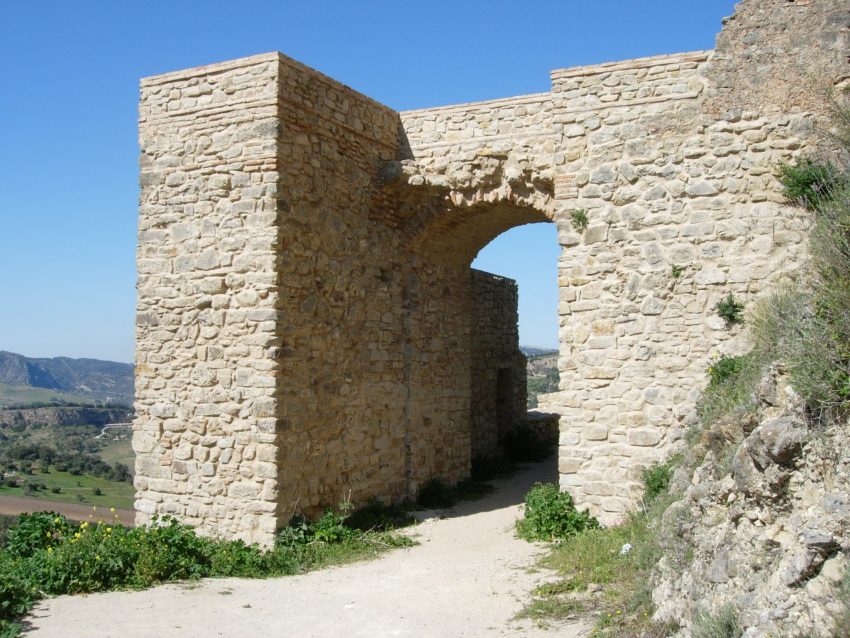
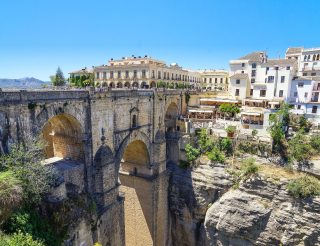
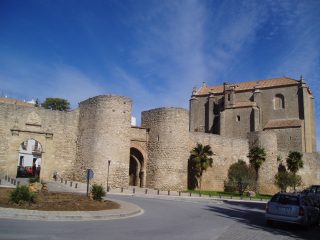
Puerta del Viento (the Wind Gate) is one of Ronda's lesser-known city gates, built into the fortified wall line that runs along the edge of El Tajo and the older defensive zones of town. What makes it memorable is its setting: the gate is anchored onto a striking, tall, gherkin-shaped rock formation that functions like a natural wall, giving you a strong sense of how Ronda's builders relied on geology as much as masonry for protection.
It's the kind of stop that feels like a discovery rather than a headline attraction, and it adds texture to the city beyond bridges and miradors. If you're looking for one of the things to see in Ronda that rewards walkers who go a little further, it's an easy fit on a walking tour of Ronda, especially if you already plan to explore the gorge-edge promenade routes.
Table of Contents
- History and Significance of the Puerta del Viento
- Things to See and Do in the Puerta del Viento
- How to Get to the Puerta del Viento
- Practical Tips on Visiting the Puerta del Viento
- Where to Stay Close to the Puerta del Viento
- Is the Puerta del Viento Worth Visiting?
- For Different Travelers
- FAQs for Visiting Puerta del Viento
- Nearby Attractions to the Puerta del Viento
History and Significance of the Puerta del Viento
Puerta del Viento forms part of Ronda's historic wall system and sits at one end of the Albacara Wall, opposite the Puerta de los Molinos (also known as Puerta del Cristo). Together, these gate points help explain how movement through the city was controlled, guiding access along routes that could be defended and monitored.
The gate’s most distinctive feature is its integration with the vertical rock it’s built against. In practical terms, that rock would have reduced the amount of built wall needed while creating a formidable barrier that was difficult to assault, reflecting a defensive mindset shaped by Ronda’s cliff-edge geography.
Today, the Wind Gate is less about “entering the city” and more about reading the landscape. Visiting it helps you understand how Ronda’s walls were not just symbolic boundaries but real, functional structures designed for a town that lived with the constant advantage-and challenge-of a deep natural gorge.
Things to See and Do in the Puerta del Viento
The best experience is to view the gate as part of a wall-walk story rather than a single photo stop. As you approach, pay attention to how the rock formation and masonry work together, and how the gate sits at a point where the terrain naturally narrows routes and concentrates movement.
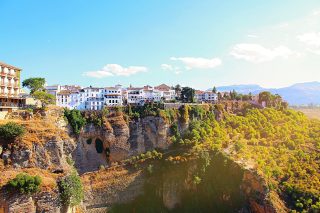
If you enjoy viewpoints, you'll likely appreciate the “indirect” way Puerta del Viento is often experienced: by spotting it from above before you descend to it. Seeing it from the gorge-edge promenade routes helps you understand its position in the wall line and why it was placed where it is.
This is also a good spot for anyone who likes quieter corners of historic towns. It tends to feel less crowded than bridge viewpoints, and the reward is the sense of being close to the city’s defensive edge, where architecture and landscape feel tightly fused.
How to Get to the Puerta del Viento
Most travellers reach Ronda via Málaga Airport and continue inland for a day trip or overnight stay. For the best deals and a seamless booking experience, check out these flights to Ronda on Booking.com. Seville Airport is another practical option if Ronda sits within a wider Andalusia itinerary. For the best deals and a seamless booking experience, check out these flights to Ronda on Booking.com.
Ronda is easy to reach by train, and arriving this way makes it straightforward to explore the historic centre on foot once you're in town. Train schedules and bookings can be found on Omio. From the centre, you can walk toward the old-town viewpoint areas and then follow routes that lead down toward the gate.
Access to Puerta del Viento is via steps descending from Plaza María Auxiliadora. If you prefer a longer, more “down in the gorge” approach, you can drive to the bottom along Carretera de los Molinos and then climb steeply up to the gate. If you are looking to rent a car in Spain I recommend having a look at Discover Cars, first, as they compare prices and review multiple car rental agencies for you.
Practical Tips on Visiting the Puerta del Viento
- Entrance fee: Free.
- Opening hours: 24 Hour
- Best time to visit: Early morning is ideal if you want the steps and paths quieter and cooler, especially in warmer months. Late afternoon works well too if you like softer light, but avoid leaving the descent and climb too late if you want comfortable footing.
- How long to spend: 20-40 minutes is usually enough for the descent, a close look, and a few photos, depending on your pace. If you combine it with nearby wall and gorge paths, plan longer and treat it as part of a mini-route.
- Accessibility: Expect steep steps and uneven historic surfaces on the approach, so it can be challenging for travellers with limited mobility. If you want an easier experience, view it from above on the gorge-edge walks rather than doing the full descent.
- Facilities: There are no dedicated facilities at the gate, so bring water and plan restrooms and breaks back in the historic centre. The climb back up can feel more demanding than expected, particularly in heat.
Where to Stay Close to the Puerta del Viento
For a culture-heavy itinerary, the best area to base yourself is central Ronda near the old town and main sights so you can walk to viewpoints and wall routes at the best times of day; if your priority is transport convenience for day trips, staying nearer the station can simplify arrivals and departures while still keeping the old town walkable.
For a landmark stay close to the gorge-edge promenade network, Parador de Ronda keeps you right by many of the best viewpoints that look toward this area. For a comfortable base with strong walkability, Catalonia Reina Victoria is a reliable option. For a smaller, characterful stay in the historic lanes, Soho Boutique Palacio San Gabriel matches the old-town atmosphere well.
Is the Puerta del Viento Worth Visiting?
Yes, if you enjoy seeing the “working edges” of historic cities-gates, walls, and terrain that shaped how people moved and how towns defended themselves. It’s not a major monument with a long visit inside, but it’s a satisfying stop because the setting is so dramatic and the gate feels embedded in the landscape rather than placed on it.
If you’re short on time or prefer minimal climbing, it’s still worth appreciating from above on the gorge-edge walks. But if you like a bit of effort for a quieter reward, the descent makes the experience feel like a small adventure.
What Other Travellers Say...

Puerto del Viento, near Ronda in Málaga, is a windswept viewpoint and access point to the northern edge of the Sierra de las Nieves natural park with rough parking, hiking tracks up to a limestone peak and two main viewpoints; visitors praise the dramatic rock formations, expansive vistas and wildlife spotting (including eagles and vultures), and note it's popular with cyclists and motorbikers for its quiet roads and thrilling descents, but be prepared for strong winds and unmarked paths.


For Different Travelers
Families with Kids
This can be a fun stop for families with older kids who like “exploring” rather than formal sightseeing, because the gate feels like a real fortification point with dramatic rock scenery. The main challenge is the steep steps, so it works best when everyone has energy and you keep a steady, careful pace.
For younger children, consider whether the climb back up suits the day’s rhythm. If you do it, bring water, take breaks, and treat it as a short mission rather than a long hike.
Couples & Romantic Getaways
For couples, Puerta del Viento is a nice contrast to the busiest viewpoints because it feels quieter and more tucked away. The route down and back adds a sense of shared discovery, and the rock-and-wall setting feels more rugged and intimate than the main promenade crowds.
It’s a good late-afternoon detour if you want atmosphere without a long commitment. Pair it with a slow evening walk back through the old town and it becomes part of a very satisfying “beyond the obvious” day.
Budget Travelers
This is an excellent budget stop because it’s essentially a free outdoor experience where the landscape does the heavy lifting. If you’re building a day around walking, viewpoints, and historic streets, it adds variety without adding ticket costs.
The key is managing effort: comfortable shoes and a little water go a long way. If you’re conserving energy, enjoy it from above and save the descent for a day when you feel like doing more climbing.
FAQs for Visiting Puerta del Viento
Getting There
Tickets & Entry
Visiting Experience
Tours, Context & Itineraries
Photography
Accessibility & Facilities
Food & Breaks Nearby
Safety & Timing
Nearby Attractions to the Puerta del Viento
- Puerta de los Molinos: A companion gate in the Albacara Wall system with strong gorge-side setting and route connections.
- Paseo de Ernest Hemingway: A cliff-edge promenade near the Parador with excellent views over El Tajo.
- Paseo de Kazunori Yamauchi: A gorge-edge walkway linking promenade routes with dramatic downward views.
- Puente Nuevo: The city's iconic bridge and the essential top-level panorama spot.
- Jardines de Cuenca: Hanging terraces along the gorge ledges offering shifting perspectives of cliffs and city.
The Puerta Del Viento appears in our Complete Guide to Visiting Ronda!

Moira & Andy
Hey! We're Moira & Andy. From hiking the Camino to trips around Europe in Bert our campervan — we've been traveling together since retirement in 2020!
This website uses affiliate links which may earn a commission at no additional cost to you!
Nearby Attractions
- Albacara Walls (0.1) km
City Walls - Puerta de los Molinos (0.2) km
City Gate - Plaza de María Auxiliadora (0.2) km
Square - Palacio de Mondragon (0.2) km
Gardens, Museum and Palace - Casa de San Juan Bosco (0.2) km
Palace - Casa del Gigante (0.3) km
Museum and Palace - Church of Santa María la Mayor (0.3) km
Church and Historic Building - Plaza Duquesa de Parcent (0.3) km
Square - Paseo de Ernest Hemingway (0.3) km
Viewing Point - Museo Lara (0.4) km
Museum