Puente Árabe, Ronda
Bridge in Ronda
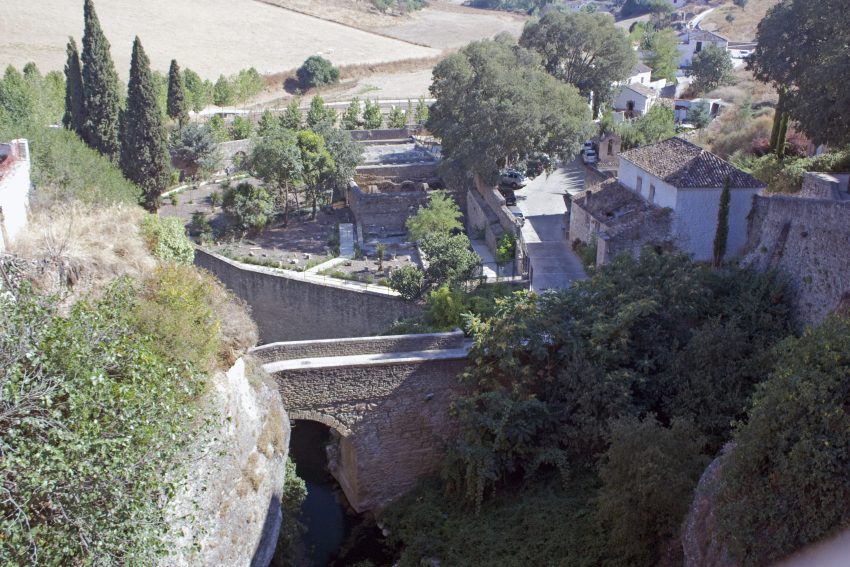
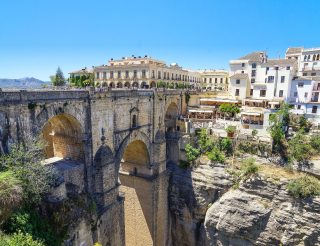
Puente Árabe, often referred to locally as the Puente Romano, is one of Ronda's most atmospheric crossings because it sits low in the Tajo gorge, spanning the chasm carved by the Guadalevín River. The “Roman Bridge” nickname is widespread, but the structure most people walk across today is medieval in origin, and its setting-closer to the river and rock walls-gives you a completely different perspective from the higher, postcard-famous bridges above.
Because it was historically the main entrance into Ronda through the Arrabal Viejo neighbourhood, the bridge feels less like a monument and more like a piece of living infrastructure that once channelled the everyday movement of the city. It's one of the best places to visit in Ronda if you want to feel the scale of El Tajo from inside the gorge rather than looking down from the rim, and it fits beautifully into a walking tour of Ronda when you want to add a lower-level route to your viewpoint circuit.
Table of Contents
- History and Significance of the Puente Árabe
- Things to See and Do in the Puente Árabe
- How to Get to the Puente Árabe
- Practical Tips on Visiting the Puente Árabe
- Where to Stay Close to the Puente Árabe
- Is the Puente Árabe Worth Visiting?
- For Different Travelers
- FAQs for Visiting Puente Árabe
- Nearby Attractions to the Puente Árabe
History and Significance of the Puente Árabe
Although many visitors arrive expecting a Roman structure, the bridge commonly called Puente Romano is better understood as Puente Árabe, a medieval crossing built at the end of the 14th century. The name confusion is part of its story: in a city layered with Roman, Islamic, and Christian heritage, labels often stick through tradition even when the timelines don't.
Historically, this bridge mattered because it served as the main entrance to Ronda through the Arrabal Viejo area. That role gives it a more grounded kind of significance than a ceremonial monument: it was a practical gateway, tied to the daily life of traders, travellers, and residents moving in and out of the city.
In recent years, the bridge has been fully restored, and that restoration helps preserve not only the stonework but also the experience of approaching Ronda through the gorge. Even now, walking here gives you a sense of how geography shaped the city's defensive logic and how access routes were forced to follow the river's cut through the rock.
Things to See and Do in the Puente Árabe
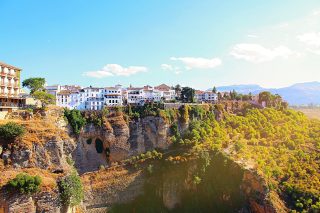
The best way to experience the bridge is to approach it from a lower path so you can feel how steeply the rock walls rise around you. The viewpoint from the bridge itself is a highlight: you’re close enough to hear the river and see how the gorge narrows and widens, which makes the landscape feel more intense than it does from the top.
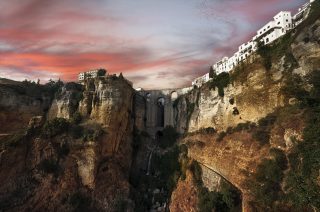
Use the bridge as a photography stop, but don’t rush it. The most striking images often come from angles slightly away from the crossing, where you can frame the arch against the cliff walls and give a better sense of scale than a straight-on shot provides.
If you're building a walking route, this bridge is a great link between “lower Ronda” and the old town above. The climb back up can be steep, but it's rewarding because you move from river level to cliff-top streets in a short distance, which is one of the defining experiences of the city.
How to Get to the Puente Árabe
Most visitors reach Ronda via Málaga Airport and then travel inland to the town for sightseeing. For the best deals and a seamless booking experience, check out these flights to Ronda on Booking.com. Seville Airport is another common option if Ronda is part of a wider Andalusia itinerary. For the best deals and a seamless booking experience, check out these flights to Ronda on Booking.com.
Ronda is accessible by train, and arriving this way makes it easy to explore the historic centre on foot once you're in town. Train schedules and bookings can be found on Omio. From the station, you can walk into the centre and then follow routes down toward the gorge crossings, though the descent and return climb are what make this visit feel more adventurous.
Local buses and taxis are useful if you want to save energy for the gorge descent, especially if you’re pairing the bridge with several viewpoint walks in the same day. If you’re travelling by car, park once and do the gorge routes on foot, as the most enjoyable paths here are pedestrian-focused rather than driving routes. If you are looking to rent a car in Spain I recommend having a look at Discover Cars, first, as they compare prices and review multiple car rental agencies for you.
Practical Tips on Visiting the Puente Árabe
- Entrance fee: Free
- Opening hours: 24 hours
- Best time to visit: Early morning is ideal if you want a quieter, more atmospheric gorge experience and easier photos. Late afternoon can be beautiful too, but plan your climb back up before the light fades if you prefer clear footing.
- How long to spend: 30-60 minutes works well if you’re combining the bridge with a short gorge walk and a few photo stops. If you’re doing a longer lower-gorge route, plan extra time for rests and viewpoints.
- Accessibility: Reaching the bridge typically involves steep descents and climbs on historic paths, so it can be challenging for travelers with limited mobility. If you need an easier experience, focus on top-level viewpoints instead and treat this as an optional “down into the gorge” add-on.
- Facilities: There are no dedicated facilities at the bridge itself, so bring water and plan breaks back in the historic centre. The gorge can feel warmer and more sheltered than expected, especially in summer.
Where to Stay Close to the Puente Árabe
For a culture-heavy itinerary, the best area to base yourself is central Ronda near the old town and gorge viewpoints so you can walk to most sights and time your gorge routes for good light; if your main focus is transport convenience for day trips, staying nearer the station can make arrivals and departures easier while still keeping the old town accessible on foot.
For a landmark location close to the gorge and central sights, Parador de Ronda makes it easy to combine top viewpoints with a descent to lower bridges. For a comfortable base with good walkability, Catalonia Reina Victoria is well placed. For a smaller, characterful stay in the historic centre, Soho Boutique Palacio San Gabriel keeps you close to old-town atmosphere and many walking routes.
Is the Puente Árabe Worth Visiting?
Yes, if you’re willing to go beyond the headline viewpoints and experience El Tajo from inside the gorge. The bridge’s lower position makes the landscape feel bigger and more dramatic, and it gives you a sense of Ronda’s geography that you simply can’t get from the top.
It's especially worth it if you enjoy walking routes that feel like a small journey. The descent, the river-level perspective, and the climb back up create a satisfying mini-adventure that adds depth to a Ronda day.
What Other Travellers Say...

Puente de las Curtiduría, often called the Puente Árabe, is a small, tucked-away stone bridge below Ronda near the old Arab baths that offers peaceful, photogenic views of a stream and lush greenery; visitors praise its timeless, simple Andalusi design, the dramatic vistas across the deep chasm and the cluster of bridges of varying sizes, and recommend the short walk down for a quiet, scenic moment away from the town.


For Different Travelers
Families with Kids
This can be a fun outing for families with older kids who enjoy a bit of “real terrain” and dramatic scenery, especially if you frame it as an adventure down into the gorge. The key is pacing, because the climb back up can feel demanding, and the paths may be uneven.
For younger children, consider whether the effort matches the day’s energy. If you do go, bring water, keep the route short, and plan a treat stop back in town to make the climb feel worthwhile.
Couples & Romantic Getaways
For couples, this is a great counterpoint to the famous top viewpoints because it feels more intimate and immersive. Walking down into the gorge has a sense of shared discovery, and the river-level atmosphere can feel surprisingly peaceful compared to the busier bridge overlooks above.
Late afternoon can be especially atmospheric, but it’s best to time it so you’re not rushing the return climb. Pair it with an old-town dinner afterward and it becomes a very satisfying “views plus story” day.
Budget Travelers
This is a high-value stop because it’s essentially a free, landscape-driven experience that feels more unique than another viewpoint balcony. If you’re building a budget itinerary around walking, it’s an excellent way to add variety and depth without paying for entry.
Just plan for the physical cost rather than a financial one: water, comfortable shoes, and enough time to take the climb at a steady pace. It’s a good trade when you want memorable scenery without spending.
FAQs for Visiting Puente Árabe
Getting There
Tickets & Entry
Visiting Experience
Tours, Context & Itineraries
Photography
Accessibility & Facilities
Food & Breaks Nearby
Safety & Timing
Nearby Attractions to the Puente Árabe
- Puente Viejo de Ronda: Another historic bridge crossing with a different angle on the gorge and old-town approaches.
- Baños Árabes de Ronda: Exceptionally preserved medieval baths that deepen the Islamic-era context of the area.
- Casa del Rey Moro: Known for its dramatic gorge-side setting and the historic water-mine descent.
- Jardines de Cuenca: Hanging terraces on the gorge ledges with shifting views of cliffs and city.
- Puente Nuevo: The iconic top-level bridge and the essential stop for Ronda's most famous panorama.
The Puente Árabe appears in our Complete Guide to Visiting Ronda!

Moira & Andy
Hey! We're Moira & Andy. From hiking the Camino to trips around Europe in Bert our campervan — we've been traveling together since retirement in 2020!
This website uses affiliate links which may earn a commission at no additional cost to you!
Planning Your Visit
24 hours
Free
Nearby Attractions
- Arco de Felipe V (0.0) km
City Gate - Puente Viejo (0.0) km
Bridge - Palacio del Marqués de Salvatierra (0.1) km
Palace - Baños Árabes (0.1) km
Baths and Convent - Puerte de la Cijara (0.1) km
City Gate - Casa del Rey Moro (0.1) km
Gardens and Historic Building - Jardines de Cuenca (0.2) km
Gardens - Museo Lara (0.2) km
Museum - San Sebastian Minaret (0.2) km
Minaret - Mirador de Aldehuela (0.2) km
Viewing Point