Palacio del Marqués de Salvatierra, Ronda
Palace in Ronda
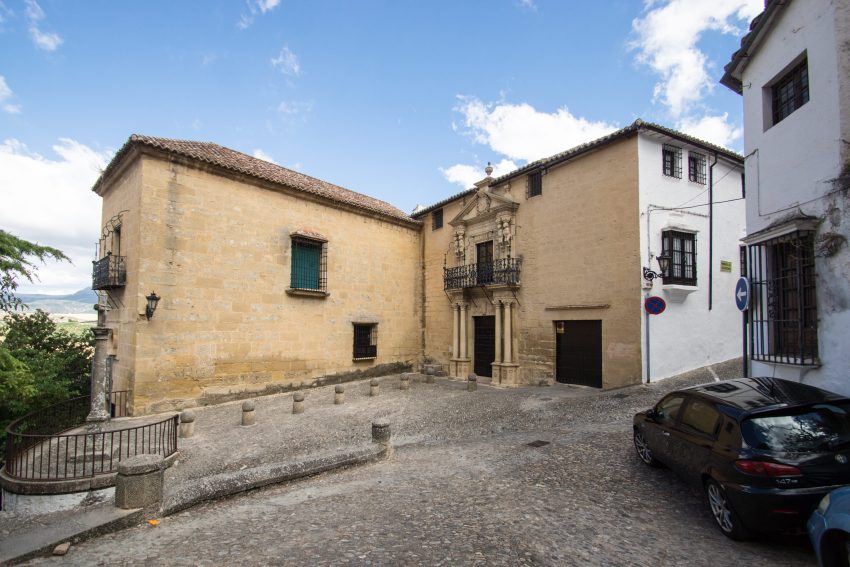
Palacio de Salvatierra is one of Ronda’s most eye-catching historic mansions, best known for its theatrical façade and the sense of drama it brings to the old town streetscape. You cannot visit the palace interior, but the building is still a worthwhile stop because the exterior is so distinctive, and it offers a quick, memorable window into the city’s layered past.
Set in Ronda's historic centre, it's one of the top attractions in Ronda for travelers who enjoy architectural details and stories you can read straight from stonework, and it fits easily into a walking tour of Ronda when you're moving between old-town plazas, churches, and viewpoint routes.
Table of Contents
- History and Significance of the Palacio de Salvatierra
- Things to See and Do in the Palacio de Salvatierra
- How to Get to the Palacio de Salvatierra
- Practical Tips on Visiting the Palacio de Salvatierra
- Where to Stay Close to the Palacio de Salvatierra
- Is the Palacio de Salvatierra Worth Visiting?
- For Different Travelers
- FAQs for Visiting Palacio de Salvatierra
- Nearby Attractions to the Palacio de Salvatierra
History and Significance of the Palacio de Salvatierra
The story of the palace begins after the Catholic Monarchs took Ronda at the end of the 15th century, when Muslim homes known as the Casas Pintadas, or Painted Houses, were gifted to Don Vasco Martín de Salvatierra. In the early 16th century, these residences were transformed into a more elaborate noble home, anchoring the family's presence in the city's newly reshaped Christian and aristocratic landscape.
The building most visitors recognise today is tied to later ambition. In 1798, Salvatierra descendants reconstructed and expanded the mansion, giving it a grand Baroque façade designed to project status and permanence. Even in a town full of historic stonework, this frontage stands out as an intentional statement, turning a street-facing wall into a kind of public theatre.
The most talked-about element is the façade’s group of caryatids, which are deliberately unsettling and difficult to ignore. They are commonly interpreted as symbols of wealth linked to Spain’s conquest of the Americas, turning decoration into a blunt message about power, extraction, and the uncomfortable undercurrents of prestige.
Things to See and Do in the Palacio de Salvatierra
Start with the façade itself, which is the true attraction here. Look for the ashlar stonework, the lintel doorway framed by Corinthian columns, and the oversized wrought-iron balcony that pulls your gaze upward. The composition is designed to make you pause, and it rewards a slow look rather than a quick photo-and-go.
Spend time studying the caryatids, because they are what makes Palacio de Salvatierra so memorable. Their expressions and poses feel intentionally provocative, almost like a carved commentary aimed at passersby, and they create a strong contrast with the formal elegance of the columns and balcony above.
Finish by spotting the family coat of arms set within the pediment, which ties the whole façade back to lineage and identity. Even without interior access, this is a satisfying stop because you can read the building as a carefully curated display of family narrative, crafted for public view.
How to Get to the Palacio de Salvatierra
Most visitors reach Ronda via Málaga Airport and then continue inland by road or rail to the historic centre. For the best deals and a seamless booking experience, check out these flights to Ronda on Booking.com. Seville Airport can also make sense if you're combining Ronda with a broader Andalusia route and want different flight options. For the best deals and a seamless booking experience, check out these flights to Ronda on Booking.com.
Ronda is easy to reach by train, and from the station it's a straightforward walk or short taxi ride into the old town where the palace sits among the historic streets. Train schedules and bookings can be found on Omio. Local buses and taxis are useful if you want to save your legs for the gorge walks and viewpoint routes, especially in warmer months.
If you’re driving, park once in a central lot and explore on foot, because the old town is best experienced as a walking area rather than a place to navigate by car. If you are looking to rent a car in Spain I recommend having a look at Discover Cars, first, as they compare prices and review multiple car rental agencies for you.
Practical Tips on Visiting the Palacio de Salvatierra
- Entrance fee: Free to view from the street, no interior access allowed.
- Opening hours: 24 Hours
- Best time to visit: Visit in the morning or late afternoon when the light hits the façade at a gentler angle and the street feels less busy. If you enjoy photography, softer light helps the carvings read more clearly.
- How long to spend: 10-20 minutes is usually perfect, since the highlight is the exterior detail. Plan a little longer if you like slow architectural looking or want to compare it with nearby historic buildings.
- Accessibility: Since the main experience is street-level viewing, it’s generally accessible as a stop on an old-town walk. Expect typical historic-centre surfaces nearby, including uneven paving and occasional slopes.
- Facilities: There are no dedicated visitor facilities at the building itself, so plan restrooms and breaks around nearby cafés and plazas. Treat this as a quick, high-impact exterior stop within a wider route.
Where to Stay Close to the Palacio de Salvatierra
For a culture-heavy itinerary, the best area to base yourself is central Ronda near the old town and main sights so you can walk everywhere and enjoy the atmosphere early and late.
Staying close to the historic centre makes it easy to weave small architectural stops like this into your day without planning around transport. For a landmark location near the gorge and major sights, Parador de Ronda keeps you in the heart of the classic Ronda experience. For a comfortable stay with a refined feel and good walkability, Catalonia Reina Victoria is a strong choice. For a smaller, character-rich base that suits the old-town mood, Soho Boutique Palacio San Gabriel fits beautifully.
Is the Palacio de Salvatierra Worth Visiting?
Yes, if you like architecture that tells a story from the street. Even without interior access, the façade is unusual enough to justify a short detour, and it adds variety to a Ronda itinerary that can otherwise lean heavily toward viewpoints and bridges.
It’s especially worth it if you enjoy the details that many people rush past. Palacio de Salvatierra is not about spending an hour inside; it’s about the few minutes where you stop, look closely, and realise how much history can be carved into a single front wall.
What Other Travellers Say...

Palacio de Salvatierra at C. Real 2 in Ronda is a beautiful building best appreciated from the outside — visitors report a striking facade with lovely sculptural details, but note it appears to be a private residence and is not open to the public.


For Different Travelers
Families with Kids
This is a good stop for families because it’s brief and outdoors, which makes it easier to keep momentum during a day of old-town walking. You can turn it into a quick “spot the details” moment by looking for the balcony, the coat of arms, and the unusual figures on the façade.
For younger kids, keep it simple and move on once you’ve had your look, since the building is best as a short curiosity rather than a long explanation. Pair it with a nearby plaza or snack stop so it feels like part of a pleasant rhythm rather than a history lesson.
Couples & Romantic Getaways
For couples, this is a quick stop that adds depth to an old-town wander, especially if you like cities that reward close observation. It’s the kind of place that sparks conversation, because the façade is so expressive and slightly unsettling in a way that feels intentionally provocative.
It also works well as a pre-dinner detour when you’re already strolling through the historic streets. A few minutes here can make the evening walk feel more textured, like you’re collecting stories rather than only chasing views.
Budget Travelers
This is an easy budget-friendly highlight because the main experience is free: the façade is the attraction. It’s ideal when you want to build a day around walking, viewpoints, and street-level discoveries without stacking up paid entries.
Use it as a “connector stop” between bigger sights, especially if you’re pacing your day with a mix of major landmarks and smaller, characterful corners. It helps your itinerary feel richer without costing time or money.
History Buffs
History-minded travelers will appreciate the palace as a case study in how conquest-era property transfers and later aristocratic wealth shaped the urban fabric of Andalusian towns. The building’s evolution from earlier Muslim homes into a noble residence reflects a broader pattern that repeats across historic Spain.
The caryatids also offer a more complicated narrative about symbolism, empire, and self-presentation. Even if you’re only here for a short look, it’s the kind of façade that invites interpretation rather than passive admiration.
FAQs for Visiting Palacio de Salvatierra
Getting There
Tickets & Entry
Visiting Experience
Tours, Context & Itineraries
Photography
Accessibility & Comfort
Food & Breaks Nearby
Safety & Timing
Nearby Attractions to the Palacio de Salvatierra
- Puente Nuevo: Ronda's iconic bridge and the essential stop for classic gorge views.
- Plaza Duquesa de Parcent: A beautiful historic square surrounded by major monuments and a calmer old-town atmosphere.
- Iglesia de Santa María la Mayor: A landmark church with layers of Gothic, Renaissance, and Baroque detail.
- Palacio de Mondragón: A Mudéjar-Renaissance palace with courtyards and museum-style exhibits in the old town.
- Baños Árabes de Ronda: One of Spain's best-preserved medieval bath complexes, atmospheric and richly historical.
The Palacio del Marqués de Salvatierra appears in our Complete Guide to Visiting Ronda!

Moira & Andy
Hey! We're Moira & Andy. From hiking the Camino to trips around Europe in Bert our campervan — we've been traveling together since retirement in 2020!
This website uses affiliate links which may earn a commission at no additional cost to you!
Planning Your Visit
24 Hours
Free to view from the street, no interior access allowed.
Nearby Attractions
- Arco de Felipe V (0.0) km
City Gate - Puente Viejo (0.1) km
Bridge - Casa del Rey Moro (0.1) km
Gardens and Historic Building - Puente Árabe (0.1) km
Bridge - Puerte de la Cijara (0.1) km
City Gate - Baños Árabes (0.1) km
Baths and Convent - Jardines de Cuenca (0.1) km
Gardens - Museo Lara (0.1) km
Museum - Mirador de Aldehuela (0.2) km
Viewing Point - San Sebastian Minaret (0.2) km
Minaret