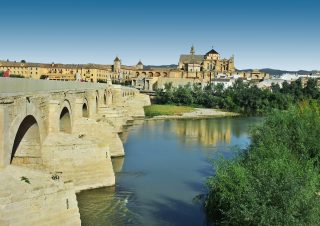
Palacio de Maximiano Hercúleo, Córdoba
Ruins in Córdoba
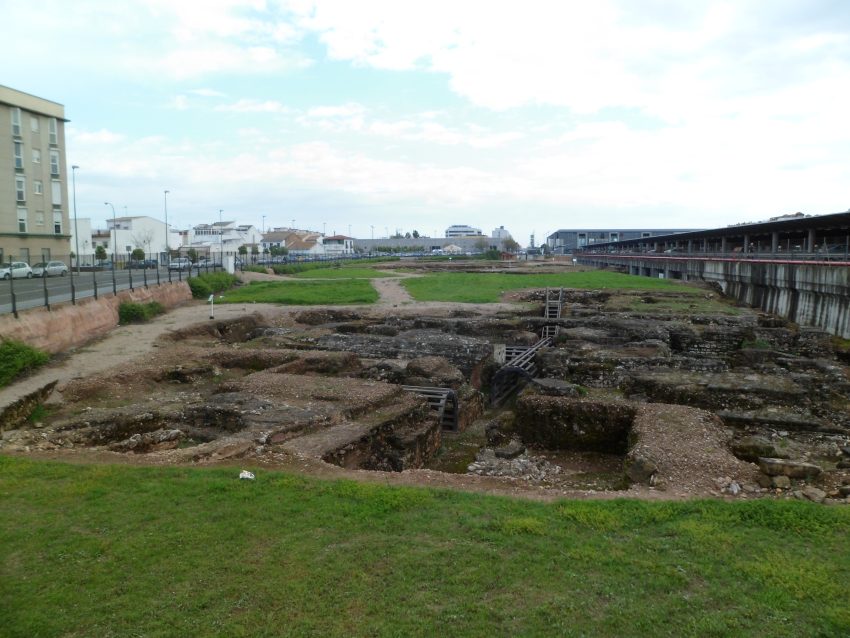
The Palacio de Maximiano Hercúleo is one of the most intriguing archaeological sites in Córdoba and one of the must-see places to visit in Córdoba for travellers fascinated by Roman history. Recently excavated in the northwest of the city, this enormous late-3rd-century palace once hosted the Roman emperor Maximianus Herculeus during his visit to Hispania around 296-297 A.D. Today, its remains can be viewed from surrounding streets and pedestrian routes, offering an unexpected glimpse into Córdoba's imperial past amidst its modern landscape.
Although not a traditional museum with interior spaces to explore, the site is often visited on walking tours of Córdoba’s archaeological heritage, giving visitors the chance to witness a rare palatial complex that once dominated more than eight hectares of the ancient city.
Table of Contents
- History and Significance of Palacio de Maximiano Hercúleo
- Things to See and Do in Palacio de Maximiano Hercúleo
- How to Get to Palacio de Maximiano Hercúleo
- Practical Tips on Visiting Palacio de Maximiano Hercúleo
- Where to Stay close to Palacio de Maximiano Hercúleo
- Is Palacio de Maximiano Hercúleo Worth Visiting?
- FAQs for Visiting Palacio de Maximiano Hercúleo
- Nearby Attractions to Palacio de Maximiano Hercúleo
History and Significance of Palacio de Maximiano Hercúleo
The palace was constructed at the very end of the 3rd century A.D., during a period of major urban transformation in Roman Corduba. Built over an earlier high-Imperial suburban villa, the complex marked an ambitious imperial project reflecting the authority and presence of Emperor Maximianus Herculeus, co-ruler of the western empire under Diocletian’s Tetrarchy.
At more than 400 metres long and 200 metres wide, the complex would have dramatically reshaped the city’s layout. Its centrepiece was a monumental basilica-planned reception hall, complete with an apse, used for official ceremonies, audiences, and imperial business. Surrounding this were banquet halls, baths, nymphaea, and administrative rooms, forming a luxurious residence and power centre for the imperial court.
During the Visigothic period, part of the palace was converted into the basilica of the martyr San Acisclo, showing how the site continued to hold importance centuries after its Roman origins. Over time, the palace fell into ruin and eventually vanished beneath later construction, until archaeological work around Córdoba’s railway station brought its remains back to light.
Things to See and Do in Palacio de Maximiano Hercúleo
Visitors today can follow a signposted route that circles the excavated remains. Although the palace is not reconstructed, the foundations and visible stonework reveal the scale and organisation of the complex. Highlights include the semicircular portico that once served as a grand entrance, and the outline of the Central Hall - a basilica-type space that would have hosted imperial receptions.
Further sections of the palace visible from the street include areas believed to be the baths, banquet rooms, and perhaps even a set of “imperial apartments” in the western sector. Interpretation panels provide context, helping visitors imagine the lavish décor, mosaic floors, and marble architecture that once filled this sprawling complex.
The experience is more atmospheric than immersive - but for lovers of Roman archaeology, seeing such an extensive palatine layout preserved beneath a modern city is deeply rewarding.
How to Get to Palacio de Maximiano Hercúleo
Córdoba is served by the nearby airports of Málaga-Costa del Sol Airport and Seville Airport, offering international and domestic connections. For the best deals and a seamless booking experience, check out these flights to Córdoba on Booking.com.
If arriving by train, the palace ruins are actually located around the Córdoba Central railway station area, making it one of the easiest archaeological sites to reach directly on foot from the AVE high-speed network. Train schedules and bookings can be found on Omio.
Travelling by car, you can access the surrounding streets near the station and view the site from public parking areas, as the remains are integrated into the urban fabric. If you are looking to rent a car in Spain I recommend having a look at Discover Cars, first, as they compare prices and review multiple car rental agencies for you.
Practical Tips on Visiting Palacio de Maximiano Hercúleo
- Best time to visit Palacio de Maximiano Hercúleo: Morning or late afternoon for cooler temperatures when viewing outdoor ruins.
- Entrance fee in Euros: Free - the site is outdoors and viewed from public areas.
- Opening hours: Accessible at all times from the surrounding streets.
- Official website: Refer to Córdoba’s archaeological heritage pages for updates.
- How long to spend: 20-30 minutes.
- Accessibility: Viewing areas are along public pavements and parking lots.
- Facilities: None on-site; cafés and shops at the railway station nearby.
- Photography tip: Capture the layout from the elevated points along the signposted path.
- Guided tours: Some Roman Córdoba tours include an exterior visit.
- Nearby food options: Numerous cafés and restaurants around the station.
Where to Stay close to Palacio de Maximiano Hercúleo
Staying near Córdoba’s railway station offers convenient access to the palace site and the rest of the city. A comfortable choice is AC Hotel Córdoba, offering modern amenities close to the ruins. For a boutique experience within walking distance, try Hotel Soho Boutique Córdoba. A more traditional option closer to the old town is NH Collection Amistad Córdoba, blending history with comfort.
Is Palacio de Maximiano Hercúleo Worth Visiting?
Yes, the Palacio de Maximiano Hercúleo is worth visiting, especially for travellers interested in archaeology, Roman history, or Córdoba's ancient layers. While the site is viewed from the exterior, its sheer scale and historical significance make it a fascinating stop - a reminder of the imperial grandeur that once shaped Roman Corduba.
What Other Travellers Say...

Yacimiento Arqueológico de Cercadilla in Noroeste, 14011 Córdoba is a Roman archaeological site noted by visitors as interesting but largely neglected and currently closed or mostly inaccessible; reviewers mention that much of the site was affected by construction related to the railway and that the remaining palace ruins have been left to deteriorate, making it disappointing for those hoping to explore it.


FAQs for Visiting Palacio de Maximiano Hercúleo
Nearby Attractions to Palacio de Maximiano Hercúleo
- Córdoba Central Railway Station: Gateway to the city and near the palace remains.
- Palacio de la Merced: A striking 18th-century Baroque building.
- Jardín de la Agricultura: A peaceful park near the station.
- Parque de la Victoria: Green space with cafés and promenades.
- Archaeological Museum of Córdoba: Displays artefacts from Roman and Visigothic Córdoba.
The Palacio de Maximiano Hercúleo appears in our Complete Guide to Visiting Córdoba!

Moira & Andy
Hey! We're Moira & Andy. From hiking the Camino to trips around Europe in Bert our campervan — we've been traveling together since retirement in 2020!
This website uses affiliate links which may earn a commission at no additional cost to you!
Nearby Attractions
- Roman Mausoleum (0.7) km
Mausoleum - Real Colegiata de San Hipólito (0.9) km
Church - Almodóvar Gate (1.1) km
City Gate - Palacio de la Merced (1.1) km
Historic Building - Alminar de San Juan (1.1) km
Minaret - Casa Andalusí (1.2) km
Historic Building and Museum - Casa de Sefarad (1.2) km
Museum - Judería de Córdoba (1.2) km
Area - Plaza de las Tendillas (1.2) km
Square - Sinagoga (1.2) km
Synagogue