Paço dos Condes de Barcelos
Historic Site and Museum in Barcelos
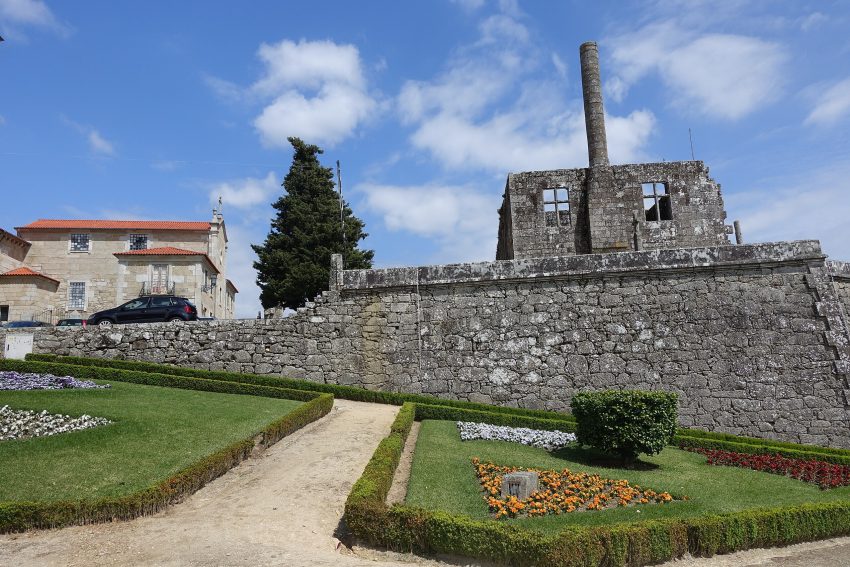
Paço dos Condes de Barcelos in Barcelos, Portugal, is a ruined palace and archaeological site beside the River Cávado, just by the medieval bridge into the city. Built in the early 15th century for D. Afonso, Count of Barcelos and first Duke of Bragança, it now survives as a National Monument and open-air museum.
Visitors come for the stone remains, garden setting, and objects displayed among the ruins, including arches, tombs, heraldic pieces, and the Cruzeiro do Senhor do Galo tied to the Barcelos Rooster legend. It suits travelers who want a short, low-key stop with history, folklore, and river views, rather than a large museum or fully restored palace.
History and Significance of Paço dos Condes de Barcelos
The Paço dos Condes de Barcelos dates back to the early 15th century, when it was commissioned by D. Afonso, the eighth Count of Barcelos and first Duke of Bragança. As the illegitimate son of King João I, Afonso was among the most influential nobles of his time. His palace in Barcelos was a statement of wealth and power - part residence, part fortress - with imposing walls and distinctive cylindrical chimneys that once defined the city's skyline.
For centuries, the palace served as the residence of the Counts of Barcelos until it fell into disuse during the 17th century. The devastating earthquake of 1755 accelerated its decline, leaving behind the hauntingly beautiful ruins that remain today. Declared a National Monument, the site now hosts an open-air Archaeological Museum that preserves the city's most treasured artifacts and architectural fragments, linking Barcelos' medieval past with its living folklore.
Things to See and Do in Paço dos Condes de Barcelos
Visitors to the Paço can wander through its gardens, where weathered stone arches, sarcophagi, and heraldic symbols are arranged among the ruins. The museum's collection includes architectural details salvaged from vanished monasteries and noble houses, as well as medieval tombs and carved boundary markers of the House of Bragança.
Among the highlights is the Cruzeiro do Senhor do Galo, a stone cross from the early 18th century that depicts the famous legend of the Barcelos Rooster - the miraculous tale of a pilgrim wrongly accused of theft who was saved by a rooster's crow. This cross, brought from Barcelinhos on the opposite bank, is considered one of the city's most important monuments. Standing beside it, visitors can look across the river and reflect on the deep roots of Portuguese faith, folklore, and art. This spot is one of the best places to see in Barcelos for anyone seeking to connect with both myth and history.
How to Get There
The Paço dos Condes de Barcelos sits at the entrance to the city, beside the bridge over the River Cávado and within easy walking distance from the historic center. Barcelos is served by regular train connections from Porto, Braga, and Viana do Castelo, arriving at Barcelos Station about a 10-minute walk away. Train schedules and bookings can be found on Omio. For those traveling by car, parking is available nearby along the riverfront and in adjacent city streets. If you are looking to rent a car in Portugal I recommend having a look at Discover Cars, first, as they compare prices and review multiple car rental agencies for you.
Practical Tips on Visiting Paço dos Condes de Barcelos
- Best time to visit Paço dos Condes de Barcelos: Spring and autumn, when the gardens are green and the weather mild.
- Entrance fee in Euros: Free admission.
- Opening hours: Typically open daily from 9:00 a.m. to 6:00 p.m.
- Official website: www.cm-barcelos.pt
- How long to spend: Around 45 minutes to one hour.
- Accessibility: Outdoor site with uneven ground; limited wheelchair access.
- Facilities: Benches, rest areas, and nearby cafés.
- Photography tip: Visit in the late afternoon when the light illuminates the stone ruins and river.
- Guided tours: Occasionally available through the local tourism office.
- Nearby food options: Enjoy traditional northern Portuguese dishes in nearby restaurants along Rua Direita.
Is Paço dos Condes de Barcelos Worth Visiting?
Yes. The Paço dos Condes de Barcelos is one of the top sights in Barcelos, blending scenic ruins, archaeological treasures, and folklore in one unforgettable location. Its peaceful riverside setting makes it an inspiring stop for photographers, historians, and travelers alike. Even without its former grandeur, the palace continues to tell a powerful story about the city's noble past and enduring cultural legacy.
What Other Travellers Say...
Paço dos Condes de Barcelos sits in Barcelos near the Cávado River and the medieval bridge; visitors note the ruined palace is part of the old town and houses archaeological displays, with clean, attractive exhibits and good river views, though expect long lines and ticketing hassles; admission can be free and many praise the site as worth seeing compared with nearby markets.





FAQs for Visiting
The Paço dos Condes de Barcelos appears in our Complete Guide to Visiting Barcelos!

Moira & Andy
Hey! We're Moira & Andy. From hiking the Camino to trips around Europe in Bert our campervan — we've been traveling together since retirement in 2020!
This website uses affiliate links which may earn a commission at no additional cost to you!
Planning Your Visit
Summer: 9am / 7pm; Winter: 9am / 5.30pm; Open every day
Nearby Attractions
- Igreja Matriz de Barcelos (0) km
Church - Ponte Medieval de Barcelos (0.1) km
Bridge - Olaria de Barcelos (0.1) km
Museum - Torre do Cimo da Vila (0.4) km
Tower - Castro de S. Lourenço (12) km
Historic Site - Monastery of São Martinho de Tibães (12.3) km
Monastery - Museu Municipal de Esposende (13.2) km
Museum - Termas Romanas do Alto da Cividade (16.1) km
Historic Site - Arco da Porta Nova (16.2) km
City Gate - Biscainhos Museum (16.2) km
Museum