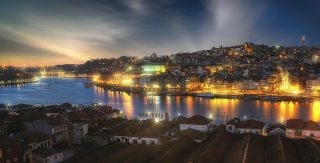
Bragança, Portugal: The Ultimate Travel Guide 2026
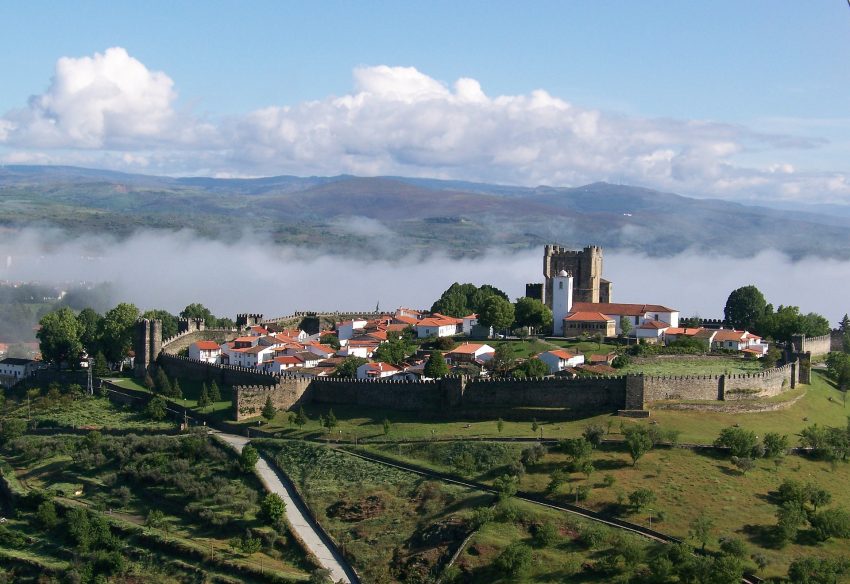
Braganca portugal
Braganca portugal

Visiting Bragança offers a journey into one of Portugal's most authentic and scenic regions. Nestled in the Trás-os-Montes area of the northeast, Bragança is surrounded by rolling hills, forests, and traditional villages, making it an excellent base for nature lovers and cultural explorers alike. The city itself has a quiet, relaxed rhythm, far removed from the more tourist-heavy destinations further south, which adds to its appeal for those looking to experience a more genuine slice of Portuguese life.

One of Bragança’s main draws is its well-preserved citadel, which includes the iconic Domus Municipalis, a rare Romanesque civic building, and a towering medieval castle offering panoramic views of the countryside. Inside the citadel walls, cobbled lanes and stone houses create an atmospheric setting, perfect for wandering and soaking up the town’s architectural charm. Just outside the walls, the Abade de Baçal Museum adds depth to the visit with its rich collection of religious art and local history.

Bragança is also a gateway to the Montesinho Natural Park, one of Portugal's largest protected areas, known for its biodiversity and traditional rural life. Hiking, wildlife spotting, and visits to remote villages like Rio de Onor offer rewarding day trips for those with a taste for nature and culture combined. Local cuisine is another highlight-hearty, rustic, and shaped by the region's geography-featuring cured meats, chestnuts, and wild mushrooms. Whether you're visiting for a day or staying longer, Bragança offers a deep sense of place and a strong connection to Portugal's mountainous northeast.

History of Bragança

Bragança in Prehistoric and Roman Times

Bragança’s origins reach back to prehistoric times, with archaeological evidence of human settlement in the surrounding hills and valleys. Megalithic tombs and fortified Iron Age settlements point to a long-standing human presence. During the Roman era, the region was incorporated into the vast network of roads and administrative districts that connected the Iberian Peninsula. Although Bragança itself was not a major Roman city, its strategic position near the borderlands gave it regional importance in controlling movement and resources between territories.

Bragança in the Medieval Period

Bragança rose to prominence in the early medieval period, particularly after the Christian reconquest of northern Portugal. The area became part of the expanding Portuguese kingdom in the 12th century, and the construction of the Bragança Castle marked its transformation into a key military and administrative center. In 1187, King Sancho I granted Bragança a municipal charter, helping to establish its civic and economic structure. The fortified citadel, including the Domus Municipalis, one of the oldest surviving examples of Romanesque civil architecture in Portugal, became a focal point of governance and defense.

Bragança in the Rise of the House of Braganza

In the 15th century, Bragança became the seat of the powerful House of Braganza, one of Portugal’s most influential noble families. The dynasty would go on to play a pivotal role in the country’s history, eventually ascending to the Portuguese throne in 1640 during the Restoration War, after Portugal regained independence from Spain. Although the royal court remained in Lisbon, the family’s origins gave Bragança symbolic importance and maintained its status as a noble stronghold. During this time, the city grew in population and influence, with religious institutions, fortifications, and trade routes expanding across the region.

Bragança in the Modern and Contemporary Era

In the 19th and early 20th centuries, Bragança experienced gradual development while maintaining its rural and fortified character. It remained relatively isolated due to its geographic location, which helped preserve much of its historic architecture and traditional way of life. The city played a minor role in the liberal struggles and political upheavals of the 19th century but remained a provincial stronghold. In the 20th century, improvements in transportation and infrastructure began integrating Bragança more fully into the national fabric. Today, the city balances heritage conservation with regional development, standing as a cultural and historical emblem of northeastern Portugal.

Moira & Andy
Moira & Andy

Hey! We're Moira & Andy. From hiking the Camino to trips around Europe in Bert our campervan — we've been traveling together since retirement in 2020!

Read our full story here

Visiting Bragança for the first time and wondering what are the top places to see in the city? In this complete guide, I share the best things to do in Bragança on the first visit. To help you plan your trip, I have also included an interactive map and practical tips for visiting!

This website uses affiliate links which earn a small commission at no additional cost to you.
Powered by GetYourGuide

9 Best places to See in Bragança

This complete guide to Bragança not only tells you about the very best sights and tourist attractions for first-time visitors to the city but also provide insights into a few of our personal favorite things to do.

This is a practical guide to visiting the best places to see in Bragança and is filled with tips and info that should answer all your questions!

1. Sé Velha de Bragança
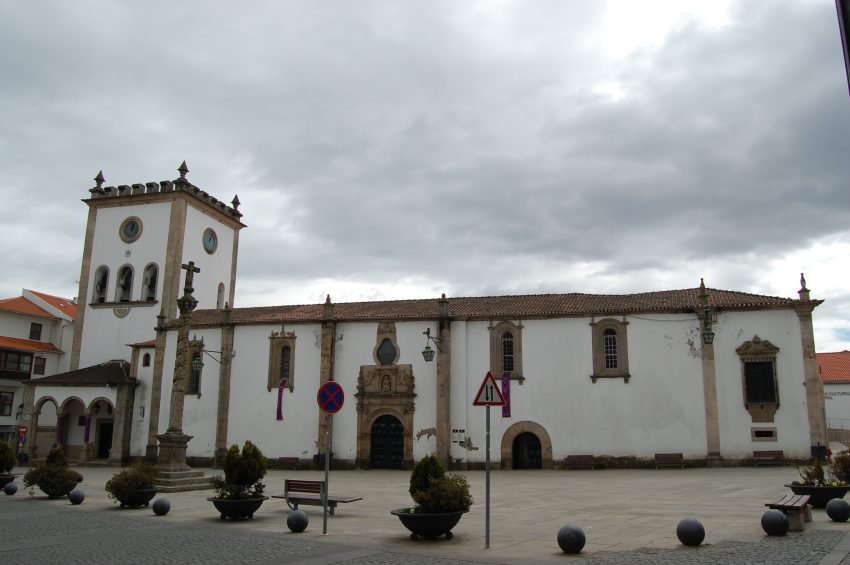
Old Cathedral of Braganca
CC BY-SA 2.5 / Dantadd
Sé Velha is a former 16th-century convent church whose role shifted dramatically in 1764, when the bishopric moved from Miranda do Douro and it became the cathedral for more than two centuries. Since the new cathedral opened in 2001, it has returned to parish life, dedicated to the Holy Name of Jesus and Saint John the Baptist. Step inside for a restrained, quiet interior, then seek out the cloister—its simple arcades create a calm, enclosed pause from the streets. Today the same complex also houses the Cultural Center and Music Conservatory, so you may encounter exhibitions or rehearsals alongside worship. Reviews often mention a peaceful atmosphere, though opening times can be unpredictable.
Location: Igreja de São João Baptista (antiga Sé de Bragança), Rua Alexandre Herculano, Bragança, Portugal | Distance: 0km

We recommend to rent a car in Portugal through Discover Cars, they compare prices and review multiple car rental agencies. Book your rental car here.

2. Centro de Arte Contemporânea Graça Morais

CentroArteContemporaneaGracaMorais CMBraganca
All Rights Reserved / www.visitportugal.com
Centro de Arte Contemporânea Graça Morais is a contemporary art museum where the building is part of the experience: Eduardo Souto Moura’s crisp, minimalist architecture (opened 2008) folds modern volumes around an older structure, shaping light and quiet pauses between galleries. Inside, temporary shows rotate through painting, sculpture, photography, and installations, while seven permanent rooms focus on Graça Morais’s work, rooted in the people and landscapes of Trás-os-Montes. Visitors often remember the calm garden and the terrace café as a place to decompress after the exhibitions. Reviews regularly note the welcoming staff and the chance to come away with a real sense of the artist’s world.
Location: Centro de Arte Contemporânea Graça Morais, Rua Abílio Beça, Bragança, Portugal | Hours: Tuesday to Sunday: 10:00 am - 6:30 pm. Closed weekly on Monday. | Price: €2.29 per person | Website | Distance: 0.1km

Here is a complete selection of hotel options in Bragança. Feel free to review each one and choose the stay that best suits your needs.

3. Museu do Abade de Baçal

Edificio do antigo Paco Episcopal de Braganca
CC BY-SA 4.0 / Reis Quarteu
Housed in an elegant 18th-century former Episcopal Palace, the Museu do Abade de Baçal pairs period rooms and an atmospheric courtyard with collections that trace local life across millennia. Founded in 1915 and named for scholar-priest Francisco Manuel Alves, it moves from prehistoric tools and early metalwork to Roman milestones, altars, ceramics, and funerary stelae that map the region’s Romanisation. Religious sculptures, liturgical objects, and paintings from area churches add a quieter, devotional layer, while jewellery, coins, and ornate furniture sketch later social worlds. Visitors often remember the calm, intimate feel of the palace itself—more contemplative than the surrounding medieval streets.
Location: Museu do Abade de Baçal, Rua Abílio Beça, Bragança, Portugal | Hours: 9h30 a.m. - 12:30 p.m. | 2:00 p.m. to 6:00 p.m. Closed: Mondays, 1 January, Easter Sunday, 1 May, 25 December. | Website | Distance: 0.3km

Traveling to a country with a different currency? Avoid ATM transaction fees and pay in local currency with a Wise Card. Having used it for over 5 years, we've saved loads on fees!

4. Igreja de São Vicente

Braganca Sao Vicente
CC BY-SA 3.0 / GFreihalter
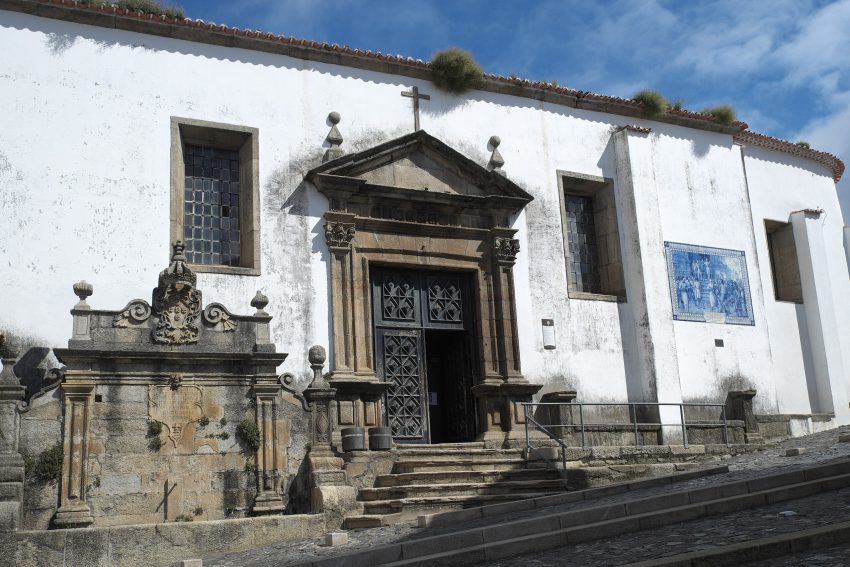
Igreja de São Vicente is a parish church whose layered fabric spans Romanesque beginnings in the 13th century and major rebuilding in the 17th. A Renaissance-style portico leads into an interior dense with Baroque carving and gilded woodwork, where the main chapel centers on a crucified Christ framed by six twisting Solomonic columns. Look up in the chancel for a painted, starry vault and linger over the expressive figures of the Virgin and Saint Vincent. Near the entrance, a tile panel recalls General Sepúlveda’s 1808 call to resist Napoleon’s troops, adding a vivid civic note to the church’s devotional atmosphere.
Location: Igreja de São Vicente, Rua Combatentes da Grande Guerra, Bragança, Portugal | Distance: 0.4km

Explore Bragança at your own pace with our self-guided walking tour! Follow our curated route to discover must-see sights and local secrets that makes Bragança one of the best places to visit in Portugal.

5. Museu Ibérico da Máscara e do Traje

Museu Ibérico da Máscara e do Traje
CC BY-SA 4.0 / Jufsferreira
Museu Ibérico da Máscara e do Traje explores the winter masked traditions that run from Christmas to Carnival across northern Portugal and neighboring Spain. Galleries are packed with hand-carved wooden masks painted in sharp colors, wool costumes, and the noisy accessories—bells and rattles—used in street rituals. You’ll meet familiar figures like the Caretos of Podence and the Chocalheiros of Bemposta alongside characters from Zamora and León, with photos and multimedia that recreate the energy of parades and coming-of-age ceremonies. Set just outside the citadel, it feels intimate and tactile, the kind of place where visitors linger over the textures and craftsmanship. Reviews often call it a small but memorable museum.
Location: Museu Ibérico da Máscara e do Traje, O Bravo, Rua Dom Fernão, Bragança, Portugal | Hours: Usually Tuesday to Sunday; hours vary by season. | Price: Typically €2–€3. | Distance: 0.6km

6. Domus Municipalis
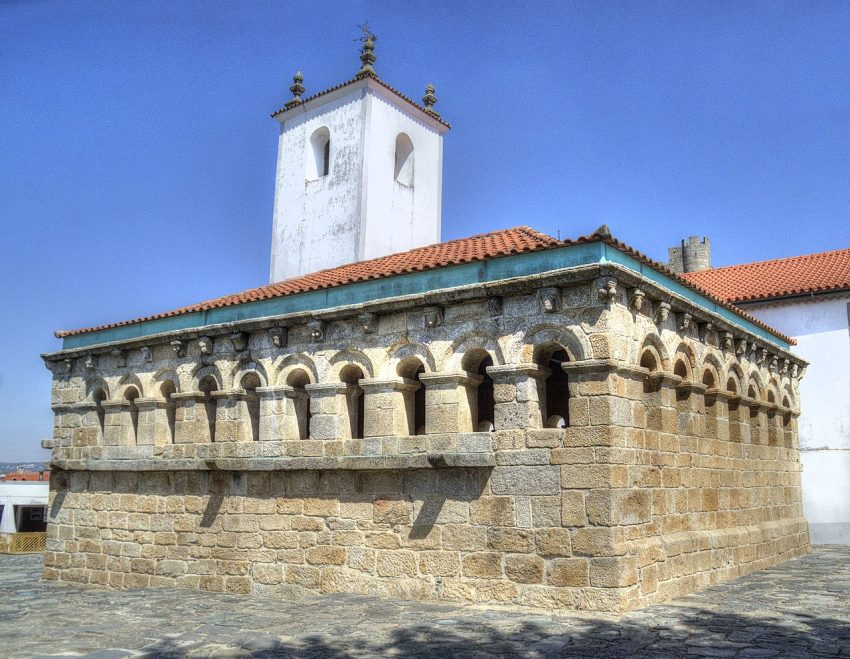
Domus municipalis Braganca
CC BY-SA 2.0 / Ángel M. Felicísimo
Domus Municipalis is a rare Romanesque civic building inside the medieval citadel of Bragança, beside the castle keep, and one of Portugal’s most unusual survivals of municipal life. Its striking pentagonal plan and all-stone construction—uncommon for secular buildings of its era—give it a fortress-like solidity that has helped it endure. Inside the upper hall, a continuous stone bench runs around the walls beneath small windows, some decorated with simple archivolts and star-like motifs. Below, a vaulted cistern hints at the practical infrastructure that supported the citadel. Travelers sometimes find it closed for repairs, but the carved stone exterior is memorable even from outside.
Location: Domus Municipalis, Rua da Cidadela, Bragança, Portugal | Distance: 0.7km

7. Igreja de Santa Maria
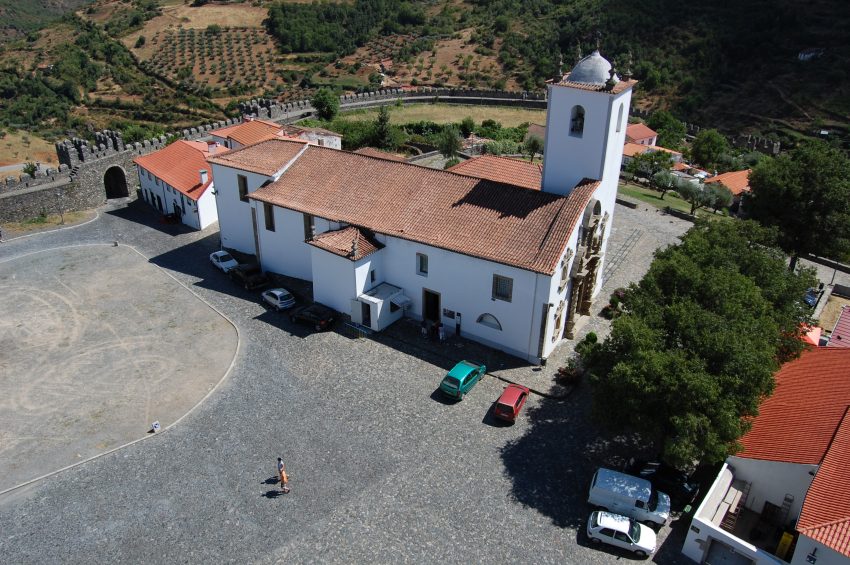
Igreja de Santa Maria Braganca
CC BY-SA 3.0 / jose antonio casano
Tucked inside the medieval citadel, Igreja de Santa Maria is the town’s oldest church, begun in the 14th century and later dressed with a Baroque façade. The entrance is the first thing you’ll remember: twisting Solomonic columns wrapped in vine motifs and stone-carved details that feel almost theatrical against the fortress streets. Step inside and the mood shifts to a calm, Romanesque three-aisled plan with polygonal columns and softly lit chapels. Look up for the painted ceiling of the Assumption, and linger by the gilded altarpiece and devotional images such as Santa Maria Madalena, praised by visitors for their craftsmanship.
Location: Igreja de Santa Maria, Rua da Cidadela, Bragança, Portugal | Hours: Open every day from 9:30 am to 5:30 pm. | Website | Distance: 0.7km

8. Castelo de Bragança
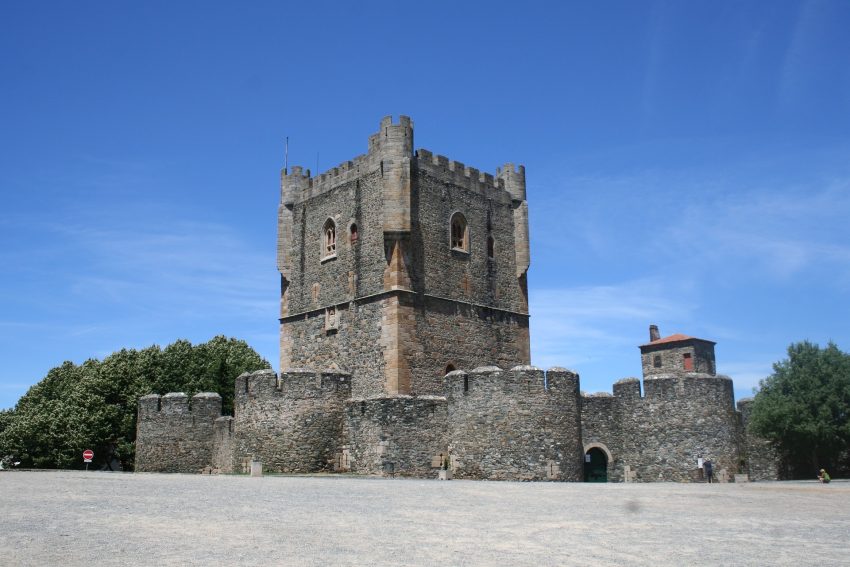
Torre de menagem do castelo de Braganca
Castelo de Bragança crowns the hilltop with a rugged 15th-century fortress commissioned by King João I in 1409, built over earlier 12th-century defenses. The massive keep—about 17 metres across and rising to roughly 33 metres—still shows Gothic battlements and stone heraldry of the House of Avis, and climbing it brings wide views over rooftops and the Trás-os-Montes countryside. Inside, the keep doubles as a Military Museum with centuries of weapons and uniforms. Beyond the tower, double walls, multiple gates, and a web of cobbled lanes enclose the old citadel, where the rare Romanesque Domus Municipalis and the church of Santa Maria sit among whitewashed houses.
Location: Castelo de Bragança, Rua Dom João V, Bragança, Portugal | Hours: 9:00 a.m. - 12:00 a.m. | 2:00 p.m. to 5:00 p.m. Closed on Mondays and national holidays. In August it does not close during lunch time | Distance: 0.7km

9. Castro de Avelãs Monastery

Mosteiro de Castro de Avelas
CC BY-SA 4.0 / Jorge Guerreiro
Castro de Avelãs Monastery is a small but striking set of Benedictine ruins just outside Bragança, founded in the 12th century and once linked to Camino de Santiago pilgrim support. What visitors remember is the surviving Romanesque apse: a rounded sanctuary built in distinctive red brick, patterned with blind arches that feel unusual in Portugal. Three small round chapels in the transept and a later rectangular addition hint at how the complex evolved before its dissolution in 1543 and gradual collapse. The setting is quiet and rural, with mostly level ground but uneven paths around the remains. Travelers note it can be peaceful, though the church is sometimes closed.
Location: Castro de Avelãs Monastery, Castro de Avelãs, Portugal | Website | Distance: 4km

Best Day Trips from Bragança

A day trip from Bragança offers the perfect opportunity to escape the urban rhythm and discover the surrounding region's charm. Whether you're drawn to scenic countryside, historic villages, or cultural landmarks, the area around Bragança provides a variety of easy-to-reach destinations ideal for a one-day itinerary. If you are looking to rent a car in Portugal I recommend having a look at Discover Cars, first, as they compare prices and review multiple car rental agencies for you.

1. Vila Nova de Foz Côa
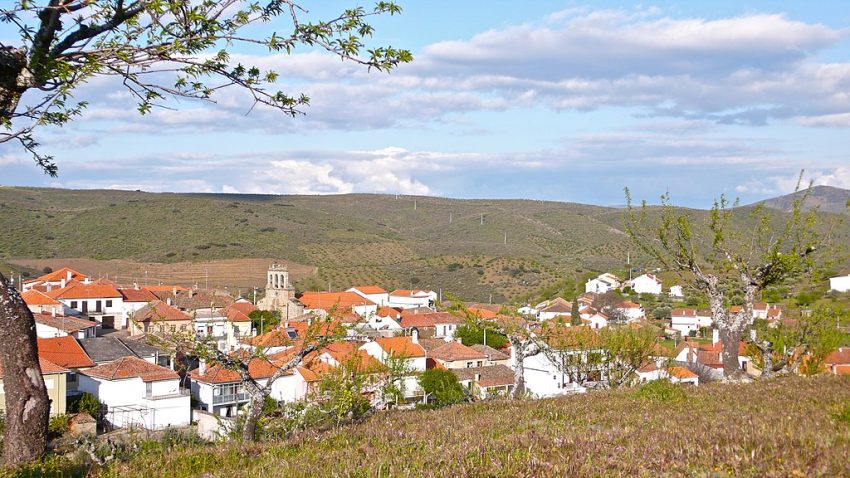
Vila Nova de Foz Coa
CC BY-SA 2.0 / Aires Almeida
Vila Nova de Foz Côa is a municipality located in Northern Portugal, in the district of Guarda. The municipality covers an area of approximately 398 square kilometers and has a population of around 6,500 people. The town of Vila Nova de Foz Côa is situated on the banks of the Douro River and is known for its rich history and…
Visiting Vila Nova de Foz Côa

2. Astorga

astorga
astorga
Astorga, the capital of the Maragatería region in the province of León, boasts a rich medieval legacy due to its strategic location at the crossroads of the Pilgrim's Road to Santiago de Compostela and the Ruta de la Plata (Silver Road). The town's walled historic center preserves an array of churches, convents, and hospitals that transport visitors back to the…
Visiting Astorga
Powered by GetYourGuide

3. Pinhão (Alijó)

Pinhao Train Station
CC BY-SA 3.0 / jfreire
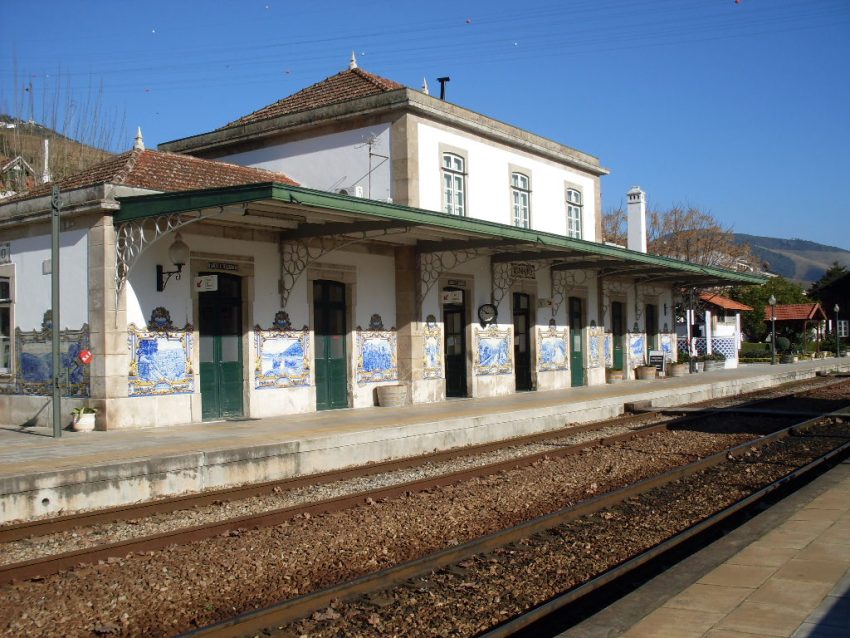
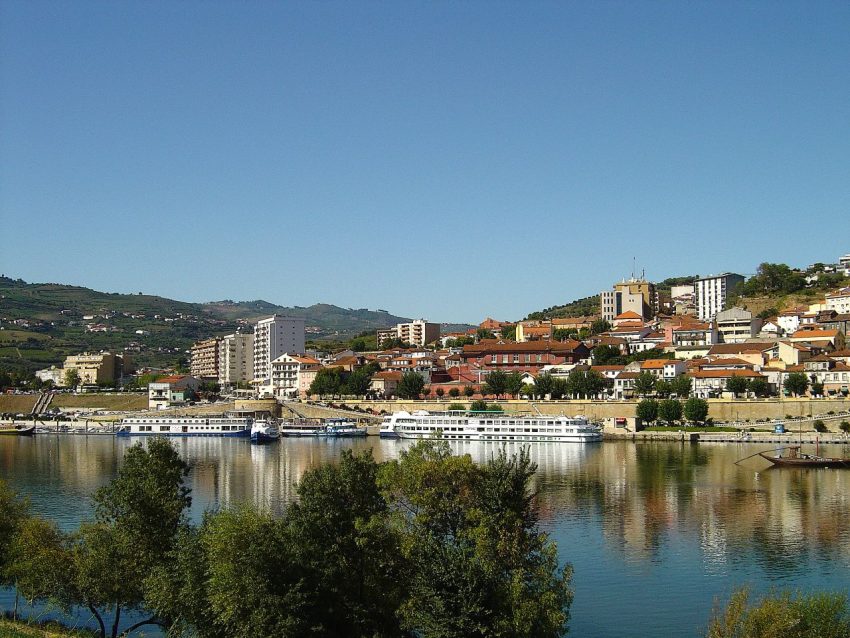
Pinhão is a small town located in the heart of the Douro Valley wine region in Northern Portugal. It is situated on the banks of the Douro River, surrounded by rolling hills covered in vineyards. The town is often considered to be one of the most picturesque in the region, with its traditional whitewashed houses and red-roofed buildings. Pinhão is…
Visiting Pinhão (Alijó)
Powered by GetYourGuide

4. Vila Real

Vila Real Square
Vila Real Square
CC BY-SA 2.0 / Varun Shiv Kapur
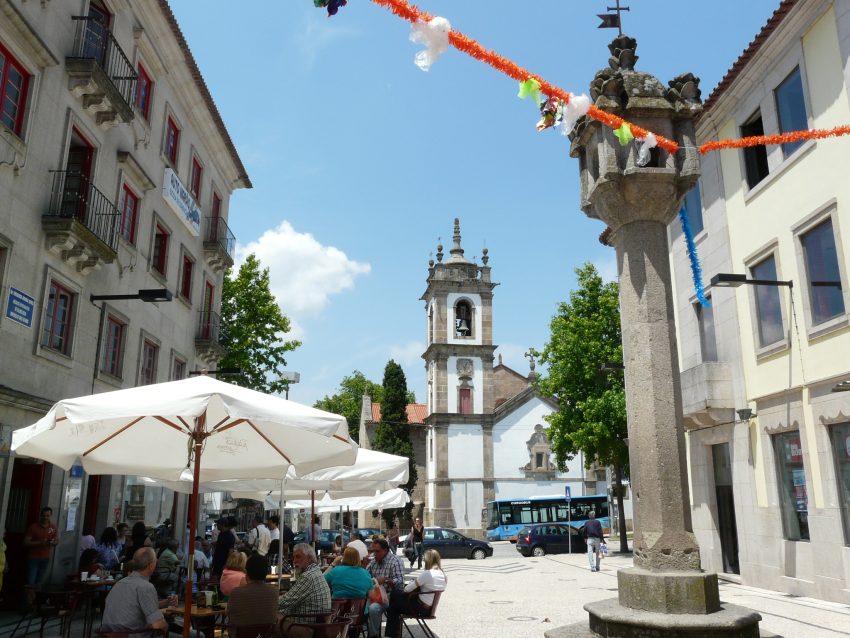
Vila Real, the capital of Trás-os-Montes in Northern Portugal, is a bustling town located on a plateau in the foothills of the Serra do Marão. The town is connected by bridges that span the deep ravines created by the Corgo and Cabril rivers, which converge here. From a terrace high above, once the site of a castle, visitors can enjoy…
Visiting Vila Real
Powered by GetYourGuide

5. Ourense

Roman bridge Ourense Spain
CC BY-SA 2.0 / Victor Hermida Prada
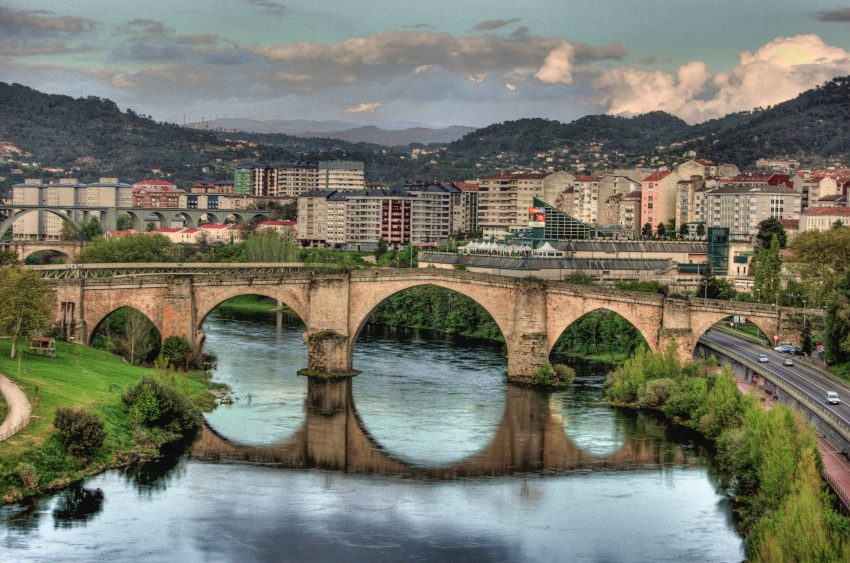
Stretching along the banks of the river Miño is the city of Ourense, which maintains its traditional connection to the river through its iconic Roman bridge. A historic crossroads, the Old City preserves many significant sites, with the Cathedral standing out among them. The Miño River, which flows through the heart of the city, has shaped the provincial capital's current appearance.…
Visiting Ourense

6. Peso da Régua

Peso da Regua
Peso da Regua
CC BY-SA 2.0 / Vitor Oliveira
Peso da Régua is a town located in the Alto Douro wine region in Northern Portugal, and it is considered the capital of the Upper Douro province. The town is situated on the banks of the Douro River, and it is an important center for the production and trade of port wine, which has been the main economic activity in…
Visiting Peso da Régua
Powered by GetYourGuide

7. Lamego

Lamego   Portugal
Lamego Portugal
CC BY-SA 2.0 / Vitor Oliveira
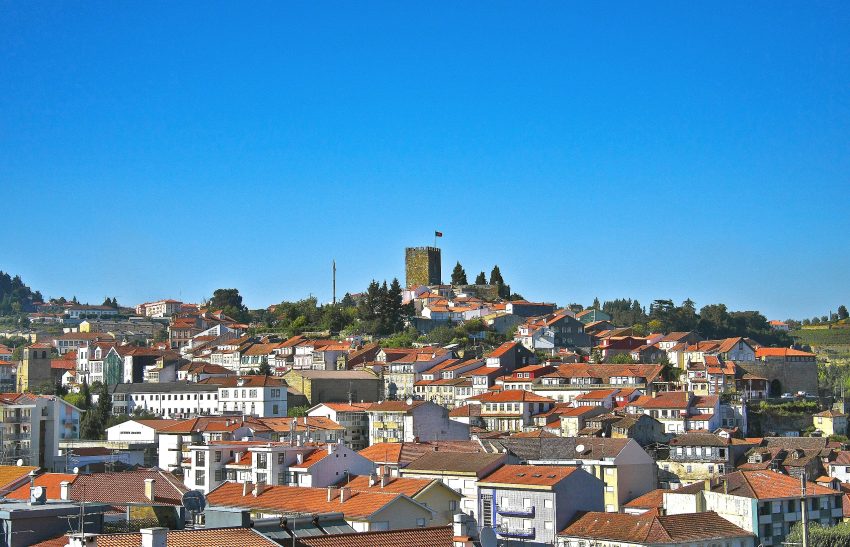
Lamego is a city located in the Viseu District in Northern Portugal. It is situated in the Douro Valley region, known for its picturesque landscapes and world-renowned wine production. Lamego has a rich history, with evidence of human settlement dating back to prehistoric times. In the Roman period, the city was an important center for trade and agriculture, and later…
Visiting Lamego
Powered by GetYourGuide

8. Salamanca

Salamanca
Salamanca
Salamanca, a jewel of Castile and León, captivates visitors with its golden sandstone architecture and vibrant student atmosphere. The city's Plaza Mayor, often regarded as one of Spain’s most beautiful squares, serves as the social and cultural hub, where cafés spill onto the cobbled streets and people gather to soak in the energy of the city. A walk through the…
Visiting Salamanca
Powered by GetYourGuide

9. León

Catedral de Santa Maria leon
CC BY-SA 2.0 / David Santaolalla
León, nestled in the heart of Castile and León, is a city that seamlessly blends medieval grandeur with a lively modern atmosphere. Its historic center is a delight to explore, featuring stunning landmarks such as the León Cathedral, renowned for its breathtaking stained-glass windows that flood the interior with colorful light. Strolling through the city’s charming streets, visitors encounter Plaza…
Visiting León

10. Guimarães

Hall of the Dukes of Braganca in Guimaraes Portugal
CC BY-SA 2.0 / Feliciano Guimarães
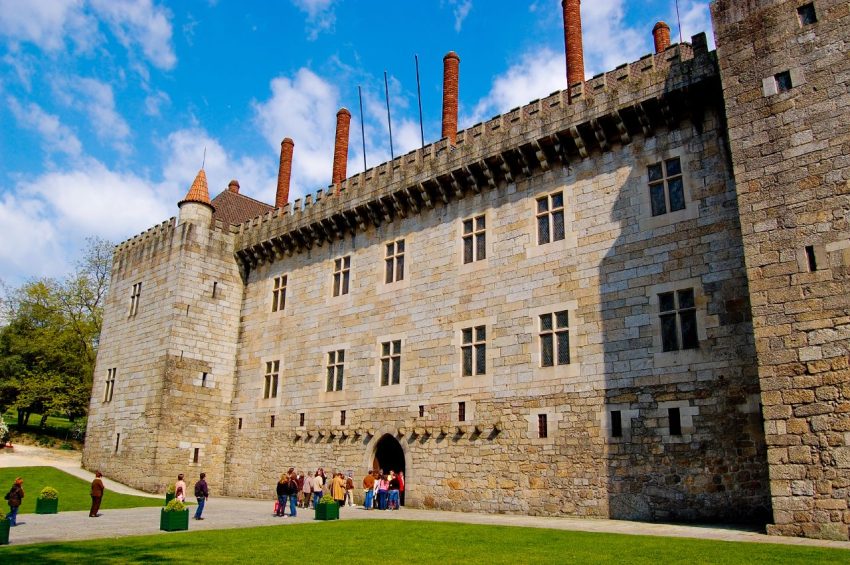
Visiting Guimarães offers a wonderfully atmospheric introduction to northern Portugal, set within the lush landscapes of the Minho region. Its compact layout makes it ideal for slow wandering, where charming squares, inviting cafés, and handsome granite buildings unfold one after another. With its beautifully preserved centre and relaxed pace, Guimarães feels both intimate and quietly grand, giving you plenty of…
Visiting Guimarães
Powered by GetYourGuide

Where to Stay in Bragança


Bragança offers a range of accommodations that cater to various preferences, from historic charm to modern comfort.

For those seeking a luxurious experience with panoramic views, Pousada de Bragança – São Bartolomeu is an excellent choice. This hillside hotel features mid-century furnishings, cozy fireplaces, and spacious guest rooms with private terraces. Guests can enjoy a pool and an excellent Portuguese restaurant on-site, making it a peaceful spot in a striking setting.

Travelers looking for modern amenities and convenience might consider Hotel Santa Apolónia. Located halfway between historical Bragança and the IP4 motorway, this hotel offers quiet accommodations with free Wi-Fi, a 24-hour reception, and free on-site private parking.

For a more central location, Baixa Hotel is situated in the heart of the city. This hotel features a restaurant, bar, and city views, placing guests within walking distance of Bragança Castle and other local attractions.

Budget-conscious visitors may find Hotel Ibis Bragança appealing. This hotel provides comfortable accommodations with modern facilities, making it a practical choice for travelers seeking value without compromising on quality.

Each of these options provides a unique experience, allowing visitors to choose accommodations that best fit their preferences while exploring the rich history and culture of Bragança.

Using the our Hotel and Accomodation map, you can compare hotels and short-term rental accommodations in Bragança. Simply insert your travel dates and group size, and you’ll see the best deals for your stay.

Bragança Accommodation Map

Best Time to Visit Bragança

Visiting Bragança in Spring

Spring is an ideal time to visit Bragança. The weather is mild and pleasant, perfect for exploring the town’s historic sites and enjoying outdoor activities. The blooming flowers and greenery add a vibrant touch to the already picturesque surroundings.

Visiting Bragança in Summer

Summer in Bragança offers warm temperatures and long sunny days, making it a great season for sightseeing and participating in local festivals. The lively atmosphere and clear skies provide an excellent backdrop for outdoor adventures and cultural experiences.

Visiting Bragança in Autumn

Autumn brings cooler temperatures and stunning foliage to Bragança. The changing colors of the leaves create a beautiful setting for exploring the town and its natural surroundings. This season is perfect for those who enjoy a quieter and more relaxed visit.

Visiting Bragança in Winter

Winter in Bragança is characterized by cooler weather and occasional snowfall, giving the town a charming, serene ambiance. It’s an excellent time to explore indoor attractions, enjoy the local cuisine, and experience the town’s festive decorations and holiday events.

Annual Weather Overview

  • January 9°C
  • February 12°C
  • March 14°C
  • April 19°C
  • May 23°C
  • June 26°C
  • July 30°C
  • August 31°C
  • September 26°C
  • October 21°C
  • November 13°C
  • December 10°C

How to get to Bragança

By Air to Bragança

To reach Bragança by air, fly into Francisco Sá Carneiro Airport in Porto, which is the nearest major airport. From Porto, you can take a regional flight directly to Bragança or opt for ground transportation to complete your journey.

By Train to Bragança

Although Bragança itself does not have a train station, you can take a train to a nearby town such as Mirandela or Macedo de Cavaleiros. From there, you can easily reach Bragança by bus or taxi.

By Bus to Bragança

Several bus companies operate routes to Bragança from major Portuguese cities such as Lisbon, Porto, and Coimbra. Buses provide a comfortable and affordable way to travel, with the main bus station conveniently located in the town center.

By Car to Bragança

Driving to Bragança is a convenient option if you prefer to travel at your own pace. The town is well-connected by road, and you can easily reach it via the A4 motorway from Porto. Renting a car allows you to explore Bragança and its beautiful surroundings with flexibility. If you are looking to rent a car in Portugal I recommend having a look at Discover Cars, first, as they compare prices and review multiple car rental agencies for you.

More from this area