Iglesia del Espíritu Santo, Ronda
Church in Ronda
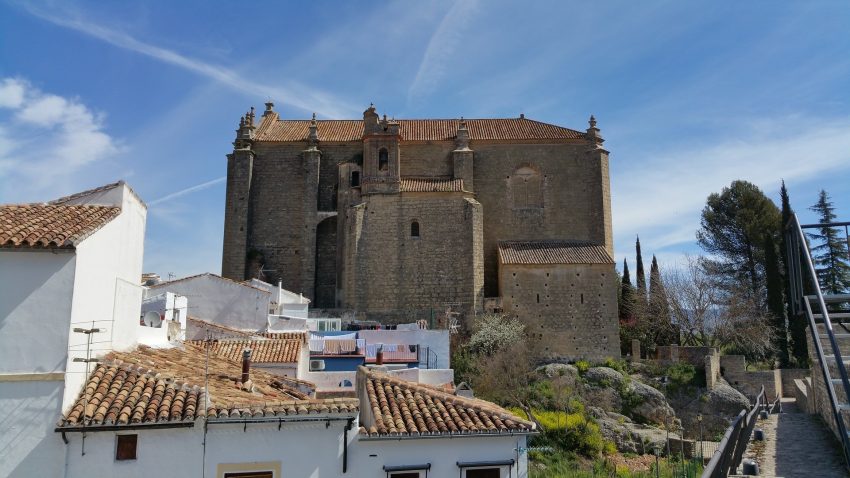
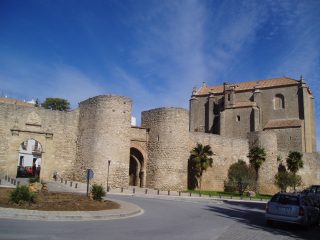
The Iglesia del Espíritu Santo is one of Ronda's most distinctive churches because it was conceived as much for protection as for worship. Set in the old city, it quite literally looms over Puerta de Almocábar, the southern gate in the walls, giving you that rare feeling of standing where architecture, power, and strategy all meet in the same stone footprint.
It's one of the top sights in Ronda if you enjoy landmarks that explain the city rather than simply decorate it, and it works naturally on a walking tour of Ronda because it sits right at the edge of the old walls where you can connect churches, gates, and historic streets in one coherent loop.
Table of Contents
- History and Significance of the Iglesia del Espíritu Santo
- Things to See and Do in the Iglesia del Espíritu Santo
- Practical Tips on Visiting the Iglesia del Espíritu Santo
- Where to Stay Close to the Iglesia del Espíritu Santo
- Is the Iglesia del Espíritu Santo Worth Visiting?
- For Different Travelers
- FAQs for Visiting Iglesia del Espíritu Santo
- Nearby Attractions to the Iglesia del Espíritu Santo
History and Significance of the Iglesia del Espíritu Santo
Construction of the church was ordered after Ronda was taken in 1485, making it the first church built in the city following the Christian reconquest. That timing matters, because it places the building at a moment when the new rulers needed both a visible statement of authority and a practical response to a tense frontier reality.
The church rose on the destroyed foundations of an octagonal Moorish defensive tower that once guarded the gate and walls below. In other words, the site itself was already militarised before the church arrived, and the new structure inherited that role, turning a strategic point into a religious one without abandoning its defensive logic.
Because Ronda still faced the risk of counterattack during the period of construction, the church was designed with a severe Gothic character that reads as fortified rather than ornate. Even if you do not know the story in advance, the mood of the building makes sense once you learn why it looks more like a stronghold than a delicate parish church.
Things to See and Do in the Iglesia del Espíritu Santo
Start by viewing the church in relation to Puerta de Almocábar, because the positioning is the point. Standing near the gate and looking up, you can understand how the building dominates the approach, turning a vulnerable entry into a space watched over by stone and height.
Then focus on the church’s fortress-like features and overall severity. The Gothic feel here is not about decorative flourish; it’s about weight, restraint, and the impression of permanence, which makes it a rewarding stop for anyone interested in how architecture responds to conflict.
Finally, make this a “context stop” in your old-town route. Even a short visit helps you read the surrounding streets and walls differently, because you begin to see the city as a defended settlement with layers of reuse, rather than just a picturesque set of lanes.
Practical Tips on Visiting the Iglesia del Espíritu Santo
- Entrance fee: Adults: €1.00
- Opening hours: Monday - Saturday: 10:00-14:00 & 16:00 - 19:00
- Best time to visit: Go in the morning for a calmer atmosphere and a cleaner sense of the site’s relationship to the gate and walls below. Late afternoon is also excellent if you want warmer light on the stone and a more atmospheric old-town walk.
- How long to spend: Allow 20-40 minutes if you want to take in the exterior setting properly and linger long enough to appreciate the building’s defensive character. If you are pairing it with the gate and wall walk, plan closer to an hour for the whole cluster.
- Accessibility: Expect uneven historic paving and changes in level around the gate area, which can be challenging for limited mobility. If you want the easiest experience, focus on the main viewpoints around the church and gate without trying to cover every nearby lane.
- Facilities: There are limited on-site facilities, so plan café and restroom breaks deeper in the old town or around the larger plazas. Bring water in warmer months, as walking this southern wall area can involve steady inclines.
Where to Stay Close to the Iglesia del Espíritu Santo
For a culture-heavy itinerary, the best area to base yourself is the old town near the main monuments and gorge viewpoints so you can walk everywhere and enjoy quieter hours before day-trippers arrive; if your priority is transport links and easy arrivals and departures, staying nearer the station-side neighbourhoods can make logistics simpler.
If you want to stay in the heart of the classic scenery and keep the historic centre highly walkable, Parador de Ronda is a strong base. For a smaller, characterful stay that suits the old-town lanes and historic atmosphere, Soho Boutique Palacio San Gabriel is a good fit. If you prefer a refined option with a calmer feel while still walking easily into the centre, Catalonia Reina Victoria works well.
Is the Iglesia del Espíritu Santo Worth Visiting?
Yes, particularly if you want a Ronda stop that feels historically specific rather than generic. The church's whole identity is tied to the moment after 1485, when the city needed structures that could signal a new order while still functioning in a defensive landscape.
It's also worth visiting because it anchors the southern walls experience. Seeing the church above Puerta de Almocábar makes the gate and wall line feel like part of a living system, not just isolated monuments.
What Other Travellers Say...
Reviews Summary
C. Espíritu Santo, 15 sits on a central street in Ronda’s old town and serves as a convenient address for exploring nearby sights; visitors note its location on Espíritu Santo makes it easy to reach local shops, cafes, and the town’s atmospheric walking routes, and staying or passing through here puts you within comfortable walking distance of Ronda’s main attractions.
For Different Travelers
Families with Kids
This is a good stop for families because the story is easy to grasp: a church built like a fortress above a city gate. Kids often respond well to the idea that buildings can have “double jobs,” and it becomes a quick, memorable history moment without needing a long museum-style visit.
To keep it enjoyable, combine it with a short walk along the nearby walls so the stop has movement and a clear start-and-finish. If you treat it as a 30-minute mini-adventure rather than a long church visit, it usually lands well.
Couples & Romantic Getaways
For couples, this is less about romance and more about atmosphere: heavy stone, old walls, and a quiet corner of the historic centre that feels removed from the busiest viewpoints. It’s especially satisfying if you like experiences that feel rooted in real history rather than curated scenery.
A strong approach is to visit late afternoon, then wander back through the old town lanes at a slow pace. The shift from the gate area into the softer light and livelier streets can make the whole walk feel more cinematic.
Budget Travelers
This is an excellent budget-friendly stop because the main value comes from setting and story rather than a long, ticketed experience. You can get real depth simply by standing in the right place, reading the relationship between the gate, walls, and church, and then continuing your walk.
To maximise value, build a free old-town loop around it: walls and gate first, then head toward plazas and viewpoints. That way, one short stop becomes a meaningful chapter in a full day without adding cost.
FAQs for Visiting Iglesia del Espíritu Santo
Getting There
Tickets & Entry
Visiting Experience
Tours, Context & Itineraries
Photography
Accessibility & Facilities
Food & Breaks Nearby
Safety & Timing
Nearby Attractions to the Iglesia del Espíritu Santo
- Puerta de Almocábar: The paired medieval and Renaissance gates that make the church's defensive position instantly understandable.
- Plaza Duquesa de Parcent: A monumental old-town square framed by major civic and religious landmarks.
- Iglesia de Santa María la Mayor: Ronda's key historic church with layered architectural history and a commanding presence.
- Palacio de Mondragón: A Mudéjar-Renaissance palace with a courtyard, museum rooms, and tranquil gorge-edge gardens.
- Baños Árabes de Ronda: Exceptionally preserved medieval baths that deepen the story of Islamic-era Ronda.
The Iglesia del Espíritu Santo appears in our Complete Guide to Visiting Ronda!

Moira & Andy
Hey! We're Moira & Andy. From hiking the Camino to trips around Europe in Bert our campervan — we've been traveling together since retirement in 2020!
This website uses affiliate links which may earn a commission at no additional cost to you!
Planning Your Visit
Monday – Saturday: 10:00-14:00 & 16:00 – 19:00
Adults: €1.00
Nearby Attractions
- Castillo del Laurel (0.1) km
Castle - Puerta de Almocabar (0.1) km
City Gate and City Walls - Murallas de Ronda (0.2) km
City Walls - Town Hall of Ronda (0.2) km
Historic Building - Plaza Duquesa de Parcent (0.2) km
Square - Museo del Bandolero (0.3) km
Museum - Church of Santa María la Mayor (0.3) km
Church and Historic Building - San Sebastian Minaret (0.3) km
Minaret - Palacio de Mondragon (0.4) km
Gardens, Museum and Palace - Puerte de la Cijara (0.4) km
City Gate