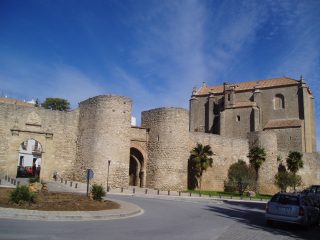
Church of Santa María la Mayor, Ronda
Church and Historic Building in Ronda
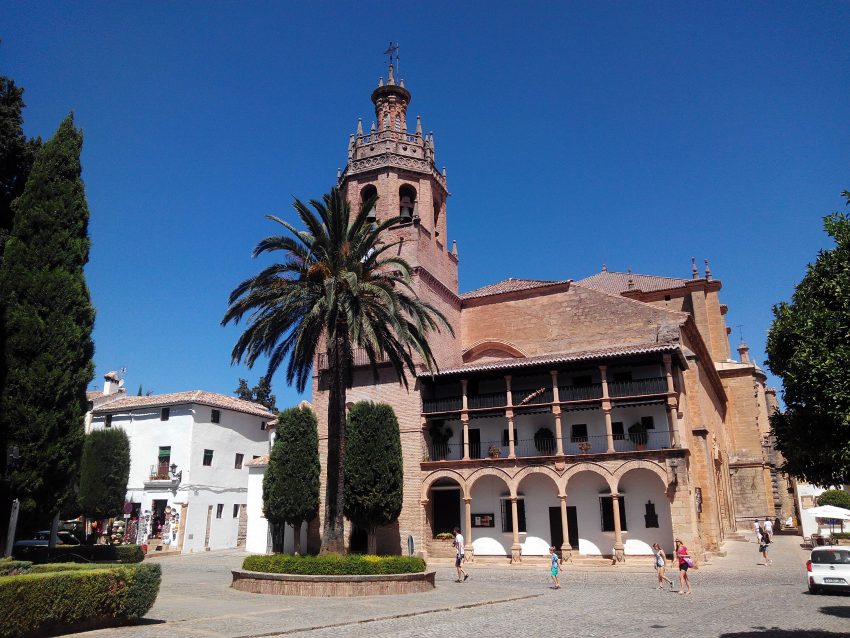
In the heart of Ronda's old town, Iglesia de Santa María la Mayor sits on Plaza Duquesa de Parcent and feels like a compact history lesson in stone, wood, and ornament. Built across the 16th and 18th centuries on the remains of a former mosque-layered, by local legend, over an even earlier Roman sacred site-it is one of those places where Ronda's past is not a single era but a stack of identities you can sense as soon as you walk in.
This spot is one of the must-see places in Ronda because it delivers something rare in a gorge-and-viewpoint destination: a richly textured interior that explains the city's cultural shifts without needing a guidebook. It also fits naturally into a walking tour of Ronda, since the church sits right where many historic-centre loops already pass, making it an easy and rewarding stop between plazas, palaces, and viewpoints.
Table of Contents
- History and Significance of the Iglesia de Santa María la Mayor
- Things to See and Do in the Iglesia de Santa María la Mayor
- How to Get to the Iglesia de Santa María la Mayor
- Practical Tips on Visiting the Iglesia de Santa María la Mayor
- Where to Stay Close to the Iglesia de Santa María la Mayor
- Is the Iglesia de Santa María la Mayor Worth Visiting?
- For Different Travelers
- FAQs for Visiting Iglesia de Santa María la Mayor
- Nearby Attractions to the Iglesia de Santa María la Mayor
History and Significance of the Iglesia de Santa María la Mayor
The church rose on the site of a former mosque after the Christian conquest, a pattern seen across southern Spain where sacred spaces were adapted rather than abandoned. What makes Santa María la Mayor especially interesting is how clearly the site’s earlier life still peeks through: near the entrance, an arch with Arabic inscriptions is linked to the mosque’s mihrab, the niche that once indicated the direction of Mecca, offering a tangible reminder of the building’s pre-church chapter.
Architecturally, the church reads like a timeline. Its three naves reflect late Gothic design, while a Renaissance chapel introduces a different sense of proportion and formality, and Baroque elements add later theatrical flourish. Rather than feeling messy, the mixture gives the interior a layered richness that suits Ronda, a city shaped by conquest, trade, and long periods of reinvention.
Declared a national monument, Santa María la Mayor is significant not only as a place of worship but as one of the most concentrated examples of Ronda’s architectural “blend” in a single building. It’s less about one perfect style and more about the story of how styles accumulate when a city keeps rebuilding on its most important sites.
Things to See and Do in the Iglesia de Santa María la Mayor
Begin right at the threshold and look for the Moorish-era echo: the Arabic-inscribed arch that connects the church to the mosque that once stood here. Even a quick glance anchors the visit in something older than the Christian structure and sets the tone for the stylistic shifts you’ll notice as you move inward.
Inside, take time to read the space from back to front. The late Gothic naves create the main volume, but your eye will keep being pulled toward later features-particularly where Renaissance clarity meets Baroque ornament. One of the most striking elements is the large central cedar choir stall, which physically divides the interior into two zones and quietly hints at how social hierarchy once shaped where people stood and how they experienced worship.
If you enjoy slow travel, this is a good place to pause rather than rush. Give yourself a few quiet minutes to look up, trace the transitions between eras, and notice how the decorative intensity changes from one section to another-it’s the kind of interior that reveals more the longer you stay still.
How to Get to the Iglesia de Santa María la Mayor
The nearest major airport is Málaga Airport, with Seville Airport also a common option if you are touring Andalusia. For the best deals and a seamless booking experience, check out these flights to Ronda on Booking.com. From either, Ronda works well as an overnight stop if you want the old town early and late, when it feels calmer.
Ronda is accessible by train, and arriving by rail is often the easiest way to keep your visit walkable and avoid parking constraints in the historic centre. Train schedules and bookings can be found on Omio. From the station, you can walk into the old town, with the church sitting naturally within the main historic-core routes around Plaza Duquesa de Parcent.
Long-distance and regional buses also connect Ronda with nearby cities and can be a practical alternative if train times do not suit your schedule. If you are driving, the best approach is to park once outside the tightest old-town lanes and walk in, because the historic centre is far more enjoyable on foot. If you are looking to rent a car in Spain I recommend having a look at Discover Cars, first, as they compare prices and review multiple car rental agencies for you.
Practical Tips on Visiting the Iglesia de Santa María la Mayor
- Entrance fee: Adult: €4.50 with audioguide
- Opening hours: November to February10:00 a 18:00; March and October 10:00 a 19:00; April to September 10:00 a 20:00.
- Official website: http://www.colegiataronda.com/index.php/en/
- Best time to visit: Late morning is ideal for seeing interior details clearly without the busiest flow of groups. If you want a calmer atmosphere, aim for an earlier slot when the plaza outside is still quiet.
- How long to spend: Plan 30-60 minutes for a satisfying visit that includes time to look closely at the choir stall, the Arabic-inscribed arch, and the shifting styles across the nave and chapels.
- Accessibility: Expect uneven historic paving around the plaza and typical thresholds and steps inside a monument church. If mobility is limited, keep the visit focused on the main nave areas rather than trying to cover every corner.
- Facilities: Facilities are limited inside, so plan your restroom and café break around the nearby streets and plazas in the old town before or after your visit.
Where to Stay Close to the Iglesia de Santa María la Mayor
For a culture-heavy itinerary, the best area to base yourself is the old town near the main historic sights so you can visit early and late on foot; if your trip prioritizes transport links for day trips and onward travel, staying nearer the station area can make arrivals and departures easier. For a gorge-edge stay that also keeps you close to the historic centre’s core plazas, consider Parador de Ronda. For a comfortable option with a classic Ronda feel and strong walkability into the old town, Catalonia Reina Victoria is a dependable base. If you prefer a smaller, characterful stay close to the historic lanes, Soho Boutique Palacio San Gabriel suits travelers who want atmosphere and location.
Is the Iglesia de Santa María la Mayor Worth Visiting?
Yes, especially if you want to balance Ronda’s dramatic landscapes with a landmark that explains the city’s cultural layers. The interior is richly detailed and unusually varied, so it feels substantial rather than a quick “pop in and leave” church visit.
It is also worth visiting because of the site story: a church built on a mosque footprint, with visible remnants that connect you directly to the older city beneath the one you are walking through today. If you only visit one church in Ronda, this is often the one that feels most distinctive.
What Other Travellers Say...

Iglesia de Santa María la Mayor in Ronda occupies a former mosque and features ornamental Renaissance and Baroque details; visitors praise its richly adorned interior, a crypt with very old books and a small exhibit of icons, and recommend climbing the spiral stone stairs to reach a rooftop viewing deck for panoramic city views.


For Different Travelers
Families with Kids
For families, this works best as a short, focused stop with one or two “spotting missions,” like finding the Arabic-inscribed arch and noticing the choir stall that divides the church. Keeping it brief helps children stay engaged while still giving them a memorable sense that the building is older than it looks.
Pair it with an outdoor reward right afterward, such as a plaza pause or a viewpoint walk, so the day stays balanced. The church is most enjoyable for kids when it is framed as a quick discovery, not a long indoor session.
Couples & Romantic Getaways
For couples, the church offers a quieter, more reflective interlude in an itinerary that can otherwise be dominated by viewpoints and photos. The mix of styles and the sense of layered history give the visit a slower, more intimate rhythm that feels especially good in the morning or later afternoon.
It also pairs well with a gentle old-town wander: church first, then a plaza stroll and a long lunch nearby. It is a simple way to make the day feel more textured and less like a rush between scenic overlooks.
Budget Travelers
This is a strong choice for budget travelers because it delivers high “cultural value” in a compact time window and sits within a walkable cluster of free highlights in the old town. Even if you keep the visit short, it adds depth to your Ronda day beyond scenery.
To keep spending controlled, treat this as your main interior heritage stop and build the rest of your route around free plazas, miradores, and gorge-top promenades. That combination usually creates a full-feeling day without constant ticketing.
FAQs for Visiting Iglesia de Santa María la Mayor
Getting There
Tickets & Entry
Visiting Experience
Tours, Context & Itineraries
Photography
Accessibility & Facilities
Food & Breaks Nearby
Safety & Timing
Nearby Attractions to the Iglesia de Santa María la Mayor
- Plaza Duquesa de Parcent: A grand old-town square that gathers key monuments and gives you a strong sense of historic Ronda's civic heart.
- Mondragón Palace: A historic palace-museum setting that adds depth to Ronda's layered past and architectural character.
- Puente Nuevo: The iconic bridge and essential viewpoint that frames the drama of the Tajo gorge.
- Casa del Rey Moro: A cliffside site known for its terraced gardens and the dramatic descent toward the river.
- Alameda del Tajo: A leafy promenade and garden area that offers a calmer walk and additional viewpoints over the valley.
The Church of Santa María la Mayor appears in our Complete Guide to Visiting Ronda!

Moira & Andy
Hey! We're Moira & Andy. From hiking the Camino to trips around Europe in Bert our campervan — we've been traveling together since retirement in 2020!
This website uses affiliate links which may earn a commission at no additional cost to you!
Planning Your Visit
November to February10:00 a 18:00; March and October 10:00 a 19:00; April to September 10:00 a 20:00.
Adult: €4.50 with audioguide
Nearby Attractions
- Plaza Duquesa de Parcent (0.0) km
Square - Town Hall of Ronda (0.0) km
Historic Building - Museo del Bandolero (0.1) km
Museum - Murallas de Ronda (0.1) km
City Walls - San Sebastian Minaret (0.1) km
Minaret - Casa del Gigante (0.1) km
Museum and Palace - Palacio de Mondragon (0.1) km
Gardens, Museum and Palace - Plaza de María Auxiliadora (0.2) km
Square - Puerte de la Cijara (0.2) km
City Gate - Castillo del Laurel (0.2) km
Castle