Zell am See, Austria: The Ultimate Travel Guide 2026
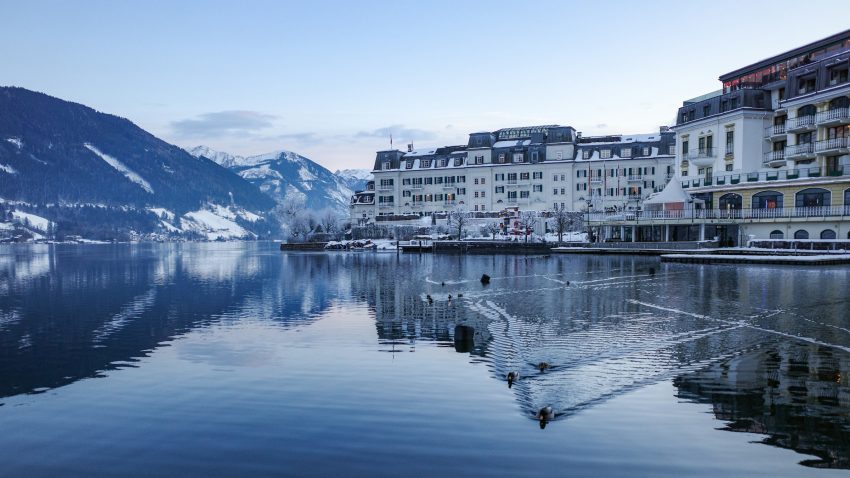
Zell am See is a classic Alpine lakeside town in the Pinzgau area of Salzburg Land, where a walkable old centre meets a broad waterfront promenade and mountain views in every direction. It’s the kind of place that works equally well for a relaxed weekend-coffee by the lake, a gentle cruise, a sunset stroll-or as a base for bigger mountain days with cable cars and high viewpoints close at hand.
What makes visiting Zell am See especially easy is how compact it feels: you can go from the train station to the lake, shops, restaurants, and boat piers in minutes, then be up on the slopes or hiking trails shortly after. The lake (Zeller See) sets the pace in summer with swimming spots and paddleboarding, while the surrounding peaks bring cooler air, panoramic routes, and a steady menu of scenic lifts.
If you're planning a multi-day stay, Zell am See also pairs naturally with nearby Kaprun for glacier access and spa time, and it's a convenient hub for day trips across the wider Salzburg Land valleys. Whether you come for snow sports, warm-weather lake days, or shoulder-season quiet, the town's mix of water, mountains, and easy logistics makes it a reliable all-rounder.
History of Zell am See
Zell am See in Early Settlement and the Middle Ages
The area around Zell am See was settled early due to its freshwater resources and natural routes through the Alps. Over time, small farming and fishing communities developed, and the settlement grew in importance as regional trade and ecclesiastical influence expanded. During the Middle Ages, local administration and church institutions shaped land use, with agriculture, forestry, and lake-based livelihoods forming the backbone of daily life.
Zell am See in the Early Modern Period
In the early modern era, Zell am See evolved as a market-oriented community serving surrounding valleys. Craft trades and seasonal movement of goods supported gradual growth, while Alpine living remained defined by weather, terrain, and the rhythms of farming. The town’s built fabric—church, central streets, and traditional houses—became more established as local governance and regional connections strengthened.
Zell am See in the 19th Century: Transport and Tourism Beginnings
The 19th century brought major change as improved transport links made Alpine towns more accessible. As travel culture expanded, Zell am See began attracting visitors drawn by mountain scenery and the lake. Early tourism developed alongside existing livelihoods, with guesthouses and services appearing to meet demand from summer travellers seeking fresh air and picturesque landscapes.
Zell am See in the 20th Century: Winter Sports and Modern Resort Identity
Across the 20th century, Zell am See increasingly became known for winter sports, with infrastructure such as lifts, pistes, and hospitality expanding the visitor season beyond summer. The town’s identity shifted toward a year-round resort model, supported by broader economic development and the growth of Alpine tourism. This period also saw modernization of services, accommodation, and public spaces.
Zell am See Today
Today, Zell am See balances its historic town character with contemporary resort amenities. Tourism remains central, but the community also reflects modern Alpine life—focused on sustainability, outdoor recreation, and maintaining a high-quality public realm around the lake and in the old centre. The result is a destination that feels both traditional and well-equipped for modern travel.

Moira & Andy
Hey! We're Moira & Andy. From hiking the Camino to trips around Europe in Bert our campervan — we've been traveling together since retirement in 2020!
Visiting Zell am See for the first time and wondering what are the top places to see in the city? In this complete guide, I share the best things to do in Zell am See on the first visit. To help you plan your trip, I have also included an interactive map and practical tips for visiting!
This website uses affiliate links which earn a small commission at no additional cost to you.
11 Best places to See in Zell am See
This complete guide to Zell am See not only tells you about the very best sights and tourist attractions for first-time visitors to the city but also provide insights into a few of our personal favorite things to do.
This is a practical guide to visiting the best places to see in Zell am See and is filled with tips and info that should answer all your questions!
1. Schloss Rosenberg
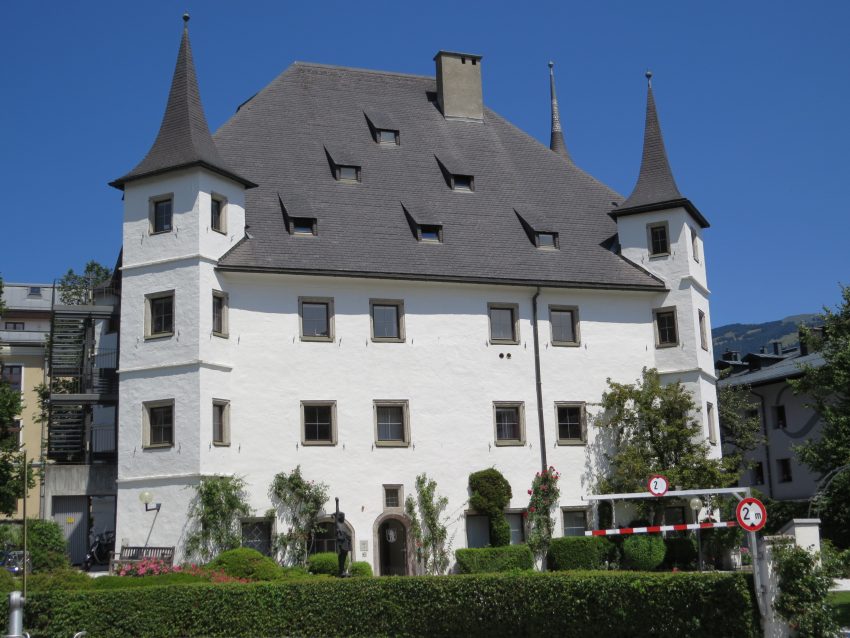
Location: Brucker Bundesstraße 2, 5700 Zell am See, Austria | Hours: Monday, Wednesday: 08:00–12:00 & 13:00–17:00. Tuesday, Thursday, Friday: 08:00–12:00. Saturday: Closed. Sunday: Closed. | Price: Free. | Website | Distance: 0km


2. St. Hippolytus Pfarrkirche
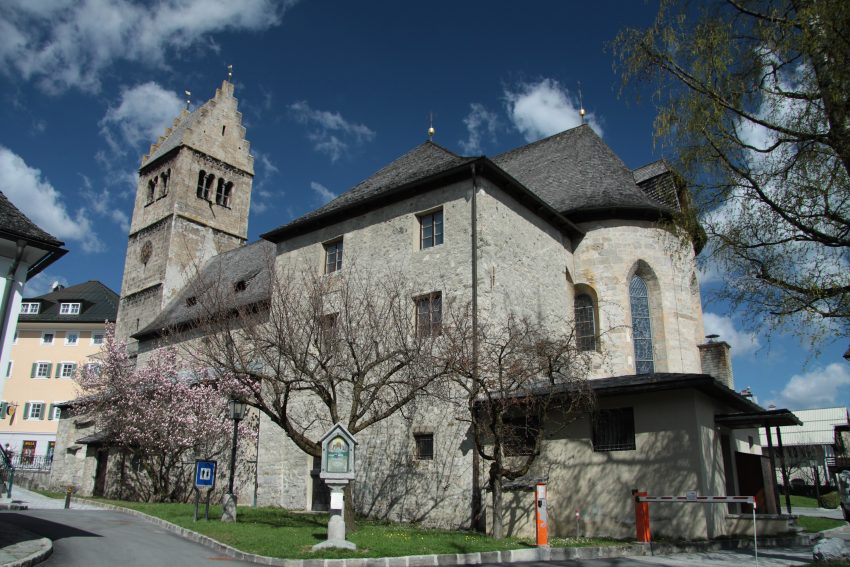
Location: Stadtpl. 5b, 5700 Zell am See, Austria | Hours: Check official website. | Price: Free; donations appreciated. | Website | Distance: 0.1km
3. Bezirkshauptmannschaft
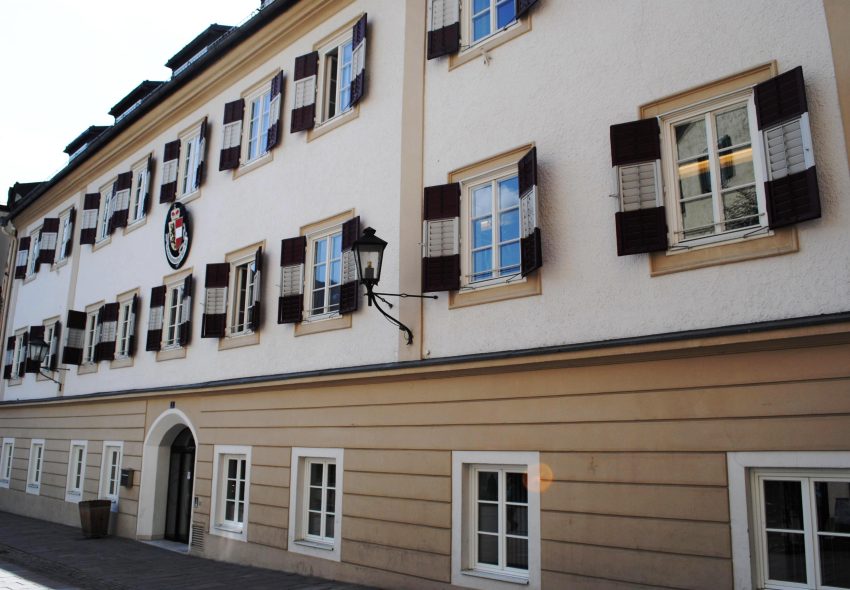
Location: Stadtpl. 1, 5700 Zell am See, Austria | Hours: Monday – Friday: 08:00–12:00. | Price: Free. | Website | Distance: 0.1km
4. Vogtturm Stadtmuseum
Location: Stadtpl. 8, 5700 Zell am See, Austria | Hours: January 7, 2026 – April 3, 2026: Wednesday – Sunday: 13:00–18:00. April 4, 2026 – May 12, 2026: Closed. May 13, 2026 – June 28, 2026: Wednesday – Sunday: 13:00–18:00. July 1, 2026 – August 31, 2026: Tuesday – Sunday: 10:00–18:00. September 1, 2026 – October 31, 2026: Wednesday – Sunday: 13:00–18:00. | Price: Adults: €10; Reduced: €7; Teenagers (10–18): €5; Children under 10: free; Families: €22. | Website | Distance: 0.1km
5. Ferry Porsche Congress Center
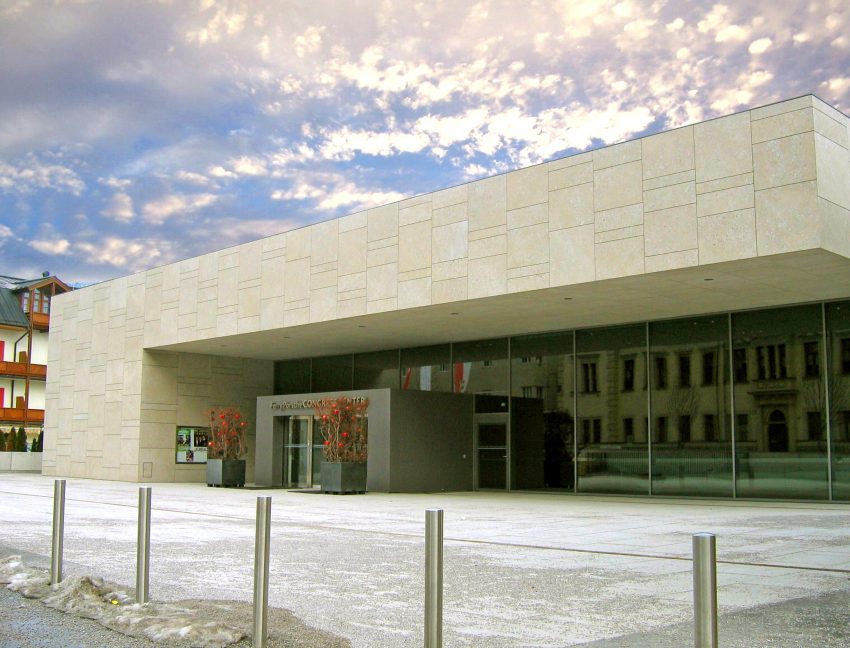
Location: Brucker Bundesstraße 1a, 5700 Zell am See, Austria | Hours: Monday – Friday: 08:00–12:00. | Price: Prices vary by show. | Website | Distance: 0.1km
6. Elisabeth-Promenade
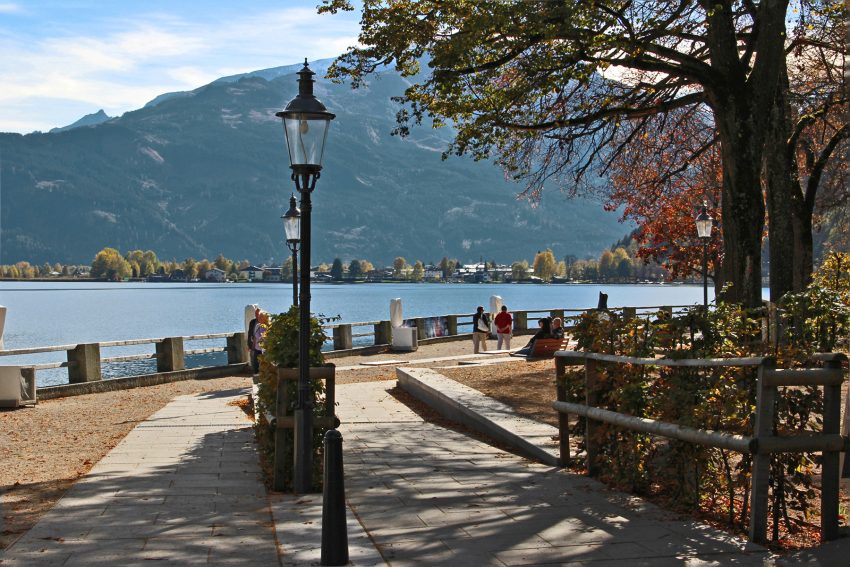
Location: Elisabeth-Promenade 4, 5700 Zell am See, Austria | Hours: 24 Hours. | Price: Free. | Website | Distance: 0.3km
7. Stadtpark
Location: Esplanade 16, 5700 Zell am See, Austria | Hours: 24 Hours. | Price: Free. | Distance: 0.3km
8. Grand Hotel
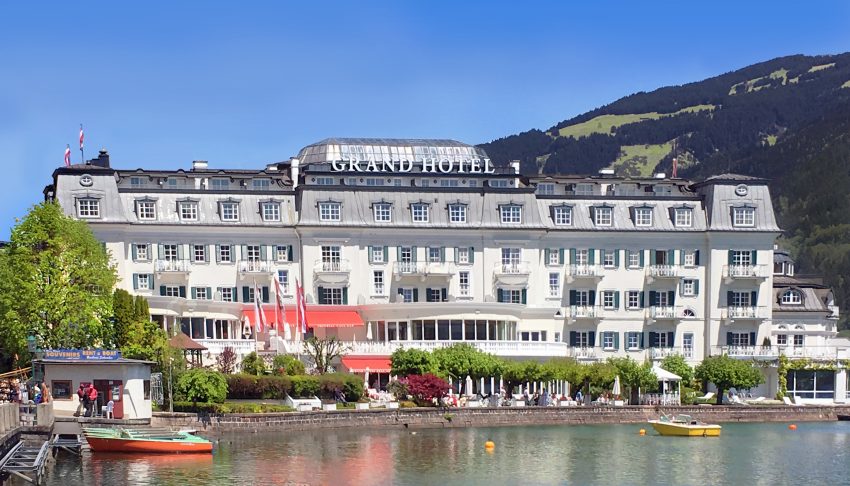
Location: Esplanade 4-6, 5700 Zell am See, Austria | Hours: Daily: 09:00–19:30. | Price: Check official website. | Website | Distance: 0.3km
9. Hundertwasser Osterreich-Brunnen
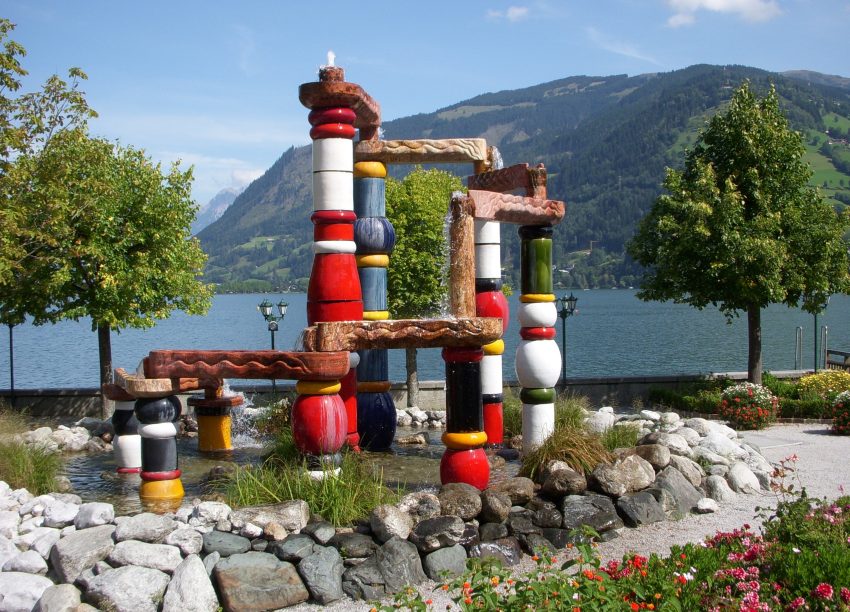
Location: Seegasse 5700, 5700 Zell am See, Austria | Hours: 24 Hours. | Price: Free. | Website | Distance: 0.3km
10. Burg Kaprun
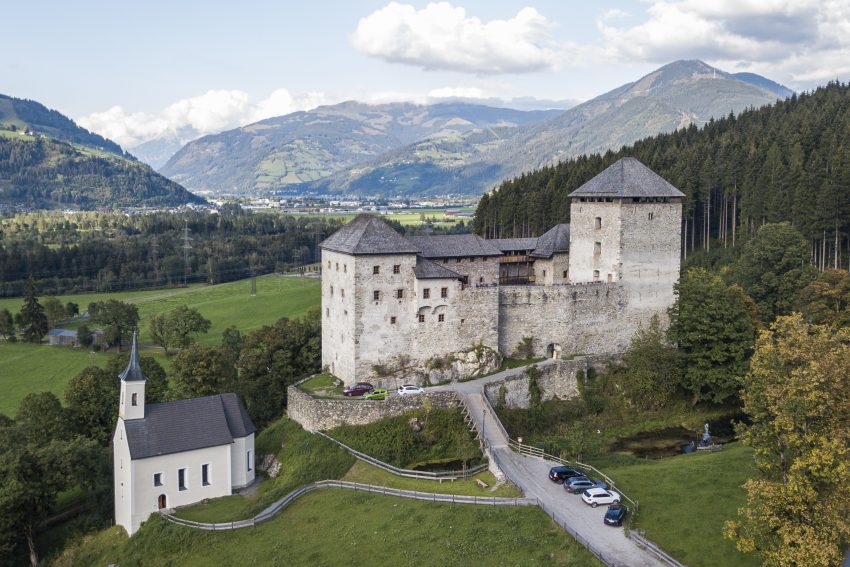
Location: Schloßstraße 55, 5710 Kaprun, Austria | Hours: Monday: 17:00–19:00. Wednesday: 17:00–19:00. Closed on Tuesday, Thursday, Friday, Saturday, Sunday. | Price: Adults: €8; Under 15: free. | Website | Distance: 5.8km
11. Jakobskapelle
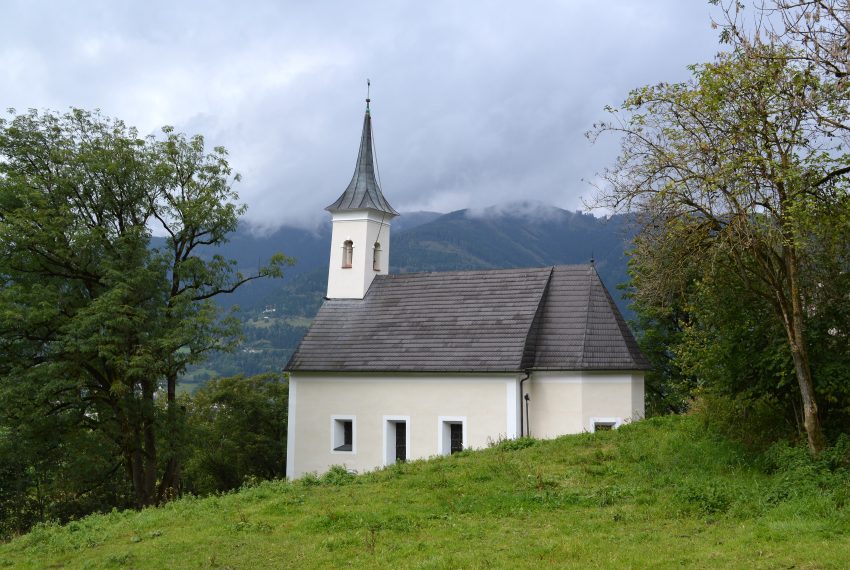
Location: Schloßstraße 55, 5710 Kaprun, Austria | Hours: 24 Hours. | Price: Free; donations appreciated. | Distance: 5.8km
Best Day Trips from Zell am See
A day trip from Zell am See offers the perfect opportunity to escape the urban rhythm and discover the surrounding region's charm. Whether you're drawn to scenic countryside, historic villages, or cultural landmarks, the area around Zell am See provides a variety of easy-to-reach destinations ideal for a one-day itinerary. If you are looking to rent a car in Austria I recommend having a look at Discover Cars, first, as they compare prices and review multiple car rental agencies for you.
1. St. Margaretha Pfarrkirche
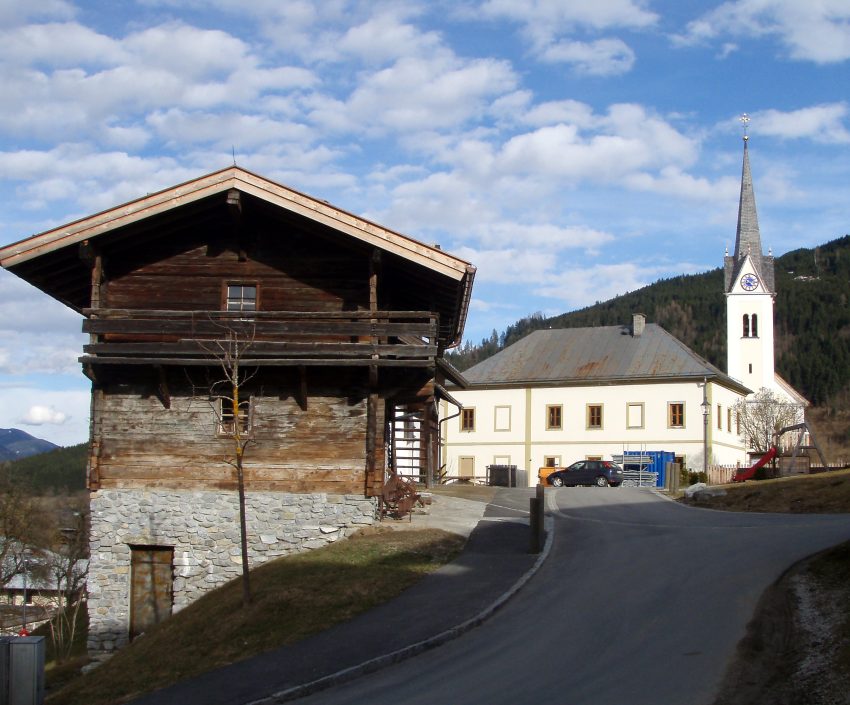
Location: Stadtpl. 5b, 5700 Zell am See, Austria | Hours: Check official website. | Price: Free; donations appreciated. | Website | Distance: 6.4km
Visiting St. Margaretha Pfarrkirche
2. Sigmund-Thun-Klamm
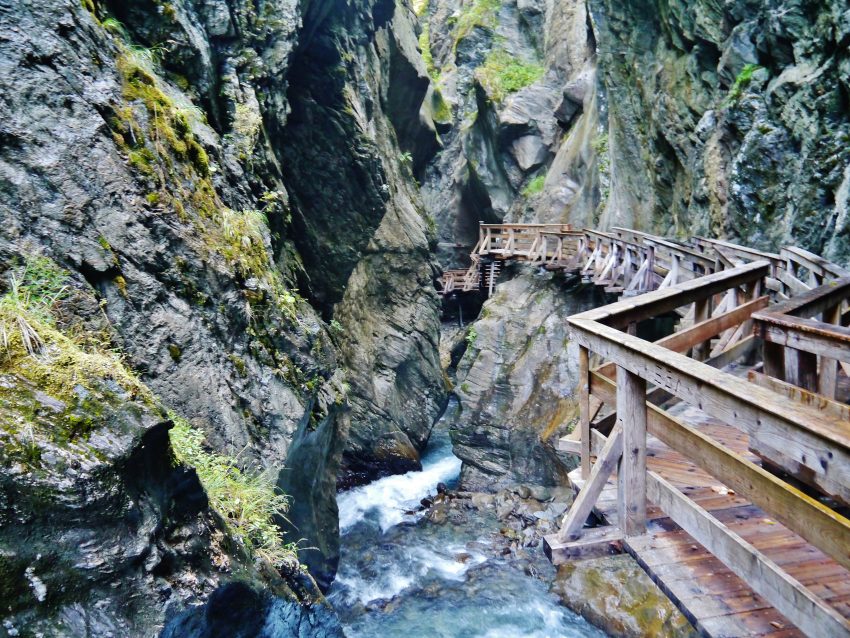
| Hours: (Summer) May 8 – June 30; September 1 – September 30; Daily: 09:00–17:30. (Summer) July 1 – August 31; Daily: 09:00–19:00. (Winter) October 1 – November 2; Daily: 09:30–15:30. | Price: Adults: €8.50 (without guest card) / €7.70 (with guest card); Children (6–15): €6.00 (without guest card) / €5.00 (with guest card); Seniors 60+ & students: €7.00; People with disabilities: €5.50; Families: €20.00 (without guest card) / €18.00 (with guest card). | Website | Distance: 8.2km
Visiting Sigmund-Thun-Klamm
3. Berchtesgaden
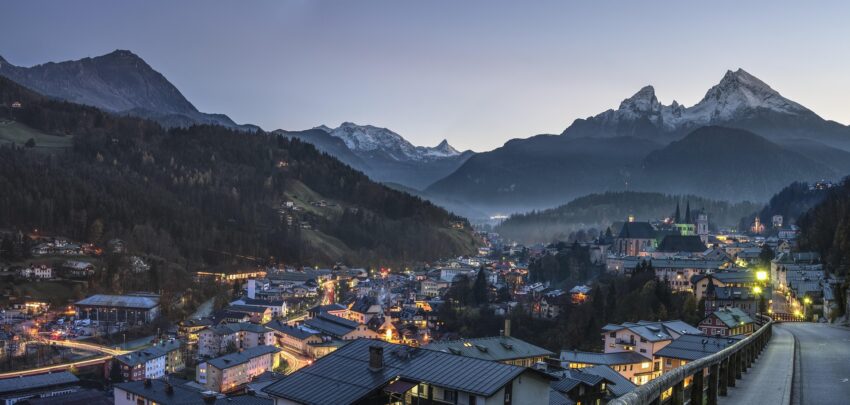
Visiting Berchtesgaden
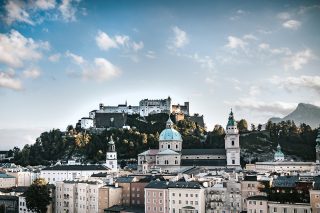
4. Salzburg
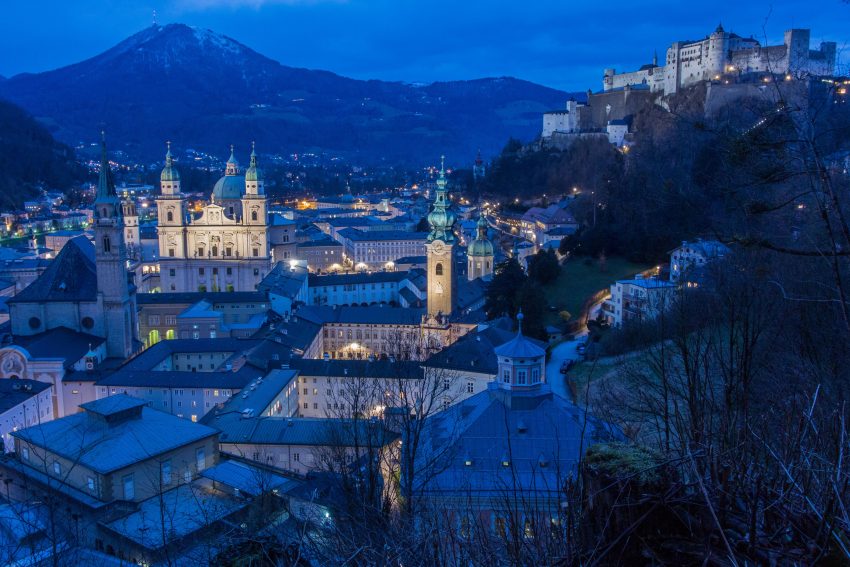
Visiting Salzburg
5. Hallstatt
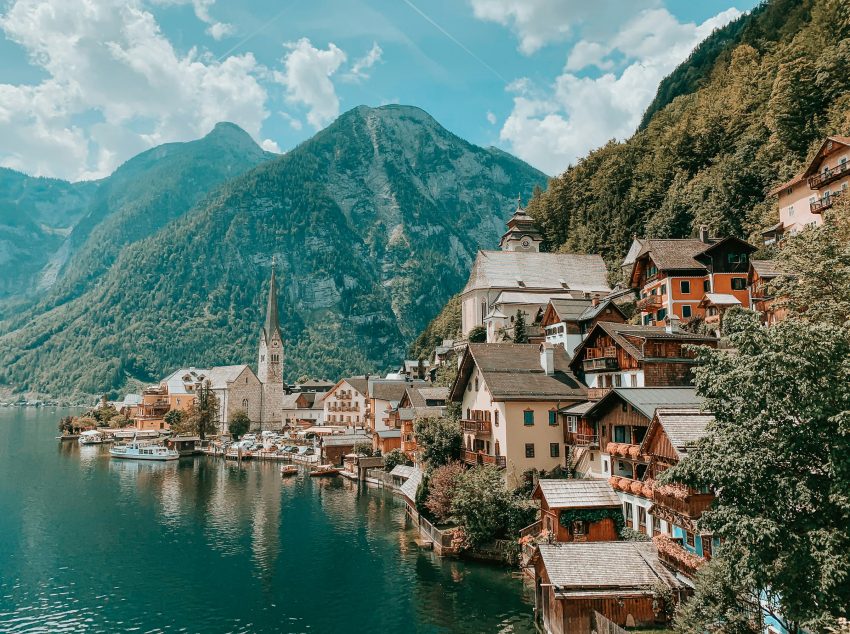
Visiting Hallstatt
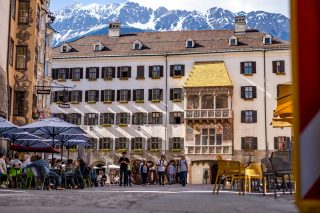
6. Innsbruck
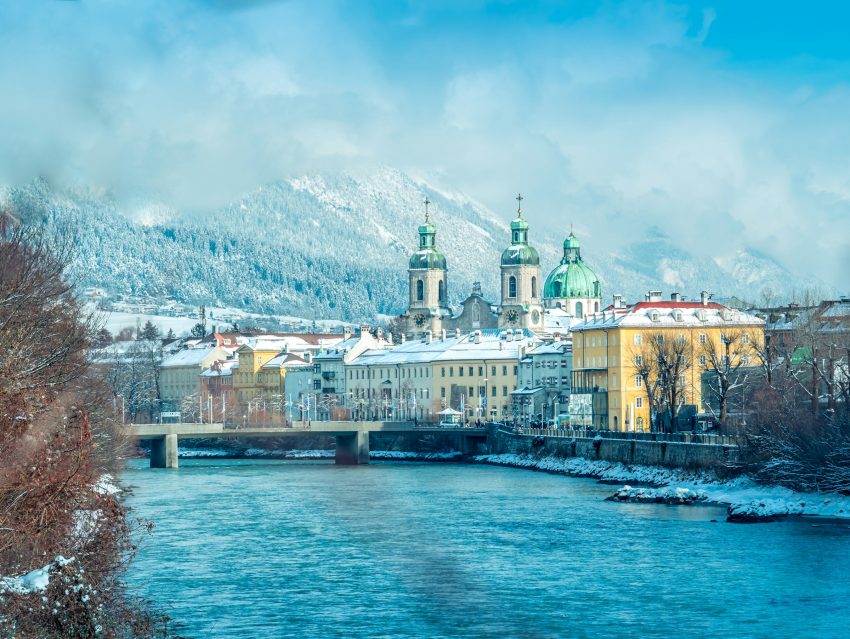
Visiting Innsbruck
7. Villach
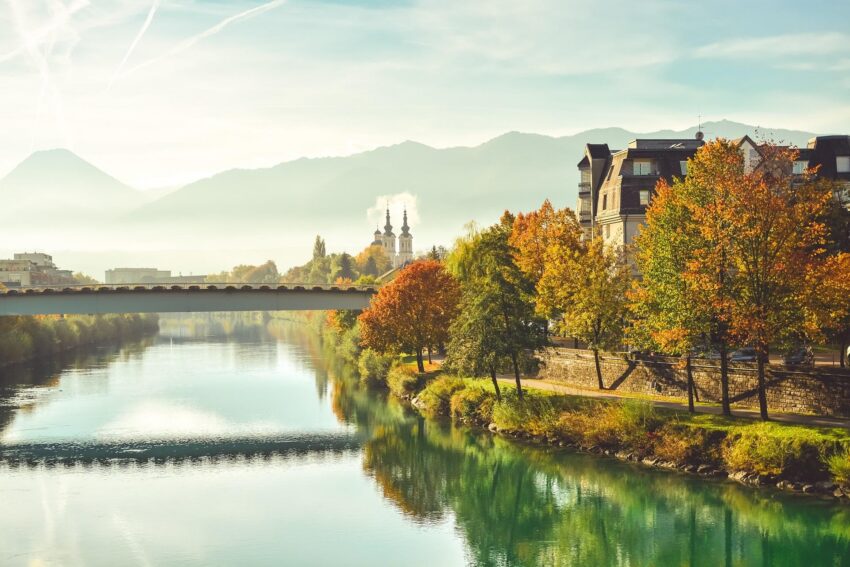
Visiting Villach
8. Munich

Visiting Munich
9. Udine
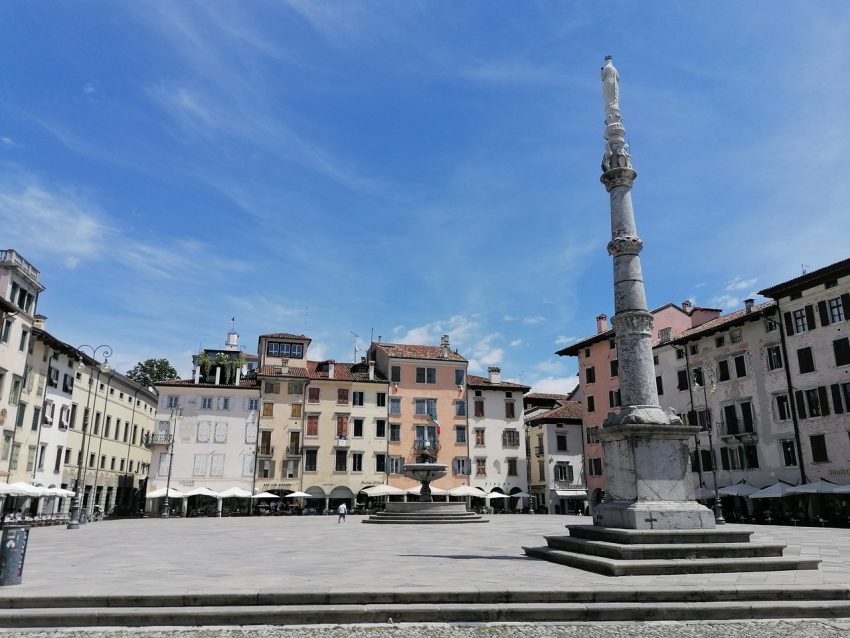
Visiting Udine
10. Cividale del Friuli

Visiting Cividale del Friuli
11. Bled
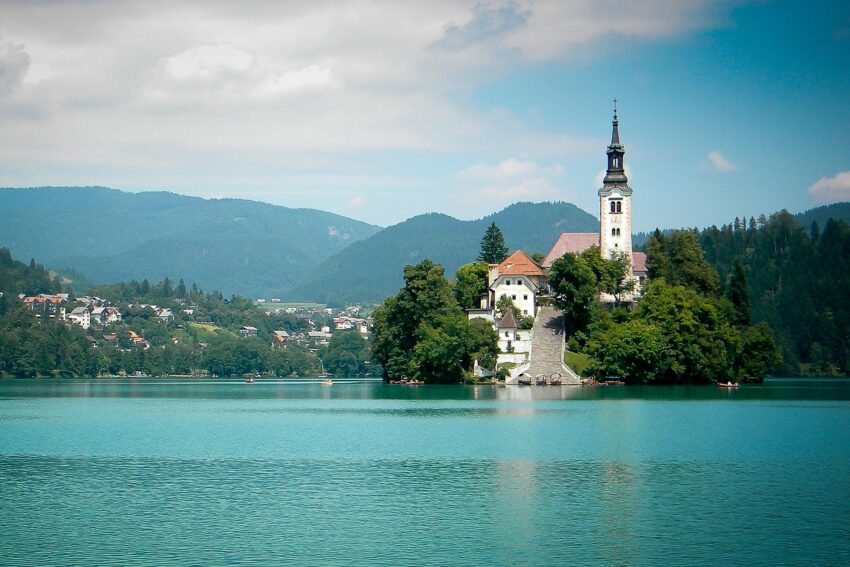
Visiting Bled
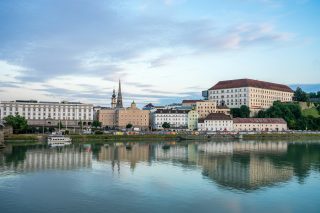
12. Linz
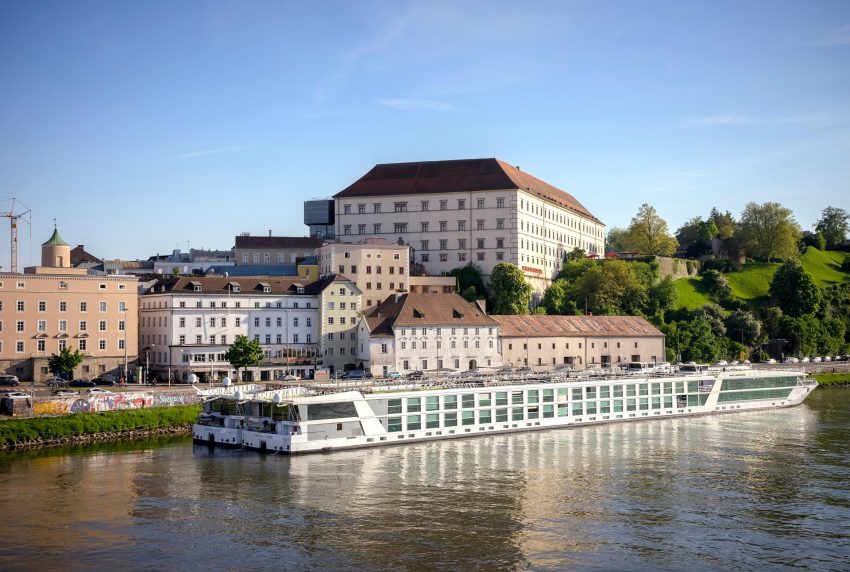
Visiting Linz
Where to Stay in Zell am See
For a first visit, staying in Zell am See’s town centre and lakefront area is the most convenient because you can walk to the promenade, boat piers, restaurants, and the train station without needing a car, and you’ll have the best mix of atmosphere and views. A strong, classic choice is Grand Hotel Zell am See, which suits travellers who want a landmark lakeside stay with immediate access to the waterfront and an easy stroll into the old town. If you prefer a stylish, modern base right by the lake with a more boutique feel, Seehotel Bellevue is well placed for morning lake walks and relaxed evenings, making it ideal for couples and anyone prioritising scenery.
If your priority is quick access to skiing and lift logistics, consider the Schmittenhöhe side and areas with straightforward connections to the mountain, especially in winter when convenience matters most. Hotel Tirolerhof works well for travellers who want a comfortable, central base with an easy routine for dining and getting around, while still being close to key transport links. For a quieter, more residential feel with a slightly removed pace, the Thumersbach side can be a good pick for lake views and calmer nights; Hotel Schloss Prielau is a standout for travellers who want a refined stay with a distinctive setting and a more secluded atmosphere while remaining within easy reach of town.
Using the our Hotel and Accomodation map, you can compare hotels and short-term rental accommodations in Zell am See. Simply insert your travel dates and group size, and you’ll see the best deals for your stay.
Zell am See Accommodation Map
Best Time to Visit Zell am See
Zell am See in Spring
Spring (roughly March to May) is a quieter, great-value time to visit Zell am See if you like a mix of lingering snow on the peaks and milder days by the lake. Trails at lower elevations start to open up, cafés set out terraces, and the town feels less busy than peak summer. Pack layers—temperatures can swing quickly, especially in the evenings.
Zell am See in Summer (Best)
Summer (June to August) is the most popular season in Zell am See for lake swimming, boat trips, cycling, and high-alpine hikes via nearby lifts. Days are generally warm, with cooler air on the mountains, making it ideal for combining water time with panoramic viewpoints. Festival highlights often include lakeside concerts and town events, plus the well-known Ironman 70.3 Zell am See-Kaprun triathlon that brings a lively atmosphere.
Zell am See in Autumn
Autumn (September to November) is excellent for hiking, photography, and calmer lake walks, with crisp mornings and colourful forests. Early autumn can still feel pleasantly mild, while later weeks bring shorter days and a shift toward pre-winter quiet. It’s a strong choice if you prefer fewer crowds and scenic mountain backdrops.
Zell am See in Winter
Winter (December to February) is all about skiing, snowboarding, and cosy evenings, with reliable resort energy and festive ambience around the holidays. Expect cold temperatures and snowy conditions, with the town set up for winter sports logistics. Seasonal highlights often include Christmas markets in the region and New Year celebrations that add extra sparkle to the lakeside setting.
Annual Weather Overview
- January 0°C 36°F
- February 4°C 44°F
- March 6°C 46°F
- April 11°C 56°F
- May 15°C 63°F
- June 21°C 74°F
- July 21°C 73°F
- August 22°C 75°F
- September 19°C 70°F
- October 15°C 63°F
- November 8°C 50°F
- December 3°C 41°F
How to get to Zell am See
Getting to Zell am See by air
Nearest airports: Salzburg Airport (SZG) is the most common choice; Munich Airport (MUC) is a larger hub with more long-haul options; Innsbruck Airport (INN) can work depending on schedules.
Airport to town: From Salzburg or Munich, the simplest approach is to continue by train; from Innsbruck, train connections are also straightforward with a change depending on routing.
Getting to Zell am See by train
Main rail route: Zell am See is well connected by Austrian rail, typically via Salzburg and/or Wörgl depending on your origin.
Train operators (links): ÖBB (Austrian Federal Railways): https://www.oebb.at/en/ Deutsche Bahn: https://www.bahn.com/en WESTbahn (some routes within Austria): https://www.westbahn.at/en/
Tickets and planning: Book ahead in peak summer and winter weeks for better fares and seat availability.
Getting to Zell am See by Car
Driving routes: Common approaches include driving from Salzburg via the A10 and connecting roads toward the Pinzgau, or from Munich via the A8/A93 corridor and onward into Austria.
Winter driving: In snowy periods, expect winter tyres requirements and carry chains for mountain roads.
Parking: Use hotel parking where possible; public garages and designated lots are the easiest option near the centre in busy seasons. If you are looking to rent a car in Austria I recommend having a look at Discover Cars, first, as they compare prices and review multiple car rental agencies for you.
Travelling around Zell am See
On foot: The centre and lakefront are compact and easy to explore walking.
Local buses: Regional buses connect Zell am See with Kaprun and nearby villages; check current timetables locally.
Trains for day trips: The station makes it easy to hop to nearby towns in the valley for hikes and sightseeing.
Taxis and rides: Useful for late evenings or direct transfers to lift stations and trailheads.