Complete Guide to Carinthia & East Tyrol (2026)
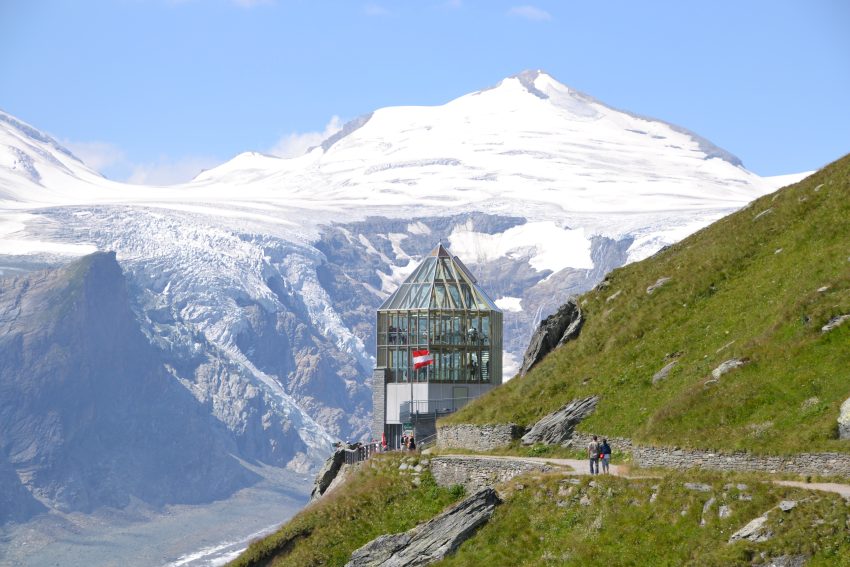
Carinthia & East Tyrol brings together two of southern Austria’s most appealing landscapes: Carinthia’s lake country and East Tyrol’s high-alpine valleys. It is a region for travelers who like variety, where you can spend one day swimming in warm, clear water and the next driving or hiking into dramatic mountain scenery. The atmosphere feels more relaxed than in some of Austria’s busier destinations, with a strong connection to nature, local traditions and cross-border culture shaped by proximity to Italy and Slovenia.
What makes Carinthia & East Tyrol especially rewarding is the contrast between its settings. In Carinthia, places such as Villach, Klagenfurt and the lake districts draw visitors with promenades, summer events and a gentler pace. East Tyrol, centered on Lienz and framed by the Hohe Tauern and the Lienz Dolomites, feels more rugged and alpine, with mountain roads, walking trails and striking views in almost every direction. Together they create a region that works just as well for active holidays as for slower scenic trips.
This is also a practical region for a longer trip because it offers more than one style of travel. You can base yourself by a lake for a classic summer holiday, use Lienz as a gateway to East Tyrol’s valleys and peaks, or combine rail travel with local buses and regional mobility schemes. For travelers interested in food, music, village traditions and outdoor scenery rather than only headline cities, Carinthia & East Tyrol is one of Austria’s most rounded and enjoyable regions.
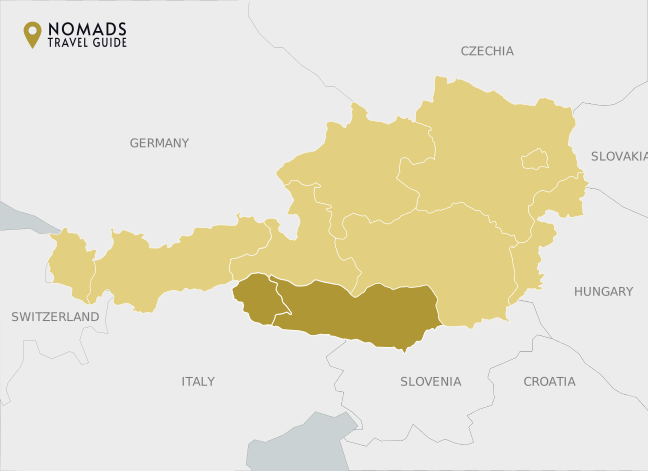
Cities of Carinthia & East Tyrol
Villach
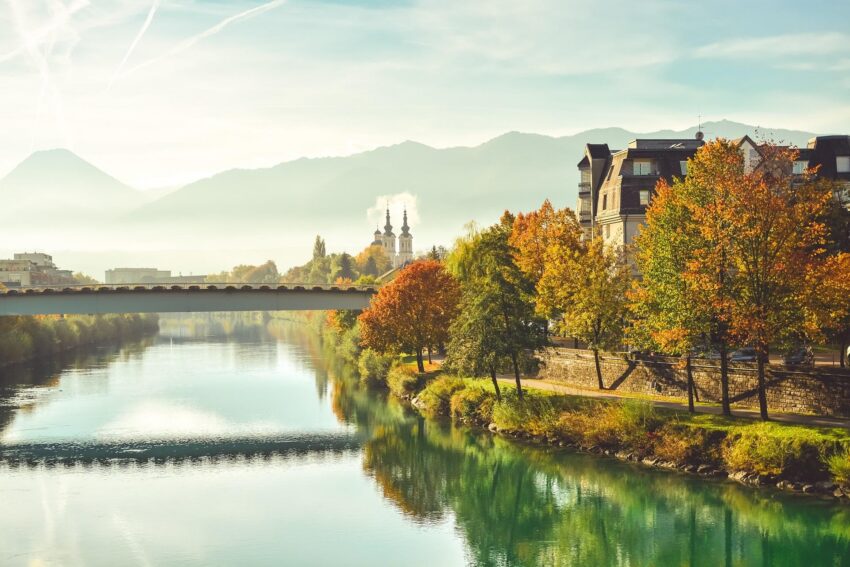
Villach is a relaxed, outdoorsy city in southern Austria, set in the state of Carinthia near the borders with Italy and Slovenia. It makes an excellent base for combining a walkable old town with quick access to lakes, mountains, and cross-border day trips. The River Drau runs through the center, and the surrounding landscape gives the city a bright, open feel that’s especially appealing in warmer months.
Most visitors start in the compact center, where cafés, small shops, and pedestrian streets make it easy to settle into the local pace. From there, you can be at Lake Faak or Lake Ossiach in a short ride, or head up to viewpoints and hiking areas for classic Carinthian scenery. If you like wellness travel, Villach is also known for its thermal bathing options, which pair nicely with active days outdoors.
Villach’s location is one of its biggest advantages: it sits on major rail and road routes that connect Vienna, Salzburg, and Graz with the south, and it’s also a convenient gateway to the Julian Alps and northern Italy. Whether you’re planning a weekend break, a multi-lake summer holiday, or a shoulder-season spa escape, Villach is easy to fit into a wider Austria itinerary while still feeling like a destination in its own right.
View our Villach GuideHistory of Carinthia & East Tyrol
Early Carinthia & East Tyrol
The deeper history of Carinthia & East Tyrol begins long before modern Austria. Carinthia formed part of the Celtic kingdom of Noricum before becoming integrated into the Roman world, while Tyrol too was brought under Roman control in antiquity. These early centuries helped establish important routes through the Alps, linking the region with the Adriatic, Bavaria and the wider Danube world.
After the decline of Roman authority, the wider area was shaped by the movement of Slavs, Bavarians and other groups. Medieval Carinthia emerged from the old principality of Carantania and became a duchy in 976. Notably, this early duchy once included territory that extended into what is now East Tyrol, showing how closely the histories of these areas were once connected.
Medieval and Habsburg Carinthia & East Tyrol
In the Middle Ages, East Tyrol developed within the orbit of Tyrol, ruled by local powers before passing into Habsburg control in the 14th century. Carinthia likewise came under Habsburg rule in 1335, and both areas then remained tied for centuries to the Habsburg lands. This long period left a strong legacy in castles, market towns, parish churches and fortified routes, many of which still shape the look of the region today.
As Habsburg influence grew, towns such as Villach, Klagenfurt, Spittal and Lienz became important local centers of trade, religion and administration. The region's position near major alpine passes also made it significant for commerce and military movement. Rather than developing as one single political unit, Carinthia and East Tyrol followed related but distinct administrative paths, which is one reason they still feel culturally connected yet regionally different.
Modern Carinthia & East Tyrol
The upheavals of the 19th and early 20th centuries reshaped both places. After the end of the Habsburg monarchy in 1918, Austria’s internal borders and regional identities were redefined. Carinthia became part of the modern Austrian republic, while East Tyrol remained the separated eastern part of Tyrol, cut off from North Tyrol geographically by postwar border changes and the intervening territories.
In the modern era, Carinthia & East Tyrol has become known less for political importance and more for landscape, culture and tourism. Lakeside resorts, alpine villages, music festivals and mountain infrastructure have turned the region into one of southern Austria's leading holiday areas, while places like Lienz, Villach and Ossiach continue to anchor its cultural life.
Best Time to Visit Carinthia & East Tyrol
Visiting Carinthia & East Tyrol in Spring
Spring is a very attractive time for travelers who want fresh mountain scenery, quieter roads and lower-key sightseeing before the full summer season begins. In Carinthia, the lakeside towns start to wake up and lower-altitude walks become pleasant again, while in East Tyrol snow can still linger at higher elevations. It is a good shoulder season for scenic touring, though some mountain infrastructure may still be operating on reduced schedules.
Visiting Carinthia & East Tyrol in Summer (Best)
Summer is the standout season for most visitors because it brings together the region's two biggest strengths: warm lake holidays in Carinthia and classic alpine conditions in East Tyrol. This is the best time for swimming, boating, mountain huts, scenic drives, outdoor events and combining several bases in one trip. Major festivals also help define the season, including the Villacher Kirchtag around the start of August and the Carinthian Summer festival in the Villach–Ossiach area.
Visiting Carinthia & East Tyrol in Autumn
Autumn is excellent for travelers who prefer clearer air, colorful landscapes and fewer crowds. In East Tyrol the mountain scenery becomes especially dramatic, and in Carinthia the lake districts and smaller towns take on a calmer feel after peak season. This can be one of the most rewarding times for hiking, photography and relaxed driving holidays, though shorter daylight hours make slower itineraries a better choice.
Visiting Carinthia & East Tyrol in Winter
Winter shifts the focus from lakes and hiking to skiing, winter walking and festive town atmospheres. East Tyrol comes into its own for alpine scenery and snow sports, while Carinthia offers a mix of winter resorts, seasonal markets and lakeside settings with a quieter mood. It is a strong choice for travelers who want a southern Austrian winter trip that feels more regional and less urban than the country’s larger city breaks.
Annual Weather Overview
- January 3°C 41°F
- February 7°C 49°F
- March 11°C 55°F
- April 16°C 64°F
- May 19°C 69°F
- June 25°C 80°F
- July 26°C 82°F
- August 26°C 83°F
- September 21°C 74°F
- October 16°C 65°F
- November 9°C 53°F
- December 4°C 43°F
How to get to Carinthia & East Tyrol
Getting to Carinthia & East Tyrol by air
Nearest airports: The most practical air gateways for Carinthia are Klagenfurt Airport and, depending on your route, airports such as Ljubljana or Salzburg. For East Tyrol, many travelers arrive via Innsbruck, Salzburg or even Venice and continue overland, since the region is better known for rail and road access than for a major airport of its own. The best airport depends on whether you are staying around the Carinthian lakes, Villach and Klagenfurt, or heading straight to Lienz and the mountain valleys of East Tyrol. For the best deals and a seamless booking experience, check out these flights to on Booking.com.
Getting to Carinthia & East Tyrol by train
Carinthia is well connected to Austria's rail system, especially through major stations such as Villach Hauptbahnhof, Klagenfurt and Spittal-Millstättersee. Villach is one of the key rail hubs in southern Austria, making it a useful gateway if you are arriving from Vienna, Salzburg or other major cities. This makes the Carinthian part of the region relatively straightforward to reach without a car.
East Tyrol is not on one of Austria’s principal trunk corridors in the same way as Vienna, Salzburg or Innsbruck, but it is still very accessible by regional and interregional rail. Lienz is the main station and transport hub, and ÖBB highlights both Lienz station and the modernized Drau Valley Railway as central to travel in East Tyrol. There are regular rail links via Fortezza/Franzensfeste in South Tyrol and onward connections toward Innsbruck, while local bus and train networks help travelers continue into the valleys. Train schedules and bookings can be found on Omio.
Getting to Carinthia & East Tyrol by Car
Driving is one of the easiest ways to explore Carinthia & East Tyrol because it lets you move freely between lakes, mountain roads, smaller towns and trailheads. Carinthia is convenient for scenic touring, especially if you want to combine Klagenfurt, Villach and the surrounding lake districts. East Tyrol is even more naturally suited to car travel, as many of its valleys and alpine areas are easier to explore with your own vehicle, especially outside the busiest summer periods.
Travelling around Carinthia & East Tyrol
Carinthia works well with a mix of train, bus and local mobility options, particularly around the larger towns and lake areas. East Tyrol also promotes rail-and-bus travel, and once you reach Lienz you can continue by regional transport into surrounding valleys. That said, if your plan includes remote hiking areas, panoramic drives, several bases, or a combination of lakes and mountains in one trip, having a car gives you far more flexibility.
Festivals in Carinthia & East Tyrol
Carinthia & East Tyrol has a festival calendar that combines traditional folk celebrations with major cultural events. The best-known is Villacher Kirchtag, the large annual folk festival in Villach, held around the first Saturday in August. It is one of the region’s most recognizable celebrations and is strongly associated with Carinthian costume, music, food and community traditions. For travelers who want to experience local identity rather than only sightseeing, it is one of the most memorable times to visit.
A very different highlight is Carinthian Summer, the region’s leading cultural festival centered on music, literature and performance. It has long been one of southern Austria’s major artistic events and gives places such as Villach and Ossiach an especially lively summer atmosphere. This festival suits travelers who want to combine landscapes and lakes with concerts, cultural evenings and a more refined side of the region’s identity.
Beyond those major events, the wider region is known for seasonal village fairs, church festivals, alpine celebrations and Christmas markets, especially in the run-up to winter. These smaller events may not always be as internationally visible, but they are often where the regional character comes through most clearly. In practice, summer is best for the biggest public festivals, while Advent and winter bring a more intimate calendar of traditional celebrations across towns and mountain communities.