Rimini, Italy: The Ultimate Travel Guide 2026
riminiItaly
riminiItaly

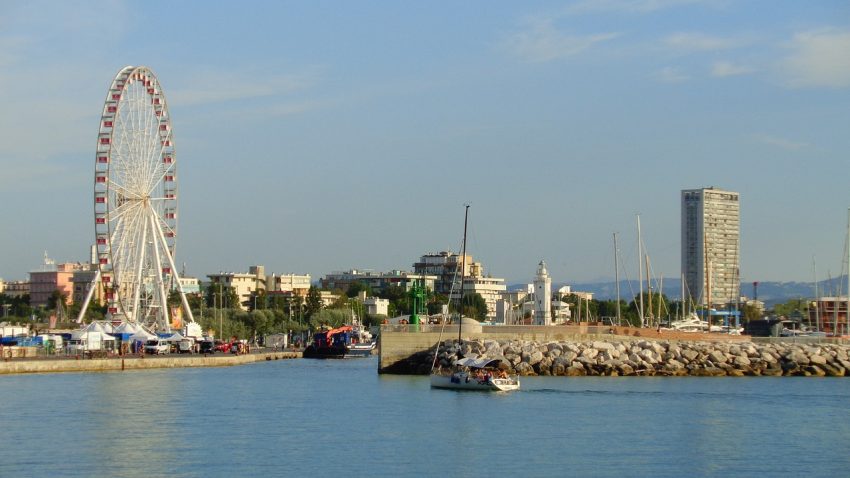
Located in the Emilia-Romagna region, Rimini boasts a rich history dating back to its Roman foundation in 268 BC. This coastal gem spans over 15 kilometers of pristine beaches, rendering it a favoured destination for seaside enthusiasts. Notably, the renowned filmmaker Federico Fellini hailed from this city, which is celebrated for its lively nightlife and historic landmarks, including the iconic Arch of Augustus and the storied Tiberius Bridge. Rimini flourished during the rule of the Malatesta family, evolving into a vibrant centre of Renaissance culture.

One of Rimini's distinguishing features is its affordability, offering travellers a wallet-friendly Italian vacation experience. The city presents lower costs for accommodations, dining, and transportation compared to many other Italian urban centres. With a population of 149,211 residents as of 2023, Rimini exhibits a diverse demographic with an average age of 48, reflecting a mix of generations.

Rimini is renowned for its vibrant nightlife, especially during the summer months. The city comes alive with a plethora of bars, clubs, and beachfront parties, ensuring an exhilarating experience for night owls. Benefiting from a Mediterranean climate, Rimini enjoys hot summers and mild winters. For the best weather and fewer crowds, plan your visit during the pleasant months of May, June, or September.

Stretching across 15 kilometres of coastline, Rimini offers a variety of both private and public beaches. The shallow and safe waters make these beaches an ideal choice for families seeking relaxation and aquatic fun. Rimini, with its fascinating history, affordable charm, and lively atmosphere, beckons travellers to explore its sunny shores and vibrant culture.

Exploring Rimini on Foot

Below we have listed the top attractions to visit. We have put together a Complete Self Guided Walking Tour of Rimini with Maps & Tips for you. If you prefer a guided tour the best we have come across is this 2 hour Guided Tour of Rimini Historic City Centre.


History of Rimini

Rimini, with a history dating back to around a million years ago, saw its official foundation in 268 B.C. as the Roman colony of Ariminum. Initially strategic, it later became a municipium, thriving with Roman landmarks like the Piazza Tre Martiri, the cardo maximus, and the decumanus maximus. Notable structures included a vast amphitheater, the Tiberius Bridge, and the Arch of Augustus. The Surgeon’s House, a rare preserved medical clinic from ancient Rome, stands as a unique relic. The city’s significance continued through the Middle Ages, marked by artistic influences and the rise of the Malatesta Lordship in the Renaissance. Rimini endured changes in rulership, including a period under the Papal State in the 16th century. The 19th century saw the inception of seaside tourism, evolving into one of Europe’s premier beach destinations despite the challenges of war. Today, Rimini remains a beloved tourist spot, boasting a vibrant congress and fair industry with modern facilities like the Palacongressi and an advanced Fair district designed by prominent architects.

Moira & Andy
Moira & Andy

Hey! We're Moira & Andy. From hiking the Camino to trips around Europe in Bert our campervan — we've been traveling together since retirement in 2020!

Read our full story here

Visiting Rimini for the first time and wondering what are the top places to see in the city? In this complete guide, I share the best things to do in Rimini on the first visit. To help you plan your trip, I have also included an interactive map and practical tips for visiting!

This website uses affiliate links which earn a small commission at no additional cost to you.

Powered by GetYourGuide

16 Best places to See in Rimini

This complete guide to Rimini not only tells you about the very best sights and tourist attractions for first-time visitors to the city but also provide insights into a few of our personal favorite things to do.

This is a practical guide to visiting the best places to see in Rimini and is filled with tips and info that should answer all your questions!

1. Porta Galliana
Porta Galliana Rimini
CC BY-SA 1.0 / Gheeeeeet
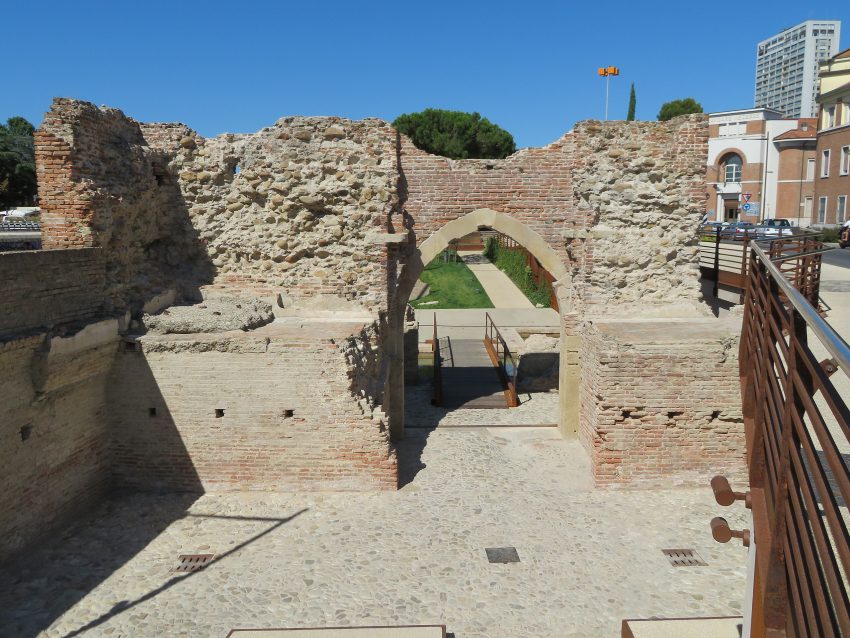
Porta Galliana is a compact medieval town gate in Rimini that once controlled the link between the city walls and the port zone on the Marecchia River. What visitors remember most is the descent: the structure sits about 3.25 meters below today’s street level, so you step down into a pocket of older ground rather than viewing ruins from above. Built in the 13th century and later restored under Sigismondo Pandolfo Malatesta, it reads as working infrastructure—an entry point shaped by trade and defense. The surviving passage and wall alignment make it easy to picture a guarded threshold where goods and people once funneled in from the river harbor.
Location: Porta Galliana, Via Bastioni Settentrionali, Rimini, Province of Rimini, Italy | Hours: 24 Hours | Price: Free | Distance: 0.4km


We recommend to rent a car in Italy through Discover Cars, they compare prices and review multiple car rental agencies. Book your rental car here.

2. Ponte di Tiberio

Ponte di Tiberio
Ponte di Tiberio
CC BY-SA 4.0 / Matteo
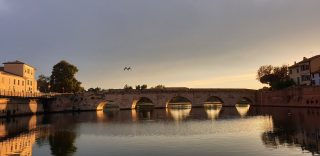
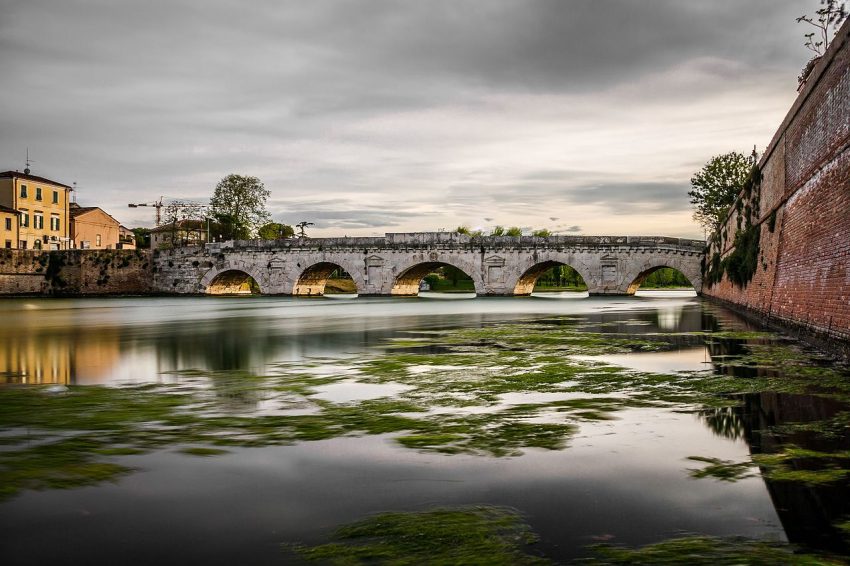
Ponte di Tiberio is a five-arch Roman stone bridge spanning the Marecchia River at the edge of Rimini’s historic center. Begun under Augustus and completed under Tiberius in the early 1st century AD, it functioned as a working gateway that linked the city to the consular roads heading north. Up close, the pale Istrian stone and the piers’ angled cutwaters show the practical engineering that has helped it endure floods and centuries of use. Visitors remember the calm river reflections at sunrise and the warmer, busier feel toward dusk, when locals stroll, cycle, and sometimes do yoga in the nearby green space.
Location: Ponte di Tiberio, Rimini, Province of Rimini, Italy | Hours: 24 Hours | Price: Free | Distance: 0.6km

Here is a complete selection of hotel options in Rimini. Feel free to review each one and choose the stay that best suits your needs.

3. Museo della Città di Rimini

Museo della Citta di Rimini
CC BY-SA 4.0 / Thomass1995
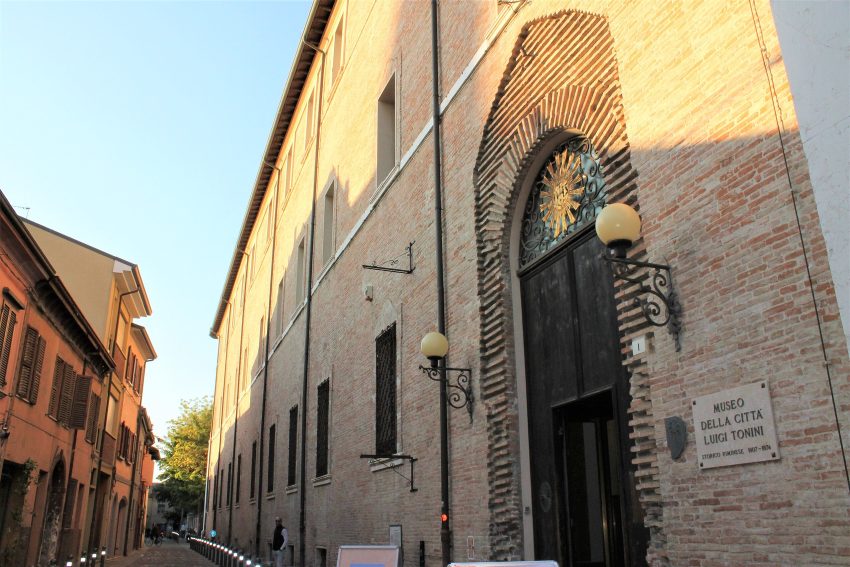
Museo della Città di Rimini, housed in the former Jesuit College near Piazza Cavour, is the city’s main museum for understanding Rimini beyond its seafront. The galleries move from prehistoric finds into Roman daily life, including a striking set of 3rd‑century surgical instruments and a rare glass pinax once used to decorate a physician’s home. Upstairs, the Pinacoteca traces local painting from the 14th‑century Riminese School shaped by Giotto’s influence through Malatesta-era ambitions and later Renaissance tastes. A final jolt of modernity comes from the section on fashion illustrator René Gruau, connecting Rimini’s past to 20th‑century visual culture.
Location: Museo della Città "Luigi Tonini", Via Luigi Tonini, Rimini, Province of Rimini, Italy | Hours: Tuesday - Sunday: 10:00-13:00 and 16:00-19:00. Closed on Mondays | Price: €7.00 | Website | Distance: 0.6km

Traveling to a country with a different currency? Avoid ATM transaction fees and pay in local currency with a Wise Card. Having used it for over 5 years, we've saved loads on fees!

4. Rimini Caput Viarum

ARimini Caput Viarum visitor center
©
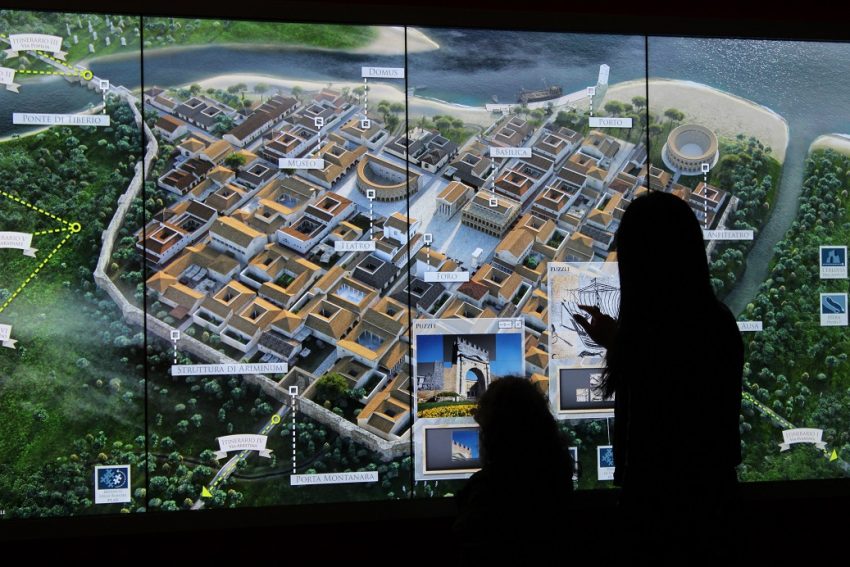
Rimini Caput Viarum is an interactive visitor center in Rimini’s historic core that uses multimedia storytelling to orient you to Ariminum, the Roman city beneath today’s streets. Rather than a case-by-case museum display, you follow an audiovisual route that links Roman foundations to the medieval and Renaissance layers outside, helping the city’s street grid and landmark clusters make sense. Visitors remember the immersive visuals and touchpoints that build a mental map quickly, especially useful at the start of a stay. Reviews note the setting inside a deconsecrated old church and staff who guide you through the sequence of films and answer questions. With a 4.6 rating from about 80 reviews, it’s widely appreciated as a clear, engaging way to connect scattered ruins into one story.
Location: aRimini Caput Viarum, Corso d'Augusto, Rimini, Province of Rimini, Italy | Hours: Winter: Wednesday: 9:30 - 12:30; Thursday and Friday: from 15.30 to 18.30; Saturday and Sunday: 10:00 to 13:00 & 15:30- 18:30. Closed Monday & Tuesday Summer: Tuesday - Saturday 10:00 to 13:00 & 16:00 - 19:00; Sunday 10:00-13:00. Closed Monday. | Price: Free | Distance: 0.7km

Click here to read our blog about Emilia-Romagna, Italy 2026: 7-Day Itinerary & Travel Guide

Powered by GetYourGuide

5. Domus del Chirurgo

Domus chirurgo
Domus chirurgo
CC BY-SA 4.0 / Capvalerio85
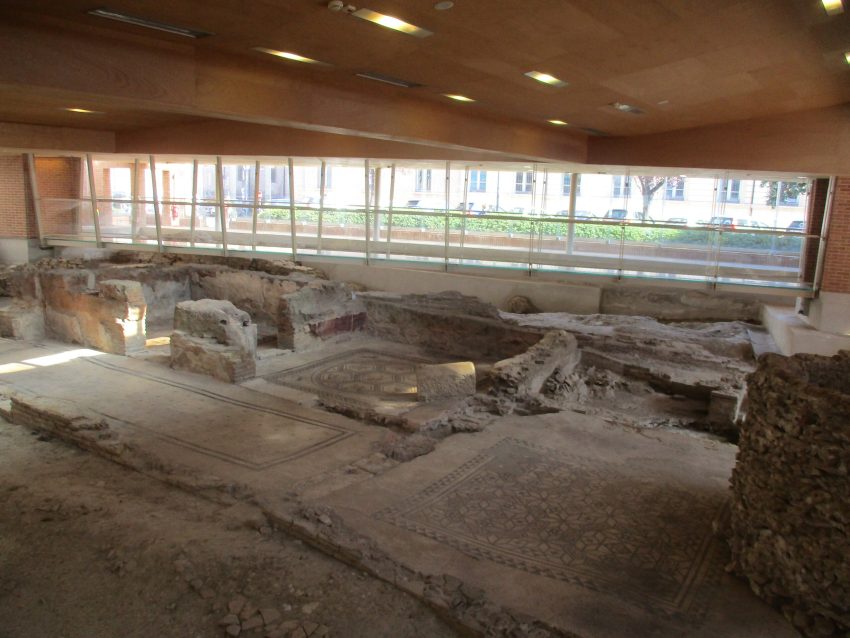
Domus del Chirurgo is a covered archaeological excavation in Piazza Luigi Ferrari in Rimini, where you look down through a glass-and-steel shelter onto the rooms of a Roman townhouse. Discovered during works in the late 1980s, it preserves clear floor plans, courtyards, and intricate mosaics that make the house feel legible as a lived space rather than a fragment. The domus is tied to a physician: a remarkable cache of surgical and pharmaceutical instruments was found here, turning domestic ruins into a direct glimpse of ancient medical practice. A mid-3rd-century fire collapsed the building and sealed details in place, which is why visitors often linger to trace thresholds and imagine daily routines from above.
Location: Domus del Chirurgo, Piazza Luigi Ferrari, Rimini, Province of Rimini, Italy | Hours: Winter: Tuesday to Sunday: 10am - 1pm & 4pm - 7pm. Summer: Tuesday to Sunday: 10am - 7pm. Closed Mondays. | Price: €7 (Includes “Luigi Tonini” City Museum) | Website | Distance: 0.7km

Explore Rimini at your own pace with our self-guided walking tour! Follow our curated route to discover must-see sights and local secrets that makes Rimini one of the best places to visit in Italy.

Powered by GetYourGuide

6. Palazzo del Fulgor

Fellini Museum  Rimini
Fellini Museum Rimini
© Fellini Museum
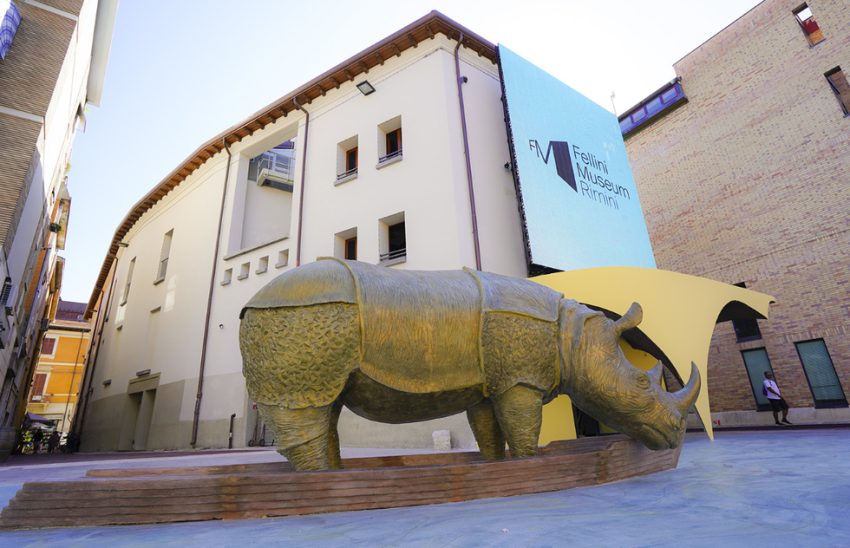
Palazzo del Fulgor in Rimini is a hybrid: a working cinema at street level with a multi-floor Federico Fellini museum above, built to show filmmaking as both public ritual and private craft. Start with original posters and flyers, then dive into a digital archive of drawings, letters, and personal material that traces ideas from sketch to screen. Upstairs, rooms like the Stanza delle Parole focus on Fellini’s voice and presence, while the Cinemino and Convivio widen the lens to his influence and creative circle. Interactive Moviola stations let you re-edit clips to feel how pacing changes meaning, and the top level nods to pre-cinema magic-lantern imagery before a lounge-like Altane area of projections. Visitors often praise the interactive archive, though some note limited English text.
Location: Fellini Museum Palazzo del Fulgor, Via Giuseppe Verdi, Rimini, Province of Rimini, Italy | Hours: Tuesday to Sunday: 10am-1pm and 4pm-7pm, Closed on Mondays | Price: Adults: €12 | Website | Fellini Museum Entry Ticket | Distance: 0.8km
Powered by GetYourGuide

7. Palazzo Garampi

Palazzo Garampi RImini Italy
CC BY-SA 4.0 / The Malatesta
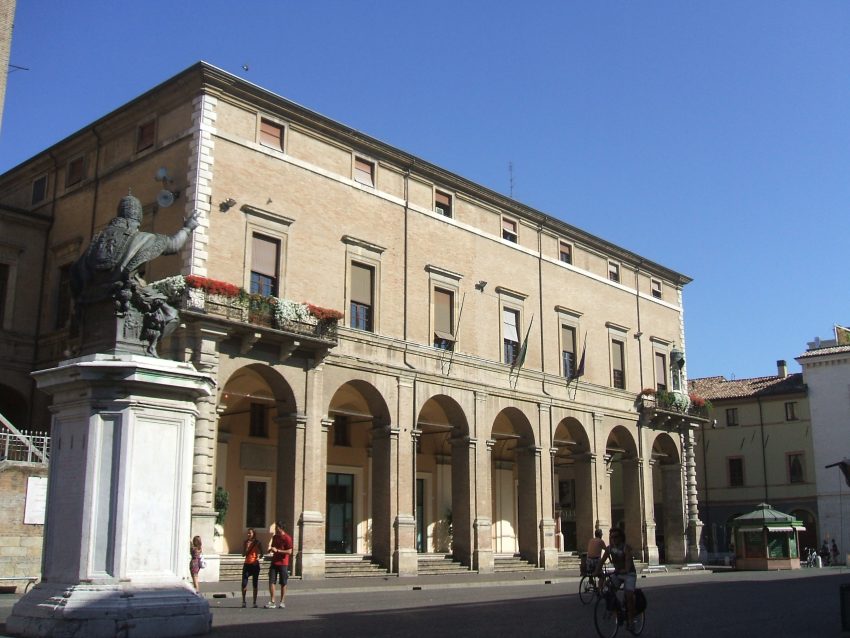
Palazzo Garampi is Rimini’s town hall, a late-Renaissance civic palace that anchors Piazza Cavour with a calm, symmetrical façade. First built in 1562, it collapsed after the 1672 earthquake and was rebuilt in 1687 under Francesco Garampi, then reconstructed again after heavy World War II damage. What visitors remember is how it reads as a statement of public order while everyday life flows past—coffee cups clinking, people crossing the square, and the building holding the scene together. Reviews note that the exterior retains its historic face even if the interiors were substantially reworked, and that the restoration was handled with care. It’s best appreciated as an architectural pause in the piazza.
Location: Palazzo Garampi, Piazza Cavour, Rimini, Province of Rimini, Italy | Hours: 24 Hours | Price: Free to view the exterior of the building. | Distance: 0.8km

8. Piazza Cavour
Piazza Cavour
Piazza Cavour
CC BY-SA 4.0 / Letizia Carabini
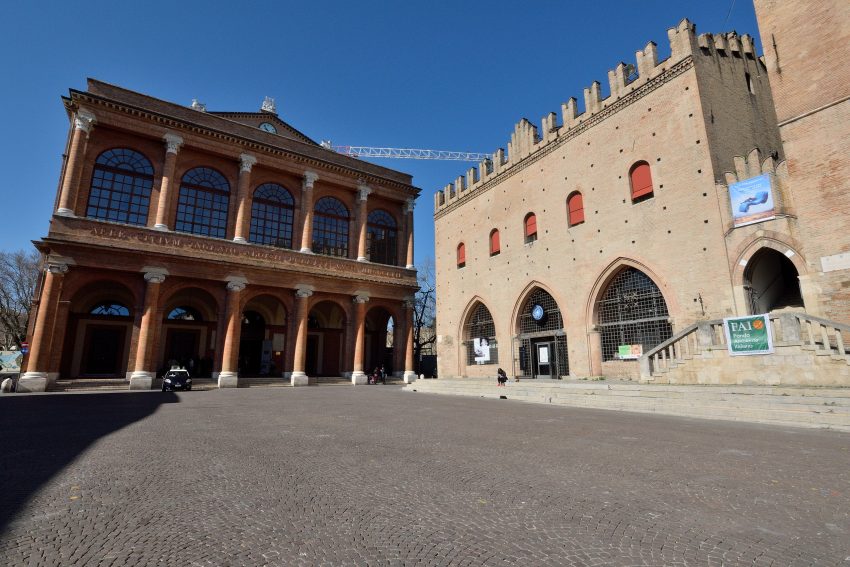
Piazza Cavour is Rimini’s main civic square in the historic center, where the city’s official face and its everyday rhythm share the same open space. Medieval power still reads in the stonework: Palazzo dell’Arengo and Palazzo del Podestà line one side with a deliberate, public gravity, while the opposite edge is more about cafés and locals cutting across on errands or stopping to talk. In the middle, the Pigna Fountain and the statue of Pope Paul V act as natural meeting points and photo anchors. At one end, the neoclassical Amintore Galli Theatre adds a note of ceremony, especially as the light softens toward evening.
| Hours: 24 hours | Price: Free | Distance: 0.8km

9. Tempio Malatestiano
Tempio Malatestiano
Tempio Malatestiano
CC BY-SA 3.0 / Flying Russian
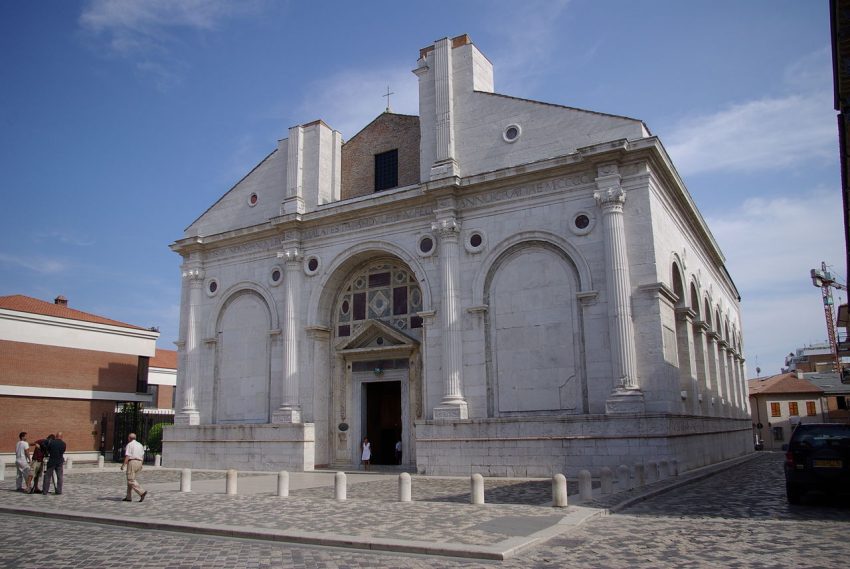
Tempio Malatestiano is Rimini’s Renaissance cathedral, created when Sigismondo Pandolfo Malatesta commissioned an ambitious rebuild in 1447, turning an older Franciscan church into a dynastic statement. From the street, Leon Battista Alberti’s pale marble exterior reads like a Roman monument—triumphal-arch forms and rhythmic arcades wrapping the earlier Gothic body. Inside, the atmosphere drops to a cool hush, where side chapels and sculpted reliefs by Agostino di Duccio draw you close. Look for the building’s “unfinished” feel: work stalled around 1460 as Malatesta’s power waned, leaving the grand plan partly unrealized. Visitors often remember the stark whiteness outside and the dense symbolism and art within.
Location: Tempio Malatestiano, Via IV Novembre, Rimini, Province of Rimini, Italy | Hours: Weekday hours: 8.30 am - 12.00 am; 3.30 pm - 6.30 pm Holiday Hours: 9.00 am - 1.00 pm; 3.30 pm - 7.00 pm | Price: Free | Website | Distance: 0.9km

10. Rimini Roman Amphitheatre
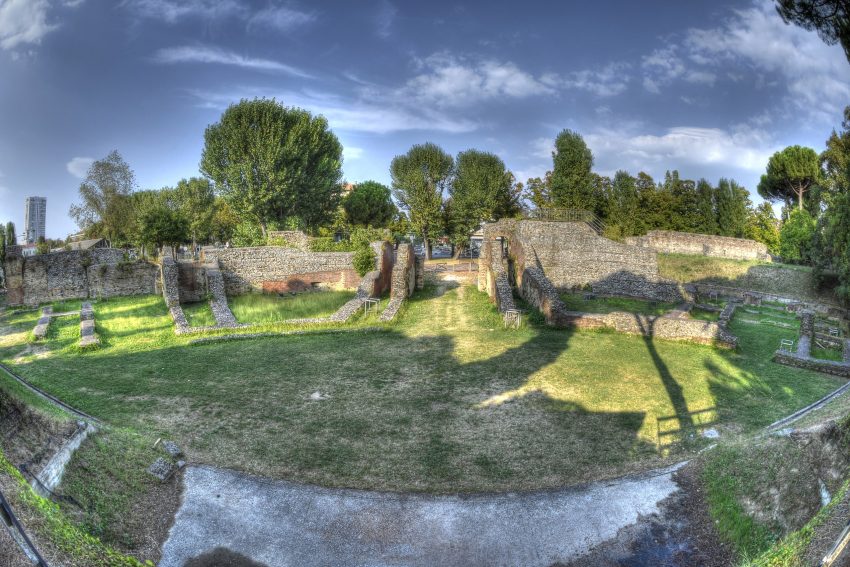
Rimini Roman Amphitheatre
CC BY-SA 4.0 / GianlucaMoretti
Rimini Roman Amphitheatre is a 2nd-century AD arena on the seaward edge of ancient Ariminum, traditionally linked to Hadrian after a coin bearing his image was found here. What you see today is a half-revealed oval: brick-faced concrete, foundations, and fragments of the arcaded structure that once rose in tiers and held around ten thousand spectators for gladiatorial games. Walking the perimeter makes the geometry click—the ellipse is still readable, and the surviving brickwork shows the steady rhythm of Roman construction. It feels raw and unfinished rather than restored, and travelers note that access is sometimes limited, leaving much of the site best appreciated from outside.
Location: Roman Amphitheatre, Via Roma, Rimini, Province of Rimini, Italy | Hours: For full access contact Rimini Municipal Museums. In the summer it is used for theatrical performances. | Distance: 1km
Powered by GetYourGuide

11. Castel Sismondo

Castel Sismondo
Castel Sismondo
CC BY-SA 4.0 / Oleh Kushch
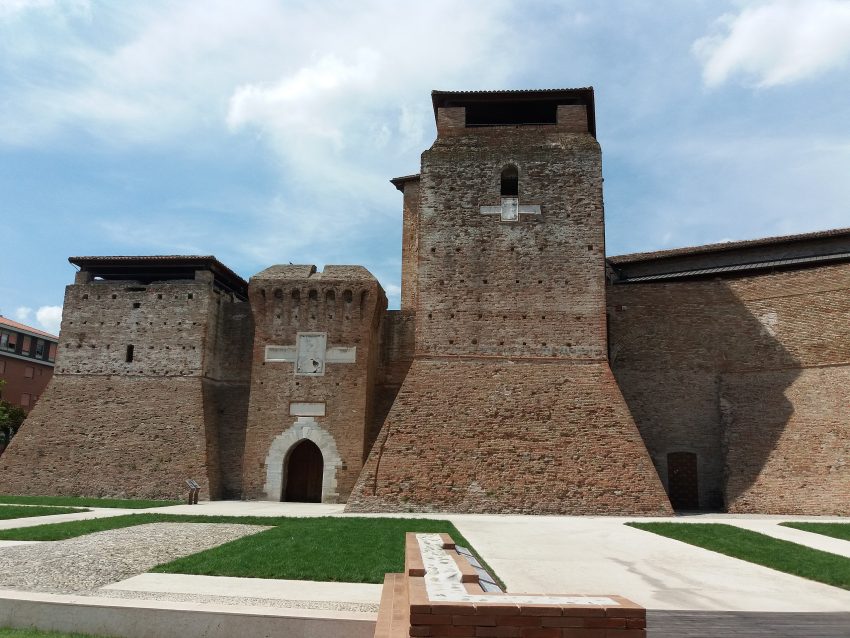
Castel Sismondo, also called the Malatesta Fortress, is Rimini’s most imposing medieval stronghold, commissioned by Sigismondo Pandolfo Malatesta with work beginning in 1437. You notice its sheer mass first: heavy, angled walls and squat square towers set in an open, walkable space just beyond the tightest lanes of the historic center. Built as both a fortified residence and a statement of rule, it once sat behind a deep moat and more extensive outer defenses, later reshaped and even used as the city prison. Today, much of the interior experience is tied to the Fellini Museum, and visitors often find the exhibitions dominate what you can access inside.
Location: Castel Sismondo, Piazza Malatesta, Rimini, Province of Rimini, Italy | Hours: Tuesday to Sunday 10.00-13.00 and 16.00-19.00. Closed on Mondays | Price: Adults: €10.00 | Website | Fellini Museum Entry Ticket | Distance: 1km

12. Piazza Tre Martiri
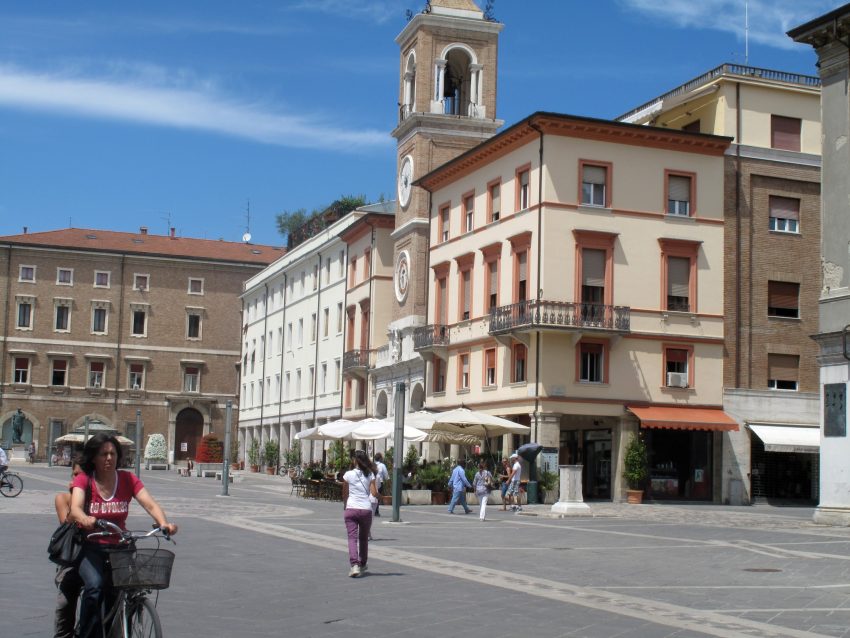
Piazza Tre Martiri
Piazza Tre Martiri
CC BY-SA 2.0 / Alain Rouiller
Piazza Tre Martiri is Rimini’s central square in the historic center, set where the Roman city’s main streets once crossed, and it still feels like the place the town naturally flows through. It layers everyday café life over deep time: traces of the old forum, porticoed edges, and a 16th‑century Clock Tower that people use as an easy meeting point. Look up at the tower’s astronomical-style dial with calendar and lunar details, then notice the Julius Caesar references in the square, tied to the Rubicon legend. The name commemorates three young partisans executed here on 16 August 1944, marked by a restrained memorial that sits quietly amid the bustle.
Location: Piazza Tre Martiri, Rimini, Province of Rimini, Italy | Hours: 24 Hours | Price: Free public space. | Distance: 1km

13. La Ruota Panoramica
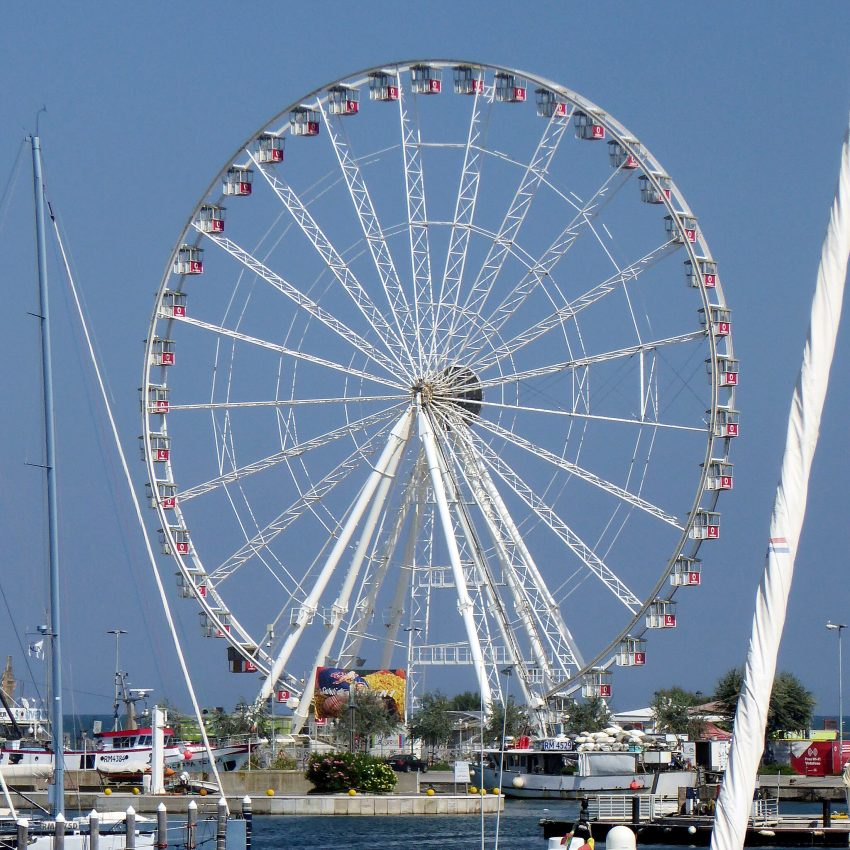
Ruota panoramica di Rimini
CC BY-SA 3.0 / Aisano
La Ruota Panoramica is Rimini’s seasonal Ferris wheel set by the seafront near the marina, a simple ride that lifts you above the promenade for a clear sense of the city’s coastal layout. As the cabins rise, the view opens into a full sweep of Adriatic water, the coastline stretching away in both directions, and a patchwork of beaches, rooftops, and inland green beyond. It matters less as a historic monument than as a snapshot of Rimini’s summer rhythm—evenings outside, sea air, and slow, unhurried looking. The wheel turns at a gentle pace geared to sightseeing and photos, especially when sea and city share the same frame. Travelers describe it as “very beautiful” in summer at the port, with a quietly magical feel.
Location: La Ruota Panoramica, Largo Ruggero Boscovich, Rimini, Province of Rimini, Italy | Hours: Every day from 10am to 11pm | Price: €9 | Website | Distance: 1.1km

14. Porta Montanara di Rimini
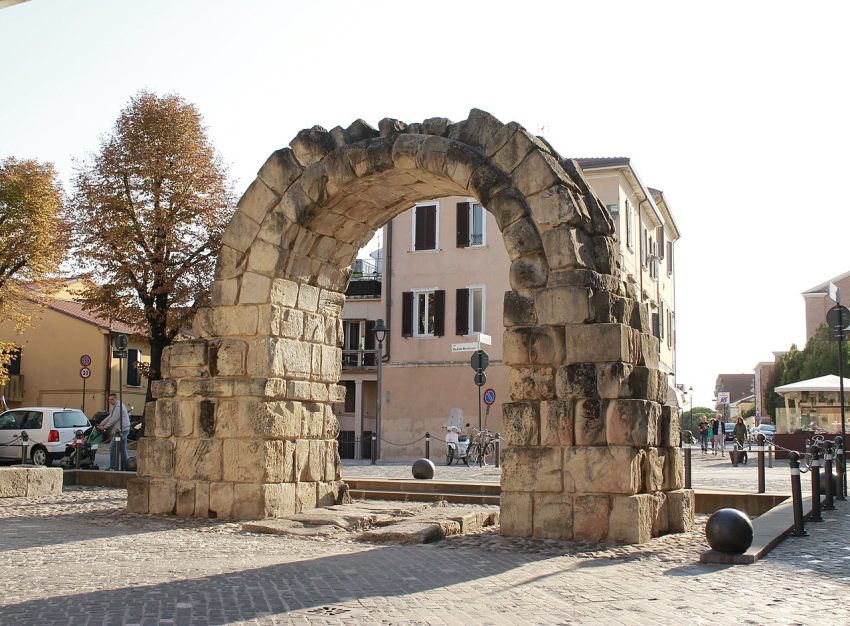
Porta Montanara di Rimini
CC BY-SA 4.0 / Thomass1995
Porta Montanara di Rimini is a restored Roman city gate on Via Garibaldi, set back into the street line where people once entered Ariminum. Traditionally dated to the 1st century BC and linked to the era of Sulla, it marked the southern approach toward the Marecchia valley and inland hills. The original structure had two vaulted passages and a small guard area, but wartime damage in 1943 left only part of an arch standing. After years reassembled elsewhere, its stones were cleaned and reconstructed in the early 2000s in their original context. Visitors notice a modest arch with weathered masonry and a palpable “threshold” feeling—small in scale, but easy to linger over.
Location: Porta Montanara, Via Giuseppe Garibaldi, Rimini, RI, Italy | Hours: 24 Hours | Price: Free. | Distance: 1.2km

15. Arch of Augustus
Arco di augusto rimini esterno
CC BY-SA 3.0 / Sailko
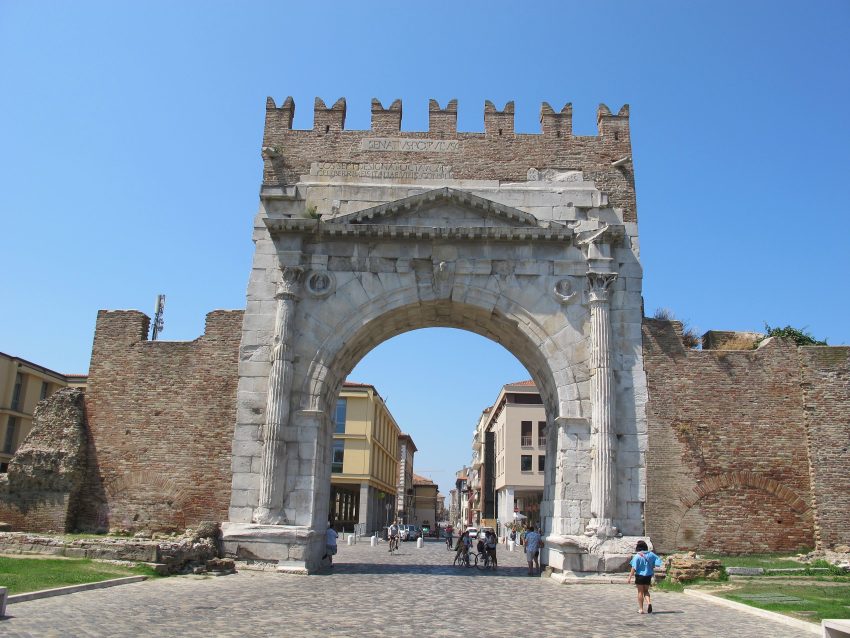
Rimini’s Arch of Augustus is a Roman triumphal arch from 27 BC, set at the southern edge of the historic centre where the Via Flaminia once entered the city from Rome. Its single, unusually wide opening was deliberately left without doors, a stone statement of peace after civil war. Look up for the round clipei with gods—Jupiter and Apollo on one side, Neptune and the personification of Rome on the other—plus smaller details like ox-head carvings along the flanks. The pale Istrian stone reads differently as the light shifts, and the medieval battlements on top hint at how the monument was later folded into the city walls. A small green space and occasional market stalls add everyday life around it.
Location: Arch of Augustus, Corso d'Augusto, Rimini, Province of Rimini, Italy | Hours: 24 Hours | Price: Free | Distance: 1.2km

16. Italia in Miniatura
Italia in miniatura
Italia in miniatura
CC BY-SA 3.0 / Hic et nunc
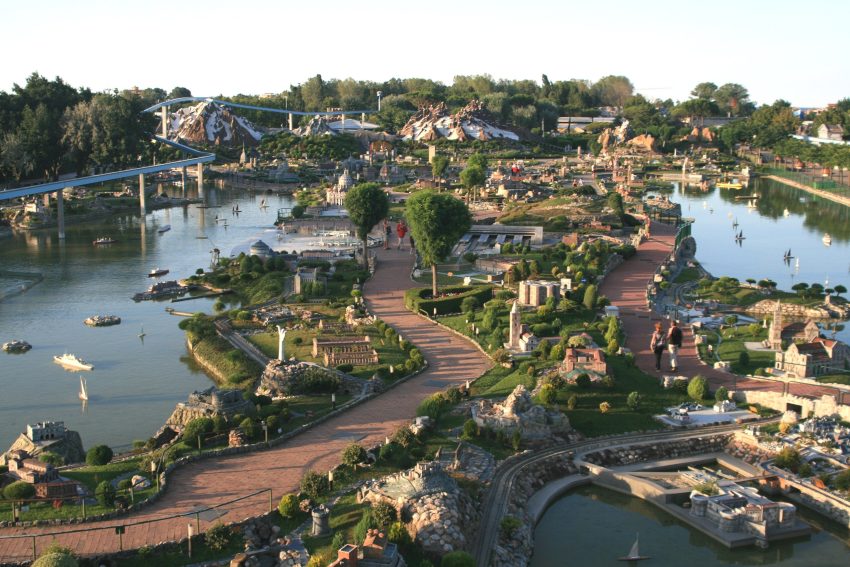
Italia in Miniatura is a family-friendly park in Viserba, just north of Rimini, that turns Italy (and parts of Europe) into a walk-through landscape of hundreds of finely made scale models. What makes it memorable is how the miniatures are staged like a journey, with tiny streetscapes, façades, and landscaping that reward slow looking and photo stops. The Venice area is built larger than the rest, with a canal-style setting that feels surprisingly immersive for a “miniatures” park. Between scenes you’ll notice moving details—little trains and boats in motion—and there are hands-on zones like a water-cannon battle area that keep kids engaged. Many visitors mention spending 3–4 hours and still spotting new details.
Location: Italia in Miniatura, Via Popilia, Rimini, Province of Rimini, Italy | Hours: Daily: 10am - 5pm | Price: €24.00 | Website | Buy Tickets Here! | Distance: 5.1km
Powered by GetYourGuide

Best Day Trips from Rimini

A day trip from Rimini offers the perfect opportunity to escape the urban rhythm and discover the surrounding region's charm. Whether you're drawn to scenic countryside, historic villages, or cultural landmarks, the area around Rimini provides a variety of easy-to-reach destinations ideal for a one-day itinerary. If you are looking to rent a car in Italy I recommend having a look at Discover Cars, first, as they compare prices and review multiple car rental agencies for you.

1. Oltremare Theme Park

Dolphinarium at Oltremare   Riccione
Dolphinarium at Oltremare Riccione
CC BY-SA 4.0 / Terragio67
Oltremare is a large, family-friendly theme park in Riccione that blends live animals, immersive exhibits, and multimedia storytelling into a single day out. Set on the hill area next to Acquafan, it’s designed to feel like a journey through nature and discovery, with experiences that move from prehistoric life and climate shifts to ocean ecosystems and hands-on encounters. If you’re…
Location: Oltremare, Viale Ascoli Piceno, Riccione, Province of Rimini, Italy | Hours: Daily: 10.00-18.00 | Price: Adults: € 22 | Website | Buy Tickets Here! | Distance: 11km
Visiting Oltremare Theme Park
Powered by GetYourGuide

2. San Marino

Visiting San Marino
Visiting San Marino
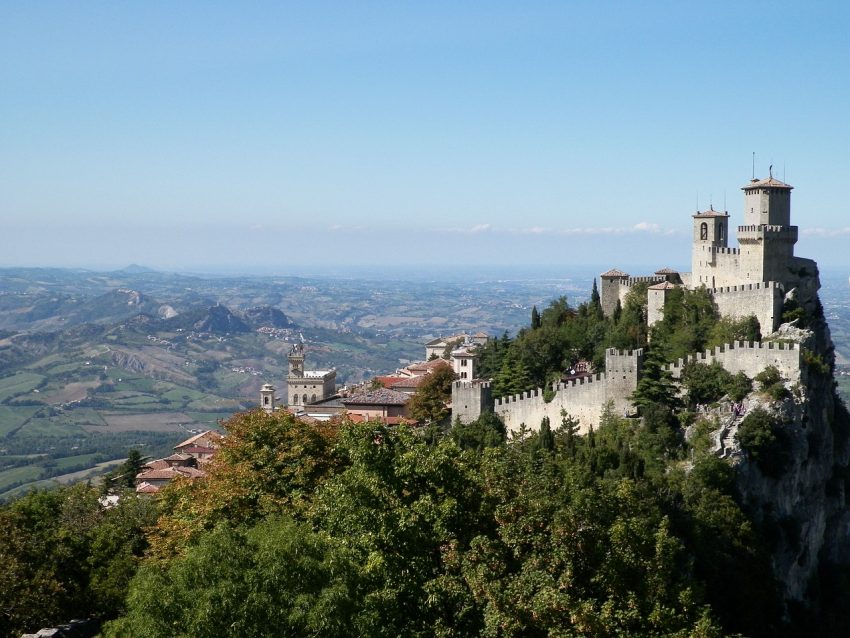
San Marino's origins are rooted in the captivating legend of Saint Marinus, who established the community and republic in AD 301 after seeking refuge on Mount Titano. The sovereignty of San Marino was confirmed after Italian Unification, possibly in recognition of their assistance to Garibaldi, a prominent leader in the Risorgimento movement. With the exception of Vatican City, San Marino…
Visiting San Marino
Powered by GetYourGuide

3. Fortezza di San Leo

Rocca di San Leo
Rocca di San Leo
CC BY-SA 4.0 / Antonini.cristiano
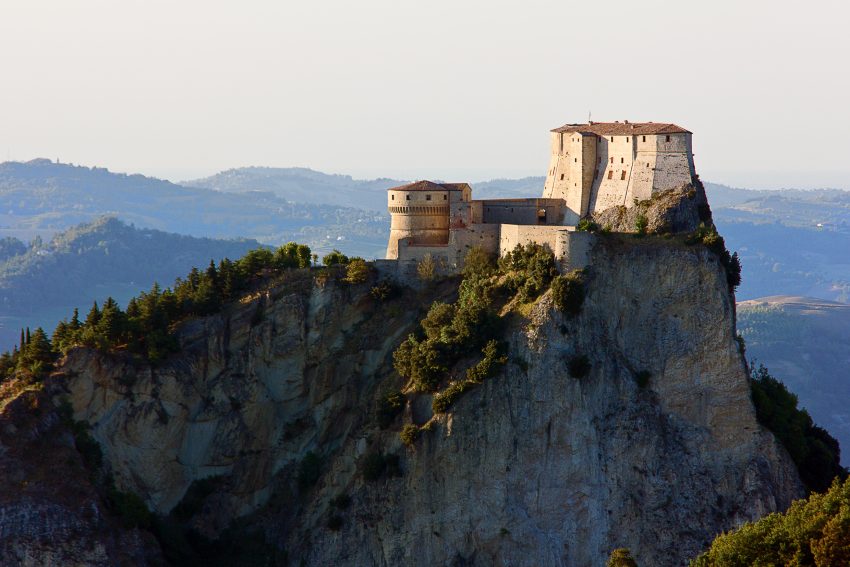
Perched high above the Valmarecchia on the borderlands between Romagna and the Marche, the Fortezza di San Leo is a fortress-town icon that looks as if it was carved straight out of the rock. You approach it through the compact historic center of San Leo, then the walls rise abruptly—stern, geometric, and unmistakably built for power, control, and visibility across…
Location: Fortress of San Leo, Via Giacomo Leopardi, San Leo, Province of Rimini, Italy | Hours: Monday to Friday from 10.00 to 18.45 (last admission at 18.00) Saturday, Sunday and public holidays from 10.00 to 19.45 (last admission at 19.00) | Price: €10.00 | Website | San Leo: Fortress Entry Ticket and Cagliostro's Prison | Distance: 26.1km
Visiting Fortezza di San Leo
Powered by GetYourGuide

4. Ravenna

Ravenna
Ravenna
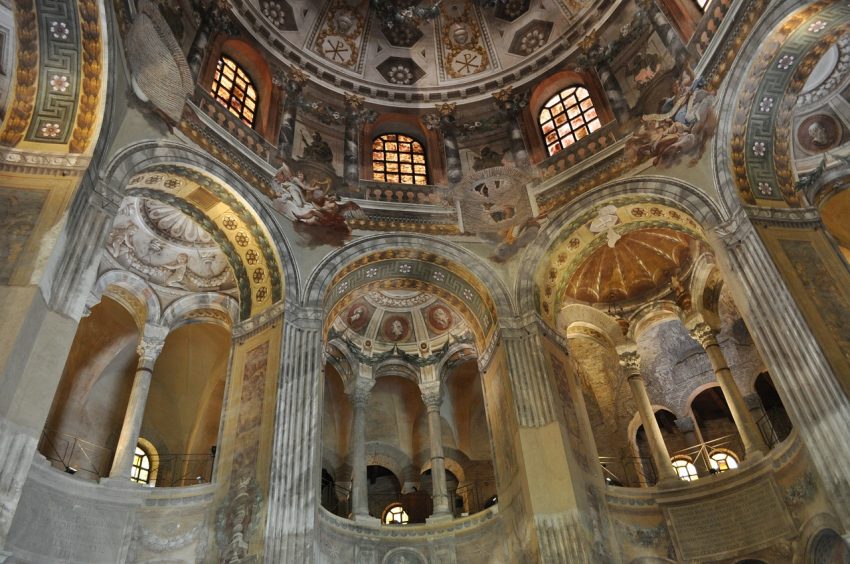
Situated on the eastern coast of Italy, nestled between San Marino and Bologna, Ravenna serves as the capital of the Ravenna province and stands as one of the larger cities in the Emilia-Romagna region. Throughout its illustrious history, Ravenna has held a position of great importance under various empires, including serving as the capital of the Western Roman Empire and…
Visiting Ravenna
Powered by GetYourGuide

5. Gubbio

umbria gubbio
umbria gubbio
Nestled amidst the rugged terrain of the Apennine Mountains, Medieval Gubbio boasts a picturesque setting approximately 25 miles northeast of the bustling capital of Umbria, Perugia. To the north and east, the landscape stretches out into vast expanses until reaching the border with the neighboring region of Le Marche. This ancient land, adorned with charming squares and majestic stone palaces,…
Visiting Gubbio
Powered by GetYourGuide

6. Arezzo

Arezzo
Arezzo
CC BY-SA 4.0 / Sailko
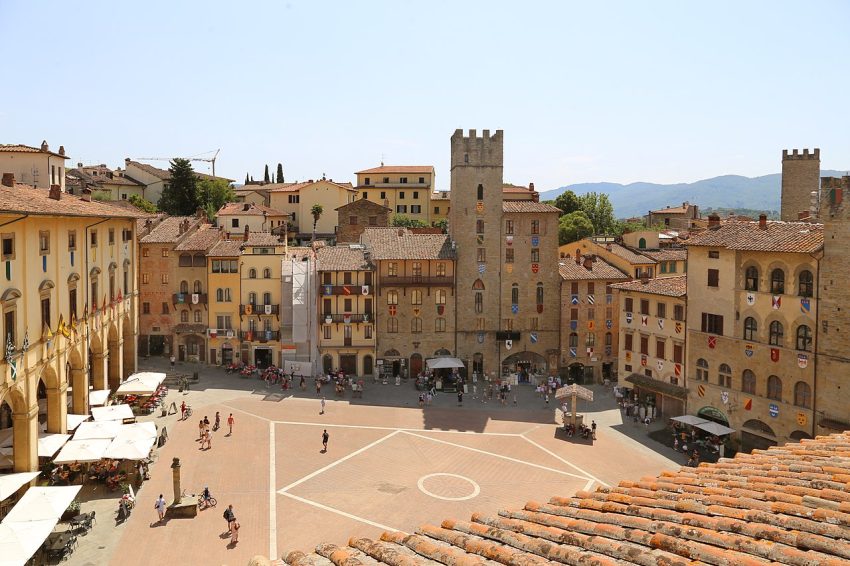
Situated in the south-eastern region of Tuscany, Arezzo is perched prominently atop a hill, at the intersection of four valleys: Val Tiberina, Casentino, Valdarno, and Valdichiana. This locale has deep historical significance within the Tuscan landscape, evidenced by the wealth of archaeological finds, such as stone tools and the discovery of the Paleolithic-era "Man of the Elm." The city's roots…
Visiting Arezzo
Powered by GetYourGuide

7. Perugia

Perugia, Umbria
Perugia, Umbria
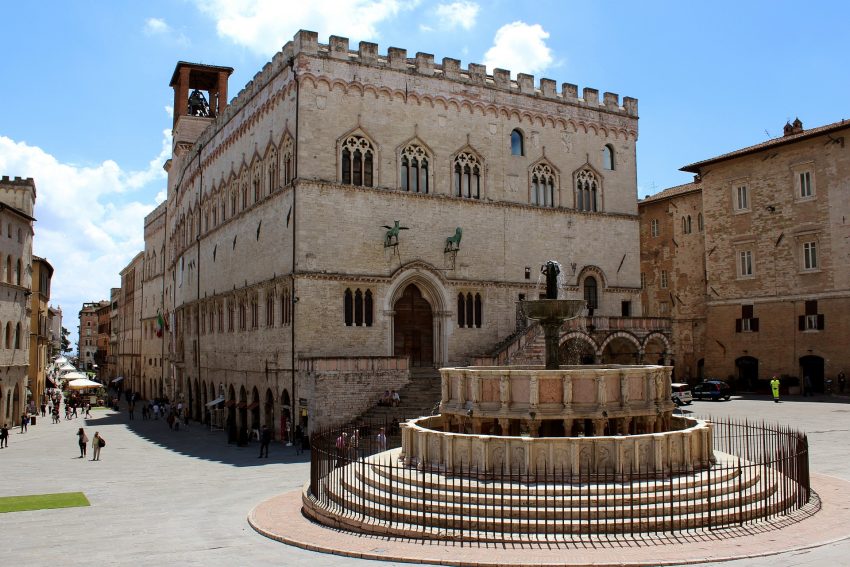
Nestled in the heart of Italy, Perugia is one of the country's oldest centers, celebrated for its vibrant social life, rich university heritage, and much more. This modern city, steeped in history, stands atop a hill in the Tiber Valley and serves as the capital of Umbria. Known as a city of art and a lively cultural hub, Perugia's medieval…
Visiting Perugia
Powered by GetYourGuide

8. Bologna

bologna
bologna
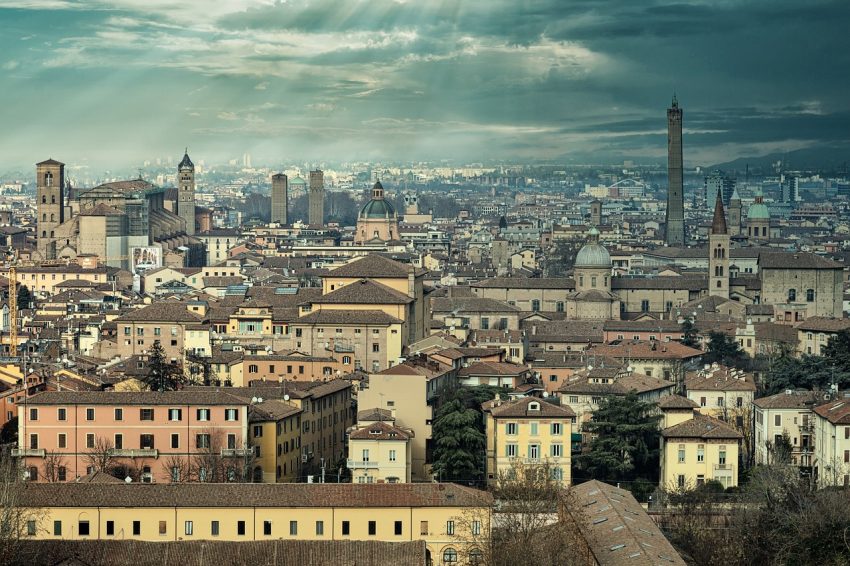
Bologna, a captivating city, holds the distinction of being the capital and largest city of the Emilia-Romagna region. Renowned by many Italians as the second most beautiful city after Venice, it boasts a rich heritage and a vibrant atmosphere. Bologna's charm lies in its relaxed and stress-free lifestyle, accompanied by a warm and lively ambiance. Its historic center, one of…
Visiting Bologna
Powered by GetYourGuide

9. Florence

Florence
Florence
Florence, one of Italy's most renowned cities, is a must-visit destination on the tourist circuit. Its breath-taking Renaissance architecture, charming streets, and picturesque buildings make it a captivating spot for travellers. Art lovers will find themselves in paradise with an abundance of galleries to explore, offering a diverse range of masterpieces. The city's magnificent Renaissance churches also provide a fascinating glimpse…
Visiting Florence
Powered by GetYourGuide

10. Assisi

Assisi
Assisi
When UNESCO inscribed the Franciscan attractions in Assisi as a World Heritage Site, it highlighted the city's significant influence on both religious expression and European art history. This intertwining of religious and artistic heritage makes Assisi a must-visit for tourists. As the birthplace of St. Francis and the center of his life's work, Assisi is deeply connected with the Franciscan…
Visiting Assisi

11. Ferrara

ferrara
ferrara
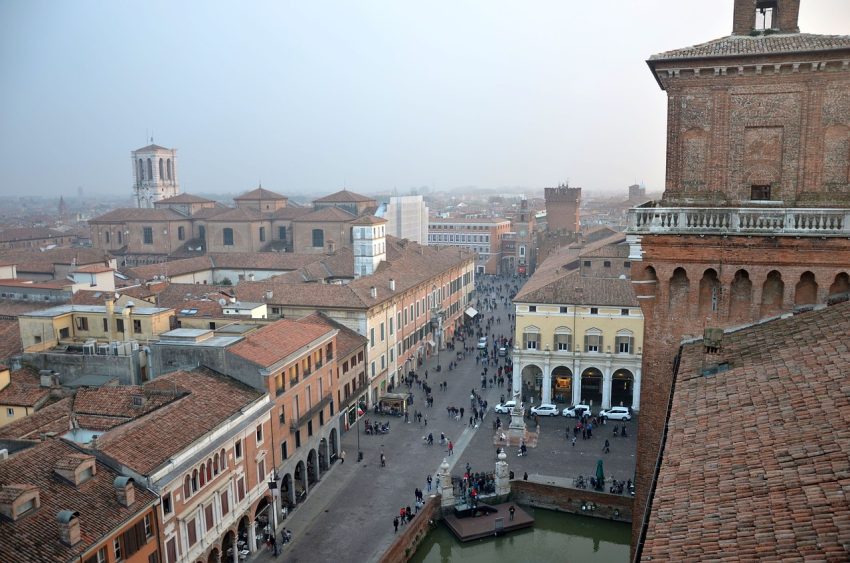
Ferrara is a city located in the Emilia-Romagna region of Italy, situated near the eastern Adriatic coast and positioned at the top of Italy's boot-shaped peninsula. This charming city is recognized as a UNESCO World Heritage site. For a period of three centuries, Ferrara was under the rule of the Este family, whose Renaissance court was renowned as one of…
Visiting Ferrara
Powered by GetYourGuide

12. Siena

Piazza del Campo Siena
CC BY-SA 3.0 / Massimo Catarinella
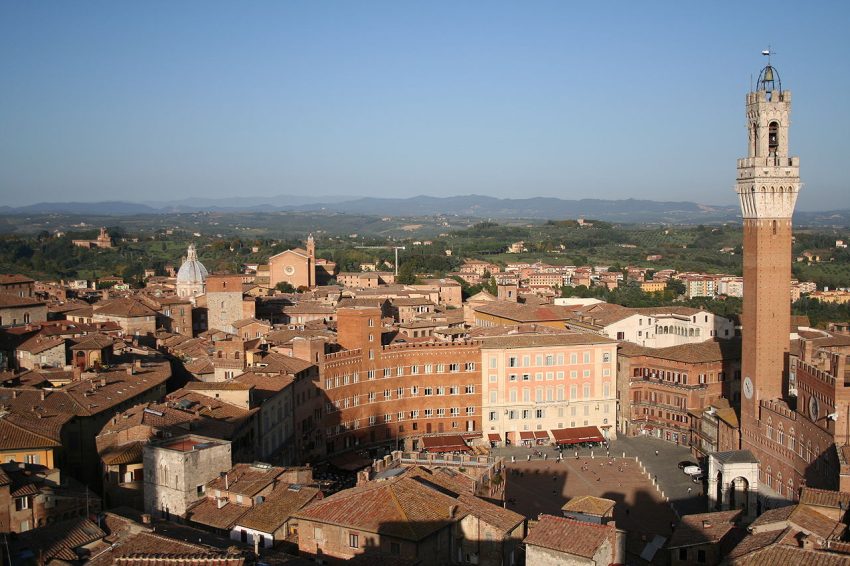
Visiting Siena is like stepping into a timeless Italian dream, where medieval streets wind through a city rich in culture, charm, and breathtaking scenery. Nestled in the heart of Tuscany, Siena captivates visitors with its warm, earthy-toned buildings, stunning Gothic architecture, and lively piazzas. Whether you’re strolling through its narrow alleyways, savoring a meal at a traditional trattoria, or simply…
Visiting Siena
Powered by GetYourGuide

Where to Stay in Rimini

The best place to stay is along the beachfront, where resorts and boutique hotels offer easy access to the Adriatic coastline and lively nightlife. For a more historical experience, staying in the city center provides proximity to Roman ruins, the Tiberius Bridge, and Piazza Cavour.

A 2 to 3-day stay is ideal for enjoying Rimini’s beaches, exploring the historic sites, and indulging in its vibrant food scene. A 4-day stay allows for visits to San Marino, nearby medieval villages, or amusement parks like Italia in Miniatura.

Using the our Hotel and Accomodation map, you can compare hotels and short-term rental accommodations in Rimini. Simply insert your travel dates and group size, and you’ll see the best deals for your stay.

Rimini Accommodation Map

Best Time to Visit Rimini

Rimini, located on the Adriatic coast of Italy, is known for its beautiful beaches, vibrant nightlife, and rich history. Here’s a guide to the best time to visit Rimini:

  1. Summer (June to August): Summer is the peak tourist season in Rimini, with warm temperatures and plenty of sunshine. This is the best time to visit if you’re looking to enjoy the city’s stunning beaches, water sports, and beachfront bars and clubs. The city comes alive with events, concerts, and festivals, making it ideal for those seeking a lively atmosphere. However, be prepared for larger crowds and higher prices during this time.
  2. Spring (March to May): Spring is a lovely time to visit Rimini as the weather begins to warm up, and the city’s parks and gardens come to life with blooming flowers. The temperatures are mild, making it perfect for outdoor activities like exploring the historic center, cycling along the seafront promenade, and visiting nearby attractions such as the ancient city of Ravenna or the Republic of San Marino. Spring also sees fewer tourists compared to the summer months, allowing for a more relaxed experience.
  3. Fall (September to November): Fall is another great time to visit Rimini, as the weather remains pleasant, and the summer crowds begin to dissipate. The temperatures are still warm enough for beach activities, and the sea is often still warm from the summer months. This is also a fantastic time to explore the region’s culinary scene, with many local restaurants offering delicious seasonal dishes featuring fresh seafood and regional produce.
  4. Winter (December to February): Winter in Rimini is relatively quiet, with fewer tourists and cooler temperatures. While the weather may not be suitable for beach activities, winter still offers opportunities to explore the city’s cultural attractions, such as its historic landmarks, museums, and art galleries. Additionally, winter is a great time to experience Rimini’s local festivals and events, including Christmas markets and carnival celebrations.

Ultimately, the best time to visit Rimini depends on your preferences for weather, crowds, and activities. Whether you prefer the bustling atmosphere of summer or the peaceful ambiance of the shoulder seasons, Rimini has something to offer for every traveler throughout the year.

Annual Weather Overview

  • January 10°C
  • February 11°C
  • March 14°C
  • April 17°C
  • May 21°C
  • June 26°C
  • July 29°C
  • August 29°C
  • September 25°C
  • October 21°C
  • November 15°C
  • December 10°C

How to get to Rimini

Reaching Rimini by Plane

Rimini is served by its own airport, the Aeroporto Internazionale Federico Fellini di Rimini-San Marino. Budget airlines like Ryanair and EasyJet offer flights from the UK to this airport. Located just outside the city centre in Miramare, a seaside suburb, the airport features a tourist information office. You can easily connect from the airport to Rimini’s city centre using the urban bus service, specifically bus number 9, which links the airport to Rimini’s railway station.

Reaching Rimini by Train

Rimini is located on a railway line that connects Bologna with Ancona, running down the Adriatic coast. Many trains make stops in Rimini, and connections to other major Italian destinations are typically made via Bologna. It's important to note that various categories of trains stop in Rimini, with some being faster but more expensive than others. Ensure you purchase the correct ticket for the specific train you plan to take. Additionally, in addition to the main Rimini station, some trains also stop at smaller stations along Rimini's coastline, including Rimini Miramare and Riccione.

Other nearby seaside resorts are also accessible via the same railway line, making it convenient to explore the entire coast. Bus services are available for the surrounding region, with urban buses covering the built-up area, extending south to Riccione. Several buses each day run to the Republic of San Marino, a 45-minute journey, and in the summer, there are direct buses to other interesting towns like San Leo and Urbino. During the off-season, regular public transport is relied upon. To reach Urbino, take a train to Pesaro and catch a bus outside the railway station.

Local Buses in Rimini

Within Rimini itself, AM, a local bus company, operates bus services. You can find a ticket and information kiosk outside the railway station. The bus services are efficient and tickets are affordable. While the historic centre is easily navigated on foot, the seaside areas extend quite a distance and might not be the most interesting for walking, making bus rides a practical option. Bus stops are clearly labelled with numbers, which is convenient for travellers. A town map available from the tourist office outlines bus routes and stops. It’s generally a good idea to purchase a period bus ticket for convenience.
More from this area