Pula, Croatia: The Ultimate Travel Guide 2026
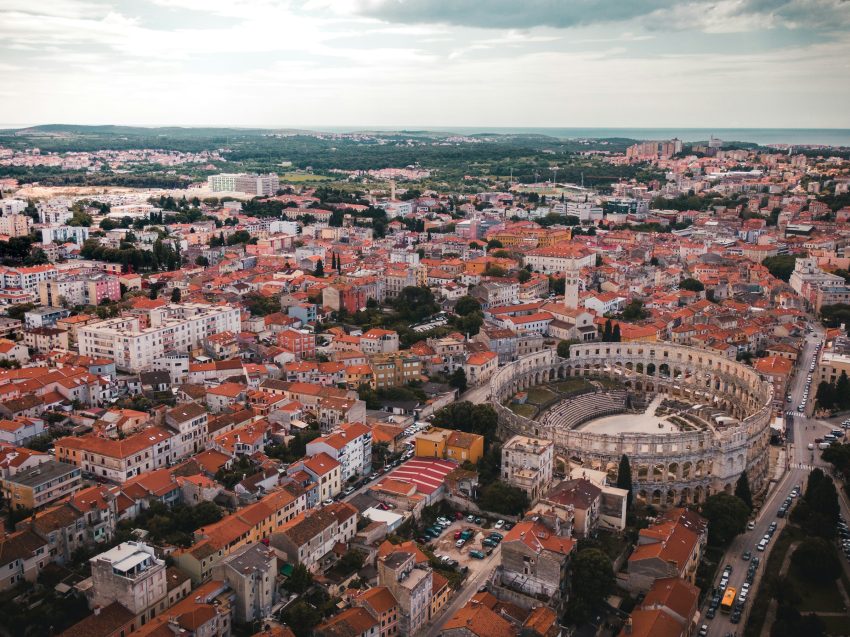
Pula is a laid-back coastal city at the southern tip of the Istrian Peninsula, where Roman-era landmarks sit alongside working harbors, café-lined streets, and easy access to beaches and pine-fringed coves. It's compact enough to explore on foot, yet surrounded by small seaside neighborhoods and nature spots that make it feel like a base for both culture and swimming days. The city's atmosphere is relaxed and local, especially outside peak summer weeks, with plenty of places to linger over seafood, Istrian olive oil, and a glass of Malvazija.
A visit usually revolves around a mix of big-ticket sights and simple pleasures: wandering the old town, catching sunset views from the waterfront, and dipping into the clear Adriatic when the heat rises. Pula's standout monuments are easy to reach between meals and beach time, and many of the best viewpoints and promenades are a short stroll from the center. If you like to keep plans flexible, Pula suits spontaneous days-start with a morning market and coffee, then decide whether you're in the mood for museums, a boat trip, or a swim.
Pula also works well as a gateway to southern Istria, with quick trips to nearby beaches, forested peninsulas, and small coastal villages within a short drive or bus ride. Even if you're not packing your schedule, you'll find plenty to do: summer concerts and film events, lively terraces in the evenings, and scenic walks that connect the city to the sea. It's a destination that balances “must-sees” with an easygoing rhythm.
Table of Contents
- History of Pula
- 16 Best places to See in Pula
- Roman Amphitheater
- Gate of Hercules
- Archaeological Museum of Istria
- Twin Gates
- Pula Castle
- Pula Cathedral
- Small Roman Theatre
- Floor Mosaic The Punishment of Dirce
- Forum Square and Communal Palace
- Franciscan Church and Monastery
- Triumphal Arch of the Sergii
- Temple of Augustus
- City Farmers' Market
- Chapel of Saint Maria Formose
- Fort Bourguignon
- Aquarium Pula
- 10 Best Day Trips from Pula
- Where to Stay in Pula
- Best Time to Visit Pula
- How to get to Pula
History of Pula
Pula in Prehistory and the Histri Era
Long before written records, the wider area around Pula was inhabited by prehistoric communities who left traces in hillforts and burial sites. By the late Iron Age, the Histri people were established in the region, known for fortified settlements and maritime activity. Their presence shaped early patterns of trade and defense that later powers would build upon.
Pula under Roman Rule
Pula rose to major prominence during the Roman period, when it developed into an important urban center with monumental public architecture. Roman planning brought forums, temples, gates, and an amphitheater that anchored civic life and entertainment. The city’s stonework and infrastructure from this era became the defining layer of its built identity.
Pula in Late Antiquity and the Early Middle Ages
As the Western Roman Empire weakened, Pula experienced political shifts and periods of instability, while Christianity became increasingly influential. Defensive needs grew, and existing structures were adapted or repurposed. Over time, new authorities and cultural influences reshaped administration and daily life.
Pula under Venetian Influence
In the medieval and early modern period, Venetian power left a strong mark on Pula’s governance, maritime orientation, and architecture. Fortifications and civic buildings reflected strategic priorities in the Adriatic. Trade networks connected the city to broader Mediterranean currents, even as outbreaks of disease and conflict periodically affected population and prosperity.
Pula in the Habsburg Era and the Rise of the Naval Port
Under Habsburg administration, Pula transformed dramatically with the development of a major naval base and shipbuilding capacity. This brought rapid urban growth, new infrastructure, and a more international population. Military priorities influenced city planning, fort construction, and the expansion of services.
Pula in the 20th Century: War, Borders, and Modern Identity
The 20th century brought profound change through world wars, shifting borders, and demographic movements. Industry and shipbuilding remained important, while the city’s cultural life evolved alongside new political realities. In recent decades, heritage preservation and tourism have become increasingly central, with Pula’s layered past serving as a foundation for its contemporary character.

Moira & Andy
Hey! We're Moira & Andy. From hiking the Camino to trips around Europe in Bert our campervan — we've been traveling together since retirement in 2020!
Visiting Pula for the first time and wondering what are the top places to see in the city? In this complete guide, I share the best things to do in Pula on the first visit. To help you plan your trip, I have also included an interactive map and practical tips for visiting!
This website uses affiliate links which earn a small commission at no additional cost to you.
16 Best places to See in Pula
This complete guide to Pula not only tells you about the very best sights and tourist attractions for first-time visitors to the city but also provide insights into a few of our personal favorite things to do.
This is a practical guide to visiting the best places to see in Pula and is filled with tips and info that should answer all your questions!
1. Roman Amphitheater
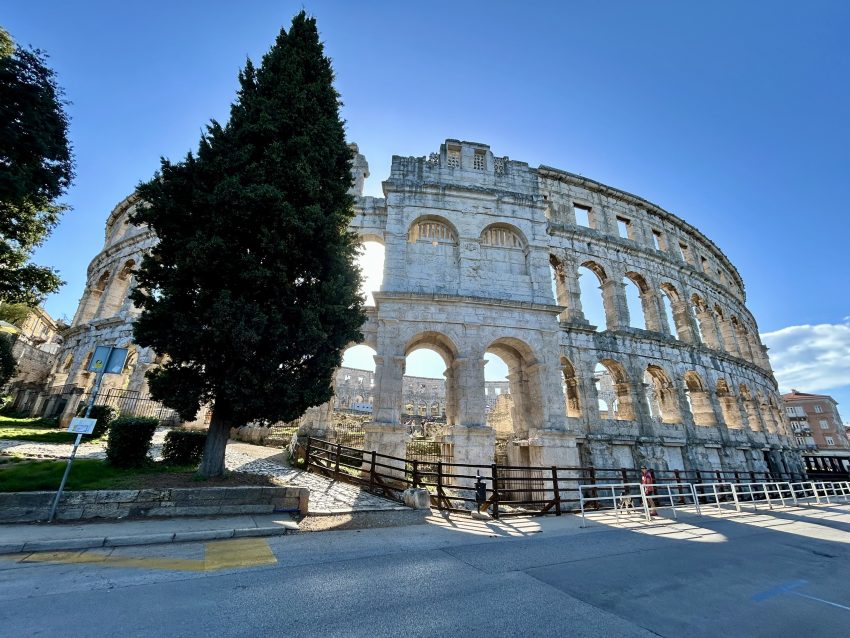
Location: Flavijevska ul., 52100, Pula, Croatia | Hours: Daily: 08:00–20:00. | Price: Adults: €10; Children/pupils/students: €5; Children under 5: free. | Website | Distance: 0.1km

2. Gate of Hercules
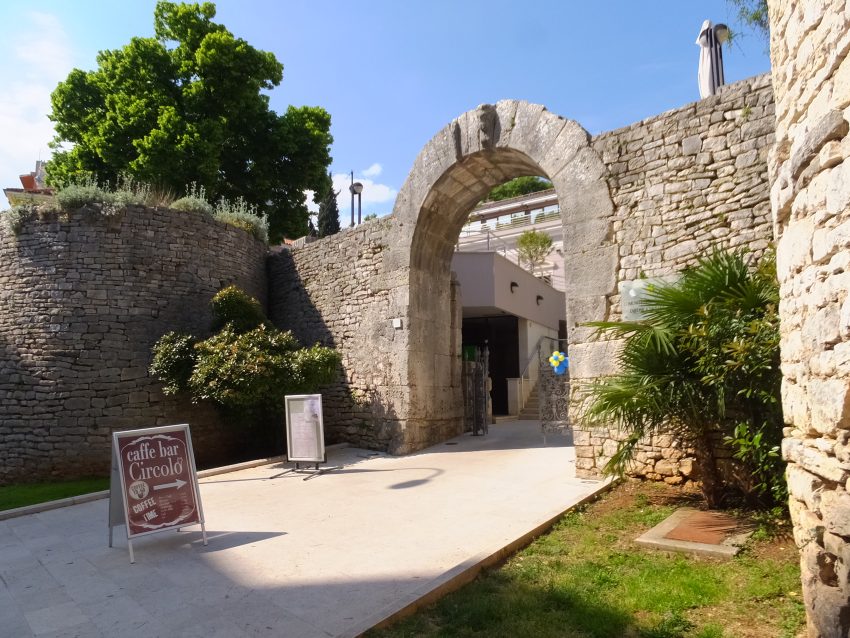
Location: Giardini 5, 52100, Pula, Croatia | Hours: 24 Hours. | Price: Free. | Distance: 0.4km
3. Archaeological Museum of Istria
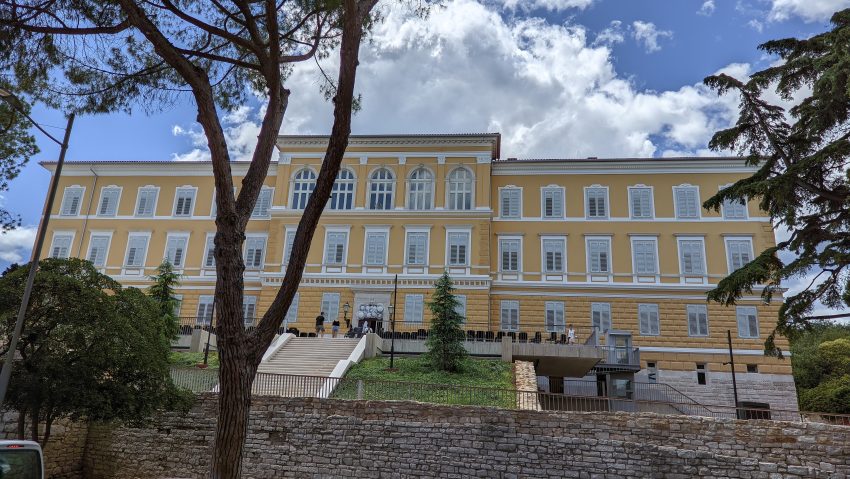
Location: Gradinski uspon 6, 52100, Pula, Croatia | Hours: The museum is currently closed for the preparation of a new permanent exhibition. | Price: Check official website. | Website | Distance: 0.4km
4. Twin Gates
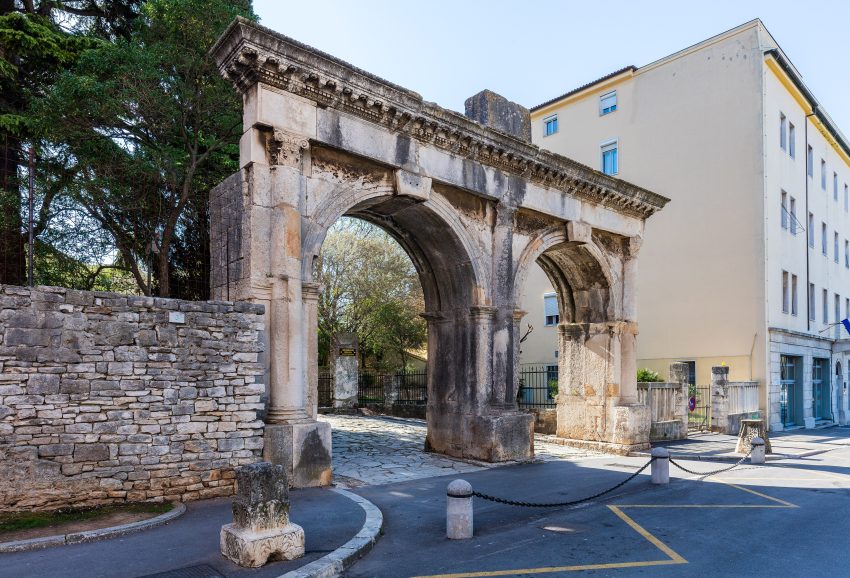
Location: Carrarina ul. 8, 52100, Pula, Croatia | Hours: 24 Hours. | Price: Free. | Distance: 0.4km
5. Pula Castle
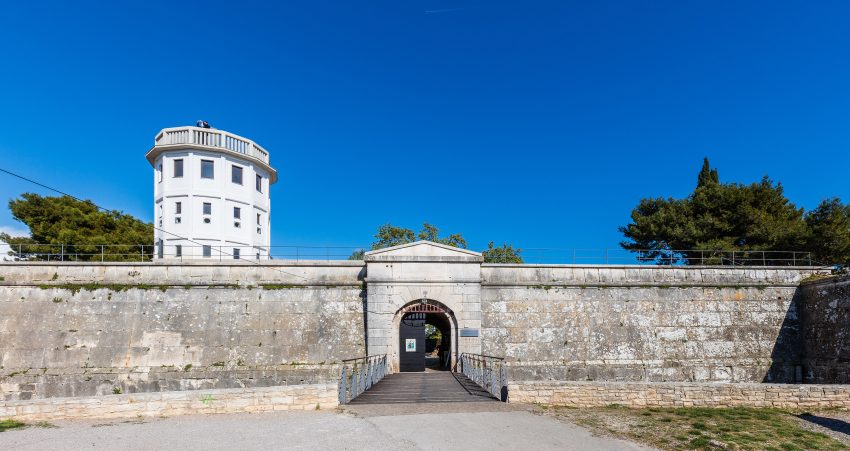
Location: Gradinski uspon 10, 52100, Pula, Croatia | Hours: (Summer) May 1 – September 30: 08:00–21:00. (Winter) October 1 – April 30: 09:00–17:00. | Price: Adults: €6; Children (5–16): €3; Students & retirees (65+): €3; Groups (10+): €5; Under 5 & visitors with disabilities: free. | Website | Distance: 0.5km
6. Pula Cathedral
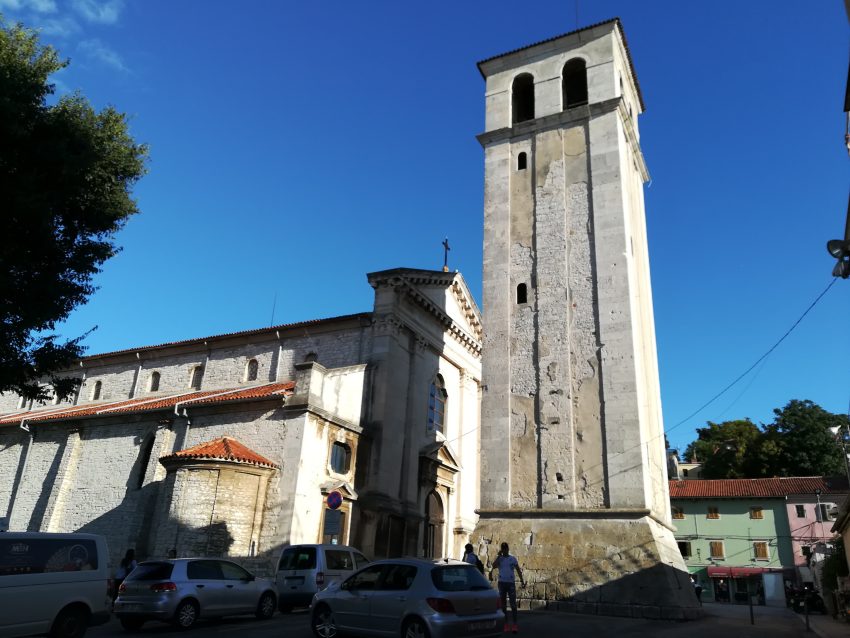
Location: Trg Svetog Tome 2, 52100, Pula, Croatia | Hours: Open all year round (visiting times vary; access may be limited during services). | Price: Free; donations appreciated. | Distance: 0.5km
7. Small Roman Theatre
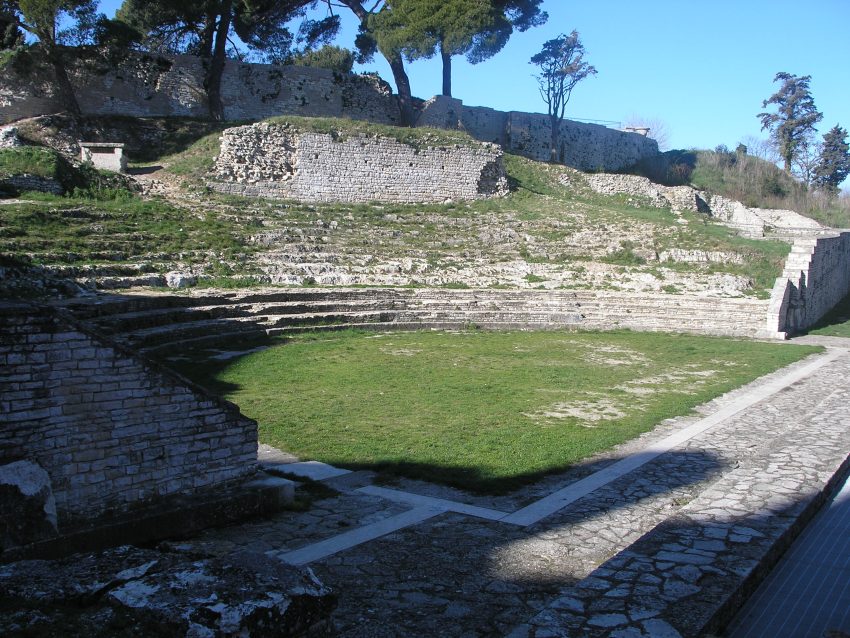
Location: Herculov prolaz 1, 52100, Pula, Croatia | Hours: Check official website. | Price: Check official website. | Website | Distance: 0.5km
8. Floor Mosaic The Punishment of Dirce
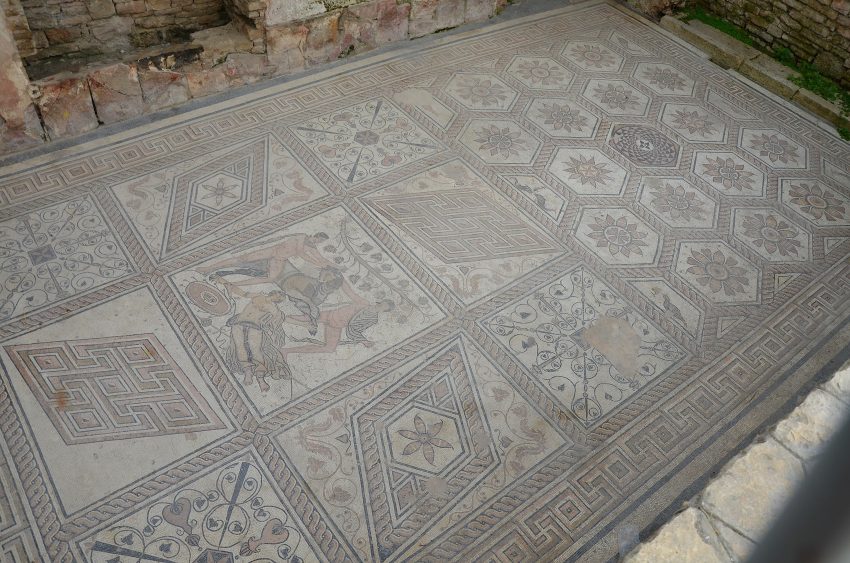
Location: Ul. Sergijevaca 18, 52100, Pula, Croatia | Hours: 24 Hours. | Price: Free. | Website | Distance: 0.7km
9. Forum Square and Communal Palace
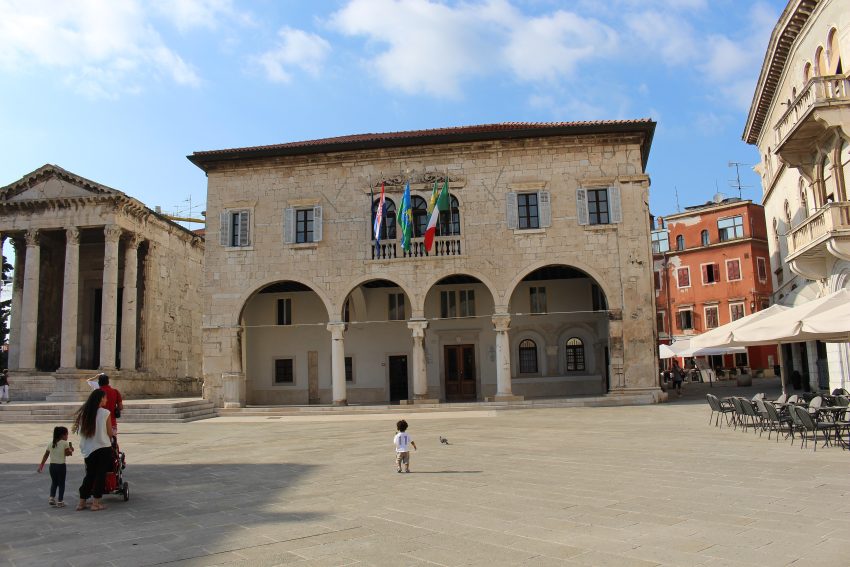
Location: Forum 3, 52100, Pula, Croatia | Hours: 24 Hours. | Price: Free. | Distance: 0.7km
10. Franciscan Church and Monastery
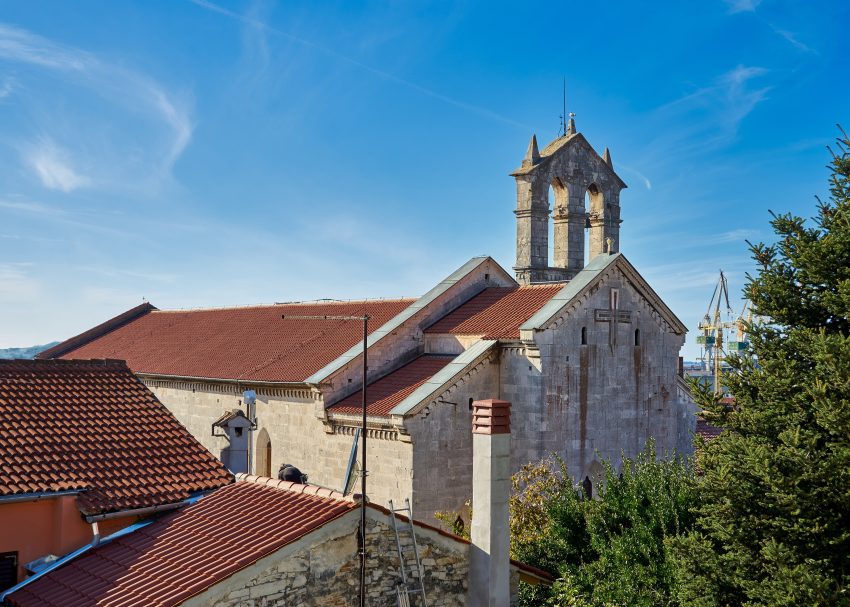
Location: Uspon Svetog Franje Asiškog 9, 52100, Pula, Croatia | Hours: Daily: 08:00–19:00. | Price: Adults: €1.33; Children & students: free (with prior notice). | Distance: 0.7km
11. Triumphal Arch of the Sergii
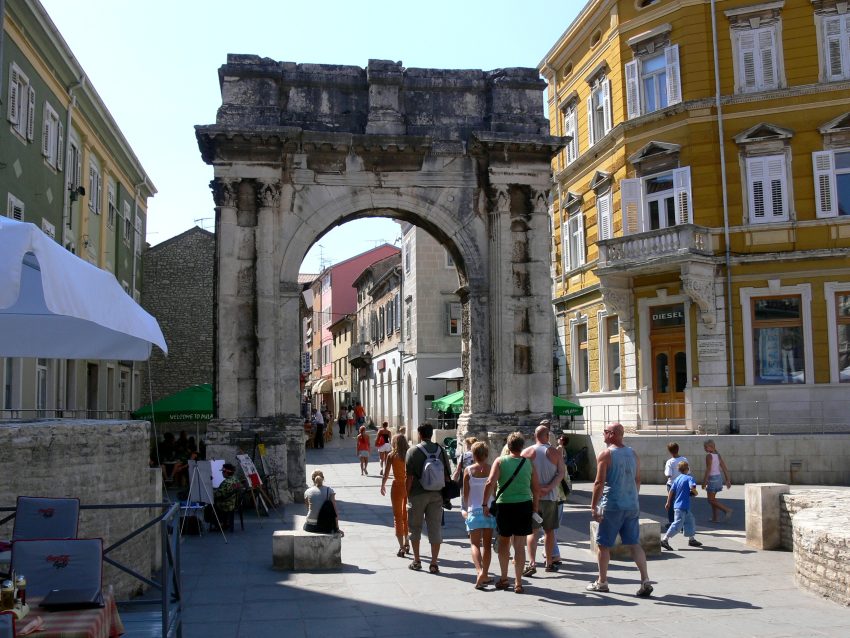
Location: Flanatička ul. 2, 52100, Pula, Croatia | Hours: 24 Hours. | Price: Free. | Distance: 0.7km
12. Temple of Augustus
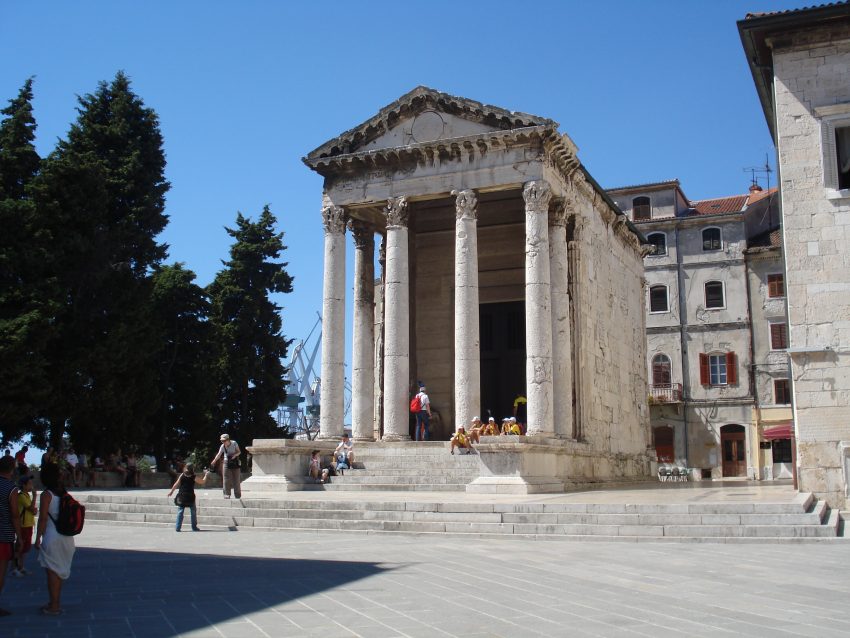
Location: Forum b.b, 52100, Pula, Croatia | Hours: (Summer) April 1 – September 30; Daily: 08:00–19:30. (Winter) October 1 – March 31; Daily: 09:00–19:00. | Price: Adults: €2.00; Pupils/Students: €1.00. | Website | Distance: 0.7km
13. City Farmers' Market
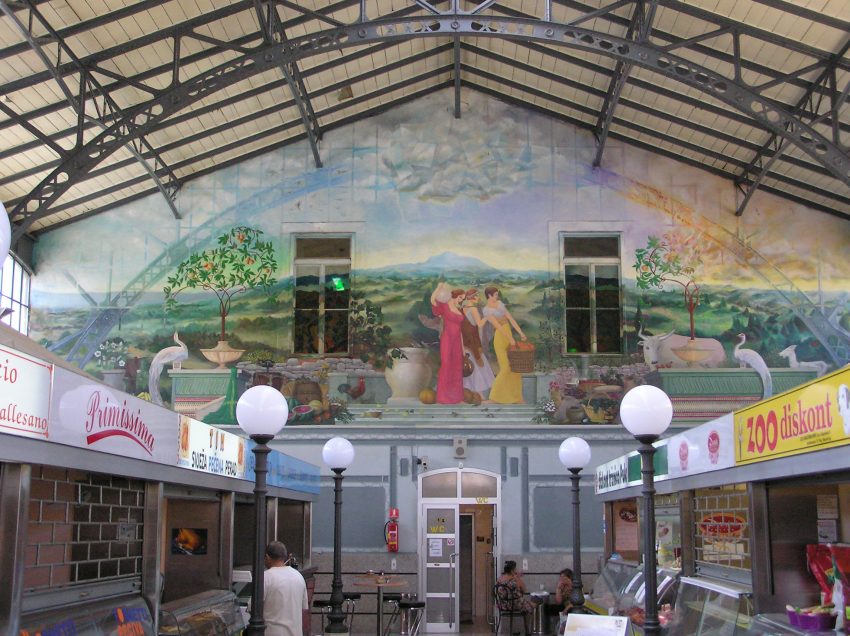
Location: Narodni trg 9, 52100, Pula, Croatia | Hours: Monday – Friday: 07:00–20:30. Saturday: 07:00–20:30. Sunday: 07:00–12:00. | Price: Free. | Distance: 0.8km
14. Chapel of Saint Maria Formose
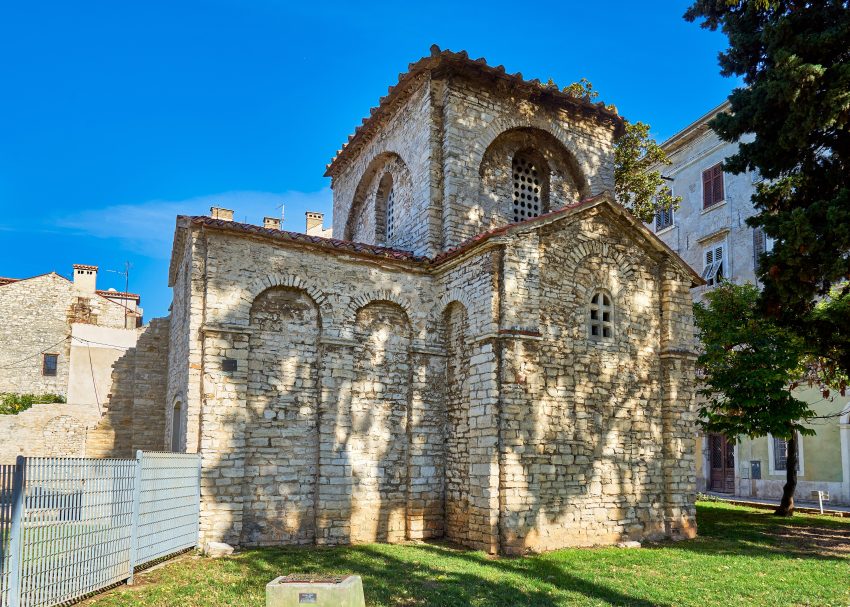
Location: Flaciusova ul., 52100, Pula, Croatia | Hours: Check official website. | Price: Free; donations appreciated. | Distance: 0.8km
15. Fort Bourguignon
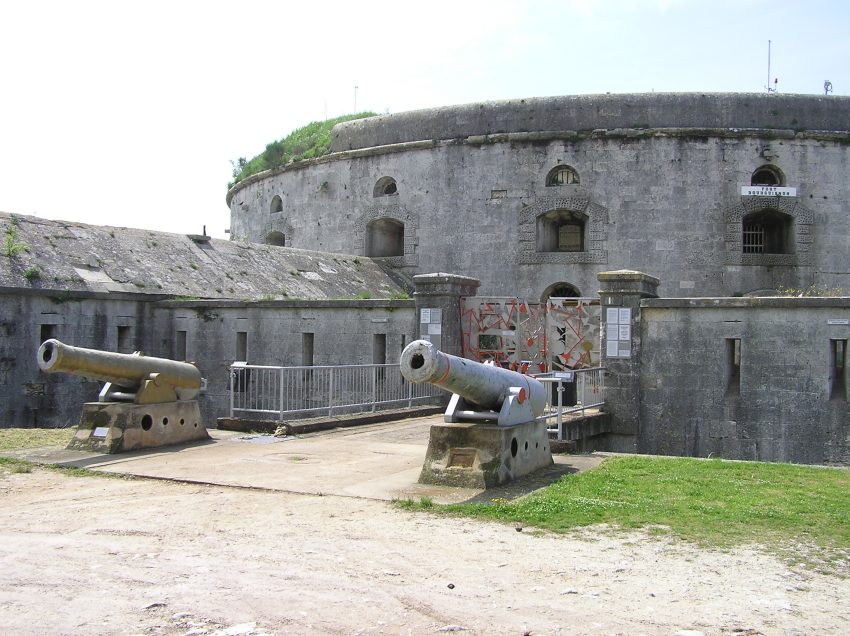
Location: 52100, Pula, Croatia | Hours: Check official website. | Price: Check official website. | Distance: 3.3km
16. Aquarium Pula
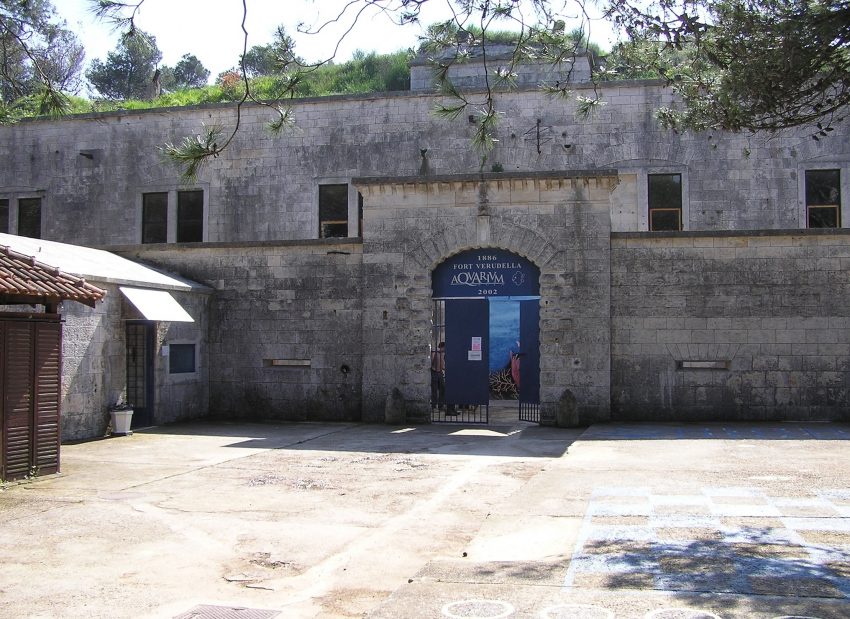
Location: Verudella 29, Verudela 33, 52100, Pula, Croatia | Hours: April 1 – April 30: 09:00–19:00. May 1 – May 31: 09:00–20:00. June 1 – June 30: 09:00–21:00. July 1 – August 31: 09:00–22:00. September 1 – September 30: 09:00–21:00. October 1 – October 31: 09:00–19:00. November 1 – March 31: 10:00–18:00. Closed on December 25, January 1. | Price: Adults: €24; Students & seniors 60+: €20; Children 7–18: €20; Children 3–6: €16; Under 3: free. | Website | Distance: 4.5km
Best Day Trips from Pula
A day trip from Pula offers the perfect opportunity to escape the urban rhythm and discover the surrounding region's charm. Whether you're drawn to scenic countryside, historic villages, or cultural landmarks, the area around Pula provides a variety of easy-to-reach destinations ideal for a one-day itinerary.
1. Rovinj
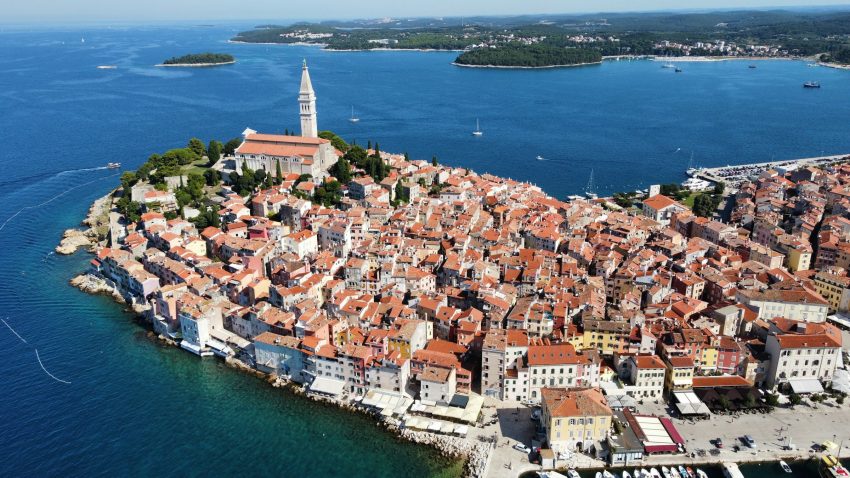
Visiting Rovinj
2. Trieste

Visiting Trieste
3. Venice
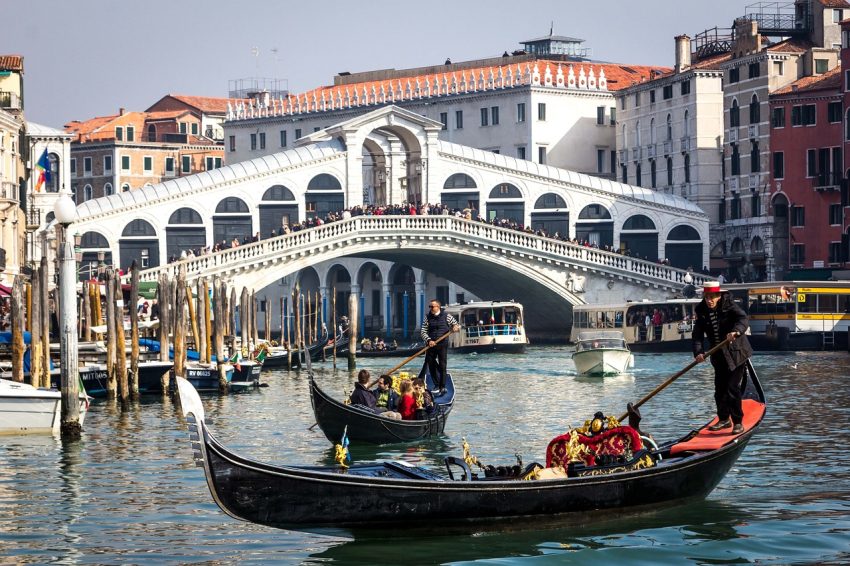
Visiting Venice
4. Rimini
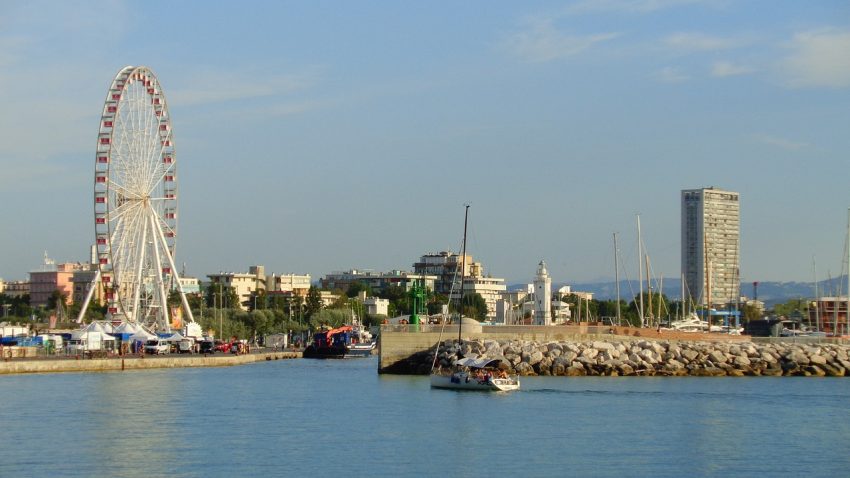
Visiting Rimini
5. Zadar
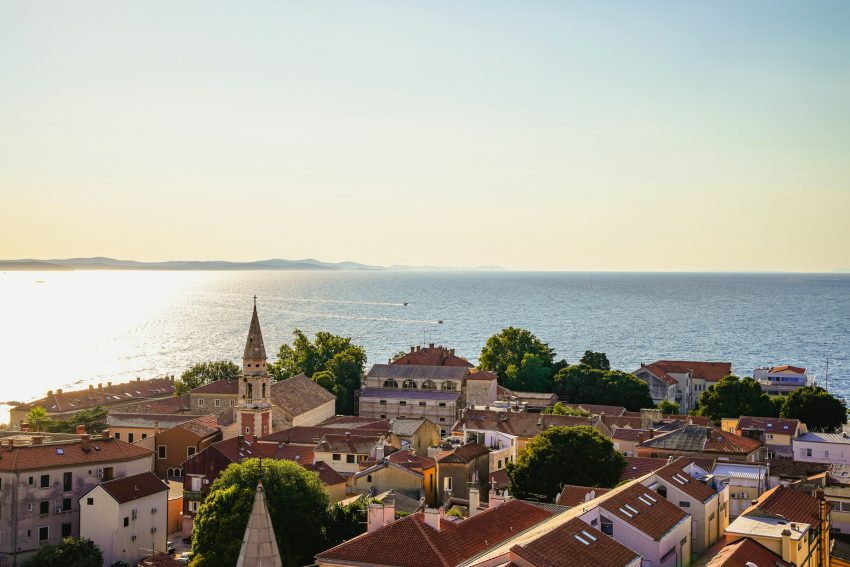
Visiting Zadar
6. Ravenna
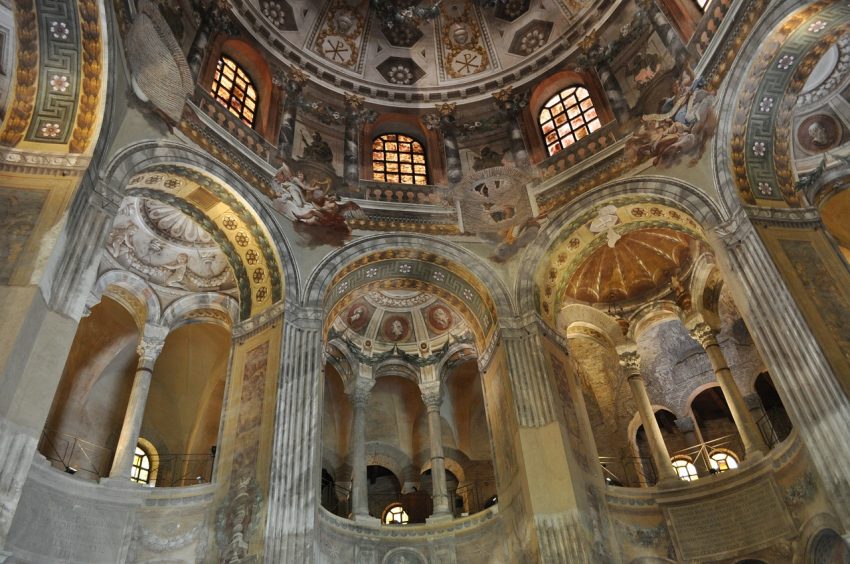
Visiting Ravenna
7. Cividale del Friuli

Visiting Cividale del Friuli
8. Udine
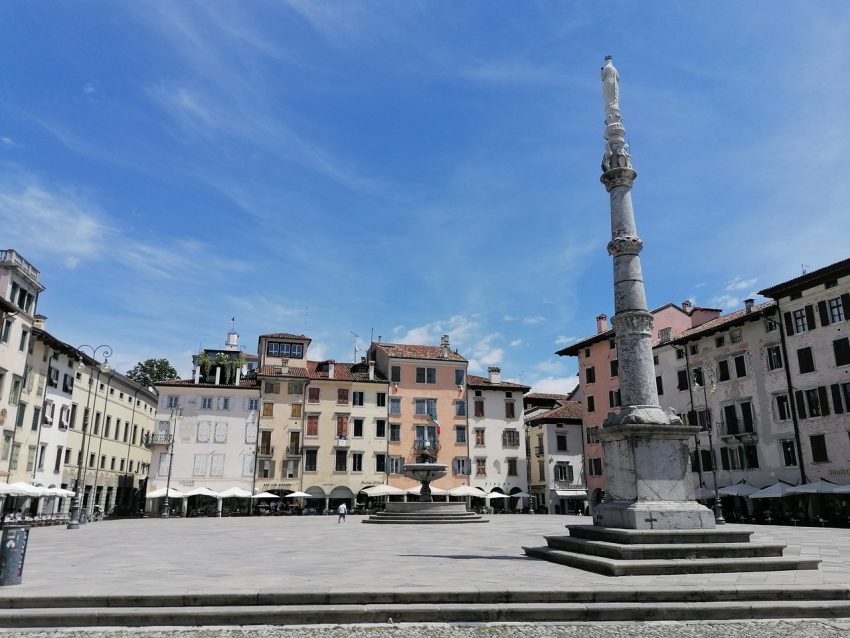
Visiting Udine
9. Ljubljana

Visiting Ljubljana
10. San Marino
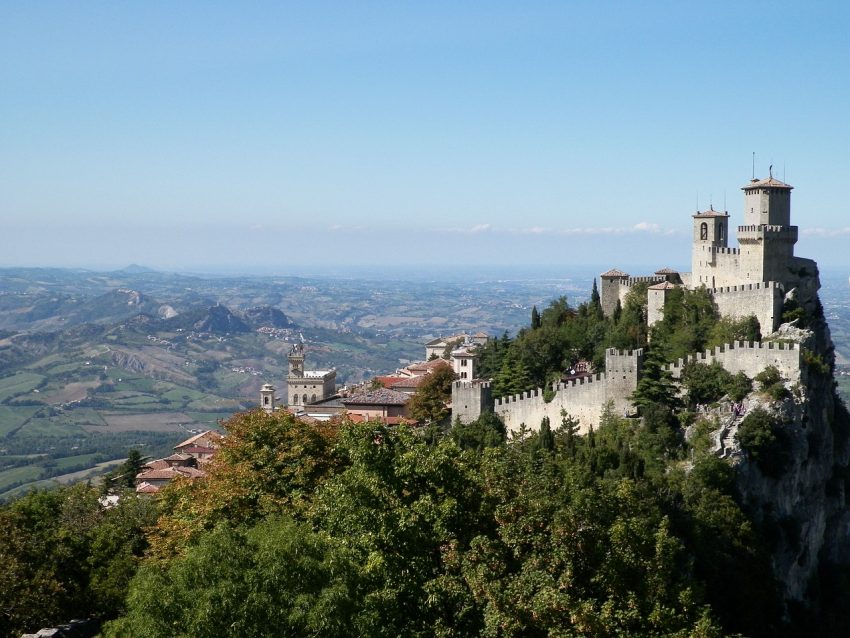
Visiting San Marino
Where to Stay in Pula
For first-time visitors, staying in Pula’s old town and immediate center is the most convenient choice because you can walk to the Arena, the Forum, restaurants, and evening strolls without needing a car. A strong central option is Hotel Amfiteatar, which suits travelers who want to be close to the main sights and enjoy an easy, on-foot itinerary. Another reliable city-center base is Park Plaza Histria Pula, ideal if you prefer a resort-style stay with amenities and quick access to the Verudela coastline while still being a short ride from the old town.
If your priority is swimming, coastal walks, and a more “holiday by the sea” feel, the Verudela peninsula is the best area to stay; it’s calmer than the center at night and puts you close to coves, beach platforms, and the aquarium. Park Plaza Arena Pula works well for couples and beach-focused trips thanks to its proximity to the water and relaxed setting among pines. For a quieter, slightly more residential seaside base with good access to promenades, consider Stoja and nearby coastal neighborhoods; Hotel Modo can be a good fit if you want a smaller-hotel feel and easy access to dining while keeping the city within reach.
For travelers arriving by car and planning day trips around southern Istria, staying just outside the busiest core can make parking and quick departures easier while still keeping restaurants and sights close. In that case, choosing a hotel with on-site parking or straightforward access roads—such as Ribarska Koliba Resort—can improve the overall experience, especially in peak summer when central parking is more competitive.
Using the our Hotel and Accomodation map, you can compare hotels and short-term rental accommodations in Pula. Simply insert your travel dates and group size, and you’ll see the best deals for your stay.
Pula Accommodation Map
Best Time to Visit Pula
Pula in Spring (March–May)
Spring is a comfortable time to visit for sightseeing and walking, with mild days and fewer crowds than mid-summer. It’s ideal for exploring the old town, coastal paths, and nearby nature areas without intense heat. The sea is still cool early in the season, but by late spring you can start mixing in beach time on warmer days.
Pula in Summer (June–August) (Best)
Summer is peak season: hot, bright, and built for swimming, boat trips, and long evenings outdoors. This is also when Pula’s event calendar shines, with major highlights such as the Pula Film Festival (often held in the Arena) and a steady run of concerts and cultural nights. Expect the busiest atmosphere and the highest accommodation demand, especially in July and August.
Pula in Autumn (September–November)
Early autumn keeps the sea warm while easing the crowds, making September particularly appealing for a balanced trip. Days are still pleasant for beaches and outdoor dining, and the pace becomes more relaxed. Later in the season, cooler evenings and occasional rain make it better for museums, food-focused outings, and scenic drives.
Pula in Winter (December–February)
Winter is the quietest period, with cooler temperatures and a calmer, local feel. It’s a good choice if you prefer uncrowded streets, lower prices, and a slower rhythm focused on cafés, galleries, and day trips when the weather cooperates. Some tourist-oriented services reduce hours, but the city remains active year-round.
Annual Weather Overview
- January 10°C 53°F
- February 11°C 55°F
- March 12°C 58°F
- April 16°C 64°F
- May 21°C 73°F
- June 25°C 81°F
- July 28°C 86°F
- August 28°C 86°F
- September 24°C 79°F
- October 19°C 70°F
- November 14°C 61°F
- December 10°C 53°F
How to get to Pula
Getting to Pula by air
Nearest airports: Pula Airport (PUY) is the closest option and is the most convenient in season. Alternative airports that can work depending on routes and prices include Rijeka Airport (RJK), Trieste Airport (TRS), and Ljubljana Jože Pučnik Airport (LJU), typically followed by bus, shuttle, or car rental.
From the airport to the city: In summer there are usually more frequent transfers and taxis; outside peak season, check schedules in advance and consider pre-booking a transfer if arriving late.
Getting to Pula by train
Train operators and tickets: Rail services in Istria are limited compared with other parts of Croatia, but trains can be useful on certain routes and for connecting via larger hubs.
Croatian rail operator: HŽ Putnički prijevoz (Croatian Railways) https://www.hzpp.hr/en
International connections: If routing via Italy or Slovenia, you may also use Trenitalia https://www.trenitalia.com/en.html and Slovenske železnice https://www.slo-zeleznice.si/en
Practical note: Because timetables and connections can be infrequent, many travelers pair trains with buses or a rental car for the last leg.
Getting to Pula by Car
Driving routes: Pula is well connected by road within Istria, and driving is one of the easiest ways to combine the city with beaches and nearby towns. In peak summer, allow extra time for traffic around popular coastal areas and for parking near the center.
Parking: Use signed public parking zones and garages where available; in the busiest weeks, it’s often easier to park once and explore the center on foot.
Travelling around Pula
On foot: The central sights are walkable, and walking is often the fastest way to move around the old town.
Local buses: City buses are useful for reaching outlying neighborhoods and some beach areas, especially if you’re not driving.
Taxis and ride services: Handy for evenings or short hops, particularly in summer when demand is higher.
Bikes and scooters: A good option for the waterfront and longer promenades, though watch for heat in mid-summer and choose safe routes.