Madrid, Spain: The Ultimate Travel Guide 2026

Madrid, the capital and largest city of Spain, showcases the nation’s finest attributes through its vibrant population, diverse culinary offerings to suit every budget, and an array of top-tier museums and galleries found nowhere else in Europe.
With a population of nearly 3.3 million residents and a metropolitan area exceeding 6.5 million, Madrid ranks as the third-largest city in the European Union, trailing only behind London and Berlin. Situated on the River Manzanares at the heart of the country and the Community of Madrid, it borders the autonomous regions of Castile and León and Castile-La Mancha. Serving as the political, economic, and cultural nucleus of Spain, Madrid is the residence of the Spanish monarch, seat of government, and headquarters of the current mayor, José Luis Martínez-Almeida from the People's Party.
Notably, Madrid's urban agglomeration boasts the third-largest GDP in the European Union, with significant influence across various sectors including politics, education, entertainment, media, fashion, science, culture, and the arts. It is home to renowned football clubs, Real Madrid and Atlético Madrid, and is considered the major financial center and leading economic hub of the Iberian Peninsula and Southern Europe.
Madrid’s international significance extends to hosting the headquarters of prominent organizations such as the UN’s World Tourism Organization, the Ibero-American General Secretariat, and the Organization of Ibero-American States. It also serves as the headquarters for major international promoters of the Spanish language, including the Royal Spanish Academy and the Cervantes Institute.
While Madrid boasts modern infrastructure, it has preserved the historic charm of many neighborhoods and streets. Visitors can explore iconic landmarks such as the Plaza Mayor, the Royal Palace of Madrid, the Buen Retiro Park, and the Golden Triangle of Art, which encompasses the Prado Museum, the Reina Sofía Museum, and the Thyssen-Bornemisza Museum. The city's rich cultural heritage is further exemplified by the Cibeles Palace and Fountain, emblematic symbols of Madrid.
Table of Contents
- History of Madrid
- 46 Best places to See in Madrid
- Estacion de Atocha
- Museo Nacional Centro de Arte Reina Sofia
- CaixaForum
- Palacio de Cristal
- Real Jardin Botanico
- Palacio de Velazquez
- Museo Nacional del Prado
- Convento de las Trinitarias Descalzas
- Casa-Museo Lope de Vega
- El Estanque
- Museo Thyssen-Bornemisza
- Parque del Retiro
- Plaza de Santa Ana
- Palacio de Cibeles
- Círculo de Bellas Artes
- Puerta de Alcala
- Edificio Metropolis
- Real Academia de Bellas Artes
- Puerta del Sol
- Museo Arqueologico Nacional
- Sobrino de Botin
- Calle Mayor
- Plaza Mayor
- Arco de Cuchilleros
- Basilica de San Miguel
- Plaza de Colon
- Mercado de San Miguel
- Biblioteca Nacional
- Calle Alcala
- Gran Via
- Plaza de la Villa
- Teatro Real
- Plaza de Oriente
- Catedral de la Almudena
- Palacio Real
- Jardines de Sabatini
- Plaza de Espana
- Plaza de Toros de Las Ventas
- Templo de Debod
- Museo Sorolla
- Museo Lazaro Galdiano
- Museo Nacional de Ciencias Naturales
- Real Ermita de San Antonio de la Florida
- Arco de la Victoria
- Faro de Moncloa
- Parque de Atracciones de Madrid
- 10 Best Day Trips from Madrid
- Where to Stay in Madrid
- Best Time to Visit Madrid
- How to get to Madrid
History of Madrid
Madrid in the Medieval Era
Madrid’s origins trace back to the 9th century, when it was a fortified Moorish settlement built under Emir Muhammad I. The city featured defensive walls, watchtowers, and a strategic location that made it an important stronghold during the battles between Christian and Muslim forces. Over time, the city grew into a thriving cultural and commercial hub, attracting diverse populations and influences.
By the 11th century, Christian forces led by King Alfonso VI of Castile captured Madrid, incorporating it into a growing kingdom. The city saw the construction of churches, monasteries, and new civic structures, reflecting the transition from Moorish rule to Christian dominance. Its medieval streets expanded, forming the foundations of a future European capital.
Madrid in the Habsburg Period
Madrid’s status changed dramatically in 1561, when King Philip II declared it the capital of his empire. The Habsburg dynasty transformed Madrid into a center of political and cultural influence, commissioning grand architectural projects such as the Plaza Mayor, an elegant square that became the heart of city life. The period also saw the rise of El Escorial, a monumental palace and monastery symbolizing royal power.
The city flourished as Spain’s influence grew across Europe and the Americas. Artists and intellectuals flocked to Madrid, leading to a vibrant artistic scene. Works by renowned painters such as Diego Velázquez reflected the grandeur of the Spanish empire, while literature and theater thrived, reinforcing Madrid’s role as a cultural capital.
Madrid in the Bourbon Period
The 18th century brought significant changes as the Bourbon dynasty took the throne. Under rulers like King Charles III, Madrid underwent major urban improvements, including the construction of Paseo del Prado, a sophisticated boulevard lined with grand museums and gardens. The city expanded beyond its medieval core, incorporating neoclassical architecture that gave it a refined European character.
Madrid also became a center for intellectual thought during the Age of Enlightenment, with scholars and philosophers influencing Spain’s modernization. The Bourbon rulers established cultural institutions, such as the Royal Academy of Fine Arts, shaping Madrid’s artistic identity while enhancing its role in European affairs.
Madrid in the 19th Century
The 19th century was a turbulent time for Madrid, marked by Napoleonic invasions, revolutions, and political unrest. In 1808, the city was occupied by Napoleon’s forces, but Madrid’s citizens resisted fiercely, leading to the famous Dos de Mayo Uprising, a key moment in Spain’s fight for independence. The city eventually liberated itself, reinforcing its nationalistic identity.
Industrialization transformed Madrid, with new roads, railways, and factories reshaping its landscape. The creation of Gran Vía, one of the city’s most famous avenues, reflected its growth into a modern metropolis. Madrid remained the political and cultural heart of Spain, embracing both traditional heritage and emerging European trends.
Madrid in the 20th Century
The 20th century saw Madrid at the center of Spain’s most dramatic events, including the Spanish Civil War (1936–1939), which devastated the city and its people. The post-war era, under Francisco Franco’s dictatorship, brought strict political control but also economic modernization. Madrid expanded with new districts, wider streets, and emerging cultural movements that sought to redefine Spanish identity.
By the late 20th century, Madrid had transformed into a vibrant European capital, hosting international events, developing world-class museums like the Prado, and solidifying its reputation as Spain’s political and cultural center.
Madrid Today
Madrid today is a thriving metropolis that seamlessly blends its historical heritage with modern innovation. Its grand avenues, royal palaces, and historic neighborhoods attract millions of visitors, while its nightlife, fashion, and gastronomy scene reflect a cosmopolitan spirit. The city continues to evolve, remaining one of the most influential cultural capitals in Europe while celebrating its rich past.

Moira & Andy
Hey! We're Moira & Andy. From hiking the Camino to trips around Europe in Bert our campervan — we've been traveling together since retirement in 2020!
Visiting Madrid for the first time and wondering what are the top places to see in the city? In this complete guide, I share the best things to do in Madrid on the first visit. To help you plan your trip, I have also included an interactive map and practical tips for visiting!
This website uses affiliate links which earn a small commission at no additional cost to you.
46 Best places to See in Madrid
This complete guide to Madrid not only tells you about the very best sights and tourist attractions for first-time visitors to the city but also provide insights into a few of our personal favorite things to do.
This is a practical guide to visiting the best places to see in Madrid and is filled with tips and info that should answer all your questions!
1. Estacion de Atocha
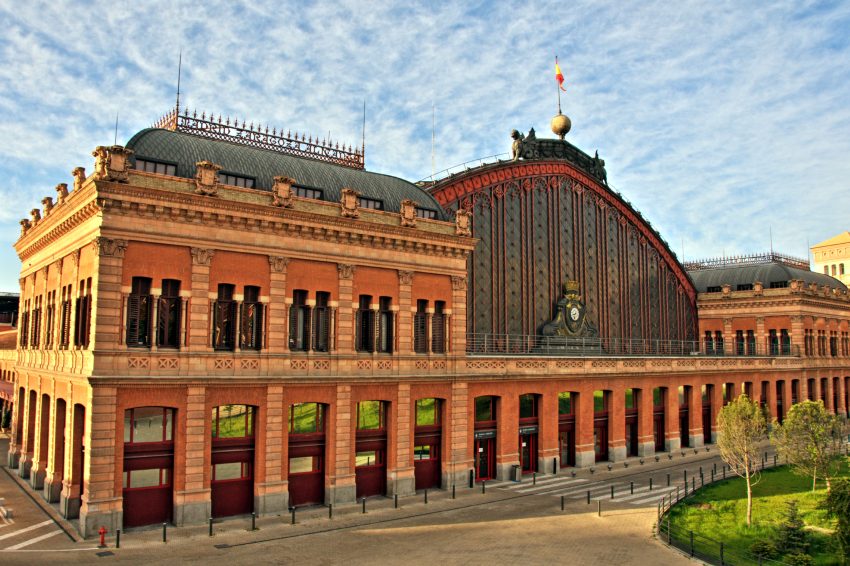
Location: Pl. del Emperador Carlos V, Arganzuela, 28045 Madrid, Spain | Hours: Daily: 05:00–01:00. | Price: Free. | Website | Distance: 1.2km

2. Museo Nacional Centro de Arte Reina Sofia
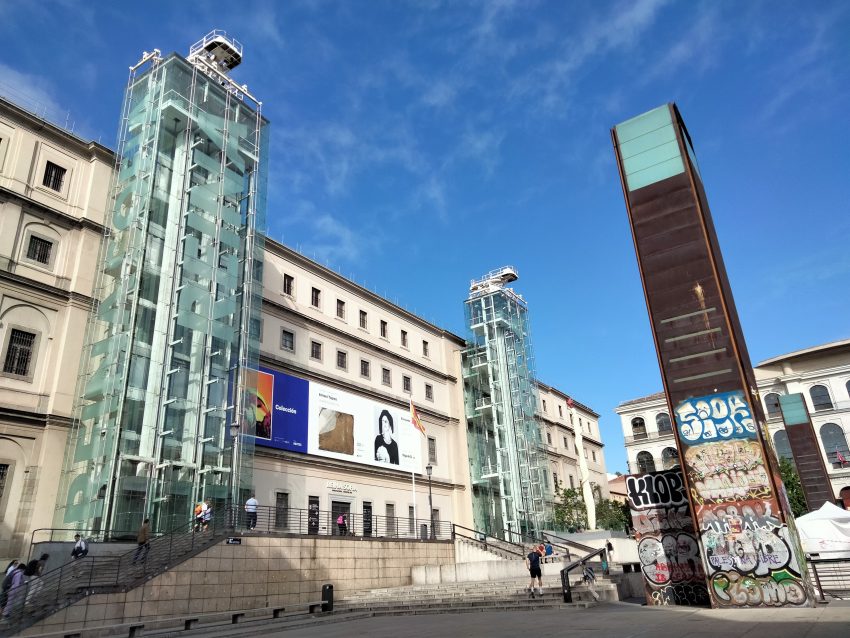
Location: C. de Sta. Isabel, 52, Centro, 28012 Madrid, Spain | Hours: Monday: 10:00–21:00. Tuesday: Closed. Wednesday – Saturday: 10:00–21:00. Sunday: 10:00–14:30. | Price: General admission: €12; Two visits within one year: €18. | Website | Distance: 1.3km
3. CaixaForum

Location: P.º del Prado, 36, Centro, 28014 Madrid, Spain | Hours: Monday – Sunday: 10:00–20:00. Closed on Thursday. Special hours: December 24, December 31 & January 5: 10:00–18:00. Closed: December 25; January 1 & January 6. | Price: Adults: €6 (general admission; exhibitions). Free for CaixaBank customers; Under 16: free. | Website | Distance: 1.5km
4. Palacio de Cristal
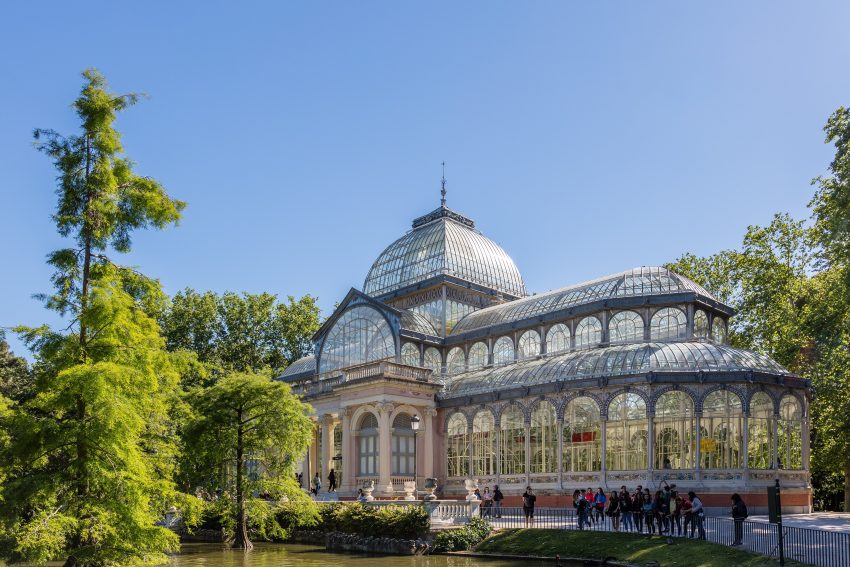
Location: P.º de Cuba, 4, Retiro, 28009 Madrid, Spain | Hours: Closed until further notice. | Price: Free. | Website | Distance: 1.5km
5. Real Jardin Botanico
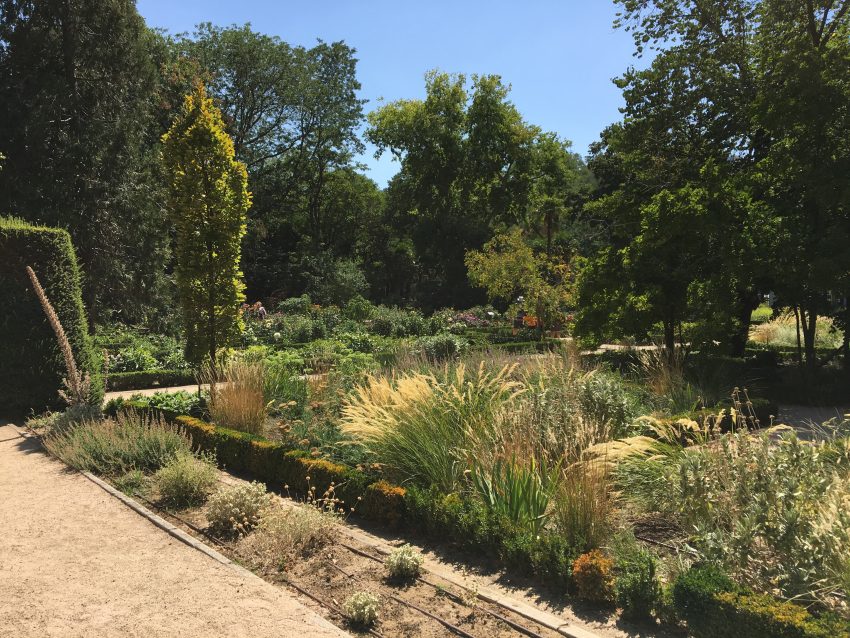
Location: Pl. Murillo, 2, Retiro, 28014 Madrid, Spain | Hours: Daily: 10:00–17:30 (November – February). Daily: 10:00–18:30 (March & October). Daily: 10:00–19:30 (April & September). Daily: 10:00–20:30 (May – August). | Price: Adults: €4; Students (18–25), large-family adults & seniors (65+): €1; Under 18: free. | Website | Distance: 1.6km
6. Palacio de Velazquez
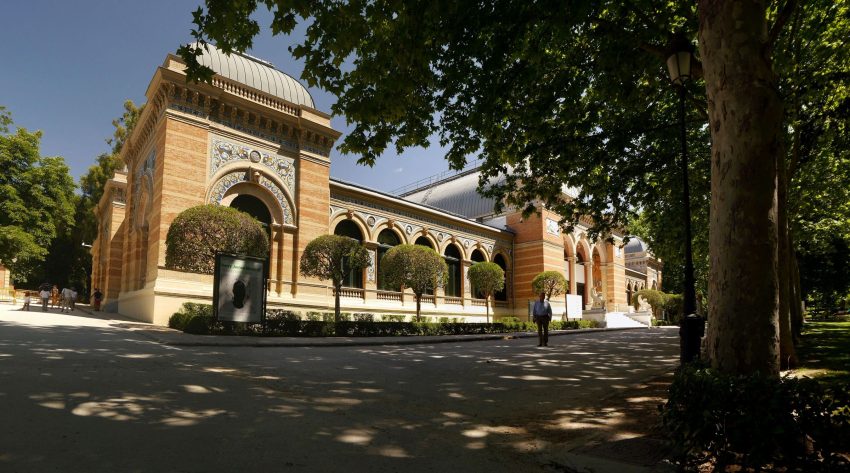
Location: El Retiro Park, P.º de Venezuela, 2, Retiro, 28001 Madrid, Spain | Hours: Temporarily closed. | Price: Free. | Website | Distance: 1.7km
7. Museo Nacional del Prado
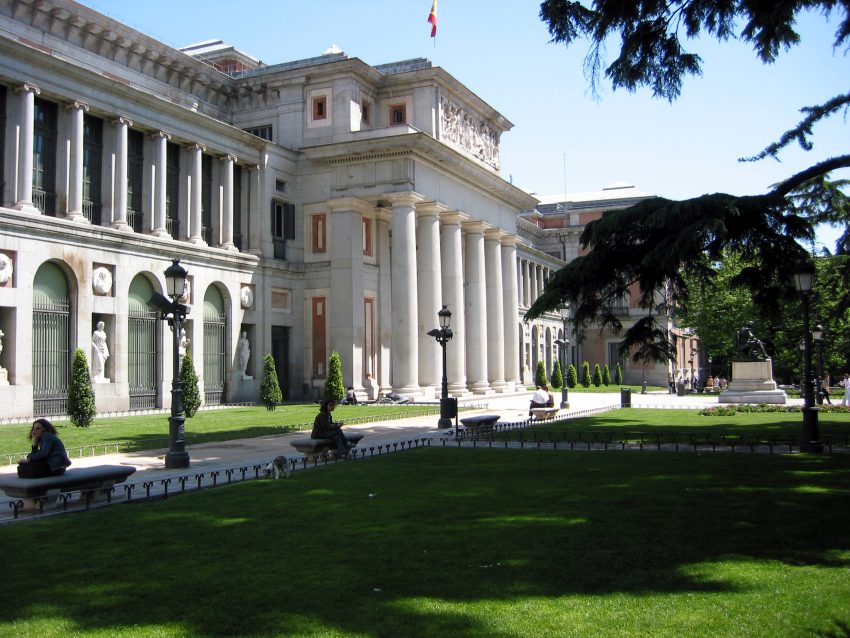
Location: Retiro, 28014 Madrid, Spain | Hours: Monday – Saturday: 10:00–20:00. Sunday: 10:00–19:00. Closed on January 1, May 1, December 25. Limited hours on January 6, December 24, December 31: 10:00–14:00. Free access Monday – Saturday: 18:00–20:00. Free access Sunday: 17:00–19:00. | Price: Adults: €15; Reduced: €7.50; Free admission: see conditions. | Website | Distance: 1.7km
8. Convento de las Trinitarias Descalzas
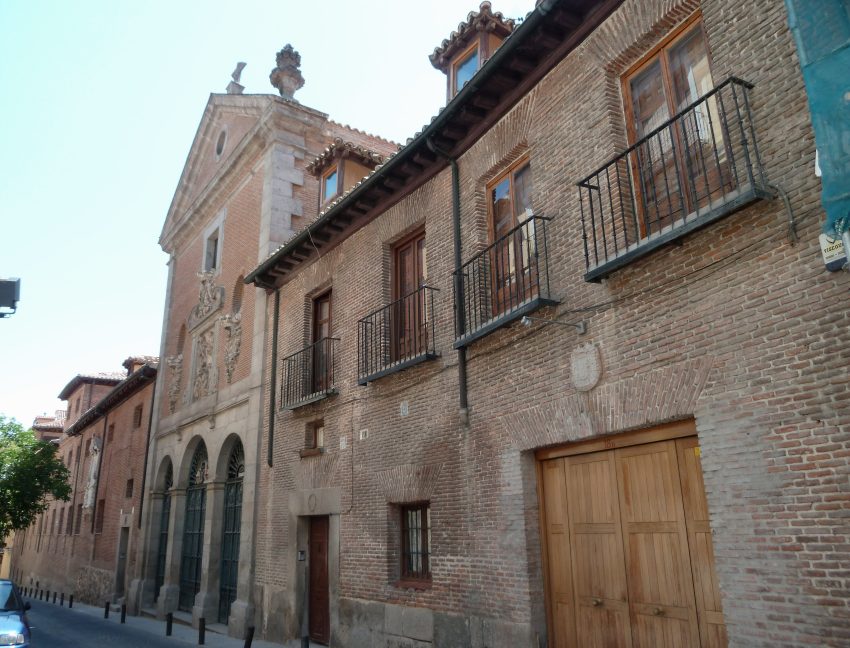
Location: C. de Lope de Vega, 18, Centro, 28014 Madrid, Spain | Hours: Monday – Friday: 08:00–08:30. Saturday: 19:00–19:30. Sunday: 11:30–12:00. | Price: Free; donations appreciated. | Distance: 1.9km
9. Casa-Museo Lope de Vega

Location: Calle de Cervantes, 11, Centro, 28014 Madrid, Spain | Hours: Tuesday – Sunday: 10:00–18:00. Closed on Monday. Closed on January 1, January 6, May 1, May 15, December 24, December 25, December 31. | Price: Free (guided visit; advance reservation required). | Website | Distance: 2.0km
10. El Estanque
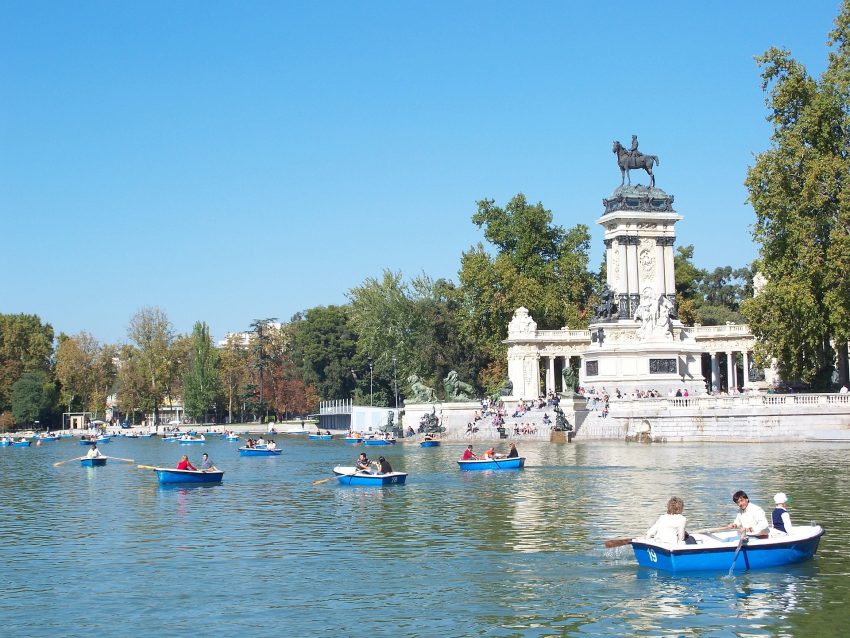
Location: P.º de Colombia, 2, Retiro, 28016 Madrid, Spain | Hours: (Summer) April – September; Daily: 06:00–24:00. (Winter) October – March; Daily: 06:00–22:00. | Price: Free. | Website | Distance: 2.1km
11. Museo Thyssen-Bornemisza
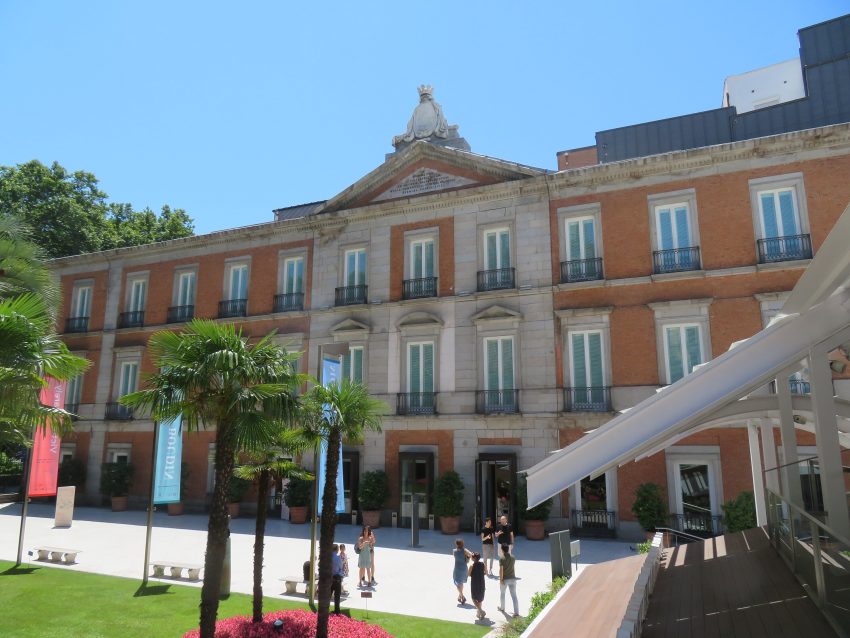
Location: P.º del Prado, 8, Centro, 28014 Madrid, Spain | Hours: Monday: 12:00–16:00. Tuesday – Sunday: 10:00–19:00. | Price: Adults: €14; Reduced: €10; Under 18: free; Monday 12:00–16:00: free. | Website | Distance: 2.1km
12. Parque del Retiro
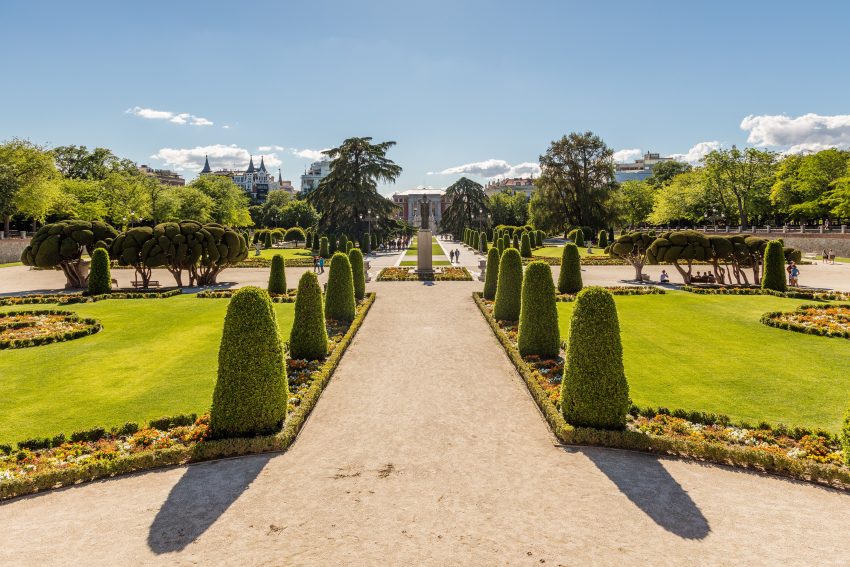
Location: Retiro, 28009 Madrid, Spain | Hours: (Summer) April – September: 06:00–24:00. (Winter) October – March: 06:00–22:00. | Price: Free. | Website | Distance: 2.1km
13. Plaza de Santa Ana

Location: Pl. de Sta. Ana, Centro, 28012 Madrid, Spain | Hours: 24 Hours. | Price: Free. | Distance: 2.2km
14. Palacio de Cibeles
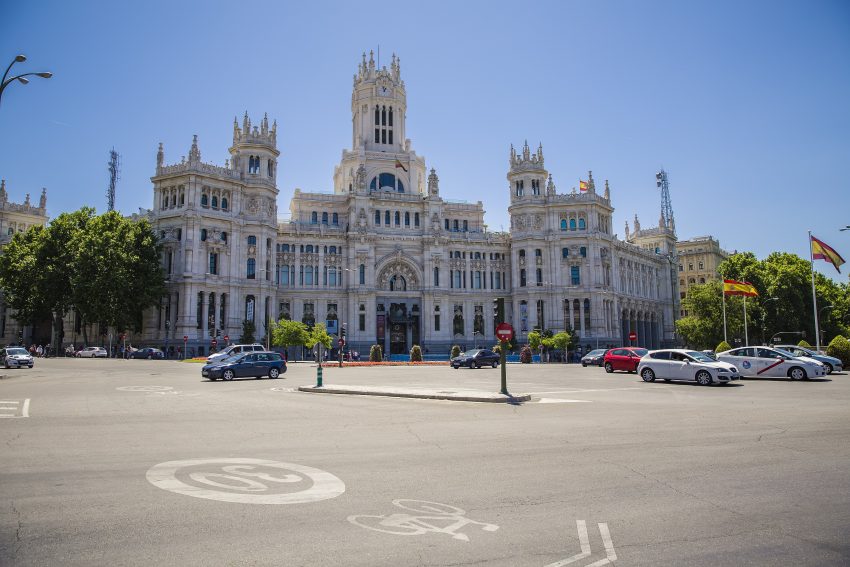
Location: Palacio de Cibeles, Retiro, 28014 Madrid, Spain | Hours: Tuesday – Sunday: 10:00–20:00. Closed on Monday. | Price: Free to enter the building; Mirador (viewpoint): from €4 (discounts available). | Website | Distance: 2.2km
15. Círculo de Bellas Artes
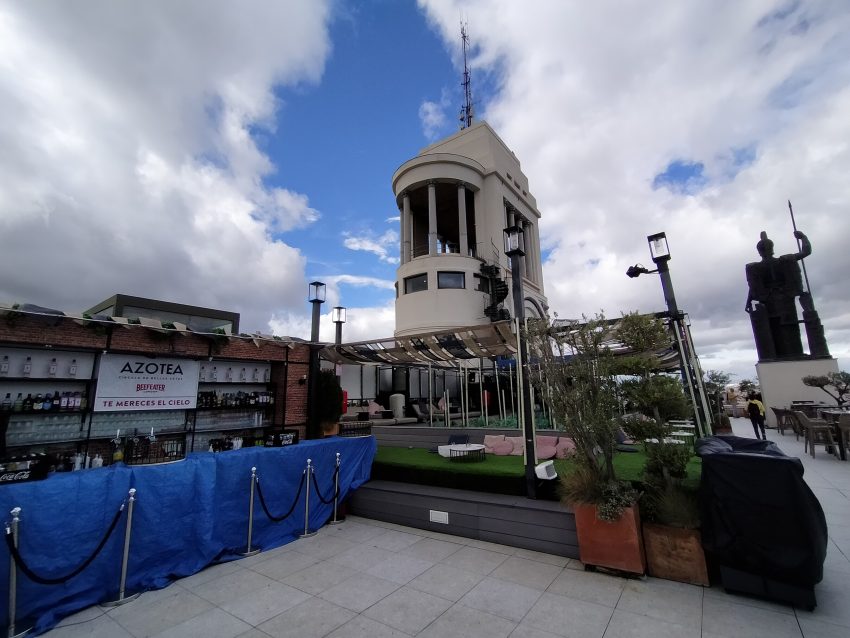
Location: Círculo de Bellas Artes, Calle de Alcalá, Madrid, Spain | Hours: Monday – Thursday: 10:00–01:00. Friday – Saturday: 10:00–02:00. Sunday: 10:00–01:00. | Price: Rooftop access is typically €6 (general) or €5 (reduced), with free entry for eligible visitors. | Website | Distance: 2.3km
16. Puerta de Alcala
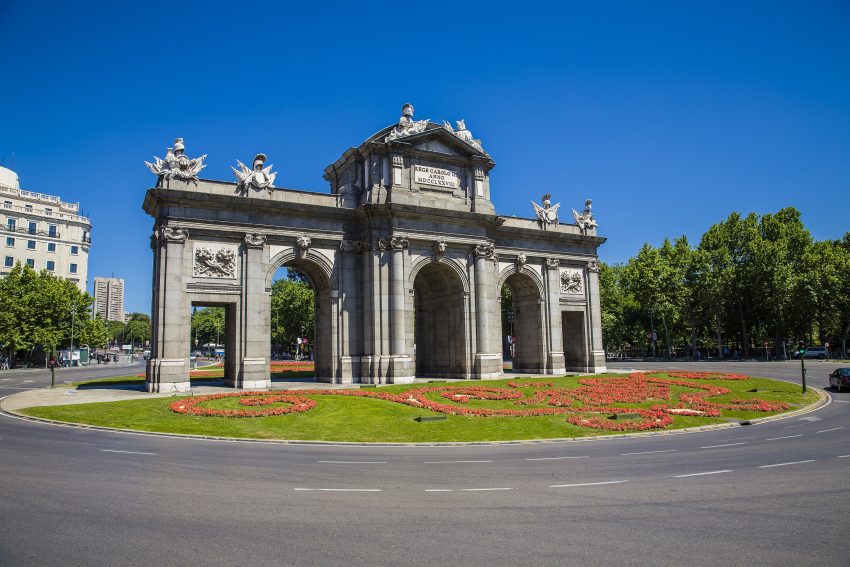
Location: Pl. de la Independencia, s/n, Retiro, 28001 Madrid, Spain | Hours: 24 Hours. | Price: Free. | Website | Distance: 2.3km
17. Edificio Metropolis
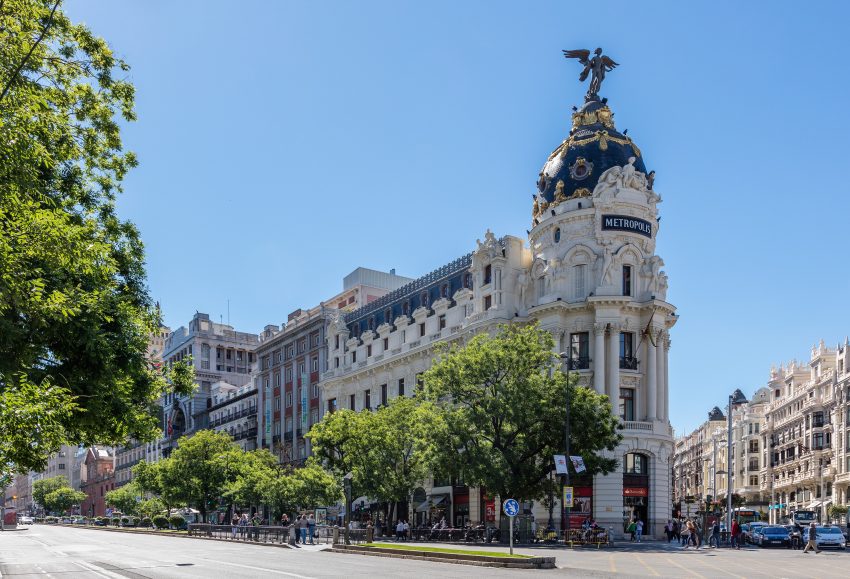
Location: C. Alcalá, 39, Centro, 28014 Madrid, Spain | Hours: 24 Hours. | Price: Free. | Website | Distance: 2.4km
18. Real Academia de Bellas Artes

Location: C. Alcalá, 13, Centro, 28014 Madrid, Spain | Hours: Tuesday – Sunday: 10:00–15:00. Closed on Monday. Closed: August; January 1, January 6; May 1, May 30; November 9; December 23, December 24, December 25, December 31. | Price: Adults: €10; Reduced: €5; Under 18: free; University students (18–25): free. | Website | Distance: 2.5km
19. Puerta del Sol
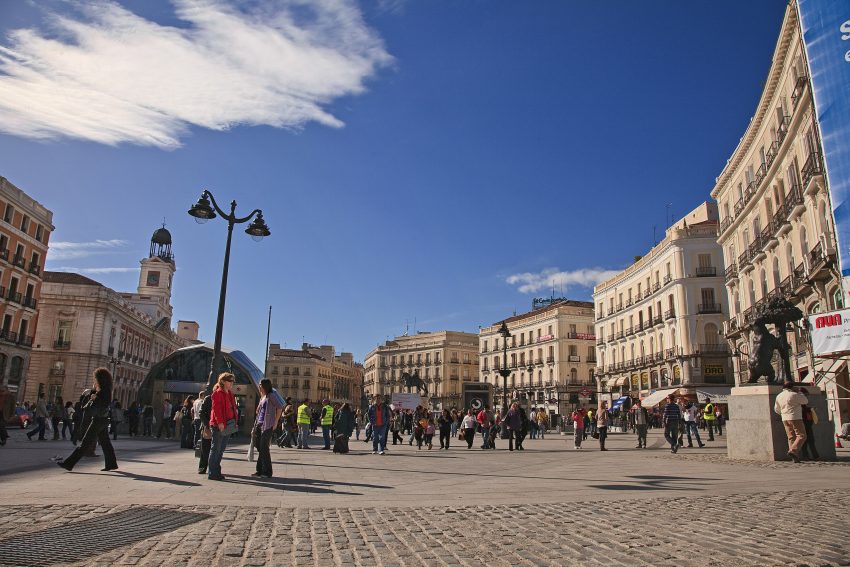
Location: Puerta del Sol, Centro, Madrid, Spain | Hours: 24 Hours. | Price: Free. | Distance: 2.5km
20. Museo Arqueologico Nacional
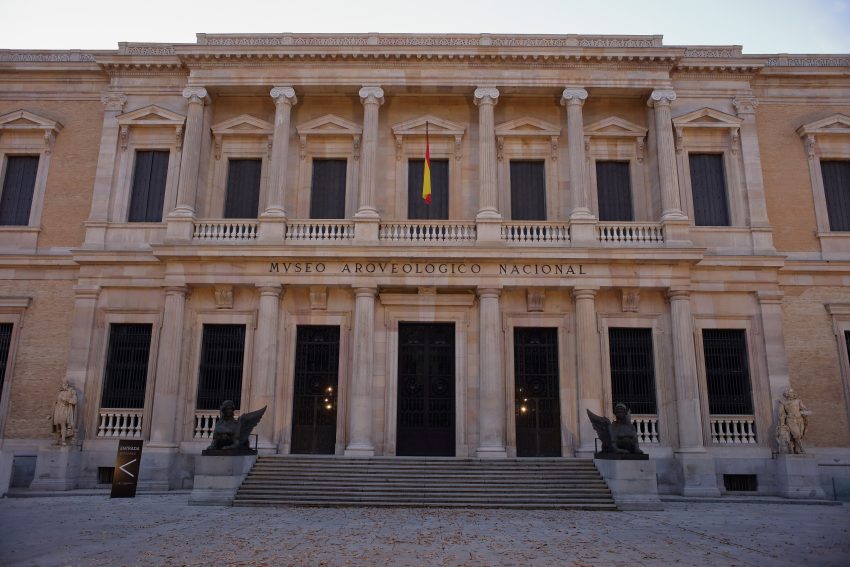
Location: C. de Serrano, 13, Salamanca, 28001 Madrid, Spain | Hours: Tuesday – Saturday: 09:30–20:00. Sunday: 09:30–15:00. Closed on Monday. | Price: Adults: €3; Reduced: €1.50; Free: Saturdays from 14:00, Sundays, and selected holidays (eligibility rules apply). | Website | Distance: 2.6km
21. Sobrino de Botin
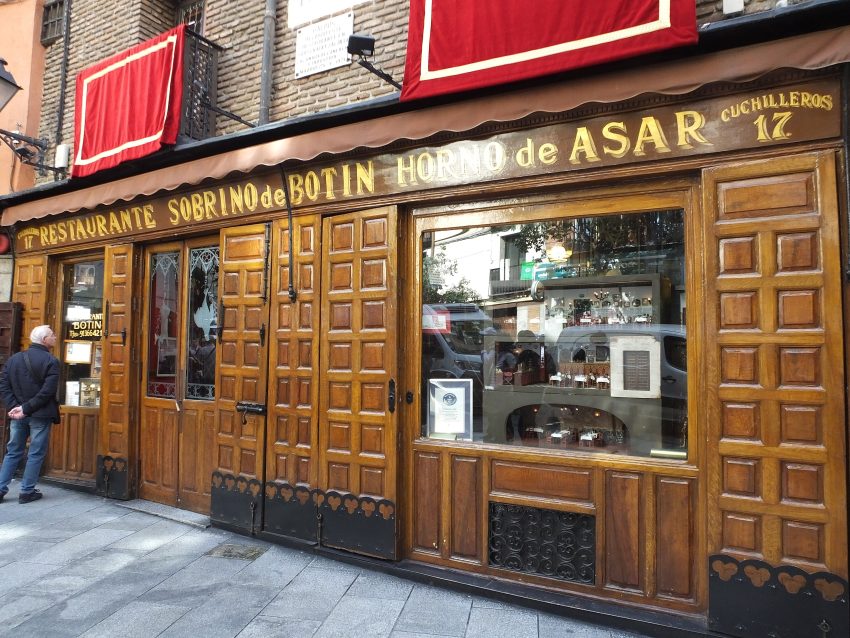
Location: C. de Cuchilleros, 17, Centro, 28005 Madrid, Spain | Hours: Monday – Sunday: 13:00–16:00 & 20:00–24:00. | Price: Check official website. | Website | Distance: 2.6km
22. Calle Mayor
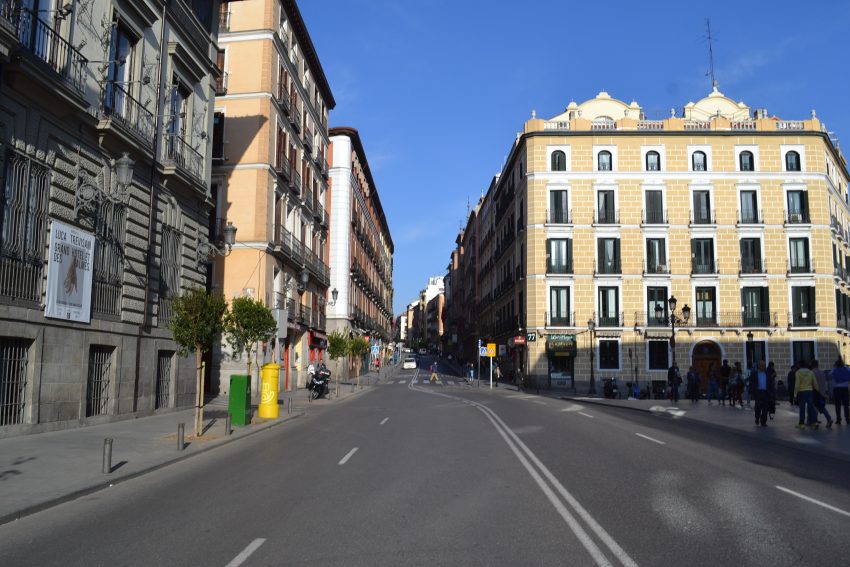
Location: Calle Mayor, Centro, Madrid, Spain | Hours: 24 Hours. | Price: Free. | Distance: 2.7km
23. Plaza Mayor

Location: Pl. Mayor, Centro, 28012 Madrid, Spain | Hours: 24 Hours. | Price: Free. | Distance: 2.7km
24. Arco de Cuchilleros
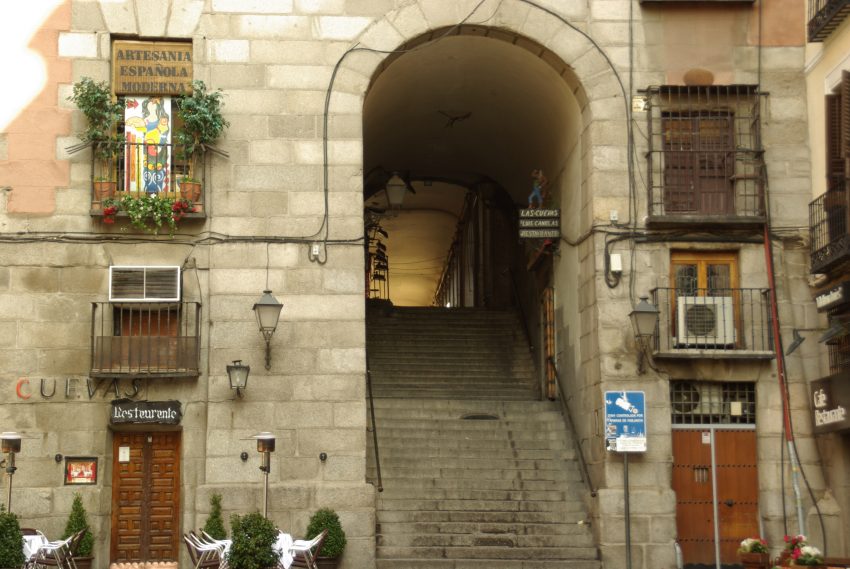
Location: C. de Cuchilleros, 7, Centro, 28005 Madrid, Spain | Hours: 24 Hours. | Price: Free. | Distance: 2.7km
25. Basilica de San Miguel

Location: C. de San Justo, 4, Centro, 28005 Madrid, Spain | Hours: (Summer) July 1 – September 28; Monday – Saturday: 09:45–13:00 & 18:00–21:15; Sunday: 09:45–13:30 & 18:30–21:15. (Winter) September 29 – June 30; Monday – Saturday: 09:45–13:15 & 17:30–21:15; Sunday: 09:45–14:15 & 18:00–21:15. | Price: Free; donations appreciated. | Website | Distance: 2.7km
26. Plaza de Colon
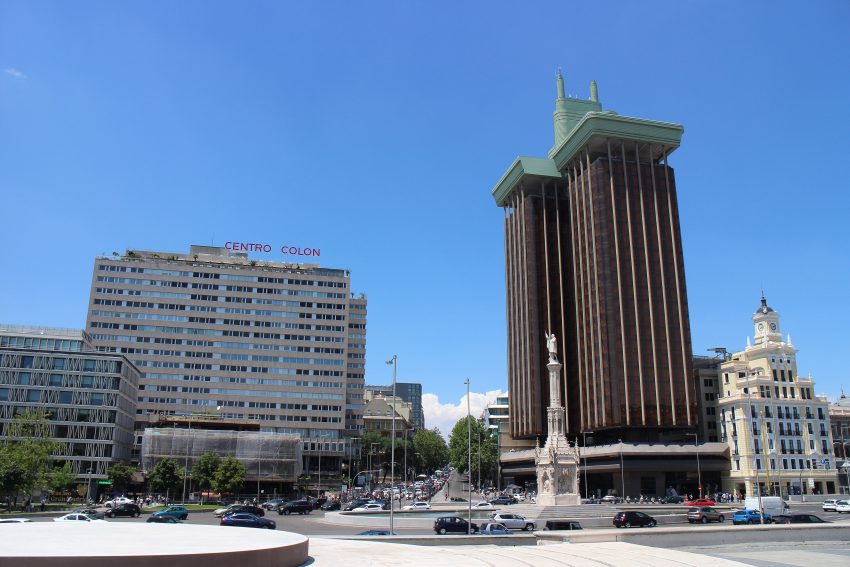
Location: Pl. de Colón, Madrid, Spain | Hours: 24 Hours. | Price: Free. | Distance: 2.8km
27. Mercado de San Miguel
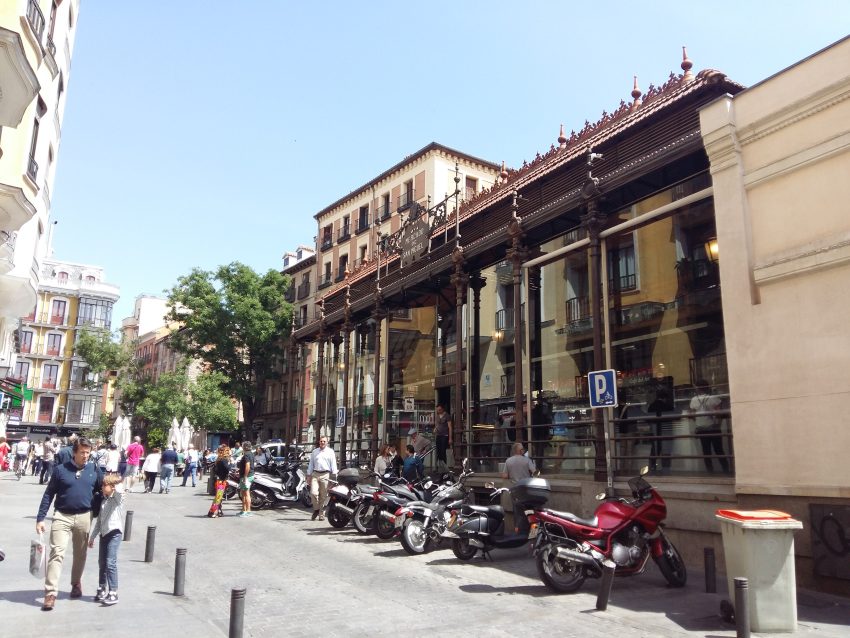
Location: Pl. de San Miguel, s/n, Centro, 28005 Madrid, Spain | Hours: Sunday – Thursday: 10:00–24:00. Friday – Saturday: 10:00–01:00. Holiday eves: 10:00–01:00. | Price: Free entry; pay per item at the stalls. | Website | Distance: 2.8km
28. Biblioteca Nacional
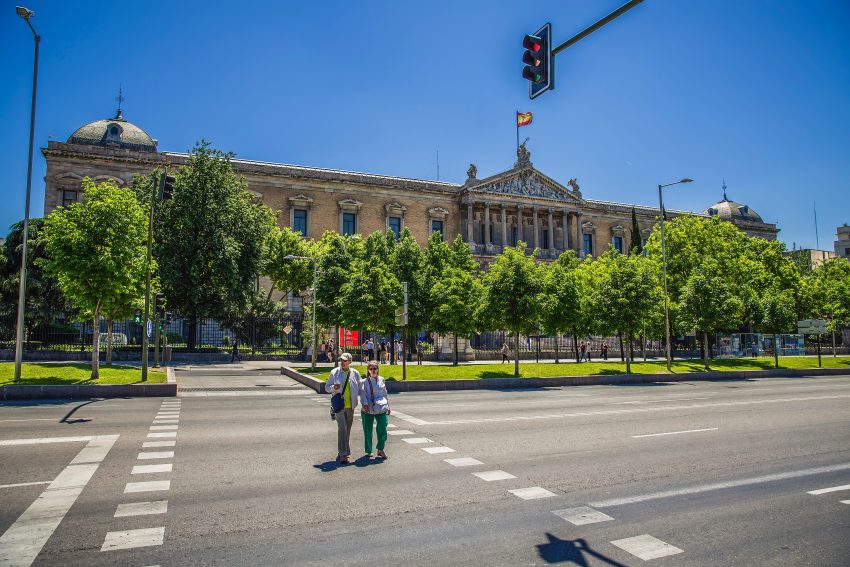
Location: P.º de Recoletos, 20-22, Salamanca, 28001 Madrid, Spain | Hours: Monday – Friday: 10:00–20:00. Saturday: 10:00–20:00. Sunday: 10:00–14:00. | Price: Free. | Website | Distance: 2.8km
29. Calle Alcala
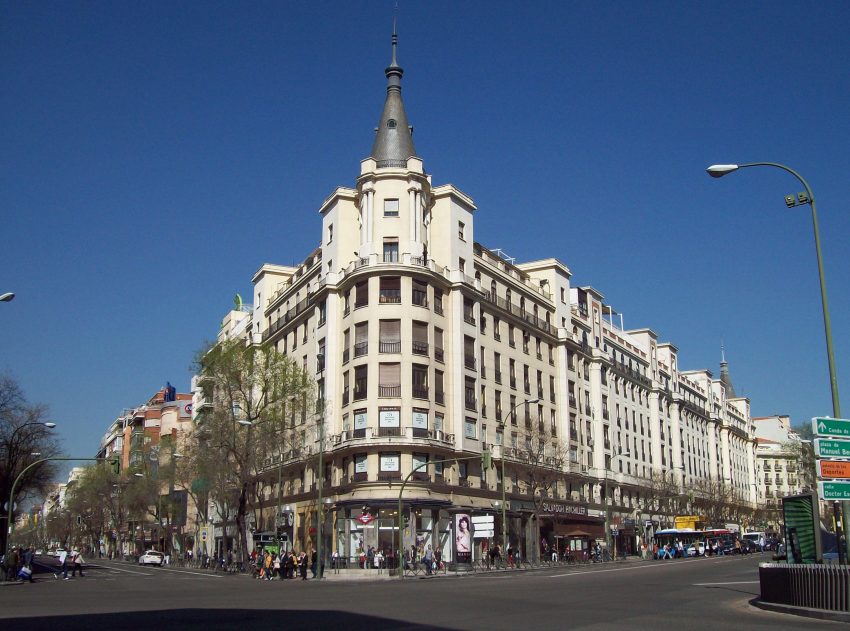
Location: C. Alcalá, Madrid, Spain | Hours: 24 Hours. | Price: Free. | Distance: 2.9km
30. Gran Via
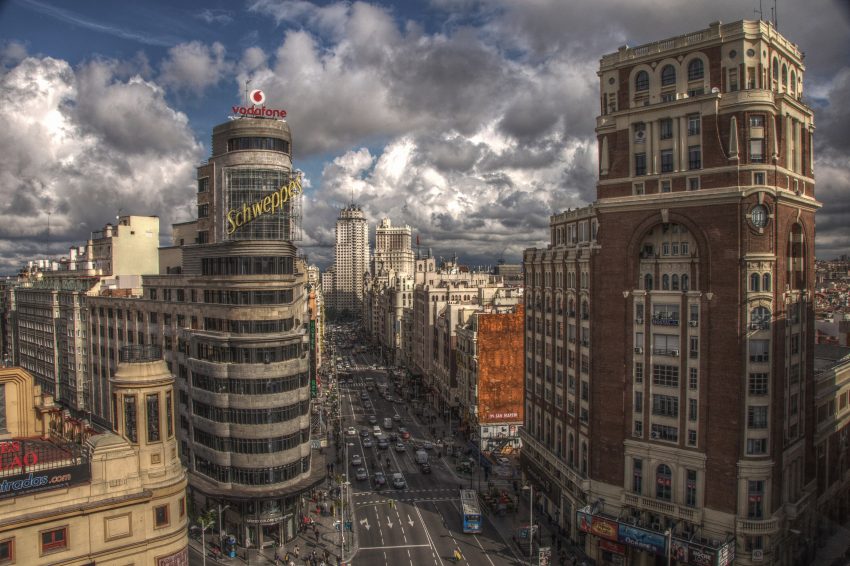
Location: Gran Vía, Centro, Madrid, Spain | Hours: 24 Hours. | Price: Free. | Distance: 2.9km
31. Plaza de la Villa
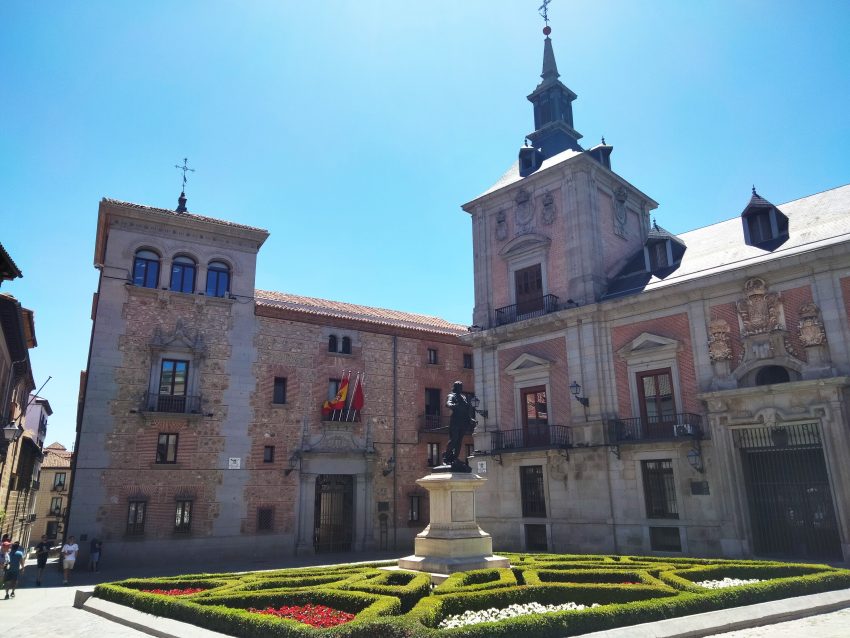
Location: Pl. de la Villa, Centro, Madrid, Spain | Hours: 24 Hours. | Price: Free. | Distance: 2.9km
32. Teatro Real
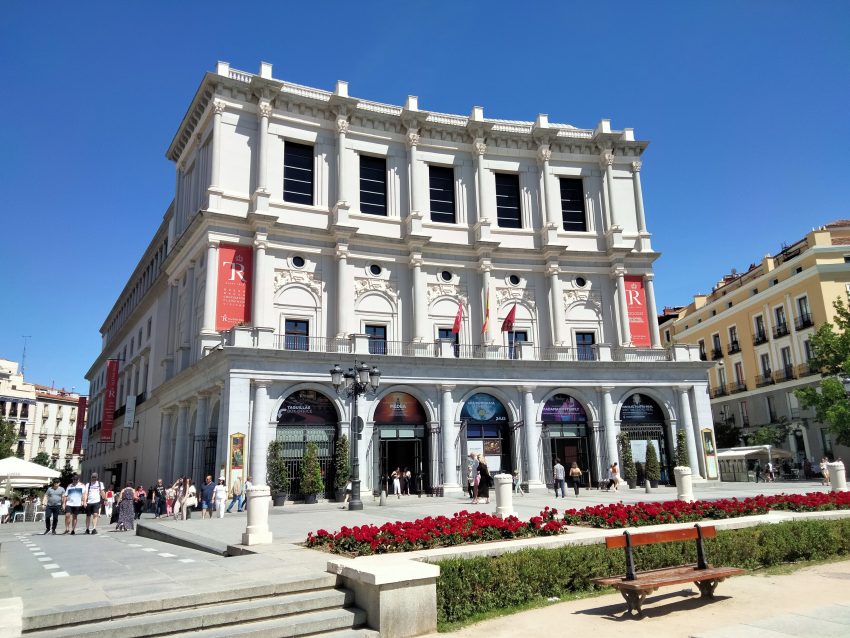
Location: Pl. de Isabel II, s/n, Centro, 28013 Madrid, Spain | Hours: Monday – Sunday: 10:00–13:30. Monday – Sunday: 09:30–15:30. | Price: Guided visit: €13; Reduced: €11. Audioguided visit: €8; Reduced: €7; Under 5: free. Performances: prices vary by show. | Website | Distance: 3.1km
33. Plaza de Oriente
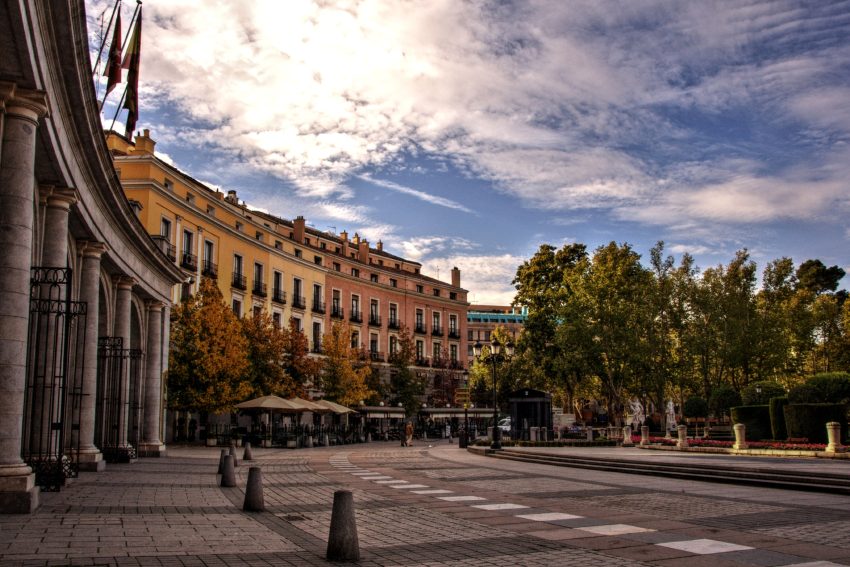
Location: Pl. de Ote., Centro, 28013 Madrid, Spain | Hours: 24 Hours. | Price: Free. | Website | Distance: 3.2km
34. Catedral de la Almudena
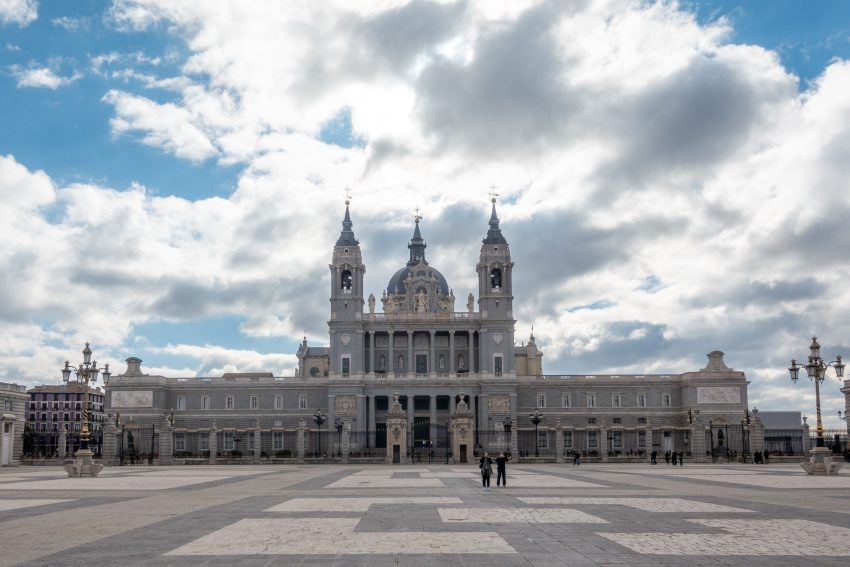
Location: C. de Bailén, 10, Centro, 28013 Madrid, Spain | Hours: (Summer) July 1 – August 31; Daily: 10:00–21:00. (Winter) September 1 – June 30; Daily: 10:00–20:30. | Price: Cathedral: Free (suggested donation). Museum & dome: Adults: €8; Concessions: €5; Under 10: free. | Website | Distance: 3.2km
35. Palacio Real
Location: Centro, 28071 Madrid, Spain | Hours: (Summer) April 1 – September 30; Monday – Saturday: 10:00–19:00; Sunday: 10:00–16:00. (Winter) October 1 – March 31; Monday – Saturday: 10:00–18:00; Sunday: 10:00–16:00. | Price: Adults: €18; Reduced: €9; Under 5: free. | Website | Distance: 3.3km
36. Jardines de Sabatini
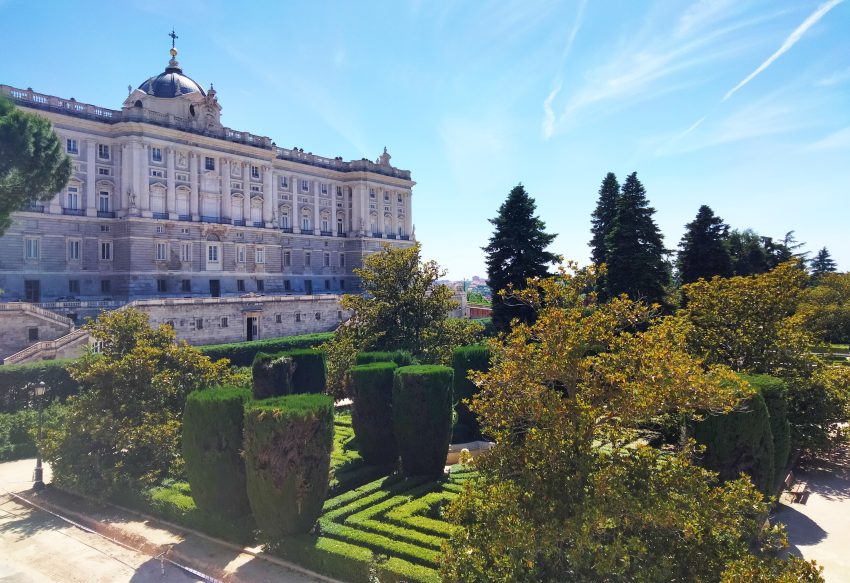
Location: C. de Bailén, 2, Centro, 28013 Madrid, Spain | Hours: Check official website. | Price: Free. | Website | Distance: 3.4km
37. Plaza de Espana

Location: Plaza de España, Madrid, Spain | Hours: 24 Hours. | Price: Free. | Website | Distance: 3.6km
38. Plaza de Toros de Las Ventas
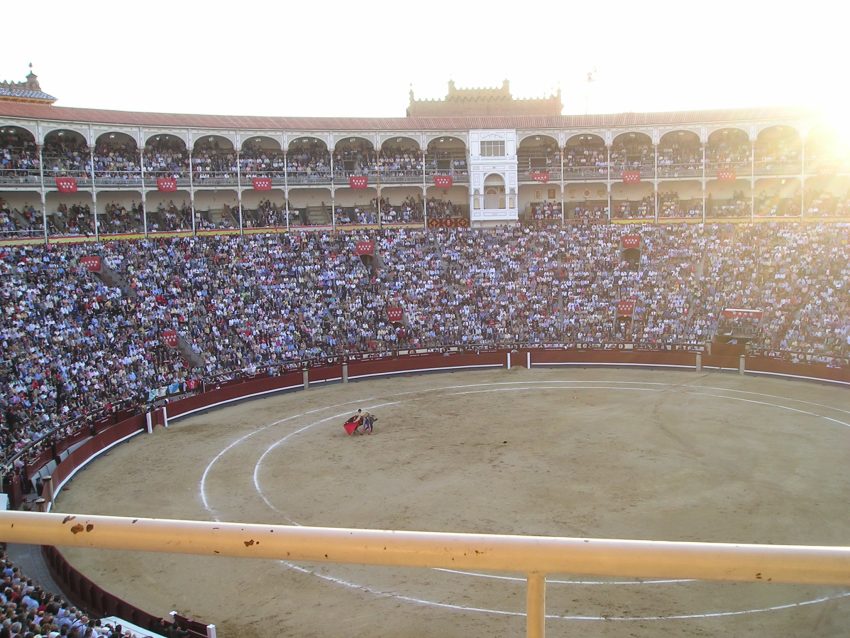
Location: C. Alcalá, 237, Salamanca, 28028 Madrid, Spain | Hours: (Summer) April – October; Monday – Sunday: 10:00–19:00. (Winter) November – March; Monday – Sunday: 10:00–18:00. | Price: From €7 (audioguide tour); from €25 (private guided tour). | Website | Distance: 3.9km
39. Templo de Debod
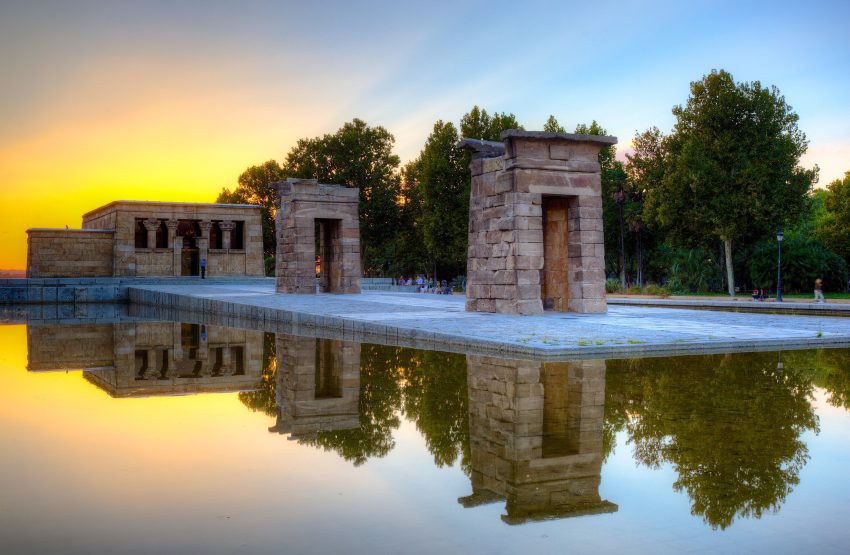
Location: C. de Ferraz, 1, Moncloa - Aravaca, 28008 Madrid, Spain | Hours: (Summer) June 15 – September 15; Tuesday – Sunday: 10:00–19:00. (Last entry 18:30.). Closed on Monday. Closed on January 1, January 6, May 1, December 24, December 25, December 31. (Winter) September 16 – June 14; Tuesday – Sunday: 10:00–20:00. (Last entry 19:30.). Closed on Monday. Closed on January 1, January 6, May 1, December 24, December 25, December 31. | Price: Free. | Website | Distance: 3.9km
40. Museo Sorolla
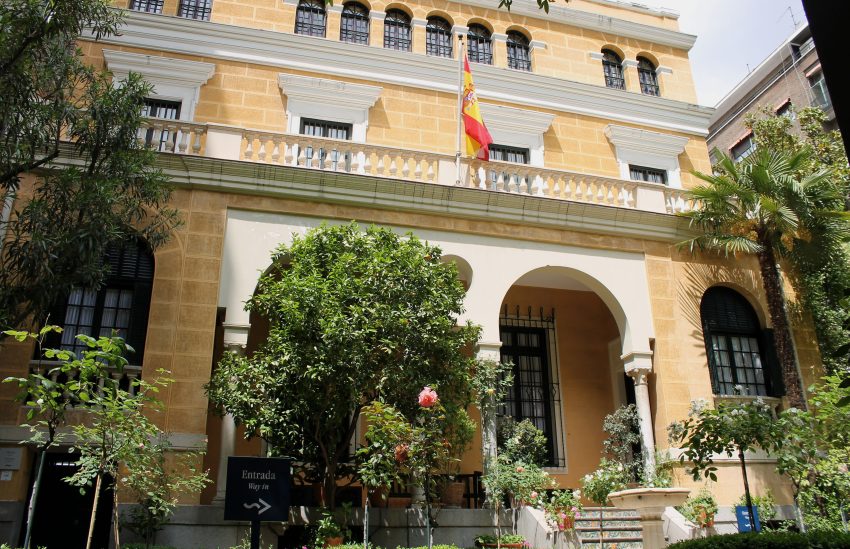
Location: P.º del Gral. Martínez Campos, 37, Chamberí, 28010 Madrid, Spain | Hours: Tuesday – Saturday: 09:30–20:00. Sunday: 10:00–15:00. Closed on Monday. | Price: Adults: €3; Reduced: €1.50. | Website | Distance: 4.0km
41. Museo Lazaro Galdiano
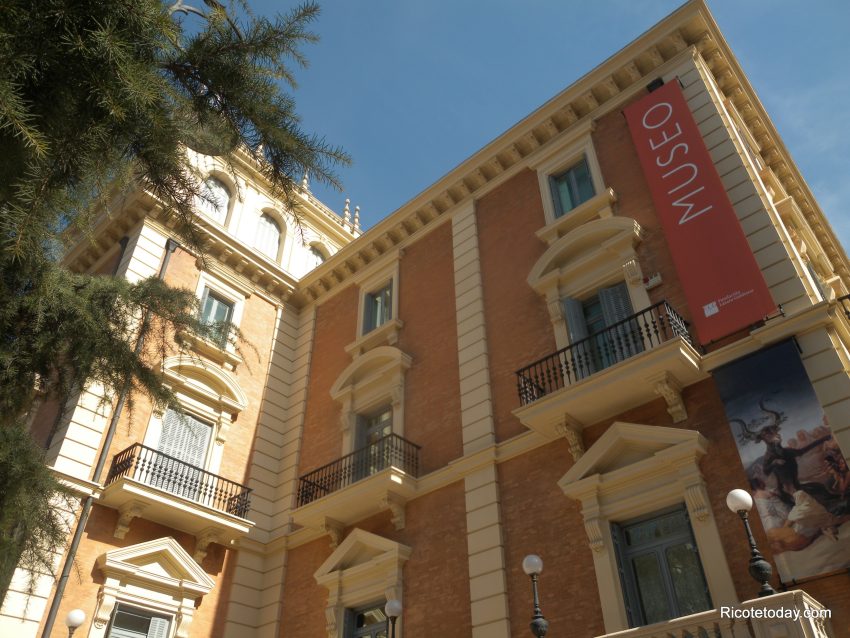
Location: C. de Serrano, 122, Salamanca, 28006 Madrid, Spain | Hours: Tuesday – Friday: 09:30–15:00 & 16:30–19:30. Saturday – Sunday: 09:30–15:00. Closed on Monday. | Price: Adults: €8; Reduced: €5; Free entry: Tuesday – Friday 14:00–15:00 (plus other eligible categories). | Website | Distance: 4.1km
42. Museo Nacional de Ciencias Naturales
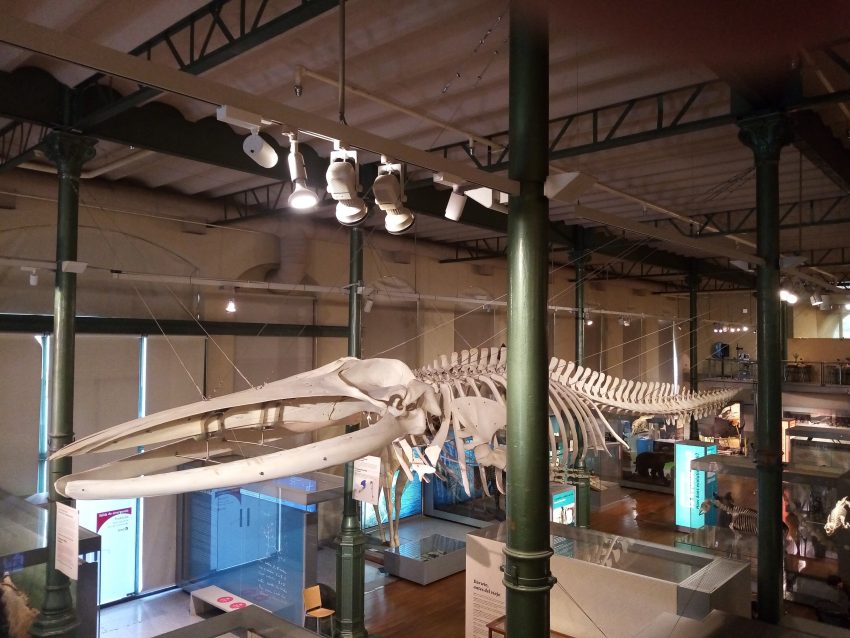
Location: C. de José Gutiérrez Abascal, 2, Chamartín, 28006 Madrid, Spain | Hours: Tuesday – Friday: 10:00–17:00. Saturday – Sunday: 10:00–20:00. Closed on Monday. August: Tuesday – Sunday: 10:00–15:00. December 24 & December 31: 10:00–15:00. Closed January 1, January 6, May 1, December 25. | Price: Adults: €7; Reduced: €3.50; Free entry Sundays 17:00–20:00 (capacity-limited). | Website | Distance: 4.5km
43. Real Ermita de San Antonio de la Florida
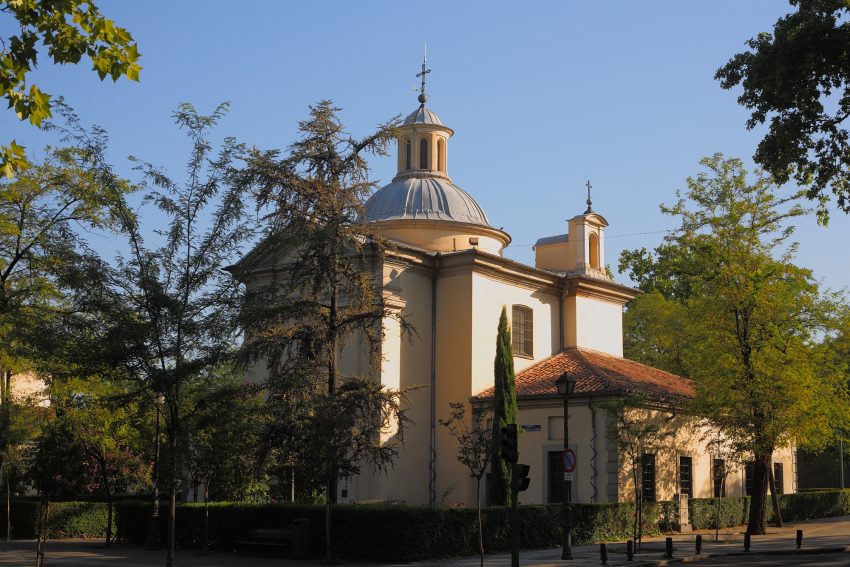
Location: Gta. de San Antonio de la Florida, 5, Moncloa - Aravaca, 28008 Madrid, Spain | Hours: Closed for conservation works from March 17, 2025 until further notice. | Price: Free. | Website | Distance: 4.6km
44. Arco de la Victoria
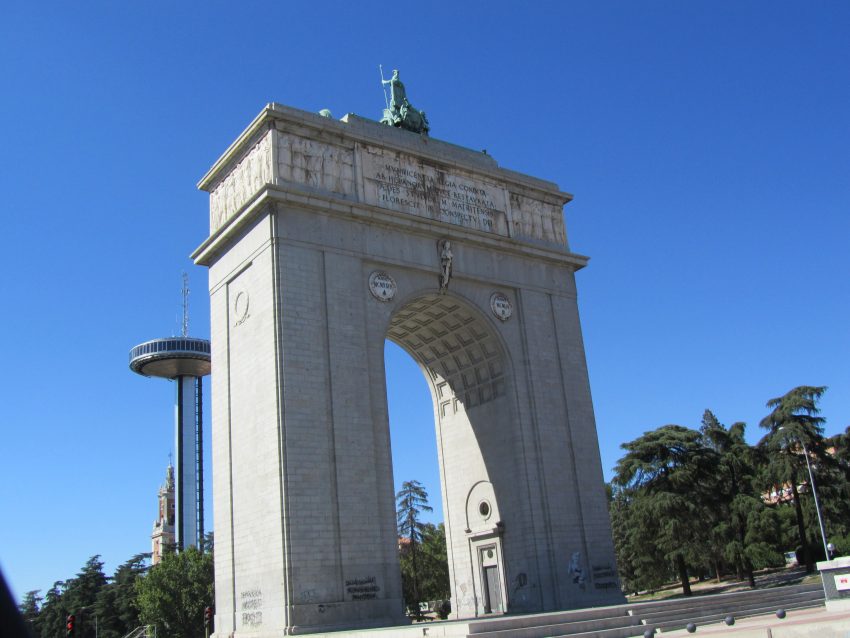
Location: Av. de la Memoria, 32, Moncloa - Aravaca, 28040 Madrid, Spain | Hours: 24 Hours. | Price: Free. | Distance: 5.0km
45. Faro de Moncloa
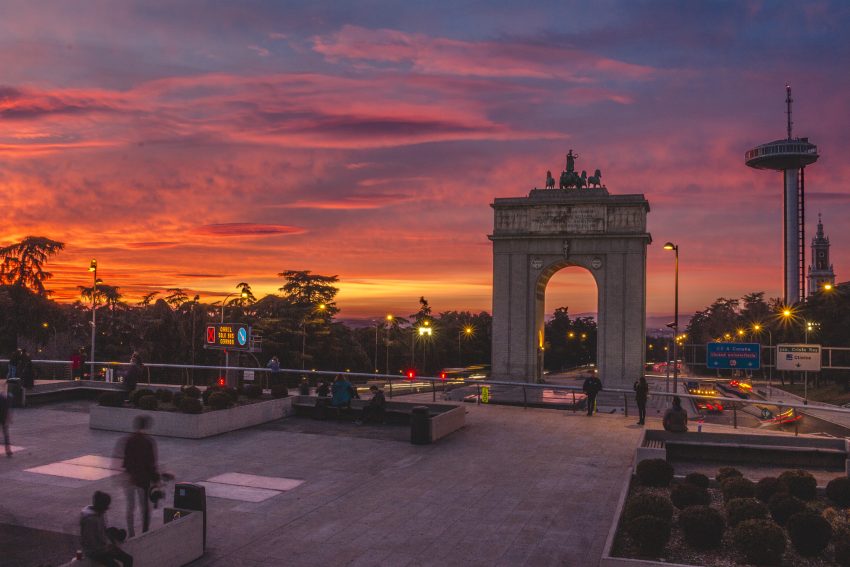
Location: Av. de la Memoria, 2, Moncloa - Aravaca, 28040 Madrid, Spain | Hours: Tuesday – Sunday: 09:30–20:00. Closed on Monday. | Price: General: €4; Reduced: €2; Super reduced: €1. | Website | Distance: 5.3km
46. Parque de Atracciones de Madrid
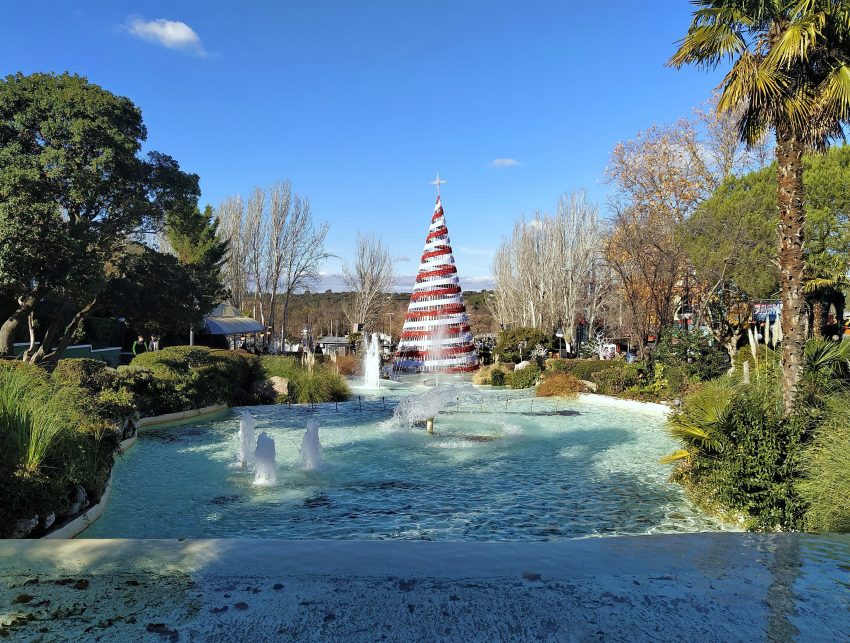
Location: Casa de Campo, s/n, Moncloa - Aravaca, 28011 Madrid, Spain | Hours: Check official website. | Price: Online from €23.90; Ticket office: €43.90; Reduced: online from €23.90 (ticket office €34.90); Under 100 cm: free. | Website | Distance: 5.9km
Best Day Trips from Madrid
A day trip from Madrid offers the perfect opportunity to escape the urban rhythm and discover the surrounding region's charm. Whether you're drawn to scenic countryside, historic villages, or cultural landmarks, the area around Madrid provides a variety of easy-to-reach destinations ideal for a one-day itinerary. If you are looking to rent a car in Spain I recommend having a look at Discover Cars, first, as they compare prices and review multiple car rental agencies for you.
1. Zoo-Aquarium de Madrid

Location: Casa de Campo, S/N, Moncloa - Aravaca, 28011 Madrid, Spain | Hours: Check official website. | Price: Online from €19.90; Ticket office: €28.50; Under 3: free. | Website | Distance: 6.7km
Visiting Zoo-Aquarium de Madrid
2. Casa de Campo
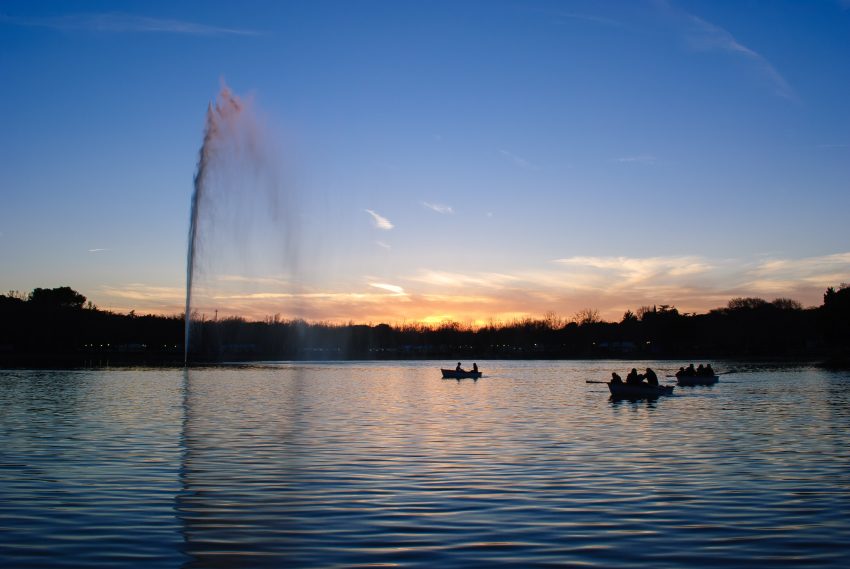
Location: Casa de Campo, Moncloa - Aravaca, Madrid, Spain | Hours: 24 Hours. | Price: Free. | Distance: 6.9km
Visiting Casa de Campo
3. Alcalá de Henares

Visiting Alcalá de Henares
4. Royal Palace of Aranjuez
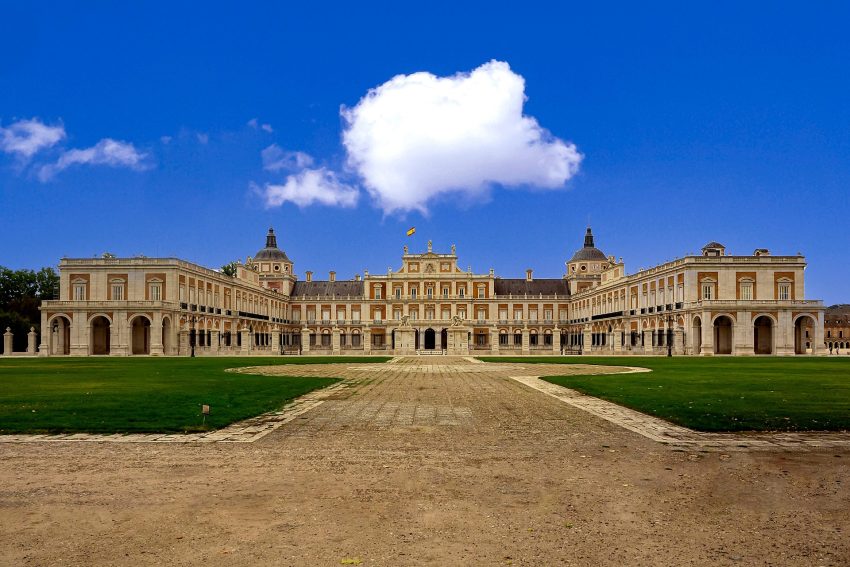
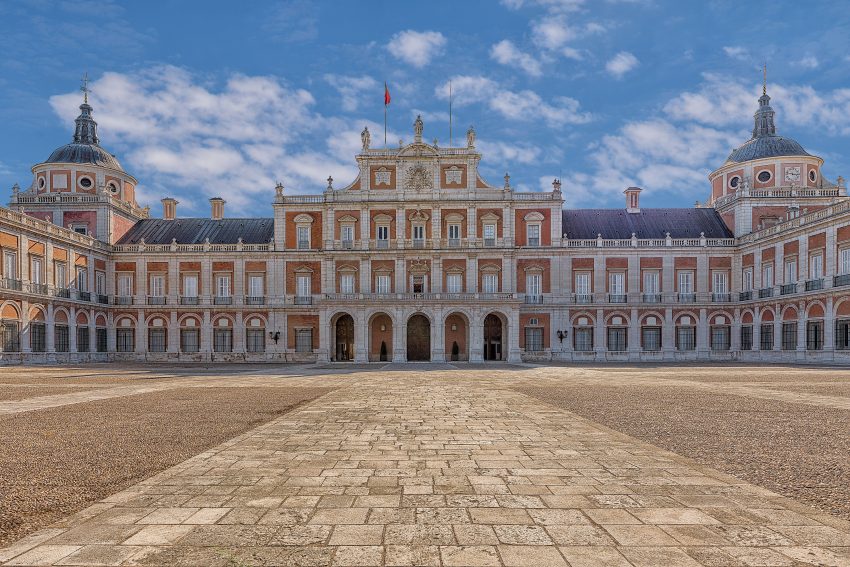
Location: Royal Palace of Aranjuez, Plaza de Parejas, Aranjuez, Spain | Hours: (Summer) April – September; Tuesday – Sunday: 10:00–19:00. (Winter) October – March; Tuesday – Sunday: 10:00–18:00. Closed on Mondays. | Price: Standard €9; reduced €4 (discount categories apply); free admission for eligible visitors (check current eligibility online). | Website | Distance: 40.9km
Visiting Royal Palace of Aranjuez
5. El Escorial
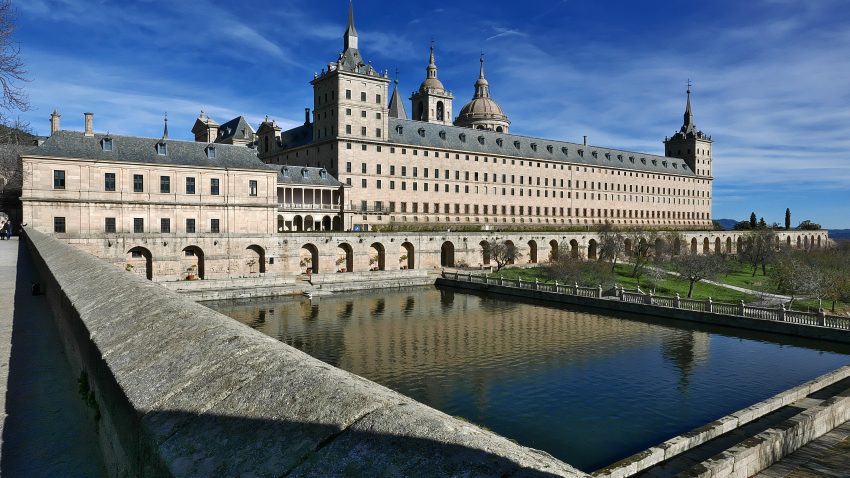
Location: Royal Site of San Lorenzo de El Escorial, Av Juan de Borbón y Battemberg, San Lorenzo de El Escorial, Spain | Hours: (Summer) Tuesday – Sunday: 10:00–19:00. (Winter) Tuesday – Sunday: 10:00–18:00. Closed on Monday. | Price: Standard admission €14; reduced €7; free for eligible visitors (including under 5s and some other categories). | Website | Distance: 44.5km
Visiting El Escorial
6. Valle de los Caídos
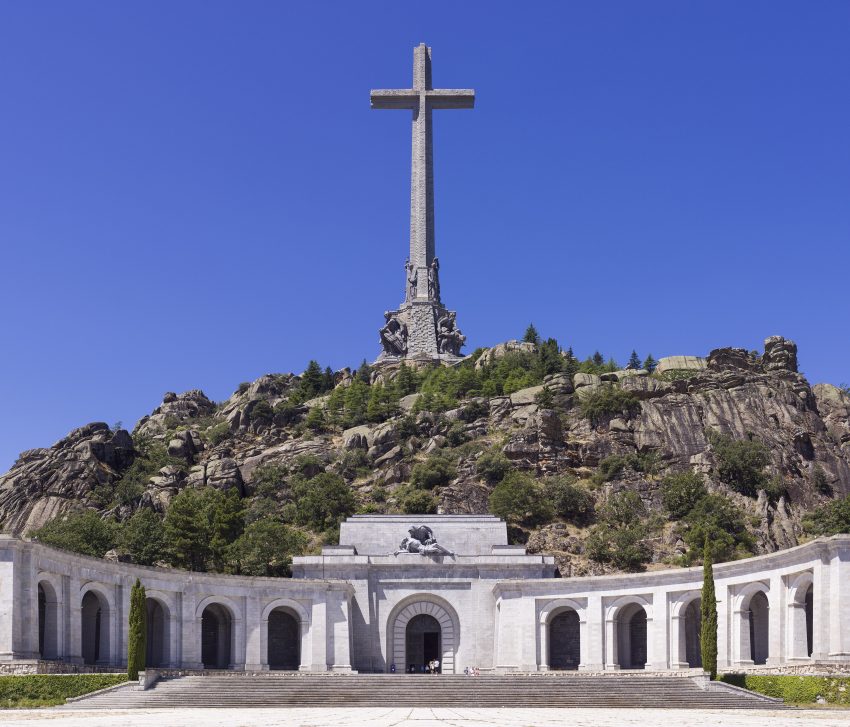
Location: Valle de los caídos, Carretera de Guadarrama/El Escorial, San Lorenzo de El Escorial, Spain | Hours: (Summer) April – September: Tuesday – Sunday: 10:00–19:00. (Winter) October – March: Tuesday – Sunday: 10:00–18:00. Closed on Monday. | Price: Standard €9; reduced €4; free admission for eligible visitors (including under-5s and some concession groups, with specific conditions). | Website | Distance: 47.8km
Visiting Valle de los Caídos
7. Guadalajara

Visiting Guadalajara
8. Toledo

Visiting Toledo
9. Segovia

Visiting Segovia
10. Ávila

Visiting Ávila
Where to Stay in Madrid
Madrid offers a fantastic variety of accommodations, catering to visitors seeking historic charm, vibrant nightlife, or serene parkside retreats. Centro (Madrid’s Historic Center) is ideal for travelers who want to be within walking distance of major landmarks such as Puerta del Sol, Plaza Mayor, and the Royal Palace of Madrid. Staying here means enjoying the energy of Madrid’s bustling streets, surrounded by traditional tapas bars, historic architecture, and cultural attractions. A great choice in this district is Hotel Urban, offering elegant rooms and a refined atmosphere close to the city’s most famous sites.
For those looking for a trendier and more eclectic experience, Malasaña and Chueca provide a youthful vibe with boutique hotels, vintage shops, and an abundance of bars and cafés. This area is perfect for visitors wanting to explore Madrid’s alternative and LGBTQ+ scene, with Plaza de Chueca serving as the heart of the district’s nightlife and cultural movement. A fantastic option in this area is Only YOU Boutique Hotel Madrid, offering stylish accommodations with a modern, artistic flair.
If relaxation and greenery are a priority, Retiro and Salamanca provide a quieter, upscale atmosphere near El Retiro Park and high-end shopping areas like Calle de Serrano. These neighborhoods are perfect for travelers seeking elegant surroundings with access to luxury boutiques, gourmet restaurants, and serene park landscapes. A recommended hotel in this district is Wellington Hotel & Spa Madrid, known for its classic elegance and proximity to Madrid’s premier shopping and cultural areas. Whether you’re drawn to historic streets, vibrant nightlife, or refined elegance, Madrid offers accommodations tailored to every traveler’s preference.
Using the our Hotel and Accomodation map, you can compare hotels and short-term rental accommodations in Madrid. Simply insert your travel dates and group size, and you’ll see the best deals for your stay.
Madrid Accommodation Map
Best Time to Visit Madrid
Visiting Madrid in each season offers distinct experiences, from the vibrant festivals of spring to the cozy charm of winter:
Spring (April to June): Spring is one of the best times to visit Madrid as the city awakens with vibrant colors and pleasant weather. Temperatures are mild, making it perfect for walking tours and outdoor activities. Parks like El Retiro are in full bloom, and the city celebrates several festivals, including the popular San Isidro Festival in May, which features traditional dances, music, and a fair.
Summer (July to August): Madrid’s summers are hot, with temperatures often climbing above 30°C (86°F). Many locals leave the city for the coast, resulting in a quieter atmosphere in some areas. It’s a great time to explore Madrid’s many museums and indoor attractions with less crowding, or to cool off at outdoor pools. Nights are lively, with numerous terraces and rooftop bars opening up for evening enjoyment.
Fall (September to November): Fall brings a refreshing change with cooler temperatures and fewer tourists. The city’s cultural scene revives with the return of residents, hosting events like the Autumn Festival featuring theater, dance, and concerts. The changing leaves create a picturesque setting in city parks, and the weather is still warm enough to enjoy outdoor dining and walks.
Winter (December to February): Winter in Madrid is relatively mild compared to many European capitals, with daytime temperatures often hovering around 10°C (50°F). The city lights up for Christmas and New Year celebrations, with markets, light displays, and traditional events like the Three Kings Parade in January. It’s a magical time to enjoy the festive atmosphere, although it’s cooler and some outdoor activities may be less appealing.
Each season in Madrid offers unique attractions and activities, catering to different preferences whether you’re looking for cultural richness, festive spirits, or serene city explorations.
Annual Weather Overview
- January 10°C 54°F
- February 14°C 61°F
- March 17°C 66°F
- April 23°C 76°F
- May 25°C 81°F
- June 31°C 91°F
- July 33°C 100°F
- August 30°C 95°F
- September 28°C 87°F
- October 24°C 78°F
- November 16°C 64°F
- December 12°C 57°F
How to get to Madrid
Getting to Madrid depends on your starting location and the available travel options. Here are some general guidelines for reaching Madrid:
By Air
Madrid-Barajas Adolfo Suárez Airport (MAD) is the main international gateway to Madrid and one of the busiest airports in Europe. It is well connected to cities worldwide. From the airport, you can reach the city center via:
- Metro: Line 8 connects the airport to the Nuevos Ministerios station in the city center.
- Bus: Express buses run 24/7 from the airport to Atocha train station during the day and Plaza de Cibeles at night.
- Taxi: Available at all terminals, offering a flat rate to the city center.
- Car Rental: Numerous car rental agencies operate at the airport.
By Train
Madrid is a major railway hub, with several train stations connecting it to the rest of Spain and major European cities. The principal train station is:
- Madrid Atocha Railway Station: It serves high-speed trains (AVE) connecting Madrid with cities like Barcelona, Seville, and Valencia. International connections include cities like Lisbon and Marseille.
- Madrid Chamartín Railway Station: It handles services to northern Spain and international destinations, including direct trains to Paris.
By Bus
Madrid’s main bus terminals, such as Estación Sur de Autobuses and Intercambiador de Avenida de América, offer extensive domestic and international connections. Buses might be a more economical option, especially for travel from other Spanish cities or neighboring countries.
By Car
Madrid is well connected by a network of major highways, making it accessible by car from anywhere in Spain and neighboring countries. Major highways connecting Madrid include:
- A-1 (North)
- A-2 (Northeast)
- A-3 (East)
- A-4 (South)
- A-5 (Southwest)
- A-6 (Northwest)
Driving in the city can be challenging due to traffic and parking restrictions, so consider using public parking facilities or exploring the city via public transport.
[car_hire_spain]