Museo Nacional del Prado, Madrid
Attraction, Gallery and Museum in Madrid
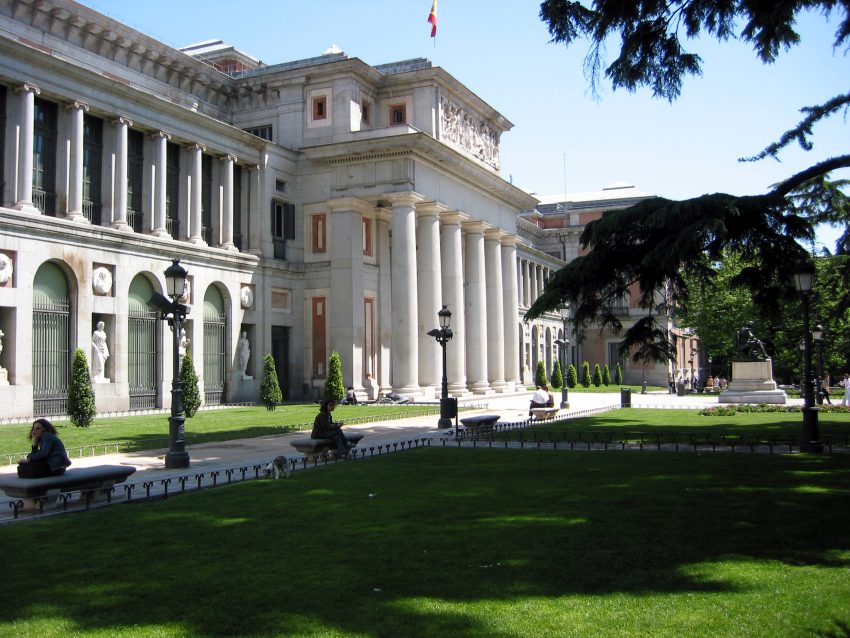
Museo Nacional del Prado in Madrid's Paseo del Prado area is the city's leading art museum and one of Spain's most important cultural institutions. It sits at the heart of Madrid's museum district, where the main focus is European painting rather than decorative displays or general history. The collection was built largely from royal holdings, so the galleries feel orderly and concentrated, with clear strengths in Spanish masters alongside major Italian and Flemish works.
Visitors come here for specific paintings as much as for the scale of the collection. Velázquez, Goya, and El Greco draw most of the attention, but rooms by Titian, Bosch, Rubens, and other painters give the museum broader range. It suits visitors who want to spend time looking closely at art, compare schools and periods, and leave with a stronger sense of how Spanish court culture shaped European painting.
Table of Contents
- History and Significance of the Museo Nacional del Prado
- Things to See and Do in the Museo Nacional del Prado
- How to Get to the Museo Nacional del Prado
- Practical Tips on Visiting the Museo Nacional del Prado
- Where to Stay Close to the Museo Nacional del Prado
- Is the Museo Nacional del Prado Worth Visiting?
- For Different Travelers
- FAQs for Visiting Museo Nacional del Prado
History and Significance of the Museo Nacional del Prado
The Prado opened to the public in the early 19th century, building on centuries of royal collecting by Spain’s monarchs. That royal origin still shapes the experience today: the museum’s strengths are not random “greatest hits,” but deep, coherent holdings that reflect the tastes, politics, and power of an empire.
Its global reputation rests heavily on Spanish painting, especially Velázquez and Goya, but the Prado is equally compelling for its breadth of European schools. The museum’s galleries make it easy to trace how Spanish artists absorbed and responded to Italian Renaissance ideals, Flemish detail, and Baroque drama.
Beyond individual masterpieces, the Prado matters because it preserves context: portraits, religious commissions, court culture, and mythological scenes sit side-by-side in a way that explains how art functioned in its own time. It’s less about a quick photo stop and more about stepping into the visual history of Europe.
Things to See and Do in the Museo Nacional del Prado
Start with the headline rooms: Velázquez’s Las Meninas is the essential pilgrimage, and Goya’s works (including the haunting Black Paintings) are often the emotional peak for first-time visitors. Many travelers also come specifically for the intensity of Caravaggio and the museum’s rich holdings of Rubens, Titian, and El Greco.
To keep the visit from feeling overwhelming, pick a theme before you enter: “Spanish Golden Age,” “Goya and the modern mind,” or “Baroque spectacle.” If you like structure, an audio guide or a short guided tour can help you connect the dots between artists, patrons, and historical moments.
Don’t rush past the quieter galleries. Some of the most rewarding moments come from slowing down with a single painting, noticing brushwork, symbolism, and scale, then comparing it to another work just a room away.
How to Get to the Museo Nacional del Prado
Madrid's nearest major airport is Adolfo Suárez Madrid-Barajas Airport (MAD), with frequent metro, bus, and taxi connections into the center. For the best deals and a seamless booking experience, check out these flights to Madrid on Booking.com.
If you’re arriving from other Spanish cities, Madrid’s main rail hubs (especially Atocha) make train travel a fast, central option, and from there the Prado is a short taxi ride or walk. Train schedules and bookings can be found on Omio.
Driving into central Madrid is possible, but traffic and parking can be challenging; consider using a garage near the center and walking the final stretch. If you are looking to rent a car in Spain I recommend having a look at Discover Cars, first, as they compare prices and review multiple car rental agencies for you.
Practical Tips on Visiting the Museo Nacional del Prado
- Official website: https://www.museodelprado.es/
- Entrance fee: Adults: €15; Reduced: €7.50; Free admission: see conditions.
- Opening hours: Monday – Saturday: 10:00–20:00. Sunday: 10:00–19:00. Closed on January 1, May 1, December 25. Limited hours on January 6, December 24, December 31: 10:00–14:00. Free access Monday – Saturday: 18:00–20:00. Free access Sunday: 17:00–19:00.
- Best time to visit: Aim for a weekday morning right at opening for calmer galleries; late afternoons can also work, but free-entry periods tend to draw long lines.
- How long to spend: Plan 2-3 hours for a highlights-focused visit, or half a day if you want to go deep into multiple schools and periods.
- Accessibility: The museum is generally visitor-friendly for reduced mobility, with step-free routes and staff support available if you ask on arrival.
- Facilities: Expect security screening, restrooms, a shop, and places to take a breather; consider an audio guide if you want context without committing to a tour.
Where to Stay Close to the Museo Nacional del Prado
Base yourself in central Madrid around the Paseo del Prado/Retiro corridor for the easiest museum-hopping on foot and quick access to parks, cafés, and major sights.
Mandarin Oriental Ritz, Madrid A classic luxury choice steps from the Prado, ideal if you want a special-occasion stay with a landmark setting.
The Westin Palace, Madrid A grand, historic hotel close to the museum and the literary quarter, great for travelers who want old-world atmosphere and walkability.
NH Collection Madrid Paseo del Prado A reliable upscale option right on the boulevard, convenient for early entry times and quick returns for a rest between museums.
Radisson Blu Hotel, Madrid Prado A stylish, comfortable base near the Prado and tapas streets, good for couples who want design-forward rooms without being far from the action.
Hotel Catalonia Atocha A practical pick near Atocha station for train arrivals and day trips, while still being walkable to the Prado and Retiro.
Is the Museo Nacional del Prado Worth Visiting?
Yes, it’s absolutely worth visiting if you have any interest in painting, European history, or Spain’s cultural identity. The Prado is not just “a big museum”; it’s a concentrated encounter with artists and works that shaped how the world sees portraiture, power, faith, and human psychology.
Honest Pivot: if you dislike museums, struggle with long indoor visits, or only want quick, Instagram-style stops, you may find the Prado too dense and time-consuming. In that case, consider a shorter guided highlights tour, or choose one smaller museum and spend the rest of your time outdoors in Retiro Park and central plazas.
What Other Travellers Say...
Travelers rate the Prado extremely highly and describe it as a world-class, even “once-in-a-lifetime” art experience. Common highlights include masterpieces by Velázquez and Goya, plus standout works by artists like Caravaggio, and many visitors say an audio guide (or some form of guidance) helps make the vast collection feel manageable. The most frequent downside is crowding and long ticket lines, especially at popular times, so reviewers strongly recommend booking tickets in advance and planning your timing.





For Different Travelers
The Prado can fit almost any Madrid itinerary, but it helps to tailor your approach. Decide whether you want a fast highlights loop, a guided narrative, or a slow, contemplative visit focused on a single artist.
Families with Kids
For families, the best strategy is to keep it short and story-driven: pick a handful of dramatic works and turn them into a scavenger hunt for characters, animals, and symbols. A mid-morning visit often works better than late afternoon when energy dips.
Build in breaks and celebrate small wins rather than trying to “see it all.” Pair the museum with nearby Retiro Park afterward so kids can reset outdoors.
Couples & Romantic Getaways
Couples often enjoy the Prado most when it’s unhurried: arrive early, choose a few rooms, and spend time talking about what you notice rather than racing for every famous canvas. The area around the museum is ideal for a post-visit walk along the Paseo del Prado.
Make it a cultural date by combining the Prado with a nearby café stop and a sunset stroll toward Plaza de Cibeles. It's one of Madrid's most elegant, romantic corridors.
Budget Travelers
Budget travelers can still have a great Prado experience by planning around timing and priorities. If you’re aiming for free-entry periods, expect queues and a more crowded feel, so arrive early and focus on a tight list of must-sees.
If you’d rather pay to save time, consider it a high-value splurge: the collection quality is exceptional, and a paid ticket can mean more art time and less line time.
History Buffs
History buffs should treat the Prado as a crash course in empire, religion, and court politics told through images. Focus on royal portraiture, major religious commissions, and the evolution from Renaissance idealism to Baroque power and Goya’s darker modern edge.
A guided tour or audio guide is especially rewarding here because so much of the meaning is tied to patrons, dynasties, and historical events. You’ll leave with a clearer sense of how Spain saw itself across centuries.
FAQs for Visiting Museo Nacional del Prado
Getting There
Tickets & Entry
Visiting Experience
Tours, Context & Itineraries
Photography
Accessibility & Facilities
Food & Breaks Nearby
Safety & Timing
The Museo Nacional del Prado appears in our Complete Guide to Visiting Madrid!

Moira & Andy
Hey! We're Moira & Andy. From hiking the Camino to trips around Europe in Bert our campervan — we've been traveling together since retirement in 2020!
This website uses affiliate links which may earn a commission at no additional cost to you!
Planning Your Visit
Monday - Saturday: 10:00-20:00.
Sunday: 10:00-19:00.
Closed on January 1, May 1, December 25.
Limited hours on January 6, December 24, December 31: 10:00-14:00.
Free access Monday - Saturday: 18:00-20:00.
Free access Sunday: 17:00-19:00.
Adults: €15; Reduced: €7.50; Free admission: see conditions.
Nearby Attractions
- Real Jardin Botanico (0.2) km
Attraction and Gardens - CaixaForum (0.3) km
Arts Venue, Historic Building and Museum - Museo Thyssen-Bornemisza (0.4) km
Arts Venue, Attraction and Museum - Casa-Museo Lope de Vega (0.4) km
Historic Building, Historic Site and Museum - Convento de las Trinitarias Descalzas (0.4) km
Church, Convent and Religious Building - Museo Nacional Centro de Arte Reina Sofia (0.6) km
Arts Venue, Gallery and Museum - Palacio de Cibeles (0.6) km
Arts Venue, Historic Building and Town Hall - Círculo de Bellas Artes (0.6) km
Viewing Point - Estacion de Atocha (0.6) km
Notable Building, Railway and Train Station - Edificio Metropolis (0.7) km
Attraction, Historic Building and Notable Building