Museo Sorolla, Madrid
Gardens, Historic Building and Museum in Madrid
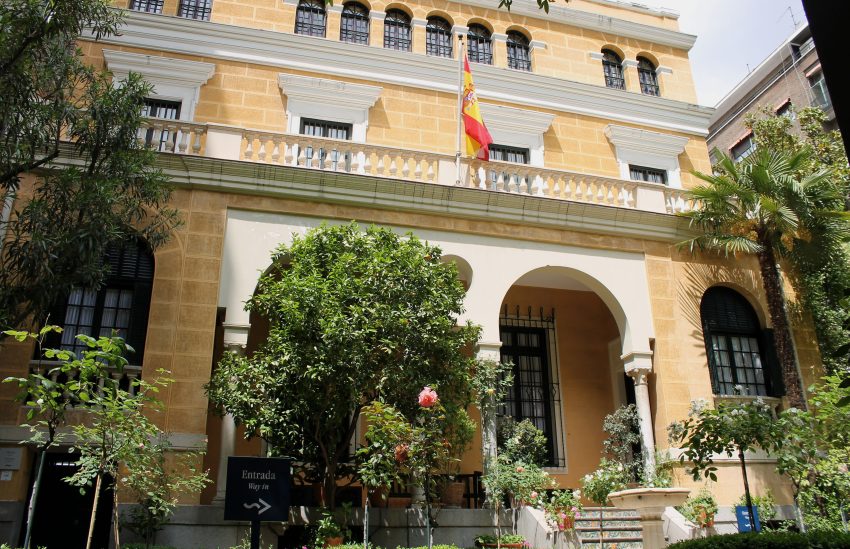
Museo Sorolla in Madrid's Chamberí district is a house-museum and art space set in Joaquín Sorolla's former home and studio. It keeps the feel of a private residence, so the visit moves through lived-in rooms, the artist's workspaces, and an Andalusian-style courtyard garden rather than large exhibition halls. The building, with its preserved interiors and quiet layout, gives a direct view of how Sorolla lived and worked in the early 20th century.
What stands out most is the mix of art and setting: luminous beach scenes, portraits, sketches, and collected objects appear alongside the rooms and garden that shaped them. Visitors who enjoy smaller museums, artist homes, and places with a slower pace will get the most from it. It is less suited to people who want a huge collection or a long checklist of famous masterpieces, but it works well as a focused cultural stop in central Madrid.
Table of Contents
History and Significance of the Museo Sorolla
Museo Sorolla is significant because it preserves the atmosphere of an artist's real working home rather than presenting his work in a neutral gallery setting. The building was Sorolla's family residence and creative base, and today it functions as a house-museum where the architecture, décor, and collections help explain how he lived and painted.
The museum’s core importance is its concentration of Sorolla’s work and personal world in one place: paintings, sketches, and objects collected over a lifetime. That combination makes it especially rewarding for travelers who want context, not just canvases.
Beyond the art, the garden is part of the story. It’s not just a pretty courtyard; it’s a space that reflects Sorolla’s taste and the Mediterranean light he loved to paint, giving the visit a calm, almost residential rhythm that contrasts with Madrid’s bigger “triangle” museums.
Things to See and Do in the Museo Sorolla
Start with the house itself: the sequence of rooms, furnishings, and decorative details makes you feel like you've stepped into a private Madrid residence from the early 20th century. Even if you're not an art specialist, the setting makes the visit approachable and memorable.
The highlights are Sorolla’s luminous paintings and the way they’re displayed alongside personal items that anchor them in real life. Look for works that feature outdoor light, family scenes, and garden settings, then compare them to the museum’s own courtyard and greenery.
Don’t rush the garden courtyard. It’s the place many visitors remember most: quiet, shaded, and ideal for a short reset between rooms. If you’re building a day itinerary, this is also a great “breather stop” between larger museums or longer neighborhood walks.
How to Get to the Museo Sorolla
Madrid is served by Adolfo Suárez Madrid-Barajas Airport (MAD), with frequent metro, bus, taxi, and rideshare connections into the city center. For the best deals and a seamless booking experience, check out these flights to Madrid on Booking.com.
If you're arriving by rail, Madrid-Puerta de Atocha and Madrid-Chamartín handle most long-distance and high-speed routes, and both connect easily to the metro for the final hop toward Chamberí. Train schedules and bookings can be found on Omio.
Within Madrid, the simplest approach is public transport plus a short walk, since the museum sits in a central, walkable area near major avenues. If you're driving, plan for paid parking garages nearby and expect tight street parking in Chamberí. If you are looking to rent a car in Spain I recommend having a look at Discover Cars, first, as they compare prices and review multiple car rental agencies for you.
Practical Tips on Visiting the Museo Sorolla
- Official website: https://www.cultura.gob.es/msorolla/en.html
- Entrance fee: Adults: €3; Reduced: €1.50.
- Opening hours: Tuesday – Saturday: 09:30–20:00. Sunday: 10:00–15:00. Closed on Monday.
- Best time to visit: Go right at opening or later in the afternoon to enjoy the rooms and garden with fewer people, especially on weekends.
- How long to spend: Plan 60-90 minutes for a relaxed visit, or up to 2 hours if you like reading room-by-room context.
- Accessibility: Expect a historic house layout, which can mean stairs and narrower passages; check ahead if you need step-free access.
- Facilities: There are basic visitor amenities, and the courtyard garden is a pleasant spot to pause before continuing your day.
Where to Stay Close to the Museo Sorolla
Base yourself in Chamberí or the Salamanca/Castellana area for the easiest walkable access and a calm, local feel with great transport links.
Hyatt Regency Hesperia Madrid A polished, upscale option near the Castellana corridor, ideal if you want comfort and quick access to museums and business-friendly amenities.
InterContinental Madrid A classic luxury stay with a central location that works well for a museum-focused itinerary and easy taxi/metro connections.
Hotel Sardinero Madrid A strong mid-range choice on the edge of Chamberí, great for walking to the museum and enjoying a more neighborhood vibe.
NH Collection Madrid Abascal Well-placed for Chamberí and the Castellana, with a reliable, modern feel that suits travelers who want convenience without fuss.
Relais & Châteaux Hotel Orfila A boutique, romantic pick close to the museum, perfect if you want a quieter, more refined stay with a sense of occasion.
Is the Museo Sorolla Worth Visiting?
Yes, especially if you want a calmer, more personal museum experience than Madrid’s blockbuster institutions. The combination of light-filled paintings, the preserved home setting, and the garden courtyard makes it feel like a cultural pause button in the middle of the city.
Honest Pivot: If you prefer large collections with many artists, or you’re short on time and only want the “big three” museums, you might skip it. It’s best for travelers who enjoy atmosphere, context, and a slower pace rather than a huge checklist of masterpieces.
What Other Travellers Say...
Travelers rate Museo Sorolla very highly and often describe it as a beautiful, small “hidden gem” that feels calm and personal. Common highlights include the peaceful courtyard garden, the intimate house-museum layout that tells the artist's story, and the good value of the ticket price. The most frequent downsides mentioned are occasional waiting/lines and a few reports of staff being strict about rules such as bags and not touching exhibits.





For Different Travelers
Museo Sorolla works well as a flexible stop: it can be a quick cultural break or a deeper, room-by-room visit. Because it's compact, it's also easy to pair with a neighborhood walk and a café stop.
Families with Kids
This museum can be family-friendly because it’s not overwhelming in size, and the garden courtyard gives kids a natural “reset” moment. Aim for a shorter loop through the highlights so the visit stays upbeat.
If your kids enjoy bright colors and outdoor scenes, Sorolla’s style can be an easy entry point into art. Keep expectations realistic: it’s still a quiet museum environment, so it suits families who can manage indoor rules.
Couples & Romantic Getaways
For couples, the appeal is the mood: a peaceful house, soft light, and a garden that feels tucked away from the city. It’s a great daytime date idea before a long lunch or an evening stroll.
If you like travel experiences that feel intimate and local rather than crowded and iconic, this is a strong pick. The museum’s scale makes it easy to linger without feeling rushed.
Budget Travelers
Museo Sorolla is often praised for being affordable, and it can be a high-value museum stop compared with larger attractions. Build it into a walking day to save on transport and enjoy Chamberí on foot.
To stretch your budget further, consider timing your visit around free-entry periods if available, but expect bigger crowds then. If you’d rather avoid lines, paying the modest fee can be worth it.
History Buffs
History lovers will appreciate the preserved house-museum format, which reveals how an early 20th-century artist lived, worked, and collected. The rooms and objects provide social history alongside the paintings.
It’s also a useful “context museum” for understanding Spanish art beyond the headline names. Pair it with another nearby cultural stop to compare how different institutions present Madrid’s artistic heritage.
FAQs for Visiting Museo Sorolla
Getting There
Tickets & Entry
Visiting Experience
Tours, Context & Itineraries
Photography
Accessibility & Facilities
Food & Breaks Nearby
Safety & Timing
The Museo Sorolla appears in our Complete Guide to Visiting Madrid!

Moira & Andy
Hey! We're Moira & Andy. From hiking the Camino to trips around Europe in Bert our campervan — we've been traveling together since retirement in 2020!
This website uses affiliate links which may earn a commission at no additional cost to you!
Planning Your Visit
Tuesday - Saturday: 09:30-20:00.
Sunday: 10:00-15:00.
Closed on Monday.
Adults: €3; Reduced: €1.50.
Nearby Attractions
- Museo Lazaro Galdiano (0.5) km
Gallery, Historic Building and Museum - Museo Nacional de Ciencias Naturales (0.6) km
Museum - Plaza de Colon (1.2) km
Historic Site, Monument and Square - Biblioteca Nacional (1.2) km
Historic Building, Library and Museum - Museo Arqueologico Nacional (1.4) km
Museum - Puerta de Alcala (1.7) km
Attraction, City Gate and Monument - Palacio de Cibeles (1.8) km
Arts Venue, Historic Building and Town Hall - Calle Alcala (1.8) km
Area and Street - Edificio Metropolis (1.9) km
Attraction, Historic Building and Notable Building - Círculo de Bellas Artes (1.9) km
Viewing Point