Port of Málaga
Port in Málaga
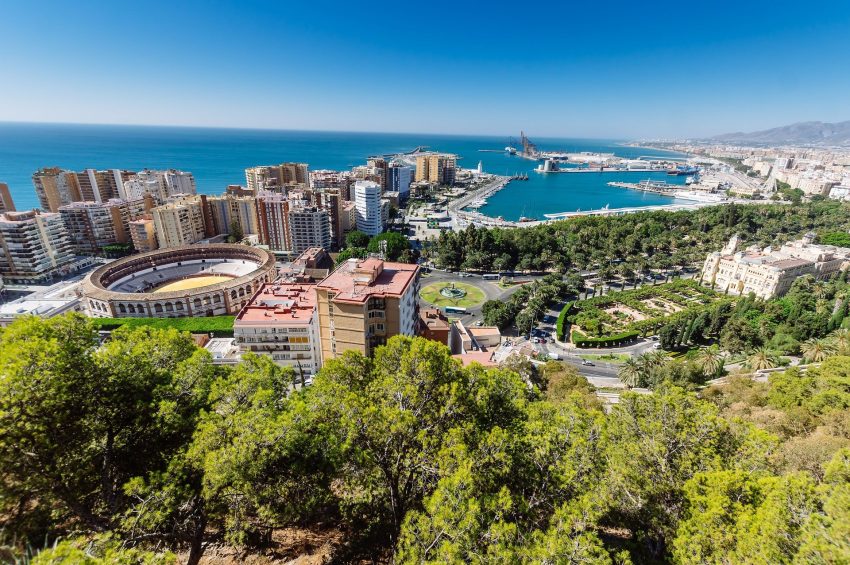
Stretching along a sheltered natural bay beneath the Castillo de Gibralfaro, the Port of Málaga is one of the best places to visit in Málaga if you want to feel how the city has always looked outward to the sea. Founded by the Phoenicians around 1000 BC, this is Spain's oldest continuously-operated port, once known as Malaka, probably from the word for salt because fish were cured on the first quays. Today, cargo ships, fishing boats, ferries, and cruise liners share space with palm-lined promenades, open-air terraces, and a contemporary waterfront that's become one of Málaga's most vibrant social hubs.
Two of the eastern quays, just below the Gibralfaro hill, have been transformed into lively public spaces. Muelle Uno is a modern marina-side promenade packed with restaurants, bars, shops, and the striking glass cube of the Centre Pompidou Málaga, while Muelle Dos is home to the Palmeral de las Sorpresas, a beautiful avenue of palms, fountains, and sculptures that is often visited on walking tours of Málaga. Whether you're here for a pre-cruise stroll, a sunset drink, or a deep dive into the city's maritime story, the port effortlessly blends history, leisure, and sea views.
Table of Contents
- History and Significance of the Port of Málaga
- Things to See and Do in the Port of Málaga
- How to Get to the Port of Málaga
- Practical Tips on Visiting the Port of Málaga
- Where to Stay close to the Port of Málaga
- Is the Port of Málaga Worth Visiting?
- FAQs for Visiting Port of Málaga
- Nearby Attractions to the Port of Málaga
History and Significance of the Port of Málaga
The story of the Port of Málaga begins with the Phoenicians from Tyre, who settled this natural bay around 1000 BC and founded Malaka. Its sheltered position and easy access to inland trade routes made it an ideal place to build a harbor, and the early settlers quickly turned it into a hub for salted fish and other goods. The name itself is probably derived from the Phoenician word for salt, reflecting the importance of fish salting on the first docks. Under the Romans, the port flourished further, exporting iron, copper, and lead from the mines around Ronda, along with olive oil, wine, and garum - a prized fish sauce whose storage vats you can still see today in the University offices along Paseo del Parque.
In 711, the Moors arrived, and Málaga became a major Islamic city and the principal port of the Kingdom of Granada. From here, figs, wine, and other goods left for North Africa and the wider Mediterranean, and the skyline was dominated by minarets and fortifications rather than cranes. During this period, the port's strategic importance grew: whoever controlled Málaga controlled one of the most valuable maritime gateways in al-Andalus.
The Habsburg era brought another transformation, as the port evolved into one of Europe's major manufacturing and export harbors. The East Dock and New Quay were added in 1720, and in 1814 the first lighthouse was built to guide ships safely into the bay. The arrival of the 20th century saw further modernisation: the first passenger terminal opened in 1910, and the Málaga-Puertollano pipeline, built in 1920, allowed olive oil to be pumped directly to the port for export. Though the pipeline ceased operation in 1990, the port continued to adapt, shifting its focus towards cruise traffic, ferries, and a more people-friendly waterfront. The redevelopment of Muelle Uno and Muelle Dos has turned this ancient harbor into a seafront that feels as contemporary as it is historic.
Things to See and Do in the Port of Málaga
Most visitors start at Muelle Uno, a sleek waterfront promenade that curves around the marina with views towards the cathedral, the Alcazaba, and the Castillo de Gibralfaro. Here you can wander past yachts and fishing boats, browse stylish shops, and choose from a long line of bars and restaurants offering everything from traditional fried fish to modern fusion plates. At its heart stands the colourful glass cube of the Centre Pompidou Málaga, an outpost of the famous Paris museum, which brings rotating exhibitions of modern and contemporary art to the port - a powerful symbol of how Málaga has reinvented itself as a cultural city.
Just next door, Muelle Dos becomes the Palmeral de las Sorpresas, the Palm Garden of Surprises. This elegant promenade weaves between tall palms, fountains, children's play areas, sculptures, and shaded benches, making it a favourite spot for families, joggers, and anyone who simply wants to stroll by the sea. The combination of greenery, sea breezes, and views of both the harbour and the old town make it feel like a long, open-air living room for the city. As you walk, you can watch ferries coming and going, cruise ships docking, and local anglers casting lines into the water.
Beyond the leisure quays, the rest of the port remains a working harbour, with container terminals, fishing docks, and ferry berths connecting Málaga with Melilla and other destinations. Even if you never step into the commercial areas, you'll feel their presence in the steady movement of ships and the low rumble of port life in the background. Around sunset, the whole area takes on a golden glow, with the lights of the city reflecting in the water and the hilltop castles silhouetted against the sky - a reminder that this waterfront has been the city's front door to the world for over three thousand years. This spot is one of the best places to see in Málaga if you enjoy combining sea air, urban energy, and a strong sense of history.
How to Get to the Port of Málaga
The Port of Málaga sits directly in front of the historic centre, so once you're in the city it's very easy to reach on foot. If you're flying in, Málaga-Costa del Sol Airport is the nearest gateway, with frequent train, bus, taxi, and car rental connections that bring you into the city centre and port area in around 15-20 minutes. For the best deals and a seamless booking experience, check out these flights to Málaga on Booking.com.
From Málaga María Zambrano train station, you can walk to the port in about 15-20 minutes, heading towards the Alameda Principal and Paseo del Parque, or hop on a local bus that drops you close to Muelle Uno and the Palmeral de las Sorpresas. Train schedules and bookings can be found on Omio. Local and regional buses also serve stops along Paseo del Parque and the city centre, making it straightforward to arrive from outlying neighbourhoods or nearby coastal towns.
If you're driving, follow signs for “Puerto” or “Centro” and use one of the underground car parks near the waterfront or the old town; from there it's a simple stroll to Muelle Uno and Muelle Dos, and you avoid navigating the busiest port access roads. If you are looking to rent a car in Spain I recommend having a look at Discover Cars, first, as they compare prices and review multiple car rental agencies for you.
Practical Tips on Visiting the Port of Málaga
- Suggested tips: Plan your visit to coincide with sunset for the best light over the bay and castles, and combine a waterfront stroll with a drink or dinner on Muelle Uno.
- Best time to visit: Late afternoon and evening are especially atmospheric, though early morning walks along the Palmeral de las Sorpresas are wonderfully peaceful.
- Entrance fee: Free
- Opening hours: 24 Hours
- How long to spend: Allow 1-2 hours for a relaxed stroll and a drink or snack, longer if you’re visiting the Pompidou or taking a cruise or ferry.
- Accessibility: Both Muelle Uno and Palmeral de las Sorpresas are largely flat and step-free, with wide pavements suitable for wheelchairs, strollers, and mobility aids.
- Facilities: You’ll find plenty of cafés, restaurants, toilets, seating, shade, and some children’s play areas along the palm walk and marina.
- Photography tip: Use the lines of the palm walk, the reflections in the water, and the backdrop of the cathedral and Gibralfaro hill to frame your shots; night-time photos can be especially striking.
- Guided tours: Harbour-front walking tours and bike tours often include the port, and some boat trips depart from Muelle Uno if you'd like to see the city from the water.
- Nearby food options: From casual tapas bars and ice cream stands to more formal seafood restaurants, the port area is excellent for eating out, especially if you want sea views with your meal.
Where to Stay close to the Port of Málaga
If you’d like to wake up within easy reach of the waterfront, look for accommodation between the old town and the sea. A classic choice overlooking both the port and the cathedral is AC Hotel Málaga Palacio, which offers comfortable rooms and a rooftop terrace with superb views over the harbour. For a resort-style stay right on the city beach but still within walking distance of Muelle Uno, Gran Hotel Miramar GL combines historic elegance with pools, gardens, and sea views. Travellers who prefer a boutique feel close to both the port and the old town might enjoy Room Mate Valeria, a colourful design hotel conveniently located by the Soho district and the Muelle Heredia area.
Is the Port of Málaga Worth Visiting?
Yes, the Port of Málaga is absolutely worth including in your plans, even if you're not arriving by cruise ship. Few places in the city show its layers of history and modern life quite as clearly: Phoenician roots, Roman trade, Moorish grandeur, Habsburg industry, and today's cultural and leisure scene all meet along this waterfront. It's easy to reach, free to wander, and endlessly adaptable - you can visit for a quick stroll, a relaxed half-day by the sea, or as a jumping-off point for boat trips and museum visits.
Because it sits directly in front of the historic centre, the port also works perfectly as a gentle break between more intensive sightseeing stops like the Alcazaba, Roman Theatre, or museums. Whether you're people-watching under the palms, browsing the boutiques of Muelle Uno, or looking back at the skyline from the end of the quay, it offers a refreshing, open-air contrast to Málaga's narrow streets and hilltop fortresses. For many visitors, it becomes one of the must-see places in Málaga and a spot they return to more than once during their stay.
What Other Travellers Say...

Catamaran Mundo Marino Málaga departs from Muelle Uno at Puerto de Málaga and offers short catamaran cruises that guests describe as relaxed, scenic and good for spotting marine life like flying fish and dolphins; tours typically last around an hour to 90 minutes, include music and an onboard drinks bar with affordable options, and sometimes offer net seating for a more open view (though that can sell out). Reviewers praise friendly, accommodating staff and a pleasant onboard vibe, but warn trips can feel crowded—especially the net area—and there can be long check‑in lines, so arriving early or booking in advance is recommended.


FAQs for Visiting Port of Málaga
Nearby Attractions to the Port of Málaga
- Alcazaba of Málaga - Moorish fortress-palace rising above the city with gardens, towers, and sweeping views over the harbour and old town.
- Castillo de Gibralfaro - Hilltop castle overlooking the bay, offering some of the best panoramic views of Málaga and its port.
- Málaga Cathedral (La Manquita) - Impressive Renaissance and Baroque cathedral with a distinctive unfinished tower, just a short walk from the waterfront.
- Museo Picasso Málaga - Major museum dedicated to Pablo Picasso's work, located in the Palacio de Buenavista in the nearby historic centre.
- Muelle Uno and Palmeral de las Sorpresas - The port's own leisure quays, combining shops, restaurants, museums, palm-lined walks, and sea views right on your doorstep.
The Port of Málaga appears in our Complete Guide to Visiting Málaga!

Moira & Andy
Hey! We're Moira & Andy. From hiking the Camino to trips around Europe in Bert our campervan — we've been traveling together since retirement in 2020!
This website uses affiliate links which may earn a commission at no additional cost to you!
Planning Your Visit
24 Hours
Free
Nearby Attractions
- Museo del Patrimonio Municipal (0.3) km
Museum - Malagueta Bullring (0.4) km
Bullring - Museo de Málaga (0.4) km
Museum - Alcazaba (0.4) km
Castle - Roman Theatre (0.4) km
Historic Site and Theatre - Church of San Agustin (0.6) km
Church - Málaga Cathedral (0.6) km
Cathedral - Iglesia de Santiago (0.6) km
Church - Picasso Museum (0.6) km
Museum - Castillo de Gibralfaro (0.6) km
Castle