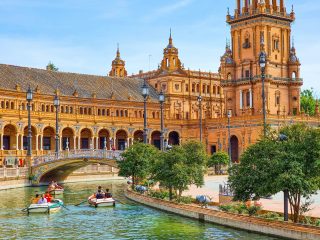
Parque de María Luisa, Seville
National Park and Park in Seville
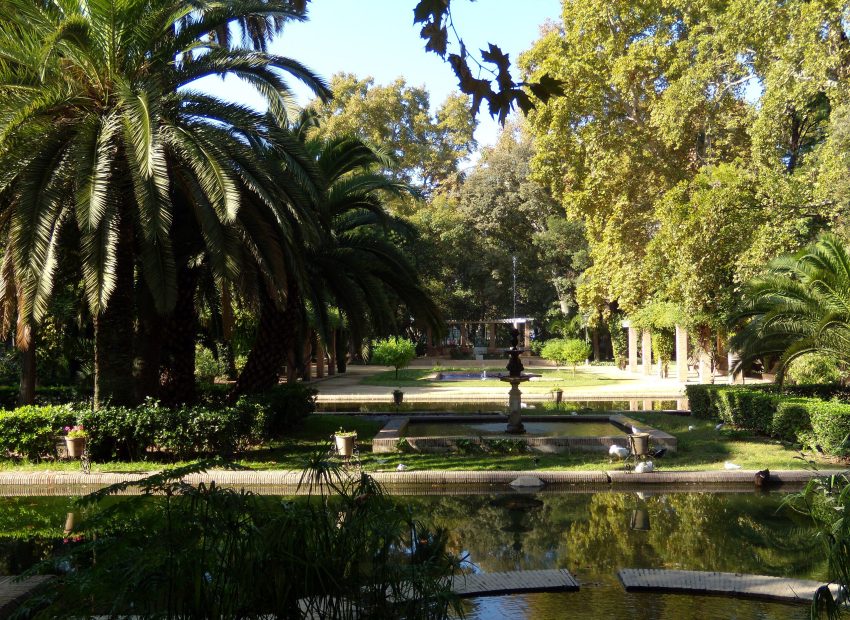
Parque de María Luisa is Seville's great “exhale”-a long, leafy park that runs south of the historic centre alongside the Guadalquivir, where the city shifts from stone and sun into shade, fountains, and birdsong. It's laid out with broad, tree-lined avenues and intimate garden pockets, and it's dotted with tiled benches, Moorish-style pools, and little pavilions that make the whole place feel like a stroll through Seville's imagination.
What I love most is how it works for almost every kind of day: a calm morning walk, a mid-afternoon reset, or the perfect green connector between monuments. This spot is one of the best places to see in Seville if you want beauty without a queue, and it's an easy highlight on a walking tour of Seville when you want something slower and more local than the headline sights.
Table of Contents
- History and Significance of the Parque de María Luisa
- Things to See and Do in the Parque de María Luisa
- How to Get to the Parque de María Luisa
- Practical Tips on Visiting the Parque de María Luisa
- Where to Stay Close to the Parque de María Luisa
- Is the Parque de María Luisa Worth Visiting?
- For Different Travelers
- FAQs for Visiting Parque de María Luisa
- Nearby Attractions to the Parque de María Luisa
History and Significance of the Parque de María Luisa
Before it became Seville’s public park, much of this land formed the gardens of the Palace of San Telmo. In 1893, Infanta María Luisa Fernanda de Borbón donated the grounds to the city, creating the foundation for the park as a shared civic space rather than a private garden.
In the early 20th century, the park was reshaped into its present character. From 1911, the French landscape designer Jean-Claude Nicolas Forestier reorganised the gardens, giving them their romantic, Andalusian rhythm of shaded lanes, water features, and carefully framed views that feel both planned and pleasantly meandering.
The park's most dramatic architectural chapter arrived with the lead-up to the Ibero-American Exposition of 1929. From 1914, architect Aníbal González began designing exhibition buildings and monumental spaces within and around the park, with Plaza de España becoming the grand centrepiece that still anchors most visits today.
Things to See and Do in the Parque de María Luisa
Start with Plaza de España, because it sets the scale: sweeping curves, tiled provincial alcoves, bridges, and water that turns the whole space into a stage. It's also a helpful orientation point-once you've seen it, you can decide whether you want to wander deeper into the greenery or loop back toward the city.
From there, let the park guide you along its main avenues, especially the long, tree-lined routes that cross the grounds like calm corridors. Where avenues meet, you’ll find statues, little plazas, and fountains that make the park feel like an open-air museum, with stops such as the squares dedicated to Gustavo Adolfo Bécquer and the Hermanos Quintero.
For classic details, seek out the Fuente de las Ranas and the Fuente de los Leones, both of which deliver that distinctly Sevillian mix of playful ornament and cooling water. Keep an eye out for the tiled benches as well-some are tucked into quiet corners where you can sit in the shade and watch the park’s daily life unfold.
For a slightly more “storybook” stop, climb Monte Gurugú, a rocky mound with stairs, a tunnel at the base, and a viewpoint pavilion at the top. Nearby, the Pavilion of Alfonso XII sits beside a small lake; even if it feels a bit worn, it has a romantic, timeworn charm that suits the park’s older, quieter moods.
And finally, notice the wildlife. The park is famous for doves, and you’ll often spot parakeets in the canopy and ducks and swans around the water-an everyday detail that makes the park feel more alive than “just landscaping.”
How to Get to the Parque de María Luisa
The nearest airport is Seville Airport (SVQ). For the best deals and a seamless booking experience, check out these flights to Seville on Booking.com. Málaga Airport (AGP) is another common option if you are touring Andalusia and then continuing to Seville. For the best deals and a seamless booking experience, check out these flights to Seville on Booking.com.
If you arrive by train, Sevilla-Santa Justa is the main station, and from there it's easiest to take a short taxi ride or a city bus toward the Prado de San Sebastián area and walk into the park from Plaza de España. Train schedules and bookings can be found on Omio. If you are already staying centrally, walking is simple: the park begins just beyond the historic core, and the stroll becomes part of the experience.
Local buses serve the edges of the park well, and Seville's Metro Line 1 stops at Prado de San Sebastián and San Bernardo, both within easy walking distance of Plaza de España and the main entrances.
If you are driving, aim for a public car park around the Prado de San Sebastián or the wider centre and walk the final stretch, since parking right beside the park can be time-consuming. If you are looking to rent a car in Spain I recommend having a look at Discover Cars, first, as they compare prices and review multiple car rental agencies for you.
Practical Tips on Visiting the Parque de María Luisa
- Entrance fee: Free
- Opening hours: (Summer) Daily: 08:00–00:00. (Winter) Daily: 08:00–22:00.
- Official website: http://visitasevilla.es/el-parque-de-maria-luisa-y-otros-jardines/parque-de-maria-luisa
- Best time to visit: Go early if you want a quiet, shaded walk, or late afternoon if you want softer light around fountains and Plaza de España.
- How long to spend: One hour is enough for a highlights loop, but 2-3 hours lets you slow down and enjoy the park’s quieter corners.
- Accessibility: The main paths are generally easy-going, but some garden sections include uneven surfaces and steps, so plan a flexible route.
- Facilities: Expect benches, shade, and plenty of space to rest; for cafés and longer breaks, use the nearby streets around Plaza de España and Prado.
Where to Stay Close to the Parque de María Luisa
For a culture-heavy itinerary, base yourself in the historic centre (Santa Cruz/Cathedral area) so you can walk to the main monuments; if your priority is calm mornings in the park and quick access to Plaza de España, stay around El Porvenir or Prado de San Sebastián.
For a convenient, park-adjacent base with an easy walk to Plaza de España, Meliá Sevilla is a strong all-round choice. If you want a polished hotel that keeps you close to the park while also sitting well for transport links, Hotel Sevilla Center makes logistics simple without feeling far from the action. For a reliable mid-range option in the same general area, Hesperia Sevilla works well for travellers who want comfort, walkability, and a straightforward base.
Is the Parque de María Luisa Worth Visiting?
Yes, especially if you want to see a softer, more everyday Seville that locals actually use. The park delivers beauty in a low-effort way-shade, water, tilework, and constant small details-without the pressure of tickets, time slots, or crowds pressing you forward.
It's also a smart “balance” stop. If your day is heavy on stone monuments and museum interiors, an hour here resets your pace and makes the rest of Seville feel more breathable.
What Other Travellers Say...

Parque de María Luisa in Seville is a large, well-kept urban park adjacent to the Plaza de España, offering landscaped gardens, scenic plazas, fountains and monuments; visitors praise its peaceful, romantic corners and family-friendly open spaces for picnics, shade and relaxing walks among varied trees, plants and wildlife, note public restrooms and dog-friendly areas, enjoy art and occasional performances near the plaza and a small boating canal there, and mention occasional nuisances like loud cicadas or horse carriage droppings in spots.


For Different Travelers
Families with Kids
This park is an easy win for families because it's flexible: you can keep moving, stop whenever you want, and let the fountains and birds do the entertaining. A good strategy is to anchor your visit around Plaza de España first, then wander into the greener paths where kids can burn energy without navigating traffic.
Bring water and plan small breaks rather than one long sit-down. The tiled benches and shaded corners make it simple to pause, regroup, and keep the visit enjoyable instead of turning it into a forced march.
Couples & Romantic Getaways
For couples, Parque de María Luisa is Seville at its most cinematic: shaded avenues, tiled details, and quiet corners that feel made for slow wandering. It's especially good when the light is softer and the fountains add that gentle background soundtrack that makes everything feel calmer.
Build a simple sequence: park stroll, Plaza de España, then a drink nearby. The best romantic version of this park is unhurried-more lingering than sightseeing.
Budget Travelers
This is one of Seville’s best-value experiences because it costs nothing and still feels iconic. You can spend a full afternoon here with nothing more than a bottle of water and a snack, and it won’t feel like you “missed” anything by skipping a paid attraction.
Use it as a connector between neighbourhoods rather than a standalone detour. When you treat the park as part of your walking day, you get more atmosphere for free and less time spent on transport.
FAQs for Visiting Parque de María Luisa
Getting There
Visiting Experience
Photography
Accessibility & Facilities
Food & Breaks Nearby
Safety & Timing
Nearby Attractions to the Parque de María Luisa
- Plaza de España: Seville's most iconic square, a sweeping architectural landmark built for the 1929 exposition.
- Plaza de América: A quieter monumental plaza with exhibition-era buildings and a calmer, more local feel.
- Museo de Artes y Costumbres Populares: A well-located museum that adds cultural context to Andalusia's daily life and traditions.
- Triana Market: A lively food market across the river that's ideal for tapas and local produce after a park morning.
- Real Alcázar of Seville: Seville's essential palace complex, an easy pairing if you are planning a full day of landmark sightseeing.
The Parque de María Luisa appears in our Complete Guide to Visiting Seville!

Moira & Andy
Hey! We're Moira & Andy. From hiking the Camino to trips around Europe in Bert our campervan — we've been traveling together since retirement in 2020!
This website uses affiliate links which may earn a commission at no additional cost to you!
Planning Your Visit
(Summer) Daily: 08:00-00:00.
(Winter) Daily: 08:00-22:00.
Free
Nearby Attractions
- Museo de Artes y Costumbres Populares (0.3) km
Historic Building and Museum - Plaza de España (0.3) km
Historic Site and Square - Plaza de America (0.4) km
Historic Site and Park - La Casa de la Ciencia (0.4) km
Historic Building and Museum - Museo Histórico Militar (0.4) km
Museum - Archeological Museum (0.4) km
Historic Building and Museum - Real Fabrica de Tabacos (0.7) km
Historic Building - Palacio de San Telmo (0.8) km
Historic Building and Palace - Royal Alcázars of Seville (0.9) km
Historic Building and Palace - Barrio Santa Cruz (1.1) km
Area