Oratory of San Rocco, Riomaggiore
Church in Riomaggiore
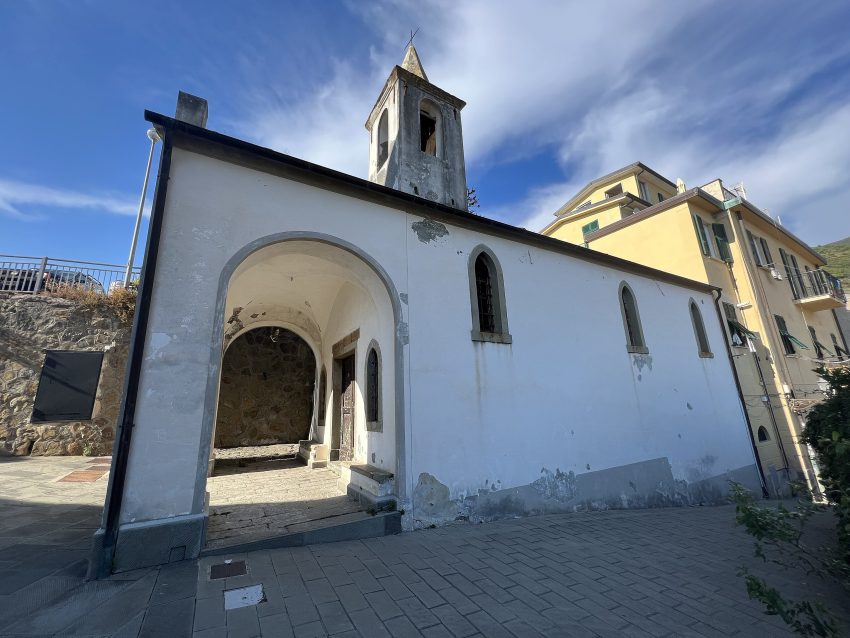
Perched beside one of the castle towers above Riomaggiore, the Oratorio di San Rocco e San Sebastiano is a small, atmospheric chapel that rewards curious travelers who like finding the “in-between” places most people walk past. It's modest in size and understated in design, but its setting is superb: high enough to feel removed from the marina crowds, close enough to the village lanes that it slips easily into your route.
The oratory is one of the things to see in Riomaggiore if you want a quick, meaningful pause with both history and views, and it fits naturally into a walking tour of Riomaggiore when you're already climbing toward the castle. Even a short stop here feels like stepping into a quieter layer of the village-one shaped by hardship, gratitude, and everyday faith rather than postcard scenery alone.
Table of Contents
- History and Significance of the Oratorio di San Rocco e San Sebastiano
- Things to See and Do in the Oratorio di San Rocco e San Sebastiano
- How to Get to the Oratorio di San Rocco e San Sebastiano
- Practical Tips on Visiting the Oratorio di San Rocco e San Sebastiano
- Where to Stay Close to the Oratorio di San Rocco e San Sebastiano
- Is the Oratorio di San Rocco e San Sebastiano Worth Visiting?
- For Different Travelers
- FAQs for Visiting Oratorio di San Rocco e San Sebastiano
- Nearby Attractions to the Oratorio di San Rocco e San Sebastiano
History and Significance of the Oratorio di San Rocco e San Sebastiano
The oratory is thought to have been built around 1480 as an act of thanksgiving after a plague ended, which explains its dedication to two saints closely associated with protection and healing. San Rocco is traditionally linked to plague sufferers, while San Sebastiano is another figure long invoked against epidemics, giving the building a clear purpose rooted in communal memory.
Architecturally, it’s deliberately simple: a white-plastered façade, a small gabled portico, and a restrained entrance that doesn’t compete with the dramatic castle silhouette nearby. The most expressive detail is right above the doorway, where a stone architrave carries subtle bas-relief figures of the two saints-San Rocco marked by the signs of illness, and San Sebastiano identified by his arrows.
Inside, the small barrel-vaulted chamber once held a devotional focus that tied the oratory closely to parish life: a triptych depicting the Virgin and Child between Saints Rocco and Sebastian. That artwork was later moved to the Church of San Giovanni Battista, a reminder that in villages like Riomaggiore, sacred objects often shift location over time while the sites themselves retain their original meaning.
Things to See and Do in the Oratorio di San Rocco e San Sebastiano
Begin with the façade and doorway details. The oratory’s charm is in its restraint, so it helps to slow down and look closely-especially at the carved architrave, which is the kind of quiet craftsmanship you miss if you treat the stop as a quick photo.
Step inside if it’s open and take in the intimate scale of the interior. The barrel vault gives the space a soft, enclosed feel, and the remaining frescoes read as the oratory’s “memory layer,” hinting at the devotional life it once hosted more actively.
Finally, use the location to your advantage. Because it sits beside the castle area, this is a perfect moment to pause for panoramic views, then continue your loop either deeper into the upper village lanes or back down toward the marina for a sea-level contrast.
How to Get to the Oratorio di San Rocco e San Sebastiano
The most convenient airports for reaching Riomaggiore are typically Pisa International Airport and Genoa Cristoforo Colombo Airport, depending on your route through Liguria. For the best deals and a seamless booking experience, check out these flights to Riomaggiore on Booking.com. From either, you'll usually connect onward via La Spezia as the main transport hub for the Cinque Terre.
Riomaggiore is one of the easiest Cinque Terre villages to reach by regional train, and arriving by rail is usually the simplest way to avoid traffic and parking constraints. Use Omnio to easily compare schedules, book train tickets, and find the best prices all in one place for a hassle-free journey across Italy. From the station, walk into the village and then follow the uphill lanes toward the castle area, where the oratory sits nearby.
Buses can be useful if you're staying in La Spezia or nearby hillside settlements, but service patterns vary by season and time of day, so trains are usually the most reliable backbone. If you're driving, plan to park in the upper areas outside the tightest village streets and complete the final approach on foot. If you are looking to rent a car in Italy I recommend having a look at Discover Cars, first, as they compare prices and review multiple car rental agencies for you.
Practical Tips on Visiting the Oratorio di San Rocco e San Sebastiano
- Entrance fee: Free
- Opening hours: Daily: 9:00 AM – 6:00 PM
- Best time to visit: Go earlier in the day for a calmer climb and clearer views over the rooftops and coastline. Late afternoon is also excellent if you want warmer light and a quieter, more atmospheric upper-village feel.
- How long to spend: Plan 10-20 minutes for a quick look and photos, or 30 minutes if you want to linger, read the details, and pair it with a slow pause near the castle viewpoints.
- Accessibility: Expect steep village gradients and steps on the approach, with uneven historic paving near the castle area. If you want an easier visit, focus on a short stop as part of a gentle upper-village loop rather than a rushed climb.
- Facilities: There are no dedicated facilities at the oratory itself, so treat the village below as your base for restrooms, water, and café breaks. It’s best visited with a bottle of water already in your bag, especially in warmer months.
Where to Stay Close to the Oratorio di San Rocco e San Sebastiano
For a culture-heavy itinerary, base yourself in central Riomaggiore near the village lanes so you can reach the upper viewpoints early and late; if your trip focuses on transport convenience and day trips beyond the Cinque Terre, La Spezia is often the most practical base.
For a comfortable stay within easy walking reach of the upper village routes, consider Hotel Villa Argentina. If you prefer a characterful option close to the waterfront atmosphere while still walkable uphill when you choose, Scorci Di Mare is a strong pick. For a quieter, slightly tucked-away feel that suits early starts and slower pacing, Locanda Ca' Da Iride fits well.
Is the Oratorio di San Rocco e San Sebastiano Worth Visiting?
Yes, if you enjoy small, meaningful places that add texture to a destination. The oratory won’t take long, but it adds a human-scale story-built in gratitude after plague-alongside one of Riomaggiore’s best panoramic settings.
It’s also worth visiting because it pairs perfectly with the castle area. Instead of treating the climb as a single-point destination, the oratory turns it into a richer loop where architecture, devotion, and views all meet in one compact stop.
What Other Travellers Say...

Oratorio di San Rocco is a small whitewashed chapel high in Riomaggiore next to the castle and one of its towers, set above the village and offering a panoramic view; visitors praise its exterior beauty and scenic position but note the interior is often closed and in need of restoration, and reaching it involves a steep stairway from the upper parking area.


For Different Travelers
Families with Kids
This stop works best for families as a quick “spot the castle, spot the chapel” moment rather than a long cultural visit. The setting is visually clear and easy to explain, and it gives kids a concrete story: a tiny chapel built long ago to say thank you after sickness ended.
To keep it smooth, build the oratory into a simple uphill-and-downhill loop with a clear reward afterward, like gelato or a marina break. The key is pacing the climb and avoiding turning it into a forced “museum moment” if attention spans are short.
Couples & Romantic Getaways
For couples, the oratory is a quiet, intimate stop that feels removed from the busiest lanes, especially earlier in the day or toward late afternoon. The simplicity of the space and the panoramic position make it a natural place to slow down and enjoy a calmer side of Riomaggiore.
It also pairs nicely with a gentle itinerary: an unhurried climb, a short pause at the oratory and castle viewpoints, then a relaxed descent into the village for aperitivo. It’s the kind of low-effort, high-atmosphere stop that can become a favorite memory.
Budget Travelers
This is a high-value addition because it costs little in time and can be folded into a route you’re already walking. The main payoff is the viewpoint and the sense of discovering something quieter than the marina scene, which is exactly the kind of “free highlight” that makes a day feel richer.
If you’re watching costs, use stops like this to structure your day around walking loops and scenic pauses. A bottle of water and a snack from the village shops is often all you need to make the upper-village climb feel comfortable and rewarding.
FAQs for Visiting Oratorio di San Rocco e San Sebastiano
Getting There
Visiting Experience
Tours, Context & Itineraries
Photography
Food & Breaks Nearby
Nearby Attractions to the Oratorio di San Rocco e San Sebastiano
- Castello di Riomaggiore: The village's hilltop fortress site, ideal for wide views and a sense of Riomaggiore's defensive past.
- Chiesa di San Giovanni Battista: Riomaggiore’s main church, a key cultural stop in the village lanes with a strong historic presence.
- Marina di Riomaggiore: The iconic waterfront for classic photos, sea views, and an easy post-climb break.
- Santuario di Nostra Signora di Montenero: A higher hilltop sanctuary hike above Riomaggiore for bigger views and a quieter atmosphere.
- Manarola: The neighboring Cinque Terre village, perfect for extending your day with a different viewpoint and village character.
The Oratory of San Rocco appears in our Complete Guide to Visiting Riomaggiore!

Moira & Andy
Hey! We're Moira & Andy. From hiking the Camino to trips around Europe in Bert our campervan — we've been traveling together since retirement in 2020!
This website uses affiliate links which may earn a commission at no additional cost to you!
Planning Your Visit
Daily: 9:00 AM - 6:00 PM
Free
Nearby Attractions
- Riomaggiore Castle (0.0) km
Castle - Church of San Giovanni Battista (0.2) km
Church - Oratory of the Disciplinati of Riomaggiore (0.3) km
Church - Santuario di Nostra Signora di Montenero (0.8) km
Church - Church of San Lorenzo (1.0) km
Church - Oratory of the Disciplinati of Manarola (1.0) km
Church - Bastion of Manarola (1.1) km
Castle - Santuario di Nostra Signora della Salute (1.9) km
Religious Building - Church of San Pietro (3.2) km
Church - Oratory of the Disciplinati di Santa Caterina (3.2) km
Church