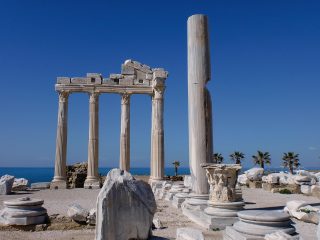
Ephesus Archaeological Museum, Selçuk
Attraction, Historic Site and Museum in Selçuk
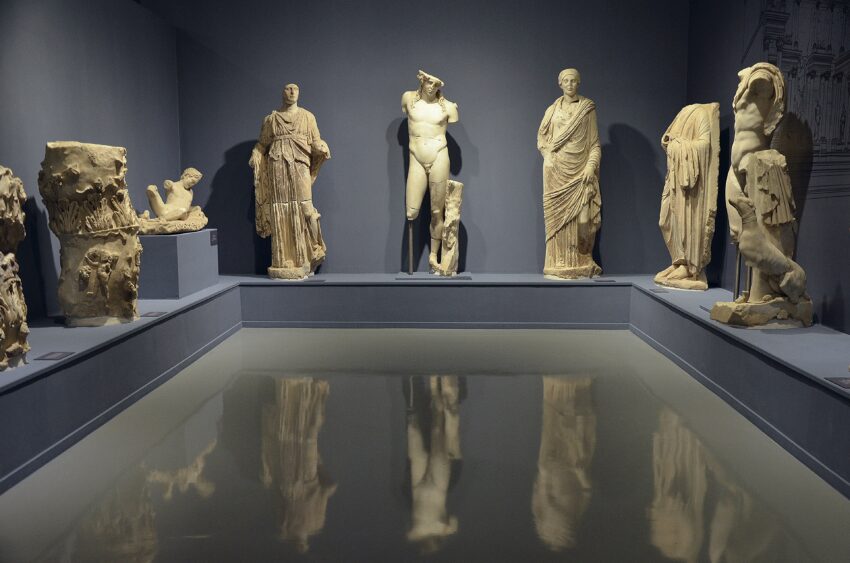
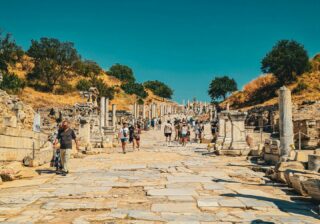
The Ephesus Archaeological Museum is the compact, high-impact place to see the statues, inscriptions, everyday objects, and architectural fragments excavated from ancient Ephesus and the surrounding region. It's located in the modern town of Selçuk (often used as the base for visiting Ephesus), making it an easy stop either before or after you walk the famous marble streets of the archaeological site.
If you're doing Ephesus on a walking tour, the museum is one of the best places to add context: you'll recognize details from the ruins, understand what's missing on-site, and get a clearer picture of the Temple of Artemis and civic life in the Roman city. Many travelers find it especially worthwhile as a “decoder” visit before heading out to the Ephesus Ancient City and nearby highlights.
Table of Contents
- History and Significance of the Ephesus Archaeological Museum
- Things to See and Do in the Ephesus Archaeological Museum
- How to Get to the Ephesus Archaeological Museum
- Practical Tips on Visiting the Ephesus Archaeological Museum
- Where to Stay Close to the Ephesus Archaeological Museum
- Is the Ephesus Archaeological Museum Worth Visiting?
- For Different Travelers
- FAQs for Visiting Ephesus Archaeological Museum
History and Significance of the Ephesus Archaeological Museum
The museum exists because Ephesus was one of the most intensively excavated ancient cities in the eastern Mediterranean, producing an enormous range of finds-from monumental sculpture to small personal items. Rather than leaving key pieces exposed at the site (or dispersed), the museum brings them together in a curated, climate-controlled setting where you can see them up close.
Its significance is practical as much as historical: Ephesus is spectacular, but it's also a place of fragments. In the museum, those fragments become legible-faces on statues, relief details, inscriptions, and objects of daily life that rarely survive in situ. Visiting here helps you connect the grand architecture you'll see outdoors with the people who lived, traded, worshipped, and governed in the city.
Because Selçuk sits amid multiple eras-ancient Greek and Roman Ephesus, Byzantine layers, and later Turkish history-the museum also works as a bridge between the region's timelines. It's a concentrated way to understand why this valley mattered for so long.
Things to See and Do in the Ephesus Archaeological Museum
Start by moving slowly through the main galleries and treating the museum like a “best-of” compilation of Ephesus: sculpture, carved reliefs, and architectural elements that once decorated temples, public buildings, and wealthy homes. Even if you're not a specialist, the craftsmanship and scale make the ancient city feel immediate.
Look for displays that help you visualize what you'll barely see at the Temple of Artemis today-models, fragments, and interpretive exhibits can make that stop far more meaningful. If you're visiting Ephesus with an audio guide or a guidebook, the museum is also a good place to match names and motifs to real objects rather than reading them off a sign at the ruins.
Finally, use the museum as a planning tool: after you've seen the artifacts, you'll know what to prioritize at the archaeological site (library area viewpoints, major civic spaces, and key photo stops). If you're traveling with limited time, the museum can deliver a satisfying dose of Ephesus even when heat or crowds make a long outdoor visit less appealing.
How to Get to the Ephesus Archaeological Museum
The nearest major airport is İzmir Adnan Menderes Airport (ADB), which is the most convenient gateway for most travelers heading to Selçuk and Ephesus. For the best deals and a seamless booking experience, check out these flights to Selçuk on Booking.com.
To reach Selçuk by train, you can use regional rail connections from İzmir (often via the airport area or İzmir's main rail hubs), then continue locally to the museum on foot or by a short taxi ride. You can use the official TCDD Taşımacılık website to check schedules, compare routes, and purchase tickets for Türkiye’s national and regional trains operated by TCDD. For a more streamlined experience (especially if you prefer an English interface or want to compare across countries), we recommend using Omio, which allows you to easily compare prices, schedules, and book train tickets across Türkiye and the rest of Europe — all in one place.
If you're traveling by car, Selçuk is straightforward to reach from İzmir via major highways, and the museum is in town so you can combine it with other Selçuk sights in one loop. If you are looking to rent a car in Türkiye I recommend having a look at Discover Cars, first, as they compare prices and review multiple car rental agencies for you.
Practical Tips on Visiting the Ephesus Archaeological Museum
- Official website: https://muze.gov.tr/muze-detay?SectionId=EFM01&DistId=EFM
- Entrance fee: Adults: 10 Euro
- Opening hours: Daily: 08:00–17:30.
- Best time to visit: Go early in the day for a calmer experience, especially if you're pairing it with Ephesus Ancient City later. Midday can feel busier when tour groups and school visits arrive.
- How long to spend: Plan 60-90 minutes for a focused visit, or up to 2-3 hours if you like reading labels, taking photos, and lingering in the sculpture rooms.
- Accessibility: Expect a standard indoor museum setup, but allow for occasional steps/thresholds and tight corners in some galleries. If you need step-free routing, ask staff at entry for the easiest path.
- Facilities: There is typically a ticket desk and basic visitor amenities; it's smart to use restrooms before heading out to the Ephesus ruins where walking is longer and shade is limited.
Where to Stay Close to the Ephesus Archaeological Museum
Base yourself in central Selçuk for the easiest logistics: you'll be close to the museum, restaurants, and quick transport to Ephesus Ancient City.
Ayasoluk Hotel Chosen for its boutique feel and strong location for walking between Selçuk’s key sights, making museum mornings and relaxed evenings easy.
Saint John Hotel A practical, comfortable pick near the center, ideal if you want a straightforward base with quick access to the museum and transport.
Ephesus Centrum Included for its central convenience and good value, especially for travelers prioritizing walkability over resort-style amenities.
Cella Boutique Hotel & Spa A good option if you want a more modern stay and a bit of downtime after long days at outdoor sites.
Akanthus Hotel Ephesus Selected for travelers who like a smaller, personable hotel where staff can help coordinate taxis and day plans around Ephesus and the museum.
Is the Ephesus Archaeological Museum Worth Visiting?
Yes-especially if you're already making the trip to Ephesus Ancient City. The ruins are unforgettable, but the museum adds the missing “human scale” through sculpture, inscriptions, and objects that make the site's names and stories feel real rather than abstract.
Honest Pivot: If you’re short on time and only want the big outdoor wow-factor, you could skip the museum and focus on the ancient city itself. It’s also less essential for travelers who don’t enjoy indoor exhibits or who are already visiting a major archaeology museum elsewhere on the same trip.
What Other Travellers Say...
Travelers rate it very highly overall and often describe it as a must-see for understanding Ephesus. Common positives include the strong historical context (especially helpful before visiting the ruins and the Temple of Artemis), plenty of photo-worthy artifacts, and a visit that can be leisurely if you like to read and linger. The most frequent drawbacks are that it feels small for the price and that crowds can build later in the day, making the experience less calm.





For Different Travelers
The museum works best as a flexible add-on: you can keep it quick for context, or go deep if you love artifacts and details. Because it's in Selçuk, it also pairs well with a slower-paced day that mixes indoor culture with nearby landmarks.
Families with Kids
For kids, the museum can be a helpful “story starter” before the big walk at the ruins-seeing statues and recognizable shapes makes the ancient city easier to imagine. Keep the visit short and let them pick a few favorite objects to “hunt for” in motifs and symbols later.
If your family is sensitive to heat, the museum is a smart midday break between outdoor stops. Pair it with a simple treat in Selçuk afterward to keep energy up for the rest of the day.
Couples & Romantic Getaways
Couples often enjoy the museum as a calmer counterpoint to the crowds at the archaeological site. It’s a good place to slow down, take photos thoughtfully, and share the “did you notice that?” moments that get lost in big tour groups.
Plan it as part of a gentle Selçuk day: museum first, then a scenic stop at the Basilica of St. John area or a sunset viewpoint nearby. It's an easy way to add depth without adding stress.
Budget Travelers
The museum can feel pricey to some visitors for its size, so budget travelers should decide whether they want artifact context or prefer to spend time (and money) on the main Ephesus site. If you're choosing just one paid stop, the ruins usually deliver the biggest single experience.
That said, the museum is one of the most efficient “learning-per-minute” visits in the area. If you’re traveling independently without a guide, it can substitute for a paid tour by giving you clearer context.
History Buffs
If you care about Roman urban life, cult practice, and how archaeology reconstructs a city, this museum is absolutely worth it. You’ll get close-up access to pieces that are hard to appreciate outdoors, where scale and sunlight can flatten details.
History buffs should visit before the ruins if possible, then return to the site with fresh eyes. It's one of the best ways to turn Ephesus from a beautiful walk into a coherent narrative.
FAQs for Visiting Ephesus Archaeological Museum
Getting There
Tickets & Entry
Visiting Experience
Tours, Context & Itineraries
Photography
Accessibility & Facilities
Food & Breaks Nearby
Safety & Timing
The Ephesus Archaeological Museum appears in our Complete Guide to Visiting Selçuk!

Moira & Andy
Hey! We're Moira & Andy. From hiking the Camino to trips around Europe in Bert our campervan — we've been traveling together since retirement in 2020!
This website uses affiliate links which may earn a commission at no additional cost to you!
Planning Your Visit
Daily: 08:00-17:30.
Adults: 10 Euro
Nearby Attractions
- Isa Bey Hamam (0.3) km
Baths, Historic Site and Ruins - Temple of Artemis (0.4) km
Attraction, Historic Site and Ruins - Urban Memory Museum (0.4) km
Attraction and Museum - Byzantine Aqueducts (0.4) km
Aqueduct, Attraction and Historic Site - İsa Bey Mosque (0.4) km
Historic Building, Mosque and Religious Building - Basilica of Saint John (0.5) km
Basilica, Historic Site and Ruins - Ayasuluk Castle (0.6) km
Castle, Historic Site and Viewing Point - Grotto of the Seven Sleepers (1.3) km
Attraction, Cave and Historic Site - Baths of Varius (2.4) km
Baths, Roman Site and Ruins - Odeon (2.4) km
Roman Site, Ruins and Theatre