Temple of Artemis, Selçuk
Attraction, Historic Site and Ruins in Selçuk
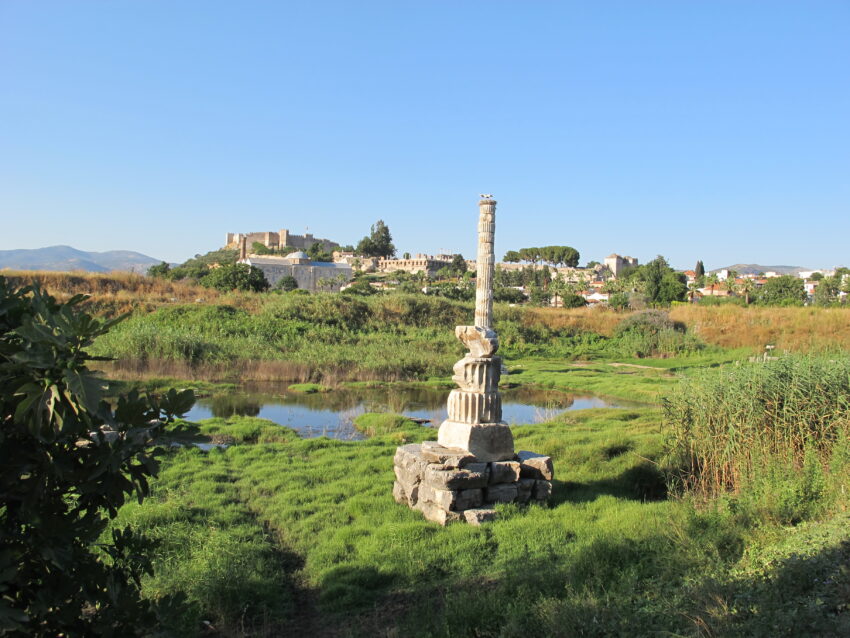
The Temple of Artemis (Artemision) is one of the most famous names in ancient history: a sanctuary at Ephesus that once ranked among the Seven Wonders of the Ancient World. Today, the on-site remains are modest, but the place still carries real weight when you stand on the former footprint of a monument that drew pilgrims, merchants, and rulers for centuries.
The site sits near modern Selçuk (the gateway town for Ephesus) and is easy to add to a day of sightseeing. Many travelers see it as a short, reflective stop on a walking tour or as a quick detour between Ephesus Ancient City, the Basilica of St. John, and the Ephesus Archaeological Museum, with the best views coming from the perimeter paths where you can take in the column and the surrounding wetlands.
Table of Contents
- History and Significance of the Temple of Artemis
- Things to See and Do in the Temple of Artemis
- How to Get to the Temple of Artemis
- Practical Tips on Visiting the Temple of Artemis
- Where to Stay Close to the Temple of Artemis
- Is the Temple of Artemis Worth Visiting?
- For Different Travelers
- FAQs for Visiting Temple of Artemis
History and Significance of the Temple of Artemis
The Temple of Artemis at Ephesus was not just a single building but a long-lived sacred complex that evolved over time. It was dedicated to Artemis, whose Ephesian cult blended local Anatolian traditions with the wider Greek world, making the sanctuary both a religious powerhouse and a symbol of the city's identity.
In antiquity, the Artemision’s scale and artistry helped it earn a place among the Seven Wonders. Ancient writers described a vast, columned temple that impressed visitors with its marble, sculpture, and sheer footprint, and it became a magnet for pilgrims and patrons.
Over centuries, destruction, rebuilding, and shifting political realities changed the site's fate. What you see now is a reminder of how thoroughly time can transform even the grandest monuments, and why the best way to appreciate the Artemision is to pair this stop with the museum collections in Selçuk, where key Artemis-related finds help restore context.
Things to See and Do in the Temple of Artemis
The main visual anchor is the solitary reconstructed column rising from the field, a striking “before and after” moment when you consider what once stood here. Walk the edges of the site to understand the temple’s footprint and to spot subtle changes in ground level that hint at buried foundations.
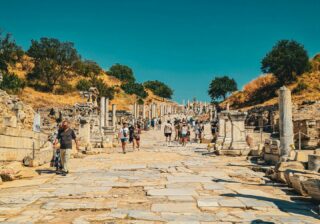
Bring your curiosity rather than a checklist: this is a place for imagining scale, ritual, and city life rather than ticking off intact structures. If you've just toured the Marble Road and Library of Celsus inside Ephesus Ancient City, the contrast is part of the experience.
For a richer visit, treat the Temple of Artemis as a chapter in a broader itinerary. Combine it with the Ephesus Archaeological Museum in Selçuk to see Artemis statues and related artifacts, then return here with that imagery in mind; it makes the “empty” landscape feel far more legible.
How to Get to the Temple of Artemis
The nearest major airport is İzmir Adnan Menderes Airport (ADB), which is the most convenient hub for reaching Selçuk and the Ephesus area; some travelers also route via Bodrum-Milas Airport (BJV) depending on their wider Aegean plans. For the best deals and a seamless booking experience, check out these flights to Selçuk on Booking.com.
To reach the area by rail, take a train to Selçuk (commonly via İzmir), then continue by taxi or a short local ride to the Temple of Artemis area. You can use the official TCDD Taşımacılık website to check schedules, compare routes, and purchase tickets for Türkiye’s national and regional trains operated by TCDD. For a more streamlined experience (especially if you prefer an English interface or want to compare across countries), we recommend using Omio, which allows you to easily compare prices, schedules, and book train tickets across Türkiye and the rest of Europe — all in one place.
If you're driving, Selçuk is straightforward to reach on regional highways from İzmir and Kuşadası, and the Temple of Artemis is a quick hop from the town center. If you are looking to rent a car in Türkiye I recommend having a look at Discover Cars, first, as they compare prices and review multiple car rental agencies for you.
Practical Tips on Visiting the Temple of Artemis
- Entrance fee: Free.
- Opening hours: Daily: 08:00–19:30.
- Best time to visit: Go early morning or late afternoon for softer light and fewer tour buses, especially in warmer months.
- How long to spend: Plan 15-30 minutes on-site, or longer if you’re photographing and reading up on the layout.
- Accessibility: The terrain is generally flat but can be uneven and muddy after rain; sturdy shoes help.
- Facilities: Facilities on-site are limited, so use cafés, restrooms, and shops in Selçuk before or after your stop.
Where to Stay Close to the Temple of Artemis
Base yourself in central Selçuk for the easiest access to the Temple of Artemis, Ephesus Ancient City, the museum, and restaurants on foot or by short taxi rides.
Ayasoluk Hotel This is a strong choice if you want a boutique feel and a relaxing base between big sightseeing blocks, with an atmosphere that suits couples and slow travelers.
Cella Boutique Hotel & Spa Pick this one if you like having a spa-style reset after walking Ephesus; it's a comfortable option for travelers who want a bit more “hotel” after a day in the sun.
Ephesus Centrum A practical, central base that works well for early starts and quick returns, especially if you’re planning to stack multiple sites in one day.
Akanthus Hotel Ephesus A good fit for travelers who prioritize modern comfort and a polished stay while still being close to Selçuk’s main sights.
Urkmez Hotel A solid budget-friendly option with a convenient location, ideal if you’d rather spend on guides, museum tickets, and day trips.
Is the Temple of Artemis Worth Visiting?
Yes, with the right expectations. The Temple of Artemis is not a “ruins walk” in the way Ephesus Ancient City is; it's a short stop that rewards travelers who enjoy historical imagination, big-picture storytelling, and the satisfaction of standing at a Seven Wonders location.
Honest Pivot: If you're short on time and mainly want dramatic, intact structures and photo-heavy ruins, you may prefer to focus your energy on Ephesus Ancient City, the Terrace Houses, and the Ephesus Archaeological Museum instead. The Artemision is best for travelers who like completing the narrative and don't mind that the physical remains are minimal.
What Other Travellers Say...
Reviewers describe the Temple of Artemis near Selçuk/Ephesus as a worthwhile stop for its historical significance as a Seven Wonder, even though only ruins and a few columns remain. Visitors appreciate that it's free to enter, easy to reach from town or nearby parking, and offers a scenic, reflective experience (sometimes with storks and ongoing excavations). Common downsides are limited remains, modest presentation, and that it can be poorly signposted; the gravel access can also be a bit difficult for some, so comfortable shoes and sun protection are recommended.





For Different Travelers
The Temple of Artemis can fit almost any itinerary because it's quick and close to Selçuk, but it lands differently depending on what you enjoy most. Think of it as a “context stop” that becomes more meaningful when paired with Ephesus and the museum.
Families with Kids
Kids often enjoy the idea that this was once one of the Seven Wonders, and it can be a fun “spot the difference” moment after seeing the grand streets of Ephesus. Keep the visit short and turn it into a storytelling stop: what would the temple have looked like, and why did people come here?
Because there's less to physically explore, families do best when they combine this with a more engaging nearby site the same day. A simple plan is Ephesus Ancient City first, then the museum, then a quick stop here to connect the dots.
Couples & Romantic Getaways
For couples, the appeal is the quiet, open setting and the sense of place rather than the architecture itself. It’s a calm pause between bigger attractions, and late-afternoon light can make the scene feel surprisingly atmospheric.
Pair it with a relaxed evening in Selçuk or a sunset viewpoint nearby, and it becomes part of a slower, more romantic rhythm. It's less about “seeing everything” and more about savoring the story.
Budget Travelers
This is an easy add-on for budget travelers because it doesn't require a long visit and doesn't demand extra planning. You can keep costs low by staying in Selçuk, walking where possible, and prioritizing one paid highlight (like the museum or a guided Ephesus visit) for deeper context.
If you're traveling independently, the Temple of Artemis works well as a self-guided stop with a bit of reading beforehand. It's also a good “buffer” activity if you're waiting for a train or bus connection.
History Buffs
History lovers will appreciate the Artemision as a key piece of Ephesus’s identity, especially the religious and economic role the sanctuary played. The real payoff comes from connecting this landscape to what you see in Selçuk’s museum collections and to the later layers of the region’s history.
Treat it as a field note rather than a headline attraction: stand back, map the footprint in your mind, and consider how sacred space, trade, and power intersected here. For many history buffs, that mental reconstruction is the point.
FAQs for Visiting Temple of Artemis
Getting There
Tickets & Entry
Visiting Experience
Tours, Context & Itineraries
Photography
Accessibility & Facilities
Food & Breaks Nearby
Safety & Timing
The Temple of Artemis appears in our Complete Guide to Visiting Selçuk!

Moira & Andy
Hey! We're Moira & Andy. From hiking the Camino to trips around Europe in Bert our campervan — we've been traveling together since retirement in 2020!
This website uses affiliate links which may earn a commission at no additional cost to you!
Nearby Attractions
- Isa Bey Hamam (0.2) km
Baths, Historic Site and Ruins - İsa Bey Mosque (0.3) km
Historic Building, Mosque and Religious Building - Ephesus Archaeological Museum (0.4) km
Attraction, Historic Site and Museum - Basilica of Saint John (0.5) km
Basilica, Historic Site and Ruins - Ayasuluk Castle (0.6) km
Castle, Historic Site and Viewing Point - Urban Memory Museum (0.6) km
Attraction and Museum - Byzantine Aqueducts (0.7) km
Aqueduct, Attraction and Historic Site - Grotto of the Seven Sleepers (1.1) km
Attraction, Cave and Historic Site - Theater Gymnasium (2.2) km
Historic Site, Roman Site and Ruins - Ancient Greek Theater (2.2) km
Attraction, Historic Site and Theatre