Church of San Giovanni Battista, Riomaggiore
Church in Riomaggiore
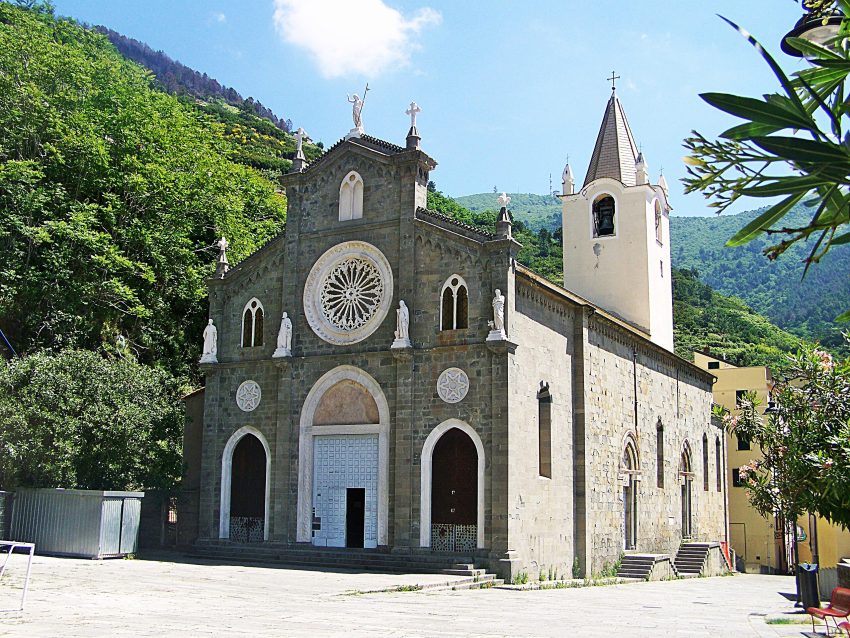
Set in the higher part of Riomaggiore, the Chiesa di San Giovanni Battista is introduced by a broad paved square that instantly feels like a natural meeting point in the village, with the hillside rising along its northern edge. It's the kind of place you reach after a short climb through steep lanes, then pause for a breath-partly for the view and partly because the church's façade gives you a lot to take in.
This is one of the top sights in Riomaggiore because it combines real local history with details you can appreciate even on a quick visit, and it's an easy cultural anchor for a walking tour of Riomaggiore when you want something more grounded than viewpoints alone. The church's story is written into its stonework: medieval origins, later renovation, and a confident neo-Gothic look that stands out beautifully against the village's softer coastal palette.
Table of Contents
- History and Significance of the Chiesa di San Giovanni Battista
- Things to See and Do in the Chiesa di San Giovanni Battista
- How to Get to the Chiesa di San Giovanni Battista
- Practical Tips on Visiting the Chiesa di San Giovanni Battista
- Where to Stay Close to the Chiesa di San Giovanni Battista
- Is the Chiesa di San Giovanni Battista Worth Visiting?
- For Different Travelers
- FAQs for Visiting Chiesa di San Giovanni Battista
- Nearby Attractions to the Chiesa di San Giovanni Battista
History and Significance of the Chiesa di San Giovanni Battista
The church’s significance is tied to two major moments. The first is the mid-14th century, when construction began under the direction of Antonio Fieschi, Bishop of Luni, at the start of his vicariate-a formal foundation point that places the building within Riomaggiore’s medieval growth. The second is the 19th century, when an extensive renovation culminated in a neo-Gothic façade and an expanded structure, giving the church much of the appearance visitors recognise today.
Architectural tradition links the original plan to the Antelami Masters from Lombardy, and even if you're not coming with an art-history checklist, you can still feel that the older fabric has a different rhythm from the later additions. One of the most distinctive surviving elements is the Carrara marble rose window, positioned on the right side, which acts as a quiet, refined counterpoint to the bolder neo-Gothic styling of the front.
What makes the church especially rewarding is how the 19th-century restoration didn’t just “freshen” the building-it actively reshaped it, including relocating the original rose window and extending the church by an additional span. That layered identity gives the site a more interesting texture than a single-era monument, because you can read it as a living structure adapted to the village’s needs and tastes over time.
Things to See and Do in the Chiesa di San Giovanni Battista
Start outside in the square and take a slow look at the façade and proportions before going in. This open space is part of the experience: it frames the church, gives you room to step back for photos, and makes the approach feel ceremonial even on an ordinary day.
Walk around to the right side to find the marble rose window and the Gothic details that feel closer to the church’s earlier character. The single lancet windows and the doorways reached by short staircases are the kind of features you appreciate more when you’re not rushing, especially if you enjoy spotting small carved motifs and the way stonework catches the light.
Inside, keep your visit simple and atmosphere-led. Churches in small villages often reward quiet attention rather than long itineraries, so a few minutes of stillness-looking up at lines, arches, and the sense of scale-can be more memorable than trying to “see everything.” If you’ve already visited upper-village stops like the castle area, this church makes a natural final pause before you drift back down toward the marina.
How to Get to the Chiesa di San Giovanni Battista
Most travelers arrive in the region via Pisa International Airport or Genoa Cristoforo Colombo Airport, then continue toward the Cinque Terre by onward ground transport. For the best deals and a seamless booking experience, check out these flights to Riomaggiore on Booking.com.
Riomaggiore is easiest to reach by regional train, typically connecting via La Spezia Centrale, and the train station is a practical starting point for exploring the village entirely on foot. Use Omnio to easily compare schedules, book train tickets, and find the best prices all in one place for a hassle-free journey across Italy.
Local buses can be useful if you're staying in nearby hills or approaching from La Spezia by road-based routes, but schedules can be limited, so it's best to treat buses as a supplement rather than your main plan. If you're driving, park outside the tightest village lanes and plan to walk uphill through the historic streets to the church square. If you are looking to rent a car in Italy I recommend having a look at Discover Cars, first, as they compare prices and review multiple car rental agencies for you.
Practical Tips on Visiting the Chiesa di San Giovanni Battista
- Entrance fee: Free
- Opening hours: Daily: 8:00-18:00
- Best time to visit: Go in the morning for a quieter square and a more peaceful interior, especially if day-trippers haven’t fully arrived yet. Late afternoon can be lovely too, when the upper village feels calmer and the light softens on the stonework.
- How long to spend: 20-40 minutes is ideal for a relaxed look at the exterior details, a quiet interior visit, and a few photos from the square. If you’re moving slowly through the upper village, it fits perfectly as part of a 1-2 hour loop.
- Accessibility: Expect steep approaches, steps, and uneven paving on the walk up through Riomaggiore. If mobility is limited, plan a slower pace, take breaks in shaded spots, and focus on the square and exterior if the interior feels difficult to manage.
- Facilities: The church itself is best treated as a short cultural stop, with cafés and rest breaks handled back down in the village lanes and near the marina. Bring water if you’re visiting in warmer months, because the climb can feel more demanding than it looks on a map.
Where to Stay Close to the Chiesa di San Giovanni Battista
The best area to base yourself is central Riomaggiore if you want to be near the main sights and village atmosphere, while La Spezia is often better if your priority is transport links and easy day trips beyond the Cinque Terre.
If you want a comfortable base within easy reach of the upper village lanes, Hotel Villa Argentina is a solid option for walkability. For a characterful stay close to the waterfront while still manageable for uphill exploration when you choose, Scorci Di Mare is a strong pick. If you prefer a quieter feel and calmer mornings, Locanda Ca' Da Iride suits travelers who like a slower pace.
Is the Chiesa di San Giovanni Battista Worth Visiting?
Yes, especially if you want one stop in Riomaggiore that feels both beautiful and genuinely informative about the village's history. The church's layered architecture gives you a clear sense of how the community changed over time, without requiring specialist knowledge to appreciate it.
It’s also worth visiting because of its setting. The square creates a natural pause point in the upper village, so even travelers who “aren’t church people” often find this visit rewarding simply as a calm, scenic moment away from the busiest waterfront lanes.
What Other Travellers Say...

Church of San Giovanni Battista of Riomaggiore sits above the village at Via Pecunia 47 and is noted for its Gothic and neo‑Gothic features—Gothic arches, a rose window and sculpted portals—plus a pipe organ and several notable artworks inside; visitors praise its peaceful, panoramic setting, elegant black‑and‑white pillars and three‑nave basilica layout, enjoy wandering its serene interior, and often find the welcoming village atmosphere around the church during local events.


For Different Travelers
Families with Kids
For families, this works best as a short, visual stop rather than a long interior visit. The big square gives kids space to reset after the climb, and the exterior details offer simple prompts like “spot the rose window” or “find the carvings,” which makes it feel like a small discovery rather than a lecture.
To keep it smooth, plan a clear reward afterward, such as a gelato break on the way down. The visit feels easiest when it’s part of an upper-village loop rather than a standalone “must do” that creates pressure.
Couples & Romantic Getaways
For couples, the church square is a quietly romantic pause point, especially in the morning or late afternoon when the upper village feels calmer. The mix of stonework, height, and stillness creates a mood that contrasts beautifully with the livelier marina area below.
Pair it with a slow uphill wander, then drift back down for aperitivo by the water. It's a simple, low-effort plan that still feels like you've seen a more intimate side of Riomaggiore.
Budget Travelers
This is a high-value stop because it adds depth to your day without demanding a big spend or complicated logistics. You’re essentially trading a short climb for architecture, atmosphere, and a natural viewpoint-style pause, which is exactly the kind of experience that stretches a budget travel day in a satisfying way.
If you're watching costs, build your Riomaggiore plan around walkable loops like this and save paid extras for one experience you truly care about. A snack and water from local shops is often all you need to make the upper village feel comfortable.
History Buffs
History buffs will enjoy the clear timeline: medieval construction roots, then a major 19th-century reshaping that changed the façade and extended the building. It’s a clean example of how village churches are often “edited” across centuries rather than preserved as single-era artifacts.
The architectural details on the right side are particularly satisfying because they hint at older craftsmanship and stylistic continuity beneath the neo-Gothic surface. It’s a place where the best insights come from comparing what feels original versus what feels deliberately revived.
FAQs for Visiting Chiesa di San Giovanni Battista
Getting There
Tickets & Entry
Visiting Experience
Tours, Context & Itineraries
Photography
Accessibility & Facilities
Food & Breaks Nearby
Safety & Timing
Nearby Attractions to the Chiesa di San Giovanni Battista
- Castello di Riomaggiore: A short uphill continuation that rewards you with panoramic views over rooftops and coastline.
- Oratorio di San Rocco e San Sebastiano: A tiny chapel near the castle area with carved details and a quiet, reflective feel.
- Marina di Riomaggiore: The classic waterfront viewpoint for photos, sea air, and a relaxed post-climb break.
- Santuario di Nostra Signora di Montenero: A higher hilltop sanctuary hike that offers even bigger views and a quieter atmosphere.
- Via dell’Amore: The famous coastal walkway connection that’s perfect for a gentler scenic add-on after upper-village exploring.
The Church of San Giovanni Battista appears in our Complete Guide to Visiting Riomaggiore!

Moira & Andy
Hey! We're Moira & Andy. From hiking the Camino to trips around Europe in Bert our campervan — we've been traveling together since retirement in 2020!
This website uses affiliate links which may earn a commission at no additional cost to you!
Planning Your Visit
Daily: 8:00-18:00
Free
Nearby Attractions
- Oratory of the Disciplinati of Riomaggiore (0.1) km
Church - Oratory of San Rocco (0.2) km
Church - Riomaggiore Castle (0.2) km
Castle - Santuario di Nostra Signora di Montenero (0.7) km
Church - Church of San Lorenzo (1.1) km
Church - Oratory of the Disciplinati of Manarola (1.1) km
Church - Bastion of Manarola (1.2) km
Castle - Santuario di Nostra Signora della Salute (1.9) km
Religious Building - Church of San Pietro (3.3) km
Church - Oratory of the Disciplinati di Santa Caterina (3.3) km
Church