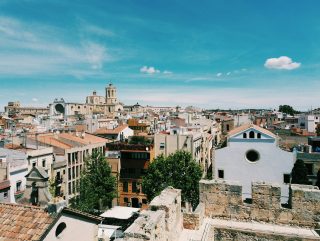
Iglesia de Montesión, Palma de Mallorca
Church in Palma de Mallorca
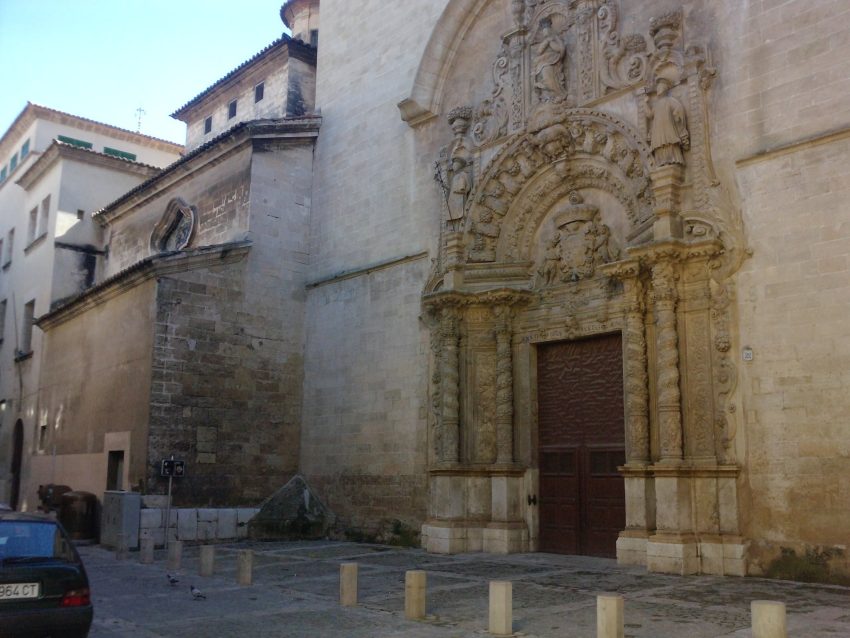
Hidden away in the tangled streets of Palma's old town, the Iglesia de Montesión (Mount Zion) is one of the top attractions in Palma de Mallorca if you are interested in how different cultures and powers have shaped the city over time. Built by the Jesuits from 1571 on the site of the former main synagogue of the Jewish quarter, it stands as a powerful symbol of religious and social change, its monumental façade announcing the arrival of a new order in every sense.
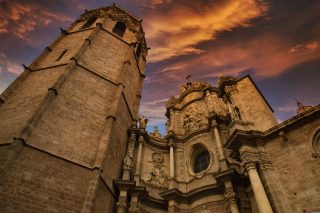
Step back from the busy lanes and look up at the great Baroque front, dominated by the coat of arms of Ramon de Verí, flanked by angels, and statues of St Ignatius of Loyola and Francis Xavier on either side. Above the portal the Immaculate Conception, the half-moon and the devil-beast carving add drama and theology in stone, while inside the single nave, barrel vault and long lines of side chapels create a solemn, theatrical interior that is a great place to visit on a walking tour of Palma de Mallorca.
Table of Contents
- History and Significance of the Iglesia de Montesión Mount Zion
- Things to See and Do in the Iglesia de Montesión Mount Zion
- How to Get to the Iglesia de Montesión Mount Zion
- Practical Tips on Visiting the Iglesia de Montesión Mount Zion
- Where to Stay close to the Iglesia de Montesión Mount Zion
- Is the Iglesia de Montesión Mount Zion Worth Visiting?
- FAQs for Visiting Iglesia de Montesión Mount Zion
- Nearby Attractions to the Iglesia de Montesión Mount Zion
History and Significance of the Iglesia de Montesión Mount Zion
The story of the Iglesia de Montesión begins long before the first Jesuit stone was laid. The church stands on the site of Palma's main synagogue, the spiritual heart of the medieval Jewish community that once lived in this part of the city. After the arrival of the Jesuits in Mallorca in 1561, the space was gradually repurposed, and construction of a new church began in 1571, marking a decisive shift in who held cultural and religious authority in the neighbourhood.
From the start, Monti Sion was more than just another parish church. The Jesuits were renowned for their education, preaching and influence, and their growing presence in Mallorca soon caught the attention of the royal crown. Their economic power and cultural reach provoked tension, leading to the suppression of the order between 1767 and 1815. The church, however, survived these political storms, continuing to stand as a visible reminder of both Jesuit ambition and the layered religious history of the site.
Over time the building came to embody a mix of memories: the echoes of the synagogue beneath its foundations, the Jesuit drive to teach and convert, and the broader Baroque desire to move hearts through art and architecture. Today, when you step through its doors, you are walking into a place where Jewish, royal and ecclesiastical histories intersect, making Montesión a fascinating stop for anyone curious about how Palma’s communities have risen, clashed and coexisted over the centuries.
Things to See and Do in the Iglesia de Montesión Mount Zion
Begin with the façade, which is one of the finest Baroque fronts in Mallorca. The large coat of arms in the tympanum, belonging to founder Ramon de Verí, is framed by angels that draw your eye upwards, while the statues of St Ignatius of Loyola on the left and Francis Xavier on the right underline the Jesuit identity of the church. Above the portal, the Immaculate Conception presides, with a half-moon and a carved devil-beast beneath her feet symbolising the triumph of good over evil, and St Ignatius’ coat of arms higher still completes the visual sermon.
Step inside and let your eyes adjust to the softer interior light. The floor plan is a single nave with six side chapels on each side, creating a rhythm of altars, paintings and devotional sculptures as you walk along the aisles. The barrel vault with lunettes overhead reinforces the sense of length and height, while fluted pilasters along the walls add vertical emphasis and tie the chapels into a coherent whole. It is a space designed to impress and to focus attention towards the main altar.
Take your time in the side chapels, where layers of devotion are visible in altarpieces, statues and smaller details such as candlesticks or votive offerings. Even without a guide, you can read the architecture as a statement of Jesuit ideals: carefully ordered, dramatic without being overwhelming, and full of symbolic imagery. As you stand there, it is worth remembering that this same plot once housed a synagogue, and that what you see now is only the most recent chapter in a long and complex story.
How to Get to the Iglesia de Montesión Mount Zion
Most visitors will arrive in Palma via Palma de Mallorca Airport, the island's main international gateway with frequent flights from Spain and across Europe. For the best deals and a seamless booking experience, check out these flights to Palma de Mallorca on Booking.com. From the airport, airport buses and taxis run regularly into the city centre, from where it is an easy walk into the old town.
If you are staying elsewhere on the island, regional trains connect Palma with towns such as Inca, Sa Pobla and Manacor, arriving at the Estació Intermodal by Plaça d'Espanya.Train schedules and bookings can be found on Omio. From there, you can follow the narrow streets of the old quarter towards the former Jewish area, using a map or navigation app to locate the church, which is tucked into one of the historic lanes. Local buses also stop around Plaça d’Espanya if you prefer not to walk as far.
Driving into central Palma is possible via the island’s main roads, with several underground and multi-storey car parks near the old town where you can leave the car before continuing on foot to the church.If you are looking to rent a car in Spain I recommend having a look at Discover Cars, first, as they compare prices and review multiple car rental agencies for you. Once you are in the historic centre, everything is close together, so you can easily combine Montesión with other nearby churches, the cathedral and smaller plazas on the same loop.
Practical Tips on Visiting the Iglesia de Montesión Mount Zion
- Suggested tips: Plan your visit as part of a broader wander through the old Jewish quarter and nearby streets, and give yourself time to study the façade details before you step inside.
- Best time to visit: Late morning or late afternoon is ideal, when the light on the façade is softer and the interior tends to be quieter between services.
- Entrance fee: Entry is generally free; small donations of a few euros are appreciated to support maintenance.
- Opening hours: Opening times can vary and often follow parish or Jesuit-related activities; check the noticeboard at the church or local information before visiting.
- How long to spend: Allow around 20-40 minutes to take in the façade, explore the nave and side chapels and spend a few moments in quiet reflection.
- Accessibility: As with many historic churches, expect possible steps at the entrance and some uneven flooring; access for visitors with reduced mobility may be limited, so approach with care.
- Facilities: There are no major visitor facilities inside; plan to use nearby cafés, bars or public toilets elsewhere in the old town.
- Photography tip: Capture the façade from slightly off-centre to include the statues and rose window, and inside, stand near the entrance to frame the full length of the nave and chapels.
- Guided tours: The church sometimes features on themed walks focusing on Palma’s Jewish and Jesuit heritage; joining one adds valuable context to what you are seeing.
- Nearby food options: The surrounding streets are full of cafés, bakeries and tapas bars, so it is easy to pair your visit with a coffee or snack before continuing your exploration of the old town.
Where to Stay close to the Iglesia de Montesión Mount Zion
Base yourself in Palma's historic centre and you will be within easy walking distance of the Iglesia de Montesión as well as many other key sights. A comfortable, well-located option is Hotel Almudaina, which offers a good balance of convenience and comfort between the old quarter and the shopping streets. For a more intimate, atmospheric stay in a restored historic building, Boutique Hotel Posada Terra Santa puts you right in the maze of old streets that echo the layers of history you encounter at Montesión. If you prefer a stylish base close to both the old town and the waterfront, Hotel Basilica makes it easy to stroll to the church, the cathedral and the seafront without needing a car.
Is the Iglesia de Montesión Mount Zion Worth Visiting?
If you are drawn to places where history is written into the stones, the Iglesia de Montesión is absolutely worth visiting. Its Baroque façade, rich Jesuit symbolism and calm interior would be reason enough, but the fact that it stands on the site of Palma's former main synagogue adds a powerful extra dimension. As you move from the busy lanes outside into its ordered nave, it is hard not to think about the communities that have worshipped here in different ways, making this church a quietly compelling stop for anyone trying to understand Palma's deeper story.
What Other Travellers Say...
Reviews Summary
Monti-Sion in Palma’s city centre is a compact neighborhood to wander, offering a taste of local life with narrow streets and easy access to nearby shops, cafés and sights; visitors can stroll its lanes to soak up the urban atmosphere and use its central location as a convenient base for exploring the rest of the city.
FAQs for Visiting Iglesia de Montesión Mount Zion
Nearby Attractions to the Iglesia de Montesión Mount Zion
- Maimó ben Faraig Centre: A small cultural and information centre highlighting the Jewish heritage of Palma, including Roman walls and exhibits on the former Jewish quarter.
- Palma Cathedral La Seu: The city's iconic Gothic cathedral overlooking the bay, easily combined with a visit to Montesión on a walking route through the old town.
- Royal Palace of La Almudaina: A historic royal residence next to the cathedral, blending Moorish and Gothic architecture and offering views over the waterfront.
- Museu de Mallorca: The island's main museum, housed in a historic mansion and showcasing archaeology, art and decorative objects from across Mallorca.
- Plaça Major: A lively central square surrounded by arcades, shops and cafés, perfect for a rest after exploring the churches and narrow streets of the old quarter.
The Iglesia de Montesión appears in our Complete Guide to Visiting Palma de Mallorca!

Moira & Andy
Hey! We're Moira & Andy. From hiking the Camino to trips around Europe in Bert our campervan — we've been traveling together since retirement in 2020!
This website uses affiliate links which may earn a commission at no additional cost to you!
Planning Your Visit
Opening times can vary and often follow parish or Jesuit-related activities; check the noticeboard at the church or local information before visiting.
Entry is generally free; small donations of a few euros are appreciated to support maintenance.
Nearby Attractions
- Palma's Secret Synagogue (0.1) km
Historic Site - Banys Arabs (Arab Baths) (0.1) km
Baths - Statue of Jehuda Cresques (0.1) km
Statue - Puerta de los Judios (0.1) km
City Gate - Teatre Municipal Xesc Forteza (0.2) km
Theatre - Museo de Mallorca (0.2) km
Museum - Convent of San Francisco (0.2) km
Convent - Bishop's Garden (0.3) km
Gardens - Centre Maimó ben Faraig (0.3) km
Museum - Església de Santa Eulàlia (0.3) km
Church