Verona, Italy: The Ultimate Travel Guide 2026
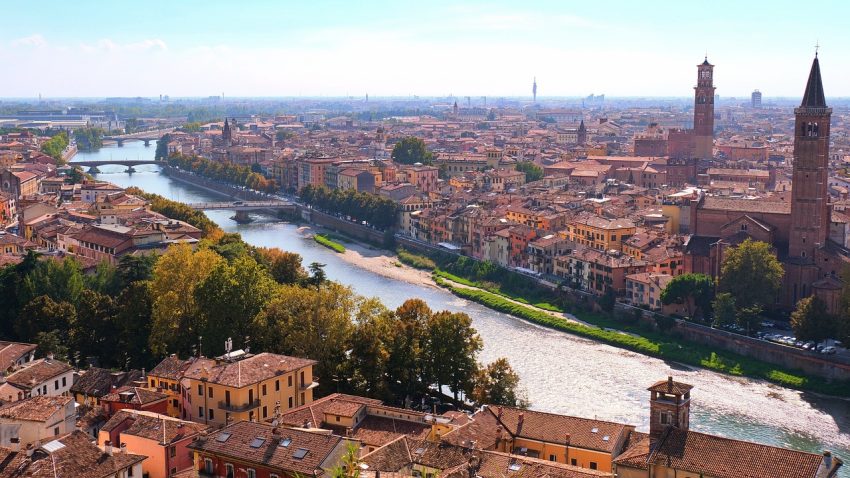
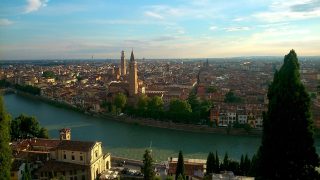
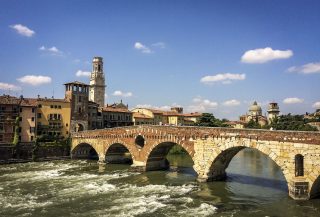
Verona stands out in the Veneto region, rivalling even Venice in its abundance of Roman sites and picturesque streets adorned with pink-hued medieval buildings. This laid-back city offers a wealth of attractions, surpassing other places in the region in terms of sheer sights. While the city’s allure extends beyond tourism, drawing strength from its economic success as a pivotal crossroads.
Shakespeare's timeless tale of Romeo and Juliet further amplifies Verona's charm, with visitors flocking to explore the settings of the iconic, albeit fictional, romance. Adding to its cultural significance, Verona hosts a prominent outdoor opera festival at the Roman Arena, transforming it into a magical venue. Unlike Venice, Verona's prosperity doesn't solely hinge on tourism; instead, its economic vitality is rooted in its strategic location at the intersection of key routes connecting Germany and Austria to central Italy, as well as serving as a gateway from the west to Venice and Trieste.
The city's economic prosperity, in turn, fuels a vibrant street life, creating a lively atmosphere that is among Verona's most attractive features. Beyond the allure of its historical and cultural treasures, Verona thrives as a dynamic hub where the spending power of its residents contributes to its enduring appeal.
TIP: If you are visiting Verona for just a day and want to make the most of your visit, you may want to consider taking a walking tour with a local guide. This is one of the most complete and best-rated city tours that covers the main, must-see attractions in about 3 hours. If you prefer exploring at your own pace read our Self Guided Walking Tour of Verona.
Table of Contents
- History of Verona
- 20 Best places to See in Verona
- Piazza Brà
- Arena di Verona
- Arco dei Gavi
- Castelvecchio Museum
- Porta Borsari
- Ponte Scaligero
- Juliet's House
- Torre dei Lamberti
- Piazza Delle Erbe
- Palazzo Miniscalchi
- Piazza dei Signoria
- Loggia del Consiglio
- Arche Scaligere
- Basilica di Santa Anastasia
- Duomo di Verona
- Basilica of San Zeno Maggiore
- Ponte Pietra
- Museo Archeologico al Teatro Romano
- Giardino Giusti
- Castel San Pietro
- 10 Best Day Trips from Verona
- Where to Stay in Verona
- Best Time to Visit Verona
- How to get to Verona
History of Verona
Verona in Antiquity: Roman Foundation and Growth
Verona’s origins stretch back to ancient times, with evidence of settlement well before it became a Roman stronghold. The city’s transformation began in the 1st century BCE when it was officially incorporated into the Roman Empire. Under Roman rule, Verona thrived as a strategic crossroads for trade and military movement. This period saw the construction of monumental structures, many of which still define the cityscape today. The Verona Arena, an amphitheater completed around 30 CE, became one of the largest and best-preserved Roman arenas in the world. The city also gained roads, bridges, forums, and fortified gates like Porta Borsari, all of which underscored its growing importance in northern Italy.
Verona in the Middle Ages: From the Lombards to Scaliger Rule
After the fall of the Western Roman Empire, Verona entered a tumultuous era marked by invasions and shifts in power. It was conquered by the Ostrogoths and then the Lombards, becoming a crucial duchy under their rule. By the 8th century, Verona was absorbed into the Frankish Empire under Charlemagne. The medieval period reached a high point in the 13th and 14th centuries when the Scaliger (or della Scala) family seized control. The Scaliger lords turned Verona into a cultural and military power, constructing iconic buildings such as Castelvecchio and the Scaliger Tombs. Their rule fostered a flourishing of the arts and architecture that left a permanent imprint on the city’s character.
Verona in the Renaissance and Early Modern Era
Following the fall of the Scaliger dynasty, Verona passed into the hands of the Visconti of Milan and eventually came under Venetian control in 1405. As part of the Republic of Venice, the city experienced relative peace and economic prosperity. During this time, Renaissance influences began to reshape Verona’s appearance. Elegant palaces, refined churches, and civic buildings were added to the medieval core, harmonizing ancient, Gothic, and Renaissance elements. However, Verona’s strategic importance also made it a target; in the late 18th century, the city changed hands multiple times due to the Napoleonic Wars.
Verona in the 19th and 20th Centuries: From Austrian Rule to Modern Italy
In the early 19th century, Verona became part of the Austrian Empire following the Congress of Vienna. The city was heavily fortified by the Austrians and played a central role in the military geography of northern Italy. It wasn’t until 1866, after the Third Italian War of Independence, that Verona was finally incorporated into the newly unified Kingdom of Italy. The 20th century brought both hardship and renewal. Verona suffered damage during both World Wars but managed to preserve much of its historic heritage. In the post-war era, the city rebuilt, modernized, and capitalized on its rich cultural legacy, eventually earning UNESCO World Heritage status for its remarkable urban continuity and artistic significance.
Verona Today: A City of Heritage and Culture
Today, Verona blends its layered history with a vibrant contemporary life. Roman ruins, medieval castles, and Renaissance palaces coexist with modern institutions and cultural venues. The city is internationally recognized not only for its architectural beauty but also for its association with Shakespeare’s Romeo and Juliet. Annual festivals, opera performances at the ancient Arena, and an ongoing commitment to preservation make Verona one of Italy’s most enduring and beloved historic cities.

Moira & Andy
Hey! We're Moira & Andy. From hiking the Camino to trips around Europe in Bert our campervan — we've been traveling together since retirement in 2020!
Visiting Verona for the first time and wondering what are the top places to see in the city? In this complete guide, I share the best things to do in Verona on the first visit. To help you plan your trip, I have also included an interactive map and practical tips for visiting!
This website uses affiliate links which earn a small commission at no additional cost to you.
20 Best places to See in Verona
This complete guide to Verona not only tells you about the very best sights and tourist attractions for first-time visitors to the city but also provide insights into a few of our personal favorite things to do.
This is a practical guide to visiting the best places to see in Verona and is filled with tips and info that should answer all your questions!
1. Piazza Brà

Location: Piazza Bra, Verona, VR, Italy | Hours: 24 Hours | Price: Free | Distance: 0.1km

2. Arena di Verona

Location: Arena di Verona, Piazza Bra, Verona, VR, Italy | Hours: Tuesday – Sunday: 09:00–19:00. Closed on Mondays; | Price: €12 (standard); €9 reduced; €3 ages 18–25; free for under-18s and other eligible categories (including VeronaCard holders). | Website | Verona Card with Arena Priority Entrance | Distance: 0.2km
3. Arco dei Gavi
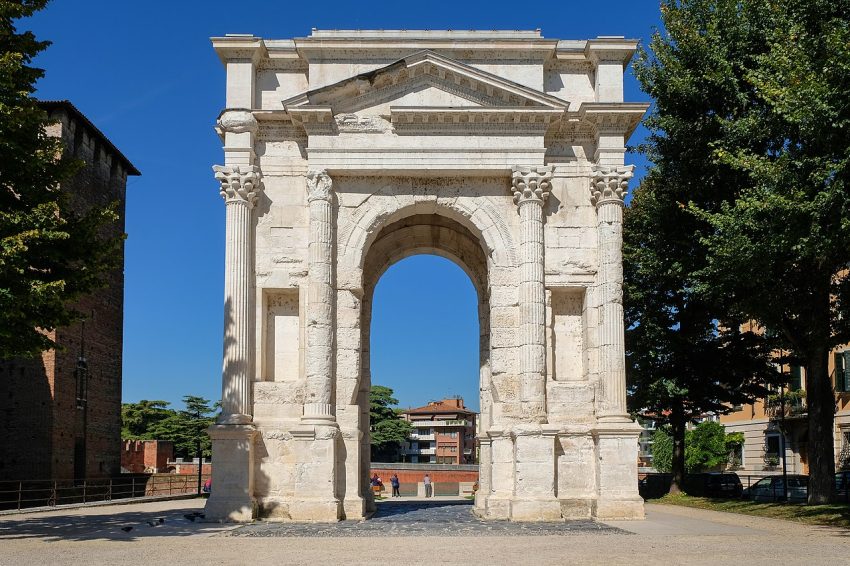
Location: Arco dei Gavi, Corso Cavour, Verona, VR, Italy | Hours: 24 hours | Price: Free | Distance: 0.3km
4. Castelvecchio Museum

Location: Castelvecchio, Corso Castelvecchio, Verona, VR, Italy | Hours: Tuesday – Sunday: 10:00–18:00. Closed on Monday. | Price: €9 (standard reduced €6; ages 18–25 €2; under 18 free). | Website | Distance: 0.3km
5. Porta Borsari

Location: Porta Borsari, Corso Porta Borsari, Verona, VR, Italy | Hours: 24 Hours | Price: Free | Distance: 0.4km
6. Ponte Scaligero

Location: Ponte Scaligero, Corso Castelvecchio, Verona, VR, Italy | Hours: 24 hours | Price: Free | Distance: 0.4km
7. Juliet's House

Location: Casa di Giulietta, Via Cappello, Verona, VR, Italy | Hours: Tuesday – Sunday: 09:00–19:00. Closed on Monday, 25 December & 1 January. Last entry (house museum): 18:00. | Price: €12 (standard ticket; reductions available and under 18s free). | Website | Distance: 0.7km
8. Torre dei Lamberti
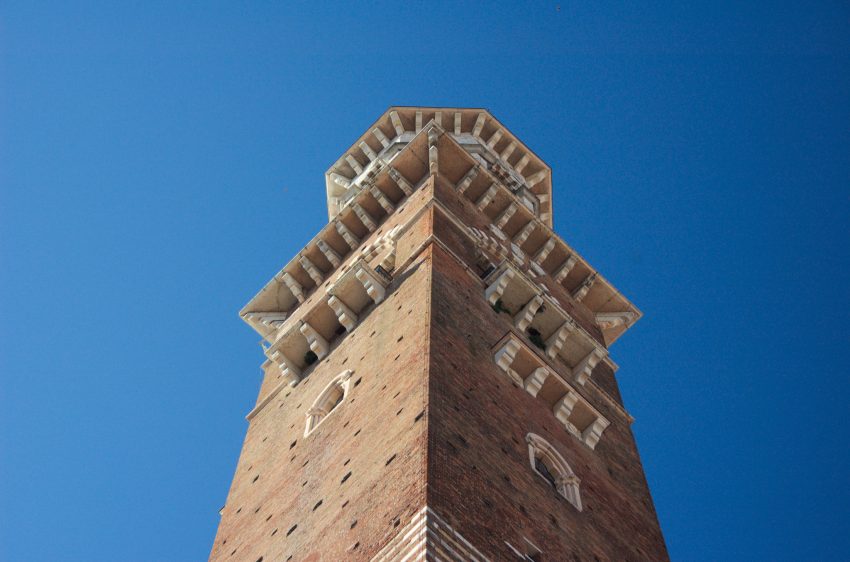
Location: Torre dei Lamberti, Via della Costa, Verona, VR, Italy | Hours: Monday – Friday: 10:00–18:00. Saturday – Sunday & public holidays: 11:00–19:00. | Price: €6 (standard); €4.50 (reduced)., with VeronaCard €1 | Website | Lamberti Tower Entry | Distance: 0.7km
9. Piazza Delle Erbe

Location: Piazza delle Erbe, Piazza delle Erbe, Verona, VR, Italy | Hours: 24 Hours | Price: Free | Distance: 0.7km
10. Palazzo Miniscalchi
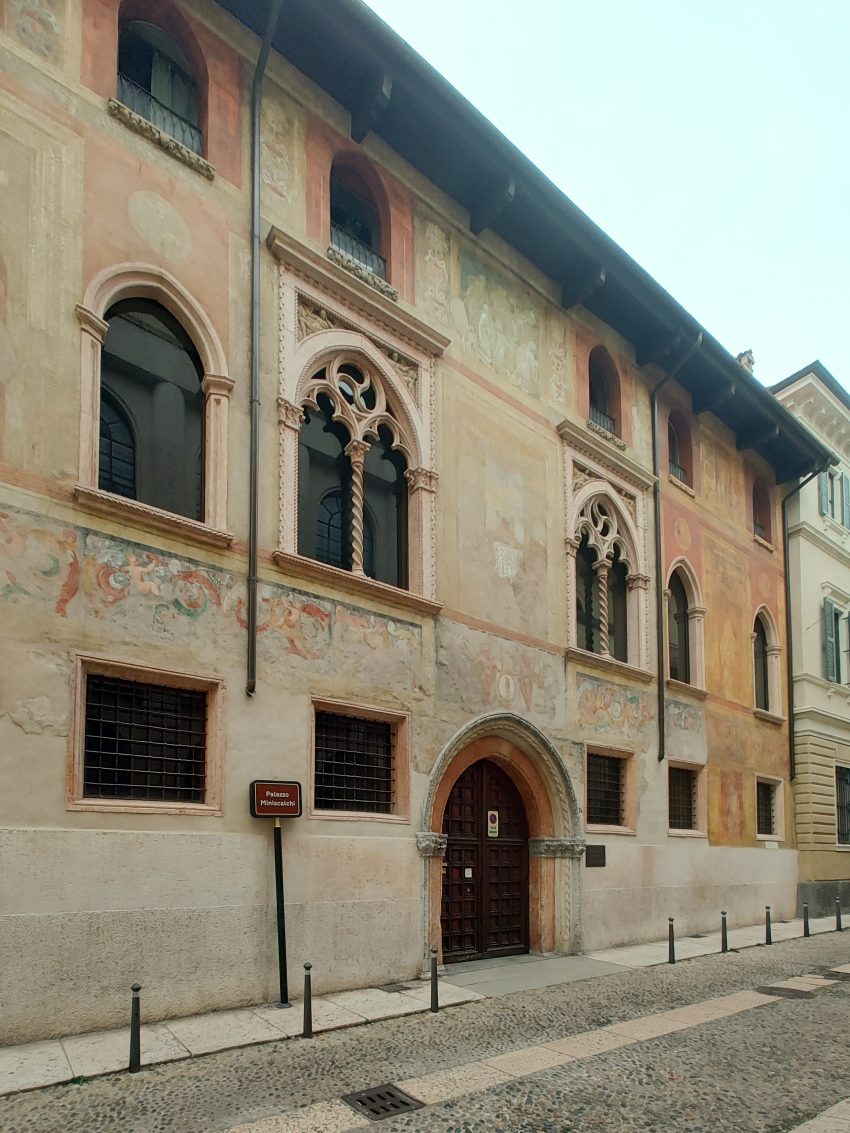
Location: Fondazione Museo Miniscalchi Erizzo, Via San Mamaso, 2/A, 37121 Verona, VR, Italy | Hours: Friday – Monday: 10:00–13:00 & 14:00–18:00. Closed on Tuesday, Wednesday & Thursday. | Price: €8.00 (full); €5.00 (reduced); free for children 0–11. | Website | Distance: 0.8km
11. Piazza dei Signoria

Location: Piazza dei Signori, Piazza dei Signori, Verona, VR, Italy | Hours: 24 Hours | Price: Free | Distance: 0.8km
12. Loggia del Consiglio

Location: Loggia del Consiglio, Piazza dei Signori, Verona, VR, Italy | Hours: 24 Hours | Price: Free. | Website | Distance: 0.8km
13. Arche Scaligere
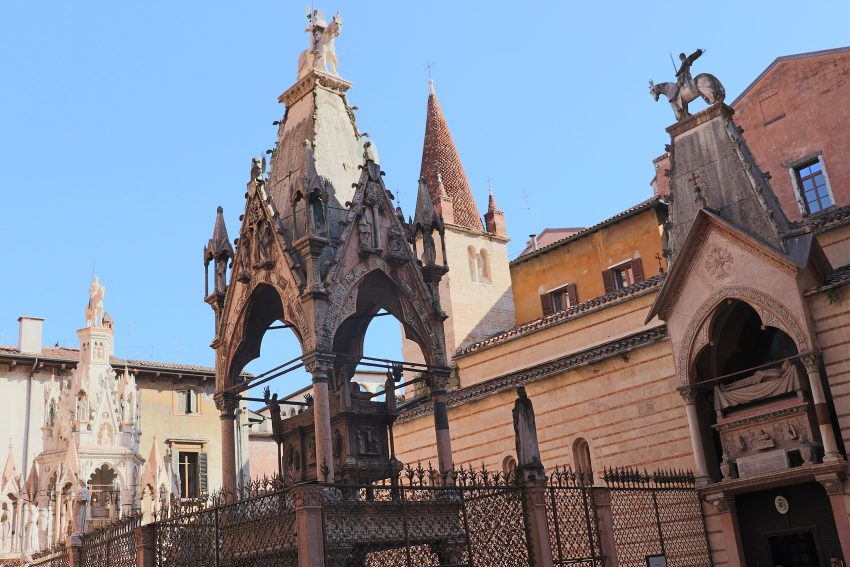
Location: Scaliger Tombs, Via Santa Maria Antica, Verona, VR, Italy | Hours: Friday – Sunday: 10:00–13:00 & 14:00–17:00. Closed on Monday – Thursday. | Price: Free (courtyard entry is reserved for holders of a same-day Civic Museums ticket or a VeronaCard). | Website | Distance: 0.8km
14. Basilica di Santa Anastasia

Location: Sant’Anastasia, Piazza S.Anastasia, Verona, VR, Italy | Hours: (Summer) March – October: Monday – Saturday: 09:30–18:00. Sunday & public holidays: 13:00–18:00. (Winter) November – February: Monday – Saturday: 10:00–17:00. Sunday & public holidays: 13:00–17:30. | Price: €4.00. | Website | Distance: 1.0km
15. Duomo di Verona
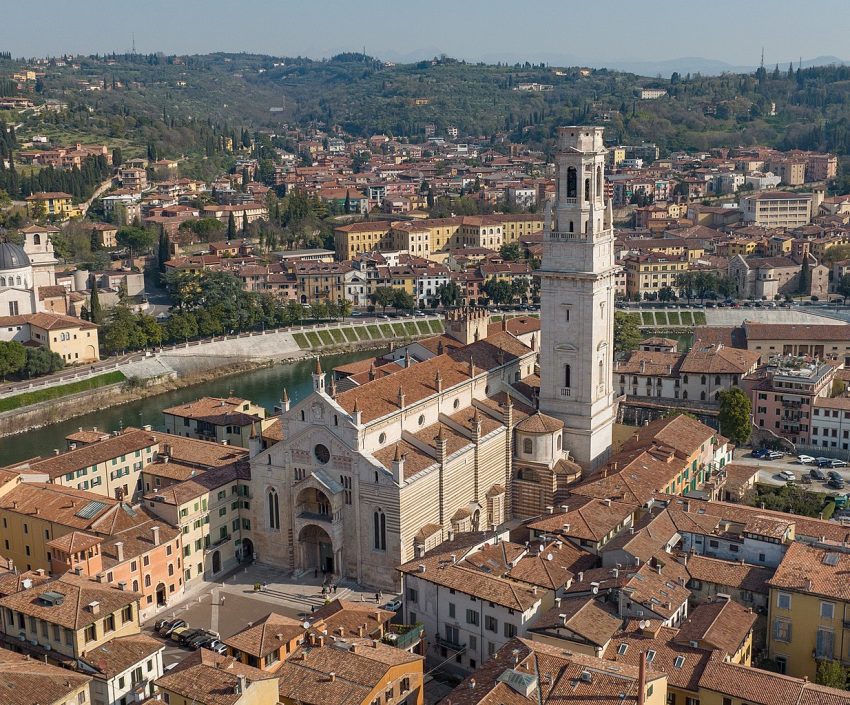
Location: Verona Cathedral, Piazza Duomo, Verona, VR, Italy | Hours: (Summer) 01 March – 30 June; 01 September – 31 October: Monday – Friday: 11:00–17:30. Saturday & pre-holidays: 11:00–15:30. Sunday & religious holidays: 13:30–17:30. 01 July – 31 August: Monday – Friday: 10:30–17:30. Saturday & pre-holidays: 10:30–15:30. Sunday & religious holidays: 13:30–17:30. (Winter) 01 November – 28 February: Monday – Friday: 11:00–17:00. Saturday & pre-holidays: 11:00–15:30. Sunday & religious holidays: 13:30–17:30. | Price: €4 (single church); €8 cumulative ticket for the four historic churches. | Website | Distance: 1.0km
16. Basilica of San Zeno Maggiore

Location: Basilica di San Zeno Maggiore, Piazza San Zeno, Verona, VR, Italy | Hours: (Summer) 01 March – 31 October; Monday – Friday: 09:00–18:30. Saturday: 09:00–18:00. Sunday & public holidays: 13:00–18:30. (Winter) 01 November – 28 February; Monday – Friday: 10:00–17:00. Saturday: 09:30–17:30. Sunday & public holidays: 13:00–17:30. | Price: €4. | Website | Distance: 1.1km
17. Ponte Pietra

Location: Ponte Pietra, Verona, VR, Italy | Hours: 24 hours | Price: Free | Distance: 1.2km
18. Museo Archeologico al Teatro Romano

Location: Teatro Romano, Rigaste Redentore, Verona, VR, Italy | Hours: Tuesday – Sunday: 10:00–18:00. Last entry: 17:30. Closed on Monday. | Price: €9 (standard); €6 (reduced); €2 (ages 18–25); under 18 free. | Website | Distance: 1.3km
19. Giardino Giusti

Location: Via Giardino Giusti, 2, Verona, VR, Italy | Hours: (Summer) April, May & September: Daily 09:00–19:00; June – August: Daily 09:00–20:00. (Winter) October – March: Daily 10:00–18:00. | Price: €13.00 (full ticket); €9.00 (students) & €9.00 (Verona Card holders). | Website | Distance: 1.3km
20. Castel San Pietro

Location: Castel San Pietro, Piazzale Castel San Pietro, Verona, VR, Italy | Hours: (Summer) 01 April – 31 October; Daily: 10:00–21:00. (Winter) 01 November – 31 March; Daily: 10:00–17:00. | Price: Free to access the panoramic terrace on foot; Funicular €3 roundtrip / €2 one way. | Website | Distance: 1.4km
Best Day Trips from Verona
A day trip from Verona offers the perfect opportunity to escape the urban rhythm and discover the surrounding region's charm. Whether you're drawn to scenic countryside, historic villages, or cultural landmarks, the area around Verona provides a variety of easy-to-reach destinations ideal for a one-day itinerary. If you are looking to rent a car in Italy I recommend having a look at Discover Cars, first, as they compare prices and review multiple car rental agencies for you.
1. Vicenza
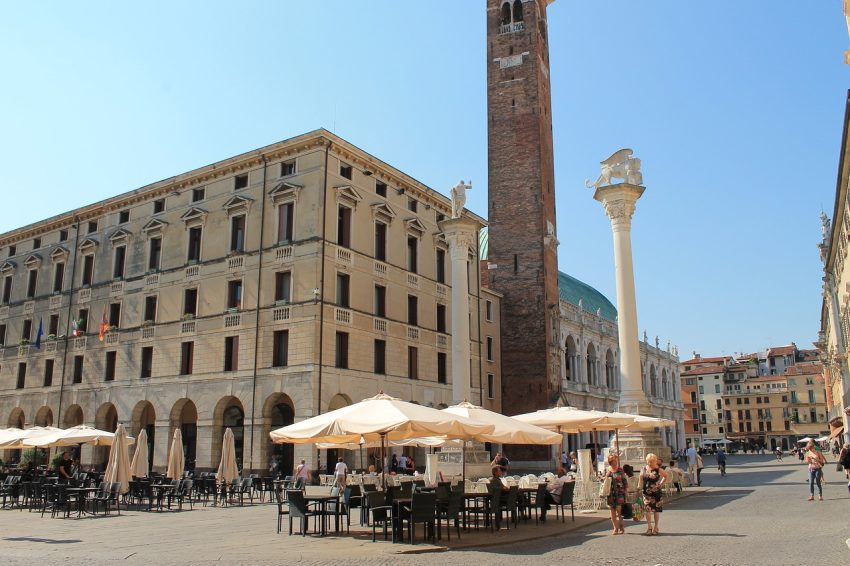
Visiting Vicenza
2. Brescia
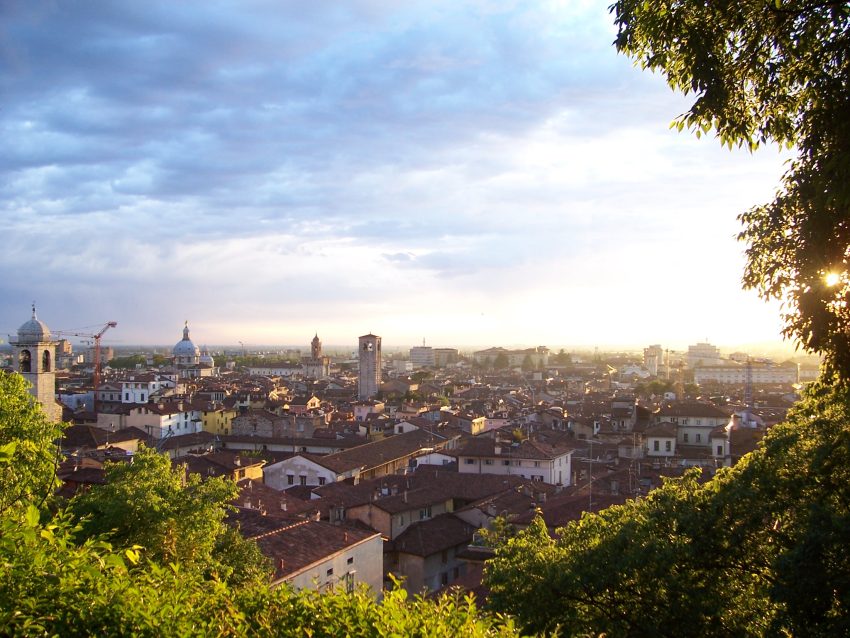
Visiting Brescia
3. Padova

Visiting Padova
4. Ferrara
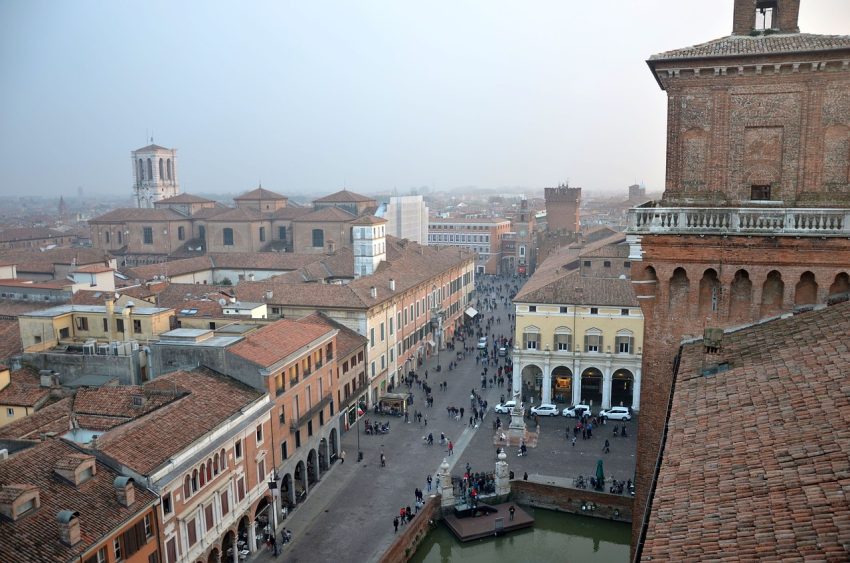
Visiting Ferrara
5. Parma
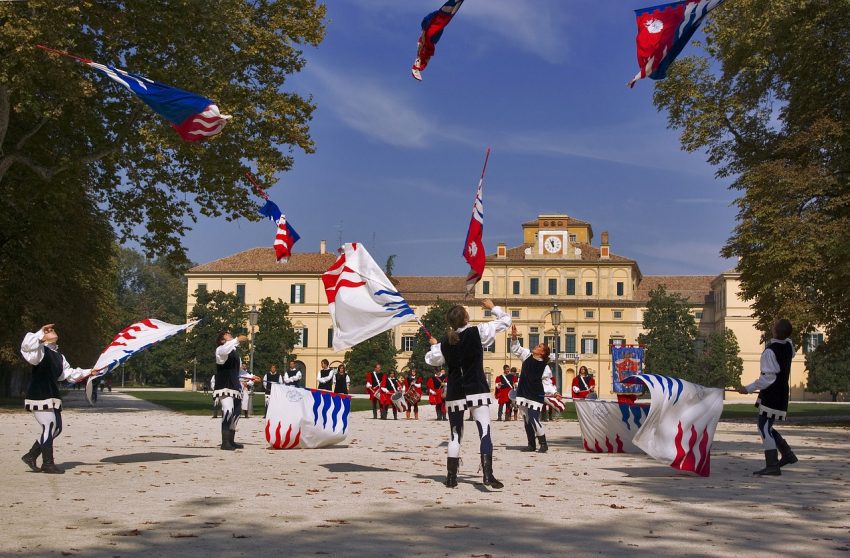
Visiting Parma
6. Modena
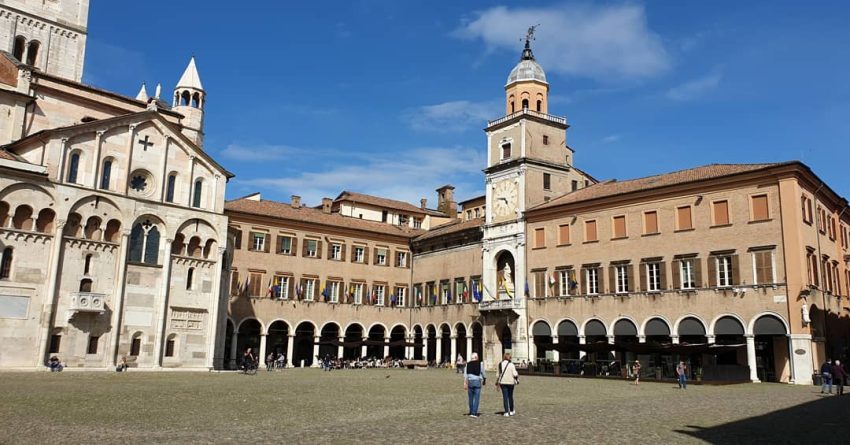
Visiting Modena
7. Venice
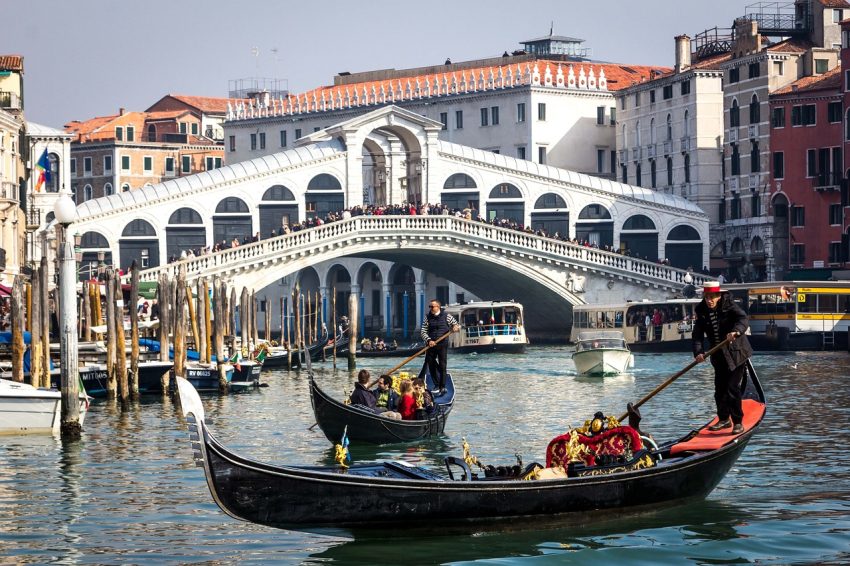
Visiting Venice
8. Bergamo
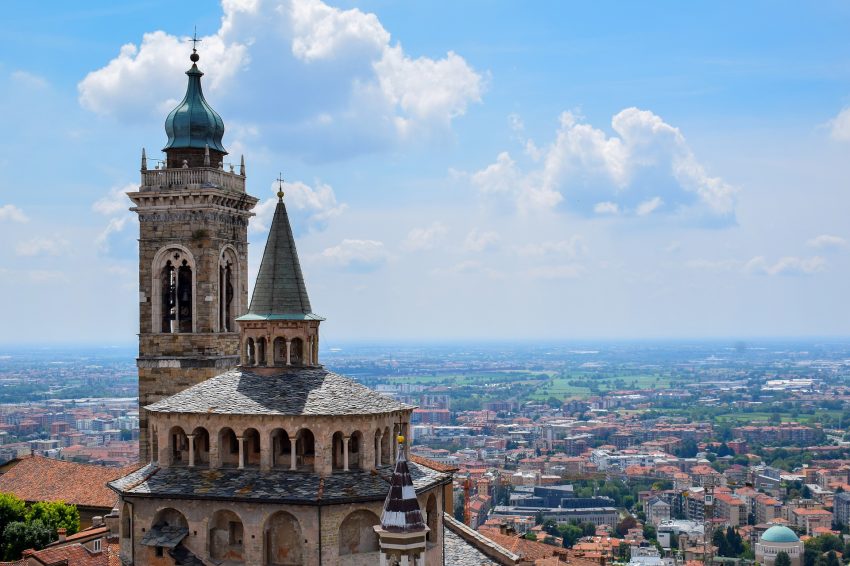
Visiting Bergamo
9. Bologna
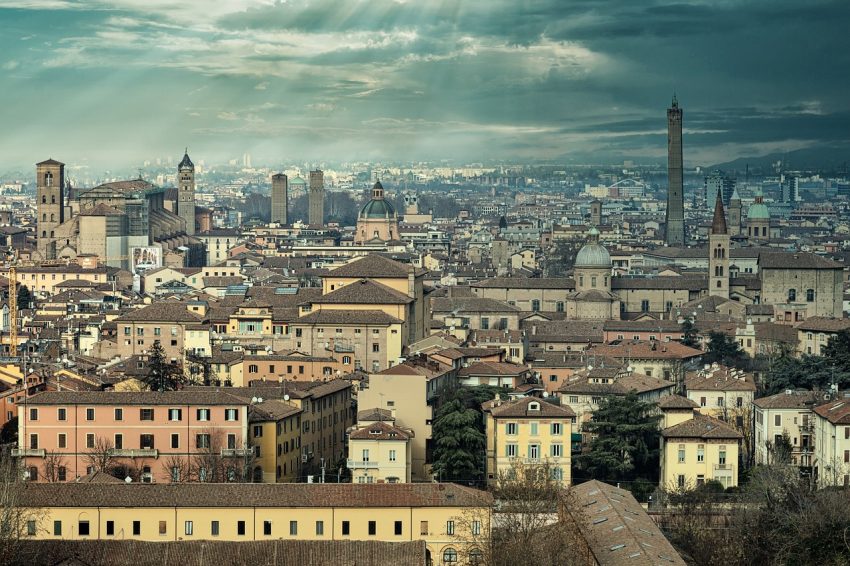
Visiting Bologna
10. Milan

Visiting Milan
Where to Stay in Verona
Verona offers a range of accommodations that cater to visitors seeking historic elegance, scenic beauty, or modern convenience. The Historic Center (Centro Storico) is the ideal place for travelers who want to be immersed in Verona’s rich culture, medieval streets, and renowned landmarks like Juliet’s Balcony and Piazza delle Erbe. Staying within this area allows easy access to charming cafés, traditional restaurants, and the city’s most famous sights, all within walking distance. A great option for accommodations here is Hotel Accademia, offering stylish rooms with a prime location near the heart of the city.
For visitors looking for romantic scenery and tranquility, Veronetta and the Adige Riverside provide stunning accommodations near the riverbanks, lush gardens, and elegant bridges. This area allows guests to enjoy picturesque morning walks while still being close to Verona’s historic attractions. A fantastic stay in this district is Hotel Due Torri, featuring luxurious interiors with timeless charm and panoramic city views.
If modern comforts and easy transport access are priorities, Borgo Trento and Porta Nuova offer contemporary accommodations with boutique shops, refined dining options, and seamless connections to Verona’s train station. This area is ideal for travelers who prefer sleek hotels with top-tier amenities while staying within minutes of the city’s main attractions. A recommended stay in this district is Ark Hotel, featuring spacious rooms, wellness facilities, and a convenient location. Whether you’re drawn to historic charm, riverside serenity, or urban convenience, Verona has accommodations to match every traveler’s preference.
Using the our Hotel and Accomodation map, you can compare hotels and short-term rental accommodations in Verona. Simply insert your travel dates and group size, and you’ll see the best deals for your stay.
Verona Accommodation Map
Best Time to Visit Verona
Verona in Spring: March to May (Best)
Spring is arguably the best time to visit Verona. As the city shakes off the winter chill, its piazzas, gardens, and riverside promenades come alive with blooming flowers and mild temperatures. Average highs range from 15°C in March to around 23°C in May, making it ideal for walking tours and outdoor dining. This season also sees fewer tourists compared to summer, offering a more relaxed experience at major attractions like the Arena and Juliet’s House. A highlight in May is Vinitaly, one of the world’s largest wine fairs, which draws wine lovers and professionals from across the globe to celebrate Italian viticulture.
Verona in Summer: June to August
Summer brings hot weather and high energy to Verona. Temperatures can soar past 30°C in July and August, and the city becomes lively with both tourists and cultural events. The main attraction is the Arena Opera Festival, held from June to September in the ancient Roman amphitheater. This internationally acclaimed event features grand opera productions under the stars and is a must for music lovers. While summer offers unforgettable experiences, the crowds and heat can make midday sightseeing less comfortable, so early mornings and evenings are best for exploration.
Verona in Autumn: September to November
Autumn is a pleasant and quieter time to visit Verona. September still retains some of the summer warmth, while October and November see cooler days, with highs ranging from 24°C to 11°C as the season progresses. The changing colors of the surrounding hills and vineyards add a picturesque charm, especially in nearby Valpolicella. The city also hosts smaller cultural events and food festivals celebrating seasonal produce like mushrooms and chestnuts. Fewer tourists mean more space to enjoy Verona’s historic streets and museums without the crowds.
Verona in Winter: December to February
Winter in Verona is cool, with temperatures often ranging from 0°C to 8°C. While snow is rare, the chill in the air brings a festive charm. The city is beautifully decorated for the holidays, especially around Piazza Bra and Piazza delle Erbe, where you’ll find Christmas lights, markets, and seasonal food. December is particularly atmospheric thanks to events like the Verona Christmas Market and the St. Lucia Fair. January and February are quieter months, perfect for museum visits and romantic strolls with fewer tourists around.
Annual Weather Overview
- January 8°C 49°F
- February 10°C 54°F
- March 14°C 62°F
- April 18°C 68°F
- May 22°C 75°F
- June 28°C 86°F
- July 31°C 92°F
- August 29°C 88°F
- September 24°C 80°F
- October 20°C 72°F
- November 12°C 57°F
- December 8°C 49°F
How to get to Verona
Getting to Verona by Air
Verona is served by Verona Villafranca Airport (VRN), also known as Valerio Catullo Airport, located approximately 10 km southwest of the city center. The airport offers a range of domestic and international flights, connecting Verona to numerous destinations across Europe and beyond. Airlines such as Ryanair, Jet2, and British Airways operate flights from various UK cities, including London, Manchester, and Edinburgh, to Verona.
For more information on flights and services, visit the official Verona Airport website.
Getting to Verona by Train
Verona’s main railway station, Verona Porta Nuova, is a major hub in northern Italy, offering extensive rail connections. High-speed trains operated by Trenitalia and Italo connect Verona to major Italian cities such as Milan, Venice, Florence, and Rome. Additionally, international trains provide connections to cities like Munich and Innsbruck.
For booking and schedules, you can use platforms like Trainline or ItaliaRail.
Getting to Verona by Car
Verona is well-connected by road, making it accessible by car from various parts of Italy and neighboring countries. The city lies along the A4 (Milan-Venice) and A22 (Modena-Brennero) motorways, facilitating convenient travel. Driving offers the flexibility to explore the surrounding regions, including the scenic Lake Garda area.
If you are looking to rent a car in Italy I recommend having a look at Discover Cars, first, as they compare prices and review multiple car rental agencies for you.Travelling around Verona
Verona boasts an efficient public transportation system managed by ATV (Azienda Trasporti Verona). The network includes buses that cover the city and its suburbs, making it easy to reach major attractions. Tickets can be purchased at kiosks, online, or via mobile apps. For more information on routes and schedules, visit the ATV website.
The city center is compact and pedestrian-friendly, allowing visitors to explore many of Verona’s historic sites on foot. Additionally, bike-sharing services are available for those who prefer cycling.