Pisa, Italy: The Ultimate Travel Guide 2026

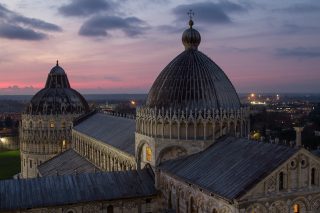
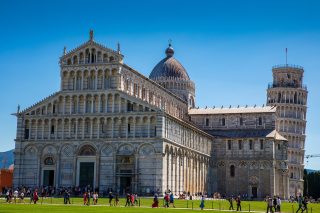
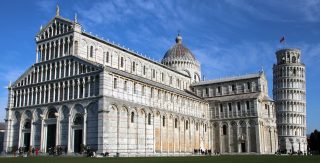
Pisa sits in western Tuscany in central Italy, close to the Tyrrhenian coast, and it works especially well as a short, high-impact stop on a wider Tuscany itinerary. The city is compact and easy to navigate on foot, with the main sights clustered close enough that you can structure your day around a few focused areas rather than constant transport. Pisa is one of the best places to visit in Italy if you want a famous landmark experience that's straightforward to plan and doesn't require a long stay to feel worthwhile.
Most visitors start at the Piazza dei Miracoli for the Leaning Tower complex, then shift into the historic centre for a more relaxed pace-cafés, small shops, and river views along the Arno. A good approach is to see the headline sights early, then spend the afternoon wandering the streets around Borgo Stretto and the Lungarni, where the atmosphere feels more local and less “checklist”. If you stay overnight, you’ll notice the city changes character once day-trippers leave, and evening walks along the river are one of the simplest pleasures here.
Pisa is also a practical base for onward travel because its rail connections make day trips easy, and the airport access is typically very convenient. If you're planning a multi-stop route through Tuscany, Pisa can serve as a gateway stop-arrive, see the essentials without stress, then continue on to nearby cities without wasting time on complicated logistics. It's a good choice for travellers who want a balanced mix of iconic sightseeing, manageable scale, and efficient connections.
Table of Contents
- History of Pisa
- 23 Best places to See in Pisa
- Museo dell'Opera del Duomo
- Leaning Tower of Pisa
- Cathedral of Santa Maria Assunta
- Campo dei Miracoli
- Camposanto Monumentale
- Battistero di San Giovanni
- Orto Botanico dell’Università di Pisa
- Baths of Nero
- Santo Stefano dei Cavalieri
- Palazzo dei Cavalieri
- Lungarni of Pisa
- Borgo Stretto
- Logge di Banchi
- Palazzo Blu
- Santa Maria della Spina
- Museum of the Ancient Ships
- Church of Santa Maria della Spina
- Torre Guelfa
- Corso Italia
- Palazzo Vecchio de Palazzo Medici
- Museo Nazionale di San Matteo
- Murale Tuttomondo
- Piazza Vittorio Emanuele II
- 13 Best Day Trips from Pisa
- Where to Stay in Pisa
- Best Time to Visit Pisa
- Pisa in the Low Season
- How to get to Pisa
History of Pisa
Pisa, a city with a rich history dating back to ancient times, derives its name from the Etruscan word for ‘mouth’, referring to its location at the mouth of the Arno River. Historical excavations in the 1980s and 1990s unearthed significant archaeological remains, including a 5th-century BC tomb of an Etruscan prince, confirming Pisa’s origins as an Etruscan city and highlighting its historical role as a maritime trading hub with other Mediterranean civilizations. Ancient Roman authors, including Virgil, referred to Pisa as an old and significant center, further evidenced by its development into a strategic port during the Roman era, facilitating naval expeditions and trade across the Mediterranean.
During the late antiquity and early middle ages, Pisa’s advantageous geographical position by the river systems contributed to its resilience and growth despite the broader decline of the Roman Empire. The city played a vital role in supporting Pope Gregory I against the Byzantines and later aligned with the Lombards, eventually rising to prominence as the main port of the Upper Tyrrhenian Sea. After overcoming a brief crisis following Charlemagne’s conquests, Pisa expanded its maritime and military capabilities in the 9th century, initiating conflicts with the Saracens and establishing itself as a powerful naval presence in the Mediterranean.
By the 11th century, Pisa reached its zenith as a maritime republic, one of Italy’s historical ‘Repubbliche Marinare’, controlling a vast merchant fleet and navy. This period saw Pisa exerting its power through military and trading ventures, notably sacking Reggio Calabria and conquering Corsica, while also participating in the First Crusade. The city established numerous colonies across the Levant, gaining privileges and immunities that facilitated its traders and solidified its status in the region. However, rivalry with Genoa intensified, leading to prolonged conflicts that shaped much of its medieval history.
The apex of Pisa’s power continued into the 12th century, culminating in significant naval victories and territorial expansions. However, the city’s prominence began to wane following the devastating defeat at the Battle of Meloria in 1284 against Genoa, which drastically reduced its maritime influence and economic standing. The subsequent centuries saw Pisa struggling to maintain its former glory, facing sieges and occupations, until it was finally absorbed by Florence in the early 15th century. Despite its decline as a major maritime power, Pisa remained culturally significant, spurred by the presence of the University of Pisa and later by other higher education institutions, and continues to be renowned for its historical and educational contributions.

Moira & Andy
Hey! We're Moira & Andy. From hiking the Camino to trips around Europe in Bert our campervan — we've been traveling together since retirement in 2020!
Visiting Pisa for the first time and wondering what are the top places to see in the city? In this complete guide, I share the best things to do in Pisa on the first visit. To help you plan your trip, I have also included an interactive map and practical tips for visiting!
This website uses affiliate links which earn a small commission at no additional cost to you.
23 Best places to See in Pisa
This complete guide to Pisa not only tells you about the very best sights and tourist attractions for first-time visitors to the city but also provide insights into a few of our personal favorite things to do.
This is a practical guide to visiting the best places to see in Pisa and is filled with tips and info that should answer all your questions!
1. Museo dell'Opera del Duomo

Location: Museo dell'Opera del Duomo, Piazza del Duomo, Pisa, Province of Pisa, Italy | Hours: Daily: 09:00 to 19:00 | Price: Adults: €8.00 (including the Cathedral). | Website | Opera del Duomo Museum, Cathedral Ticket & Audio Guide | Distance: 0.0km

2. Leaning Tower of Pisa
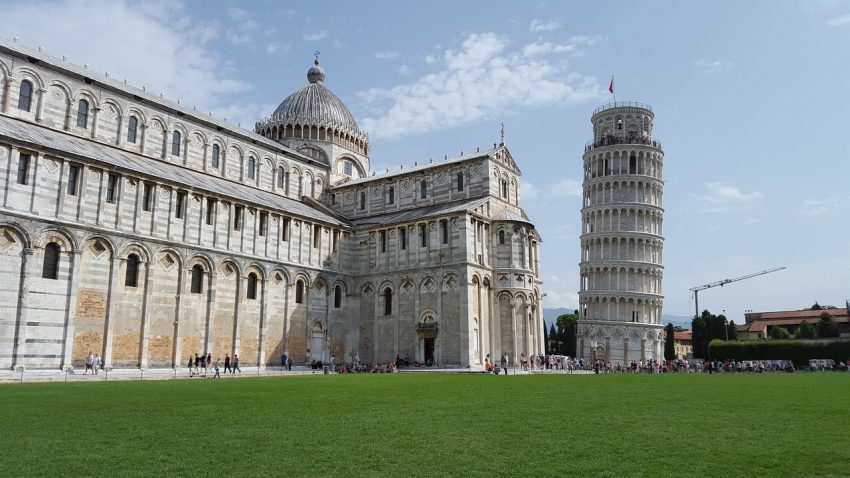
Location: Leaning Tower of Pisa, Piazza del Duomo, Pisa, Province of Pisa, Italy | Hours: Adults: from €27.00 | Website | Distance: 0.0km
3. Cathedral of Santa Maria Assunta
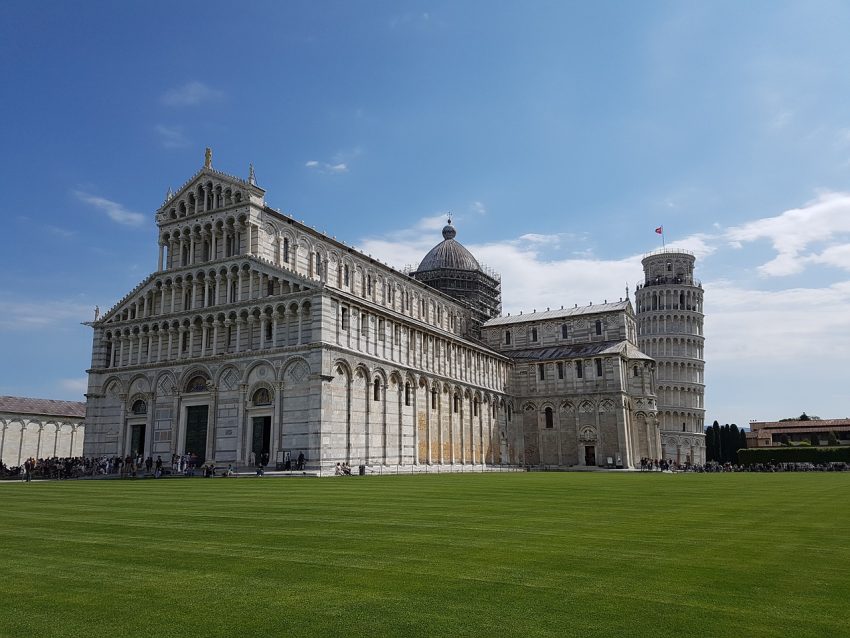
Location: Cathedral of Santa Maria Assunta, Piazza San Giovanni, Volterra, Pisa, Italy | Hours: Daily: 9:00 – 18:00 | Price: Adults: €8.00 | Website | Distance: 0.1km
4. Campo dei Miracoli

Location: Campo dei Miracoli, Piazza del Duomo, Pisa, Province of Pisa, Italy | Hours: Hours vary by season and monument, but the square is generally accessible throughout the day; check current times for the cathedral, tower, baptistery and Camposanto before you go. | Price: Expect separate or combined tickets for the tower and monuments; tower climbs are the most expensive, with combined monument passes offering better value. | Website | Distance: 0.2km
5. Camposanto Monumentale
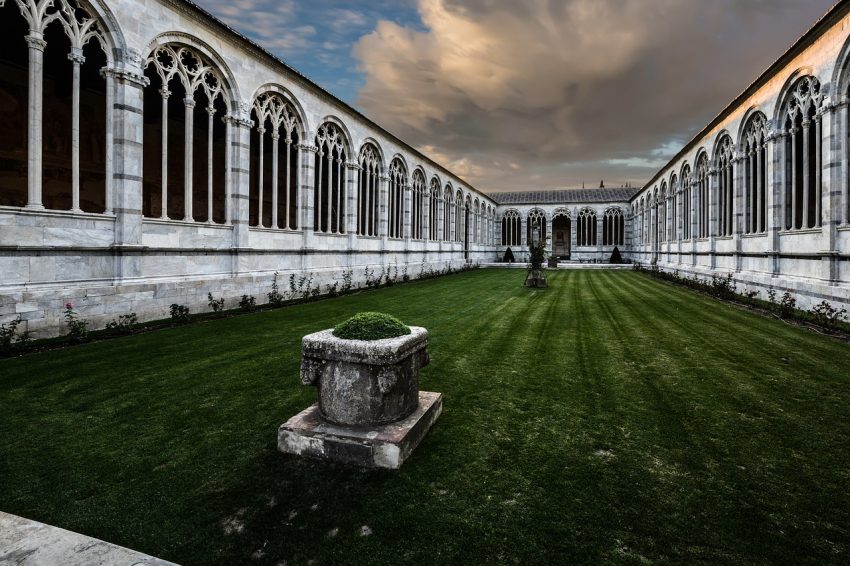
Location: Camposanto, Piazza del Duomo, Pisa Province of Pisa, Italy | Hours: January-February, from 10.00 am to 5.00 pm; March-April, from 9:00 am to 7.00 pm; May-June, from 9.00 am to 8.00 pm; July-October, from 9.00 am to 8.00 pm; November-December, from 9.00 am to 7.00 pm. | Price: Adults: €8.00 (including the Cathedral). | Website | Camposanto and Cathedral Entry Tickets and Audio Guide | Distance: 0.2km
6. Battistero di San Giovanni

Location: Battistero di San Giovanni, Piazza del Duomo, Pisa, Province of Pisa, Italy | Hours: Daily: 9:00 – 18:00 | Price: Adults: €8.00 | Website | Baptistery and Cathedral Ticket with Audio Guide | Distance: 0.2km
7. Orto Botanico dell’Università di Pisa
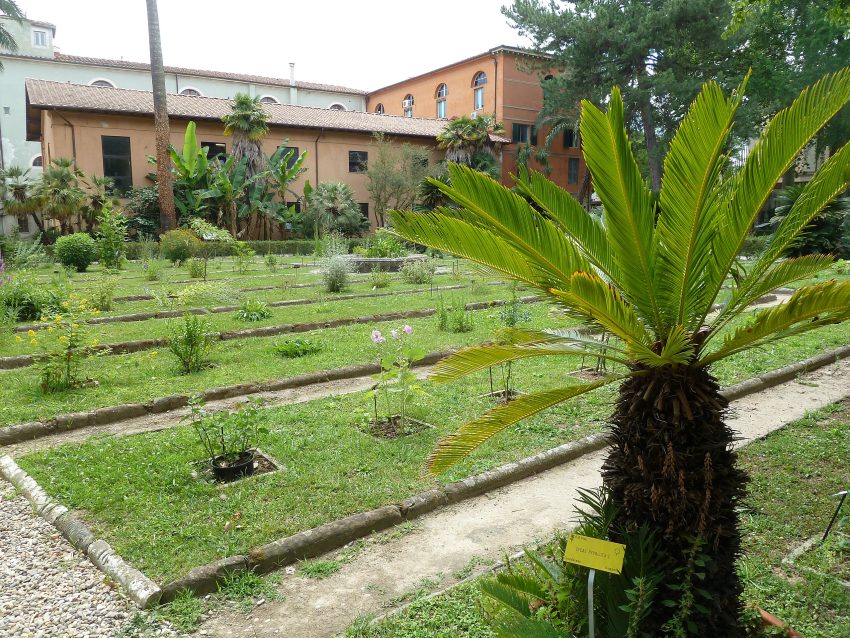
Location: Botanical Garden and Museum, Via Luca Ghini, Pisa, Province of Pisa, Italy | Hours: From October 31st to March 26th: every day, 8.30am – 5pm From 27 March to 29 April: every day, 8.30am – 7.00pm From 30 April to 12 June: every day, 8.30am – 8.00pm From 13 June to 12 July: every day, 8.30am – 9.00pm From 13 July to 4 September: every day, 8.30am – 8.00pm From 5 September to 10 October: every day, 8.30am – 7.00pm From 11 to 30 October: every day, 8.30am – 6.00pm | Price: Adults: €4:00 | Website | Distance: 0.3km
8. Baths of Nero

Location: Baths of Nero, Largo Parlascio, Pisa, Province of Pisa, Italy | Hours: 24 hours | Price: Free | Distance: 0.4km
9. Santo Stefano dei Cavalieri

Location: Santo Stefano dei Cavalieri, Piazza dei Cavalieri, Pisa, Province of Pisa, Italy | Hours: Monday, Wednesday, Friday and Sunday, closed; Tuesday and Thursday, from 10.30 am to 12.30 pm; Saturday, from 4.30 pm to 7.30 pm. | Price: Entry is free. | Distance: 0.5km
10. Palazzo dei Cavalieri
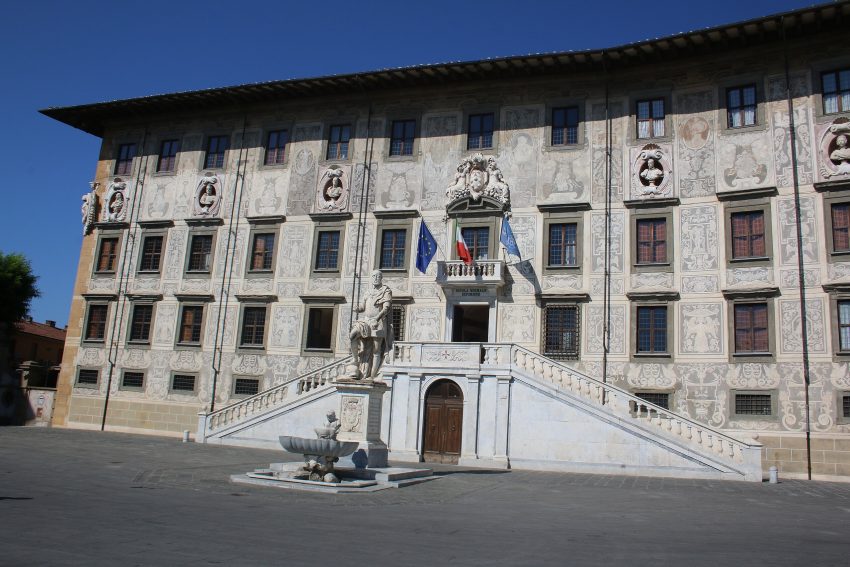
Location: Palazzo della Carovana, Piazza dei Cavalieri, Pisa Province of Pisa, Italy | Hours: The square itself is accessible at all times | Price: Free to enjoy the piazza and palace exterior | Distance: 0.5km
11. Lungarni of Pisa
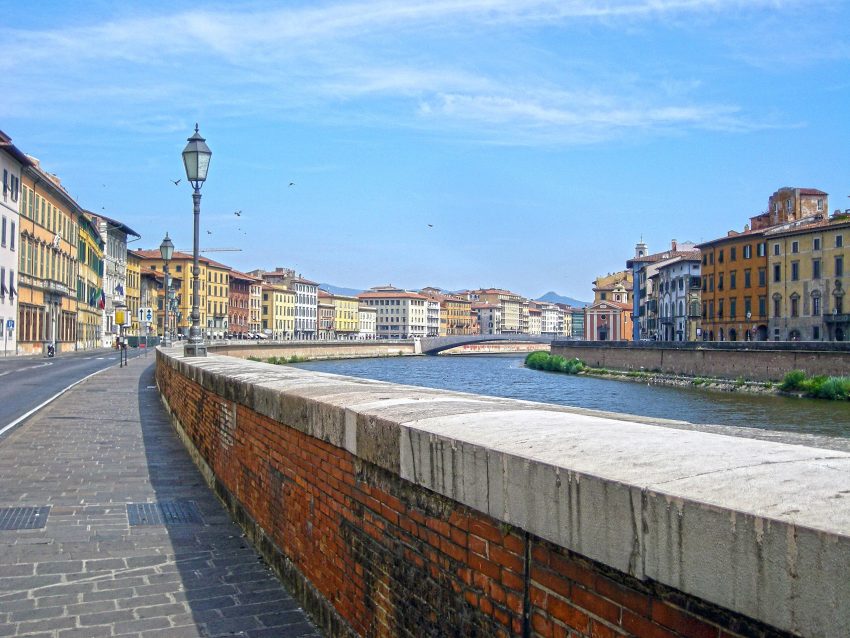
Location: Lungarni di Pisa, Ponte Solferino, Pisa, Province of Pisa, Italy | Hours: Accessible at all times, though the liveliest moments are usually in the early evening during the local passeggiata. | Price: Free to access; the Lungarni are public streets and promenades open to everyone. | Distance: 0.8km
12. Borgo Stretto
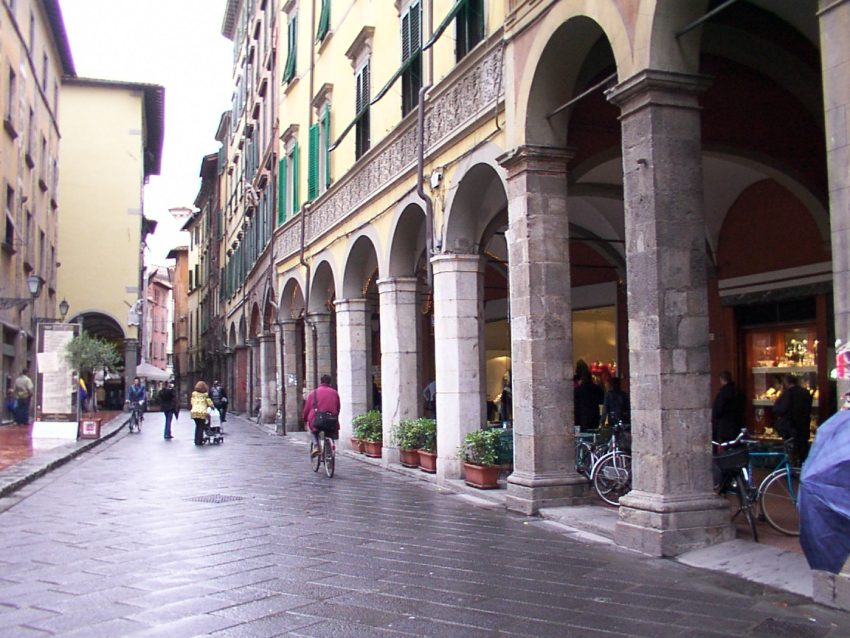
Location: Borgo Stretto, Pisa, Province of Pisa, Italy | Hours: Open at all times as a public thoroughfare, though individual shops and cafés generally follow standard daytime and early-evening opening hours. | Price: Free to visit, as it is a public street with shops, cafés and arcades open to pedestrians. | Distance: 0.8km
13. Logge di Banchi
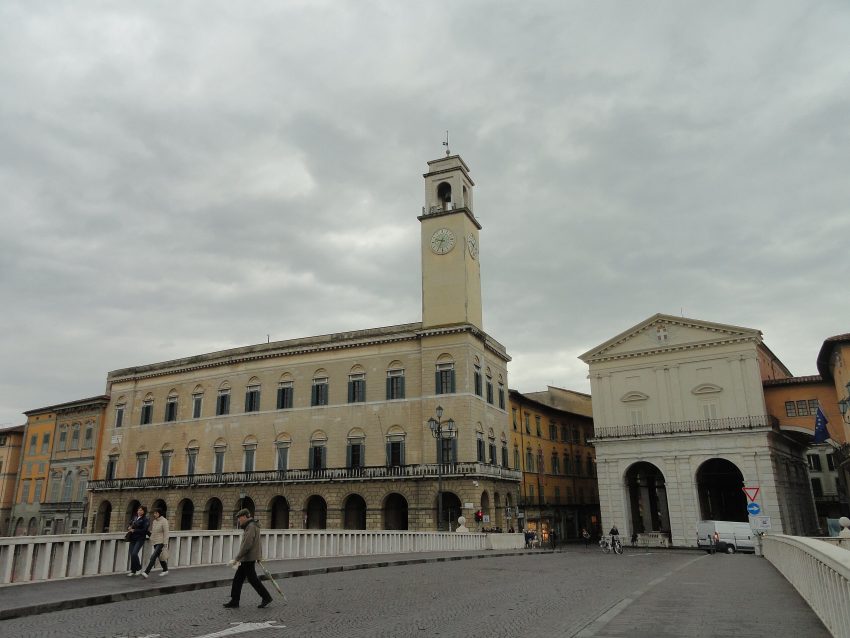
Location: Logge dei Banchi, Via di Banchi, Pisa, Province of Pisa, Italy | Hours: As an open loggia on a public street, it is accessible at all times, though interior spaces and any exhibitions follow their own schedules. | Price: There is no fee to walk under the arches or enjoy the square; costs apply only for any events or exhibitions hosted in the spaces above or below. | Distance: 0.9km
14. Palazzo Blu
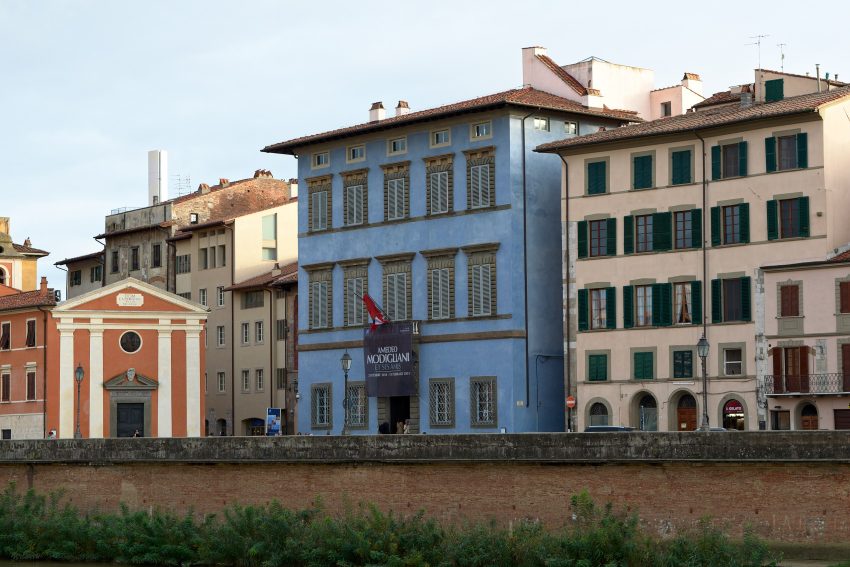
Location: Palazzo Giuli Rosselmini Gualandi, Lungarno Gambacorti, Pisa, Province of Pisa, Italy | Hours: Tuesday - Friday: 10:00 AM – 7:00 PM Saturday - Sunday and holidays: 10:00 AM – 8:00 PM | Price: Adult: 3,00 Euro | Website | Distance: 0.9km
15. Santa Maria della Spina
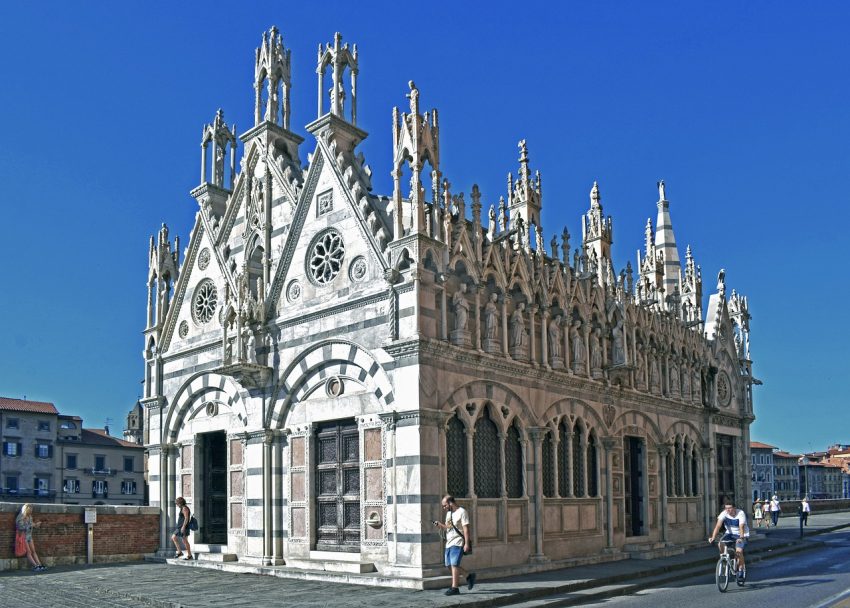
Location: Santa Maria della Spina, Lungarno Gambacorti, Pisa, Province of Pisa, Italy | Hours: Open only on special occasions or exhibitions | Price: Free | Distance: 0.9km
16. Museum of the Ancient Ships

Location: Museum of Ancient Ships of Pisa, Lungarno Ranieri Simonelli, Pisa, Province of Pisa, Italy | Hours: Friday 3.30 – 6.30 pm Saturday and Sunday 10.30 am – 6.30 pm | Price: Adults: €8.00 | Website | Distance: 1.0km
17. Church of Santa Maria della Spina
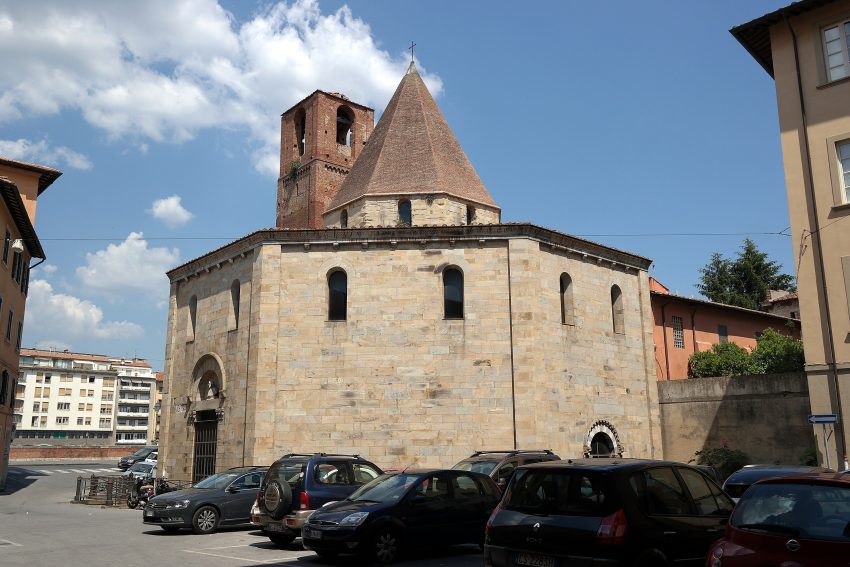
Location: Santo Sepolcro, Piazza Santo Sepolcro, Pisa, Province of Pisa, Italy | Hours: 3:30-5:00 pm | Price: Free | Distance: 1.1km
18. Torre Guelfa
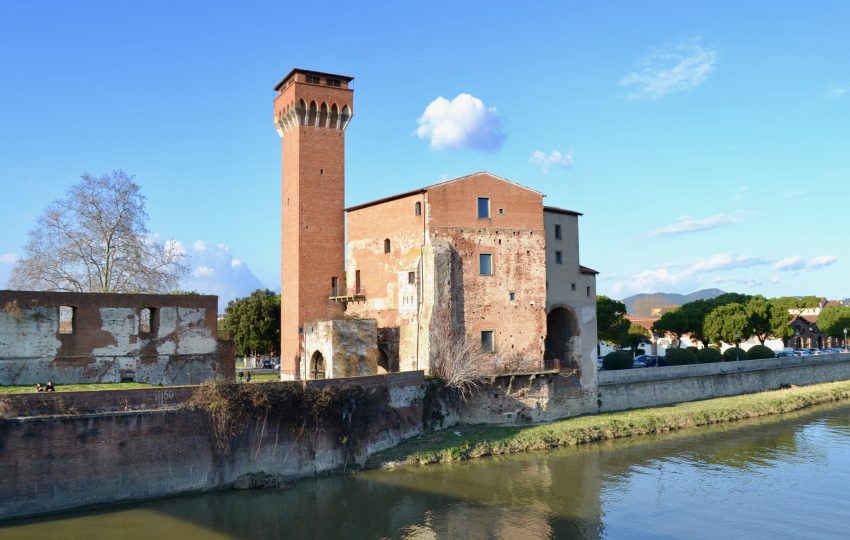
Location: Torre Guelfa, Pisa, Province of Pisa, Italy | Distance: 1.1km
19. Corso Italia
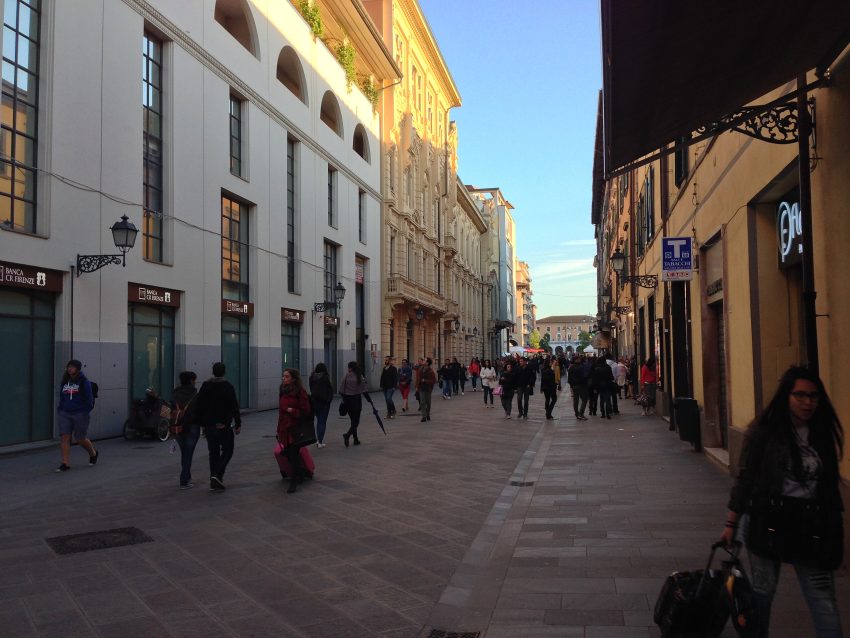
Location: Corso Italia, Pisa, Province of Pisa, Italy | Hours: The street itself is always open, but individual shops usually close for a few hours at lunchtime and in the evening, so plan shopping for standard Italian business hours. | Price: There is no entrance fee; Corso Italia is a public street that you can explore freely at any time. | Distance: 1.2km
20. Palazzo Vecchio de Palazzo Medici
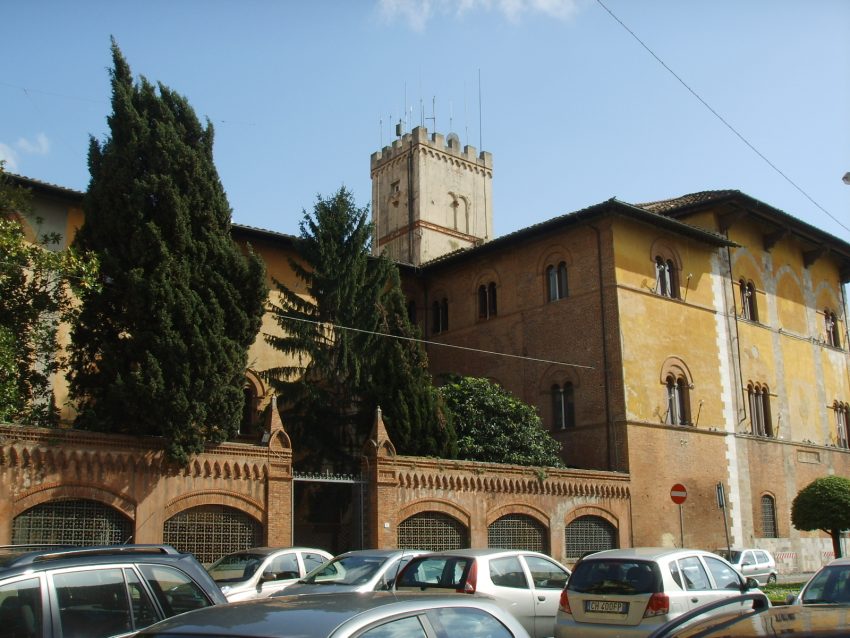
Location: Palazzo Medici, Piazza Giuseppe Mazzini, Pisa, Province of Pisa, Italy | Hours: As a functioning Prefecture, interior hours follow office schedules. | Price: There is no fee to admire the palace from outside. | Distance: 1.2km
21. Museo Nazionale di San Matteo
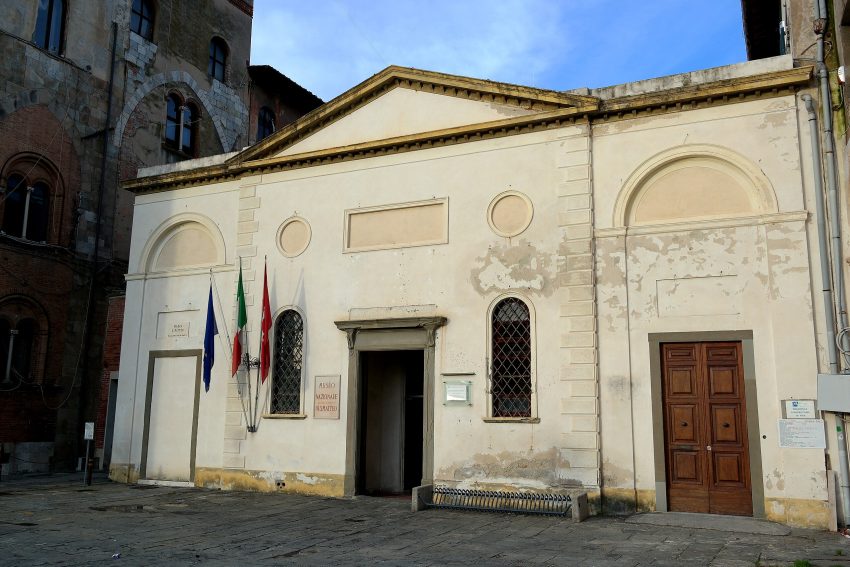
Location: Museo Nazionale di San Matteo, Piazza San Matteo In Soarta, Pisa, Province of Pisa, Italy | Hours: Tuesday to Saturday, from 9:00 to 19:00 (last admission 18:30). Sundays and holidays from 9:00 to 13:30 (last admission 13:00) | Price: Adults € 6.00 | Website | Distance: 1.3km
22. Murale Tuttomondo
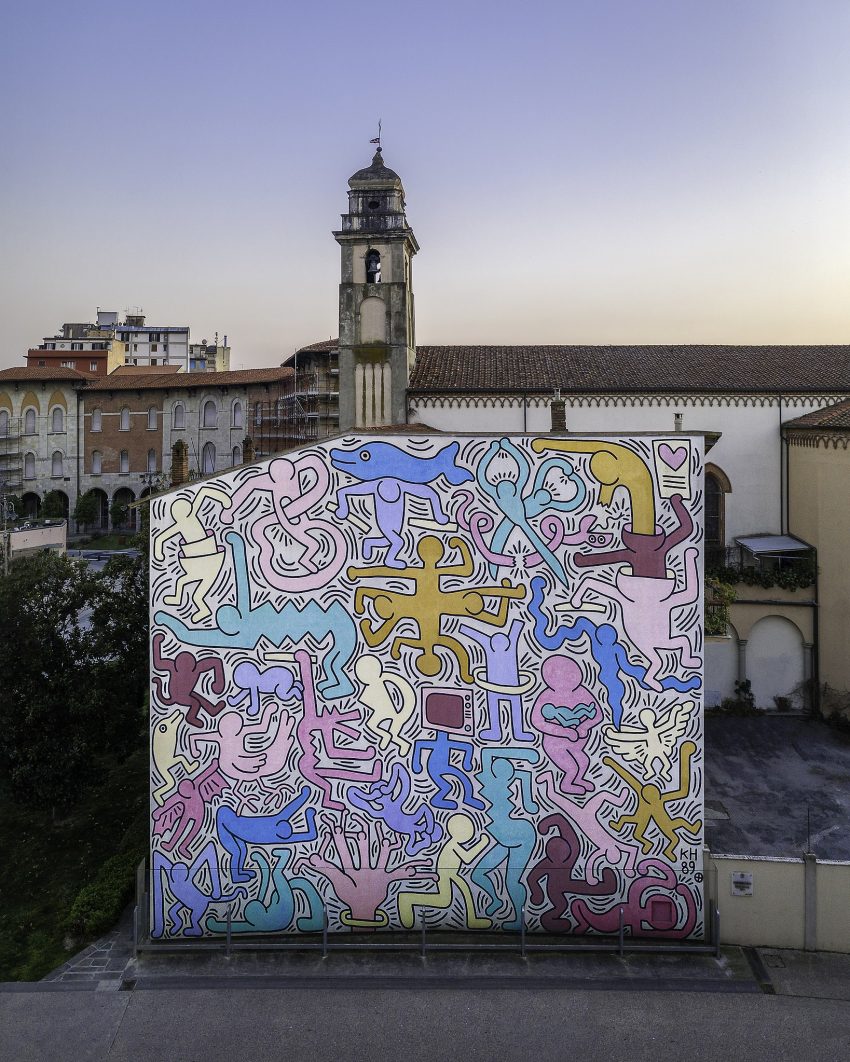
Location: P.za V. Emanuele II, 18, 56125 Pisa PI, Italy | Hours: Accessible at all hours from the street; any interior church opening times are separate and may vary. | Price: Viewing the mural is free; there is no ticket required as it is an outdoor public artwork. | Distance: 1.3km
23. Piazza Vittorio Emanuele II

Location: Piazza Vittorio Emanuele, 56125 Pisa PI, Italy | Hours: As a public square, it is accessible at all hours, though surrounding businesses follow their own schedules. | Price: There is no fee to visit the square itself; any costs depend on cafés, events or attractions you choose nearby." | Distance: 1.4km
Best Day Trips from Pisa
A day trip from Pisa offers the perfect opportunity to escape the urban rhythm and discover the surrounding region's charm. Whether you're drawn to scenic countryside, historic villages, or cultural landmarks, the area around Pisa provides a variety of easy-to-reach destinations ideal for a one-day itinerary. If you are looking to rent a car in Italy I recommend having a look at Discover Cars, first, as they compare prices and review multiple car rental agencies for you.
1. Basilica Romanica di San Piero a Grado
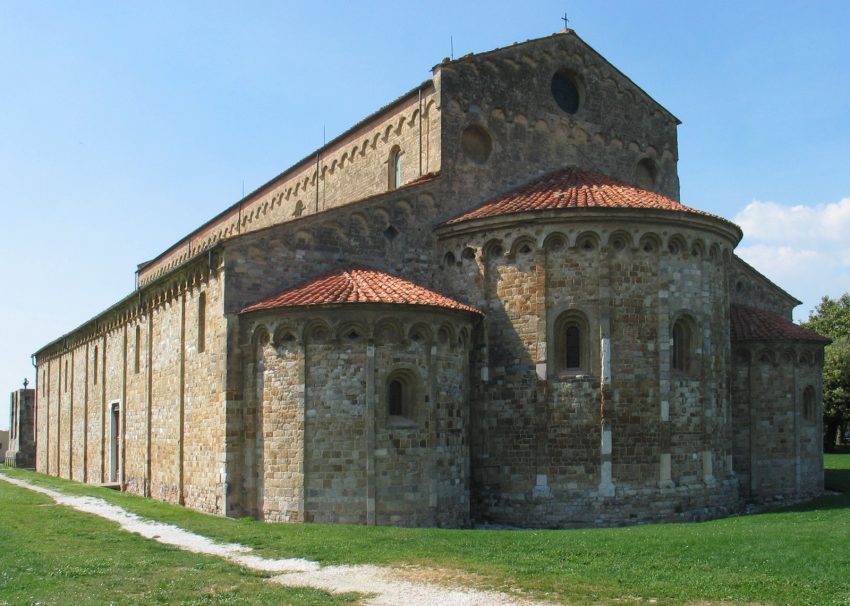
Location: San Piero a Grado, Via Vecchia di Marina, Pisa, Province of Pisa, Italy | Hours: Hours can vary with religious services and seasons | Price: Free entry; donations to the church are welcome. | Distance: 6.3km
Visiting Basilica Romanica di San Piero a Grado
2. Charterhouse of Calci
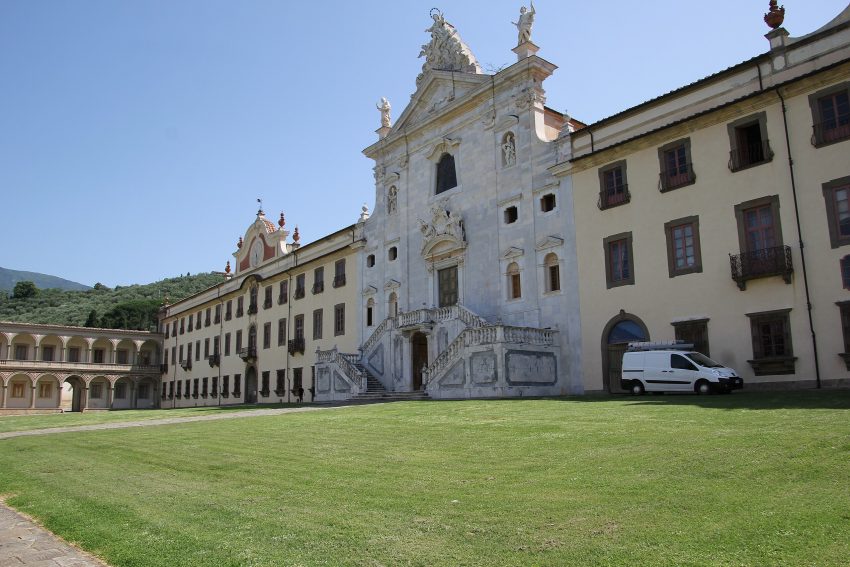
Location: Natural History Museum of the University of Pisa, Via Roma, La Pieve, Province of Pisa, Italy | Hours: Daily: 9.00 to 19.00. | Price: Adults: €15.00 | Website | Distance: 10.1km
Visiting Charterhouse of Calci
3. Villa Puccini in Torre del Lago
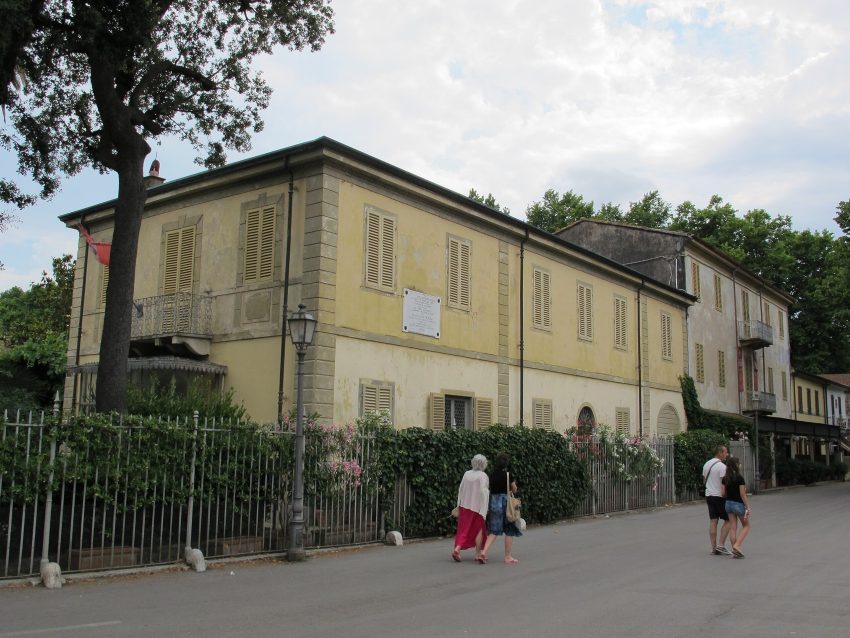
Location: Villa Puccini Museum, Viale Giacomo Puccini, Torre del Lago, Province of Lucca, Italy | Hours: November: OPEN ONLY on Saturday and Sunday from 10:00 a.m. to 12:40 p.m. (last admission 12:00) – from 2:00 p.m. to 5:20 p.m. (last admission 4:40 p.m.). December 1st to January 31st: from 10:00 a.m. to 12:40 p.m. (last admission 12:00) – from 2:00 p.m. to 5:20 p.m. (last admission 4:40 p.m.). February 1st to March 31st: from 10:00 a.m. to 12:40 p.m. (last admission 12:00) – from 2:30 p.m. to 5:50 p.m. (last admission 5:10 p.m.). April 1st to October 31st: from 10:00 a.m. to 12:40 p.m. (last admission 12:00) – from 3:00 p.m. to 6:20 p.m. (last admission 5:50 p.m.). On the days of the Puccini Festival (July and August): from 10:00 a.m. to 12:40 p.m. (last admission 12:00) – from 4:00 p.m. to 8:40 p.m. (last admission 8:00). Closed Monday morning (excluding period from June 1st to September 30th), December 25 (Christmas) | Price: € 7,00 | Website | Distance: 14.2km
Visiting Villa Puccini in Torre del Lago
4. Lucca
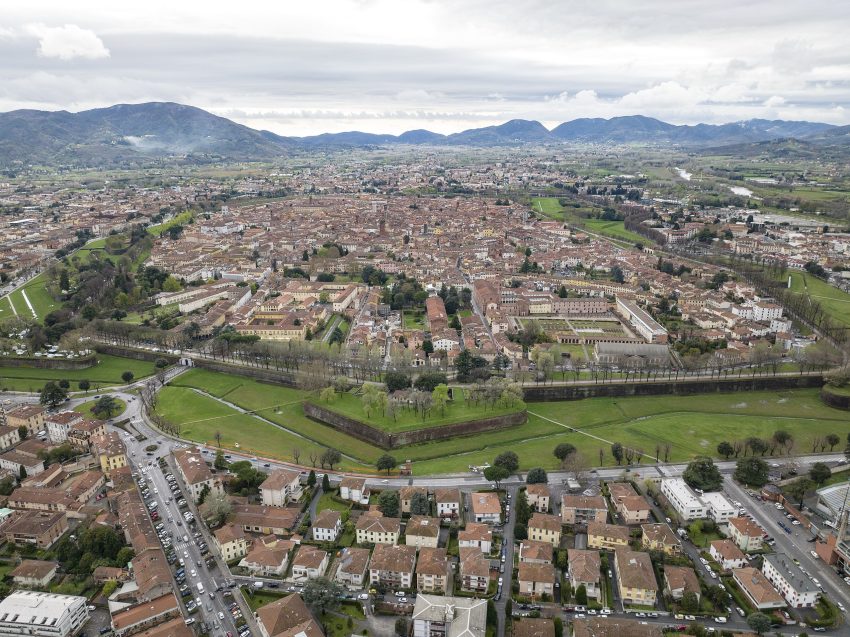
Visiting Lucca
5. Livorno
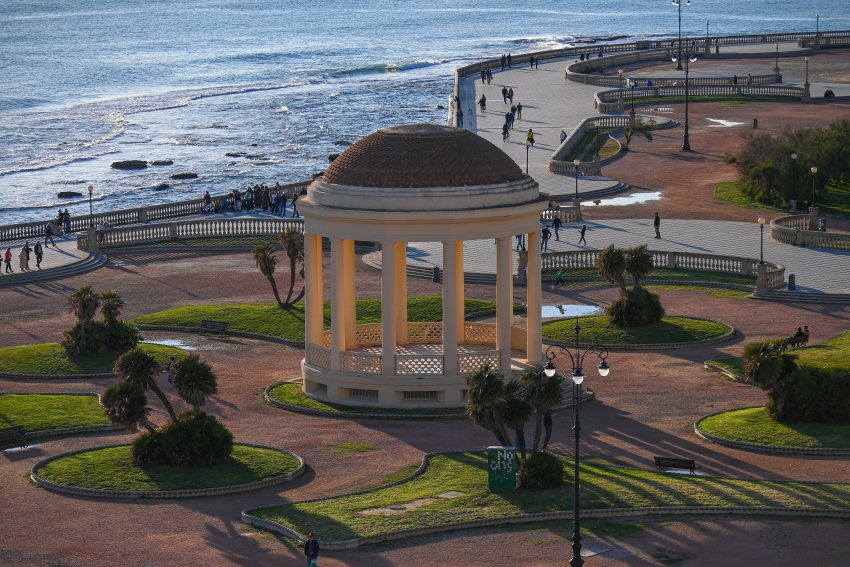
Visiting Livorno
6. Lerici
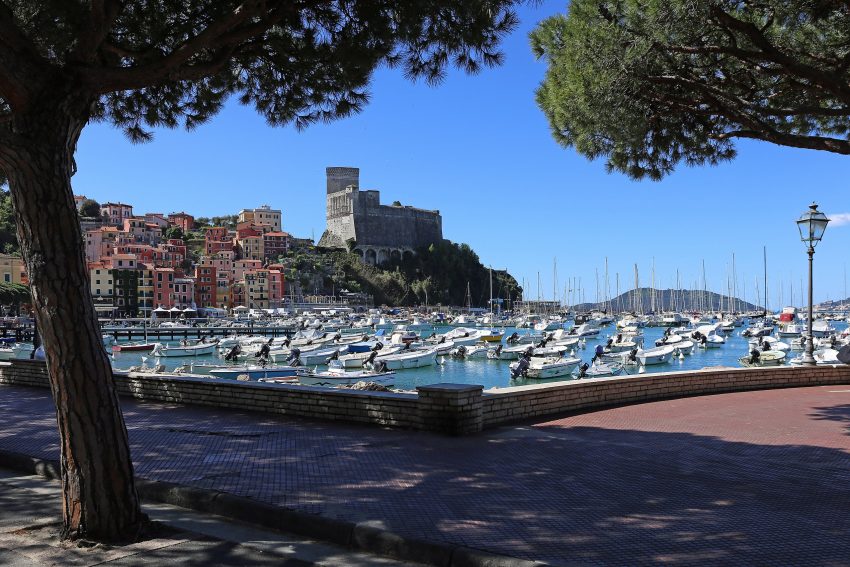
Visiting Lerici
7. Portovenere
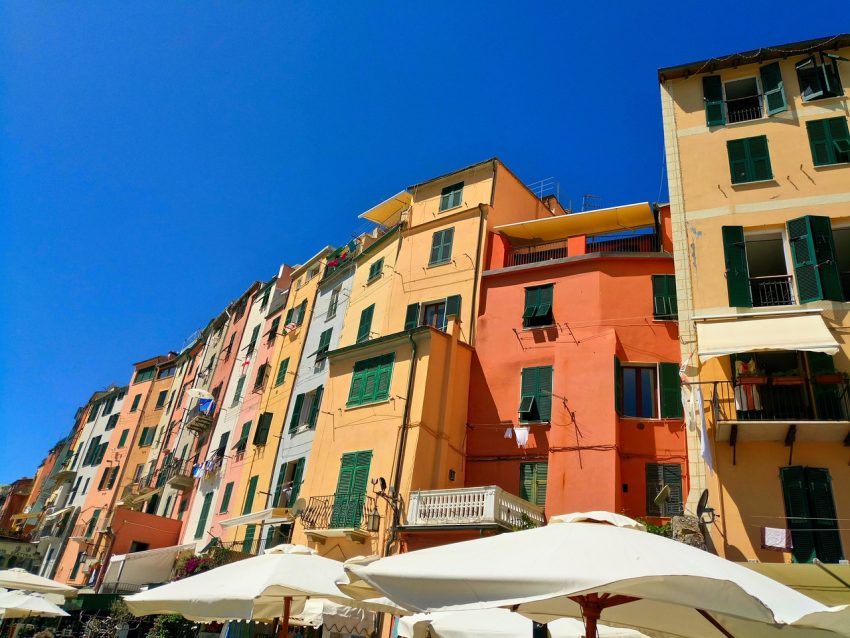
Visiting Portovenere
8. San Gimignano
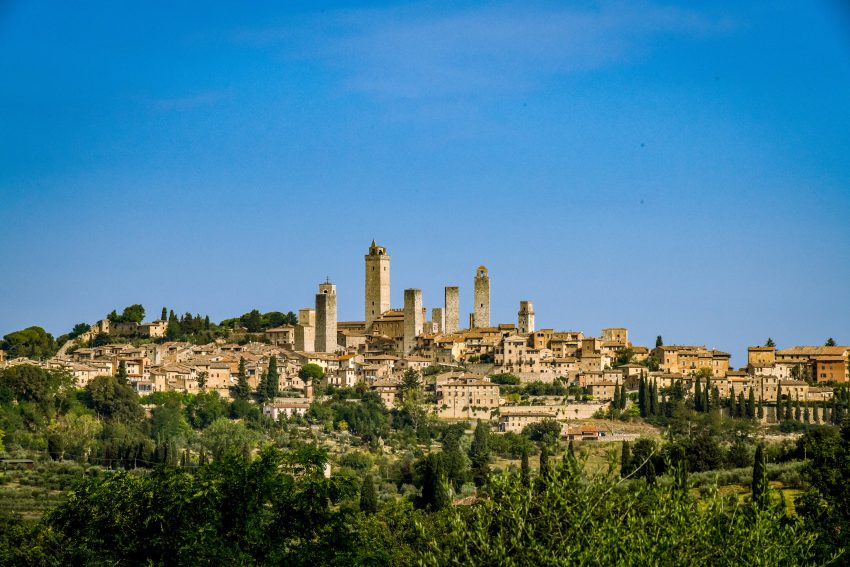
Visiting San Gimignano
9. La Spezia
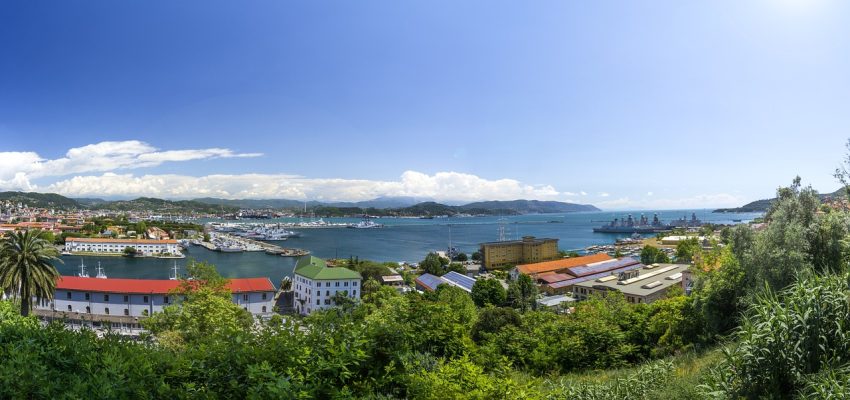
Visiting La Spezia
10. Riomaggiore
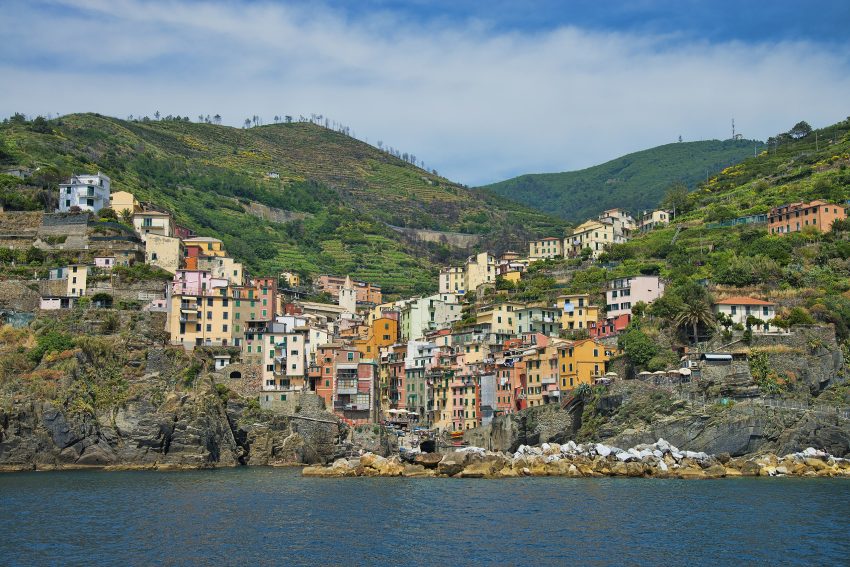
Visiting Riomaggiore
11. Manarola
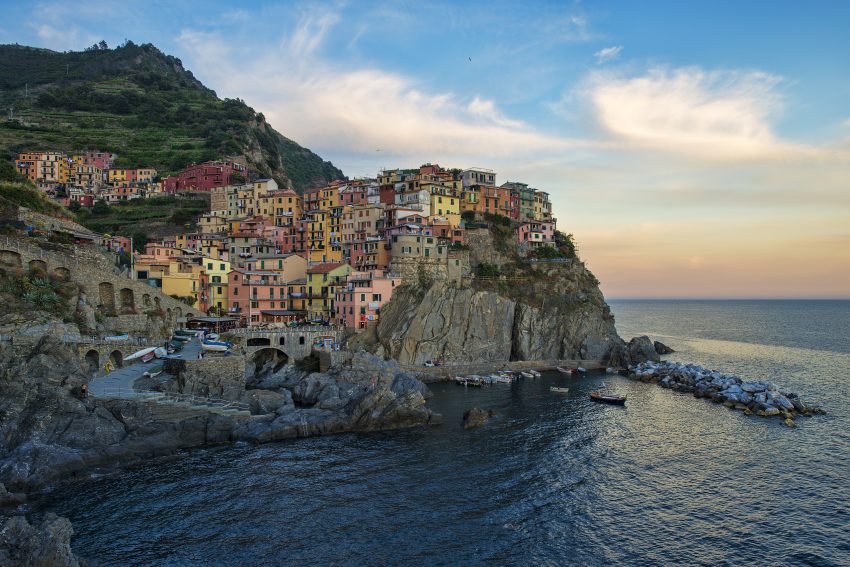
Visiting Manarola
12. Florence

Visiting Florence
13. Corniglia
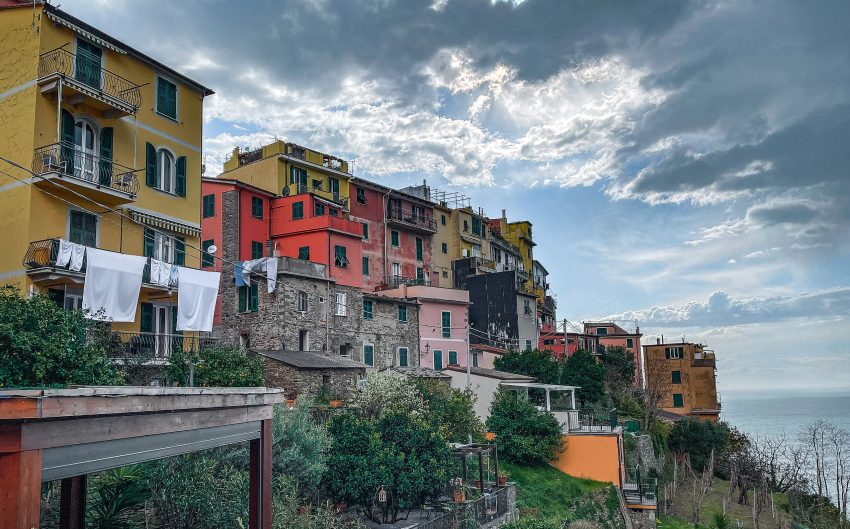
Visiting Corniglia
Where to Stay in Pisa
If being able to walk to the Leaning Tower at sunrise (or pop back easily between crowds) matters most, base yourself by Piazza dei Miracoli and the northern edge of the historic centre. This area is compact, atmospheric, and ideal for short stays focused on sightseeing, with plenty of cafés and gelaterie around Via Santa Maria and Borgo Stretto. Good options here include Grand Hotel Duomo for a very central location, Hotel Pisa Tower for convenience near the monuments, and Relais Dell'Orologio if you want a more boutique-style stay inside the old town fabric.
For a classic “city break” feel with evening strolls, restaurants, and shopping streets on your doorstep, aim for the historic centre along the Arno (around Lungarni, Borgo Stretto, and the bridges). It’s still walkable to the tower, but you’ll also have a more local, lived-in vibe after day-trippers leave, plus easy access to the main sights on both sides of the river. A strong pick in this zone is Royal Victoria Hotel, which puts you right on the riverfront and in the middle of the old city’s evening energy.
If you’re arriving by train, leaving early, or you want the simplest logistics for day trips (Florence, Lucca, Cinque Terre connections), staying around Pisa Centrale is the most practical choice. It’s less “storybook Pisa,” but you gain fast access to platforms, airport transfers, and a straightforward walk or quick bus to the centre. Reliable, well-located options here include NH Pisa, Hotel Bologna, and Hotel La Pace—all convenient when timing and transport matter more than being beside the monuments.
If you’d rather trade the city for sea air, look towards the Pisa coastline (Marina di Pisa and Tirrenia), which works well in warmer months and can feel far more relaxed than central Pisa at peak times. You’ll be outside the main sightseeing hub, but it’s a good base if you want beach time and a slower pace, while still being able to dip into the city for the tower and museums. A popular coastal option is Grand Hotel Continental.
Using the our Hotel and Accomodation map, you can compare hotels and short-term rental accommodations in Pisa. Simply insert your travel dates and group size, and you’ll see the best deals for your stay.
Pisa Accommodation Map
Best Time to Visit Pisa
Annual Weather Overview
- January 11°C 55°F
- February 12°C 57°F
- March 15°C 63°F
- April 18°C 68°F
- May 22°C 76°F
- June 28°C 85°F
- July 31°C 91°F
- August 29°C 89°F
- September 25°C 81°F
- October 22°C 74°F
- November 15°C 62°F
- December 11°C 56°F
How to get to Pisa
Getting to Pisa is possible by air, by road and railroad alike, which is why this Tuscan city is so easily accessible for any tourist who travels from various corners of Tuscany, Italy and from any corner of the world, for that matter.
Flying to Pisa
Getting to Pisa by plane Traveling by plane seems, by far, to be the most efficient manner to get to Pisa. The Galileo Galilei International Airport of Pisa is the main airport for Tuscany. The airport is located only 1 kilometre southwards from the centre of the Pisa and has has a shuttle to Pisa’s central Train station. The airport is also has excellent connections to the road and railroad infrastructure of Tuscany.
Other airports you could use are: Florence, followed by Genoa, Perugia, Bologna and Rome. Pisa airport is the most popular for flights within Europe, while Rome is the most likely arrival airport for US and Canadian visitors.
Getting to Pisa By train
Pisa is reachable by train from a series of Tuscan cities, such as Florence, Livorno, Siena and Lucca, but railroad also links Pisa to other major cities of Italy – Rome and Genoa, for instance. The main two train stations in Pisa where trains arrive from or depart to various destinations are the San Rossore Station (close located to the Piazza del Duomo) and the Pisa Central Station, from where several busses transport their passengers to the center of the city. Thus, Lucca is only about 30 minutes from Pisa by train, and the 24 trains covering the distance everyday assure a fine connection between these two Tuscan cities. Siena, on the other hand, lies about one hour from Pisa, hourly trains being available as means of covering this distance, whereas it takes about an hour and a half for the trains to get from Pisa to Florence (or the other way around), this connection being carefully supervised since tourist demand for means of transportation on this route is pretty high. Consequently, about 40 trains link Florence to Pisa. Pisa also makes a good destination for those starting off in Rome, though the distance is coverable in about 3 hours, the link being serviced by 20 daily trains. Obviously, getting to Pisa by train is an excellent alternative for people who, for various reasons, do not opt for flights or for other road opportunities.
Getting to Pisa by Bus
Tuscany is an excellent place to explore using buses as means of transportation, given that buses are the cheapest of all transport options in Italy, though some consider trains more efficient in terms of land transportation. There are plenty of buses which link the main Italian and Tuscan cities and towns to Pisa. Rome and Florence are excellently linked to Pisa by buses. There are three bus operators servicing the tourist platform of Pisa, each of them covering various destinations. Thus, Autolinee Lazzi links Lucca and Viareggio to Pisa, whereas CPT (Compagnia Pisana Trasporti) provides a reliable connection between Pisa and the entire province. A smaller operator refers to CLAP, which makes regular routes to Lucca and Pietrasanta. The main station for intercity buses in Pisa is the one located in Piazza Vittorio Emanuele II, close to the Central Station.
Getting to Pisa by Car
Traveling to Pisa by car is an experience all enthusiasts of Italy and of Tuscany in particular should make, given that the region has plenty to offer in terms of sceneries and tourist objectives. This possible option is also enhanced by the excellent road infrastructure of Italy, but the main drawback of traveling to Pisa by car is visitors who do not excel in orientation might be a little puzzled by the combination of motorways they must follow in order to get to Pisa. Thus, the main road leading directly to Pisa is the so-called SS1 Aurelia, which must be resorted to by tourists coming, for instance, from Florence, Rome or Bologna, and from Genoa alike. However, if departing from Florence, before entering SS1 Aurelia, tourists should follow either the A11 Florence-Mare Motorway or the Florence-Pisa-Livorno expressway. From Genoa, before entering the SS1 Aurelia, visitors should travel on the A12 Genoa-Rosignato Motorway, whereas if departing from Rome, the best choice is to combine the A1 Motorway to Florence, and then follow the Same A11 Motorway and SS1 Aurelia in view of finally arriving to Pisa.