Gubbio, Italy: The Ultimate Travel Guide 2026

Nestled amidst the rugged terrain of the Apennine Mountains, Medieval Gubbio boasts a picturesque setting approximately 25 miles northeast of the bustling capital of Umbria, Perugia. To the north and east, the landscape stretches out into vast expanses until reaching the border with the neighboring region of Le Marche.
This ancient land, adorned with charming squares and majestic stone palaces, has been inhabited for millennia, with traces of Neanderthal tribes dating back tens of thousands of years. Gubbio stands as a custodian of the rich history of the ancient Umbri people, with its museums preserving invaluable artifacts, including a linguistic relic akin to the famed Rosetta Stone, shedding light on their enigmatic language lost to time.
The silhouette of its medieval architecture distinguishes Gubbio as one of Umbria's quintessential hill towns, offering visitors a captivating journey through time. Beyond its historical allure, Gubbio beckons to connoisseurs of gastronomy and adventure alike, renowned as a haven for truffle enthusiasts who revel in the pursuit and indulgence of these prized culinary treasures.
History of Gubbio
The origins of Gubbio are deeply rooted in ancient history, with evidence of habitation on the surrounding hills dating back to the Bronze Age. Known as Ikuvium in pre-Roman times, it was a significant town for the Umbri people, made famous by the discovery of the Iguvine Tablets in 1444—a collection of bronze tablets constituting the largest surviving text in the Umbrian language. After the Roman conquest in the 2nd century BC, the city, retaining the name Iguvium, remained influential, as evidenced by its Roman theatre, the second-largest surviving in the world.
In the early Middle Ages, Gubbio rose to prominence, notably sending 1,000 knights to the First Crusade under the leadership of Girolamo from the notable Gabrielli family, who, according to local tradition, were among the first to reach the Church of the Holy Sepulchre when Jerusalem was captured in 1099.
The subsequent centuries in Gubbio were marked by conflict, including wars against neighboring Umbrian towns. One such conflict saw the miraculous intervention of Bishop Ubald, who secured a decisive victory for Gubbio in 1151, ushering in a period of prosperity. During the Guelphs and Ghibellines’ struggles, the Gabrielli family, including the notable condottiero Cante dei Gabrielli, supported the Guelph faction and the papacy. As the Podestà of Florence, Cante is infamous for exiling Dante Alighieri.
In 1350, Giovanni Gabrielli, Count of Borgovalle, seized power in Gubbio but was forced to surrender the town to Cardinal Gil Álvarez Carrillo de Albornoz, representing the Papal States, in 1354. A few years later, Gabriello Gabrielli, the bishop of Gubbio, declared himself lord of the town but was betrayed by noblemen, including relatives, and had to seek refuge in Cantiano.
With the political decline of the Gabrielli family, Gubbio was incorporated into the territories of the House of Montefeltro. Federico da Montefeltro, the lord of Urbino, rebuilt the ancient Palazzo Ducale in Gubbio, incorporating a studiolo veneered with intarsia, similar to his studiolo in Urbino. Gubbio’s maiolica industry flourished in the first half of the 16th century, known for its metallic lustre glazes imitating gold and copper.
In 1631, Gubbio became part of the Papal States after the extinction of the della Rovere family, to whom the Duchy of Urbino had been granted. In 1860, Gubbio was incorporated into the Kingdom of Italy along with the rest of the Papal States. The Pamphili family, a notable papal family originating from Gubbio, rose to prominence in Rome under Pope Innocent VIII (1484–1492) and is immortalized in Diego Velázquez’s portrait of Pope Innocent X.

Moira & Andy
Hey! We're Moira & Andy. From hiking the Camino to trips around Europe in Bert our campervan — we've been traveling together since retirement in 2020!
Visiting Gubbio for the first time and wondering what are the top places to see in the city? In this complete guide, I share the best things to do in Gubbio on the first visit. To help you plan your trip, I have also included an interactive map and practical tips for visiting!
This website uses affiliate links which earn a small commission at no additional cost to you.
12 Best places to See in Gubbio
This complete guide to Gubbio not only tells you about the very best sights and tourist attractions for first-time visitors to the city but also provide insights into a few of our personal favorite things to do.
This is a practical guide to visiting the best places to see in Gubbio and is filled with tips and info that should answer all your questions!
1. Fontana del Bargello
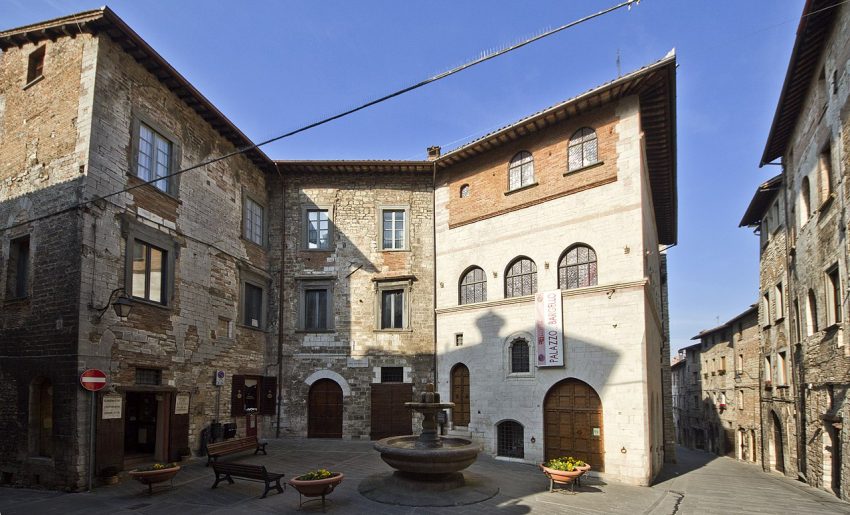
Location: Fontana del Bargello, Via dei Consoli, Gubbio, Province of Perugia, Italy | Hours: Open at all times as it is a public fountain. | Price: Free | Website | Distance: 0.3km

2. Teatro Romano
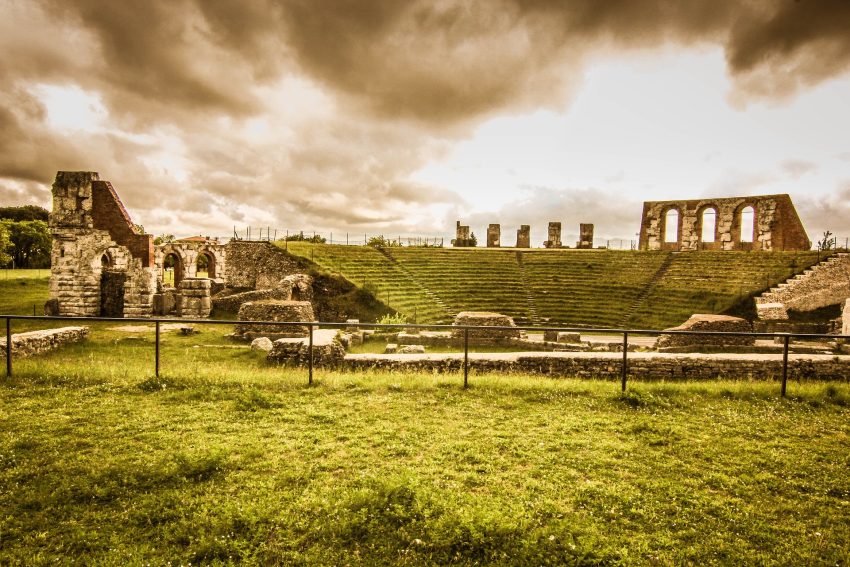
Location: Museo del Teatro Romano, Viale Teatro Romano, Gubbio, Province of Perugia, Italy | Hours: Wednesday to Sunday: 8.30am – 7.30pm, last admission allowed at 7pm: 00. Closed on Monday and Tuesday. | Price: Approximately €5 for the combined archaeological area and Antiquarium. | Website | Distance: 0.3km
3. Logge dei Tiratori
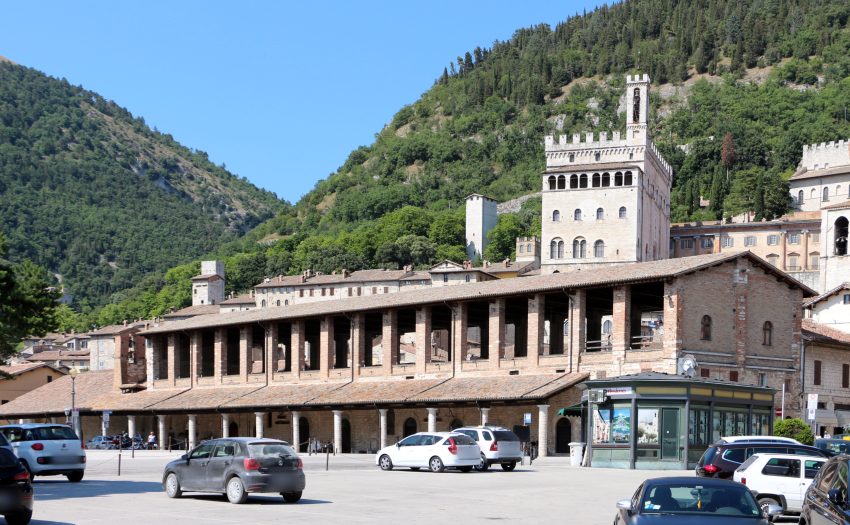
Location: Logge dei tiratori, Piazza dei Quaranta Martiri, Gubbio, Province of Perugia, Italy | Hours: Vary depending on events or exhibitions; exterior always visible. | Price: Usually free unless a special exhibition is being held. | Distance: 0.4km
4. Piazza Grande
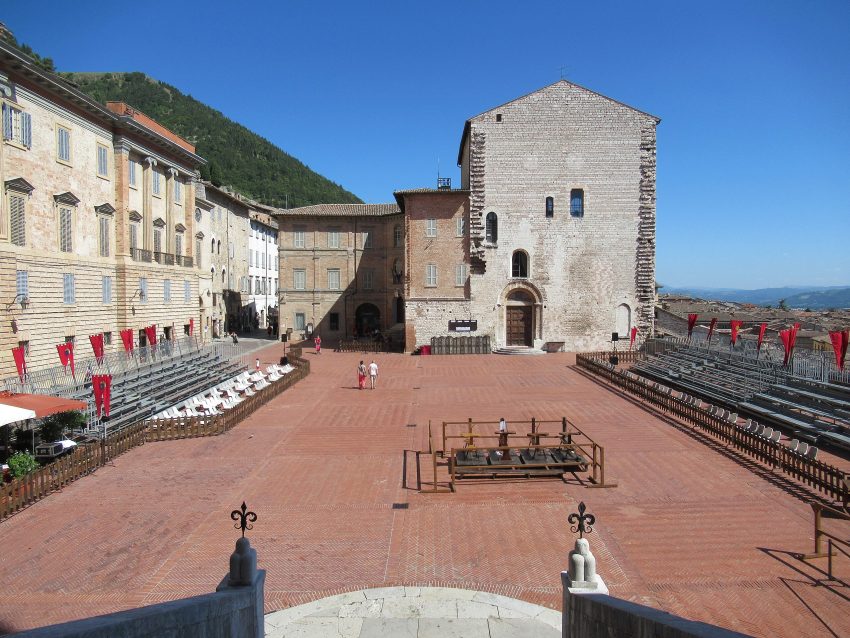
Location: Piazza Grande, Gubbio Province of Perugia, Italy | Hours: Open at all times. | Price: Free. | Distance: 0.4km
5. Palazzo dei Consoli
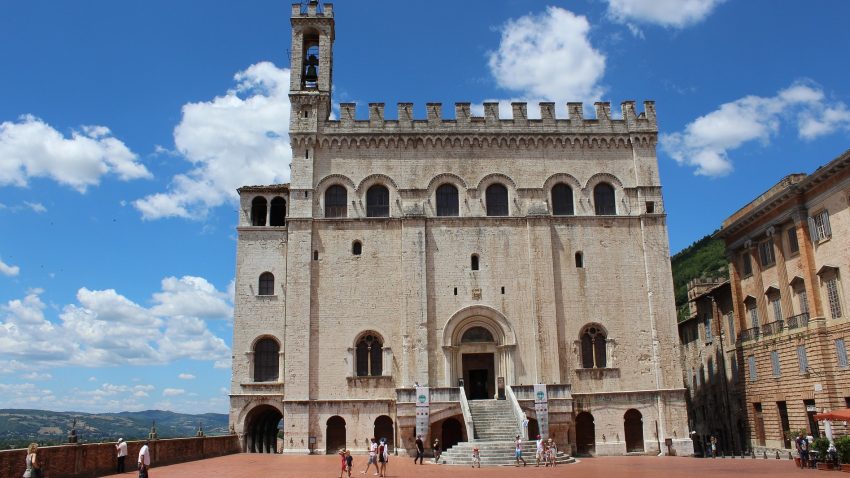
Location: Palazzo dei Consoli, Piazza Grande, Gubbio, Province of Perugia, Italy | Hours: November–March 10:00–13:00 / 15:00–18:00; April–October 10:00–13:00 / 15:00–18:00 (weekends and holidays open continuously 10:00–18:00). | Price: €12.00 full, €8.00 reduced, €3.00 youth (6-18 yrs) as of latest posted rates. | Website | Distance: 0.4km
6. Museo Diocesano
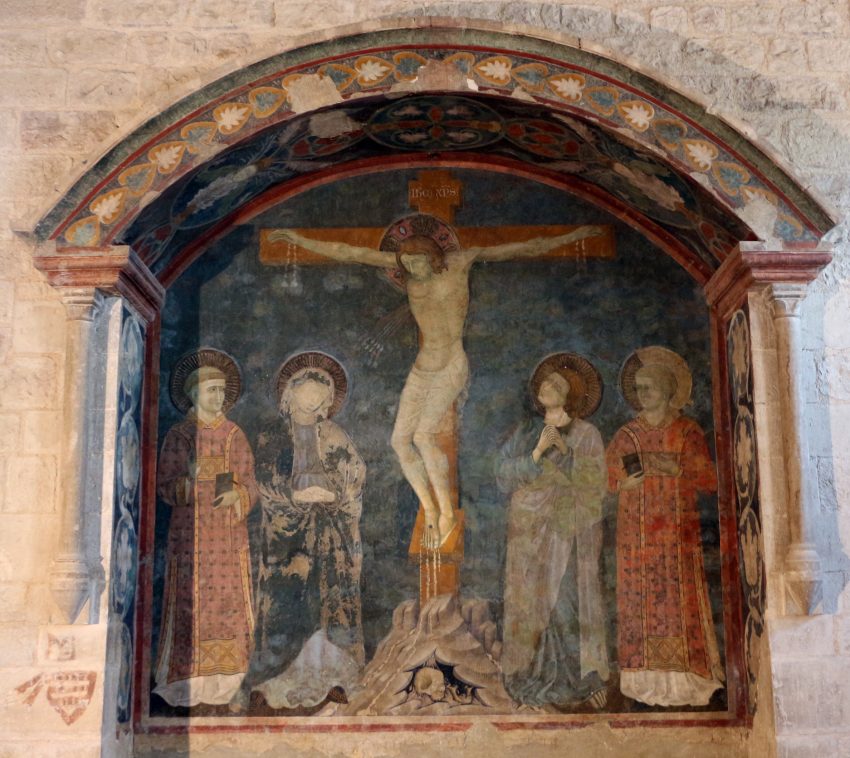
Location: Duomo dei Santi Mariano e Giacomo Via Sant'Ubaldo 06024 Gubbio PG Italy | Distance: 0.5km
7. Palazzo Ducale
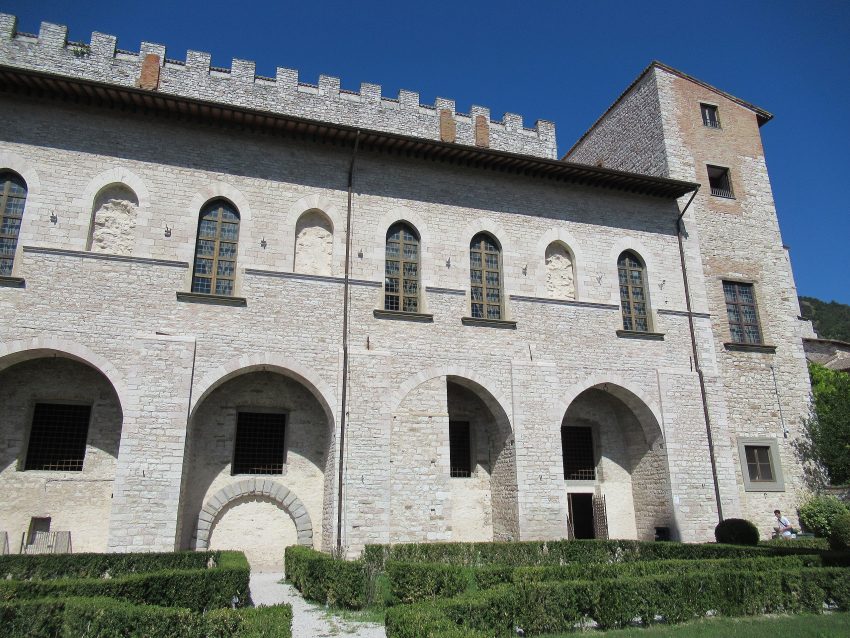
Location: Palazzo Ducale di Gubbio, Via Cattedrale, Gubbio, Province of Perugia, Italy | Hours: Mondays from 2:00 pm to 7:30 pm (last admission at 7:00 pm) from Tuesday to Sunday from 8:30 am to 7:30 pm (last admission at 7:00 pm) | Price: €5.00 | Website | Distance: 0.5km
8. Gubbio Cathedral
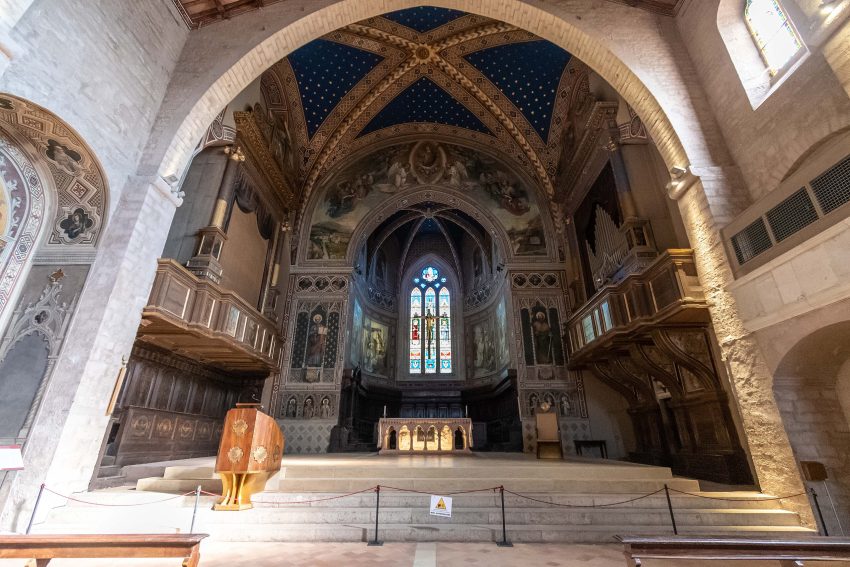
Location: Cattedrale dei Santi Mariano e Giacomo, Via Sant'Ubaldo, Gubbio, Province of Perugia, Italy | Hours: Typically open daily; check local notices for liturgical times. | Price: Free | Distance: 0.5km
9. Palazzo dei Priori
Location: Palazzo dei Priori, Piazza Grande, Gubbio, Province of Perugia, Italy | Distance: 0.5km
10. San Francesco della Pace
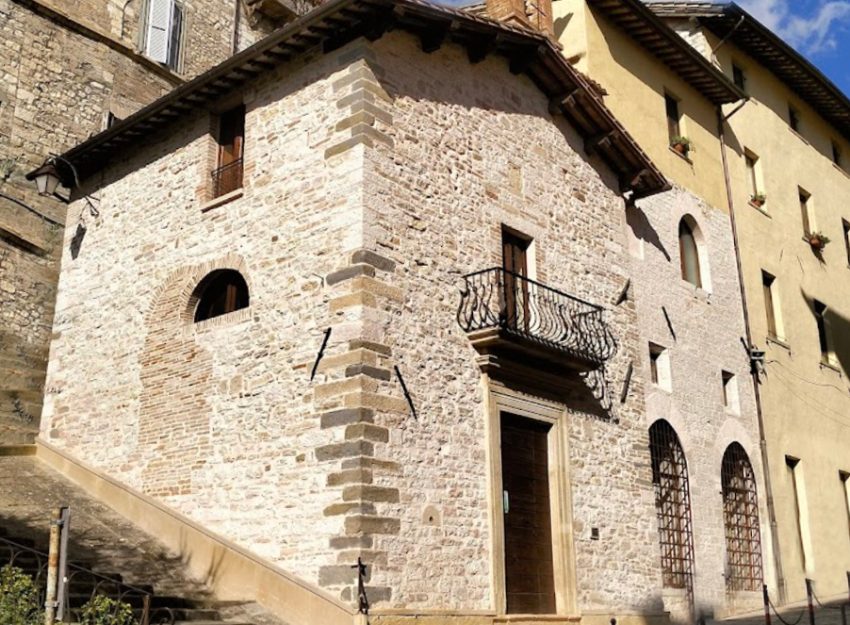
Location: Chiesa di San Francesco della Pace, Via Giorgio Mastro, Gubbio, Province of Perugia, Italy | Hours: Fri - Sun 10:00 to 13:00 / 15:00 to 17:30 | Price: €2 | Distance: 0.6km
11. Gubbio Funivia
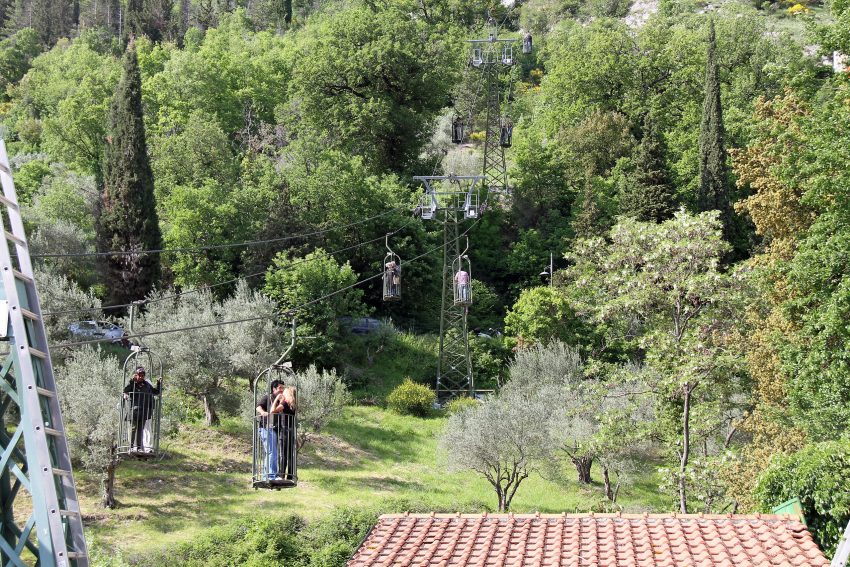
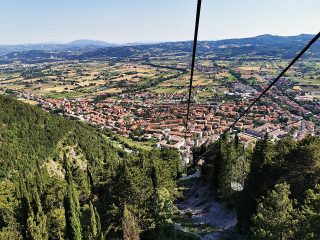
Location: Funivia Colle Eletto, Via San Gerolamo, Gubbio, Province of Perugia, Italy | Hours: Summer: 9.30am to 7.30pm Winter: 10am-1.15pm, 2.30pm-5.00pm. Closed on Wednesdays See website for details. | Price: €6 Return | Website | Distance: 1.0km
12. Basilica di Sant'Ubaldo
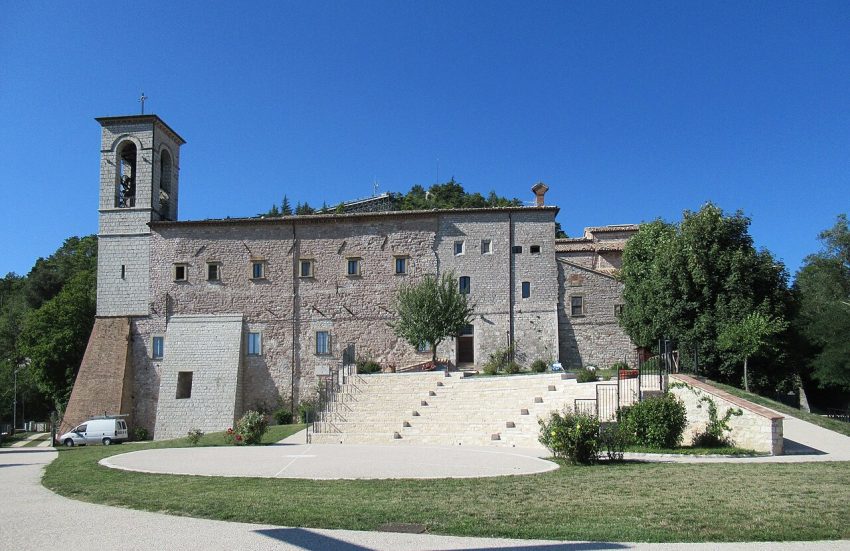
Location: Basilica di Sant'Ubaldo, Via Monte Ingino, Gubbio, Province of Perugia, Italy | Website | Distance: 1.0km
Best Day Trips from Gubbio
A day trip from Gubbio offers the perfect opportunity to escape the urban rhythm and discover the surrounding region's charm. Whether you're drawn to scenic countryside, historic villages, or cultural landmarks, the area around Gubbio provides a variety of easy-to-reach destinations ideal for a one-day itinerary. If you are looking to rent a car in Italy I recommend having a look at Discover Cars, first, as they compare prices and review multiple car rental agencies for you.
1. Perugia
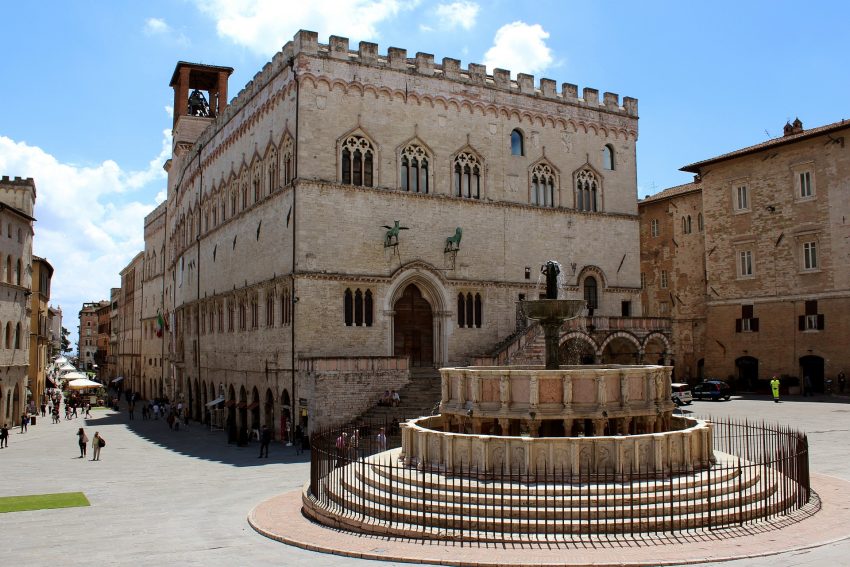
Visiting Perugia
2. Temple of Valadier
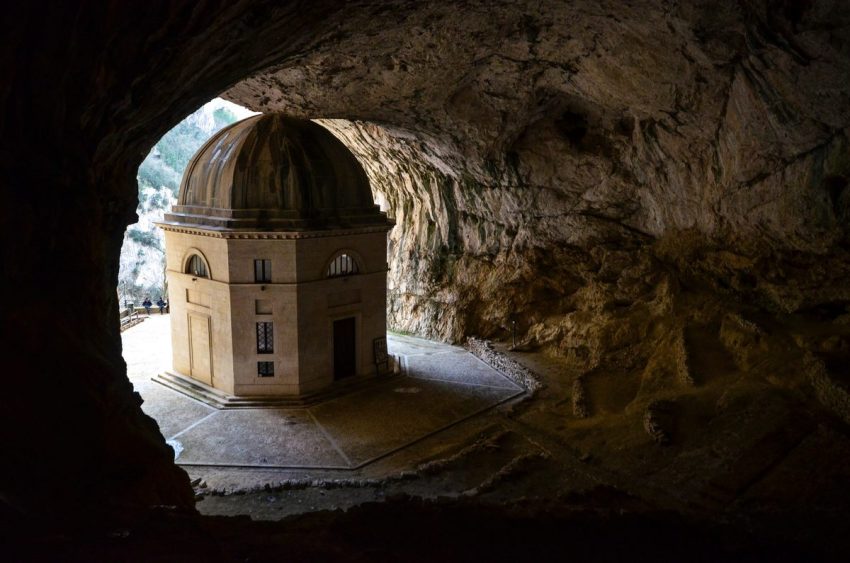
Location: Tempio del Valadier, Gola di Frasassi, Genga, Province of Ancona, Italy | Hours: The temple is outdoors and accessible during daylight hours. | Price: Free to access the temple area; separate tickets apply for Frasassi Cave tours. | Website | Distance: 31.3km
Visiting Temple of Valadier
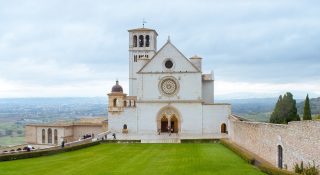
3. Assisi

Visiting Assisi
4. Arezzo
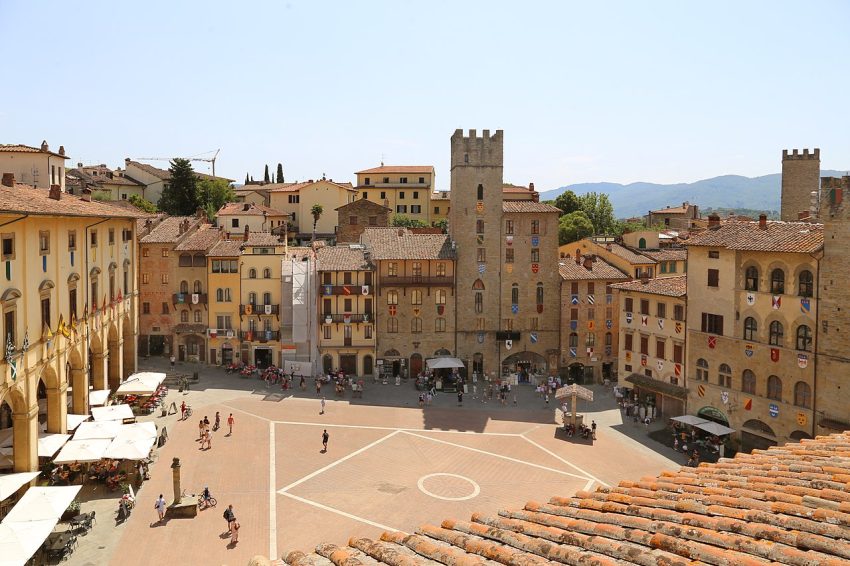
Visiting Arezzo
5. San Marino
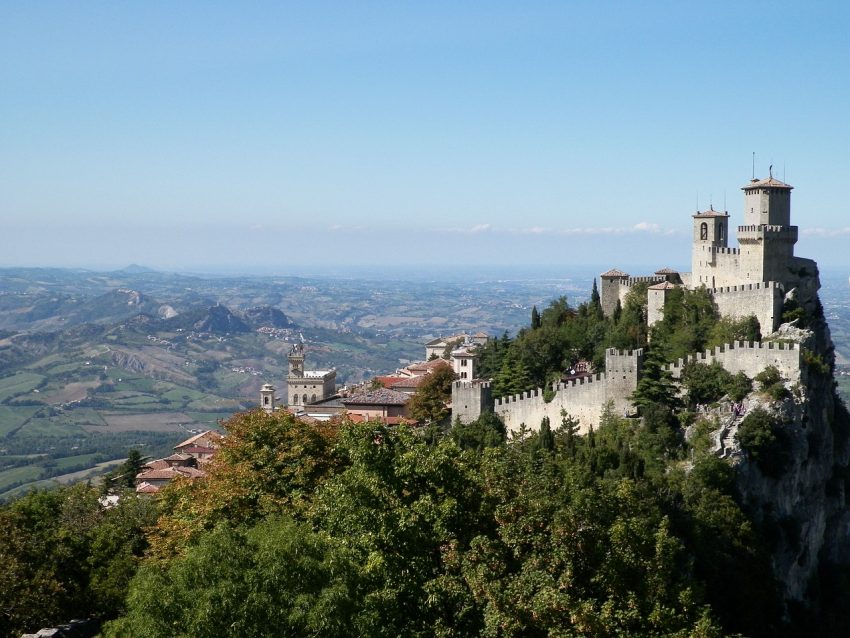
Visiting San Marino
6. Rimini
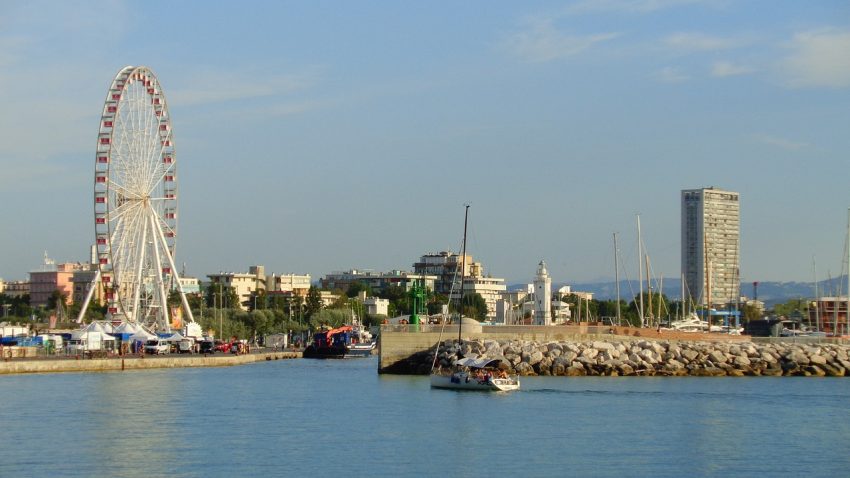
Visiting Rimini
7. Orvieto
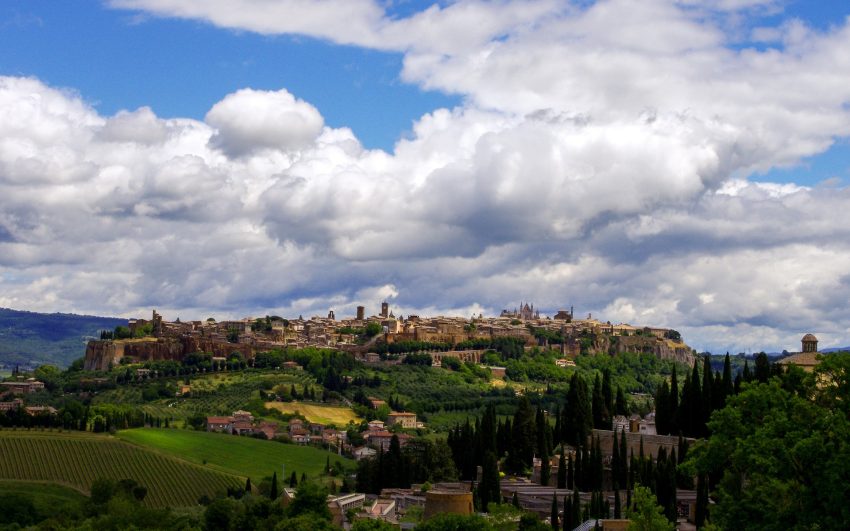
Visiting Orvieto
8. Siena
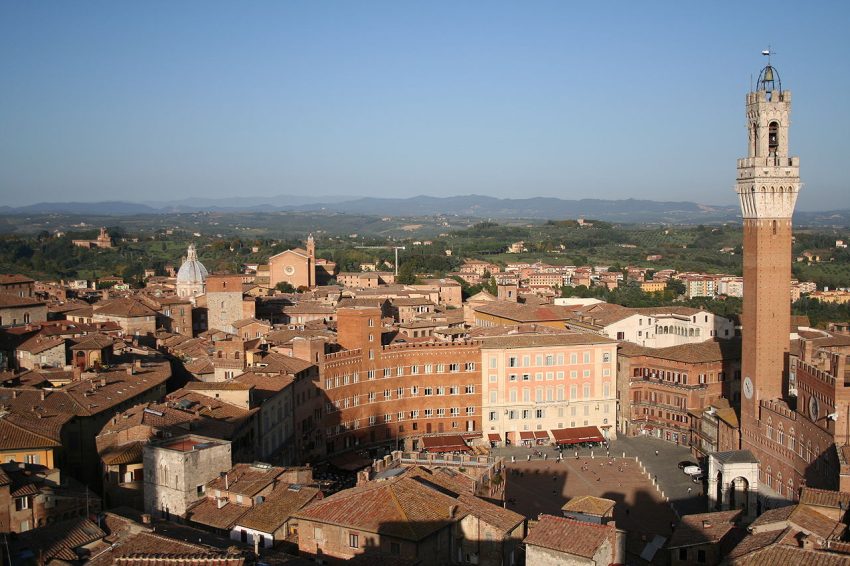
Visiting Siena
9. Florence

Visiting Florence
10. Ravenna
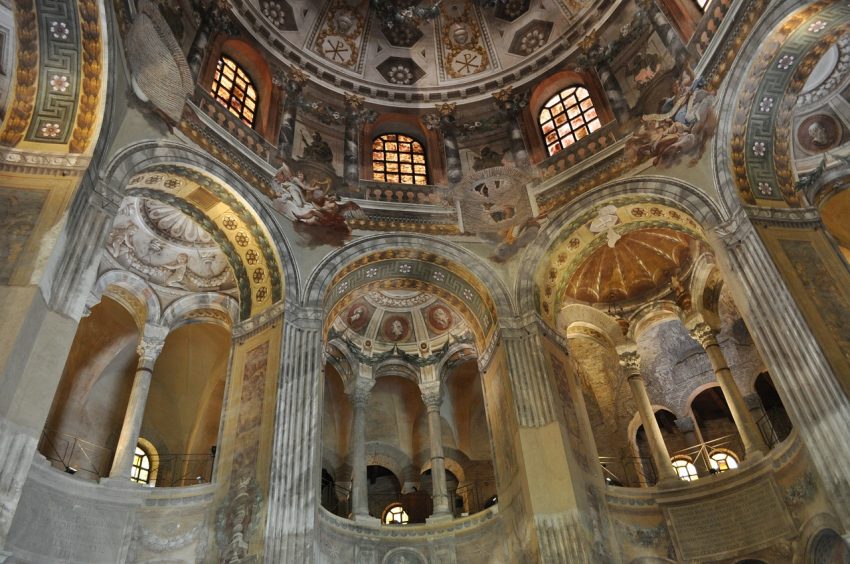
Visiting Ravenna
11. San Gimignano
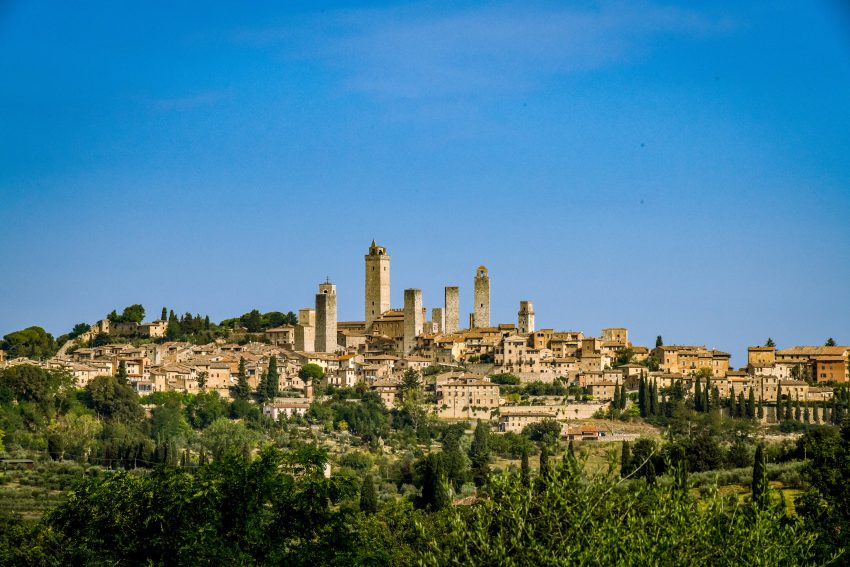
Visiting San Gimignano
Where to Stay in Gubbio
Staying in the medieval town center offers an authentic experience, with boutique hotels and historic guesthouses set among ancient stone buildings and cobbled streets. For a more rural escape, accommodations in the Umbrian countryside provide agriturismo stays with breathtaking views and farm-to-table dining.
A 2 to 3-day stay is ideal for exploring Gubbio’s medieval streets, the Palazzo dei Consoli, and the Basilica of Sant’Ubaldo. A 4-day stay allows for day trips to Perugia, Assisi, or the scenic Monte Cucco Park for outdoor adventures.
Using the our Hotel and Accomodation map, you can compare hotels and short-term rental accommodations in Gubbio. Simply insert your travel dates and group size, and you’ll see the best deals for your stay.
Gubbio Accommodation Map
Best Time to Visit Gubbio
Visiting Gubbio, Italy, offers unique charms in each season, providing visitors with diverse experiences depending on the time of year they choose to explore this medieval hill-town:
Spring (March to May): Spring is a delightful season to visit Gubbio, as the countryside blooms with wildflowers and the weather begins to warm. This is an excellent time for outdoor activities such as hiking in the surrounding Apennine Mountains. The town also celebrates several traditional festivals, including the famous “Festa dei Ceri” on May 15th, a vibrant event with historical races and colorful processions that fill the medieval streets with energy and excitement.
Summer (June to August): Summer in Gubbio can be quite warm, but it remains a popular time for tourists. The sunlit days are perfect for exploring the architectural wonders and ancient ruins at a leisurely pace. Summer evenings are lively, with open-air concerts and outdoor dining, allowing visitors to enjoy the local cuisine and vibrant nightlife. It’s also a great time to experience local truffle festivals, where the prized delicacies are celebrated.
Autumn (September to November): Autumn brings a magical change of colors to the Umbrian landscape, making it a picturesque season to visit Gubbio. The weather is cooler and more comfortable for exploring. This season is also ideal for truffle enthusiasts, as it marks the beginning of the white truffle season, which Gubbio is renowned for. Culinary tours and truffle hunting experiences are highlights during this period.
Winter (December to February): Winter is a serene and enchanting time to visit Gubbio, offering a quieter, more intimate experience of this medieval town. The mild winter climate, occasionally punctuated by light snowfalls, adds a magical touch to the historic streets and stone buildings. The highlight of the season is the festive Christmas period, when Gubbio is adorned with charming decorations and home to one of the world’s largest Christmas trees, spectacularly illuminated on the slopes of Mount Ingino. This time of year also brings fewer tourists, allowing visitors to explore the town’s rich history and cultural sites at a leisurely pace. Cozy up in local cafes and restaurants, savoring traditional Umbrian cuisine and perhaps a glass of regional wine, as you soak in the peaceful ambiance of a winter in Gubbio.
Annual Weather Overview
- January 8°C 50°F
- February 10°C 54°F
- March 12°C 58°F
- April 16°C 65°F
- May 21°C 74°F
- June 27°C 85°F
- July 30°C 90°F
- August 30°C 90°F
- September 24°C 79°F
- October 21°C 73°F
- November 13°C 59°F
- December 8°C 50°F
How to get to Gubbio
Getting to Gubbio involves a combination of air, rail, and road travel, depending on your starting point. Here are the most common ways to reach Gubbio:
By Air
The nearest major airport to Gubbio is Perugia San Francesco d’Assisi Airport (PEG), which is about 25 miles (40 km) away. Other nearby airports include:
- Ancona Falconara Airport (AOI) – Approximately 60 miles (100 km) away.
- Florence Airport (FLR) – Around 120 miles (190 km) away.
- Rome Fiumicino Airport (FCO) – Approximately 130 miles (210 km) away.
From Perugia Airport:
- Taxi or Shuttle: Take a taxi or pre-booked shuttle directly to Gubbio.
- Bus and Train: Take a bus or taxi to Perugia city center and then proceed with train or bus options.
By Train
Gubbio doesn’t have a train station, but you can travel to nearby stations and then take a bus or taxi to Gubbio.
- Perugia Station: From Perugia’s main train station, you can take a bus (line E001 or E003) directly to Gubbio.
- Fossato di Vico-Gubbio Station: This is the closest train station, about 12 miles (20 km) from Gubbio. From here, take a local bus or taxi to Gubbio.
By Bus
Gubbio is well-connected by bus services, especially from nearby major cities like Perugia.
- From Perugia: Bus services (line E001 and E003) run regularly between Perugia and Gubbio. The journey takes about 1.5 hours.
- From Rome: There are direct buses from Rome Tiburtina Bus Station to Gubbio, but they run less frequently than trains.
By Car
Driving to Gubbio offers flexibility and convenience, allowing you to explore the surrounding countryside.
- From Perugia: Take SS3bis/E45 northbound towards Gubbio. Follow signs for Gubbio and take the exit towards the town.
- From Rome: Take the A1 motorway northbound towards Florence. Exit at Orte and follow signs for Perugia on SS204. From Perugia, follow directions as above.
- From Florence: Take the A1 motorway southbound towards Rome. Exit at Arezzo and follow signs for Gubbio on SS73 and SS3bis.
By Taxi or Private Transfer
For a more comfortable and direct route, consider booking a taxi or private transfer from any of the major airports or cities. This is a convenient option, especially if you have a lot of luggage or prefer a hassle-free journey.
Local Transportation in Gubbio
Once in Gubbio, the town is best explored on foot due to its medieval layout and narrow streets. For visiting nearby attractions or exploring the countryside, consider renting a car or using local buses and taxis.
By combining these options based on your starting point and preferences, you can easily reach and enjoy the beautiful medieval town of Gubbio.