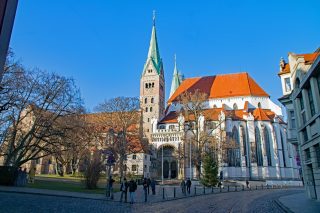
Dinkelsbühl, Germany: The Ultimate Travel Guide 2026

Dinkelsbühl, nestled in the heart of Bavaria’s Franconian region along the famed Romantic Road, greets visitors with its perfectly preserved medieval walls and colorful half-timbered houses. Begin your day wandering the pedestrianized streets of the Old Town, where artisan shops, bakeries, and cozy cafés line the cobbles. Stop for a freshly baked Brötchen and a strong German coffee at a pavement table overlooking the Weinmarkt before exploring the charming side alleys that reveal hidden courtyards and fountains.
When it comes to dining, Dinkelsbühl offers a delicious taste of Franconian cuisine. Traditional taverns serve hearty dishes like Schäufele (pork shoulder) and Käsespätzle, paired with regional brews or a glass of local Silvaner. In summer, many restaurants extend their beer gardens into the narrow lanes, creating a convivial al fresco atmosphere beneath festoon lights. For lighter fare, food stalls around the Market Square offer seasonal produce, bratwurst, and sweet treats-ideal for a casual picnic on one of the grassy ramparts.
Beyond the walls, the surrounding countryside beckons with scenic cycling and hiking routes. Rent a bike near the train station and follow the Tauber Valley path through vineyards and orchards, or tackle gentle forest trails that reward you with panoramic views of Dinkelsbühl's red-tiled rooftops. If you prefer a slower pace, a riverside stroll along the Wörnitz offers peaceful water views and the chance to spot native waterfowl. Whether you're here for gastronomy, outdoor adventure, or simply the magic of an intact medieval town, Dinkelsbühl in Bavaria delivers an unforgettable experience.
Table of Contents
- History of Dinkelsbühl
- Dinkelsbühl’s Early Foundations
- Dinkelsbühl as an Imperial Free City
- Dinkelsbühl during the Reformation and Thirty Years’ War
- Dinkelsbühl’s Baroque and Enlightenment Renewal
- Dinkelsbühl in the Age of Industrialization and Romantic Rediscovery
- Dinkelsbühl through the World Wars and Reconstruction
- Dinkelsbühl’s Contemporary Heritage and Community
- 13 Best places to See in Dinkelsbühl
- 10 Best Day Trips from Dinkelsbühl
- Where to Stay in Dinkelsbühl
- Best Time to Visit Dinkelsbühl
- How to get to Dinkelsbühl
History of Dinkelsbühl
Dinkelsbühl’s Early Foundations (Pre-13th Century)
Archaeological finds indicate a small Carolingian settlement at the crossroads of local trade routes before Dinkelsbühl’s formal establishment. By the late 11th and early 12th centuries, a fortified church and market had taken shape atop the rising terrain, drawing farmers and craftsmen into a growing community. These early fortifications and the burgeoning marketplace laid the groundwork for Dinkelsbühl’s evolution into a medieval town.
Dinkelsbühl as an Imperial Free City (13th–15th Centuries)
In 1274, Dinkelsbühl secured the prestigious status of an Imperial Free City, granting it self-governance and direct Imperial protection. Wealth from cloth production, grain trade, and toll revenues financed the construction of robust stone walls, watchtowers, and the elaborate Gothic façades that still define the town today. Guilds of weavers, bakers, and coopers wielded civic influence, funding the Rathaus’s expansion and the ornamentation of St. George’s Minster.
Dinkelsbühl during the Reformation and Thirty Years’ War (16th–17th Centuries)
The onset of the Reformation in the early 1500s brought religious debate and occasional strife to Dinkelsbühl’s council chambers, though the town largely maintained civic unity by adopting moderate Lutheran reforms. During the Thirty Years’ War, its sturdy walls repelled multiple sieges, yet nearby battles and troop movements strained resources and depopulated surrounding villages. Despite these hardships, the town’s core institutions—guild halls, churches, and civic offices—remained intact.
Dinkelsbühl’s Baroque and Enlightenment Renewal (18th Century)
After wartime turbulence, Dinkelsbühl entered an era of relative peace and modest prosperity. Baroque additions softened the medieval skyline: interior stuccowork and new altarpieces adorned churches, while merchants commissioned elegant townhouses with decorative gables. Enlightenment-inspired reforms modernized guild regulations and schooling, setting the stage for careful stewardship of both civic tradition and progress.
Dinkelsbühl in the Age of Industrialization and Romantic Rediscovery (19th Century)
Although bypassed by major railway lines, Dinkelsbühl’s economy diversified with small breweries and artisan workshops. The town’s seeming decline paradoxically shielded its medieval core from large-scale redevelopment. Romantic artists and early heritage societies “rediscovered” its pristine walls and half-timbered houses, launching restoration projects that preserved St. George’s Minster and the iconic Bollwerk tower for future generations.
Dinkelsbühl through the World Wars and Reconstruction (20th Century)
Dinkelsbühl escaped major destruction during both world wars, thanks in part to its lack of heavy industry. Post-1945, local initiatives focused on rebuilding outdated infrastructure while maintaining historic fabric. Restoration of the Stadtmauer and repair of centuries-old woodwork in the Rathaus underscored a community commitment to balancing modern amenities with heritage conservation.
Dinkelsbühl’s Contemporary Heritage and Community (21st Century)
Today, Dinkelsbühl thrives as a living museum and vibrant small city. Annual festivals—such as the Kinderzeche pageant and St. George’s Market—reaffirm medieval traditions, while cultural centers in former guild halls host exhibitions and concerts. Sustainable tourism and community-led preservation efforts ensure that Dinkelsbühl’s timeless walls and lanes continue to welcome visitors without sacrificing the authentic character forged across eight centuries.

Moira & Andy
Hey! We're Moira & Andy. From hiking the Camino to trips around Europe in Bert our campervan — we've been traveling together since retirement in 2020!
Visiting Dinkelsbühl for the first time and wondering what are the top places to see in the city? In this complete guide, I share the best things to do in Dinkelsbühl on the first visit. To help you plan your trip, I have also included an interactive map and practical tips for visiting!
This website uses affiliate links which earn a small commission at no additional cost to you.
13 Best places to See in Dinkelsbühl
This complete guide to Dinkelsbühl not only tells you about the very best sights and tourist attractions for first-time visitors to the city but also provide insights into a few of our personal favorite things to do.
This is a practical guide to visiting the best places to see in Dinkelsbühl and is filled with tips and info that should answer all your questions!
1. Nördlingen Gate

Location: Noerdlingen Gate Nördlinger Str. 62 91550 Dinkelsbühl Germany | Distance: 0.2km

2. House of History

Location: Haus der Geschichte Dinkelsbuhl Altrathauspl. 14 91550 Dinkelsbühl Germany | Distance: 0.4km
3. Wörnitz Gate

Location: Woernitz Gate, Altrathausplatz, Dinkelsbühl, Germany | Distance: 0.4km
4. St. Georg Church

Location: St.-Georgs-Münster, Marktplatz, Dinkelsbühl, Germany | Distance: 0.5km
5. Weinmarkt

Location: Weinmarkt, Dinkelsbühl, Germany | Distance: 0.6km
6. Bäuerlin Tower

Location: Bauerlin Tower, Oberer Mauerweg, Dinkelsbühl, Germany | Distance: 0.7km
7. New Town Hall
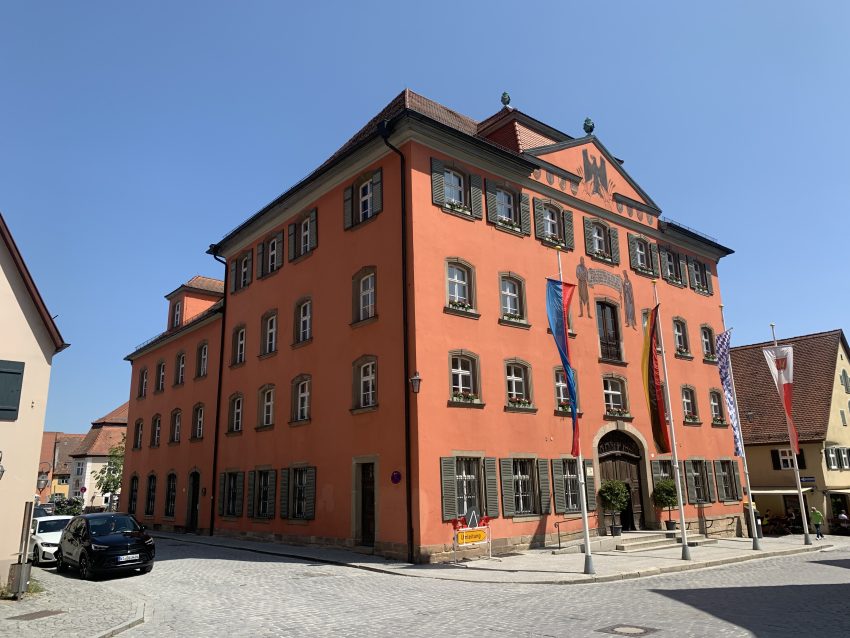
Location: Rathaus Segringer Str. 30 91550 Dinkelsbühl Germany | Distance: 0.7km
8. Hospital of the Holy Spirit
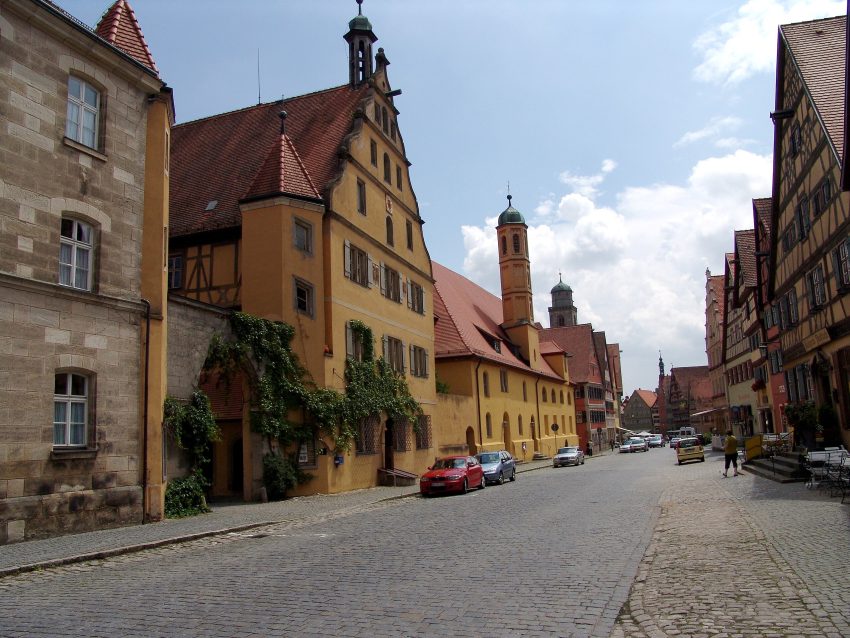
Location: Dr.-Martin-Luther-Straße 8, 91550 Dinkelsbühl, Germany | Distance: 0.7km
9. Armoury of the Kinderzeche

Location: Kinderzeche Dinkelsbühl - Historisches Kinder- und Heimatfest, Bauhofstraße, Dinkelsbühl, Germany | Distance: 0.8km
10. Rothenburg Gate

Location: Rothenburger Tor Dr.-Martin-Luther-Straße 12 91550 Dinkelsbühl Germany | Distance: 0.8km
11. Faulturm (Debtors' Tower)
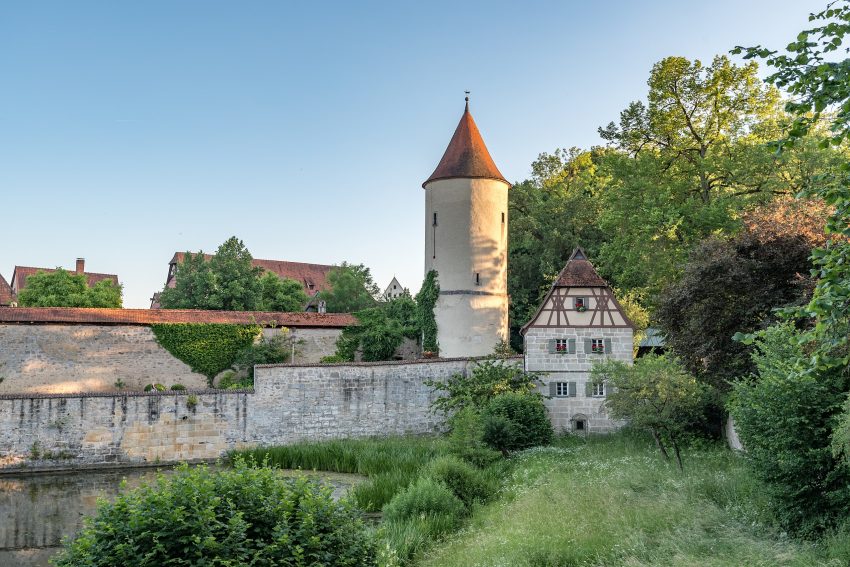
Location: Parkwächterhäuschen Dr.-Martin-Luther-Straße 30 91550 Dinkelsbühl Germany | Hours: 24 Hours | Price: Free (exterior viewing; interior access limited). | Distance: 0.9km
12. Segringer Tor

Location: Segringer Tor, Segringer Straße, Dinkelsbühl, Germany | Distance: 0.9km
13. Three Kings Chapel
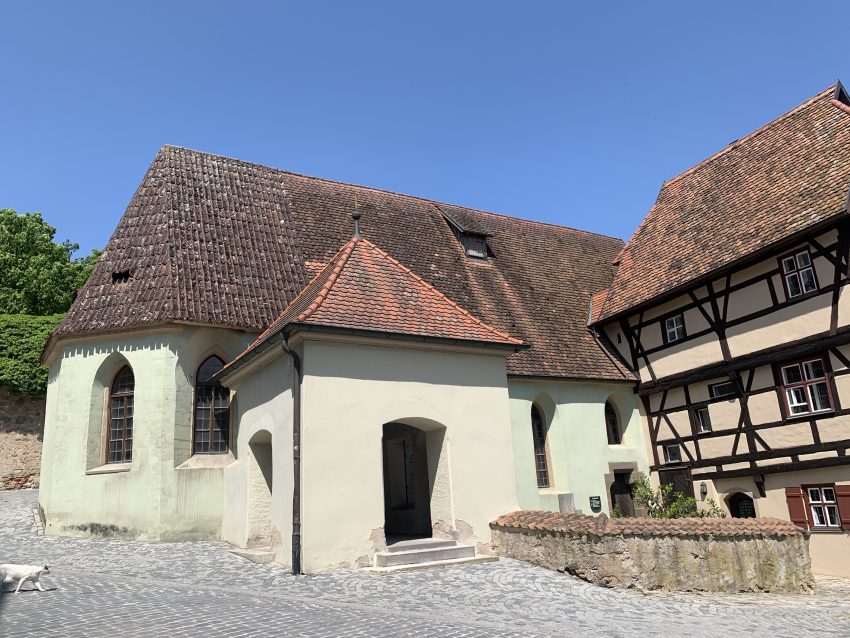
Location: Adlergäßlein 3, 91550 Dinkelsbühl, Germany | Distance: 0.9km
Best Day Trips from Dinkelsbühl
A day trip from Dinkelsbühl offers the perfect opportunity to escape the urban rhythm and discover the surrounding region's charm. Whether you're drawn to scenic countryside, historic villages, or cultural landmarks, the area around Dinkelsbühl provides a variety of easy-to-reach destinations ideal for a one-day itinerary. If you are looking to rent a car in Germany I recommend having a look at Discover Cars, first, as they compare prices and review multiple car rental agencies for you.
1. Nördlingen
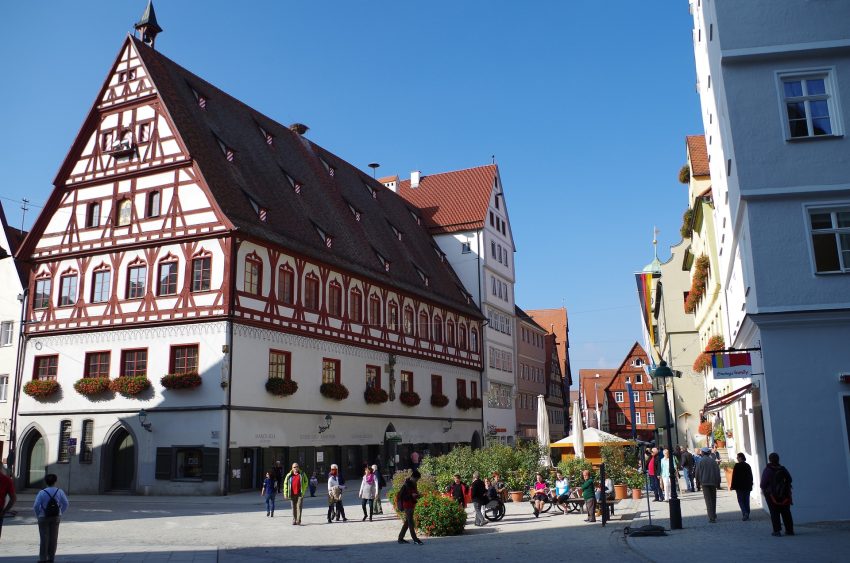
Visiting Nördlingen
2. Rothenburg ob der Tauber
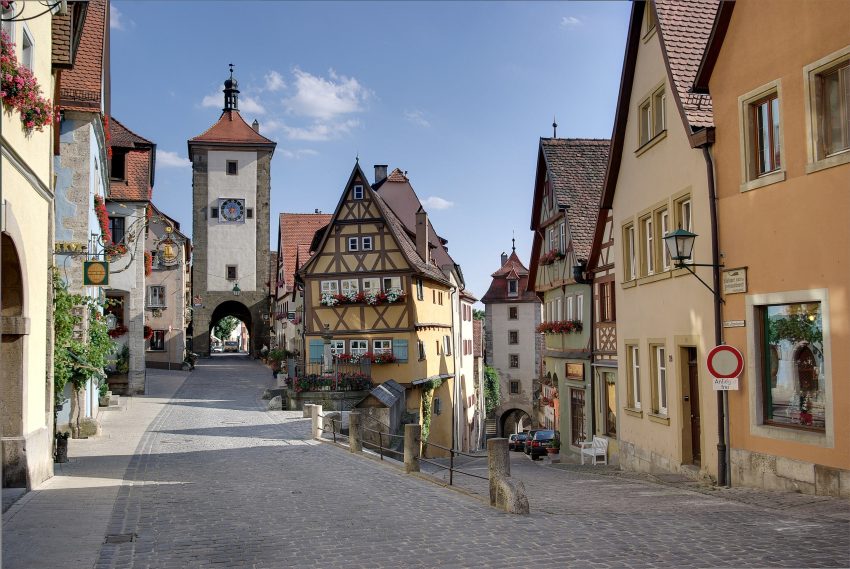
Visiting Rothenburg ob der Tauber
3. Röttingen
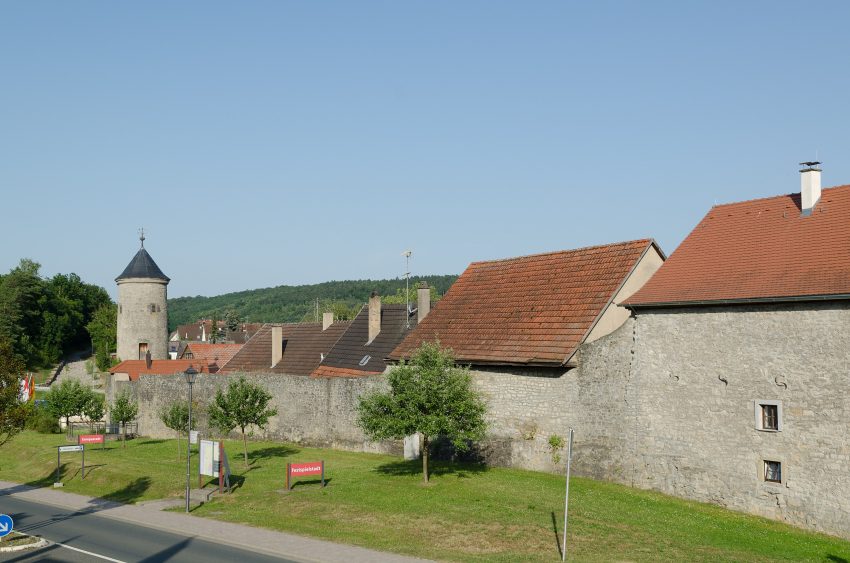
Visiting Röttingen
4. Bad Mergentheim

Visiting Bad Mergentheim
5. Würzburg

Visiting Würzburg
6. Augsburg

Visiting Augsburg
7. Stuttgart

Visiting Stuttgart
8. Bamberg
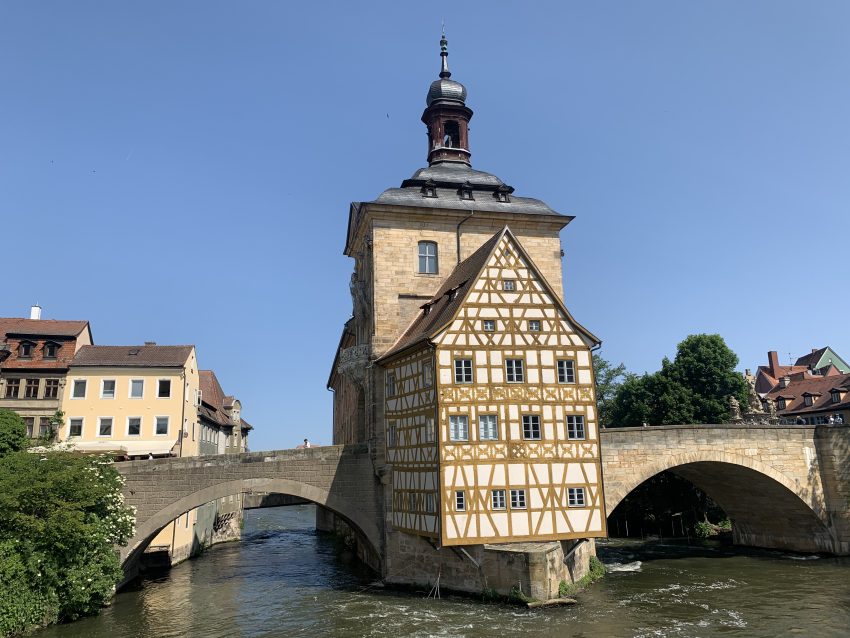
Visiting Bamberg
9. Heidelberg

Visiting Heidelberg
10. Munich

Visiting Munich
Where to Stay in Dinkelsbühl
Dinkelsbühl’s perfectly preserved Altstadt is the most atmospheric base for any visitor. Here you’re steps from St. George’s Minster, the Market Square and the intact city walls—ideal for wandering cobbled lanes and pausing at riverside cafés. A standout choice is Hotel Deutsches Haus, which occupies a historic building just off the main square and offers spacious rooms and traditional Franconian décor.
Just outside the old walls, the Bahnhofviertel (train station quarter) combines convenience with modern comforts. You’ll find clean, contemporary hotels and easy parking alongside bakeries and casual bistros, plus direct rail links to Nürnberg and Augsburg. A reliable pick is B&B HOTEL Dinkelsbühl, offering no-frills rooms, 24-hour reception and a brisk ten-minute stroll to the Altstadt gates.
For travelers who prefer a quieter, more residential vibe, the Reimlinger Tor area on the western edge of town boasts family-run guesthouses and pensions nestled among small gardens and parks. It’s perfect for early-morning jogs or a peaceful evening away from the tourist crowds. Consider Pension Rector’s Hof, with its cosy rooms, home-cooked breakfasts and easy bike access to the city walls.
If you’d like to immerse yourself in the surrounding Franconian countryside, nearby villages such as Wallerstein and Leberkingen offer countryside retreats with rustic charm. Guesthouses here often feature farm-to-table breakfasts and guided cycling or hiking routes through vineyards and forests. A delightful pick is Landgasthof Zum Grünen Baum, where you can savor hearty local fare and unwind in a wood-paneled dining room after exploring the scenic Tauber valley.
Using the our Hotel and Accomodation map, you can compare hotels and short-term rental accommodations in Dinkelsbühl. Simply insert your travel dates and group size, and you’ll see the best deals for your stay.
Dinkelsbühl Accommodation Map
Best Time to Visit Dinkelsbühl
Dinkelsbühl in Spring
Spring (March–May) sees Dinkelsbühl’s walls ringed with flowering cherry trees and the first warm breezes coaxing blossoms in the town’s hidden courtyards. The Oster-Töpfermarkt (Easter Pottery Market) in April fills Steinerne Gasse with artisans displaying hand-thrown ceramics and spring crafts. Mild days and lighter crowds make it a delightful time for wall walks and riverside picnics along the Wörnitz.
Dinkelsbühl in Summer (Best)
Summer (June–August) is widely regarded as the best time to visit Dinkelsbühl. Early July brings the famous Kinderzeche festival, a colorful pageant commemorating a local legend, with costumed parades, live medieval reenactments, and nightly fireworks over the market square. Long sunny evenings invite al fresco dining beneath festoon lights in the Weinmarkt and leisurely exploration of the fully illuminated Stadtmauer.
Dinkelsbühl in Autumn
Autumn (September–November) cloaks the half-timbered houses in golden light and crisp air, perfect for vineyard tours in the surrounding Franconian countryside. The Herbstmarkt in October showcases seasonal produce, local wines, and smoked specialties in the Market Square. Early-morning mist along the ramparts lends a magical hush to the narrow lanes and Gothic towers.
Dinkelsbühl in Winter
Winter (December–February) transforms Dinkelsbühl into a quiet, snow-dusted fairy-tale. From late November, the Weihnachtsmarkt fills the market square with wooden chalets selling mulled wine, gingerbread, and festive ornaments. Torchlit night-watch tours of the walls and the glow of lanterns in St. George’s Minster create an intimate, magical atmosphere despite the chill.
Annual Weather Overview
- January 4°C 43°F
- February 6°C 47°F
- March 10°C 54°F
- April 16°C 65°F
- May 18°C 68°F
- June 22°C 76°F
- July 24°C 80°F
- August 25°C 80°F
- September 21°C 73°F
- October 16°C 64°F
- November 8°C 51°F
- December 6°C 46°F