Ankara, Türkiye: The Ultimate Travel Guide 2026

Ankara, the capital city of Türkiye, sits proudly in the heart of Anatolia, surrounded by sweeping plains and gentle hills that define the country's central region. Often overlooked in favor of Istanbul, Ankara offers a fascinating blend of government, culture, and contemporary life. Its wide boulevards, grand public buildings, and vibrant university atmosphere create a dynamic cityscape that balances modern energy with authentic Turkish charm. As the nation's political and administrative hub, it's where history, governance, and art intersect - a city that reflects the soul of modern Türkiye.
Visitors to Ankara will find a city of contrasts - sleek modern districts and lively cafes stand side by side with traditional markets, old neighborhoods, and tranquil parks. The city's elevated position gives it a crisp, continental climate and stunning panoramic views, especially from areas like Atakule Tower and Ankara Castle. The cultural scene is vibrant, with excellent theatres, art galleries, and music venues that celebrate both Turkish and international talent. Food lovers can also explore Ankara's thriving dining scene, where classic Anatolian dishes are reimagined in stylish restaurants or served in cozy, family-run eateries.
Ankara is one of the best places to visit in Türkiye for travelers seeking to understand the country beyond its coastal resorts. It's a place where visitors can experience daily life as locals do - sipping Turkish tea in leafy parks, browsing bustling bazaars, and exploring museums that tell the story of a nation reborn. With its friendly atmosphere, efficient transport, and central location, Ankara serves as both a rewarding destination in its own right and a convenient base for exploring the wider Anatolian heartland.
Table of Contents
- History of Ankara
- The History of Ankara
- 15 Best places to See in Ankara
- Melike Hatun Mosque
- Çengelhan Rahmi M. Koç Museum
- Erimtan Archaeology & Art Museum
- Museum of Anatolian Civilizations
- Ankara Citadel
- Ankara Roman Theater
- Gençlik Park
- War of Independence Museum
- Column of Julian
- Ulus Square
- Hacı Bayram Mosque
- Temple of Augustus and Rome
- Roman Baths of Ankara
- Anıtkabir
- Atakule Tower
- 7 Best Day Trips from Ankara
- Where to Stay in Ankara
- Best Time to Visit Ankara
- How to get to Ankara
History of Ankara
The History of Ankara
Ankara’s history stretches back thousands of years, making it one of the oldest continuously inhabited cities in Anatolia. Strategically located in the heart of modern-day Türkiye, it has long been a crossroads for civilizations, trade, and culture. Over time, it has transformed from a modest settlement into the proud capital of the Turkish Republic — a city that embodies the nation’s historical depth and modern spirit.
Ancient and Classical Periods
The earliest traces of settlement in Ankara date to the Bronze Age, around 2000 BC, when it was inhabited by the Hatti and later the Hittites, one of Anatolia’s first great empires. In the 8th century BC, the Phrygians established a major settlement here, naming it Ancyra, meaning “anchor.” Legend connects the name to King Midas, the famed ruler of Phrygia, who supposedly founded the city. Archaeological finds, including Phrygian burial mounds and artifacts, still attest to this early era of prosperity.
After the Phrygians, Ankara passed into the hands of the Lydians and Persians before being captured by Alexander the Great in 333 BC. Under Hellenistic influence, the city grew in importance as a trade and military centre. When the Galatians — a Celtic people — arrived in the 3rd century BC, they made Ancyra their capital. Later, during Roman rule, the city became a flourishing provincial hub of Galatia, adorned with temples, baths, and roads that connected it to other parts of the empire.
Byzantine and Seljuk Periods
With the division of the Roman Empire, Ankara became part of Byzantium and played a key defensive role thanks to its hilltop fortress. During this time, the city saw the rise of Christianity, and several churches and basilicas were built. It endured repeated Arab raids in the 7th and 8th centuries but remained an important Byzantine stronghold due to its central location.
In the 11th century, Ankara came under Seljuk Turkish control following the Battle of Manzikert in 1071. The Seljuks fortified the city further and revitalized trade through its connection to the Silk Road. The surrounding region began to flourish again under Turkish-Islamic influence, setting the stage for the city’s later growth under the Ottomans.
Ottoman and Modern Eras
By the 14th century, Ankara was part of the expanding Ottoman Empire and became known for its thriving textile industry, particularly its production of Angora wool — sourced from the region’s famous goats, rabbits, and cats. Despite its relative calm and prosperity, Ankara remained a provincial town throughout much of Ottoman rule, overshadowed by imperial centres like Istanbul and Bursa.
Ankara’s destiny changed dramatically in the early 20th century. During the Turkish War of Independence (1919–1923), Mustafa Kemal Atatürk chose Ankara as his headquarters, recognizing its central position and strategic defensibility. In 1923, when the Republic of Türkiye was founded, Ankara was declared the nation’s capital, symbolizing a new era of modernization and independence.
Today, the city remains a powerful symbol of Türkiye’s transformation — from an ancient Anatolian settlement to a modern, forward-looking capital. Ankara’s layers of history are still visible in its architecture, from Roman ruins and Byzantine walls to Ottoman houses and sleek modern buildings, each telling part of the story of a city that has shaped, and been shaped by, the heart of a nation.

Moira & Andy
Hey! We're Moira & Andy. From hiking the Camino to trips around Europe in Bert our campervan — we've been traveling together since retirement in 2020!
Visiting Ankara for the first time and wondering what are the top places to see in the city? In this complete guide, I share the best things to do in Ankara on the first visit. To help you plan your trip, I have also included an interactive map and practical tips for visiting!
This website uses affiliate links which earn a small commission at no additional cost to you.
15 Best places to See in Ankara
This complete guide to Ankara not only tells you about the very best sights and tourist attractions for first-time visitors to the city but also provide insights into a few of our personal favorite things to do.
This is a practical guide to visiting the best places to see in Ankara and is filled with tips and info that should answer all your questions!
1. Melike Hatun Mosque

Location: Melike Hatun Mosque, Hacı Bayram, Atatürk Boulevard, Altındağ/Ankara, Türkiye | Hours: Open daily from early morning until late evening; visitors should avoid prayer times. | Price: Free. | Distance: 0.5km

2. Çengelhan Rahmi M. Koç Museum

Location: Rahmi M. Koc Museum Ankara, Kale, Hacettepe, Depo Sokak, Altındağ/Ankara, Türkiye | Hours: Open daily except Mondays, typically from 10:00 am to 5:00 pm. | Price: Adults: Approx €8.00 | Website | Distance: 0.5km
3. Erimtan Archaeology & Art Museum

Location: Erimtan Archaeology and Art Museum, Kale, Gözcü Sokak, Altındağ/Ankara, Türkiye | Distance: 0.6km
4. Museum of Anatolian Civilizations

Location: Museum of Anatolian Civilizations, Kale, Gözcü Sokak, Ulus/Altındağ/Ankara, Türkiye | Distance: 0.6km
5. Ankara Citadel

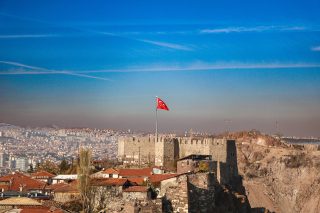
Location: Ankara Castle, Kale, Altındağ/Ankara, Türkiye | Hours: Open daily, 24 hours. | Price: Free entry. | Distance: 0.8km

6. Ankara Roman Theater

Location: Ancient Roman Theater, Kale, Bentderesi Caddesi, Ulus/Ankara, Türkiye | Distance: 0.9km
7. Gençlik Park

Location: Gençlik Park, Doğanbey Mahallesi, Atatürk Boulevard, Altındağ/Ankara, Türkiye | Distance: 0.9km
8. War of Independence Museum

Location: Museum of the War of Independence, Hacı Bayram, Cumhuriyet Caddesi, Altındağ/Ankara, Türkiye | Distance: 1.1km
9. Column of Julian

Location: Column Of Julian, Hacı Bayram, Altındağ/Ankara, Türkiye | Distance: 1.1km
10. Ulus Square

Location: Ataturk Statue Hacı Bayram Anafartalar Cd No:62 06050 Altındağ/Ankara Türkiye | Distance: 1.1km
11. Hacı Bayram Mosque

Location: Haci Bayram Mosque, Hacı Bayram, Sarıbağ Sokak, Altındağ/Ankara, Türkiye | Distance: 1.2km
12. Temple of Augustus and Rome

Location: Temple of Augustus and Rome, Hacı Bayram, Altındağ/Ankara, Türkiye | Distance: 1.2km
13. Roman Baths of Ankara

Location: Roman Baths and Open Air Museum, Hacı Bayram, Çankırı Caddesi, Altındağ/Ankara, Türkiye | Distance: 1.6km
14. Anıtkabir

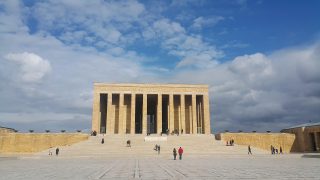
Location: Anıtkabir, Anıttepe, Anıtkabir, Çankaya/Ankara, Türkiye | Hours: Daily, 9:00–17:00 (extended hours in summer). | Price: Free | Website | Distance: 2.2km
15. Atakule Tower

Location: Atakule, Çankaya, Çankaya Caddesi, Çankaya/Ankara, Türkiye | Hours: Daily, 10:00–22:00. | Price: Around €5 (for the observation deck). | Website | Distance: 5.3km
Best Day Trips from Ankara
A day trip from Ankara offers the perfect opportunity to escape the urban rhythm and discover the surrounding region's charm. Whether you're drawn to scenic countryside, historic villages, or cultural landmarks, the area around Ankara provides a variety of easy-to-reach destinations ideal for a one-day itinerary. If you are looking to rent a car in Türkiye I recommend having a look at Discover Cars, first, as they compare prices and review multiple car rental agencies for you.
1. Martyr Cuma Dağ Natural History Museum

Location: Şehit Cuma Dağ Tabiat Tarihi Müzesi Çukurambar Dumlupınar Blv. No:11 06530 Çankaya/Ankara Türkiye | Hours: 9:00 AM – 5:00 PM (closed Mondays) | Distance: 6.3km
Visiting Martyr Cuma Dağ Natural History Museum
2. Ankara Aviation Museum

Location: Turkish Air Force Museum, Bahçekapı, İstanbul Yolu, Etimesgut/Ankara, Türkiye | Distance: 13.3km
Visiting Ankara Aviation Museum
3. Ruins of Gordion, Capital of ancient Phrygia

Location: Gordion Ancient City, Yassıhüyük, Polatlı/Ankara, Türkiye | Distance: 81.5km
Visiting Ruins of Gordion, Capital of ancient Phrygia
4. Hattusa

Location: Hattusa (Ancient Capital of the Hittite Kingdom) Hisar Hattuşaş Örenyeri 19310 Boğazkale/Çorum Türkiye | Hours: Daily, 8:00–19:00 (summer); 8:00–17:00 (winter). | Price: Around €3 for the main site, €2 for Yazılıkaya. | Website | Distance: 149.9km
Visiting Hattusa
5. Alacahöyük

Location: Alacahöyük, Höyük, Alacahöyük/Alaca/Çorum, Türkiye | Distance: 159.8km
Visiting Alacahöyük
6. Çorum Müzesi
Location: Gülabibey, Cengiz Topel Cd. No:153, 19100 Çorum Merkez/Çorum, Türkiye | Hours: Monday – Sunday: 08:00–17:00. | Price: ₺12; MüzeKart accepted. | Website | Distance: 190km
Visiting Çorum Müzesi
7. Yazılıkaya

Location: Yazılıkaya, Yazılı, Han/Eskişehir, Türkiye | Hours: 8:30 AM – 7:00 PM (summer); shorter in winter | Price: Around €2–€3 (combined ticket often available with Hattusa) | Website | Distance: 200.9km
Visiting Yazılıkaya
Where to Stay in Ankara
Ankara offers a wide range of accommodation options to suit every traveler, from modern city hotels to charming boutique stays near historic landmarks. For first-time visitors, the Kızılay district is one of the most convenient and lively areas to stay. It’s the heart of modern Ankara, filled with shops, restaurants, and public transport connections. A great option here is The Ankara Hotel, a sleek and contemporary property located near the main train station, offering panoramic city views and easy access to Kızılay Square. Another nearby choice is Grand Ankara Hotel & Convention Center, known for its spacious rooms, excellent spa, and close proximity to major attractions.
For a more refined stay, the upscale neighborhood of Çankaya is ideal. This area is home to embassies, government buildings, and tree-lined avenues, offering a quieter, more elegant atmosphere. Here you’ll find Lugal, A Luxury Collection Hotel Ankara, combining five-star luxury with refined Turkish hospitality. It’s perfect for travelers who appreciate comfort, fine dining, and easy access to the city’s museums and parks. Another popular choice is Ankara HiltonSA, a long-standing favorite that provides modern facilities, an outdoor pool, and a convenient location for both business and leisure travelers.
If you prefer a stay surrounded by history, the Ulus district offers a more traditional experience near the ancient citadel and the Museum of Anatolian Civilizations. Divan Çukurhan is a beautifully restored caravanserai turned boutique hotel, featuring authentic Ottoman décor and exceptional views of the old city. For those on a tighter budget but still seeking charm and comfort, Radisson Blu Hotel Ankara offers stylish rooms and a central location just steps away from Ulus Square.
Using the our Hotel and Accomodation map, you can compare hotels and short-term rental accommodations in Ankara. Simply insert your travel dates and group size, and you’ll see the best deals for your stay.
Ankara Accommodation Map
Best Time to Visit Ankara
Visiting Ankara in Spring (Best)
Spring is the best time to visit Ankara, as the city comes alive with colour, warmth, and outdoor activity. From March to May, temperatures range between 15°C and 25°C, making it ideal for exploring the city’s museums, parks, and historical sites without the summer heat. Blossoms fill green spaces like Gençlik Park and Kuğulu Park, while the city’s many cafés open their terraces to the sunshine. The Ankara International Music Festival, held every April, is a major cultural highlight, drawing local and international performers to concert halls and open-air venues across the capital. With pleasant weather and a festive atmosphere, spring is the perfect season to experience Ankara at its most welcoming.
Visiting Ankara in Summer
Summers in Ankara, from June to August, are hot and dry, with temperatures often exceeding 30°C. While it can be warm for daytime sightseeing, the evenings are comfortable and lively, with outdoor dining and rooftop venues buzzing with activity. Locals escape to the nearby Atatürk Forest Farm or Lake Eymir to enjoy a bit of nature and fresh air. It’s also the season for open-air concerts, food festivals, and cultural performances throughout the city. If you don’t mind the heat, summer in Ankara offers a more relaxed pace, especially as many residents leave for the coast, leaving the city quieter and easier to navigate.
Visiting Ankara in Autumn
Autumn, from September to November, brings a refreshing coolness back to the city after the summer heat. The changing colours of Ankara’s parks and tree-lined boulevards make this one of the most visually beautiful times of year to visit. Daytime temperatures hover between 15°C and 25°C, ideal for walking tours around the old citadel or exploring the Museum of Anatolian Civilizations. The season also marks the start of the cultural calendar, with art exhibitions, film screenings, and theatre performances in full swing. For travellers who enjoy a balance of good weather, smaller crowds, and rich cultural experiences, autumn is an excellent time to explore Ankara.
Visiting Ankara in Winter
Winter in Ankara, from December to February, can be quite cold, with temperatures often dropping below freezing and occasional snowfall covering the city in white. Despite the chill, it’s a magical time to see a quieter, more atmospheric side of the capital. The cafés of Kızılay and Çankaya become cozy retreats, serving warm tea and traditional Turkish desserts. The city also celebrates the Ankara International Short Film Festival in December, a highlight for cinema enthusiasts. While not the ideal time for outdoor sightseeing, winter offers a chance to experience Ankara’s cultural side in a more intimate setting, with fewer tourists and a calm, wintry charm.
Annual Weather Overview
- January 7°C 49°F
- February 9°C 52°F
- March 14°C 61°F
- April 20°C 72°F
- May 24°C 78°F
- June 28°C 87°F
- July 29°C 93°F
- August 30°C 95°F
- September 28°C 85°F
- October 22°C 75°F
- November 15°C 63°F
- December 9°C 52°F
How to get to Ankara
Getting to Ankara by Air
Nearest airports: The main gateway to Ankara is Esenboğa International Airport (ESB), located about 28 kilometers northeast of the city center. The airport handles both domestic and international flights, with regular services from major Turkish cities such as Istanbul, Izmir, and Antalya, as well as international routes from Europe and the Middle East.
Airport transport: Shuttle buses operated by Havaş connect the airport to Kızılay and Ulus, the main central districts, in around 45 minutes. Taxis and ride-sharing options are also readily available, while car rentals can be arranged at the terminal for greater flexibility.
Airlines: Turkish Airlines, Pegasus Airlines, and AnadoluJet operate frequent daily flights between Ankara and other Turkish and international destinations, making air travel the quickest and most convenient way to reach the capital.
For the best deals and a seamless booking experience, check out these flights to Ankara on Booking.com.Getting to Ankara by Train
Ankara is a central hub in Türkiye’s high-speed rail network, making it easy to reach from many major cities. The Ankara High-Speed Train Station (Ankara YHT Garı) is located near the city center and is connected to the metro system for onward travel.
Regular services operate from Istanbul, Konya, and Eskişehir, with journey times ranging from 1.5 to 4.5 hours, depending on the route. The high-speed trains are comfortable, efficient, and modern, providing an excellent alternative to flying. Trains from eastern Türkiye, including Kars and Diyarbakır, also arrive at the main station via longer routes, ideal for scenic travel across the Anatolian countryside. You can use the official TCDD Taşımacılık website to check schedules, compare routes, and purchase tickets for Türkiye’s national and regional trains operated by TCDD. For a more streamlined experience (especially if you prefer an English interface or want to compare across countries), we recommend using Omio, which allows you to easily compare prices, schedules, and book train tickets across Türkiye and the rest of Europe — all in one place.
Getting to Ankara by Car
Driving to Ankara is straightforward thanks to its central location and excellent road network. The city is well connected by highways (Otoyol) from Istanbul via the O-4 and D200 routes, which take approximately five to six hours depending on traffic. From Konya or Cappadocia, the drive is shorter, usually around three hours.
Parking in the city center can be limited, but most hotels and shopping complexes offer dedicated parking areas. While driving in Ankara is manageable, it’s best to avoid rush hours in Kızılay and Ulus due to heavy traffic. If you are looking to rent a car in Türkiye I recommend having a look at Discover Cars, first, as they compare prices and review multiple car rental agencies for you.
Travelling around Ankara
Getting around Ankara is convenient, thanks to a mix of metro lines, buses, taxis, and trams. The Ankara Metro covers major districts, including Kızılay, Ulus, Batıkent, and Çayyolu, while the Ankaray light rail line runs east to west through the city. EGO city buses complement these services, and rechargeable transport cards can be used on all public transport.
Taxis are widely available and relatively affordable for short trips, especially if you’re exploring neighborhoods or heading to places not easily accessible by metro. For those who prefer flexibility, car rentals are an option, though most visitors find public transport and walking ideal for navigating central areas like the Old Town and government quarter.