Çorum Müzesi, Ankara
Museum near Ankara
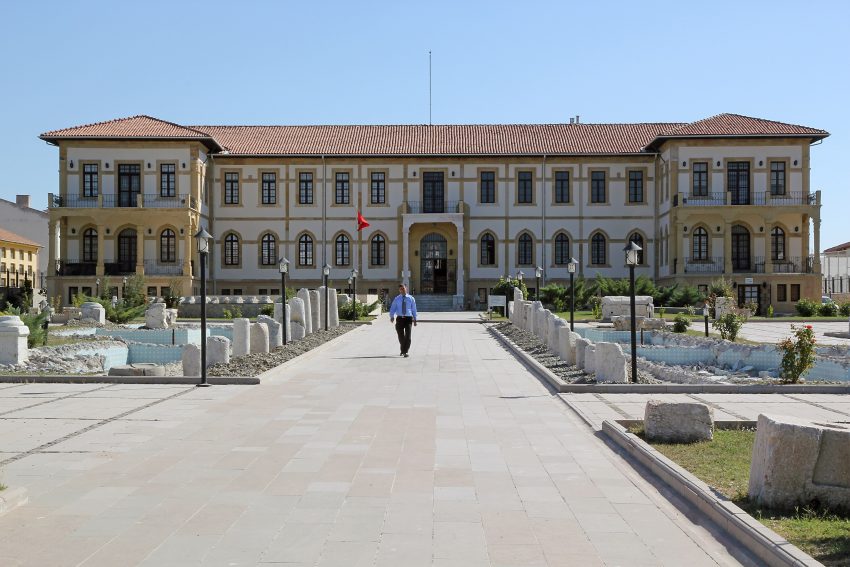
Çorum Müzesi in central Çorum, Türkiye, is an archaeology and ethnography museum focused on the region's long run of settlement and material culture. The museum is arranged in a way that makes the sequence easy to follow, moving through prehistoric, Bronze Age, Hittite, and later periods without feeling overcrowded. For visitors arriving with little background in central Anatolian history, the layout does much of the explanatory work. It is a city museum rather than a large regional complex, so the visit stays contained and practical.
What stands out is the balance between well-labeled artifacts and a straightforward presentation of the Hittite world, which is the main reason many people stop here. You notice tools, vessels, figurines, inscriptions, and other objects that help connect Çorum province with the wider archaeological landscape around it. The ethnography section is smaller, but it gives the visit a local finish. The museum is best for history-focused travelers, families making a short cultural stop, and anyone who wants a manageable indoor visit before heading on to ruins outside the city.
Table of Contents
History and Significance of the Çorum Müzesi
Çorum Müzesi opened in 1968 and later moved into its current building, which was restored and reopened to visitors in 2003. The building itself has a layered past, having served different civic and educational functions before becoming a museum, which adds a subtle “history of the city” dimension to your visit.
Its significance comes from what it represents: Çorum province is one of Türkiye’s most important archaeological landscapes, closely tied to the Hittite capital region. The museum’s collections draw heavily from major excavations in and around Çorum, so it works as a curated gateway to the wider story of central Anatolia.
Beyond the headline Hittite material, the museum also helps you trace continuity and change across millennia, moving from prehistoric and Bronze Age finds through later classical and Byzantine-era objects. The ethnography section, while smaller, offers a grounded look at local crafts and daily life traditions.
Things to See and Do in the Çorum Müzesi
Start with the archaeological galleries arranged in chronological order, which makes the museum feel approachable even if you’re not a specialist. Look for standout Hittite-era pieces and displays that connect objects to the sites they came from, helping you visualize how the region functioned as a political and cultural center.
Don't rush the interpretive elements: visitors often appreciate that the information is accessible (including English labels), which makes it easier to understand what you're seeing without a guide. If you're visiting after seeing Hattuşa or Alacahöyük, the museum is especially satisfying because you'll recognize motifs, materials, and time periods.
Finish with the ethnographic corner for a quick sense of Çorum’s local identity. It’s not huge, but it’s a nice palate cleanser after the ancient-world focus, and it rounds out the visit with human-scale details.
How to Get to the Çorum Müzesi
The nearest major airports are Ankara Esenboğa Airport (ESB) and Samsun-Çarşamba Airport (SZF), with Ankara typically offering the most flight options and onward connections. For the best deals and a seamless booking experience, check out these flights to Ankara on Booking.com.
To reach Çorum by train, you'll generally route via a nearby rail hub (commonly Ankara) and then continue by intercity bus or shuttle, since Çorum itself is not a primary rail terminus for most travelers. You can use the official TCDD Taşımacılık website to check schedules, compare routes, and purchase tickets for Türkiye’s national and regional trains operated by TCDD. For a more streamlined experience (especially if you prefer an English interface or want to compare across countries), we recommend using Omio, which allows you to easily compare prices, schedules, and book train tickets across Türkiye and the rest of Europe — all in one place..
Traveling by car is straightforward from Ankara via major highways, and driving is the most flexible option if you plan to combine the museum with Hattuşa/Boğazkale and Alacahöyük in one day. If you are looking to rent a car in Türkiye I recommend having a look at Discover Cars, first, as they compare prices and review multiple car rental agencies for you.
Practical Tips on Visiting the Çorum Müzesi
- Official website: https://sanalmuze.gov.tr/muzeler/CORUM_MUZESI_WEB/
- Entrance fee: ₺12; MüzeKart accepted.
- Opening hours: Monday – Sunday: 08:00–17:00.
- Best time to visit: Go in the morning for quieter galleries and better focus on the labels and timelines; weekdays are usually calmer than weekends.
- How long to spend: Plan 60-90 minutes for a satisfying visit, or up to 2 hours if you like reading every panel and taking your time.
- Accessibility: Expect an indoor, museum-style visit with generally manageable walking; if you have mobility needs, it’s worth confirming current access details before you go.
- Facilities: Look for basic visitor amenities typical of a city museum; pair your visit with a nearby café stop in central Çorum for a convenient break.
Where to Stay Close to the Çorum Müzesi
Base yourself in central Çorum near the city center so you can walk to the museum and keep restaurants, cafés, and transport links easy.
Anitta Hotel A reliable central option with a full-service feel, good for travelers who want comfort and an easy base for day trips to Hattuşa and Alacahöyük.
Grand Park Hotel Çorum Convenient for a short stay with quick access to the museum and city-center dining, ideal if you’re keeping logistics simple.
Feyzan Hotel A practical pick for location-focused travelers who want to be close to the action and minimize taxi rides.
Sera Hotel Handy if you want to stay near the museum area and keep your itinerary walkable, especially for an early start.
Hattuşa Vacation Thermal Club Çorum Best for travelers who want a resort-style reset after archaeology days, adding relaxation to a history-heavy route.
Is the Çorum Müzesi Worth Visiting?
Yes, especially if you care about Anatolian history: it’s a small museum that punches above its weight, with strong Hittite-era material and a clear, chronological layout that makes the region’s deep timeline easy to grasp. It’s also a smart “context stop” before you head to the surrounding archaeological sites.
Honest Pivot: if you’re on a very tight schedule and only want one museum experience in the broader region, you might prioritize a larger, flagship collection elsewhere and focus your Çorum time on the outdoor ruins. Likewise, if you’re not interested in ancient history and prefer modern city experiences, this may feel too artifact-focused.
What Other Travellers Say...
Travelers rate Çorum Müzesi very highly overall, often calling it small but packed with important artifacts spanning multiple civilizations. Common highlights include strong Hittite-focused archaeology, a clear chronological layout, and informative displays that are easy to follow (including English text). A recurring downside is that the ethnography section feels limited compared with the archaeological collection, and some visitors wish the museum were larger given the region's significance.





For Different Travelers
Çorum Müzesi can fit a wide range of itineraries because it's compact, central, and easy to combine with other stops. The key is matching your pace to what you enjoy most: quick highlights, deeper reading, or using the museum as a springboard for nearby sites.
Families with Kids
For families, the museum works best as a short, structured visit: pick a few “star objects” and follow the chronological flow rather than trying to see everything. Kids often do better with a scavenger-hunt approach (animals, symbols, tools, and “mystery objects”).
Pair it with a snack break afterward in the city center to keep energy up. If you’re also visiting Hattuşa, doing the museum first can help kids recognize shapes and motifs they’ll later see on stone at the ruins.
Couples & Romantic Getaways
For couples, this is a low-stress cultural stop that adds depth to a road trip through central Anatolia. It’s easy to do in under two hours, leaving time for a long lunch and a relaxed stroll through central Çorum.
If you like shared “storytelling” travel moments, the museum’s multi-period displays give you plenty to talk about, from Bronze Age ritual objects to later-era everyday items.
Budget Travelers
Budget travelers will appreciate that it’s a high-value indoor attraction that doesn’t require a full-day commitment. It’s also a good option in colder or rainy weather when outdoor sites are less comfortable.
Keep costs down by staying central and walking to the museum and nearby eateries. If you’re traveling by bus between cities, the museum can be a worthwhile stopover activity without needing extra transport.
History Buffs
If you’re a history buff, this museum is a must because it anchors the Hittite landscape with real objects tied to nearby excavations. The chronological layout makes it easy to connect periods, styles, and materials across time.
Use the visit to plan your next steps: note which sites and place names appear on labels, then prioritize those locations (like Hattuşa/Boğazkale and Alacahöyük) for your field visits.
FAQs for Visiting Çorum Müzesi
Getting There
Tickets & Entry
Visiting Experience
Tours, Context & Itineraries
Photography
Accessibility & Facilities
Food & Breaks Nearby
Safety & Timing
The Çorum Müzesi appears in our Complete Guide to Visiting Ankara!

Moira & Andy
Hey! We're Moira & Andy. From hiking the Camino to trips around Europe in Bert our campervan — we've been traveling together since retirement in 2020!
This website uses affiliate links which may earn a commission at no additional cost to you!
Planning Your Visit
Monday - Sunday: 08:00-17:00.
₺12; MüzeKart accepted.
Nearby Attractions
- Alacahöyük (40.4) km
Historic Site - Hattusa (65.1) km
Historic Site - Ankara Citadel (189.3) km
Castle - Çengelhan Rahmi M. Koç Museum (189.5) km
Museum - Erimtan Archaeology & Art Museum (189.5) km
Museum - Ankara Roman Theater (189.6) km
Roman Site - Museum of Anatolian Civilizations (189.6) km
Museum - Temple of Augustus and Rome (189.7) km
Roman Site - Hacı Bayram Mosque (189.7) km
Mosque - Column of Julian (189.8) km
Roman Site