Santa Margherita Ligure Castle
Castle in Santa Margherita Ligure
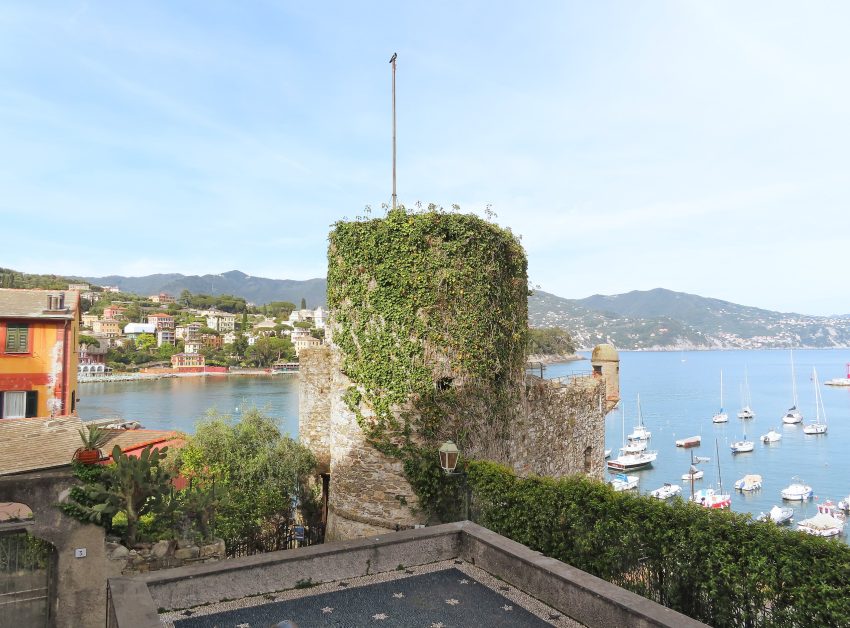
Set right on the waterfront promenade, Castello di Santa Margherita Ligure is a small but characterful fortress that feels woven into daily life by the sea-one minute you're watching boats in the harbour, the next you're stepping into a 16th-century defensive shell. It sits at the base of the hill below Villa Durazzo-Centurione, so it's perfectly placed for a scenic, low-effort stop that still delivers atmosphere and views, especially when the light turns warm on the water.
Because it's compact, the castle works brilliantly as one of the things to see in Santa Margherita Ligure when you want something historic without committing half your day. It also drops neatly into a walking tour of Santa Margherita Ligure, linking the promenade, the marina, and the historic centre in a single easy loop that feels more like a stroll than a checklist.
Table of Contents
- History and Significance of the Castello di Santa Margherita Ligure
- Things to See and Do in the Castello di Santa Margherita Ligure
- How to Get to the Castello di Santa Margherita Ligure
- Practical Tips on Visiting the Castello di Santa Margherita Ligure
- Where to Stay Close to the Castello di Santa Margherita Ligure
- Is the Castello di Santa Margherita Ligure Worth Visiting?
- For Different Travelers
- FAQs for Visiting Castello di Santa Margherita Ligure
- Nearby Attractions to the Castello di Santa Margherita Ligure
History and Significance of the Castello di Santa Margherita Ligure
The castle was built in 1550 after a decision by the Senate of the Republic of Genoa, at a time when the Ligurian coastline needed real, practical protection from seaborne raids. Designed by Antonio de Càrabo-also associated with the Castello di Rapallo-it was conceived as a coastal bulwark: compact, close to the water, and focused on deterrence rather than grand scale.
Over the following centuries, the fortress was strengthened and re-armed, reflecting how seriously the coast took the possibility of attack. As the threat of piracy faded, the structure’s military role diminished, and it shifted into a quieter phase of maintenance rather than constant readiness. That change is part of its appeal today: it’s a rare piece of everyday seaside infrastructure that survived long enough to become heritage.
In the 19th century, there were proposals to demolish it-first to make way for civic development, then to enlarge the adjacent waterfront works-but the castle endured. After World War I it was restored and dedicated to those who fell in the war, marking its evolution from frontline defence to a place of local memory, identity, and preservation.
Things to See and Do in the Castello di Santa Margherita Ligure
Start outside, because the setting is half the experience: the fortress rises directly above the sea-facing promenade, and the view back across the marina captures Santa Margherita’s Riviera elegance in one frame. The exterior is compact and photogenic, especially in the late afternoon when the stone warms up and the harbour feels busiest.
When the castle is open, you’ll often find it used as an exhibition and events space, with displays that lean into the town’s maritime identity. The feel is more “local cultural venue” than “big-ticket monument,” which makes visits pleasantly unpressured-perfect if you’re curious, but not in the mood for a long museum circuit.
If you're combining sights, the castle pairs naturally with Villa Durazzo and the surrounding gardens: it's the kind of place where you can do a short interior visit (when available), then drift straight back to the waterfront for a coffee, a gelato, or a slow harbour walk without breaking your rhythm.
How to Get to the Castello di Santa Margherita Ligure
The closest airport is Genoa Cristoforo Colombo (GOA), with Pisa (PSA) as a useful backup if you're building a longer Ligurian itinerary or need more flight options. For the best deals and a seamless booking experience, check out these flights to Santa Margherita Ligure on Booking.com.
By rail, aim for Santa Margherita Ligure-Portofino station, which is well-connected via Genoa and the Ligurian coastal line, then walk or take a quick local bus/taxi down to the waterfront and marina area.Use Omnio to easily compare schedules, book train tickets, and find the best prices all in one place for a hassle-free journey across Italy.
If you're driving, use the A12 and exit at Rapallo, then follow signs for Santa Margherita Ligure and plan to park in one of the paid car parks near the centre rather than trying to edge into the waterfront lanes.If you are looking to rent a car in Italy I recommend having a look at Discover Cars, first, as they compare prices and review multiple car rental agencies for you.
Practical Tips on Visiting the Castello di Santa Margherita Ligure
- Entrance fee: Adults: €3.00
- Opening hours: (Summer) April – October; Tuesday – Thursday: 10:00-12:00; Saturday: 15:00-17:30; Sunday: 10:00-12:30 & 15:00-17:30. (Winter) November – March; Saturday: 14:30-16:30; Sunday: 10:00-12:00.
- Best time to visit: Late afternoon is ideal for softer light on the harbour and a livelier promenade; if you want photos with fewer people, go earlier and circle back for sunset atmosphere later.
- How long to spend: 20-45 minutes is usually enough for the castle itself, then add extra time if you're timing it with an exhibition or pairing it with Villa Durazzo and the gardens.
- Accessibility: The waterfront approach is straightforward, but the interior can involve steps and uneven surfaces depending on the setup for exhibitions, so travelers with mobility needs should check the current access details before arriving.
- Facilities: Expect limited facilities on-site; you’ll find the most reliable toilets, cafés, and seating options along the promenade and around the marina within a few minutes’ walk.
Where to Stay Close to the Castello di Santa Margherita Ligure
For a culture-heavy itinerary, base yourself around the harbour and historic centre for easy walking access to the castle, Villa Durazzo, and the marina; if your trip is more about coastal walks and Portofino-bound time, the seafront toward the east is a calmer, more scenic base.
For a classic Riviera stay within easy walking distance, Hotel Laurin puts you right by the waterfront, making sunrise strolls and quick castle visits effortless. If you prefer a full-service option with a more resort-like feel, Hotel Metropole adds gardens and wellness facilities while keeping you close to the centre. For a polished seaside base that’s still practical for walking everywhere, Hotel Continental is a strong choice near the water and the main promenade routes.
Is the Castello di Santa Margherita Ligure Worth Visiting?
Yes-especially if you enjoy coastal history in small, atmospheric doses. It’s not a sprawling fortress complex, but it’s one of those places where the setting does a lot of work: sea air, harbour views, and a real connection to the town’s maritime past. Even if you only catch it from the outside, it’s a rewarding stop that adds texture to a waterfront wander.
What Other Travellers Say...

Castello di Santa Margherita Ligure sits by the promenade at Salita al Castello 1 and is a small 16th‑century Genoese fortress originally built to defend against pirate raids; visitors note its compact size and seaside position, with occasional multimedia exhibits inside about the sea and seabed, limited opening hours (notably Sunday mornings) and a modest entry fee, while others say there's little to see beyond exterior views and photo opportunities.


For Different Travelers
Families with Kids
This is an easy win for families because it’s compact and sits right on a promenade where kids can reset quickly with a snack break or a harbour walk. Time your visit around daylight and keep expectations simple-think “quick explore and great views,” rather than a long interior experience.
Couples & Romantic Getaways
Come in the late afternoon, when the harbour feels cinematic and the stroll between the castle and the marina turns into a slow, unplanned date. Pair it with aperitivo by the water, then linger along the promenade as the lights come on.
Budget Travelers
Even on a tight budget, the castle is a good value stop because the exterior and waterfront setting are part of the experience and cost nothing. Use it as a scenic anchor point, then build the rest of your day around free pleasures like seaside walks, viewpoints, and browsing the marina.
History Buffs
Look beyond the scale and focus on the purpose: this was a working coastal defence built for real threats, later repurposed into civic memory. It’s a neat case study in how Ligurian towns adapted military architecture into community space without losing the original character.
FAQs for Visiting Castello di Santa Margherita Ligure
Getting There
Tickets & Entry
Visiting Experience
Tours, Context & Itineraries
Photography
Accessibility & Facilities
Food & Breaks Nearby
Safety & Timing
Nearby Attractions to the Castello di Santa Margherita Ligure
- Villa Durazzo-Centurione: A refined villa complex with gardens and historic interiors that adds a quieter, greener counterpoint to the waterfront.
- Basilica di Santa Margherita d'Antiochia: The town's main church, worth a short stop for its presence and position near the centre.
- Marina di Santa Margherita Ligure: A classic Riviera harbour scene for strolling, people-watching, and boat-day dreaming.
- Paraggi Bay: A small, beautiful cove on the way to Portofino, ideal for a swim break or a scenic pause by the water.
- Portofino Regional Park trails: Coastal paths and woodland routes that start within easy reach, perfect if you want to turn a cultural stop into a half-day outdoors.
The Santa Margherita Ligure Castle appears in our Complete Guide to Visiting Santa Margherita Ligure!

Moira & Andy
Hey! We're Moira & Andy. From hiking the Camino to trips around Europe in Bert our campervan — we've been traveling together since retirement in 2020!
This website uses affiliate links which may earn a commission at no additional cost to you!
Planning Your Visit
(Summer) April - October; Tuesday - Thursday: 10:00-12:00; Saturday: 15:00-17:30; Sunday: 10:00-12:30 & 15:00-17:30.
(Winter) November - March; Saturday: 14:30-16:30; Sunday: 10:00-12:00.
Adults: €3.00
Nearby Attractions
- Villa Durazzo (0.1) km
Historic Building and Museum - Basilica di Santa Margherita d’Antiochia (0.3) km
Church - Marina di Portofino (3.3) km
Harbour - Castello Brown (3.4) km
Castle - San Fruttuoso (3.6) km
Abbey - Portofino Lighthouse (3.8) km
Lighthouse - Civic Maritime Museum Gio Bono Ferrari (4.9) km
Museum - Castello della Dragonara (5.4) km
Castle - Christopher Columbus House (23.6) km
Historic Building - Porta Soprana (23.7) km
City Gate and City Walls