Royal Monastery of Santo Tomás, Ávila
Historic Site, Monastery and Museum in Ávila
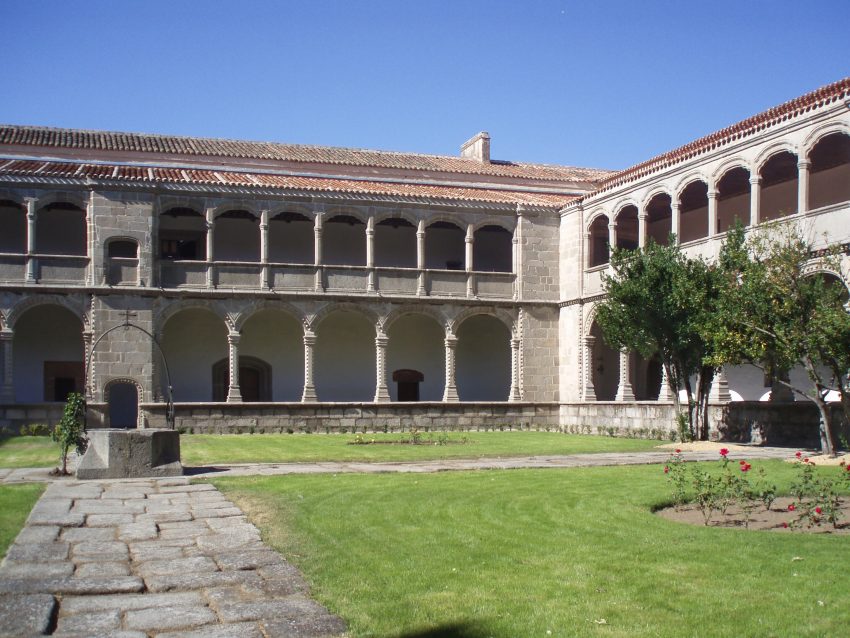
The Royal Monastery of Santo Tomás (Real Monasterio de Santo Tomás) is one of Avila's most rewarding monuments just outside the famous medieval walls, combining a grand Dominican monastery with a church, cloisters, and museum spaces. It's a peaceful counterpoint to the busy Old Town: less crowded, more contemplative, and packed with details for anyone who loves architecture.
Even if you're short on time, it fits nicely into a self-guided walk from the walled city, or as a purposeful stop on a walking tour focused on Avila's “extra-muros” (outside-the-walls) landmarks. The best moments come from slowing down in the cloisters, then stepping into the church to see why this place is tied so closely to Spain's late-15th-century royal story.
Table of Contents
- History and Significance of the Royal Monastery of Santo Tomás
- Things to See and Do in the Royal Monastery of Santo Tomás
- How to Get to the Royal Monastery of Santo Tomás
- Practical Tips on Visiting the Royal Monastery of Santo Tomás
- Where to Stay Close to the Royal Monastery of Santo Tomás
- Is the Royal Monastery of Santo Tomás Worth Visiting?
- For Different Travelers
- FAQs for Visiting Royal Monastery of Santo Tomás
- Nearby Attractions to the Royal Monastery of Santo Tomás
History and Significance of the Royal Monastery of Santo Tomás
Founded in the late 1400s, the Royal Monastery of Santo Tomás is closely linked to the Catholic Monarchs (Ferdinand and Isabella) and the Dominican order. It was conceived as a major religious and institutional complex, and its scale still feels ambitious today: a monastery that also functioned as a center of learning and royal presence.
Historically, it’s also remembered as the burial place of Prince John of Asturias, the only son of Ferdinand and Isabella. That royal connection helps explain the monastery’s “royal” title and the sense of ceremony you’ll feel in the church spaces.
Architecturally, the monastery is celebrated for its late Gothic character and its remarkable cloisters, which create a sequence of courtyards that shift your mood as you move through them. It’s the kind of place where the history isn’t only on plaques; it’s in the stonework, proportions, and quiet rhythm of the complex.
Things to See and Do in the Royal Monastery of Santo Tomás
Start with the cloisters: the monastery is famous for having three, and each one has its own personality. Take your time walking the arcades, looking for small carvings and the way light changes across the courtyard stone. If you enjoy photography, these spaces are often the most atmospheric part of the visit.
Inside the church, look for the sense of royal patronage and the monastery’s role as a major Dominican foundation. Even if you’re not deeply into religious art, the scale and craftsmanship make it feel like a “must-see” stop for understanding Avila beyond the walls.
One of the biggest surprises here is the museum component. Many visitors come for the monastery and end up talking about the unusual mix of collections, including an Oriental Art Museum and a Natural Science display. If you like unexpected travel finds, this is exactly that: a historic monument that also feels like a cabinet of curiosities.
How to Get to the Royal Monastery of Santo Tomás
For flights, the most practical gateways are Madrid-Barajas Airport (MAD) and Valladolid Airport (VLL), with Madrid usually offering the widest range of connections. For the best deals and a seamless booking experience, check out these flights to Ávila on Booking.com.
From Madrid, reaching Avila by train is straightforward, and it's a comfortable option if you want to avoid parking near the Old Town. Train schedules and bookings can be found on Omio.
If you're driving, Avila is an easy road trip from Madrid and other Castile and León cities, and having a car can be convenient if you're pairing the monastery with viewpoints or smaller towns nearby. If you are looking to rent a car in Spain I recommend having a look at Discover Cars, first, as they compare prices and review multiple car rental agencies for you.
Once you’re in Avila, the monastery sits outside the medieval walls; plan for a pleasant walk from the cathedral area, or use a short taxi ride if you’re saving steps for the ramparts.
Practical Tips on Visiting the Royal Monastery of Santo Tomás
- Official website: https://monasteriosantotomas.com/
- Entrance fee: Adults: €6; Reduced: €5; Special: €4; Groups (10–15): €5 per person; Groups (16–24): €4 per person.
- Opening hours: (Summer) July 1 – August 31; Daily: 10:30–21:00. (Winter) September 1 – June 30; Daily: 10:30–14:00 & 15:30–19:30.
- Best time to visit: Go early in the day for quieter cloisters and softer light, or later in the afternoon when the complex feels especially calm. In summer, the extended hours make an evening visit possible.
- How long to spend: Plan around 60–90 minutes for a satisfying visit, longer if you want to linger in all three cloisters and properly explore the museum rooms.
- Accessibility: Expect historic surfaces, thresholds, and some uneven flooring typical of a 15th-century complex; mobility can be challenging in parts. If you have specific needs, it’s worth confirming current access routes before you go.
- Facilities: Audioguides are commonly included and add helpful context, though some visitors find navigation a bit confusing without clear signage. Restroom and visitor services are limited compared with a modern museum, so plan quick breaks before or after.
Where to Stay Close to the Royal Monastery of Santo Tomás
The best area to base yourself is inside (or right next to) Avila’s walled Old Town for the most walkable, atmospheric stay.
Parador de Ávila A classic choice for travelers who want historic character and a prime location near the walls, making it easy to pair the monastery with sunrise or sunset walks on the ramparts.
Palacio de los Velada Ideal if you want to sleep in the heart of the Old Town with a sense of grandeur; it’s a strong base for walking routes that include the cathedral, walls, and then the monastery.
Hotel Las Leyendas A cozy, well-placed option that suits travelers who prioritize charm and a quieter feel while still being close to the main sights.
Hotel Don Carmelo A practical mid-range pick with easy access in and out of town, useful if you’re arriving by car or planning day trips beyond Avila.
Hostal La Estación A budget-friendly base near the train station, convenient for early arrivals or departures and a good fit if you're doing Avila as a quick overnight from Madrid.
Is the Royal Monastery of Santo Tomás Worth Visiting?
Yes, it’s absolutely worth visiting if you want more than “just the walls” in Avila. The combination of three cloisters, a powerful royal backstory, and the unexpectedly eclectic museum spaces makes it one of the city’s most memorable stops, especially for travelers who enjoy places that reward slow exploration.
Honest Pivot: If you’re only in Avila for a very short stop and your priority is the iconic wall walk plus the cathedral, you might skip it simply because it’s outside the walled core. Also, if you dislike audioguide-led visits or get frustrated by imperfect wayfinding, you may find it less smooth than a modern museum.
What Other Travellers Say...

Reviews are overwhelmingly positive, with travelers praising the monastery’s historical importance, Gothic architecture, and the experience of exploring multiple cloisters and the church. Visitors also like the added value of the museum areas (especially the Oriental art collection and the unusual natural science displays) and often mention that an audioguide is included. The most common drawbacks are occasional confusion with the audioguide flow and a desire for clearer signage and directions, plus the fact that it’s a bit of a walk from the walled Old Town.


For Different Travelers
The monastery works well for many travel styles because it’s both a major monument and a calm place to decompress. Think of it as a “deep cut” Avila highlight: less about ticking boxes, more about atmosphere and discovery.
Families with Kids
Kids who like wide open spaces will enjoy the cloisters, where there’s room to move without the feeling of a cramped gallery. The natural science displays can also be a fun surprise that breaks up a more traditional church-and-stone visit.
For younger children, the visit is easiest if you keep it short and focus on one or two “wow” elements: the biggest cloister, the church interior, and one museum section. Bring snacks for afterward rather than trying to stretch the visit too long.
Couples & Romantic Getaways
For couples, the monastery’s quiet courtyards and soft light make it feel intimate, especially compared with the busier Old Town lanes. It’s a good place for a slower-paced afternoon that ends with a café stop back inside the walls.
If you enjoy architecture, you’ll have plenty to talk about as you move through the cloisters and church. It’s also a nice “shared discovery” spot because the museum collections are unexpectedly varied.
Budget Travelers
This is a strong value stop in Avila: a substantial historic complex with multiple areas to explore for a relatively modest ticket. If you’re building a low-cost itinerary, pair it with free highlights like walking the exterior of the walls and exploring viewpoints.
To keep costs down, consider arriving on foot from the Old Town and treating the walk as part of the experience. You’ll also avoid taxi fares and get a better sense of Avila beyond the postcard core.
History Buffs
History lovers will appreciate how much late-15th-century Spain is concentrated here, from royal patronage to Dominican influence. The monastery’s scale and layout also tell a story about how religious, educational, and political life overlapped.
Give yourself time to read the context panels (and use the audioguide selectively) so you can connect the spaces to the people behind them. It’s one of the best places in Avila to move from “beautiful buildings” to “why this mattered.”
FAQs for Visiting Royal Monastery of Santo Tomás
Getting There
Tickets & Entry
Visiting Experience
Tours, Context & Itineraries
Photography
Accessibility & Facilities
Food & Breaks Nearby
Safety & Timing
Nearby Attractions to the Royal Monastery of Santo Tomás
- Avila City Walls: The city's iconic medieval ramparts with walkable sections and sweeping views.
- Ávila Cathedral: A fortress-like Gothic cathedral that anchors the Old Town and rewards a slow interior visit.
- Basilica of San Vicente: A Romanesque masterpiece known for its sculptural details and dramatic stonework.
- Convento de Santa Teresa: A key site connected to Saint Teresa of Ávila, with a museum-like visit experience.
- Mirador de los Cuatro Postes: The classic viewpoint for photographing Avila's walls and skyline, especially at sunset.
The Royal Monastery of Santo Tomás appears in our Complete Guide to Visiting Ávila!

Moira & Andy
Hey! We're Moira & Andy. From hiking the Camino to trips around Europe in Bert our campervan — we've been traveling together since retirement in 2020!
This website uses affiliate links which may earn a commission at no additional cost to you!
Planning Your Visit
(Summer) July 1 - August 31; Daily: 10:30-21:00.
(Winter) September 1 - June 30; Daily: 10:30-14:00 & 15:30-19:30.
Adults: €6; Reduced: €5; Special: €4; Groups (10-15): €5 per person; Groups (16-24): €4 per person.
Nearby Attractions
- Puerta del Alcázar (0.8) km
City Gate - Palacio de los Serranos (0.8) km
Museum and Palace - Museo de Ávila (0.8) km
Museum and Palace - Casa Carnicerías (0.9) km
Historic Building and Tourist Office - Walls of Ávila (0.9) km
City Walls - Casa de la Misericordia (0.9) km
Historic Building - Ávila Cathedral (0.9) km
Cathedral - Palacio de Valderrábanos (0.9) km
Palace - Palacio del Rey Niño (0.9) km
Palace - San Vicente Garden (1.0) km
City Walls, Gardens and Park