Roman Villa of Varignano
Roman Site in Portovenere

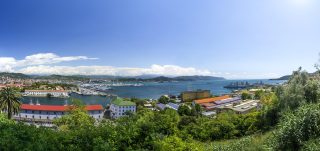
The Roman Villa of Varignano is one of the top attractions in Porto Venere for travellers interested in archaeology, ancient agriculture, and coastal landscapes. Nestled at the base of a tranquil valley, surrounded by olive groves and looking out toward the sea, the villa combines rustic charm with refined Roman luxury. Its peaceful setting and remarkably preserved structures make it a great place to visit on a tour of Porto Venere or a short excursion from La Spezia.
Archaeological discoveries reveal that the villa evolved between the late 2nd century BC and the 4th century AD, undergoing repeated phases of construction and renovation. Its vast layout-around 30,000 square metres-reflects its dual identity as both an agricultural estate centred on olive oil production and a refined seaside retreat for its Roman owners.
Table of Contents
- History and Significance of the Roman Villa of Varignano
- Things to See and Do in the Roman Villa of Varignano
- How to Get to the Roman Villa of Varignano
- Practical Tips on Visiting the Roman Villa of Varignano
- Where to Stay close to the Roman Villa of Varignano
- Is the Roman Villa of Varignano Worth Visiting?
- FAQs for Visiting the Roman Villa of Varignano
- Nearby Attractions to the Roman Villa of Varignano
History and Significance of the Roman Villa of Varignano
The earliest phase of the villa dates to the end of the 2nd century BC, when a structure with seven rooms adorned with decorated walls and fine flooring stood on the site. The villa took on its more recognisable form around 90-80 BC, developing into a substantial rural estate with a private maritime landing that connected it directly to coastal trade routes.
Over the centuries, the villa expanded and adapted, incorporating new wings, courtyards, and agricultural structures. One of its most important functions was olive oil production, and its well-preserved presses from the Sillan period offer vivid insight into ancient techniques described in classical texts. The presence of olive groves, possible woodland, and grazing areas suggests that the villa once presided over an extensive agricultural landscape.
During the 1st century AD, the villa owners enhanced their residence with luxurious features such as a bath complex and a large cistern for collecting and storing water. Polychrome mosaics discovered at the site point to the villa’s status as an elite home, blending practicality and pleasure in the Roman tradition of otium-cultivated leisure by the sea.
The villa remained active until at least the 4th century AD, and archaeological evidence suggests some activity continued into the 6th century. Its long lifespan and layered structures create a rich tapestry of Roman rural life along the Ligurian coast.
Things to See and Do in the Roman Villa of Varignano
Visitors to the villa can explore its extensive ruins, which vividly illustrate the daily rhythms of ancient Roman life. The oil production area is among the most striking features, with presses and processing installations still visible and offering a rare opportunity to see the full cycle of olive oil production-from grove to storage.
The residential quarters, though partially ruined, show traces of mosaics, decorated walls, and architectural planning designed for comfort and prestige. Walking through the remains of the baths, courtyards, and storage rooms helps visitors imagine the villa at its peak, alive with workers, guests, and the bustle of agricultural activity.
The villa’s natural setting is just as captivating. Its valley is framed by greenery, and its views toward the coast evoke the sense of tranquillity that Roman elites sought in their countryside retreats. Many visitors find the site particularly evocative for photography, sketching, or simply relaxing among the ruins.
How to Get to the Roman Villa of Varignano
The villa is located just outside Porto Venere, accessible by road and footpaths from the village and surrounding areas. The nearest airport is Pisa International Airport, providing convenient access to travellers from across Europe. For the best deals and a seamless booking experience, check out these flights to La Spezia on Booking.com.
There is no train station in Porto Venere, so visitors arriving by rail must travel to La Spezia Centrale and continue by bus or taxi to reach the Varignano area. Use Omnio to easily compare schedules, book train tickets, and find the best prices all in one place for a hassle-free journey across Italy.
Travelling by car provides the most flexibility, with parking available near the archaeological site and along local roads. From Porto Venere, the villa can also be reached by scenic walking routes through the surrounding hills and valleys. If you are looking to rent a car in Italy I recommend having a look at Discover Cars, first, as they compare prices and review multiple car rental agencies for you.
Local buses serve the nearby roadways, though schedules may vary seasonally.
Practical Tips on Visiting the Roman Villa of Varignano
- Suggested tips: Bring water and wear comfortable shoes, as the site includes uneven terrain.
- Best time to visit: Spring and early autumn for mild weather and lush surroundings.
- Entrance fee: A small admission fee may apply depending on seasonal management.
- Opening hours: Typically open during daytime hours; check local information for updates.
- Official website: Refer to Porto Venere or Ligurian archaeological tourism pages.
- How long to spend: Around 45-90 minutes exploring the ruins and landscape.
- Accessibility: Uneven ground and steps make access difficult for those with limited mobility.
- Facilities: Minimal; basic services are available in nearby Porto Venere.
- Photography tip: Capture the contrast between olive groves, ruins, and the sea for dramatic compositions.
- Guided tours: Occasionally offered by local archaeological groups.
- Nearby food options: Porto Venere and La Spezia offer cafés and restaurants a short drive away.
Where to Stay close to the Roman Villa of Varignano
For a convenient base near both the villa and Porto Venere’s seafront, Grand Hotel Portovenere provides elegant comfort with spectacular views. Travellers looking for a cosy village atmosphere may prefer Hotel Genio Porto Venere. For a peaceful retreat surrounded by nature, Relais Santa Caterina offers tranquillity and easy access to hiking paths.
Is the Roman Villa of Varignano Worth Visiting?
Yes, the Roman Villa of Varignano is absolutely worth visiting, especially for those fascinated by archaeology, ancient agriculture, or Roman architecture. Its beautifully preserved oil presses, mosaics, baths, and coastal setting paint a vivid picture of life in an elite Roman rural estate. The combination of history, landscape, and tranquillity makes it one of the best places to visit in Porto Venere.
What Other Travellers Say...

Varignano Roman Villa on Via Varignano Vecchio is an archaeological site where you can explore the remains of a Roman-era dwelling and installations once used for making olive oil; visitors praise knowledgeable, friendly guided tours (often included with a modest cash ticket), clear English and Italian signage throughout, clean facilities with baby-changing, and a small museum component, and note the entrance can appear closed so you may need to ring the bell to gain access.


FAQs for Visiting the Roman Villa of Varignano
Nearby Attractions to the Roman Villa of Varignano
- Church of San Pietro: A dramatic clifftop church overlooking the sea.
- Porta del Borgo: The medieval gateway into Porto Venere's historic centre.
- Parco Naturale Regionale di Porto Venere: A UNESCO-listed landscape of cliffs and islands.
- Doria Castle: A hilltop fortress with striking views across the Gulf of Poets.
- Palmaria Island: A nearby island ideal for hiking, swimming, and exploring.
The Roman Villa of Varignano appears in our Complete Guide to Visiting La Spezia!

Moira & Andy
Hey! We're Moira & Andy. From hiking the Camino to trips around Europe in Bert our campervan — we've been traveling together since retirement in 2020!
This website uses affiliate links which may earn a commission at no additional cost to you!
Planning Your Visit
Nearby Attractions
- Porta del Borgo, Porto Venere (1.4) km
City Gate - Palazzata a Mare (1.5) km
Notable Building - Castello Doria (1.6) km
Castle - Lord Byron's Grotto (1.7) km
Cave - Church of San Pietro, Porto Venere (1.8) km
Church - Regional Natural Park, Porto Venere (2.3) km
National Park - Thaon di Revel Bridge (4.3) km
Bridge - Ponte Thaon di Revel (4.3) km
Attraction, Bridge and Promenade - Museo Tecnico Navale (4.5) km
Museum - Museo Tecnico Navale della Spezia (4.5) km
Attraction and Museum