Pueblo Español, Palma de Mallorca
Museum in Palma de Mallorca

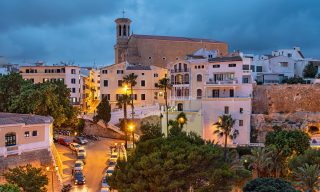
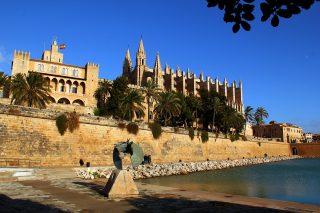
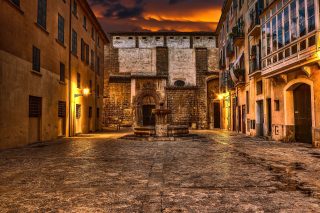
On the outskirts of Palma, Pueblo Español (Spanish Village) offers a curious and surprisingly charming shortcut to exploring Spain's architectural past. Instead of criss-crossing the peninsula, you can wander quiet streets lined with reproductions of landmark buildings from cities like Córdoba, Toledo and Madrid, as well as traditional houses that represent different regions. It is one of the best places to visit in Palma de Mallorca if you are short on time but long on curiosity about Spain's varied styles and stories.
As you move between mini palaces, patios and plazas, you get a sense of how architecture here has evolved under both Muslim and Christian influences, from cool courtyards and tiled salons to solid stone façades and Baroque details. A standout is the recreation of the salon, baths and patio inspired by the Alhambra in Granada, which gives you a taste of Nasrid elegance even if you have not yet made it to the mainland. Between photo stops you can sit at an outdoor café in the Plaza Mayor, watch people browse for pearls and souvenirs, and soak up the relaxed, slightly theatrical atmosphere, making this a great place to visit on a walking tour of Palma de Mallorca that ventures beyond the old town.
Table of Contents
History and Significance of the Pueblo Español (Spanish Village)
Pueblo Español was conceived as a way to bring the richness of Spanish architecture together in one accessible, open-air setting. Rather than being a historic village that evolved over centuries, it is a planned site that cherry-picks emblematic buildings from across Spain and reimagines them at reduced scale in a single complex. The idea is similar to other “Spanish villages” created in the 20th century, where education, tourism and a certain romantic nostalgia all come together.
What makes this version in Palma interesting is its focus on both monumental and everyday architecture. You will see adapted versions of famous urban landmarks alongside simple regional houses and workshops, which helps you appreciate how styles filtered from grand cathedrals and palaces down into the homes of ordinary people. Walking the streets, you are effectively moving through a compressed timeline of Spanish building traditions, from Moorish patios to Renaissance façades and Baroque churches.
The village is not a museum in the traditional sense; it is more of a stage set that invites you to wander, sit, eat and shop as you learn. That mix of leisure and learning is part of its appeal. For visitors based on Mallorca who may not have the chance to travel widely on the mainland, Pueblo Español offers a playful introduction to architectural diversity, and even if you know Spain well, it can be fun to spot familiar motifs and see how they have been reinterpreted here.
Things to See and Do in the Pueblo Español (Spanish Village)
The best way to enjoy Pueblo Español is simply to stroll without rushing. Start in one of the main “streets” and follow your curiosity: turn into small alleys, climb steps to viewpoints and pause in different plazas to take in each set piece. Look out for the reproductions of buildings from Córdoba, Toledo and Madrid, paying attention to how arches, balconies, windows and stonework shift as you move from one “city” to another. It feels a little like leafing through a picture book, but in three dimensions.
Make sure you seek out the Alhambra-inspired section, where a recreated salon, baths and patio bring Andalusian Islamic architecture to life in miniature. Here, intricate details, colonnades and water features hint at the atmosphere of the real palace in Granada. Even though it is a reproduction, it gives you a good sense of how space, light and water are used in that style, and it is often a favourite stop for photos and quiet admiration.
Between architectural highlights, give yourself time to enjoy the more everyday pleasures of the village. The Plaza Mayor (note the Spanish spelling) is a natural place to pause for a drink or a meal, with restaurant terraces and cafés offering a comfortable vantage point for people-watching. Browse the shops for pearls and other souvenirs, and pop into artisan workshops where local artists and craftspeople demonstrate their skills. Watching someone work with leather, ceramics or textiles adds a human dimension to the built environment around you and reinforces the sense that Pueblo Español is about living culture as much as stone and stucco.
How to Get to the Pueblo Español (Spanish Village)
Most visitors arrive in Palma via Palma de Mallorca Airport, the island's main international gateway with frequent flights from cities across Spain and Europe. For the best deals and a seamless booking experience, check out these flights to Palma de Mallorca on Booking.com. From the airport, airport buses and taxis run regularly into the city centre, where you can either transfer to a local bus or take a taxi directly to Pueblo Español on the outskirts.
If you are staying elsewhere on the island, regional trains connect towns such as Inca, Sa Pobla and Manacor with Palma's Estació Intermodal near Plaça d'Espanya.Train schedules and bookings can be found on Omio. From there you can use city buses or a taxi to reach the Spanish Village area, which sits a short ride away from the historic centre.
Travelling by car, follow the main routes into Palma and then towards the western side of the city where Pueblo Español is located.If you are looking to rent a car in Spain I recommend having a look at Discover Cars, first, as they compare prices and review multiple car rental agencies for you. There is usually parking available nearby, and driving can be a convenient option if you are combining your visit with other out-of-centre stops or staying in a resort outside Palma.
Practical Tips on Visiting the Pueblo Español (Spanish Village)
- Suggested tips: Wear comfortable shoes and plan to explore slowly; the site is compact, but you will want to wander, backtrack and climb occasional steps to reach the best viewpoints.
- Best time to visit: Late afternoon into early evening works well, especially in warmer months when the light softens, temperatures drop a little and the village feels more atmospheric.
- Entrance fee: €10 Adults
- Opening hours: Opening hours (summer): From Monday to Sunday from 10:00 to 18:00. Opening hours (winter): From Monday to Sunday from 09:00 to 17:00
- Official website: https://pem.city/
- How long to spend: Allow 1-2 hours to wander the streets, visit the Alhambra-inspired area, watch a craft demonstration and relax with a drink or snack in the Plaza Mayor.
- Accessibility: Many streets are paved and reasonably accessible, though there are some slopes, steps and cobbled sections; visitors with reduced mobility may want to focus on the main plazas and gentler routes.
- Facilities: On-site facilities usually include toilets, cafés, restaurants and shops, making it easy to spend a good stretch of time here without needing to leave for basics.
- Photography tip: Come when the light is low to avoid harsh shadows; look for compositions that frame towers, arches and balconies against the sky, and do not miss the reflections and patterns in the Alhambra-style patio.
- Guided tours: If available, a guided visit or audio guide can help you understand which buildings come from which Spanish regions and what architectural details to look for.
- Nearby food options: While there are places to eat inside the village, you are also only a short drive or bus ride from central Palma, with its wide choice of tapas bars, restaurants and cafés.
Where to Stay close to the Pueblo Español (Spanish Village)
Although Pueblo Español sits slightly outside the historic core, staying in central Palma still puts it within easy reach while giving you the full benefit of the old town and seafront. A solid, central choice is Hotel Almudaina, which offers comfortable rooms and straightforward access by bus or taxi to the Spanish Village. For more character in a historic mansion, Boutique Hotel Posada Terra Santa places you in the atmospheric old town, ideal if you plan to combine Pueblo Español with cathedral, palace and city walks. If you prefer a stylish base near both the centre and the waterfront, Hotel Basilica works well, letting you reach the village easily while enjoying Palma’s main sights on foot.
Is the Pueblo Español (Spanish Village) Worth Visiting?
If you are interested in architecture, cultural “taster menus” or simply like slightly unusual attractions, Pueblo Español is worth adding to your Palma itinerary. It is not a historic monument in the strict sense, but a thoughtfully assembled showcase of Spain's built heritage, presented in a way that is easy to enjoy in a single visit. The Alhambra-inspired patio, the mix of regional styles, the artisan workshops and the relaxed plazas all combine to create a visit that feels both educational and fun, especially if you are travelling with family or friends who enjoy wandering and taking photos.
What Other Travellers Say...

Poble Español de Mallorca, on Carrer del Poble Español in Palma, is an open‑air replica village showcasing recreated Spanish buildings and landmarks where you can wander narrow streets, peek into courtyards and photograph colourful façades; it’s compact enough to see in about an hour but detailed, with artisan workshops and small shops selling ceramics, leather goods and local crafts, plus event spaces that host concerts and performances—visitors praise its peaceful atmosphere, scenic photo opportunities and attentive staff, though summer events can feel hot and poorly ventilated and some workshops or cafés may be closed at quieter times.


FAQs for Visiting Pueblo Español (Spanish Village)
Nearby Attractions to the Pueblo Español (Spanish Village)
- Palma Cathedral La Seu: The city's iconic Gothic cathedral on the seafront, perfect to visit before or after a trip to the Spanish Village.
- Royal Palace of La Almudaina: A fortified royal palace beside the cathedral, combining medieval halls with later royal apartments and harbour views.
- Castell de Bellver: A circular hilltop castle overlooking Palma, offering panoramic views of the bay and a small history museum.
- Passeig Marítim: The waterfront promenade lined with marinas, cafés and bars, ideal for an evening stroll after your Pueblo Español visit.
- Plaça Major: Palma's lively main square, surrounded by arcades, cafés and shops, and often hosting artisan markets and street performers.
The Pueblo Español appears in our Complete Guide to Visiting Palma de Mallorca!

Moira & Andy
Hey! We're Moira & Andy. From hiking the Camino to trips around Europe in Bert our campervan — we've been traveling together since retirement in 2020!
This website uses affiliate links which may earn a commission at no additional cost to you!
Planning Your Visit
Opening hours (summer):
From Monday to Sunday from 10:00 to 18:00.
Opening hours (winter):
From Monday to Sunday from 09:00 to 17:00
€10 Adults
Nearby Attractions
- Es Baluard Centre (1.1) km
Museum - Castell de Bellver (Bellver Castle) (1.3) km
Castle - La Llotja (1.5) km
Historic Building - Passeig del Born (1.6) km
Street - Royal Gardens of La Almudaina (1.7) km
Gardens - Royal Palace of La Almudaina (1.7) km
Palace - Church of Santa Magdalena (1.7) km
Church - Palau March Museum (1.7) km
Historic Building and Museum - Can Casasayas (1.8) km
Historic Building - La Seu: the Cathedral of Palma (1.8) km
Cathedral