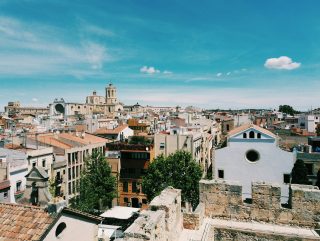
Palau March Museum, Palma de Mallorca
Historic Building and Museum in Palma de Mallorca
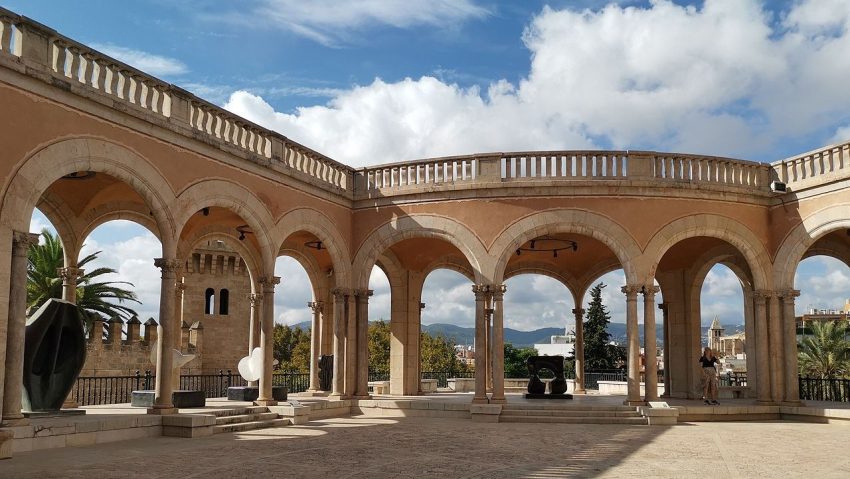
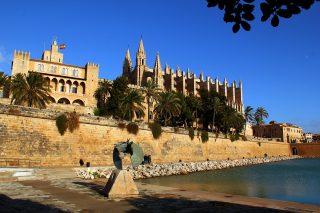
In the heart of Palma de Mallorca, just steps from the cathedral and royal palace, the Palau March Museum offers a calm, elegant escape from the busy streets outside. Housed in the Palau March Palace, this former family residence combines grand architecture, harbour views from its rooftop and a welcoming ground-floor café, making it one of the best places to visit in Palma de Mallorca if you want art, history and a quiet corner to sit for a while.
The museum showcases the Bartolomé March Foundation's collection, ranging from Baroque and Impressionist works to Modern and Painterly Realist pieces. Masterpieces by Murillo, Goya, Velasquez, Picasso, Monet, Van Gogh, Miró, Kandinsky, Rothko, Klein and Salvador Dalí share space with sculptures by Chillida, Moore and Rodin, finely carved wooden icons and an intricate Neapolitan nativity scene. It is the kind of place where you can move from Old Masters to bold 20th-century abstraction in a few steps, a highlight of any walking tour of Palma de Mallorca that focuses on culture as much as architecture.
Table of Contents
- History and Significance of the Palau March Museum
- Things to See and Do in the Palau March Museum
- How to Get to the Palau March Museum
- Practical Tips on Visiting the Palau March Museum
- Where to Stay close to the Palau March Museum
- Is the Palau March Museum Worth Visiting?
- FAQs for Visiting Palau March Museum
- Nearby Attractions to the Palau March Museum
History and Significance of the Palau March Museum
The Palau March Museum occupies the Palau March Palace, a city residence created for one of Mallorca's most prominent families. Built to express status and taste, the palace blends formal spaces for receiving guests with more intimate rooms and terraces, and today those same spaces provide an atmospheric backdrop for the Bartolomé March Foundation's art collection. Walking through its halls, you are as much aware of the setting-stone, light, views-as you are of the pieces on the walls and plinths.
The collection itself is notable for its breadth. Rather than focusing on a single period, it reaches across centuries and schools: Baroque works by painters such as Murillo and Goya, classical portraits and religious paintings in the orbit of Velasquez, and then, in striking contrast, canvases by Impressionists like Monet and Post-Impressionist giants such as Van Gogh. These are complemented by Modern and Painterly Realist works, showing how artists continued to push colour, form and brushwork into the 20th century.
Alongside painting, sculpture and object art are central to the museum’s identity. Visitors encounter pieces by major sculptors including Chillida, Henry Moore and Auguste Rodin, as well as finely carved wooden icons that connect the collection back to religious craftsmanship. The Neapolitan nativity scene is another highlight, a meticulous miniature world that reveals new details every time you look. Together, the palace and its collection create a dialogue between private patronage, European art history and Mallorca’s place within those wider currents.
Things to See and Do in the Palau March Museum
Start with the palace itself. As you step inside from the city streets, take in the change of atmosphere: quieter, cooler and more refined. The ground floor gives you a sense of the building’s scale and layout, with spaces that once served as reception rooms now dedicated to displaying paintings, sculptures and decorative objects. Look out for how the architecture frames the art-doorways, windows and staircases often create natural sightlines from one piece to another.
Move through the galleries and you will encounter a roster of major names. Baroque paintings draw you in with their drama and rich detail, while Impressionist and Post-Impressionist works by artists such as Monet and Van Gogh shift the focus to light, colour and movement. Modern pieces by Picasso, Miró, Kandinsky, Rothko, Klein and Dalí showcase radically different approaches to line, space and emotion. It is worth slowing your pace here, choosing a few favourites and spending time with them rather than trying to see everything at once.
Do not miss the sculpture displays and special features. Works by Chillida, Moore and Rodin bring the three-dimensional side of the collection to life, their forms catching the light differently as you move around them. The wooden icons offer a more intimate, devotional counterpoint, and the Neapolitan nativity scene rewards close inspection with countless figures, architectural details and vignettes. When you are ready for a pause, head up to the rooftop for the harbour views or down to the café on the ground floor, where you can sit with a drink and let everything you have seen settle in.
How to Get to the Palau March Museum
Most visitors arrive in Palma via Palma de Mallorca Airport, the island's main international gateway with regular flights from across Spain and Europe. For the best deals and a seamless booking experience, check out these flights to Palma de Mallorca on Booking.com. From the airport, airport buses and taxis run frequently into the city centre; from there, it is a short walk through the old town towards the cathedral and royal palace, where the Palau March Museum sits close by.
If you are staying elsewhere on the island, regional trains connect towns such as Inca, Sa Pobla and Manacor with Palma's Estació Intermodal near Plaça d'Espanya.Train schedules and bookings can be found on Omio. From the station, you can stroll through the historic centre towards the cathedral area and follow signs or a map to the Palau March Museum, which is just a few minutes' walk away.
Travelling by car, follow the main roads into Palma and use one of the car parks near the old town or along the seafront by Parc de la Mar.If you are looking to rent a car in Spain I recommend having a look at Discover Cars, first, as they compare prices and review multiple car rental agencies for you. Once parked, everything in the historic centre is easily reached on foot, and you can visit the cathedral, Almudaina Palace and Palau March Museum in a single, compact circuit.
Practical Tips on Visiting the Palau March Museum
- Suggested tips: Combine your visit with Palma Cathedral and the Royal Palace of La Almudaina next door to make a full morning or afternoon of art, history and architecture.
- Best time to visit: Late morning or mid-afternoon tends to be calmer; visiting outside peak heat in summer makes the palace and rooftop views more comfortable.
- Entrance fee: Adults: €10.00
- Opening hours: Daily 10:00 - 16:00
- Official website: https://www.fundacionbmarch.es/en/home/
- How long to spend: Allow 60-90 minutes to explore the galleries, sculptures and nativity scene, plus extra time if you plan to relax in the café or enjoy the rooftop views.
- Accessibility: As a historic palace, some areas may involve stairs or uneven flooring; check accessibility information in advance if you have mobility needs, and ask on-site staff about lift access where available.
- Facilities: The museum offers a ground-floor café, toilets and a ticket area; nearby streets provide additional cafés, restaurants and shops.
- Photography tip: Look for compositions where artworks, palace windows and glimpses of the harbour align, and be sure to respect any signage regarding photography restrictions inside galleries.
- Guided tours: If available, guided visits or audio guides add useful context on both the collection and the March family’s role as patrons.
- Nearby food options: Beyond the on-site café, the surrounding old town is full of tapas bars, bakeries and restaurants, making it easy to turn your museum visit into a leisurely outing.
Where to Stay close to the Palau March Museum
Staying in Palma's historic centre puts the Palau March Museum, cathedral and royal palace all within a few minutes' walk. A practical and comfortable option is Hotel Almudaina, which offers easy access to both the old town and the seafront. For a more intimate, historic feel, Boutique Hotel Posada Terra Santa places you in a beautifully restored mansion in the maze of old streets, ideal if you plan to spend time in galleries and cafés. If you prefer to stay closer to the waterfront while remaining near the museum, Hotel Boutique Calatrava gives you sea views and a short walk up to Palau March and other major sights.
Is the Palau March Museum Worth Visiting?
If you enjoy art, architecture or simply quiet, beautiful spaces in the middle of a city, the Palau March Museum is definitely worth visiting. The combination of a private palace setting, a surprisingly heavyweight collection-from Murillo and Goya to Picasso, Monet, Van Gogh and Dalí-and the bonus of harbour views and a relaxed café makes it far more than a quick gallery stop. Even if you only have an hour or two, it offers a rewarding change of pace from the busier streets and a deeper sense of Palma as a city of collectors and patrons, not just beaches and bars.
What Other Travellers Say...

Fundación Bartolomé March Servera, set in a stately former residence at Carrer del Palau Reial 18 in Palma, displays a diverse collection of art, sculpture and antique books across well-preserved historic rooms; visitors highlight impressive Salvador Dalí lithographs and sketches, 18th-century nativity scenes and figurines, sculptures in the courtyard (including works noted as by Rodin and Henry Moore), old maps and decorative interiors, plus good photo views of the adjacent cathedral and a pleasant atmosphere worth the entrance fee.


FAQs for Visiting Palau March Museum
Nearby Attractions to the Palau March Museum
- Palma Cathedral La Seu: The city's iconic Gothic cathedral, just moments away and ideal to pair with a museum visit.
- Royal Palace of La Almudaina: A fortified royal palace beside the cathedral, with medieval halls and harbour views.
- Parc de la Mar: The seafront park below the cathedral and palace, perfect for a stroll or a rest by the reflecting pool after your museum visit.
- Bishops Garden Jardí del Bisbe: A peaceful walled garden behind the cathedral, offering shaded paths and views of the episcopal complex.
- Plaça Major: Palma's main square, lined with arcades, cafés and shops, an easy walk from the museum through the old town.
The Palau March Museum appears in our Complete Guide to Visiting Palma de Mallorca!

Moira & Andy
Hey! We're Moira & Andy. From hiking the Camino to trips around Europe in Bert our campervan — we've been traveling together since retirement in 2020!
This website uses affiliate links which may earn a commission at no additional cost to you!
Planning Your Visit
Daily 10:00 – 16:00
Adults: €10.00
Nearby Attractions
- Royal Palace of La Almudaina (0.1) km
Palace - La Seu: the Cathedral of Palma (0.1) km
Cathedral - Royal Gardens of La Almudaina (0.1) km
Gardens - Passeig del Born (0.2) km
Street - Centre Maimó ben Faraig (0.2) km
Museum - Plaza de Cort (0.2) km
Square - Bishop's Garden (0.2) km
Gardens - Museu Diocesa de Mallorca (0.2) km
Museum - Església de Santa Eulàlia (0.3) km
Church - Can Casasayas (0.3) km
Historic Building