Oratory of the Disciplinati of Riomaggiore
Church in Riomaggiore
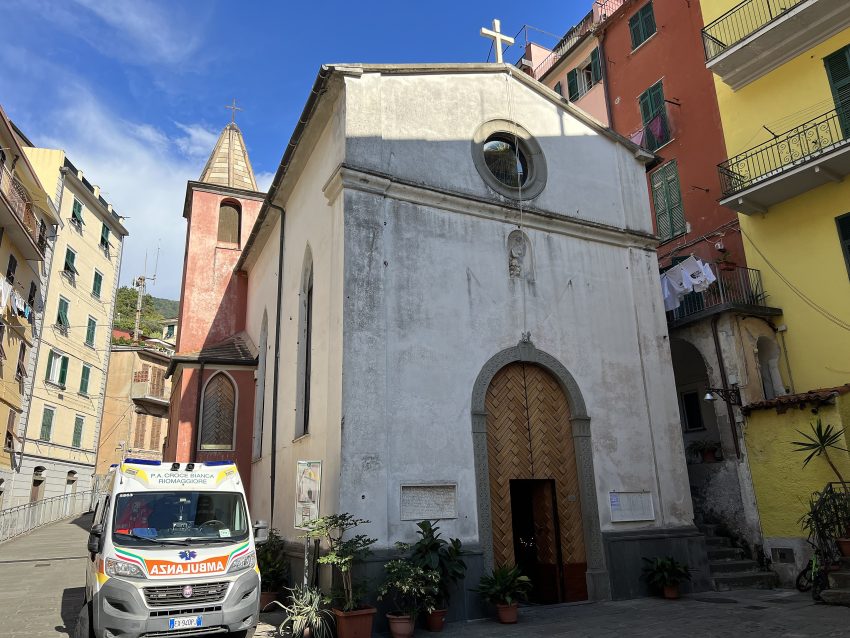
Sitting right on Via Colombo, the Oratorio dei Disciplinati is one of those places you almost can’t help noticing as you follow Riomaggiore’s main street downhill toward the sea. From the outside it looks calm and restrained-white plaster, a neat gabled façade, and a sandstone portal-yet it’s exactly the kind of small landmark that rewards you for stepping inside, even if you only have a short time in the village.
Because it's positioned along the primary route most visitors naturally walk, it's one of the things to see in Riomaggiore that fits effortlessly into your day, especially on a walking tour of Riomaggiore when you want a cultural stop that doesn't require a big detour or a long visit.
Table of Contents
- History and Significance of the Oratorio dei Disciplinati
- Things to See and Do in the Oratorio dei Disciplinati
- Practical Tips on Visiting the Oratorio dei Disciplinati
- Where to Stay Close to the Oratorio dei Disciplinati
- Is the Oratorio dei Disciplinati Worth Visiting?
- For Different Travelers
- FAQs for Visiting Oratorio dei Disciplinati
- Nearby Attractions to the Oratorio dei Disciplinati
History and Significance of the Oratorio dei Disciplinati
The oratory-also known as the church of the Confraternity of the Assumption-has roots in the 16th century and sits in the district often referred to locally as La Compagnia. Its placement is no accident: confraternity churches were designed to be visible, accessible, and woven into daily movement through the village, and this one still plays that role today as a landmark along the descent to the waterfront.
Architecturally, the exterior is intentionally simple and readable. The white-plastered façade is framed by two lateral pilasters, while the sandstone portal is topped with a niche and a circular window tucked beneath the tympanum, giving the building a clean, almost graphic presence among Riomaggiore’s busier street scenes.
One detail that adds depth is the commemorative plaque beside the entrance, dated 1476 and traditionally linked to indulgences granted to the brotherhood. It’s the kind of small historical marker that hints at a longer devotional life than the building’s “headline” century alone suggests.
Things to See and Do in the Oratorio dei Disciplinati
Start outside and take a minute with the façade details before you go in. The niche above the portal and the circular window beneath the gable are easy to miss if you’re rushing downhill, but they’re part of what makes the oratory feel composed and deliberate rather than simply “another small church.”
Inside, the atmosphere shifts to a richer Baroque feel, anchored by a prominent main altar set off with a marble balustrade. The highlight is the tempera triptych from the late 15th century depicting the Madonna and Child between Saints John and Dominic, which gives the small interior a genuine art-historical punch.
Don’t skip the wooden statue known as Our Lady of the Chains, which carries a powerful local story tied to the coastal risks of piracy and the fear of men being taken and held captive. Before you leave, notice the processional lights leaning along the wall-quiet reminders that this is not just a pretty interior, but a space built for community ritual and movement through the streets.
Practical Tips on Visiting the Oratorio dei Disciplinati
- Entrance fee: Free
- Opening hours: Daily: 9:00 - 12:00 & 16:00 - 18:00
- Best time to visit: Aim for a quieter moment outside the peak midday flow so you can step in without feeling hurried and appreciate the altar area calmly. If the street is busy, consider visiting on your way back up, when you’re naturally moving slower.
- How long to spend: 15-30 minutes is ideal for a relaxed look at the interior, the triptych, and the statue without turning it into a long stop. If you enjoy small-church art, you can linger a little longer and let the space settle.
- Accessibility: Because it’s on the main street, reaching it is straightforward, but the surrounding lanes are steep and can be slippery after rain. Expect typical church thresholds and limited maneuvering space inside.
- Facilities: There are no dedicated visitor facilities inside the oratory, so plan breaks around Via Colombo’s cafés and shops. This works best as a quick cultural pause between viewpoints and the waterfront.
Where to Stay Close to the Oratorio dei Disciplinati
For a culture-heavy itinerary, the best area to base yourself is central Riomaggiore so you can dip into the lanes and viewpoints early and late; if your trip's main focus is transport links and day trips beyond the villages, basing yourself in La Spezia is often more practical.
If you want an easy walkable base within the village, Hotel Villa Argentina is a dependable option for access to the main lanes. For a characterful stay close to the marina atmosphere while still being well placed for upper-village wandering, Scorci Di Mare fits perfectly. If you prefer a quieter feel and calmer mornings, Locanda Ca' Da Iride is a good match.
Is the Oratorio dei Disciplinati Worth Visiting?
Yes-especially because it’s the rare kind of stop that takes almost no effort to include, yet gives you a real sense of Riomaggiore’s devotional and community history. The contrast between the restrained exterior and the richer interior makes it feel like a small discovery even if you’re only inside for a few minutes.
It’s also worth it for the specific local storytelling: the statue of Our Lady of the Chains and the processional objects connect the building to the lived risks and rituals of a coastal village, not just to architecture.
What Other Travellers Say...

Church of San Giovanni Battista of Riomaggiore sits above the village at Via Pecunia 47 and offers a peaceful, panoramic spot featuring Gothic and neo‑Gothic elements such as a rose window, sculpted portals, black‑and‑white striped pillars and a three‑nave layout; visitors praise its elegant, serene interior with notable artworks and a pipe organ, enjoy open‑door access at times, and often find warm local gatherings and a welcoming community atmosphere.


For Different Travelers
Families with Kids
For families, this works best as a short, focused stop with a simple mission: step inside, spot the main altar, then look for one memorable detail like the statue and its story. Keeping it brief helps children stay engaged without turning it into a “quiet endurance test.”
Pair it with something active immediately afterward, like continuing down to the marina or heading up toward a viewpoint. This kind of quick culture stop feels easiest when it’s balanced with movement and a clear next destination.
Couples & Romantic Getaways
For couples, the oratory is a lovely, low-key pause that breaks up the walk down Via Colombo and adds a more intimate layer to the village experience. The interior lighting and Baroque focus around the altar create a calm mood that contrasts nicely with the busy street outside.
It also makes a good moment to slow down and travel at a gentler pace-visit the oratory, then continue toward the sea for a drink or sunset wander. The charm here is subtle, which often makes it feel more personal.
Budget Travelers
This is a high-value stop because it's easy, central, and rewarding without needing to restructure your day. You can step in, enjoy a meaningful interior, and walk out having added depth to your Riomaggiore visit with almost no time cost.
If you’re traveling on a budget, build your day around walkable landmarks like this and save any paid experiences for one thing you truly prioritize. Small, well-placed cultural stops are often what make a destination feel richer than a checklist of viewpoints.
FAQs for Visiting Oratorio dei Disciplinati
Getting There
Tickets & Entry
Visiting Experience
Tours, Context & Itineraries
Photography
Accessibility & Facilities
Food & Breaks Nearby
Safety & Timing
Nearby Attractions to the Oratorio dei Disciplinati
- Chiesa di San Giovanni Battista: Riomaggiore’s main church in the upper village, known for its striking façade and architectural details.
- Castello di Riomaggiore: The hilltop fortress site that offers panoramic views over the village rooftops and coastline.
- Marina di Riomaggiore: The classic waterfront area for photos, sea views, and a relaxed break after walking the lanes.
- Oratorio di San Rocco e San Sebastiano: A tiny chapel near the castle area with carved doorway details and a quiet, reflective feel.
- Santuario di Nostra Signora di Montenero: A rewarding uphill sanctuary walk above Riomaggiore with sweeping Cinque Terre views.
The Oratory of the Disciplinati of Riomaggiore appears in our Complete Guide to Visiting Riomaggiore!

Moira & Andy
Hey! We're Moira & Andy. From hiking the Camino to trips around Europe in Bert our campervan — we've been traveling together since retirement in 2020!
This website uses affiliate links which may earn a commission at no additional cost to you!
Planning Your Visit
Daily: 9:00 – 12:00 & 16:00 – 18:00
Free
Nearby Attractions
- Church of San Giovanni Battista (0.1) km
Church - Oratory of San Rocco (0.3) km
Church - Riomaggiore Castle (0.3) km
Castle - Santuario di Nostra Signora di Montenero (0.6) km
Church - Church of San Lorenzo (1.2) km
Church - Oratory of the Disciplinati of Manarola (1.2) km
Church - Bastion of Manarola (1.3) km
Castle - Santuario di Nostra Signora della Salute (1.9) km
Religious Building - Church of San Pietro (3.4) km
Church - Oratory of the Disciplinati di Santa Caterina (3.4) km
Church