Plaza de Toros de Ronda
Bullring and Historic Site in Ronda
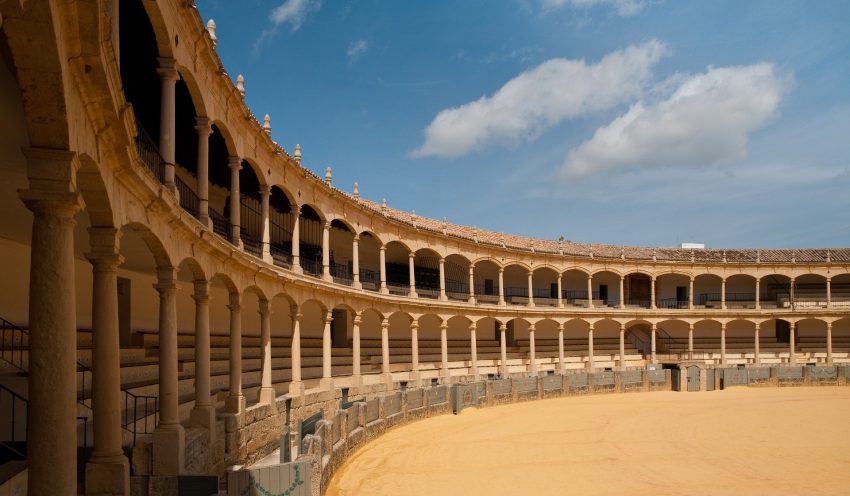
Plaza de Toros de Ronda is the city's most emblematic arena, a neoclassical bullring that opened in 1785 and still dominates the cultural story of the town. It sits within easy walking distance of Ronda's historic core, so it's one of the top sights in Ronda for travelers who want more than viewpoints and gorge photos.
Even if you have mixed feelings about bullfighting, the building itself is a serious architectural landmark, and the on-site museum adds context about local history, nobility, and the famous torero dynasties tied to Ronda. It's also an easy stop to weave into a walking tour of Ronda because you can pair it with nearby gardens, viewpoints, and the old town without needing transport.
Table of Contents
- History and Significance of the Plaza de Toros de Ronda
- Things to See and Do in the Plaza de Toros de Ronda
- How to Get to the Plaza de Toros de Ronda
- Practical Tips on Visiting the Plaza de Toros de Ronda
- Where to Stay Close to the Plaza de Toros de Ronda
- Add a Is the Plaza de Toros de Ronda Worth Visiting?
- For Different Travelers
- FAQs for Visiting Plaza de Toros de Ronda
- Nearby Attractions to the Plaza de Toros de Ronda
History and Significance of the Plaza de Toros de Ronda
The bullring opened in 1785 and is widely regarded as the oldest bullring in Spain, as well as one of the key places where modern bullfighting took shape. Its role is closely connected to the Real Maestranza de Caballería de Ronda, founded in 1572 as an aristocratic institution focused on military and equestrian training-an origin that helps explain why the site feels as much about status and tradition as it does about spectacle.
Architecturally, the arena is a clean expression of neoclassical design, and its proportions feel unusually elegant for a venue built for public events. The arena’s development is also tied to figures like Francisco Romero, credited with shaping a new approach to bullfighting on foot and popularizing tools and techniques that later became iconic.
Today, the bullring’s significance extends beyond the ring itself. For many visitors, it’s primarily a heritage site: a way to understand how Ronda’s identity was shaped by institutions, public ritual, and the long relationship between chivalric culture and popular entertainment.
Things to See and Do in the Plaza de Toros de Ronda
Start with the arena structure. The two-tier seating layout, the repeated arches and pillars, and the shaded stands give you a strong sense of how the building was engineered for both visibility and comfort, even by 18th-century standards. Take time to notice the Royal Box, with its distinctive presence and tile-covered roof, which adds a formal, almost ceremonial feel to the ring.
At the main entrance, look for the classical design cues that frame the venue as a civic monument rather than a purely functional stadium. The scale of the main door, designed to admit horses and carriages, hints at the arena’s historic choreography and the status once attached to arriving “in style.”
Before or after your visit, pause outside to see the Monumento al Toro, a direct, photo-friendly tribute that makes the arena's theme unmistakable. If you want the most insight, spend time in the Museo Taurino beneath the seating, where exhibits explore the Maestranza's history and Ronda's famous torero lineages, including the Romeros and the Ordóñez.
If your trip timing aligns, note that the arena is used only once a year for the Corrida Goyesca during Ronda’s September Feria. Even if you do not attend, understanding that this is now a rare, annual event helps frame the bullring as a place where history, tourism, and living tradition overlap.
How to Get to the Plaza de Toros de Ronda
The nearest major airport is Málaga Airport, with Seville Airport also a common option for travelers touring Andalusia. For the best deals and a seamless booking experience, check out these flights to Ronda on Booking.com. From either airport, Ronda is often approached as a day trip or an overnight stop, depending on whether you want quiet early-morning viewpoints.
Ronda is reachable by train, and rail is one of the simplest ways to avoid parking and enjoy a fully walkable visit once you arrive in town. Train schedules and bookings can be found on Omio. From the station, the bullring area is a straightforward walk through modern Ronda toward the historic core.
Buses also connect Ronda with nearby Andalusian cities and make sense if you are building an itinerary around public transport. If you are driving, plan to park once and walk, because the town center is best experienced on foot and the bullring pairs naturally with nearby sights. If you are looking to rent a car in Spain I recommend having a look at Discover Cars, first, as they compare prices and review multiple car rental agencies for you.
Practical Tips on Visiting the Plaza de Toros de Ronda
- Entrance fee: €8 (€9.50 with audioguide)
- Opening hours: Monday-Sunday: 10:00 – 20:00.
- Official website: http://www.rmcr.org/es/bullring_museum.html
- Best time to visit: Go in the morning for a quieter museum experience and clearer photos in the seating areas. In warmer months, earlier visits are also more comfortable, especially if you plan to continue walking afterward.
- How long to spend: Allow 60-90 minutes if you want to see the arena properly and take your time in the museum. If you are moving quickly, you can do a highlights visit in about 45 minutes, but it tends to feel rushed.
- Accessibility: The complex includes steps and changes in level, particularly around seating and museum areas beneath the stands. If mobility is a concern, prioritize the most accessible viewing points and focus on the architectural highlights rather than trying to cover every section.
- Facilities: Expect basic visitor amenities, with the most convenient cafés and rest stops just outside in the surrounding streets. This is an easy place to visit between a garden stroll and an old-town walk.
Where to Stay Close to the Plaza de Toros de Ronda
For a culture-heavy itinerary, base yourself near the old town and Puente Nuevo so you can walk to the main sights at quieter times; if your priority is transport convenience for early departures and day trips, stay nearer the train and bus station area.
If you want a classic, central stay with strong walkability to both the bullring and the old town, Catalonia Reina Victoria is a reliable choice. For a location that puts you right by the gorge edge and within easy reach of the historic core, Parador de Ronda is hard to beat. If you prefer a smaller, characterful base inside the old town lanes, Soho Boutique Palacio San Gabriel is a good fit for travelers who like atmosphere over a big-hotel feel.
Add a Is the Plaza de Toros de Ronda Worth Visiting?
Yes, if you value architecture, local history, and the ability to understand a place beyond its most scenic viewpoint. The arena is visually impressive and unusually well preserved, and the museum provides context that helps you interpret what you are seeing rather than treating it as a quick photo stop.
It can also be worth visiting even if you do not support bullfighting, because the site functions as a heritage space as much as an event venue. If the subject matter makes you uncomfortable, a practical approach is to focus on the building’s design, the Maestranza history, and the wider social context presented in the museum, then move on to Ronda’s natural and urban landmarks.
What Other Travellers Say...

Bullring of the Royal Cavalry of Ronda, on C. Virgen de la Paz 15 in Ronda, is an 18th-century bullring turned museum associated with famed matador Pedro Romero; visitors praise its striking architecture and central location in the old town, enjoy stepping into the arena, and explore museum displays of costumes, saddles and antique weapons, with an audio guide recommended to get the full history and a gift shop on site.


For Different Travelers
Families with Kids
For families, the bullring can be engaging because it is easy to “read” visually: a big circular arena, dramatic seating, and clear vantage points that help children understand how events would have looked. Keep the visit short and structured, focusing on architecture and how the space works rather than lingering on difficult topics.
If you are visiting with older kids, the museum can be a good moment for a thoughtful conversation about tradition, changing values, and how communities preserve history. The key is to set expectations before you go in, so the visit feels intentional rather than surprising.
Couples & Romantic Getaways
For couples, this is a strong daytime stop because it is immersive without being exhausting, and it pairs well with a slow walk through town afterward. The arena’s symmetry and the warm tone of the structure make it a surprisingly atmospheric place to wander, especially when it is quieter.
A good romantic rhythm is bullring and museum first, then a garden stroll or viewpoint stop, then lunch in the old town. It creates a balanced day that mixes culture, scenery, and unhurried time together.
Budget Travelers
This is a high-value visit if you want one paid cultural stop that delivers both a landmark and a museum in a single ticket. Because the site is centrally placed, you also save money on transport: you can easily build the rest of the day around walking.
To keep costs down, pair it with free highlights nearby, such as viewpoints and public gardens, and treat the bullring as your one “structured” attraction for the day. That combination tends to feel satisfying without turning the trip into constant spending.
History Buffs
For history buffs, the bullring is compelling because it sits at the intersection of architecture, aristocratic institutions, and public culture. The Maestranza connection adds a layer that goes beyond entertainment and into the social structures that shaped Ronda across centuries.
The museum is the main draw for deeper context, especially for understanding the local dynasties of toreros and how tradition became formalized and preserved. Approach it like a social-history site, and it becomes much richer than a simple arena tour.
FAQs for Visiting Plaza de Toros de Ronda
Getting There
Tickets & Entry
Visiting Experience
Tours, Context & Itineraries
Photography
Accessibility & Facilities
Food & Breaks Nearby
Safety & Timing
Nearby Attractions to the Plaza de Toros de Ronda
- Puente Nuevo: Ronda's iconic bridge over the gorge, best for panoramic views and classic photos.
- Alameda del Tajo: A leafy promenade and garden area that makes a perfect slow break between major sights.
- Mirador de Aldehuela: Viewpoint terraces that give you dramatic angles on the gorge landscape.
- Baños Árabes: Historic Arab baths that add depth to Ronda's layered past beyond the main viewpoints.
- Casa del Rey Moro and La Mina: A historic site known for its dramatic descent and the feeling of Ronda's gorge carved into daily life.
The Plaza de Toros de Ronda appears in our Complete Guide to Visiting Ronda!

Moira & Andy
Hey! We're Moira & Andy. From hiking the Camino to trips around Europe in Bert our campervan — we've been traveling together since retirement in 2020!
This website uses affiliate links which may earn a commission at no additional cost to you!
Planning Your Visit
Monday-Sunday: 10:00 - 20:00.
€8 (€9.50 with audioguide)
Nearby Attractions
- Monumento al Toro (0.1) km
Monument - Paseo de Orson Welles (0.1) km
Street - Paseo de Blas Infante (0.1) km
Park - Plaza del Socorro (0.1) km
Square - Mirador de Ronda (0.1) km
Viewing Point - Alameda del Tajo (0.2) km
Park - Paseo de Kazunori Yamauchi (0.2) km
Street and Viewing Point - Paseo de Ernest Hemingway (0.2) km
Viewing Point - Paseo De Los Ingleses (0.2) km
Park and Viewing Point - Mirador de Aldehuela (0.3) km
Viewing Point