Bastion of Manarola
Castle in Manarola
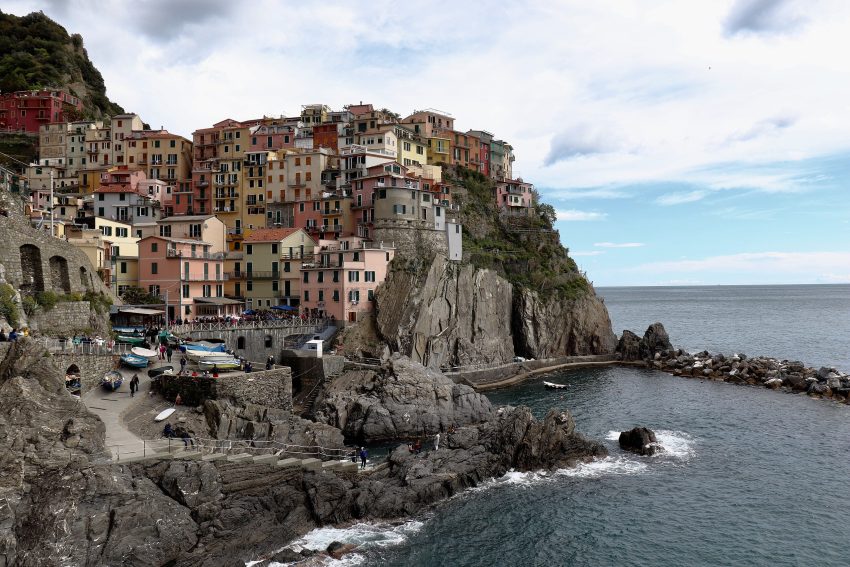
Perched above the Ligurian Sea, the medieval bastion of Manarola is a quiet reminder that this postcard-perfect village once had a very different role: watching for pirates. During the Middle Ages the entire Ligurian coast was exposed to raids, and Manarola responded by building a sea-facing castle on the rocky headland where colourful houses now cling to the cliff. The castle itself has disappeared, but a distinctive bastion survives, now absorbed into a private residence along Via del Baluardo and easily overlooked unless you know where to look. Visiting it is less about ticking off a big “site” and more about connecting the village's pretty façade with its defensive past.
For curious travellers, tracking down the bastion is one of the things to do in Manarola that adds depth to the usual harbour-and-sunset experience. Here, layers of history hide in plain sight: medieval masonry camouflaged among pastel walls, a toponym that preserves the memory of fortifications, and an 18th-century map by Matteo Vinzoni that once recorded the full extent of the castle. As you wander the narrow lanes and climb towards Via del Baluardo, it is easy to imagine sentries scanning the horizon where visitors now take photos and sip aperitivo. This spot is a great place to visit on a walking tour of Manarola if you enjoy tracking down subtle traces of the past.
Table of Contents
- History and Significance of the Medieval Bastion of Manarola
- Things to See and Do in the Medieval Bastion of Manarola
- How to Get to the Medieval Bastion of Manarola
- Practical Tips on Visiting the Medieval Bastion of Manarola
- Where to Stay close to the Medieval Bastion of Manarola
- Is the Medieval Bastion of Manarola Worth Visiting?
- FAQs for Visiting the Medieval Bastion of Manarola
- Nearby Attractions to the Medieval Bastion of Manarola
History and Significance of the Medieval Bastion of Manarola
In the medieval period, Liguria's villages were vulnerable outposts on a contested coastline, regularly threatened by pirates and hostile fleets. Manarola, with its exposed rocky promontory and small harbour, was no exception. To protect the community, a castle was built facing the sea, standing where many of the village's iconic cliff-hugging houses now rise. Its purpose was straightforward but vital: to spot approaching ships, mount a defence, and provide a refuge in times of danger.
Over time, as seafaring threats evolved and the village grew, the castle lost its military importance and was gradually dismantled or absorbed into domestic buildings. The only clearly recognisable fragment that survives today is a bastion, likely older than the 13th century. This structure, now incorporated into a private home, keeps the memory of the fortification alive in stone. Its presence is echoed in the village’s toponymy: Via del Baluardo literally points to the bastion, preserving the defensive story in the street name itself.
The bastion's historical reality is reinforced by an 18th-century map drawn by Matteo Vinzoni, which accurately depicted the fortified structure along the coastline. While visitors today see mostly pastel houses, wine bars, and viewpoints, that cartographic evidence-and the remaining masonry-remind us that Manarola was once a watchful, fortified community shaped as much by fear of the sea as by its bounty. The medieval bastion thus serves as a small but meaningful key to understanding the village's deeper history.
Things to See and Do in the Medieval Bastion of Manarola
Because the bastion is now part of a private residence, you won’t be touring ramparts or walking on top of walls, but there is still plenty to appreciate from the lanes around Via del Baluardo. As you approach, look carefully at the stonework: compared with surrounding houses, the bastion’s masonry often appears older, thicker, and more irregular, hinting at its defensive origins. The mass of the structure and its orientation towards the sea make more sense when you imagine archers or lookouts watching the horizon from here.
Take time to explore the small network of alleys that lead towards the sea-facing edge of the village. From certain angles you can see how the bastion protrudes slightly, like a stub of wall left behind when the rest of the castle was replaced by housing. The experience is a bit like architectural detective work, rewarding those who slow down and look beyond façades and shop signs. It adds a different kind of thrill to the standard Manarola photos: not just “pretty village on a cliff,” but “pretty village built on top of a former fortress.”
As you wander, think about how much of Manarola's medieval fabric is still hidden behind modern plaster and pastel paint. The bastion is a visible fragment, but old stone, reused lintels, and subtle changes in wall thickness all hint at a much older skeleton. If you enjoy this kind of exploration, the medieval bastion of Manarola quickly becomes one of the must-see places in Manarola for travellers who like their history woven into everyday streets rather than isolated in a museum.
How to Get to the Medieval Bastion of Manarola
Most visitors reach the Cinque Terre via major regional airports such as Pisa International Airport (Galileo Galilei) or Genoa Cristoforo Colombo Airport, then continue by rail or road to the Ligurian coast. For the best deals and a seamless booking experience, check out these flights to Manarola on Booking.com.
The easiest way to get to Manarola is by train along the main coastal railway between La Spezia and Levanto; from Manarola station, follow the tunnel into the village and then the narrow uphill lanes towards the centre, eventually joining Via Rollandi and the higher streets that lead you around to Via del Baluardo where the bastion is located. Use Omnio to easily compare schedules, book train tickets, and find the best prices all in one place for a hassle-free journey across Italy.
If you are driving, you will approach on the panoramic SP370 road above the Cinque Terre and follow signs for Manarola, parking in the designated car park above the village; from there, either take the shuttle bus or walk down into town, then climb through the lanes to reach the bastion area along Via del Baluardo. If you are looking to rent a car in Italy I recommend having a look at Discover Cars, first, as they compare prices and review multiple car rental agencies for you.
Guided walking tours and local guides sometimes include the bastion in broader historical walks, combining it with the church of San Lorenzo, viewpoints, and vineyard paths to give a fuller picture of Manarola's defensive and agricultural past.
Practical Tips on Visiting the Medieval Bastion of Manarola
- Suggested tips: Treat the bastion as a stop on a wider loop through Manarola-combine it with San Lorenzo Church, harbour viewpoints, and maybe a short vineyard walk for a richer sense of place.
- Best time to visit: Early morning or late afternoon are ideal, with cooler temperatures and softer light that highlights stone textures and sea views.
- Entrance fee: There is no entrance fee; the bastion is viewed from public lanes as it is now part of a private residence.
- Opening hours: There are no official opening hours; you can see the bastion exterior at any time while walking the village streets.
- How long to spend: Allow 10-20 minutes to locate the bastion, study the masonry, and enjoy the nearby viewpoints as part of your stroll.
- Accessibility: Reaching the bastion involves steep, narrow lanes and steps; it may be challenging for visitors with reduced mobility, though the distances are short.
- Facilities: There are no facilities at the bastion itself, but cafés, restaurants, and shops are plentiful in the surrounding streets of Manarola.
- Photography tip: Use side angles to capture how the bastion projects from the line of houses; include sea or harbour glimpses in the frame to emphasise its former defensive role.
- Guided tours: Consider joining a guided historical walk if you’d like help spotting older masonry and hearing more about medieval defences across the Cinque Terre.
- Nearby food options: After exploring the upper lanes, head down towards the main street or harbour for wine bars, focaccia shops, and seafood trattorie.
Where to Stay close to the Medieval Bastion of Manarola
Because Manarola is compact, almost any stay in the village puts you within a short walk of Via del Baluardo and the bastion. For a harbour-side base with easy access to both the seafront and upper lanes, Hotel Marina Piccola is a popular choice. If you want something more boutique and view-focused, La Torretta Lodge offers stylish rooms and terraces overlooking the village and sea, with the bastion just a short wander away. Travellers happy to stay in neighbouring Riomaggiore and visit Manarola by train or trail could choose Affittacamere Dai Baracca, then plan a half-day exploring Manarola’s medieval remnants.
Is the Medieval Bastion of Manarola Worth Visiting?
The medieval bastion of Manarola is absolutely worth seeking out if you enjoy reading history in the fabric of a town rather than just in guidebooks. It's not a blockbuster attraction-there are no tickets, ramparts, or interpretive panels-but that is part of its charm. Instead, you get a rare glimpse of what the village looked and felt like when pirate raids were a real threat and cliffs were chosen for defence rather than photographs.
For travellers who like to go beyond the obvious viewpoints, the bastion helps complete the story of Manarola, linking the hilltop church, terraced vineyards, and harbour into a single narrative of survival, faith, and seafaring. As you stand in front of its old stones, with pastel façades and sea air all around, it becomes clear why this small fragment is one of the best places to see in Manarola if you want to feel the medieval village beneath the modern colour.
What Other Travellers Say...

Manarola viewpoint sits above the cliffside village of Manarola (Via Belvedere, 19) and rewards a short walk from the town or train station with postcard views of colorful houses tumbling to the blue Ligurian Sea; visitors praise easy access (only a few minutes from the station with some steps), stunning late-afternoon and sunset light, a relaxed atmosphere once you find a spot, and nearby open-water swim access off the coastline marked by a buoy line that swimmers find safe and convenient.


FAQs for Visiting the Medieval Bastion of Manarola
Nearby Attractions to the Medieval Bastion of Manarola
- San Lorenzo Church - A 14th-century Ligurian Gothic parish church with a remarkable Carrara marble rose window and separate bell tower.
- Manarola Harbour - The famous cliffside cove, perfect for photos, sunset views, and watching fishing boats and swimmers below.
- Volastra and the Sanctuary of Nostra Signora della Salute - A hillside hamlet and sanctuary above Manarola, reachable via scenic vineyard paths.
- Riomaggiore - A neighbouring Cinque Terre village with a small marina, steep lanes, and easy train access to the rest of the coast.
- Corniglia - A clifftop village a short train ride away, known for quieter streets and the church of San Pietro with its own Gothic rose window.
The Bastion of Manarola appears in our Complete Guide to Visiting Manarola!

Moira & Andy
Hey! We're Moira & Andy. From hiking the Camino to trips around Europe in Bert our campervan — we've been traveling together since retirement in 2020!
This website uses affiliate links which may earn a commission at no additional cost to you!
Planning Your Visit
There are no official opening hours; you can see the bastion exterior at any time while walking the village streets.
There is no entrance fee; the bastion is viewed from public lanes as it is now part of a private residence.
Nearby Attractions
- Oratory of the Disciplinati of Manarola (0.3) km
Church - Church of San Lorenzo (0.3) km
Church - Santuario di Nostra Signora della Salute (1.1) km
Religious Building - Oratory of San Rocco (1.1) km
Church - Riomaggiore Castle (1.1) km
Castle - Church of San Giovanni Battista (1.2) km
Church - Oratory of the Disciplinati of Riomaggiore (1.3) km
Church - Santuario di Nostra Signora di Montenero (1.9) km
Church - Church of San Pietro (2.1) km
Church - Oratory of the Disciplinati di Santa Caterina (2.1) km
Church