Vannes, France: The Ultimate Travel Guide 2026
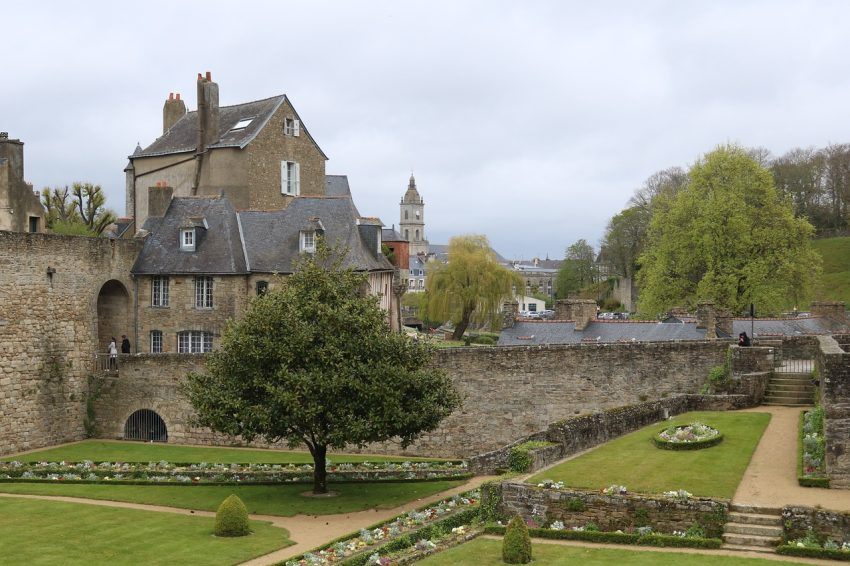
Vannes is a picturesque town in Brittany that effortlessly blends medieval charm with the easygoing spirit of coastal life. Its compact old town is filled with half-timbered houses, flower-draped balconies, and cobbled streets that invite slow wandering. The marina, just beyond the historic walls, connects the town to the stunning Gulf of Morbihan, offering a fresh sea breeze and plenty of spots to relax with a galette and a glass of Breton cider. Whether you're into shopping, café-hopping, or simply people-watching, Vannes feels both lively and laid-back.
Beyond its atmospheric streets, Vannes serves as a perfect launch point for exploring the natural beauty of southern Brittany. Boat trips to the Gulf of Morbihan's islands are easily arranged from the port, while nearby beaches, gardens, and scenic trails make for peaceful afternoon escapes. Whether you're visiting as a stop on a road trip or planning to linger for a few days, Vannes strikes a lovely balance between heritage and leisure, with just enough coastal energy to keep things interesting.
History of Vannes
Vannes: Celtic and Roman Foundations
Vannes traces its earliest origins to the Veneti, a powerful Celtic seafaring people who thrived in the region before the arrival of the Romans. This early tribe gave the city its name and established a fortified settlement that controlled much of the coastal trade in the region. In the 1st century BCE, the Roman conquest led by Julius Caesar subdued the Veneti, and Vannes (then known as Darioritum) was incorporated into the Roman Empire. Under Roman rule, the city expanded with paved roads, aqueducts, baths, and a structured forum, becoming a key administrative and commercial center in Armorica.
As the Roman influence grew, Vannes became increasingly integrated into the empire’s infrastructure. The town’s strategic location near the coast allowed for strong trade links, and the Roman legacy is still visible in parts of the city today, with remnants of ancient walls and urban planning influencing the modern layout.
Vannes: Early Christianity and Medieval Development
By the 5th century, Vannes had become a bishopric and began to emerge as a spiritual center. The rise of Christianity in the region led to the construction of early religious buildings, including the first versions of the cathedral that would later dominate the city’s skyline. During the early medieval period, Vannes maintained its significance through both religious and administrative roles, often serving as a seat of regional power.
In the later medieval centuries, Vannes became one of the ducal residences of the independent Duchy of Brittany. Its fortified walls were strengthened, and trade flourished thanks to its growing port. The city played a key role in the political landscape of Brittany, hosting ducal courts and important councils. Many of the half-timbered houses and cobbled streets in the old town date from this era of expansion and prosperity.
Vannes: Renaissance to Revolution
During the Renaissance, Vannes benefited from a period of relative peace and continued prosperity. The town attracted scholars, merchants, and artisans, and its architecture began to reflect a blend of Gothic and Renaissance styles. However, like much of France, Vannes faced turmoil during the Wars of Religion in the 16th century, with tensions between Catholic and Protestant factions affecting civic life.
The French Revolution in the late 18th century brought sweeping changes to Vannes. The church lost much of its power and property, while administrative reforms reorganized the town’s role within the national structure. Despite these shifts, the city retained much of its historical character, and its importance as a regional center continued into the modern era.
Vannes: 19th Century Growth and Modernization
The 19th century marked a period of modernization for Vannes. The arrival of the railway in the mid-1800s connected the town more closely to the rest of France, spurring economic growth and increased tourism. Public buildings, schools, and transportation infrastructure were developed, while the port expanded its operations, linking Brittany more efficiently to global trade networks.
Culturally, Vannes began to embrace its Breton identity more publicly during this time, with local language, folklore, and costume seeing a revival. While modernization brought changes, there was also a growing appreciation for preserving the city’s architectural and historical heritage.
Vannes: 20th Century to Today
In the 20th century, Vannes continued to evolve, balancing its role as a historic town with that of a growing administrative and tourist destination. While it was affected by both World Wars, it suffered relatively little destruction compared to other towns, allowing its medieval core to remain largely intact. Post-war reconstruction focused on integrating new development while respecting the historic landscape.
Today, Vannes is celebrated for its cultural richness, medieval architecture, and vibrant relationship with the Gulf of Morbihan. It has become a hub for tourism, education, and regional administration while maintaining a deep connection to its Celtic and Breton heritage. The city’s history is not only preserved in its buildings and museums but also in its festivals, local traditions, and enduring maritime identity.

Moira & Andy
Hey! We're Moira & Andy. From hiking the Camino to trips around Europe in Bert our campervan — we've been traveling together since retirement in 2020!
Visiting Vannes for the first time and wondering what are the top places to see in the city? In this complete guide, I share the best things to do in Vannes on the first visit. To help you plan your trip, I have also included an interactive map and practical tips for visiting!
This website uses affiliate links which earn a small commission at no additional cost to you.
12 Best places to See in Vannes
This complete guide to Vannes not only tells you about the very best sights and tourist attractions for first-time visitors to the city but also provide insights into a few of our personal favorite things to do.
This is a practical guide to visiting the best places to see in Vannes and is filled with tips and info that should answer all your questions!
1. Hôtel de Ville
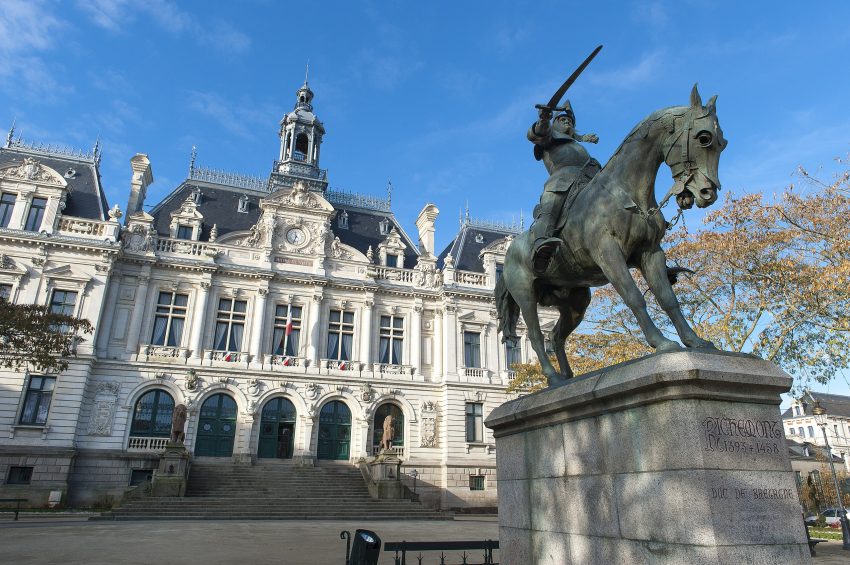
Location: Hôtel de Ville de Vannes, Place Maurice Marchais, Vannes, France | Hours: Monday – Friday: 08:00–12:15 & 13:15–17:00. Closed on Saturday & Sunday. | Price: Free. | Website | Distance: 0.1km

2. Musée des beaux-arts de Vannes
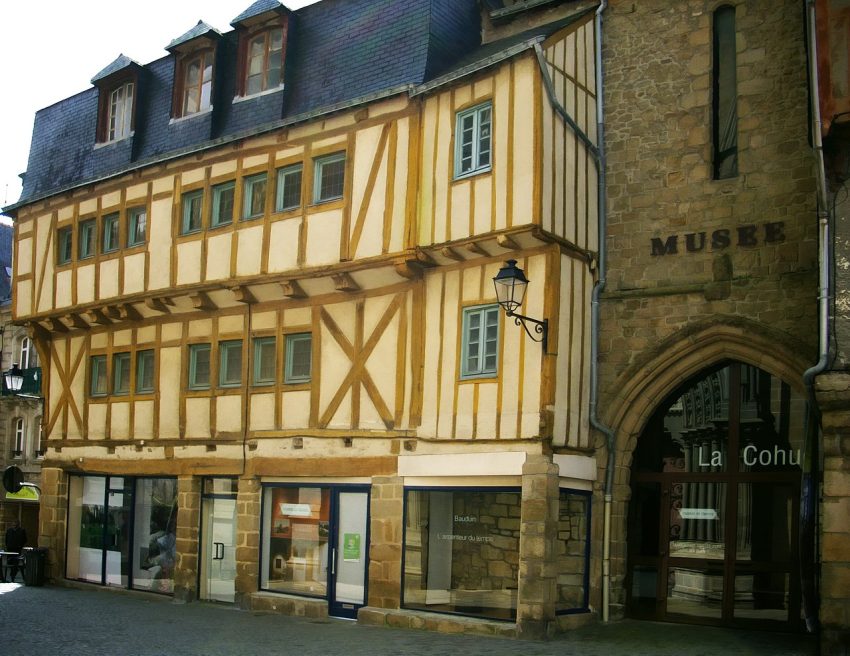
Location: Musée des beaux-arts de Vannes, La Cohue, Place Saint-Pierre, Vannes, France | Hours: (Summer) 01 June – 30 June & 01 September – 30 September: Daily: 13:30–18:00; 01 July – 31 August: Daily: 10:00–18:00. (Winter) 01 October – 31 May: Tuesday – Sunday: 13:30–18:00. Closed on Monday (01 October – 31 May). Closed on public holidays. | Price: Adults: €5 (full); €3 (reduced); free for visitors under 26. | Website | Distance: 0.2km
3. Cathédrale Saint-Pierre de Vannes
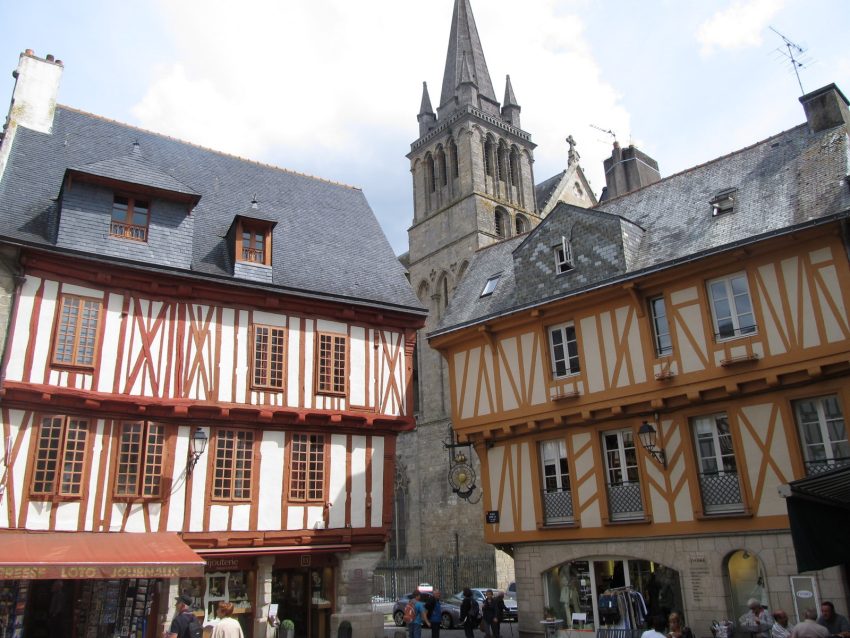
Location: Cathédrale Saint-Pierre, Rue des Chanoines, Vannes, France | Hours: Daily: 10:30–18:00. | Price: Free. | Website | Distance: 0.2km
4. Vannes et sa Femme
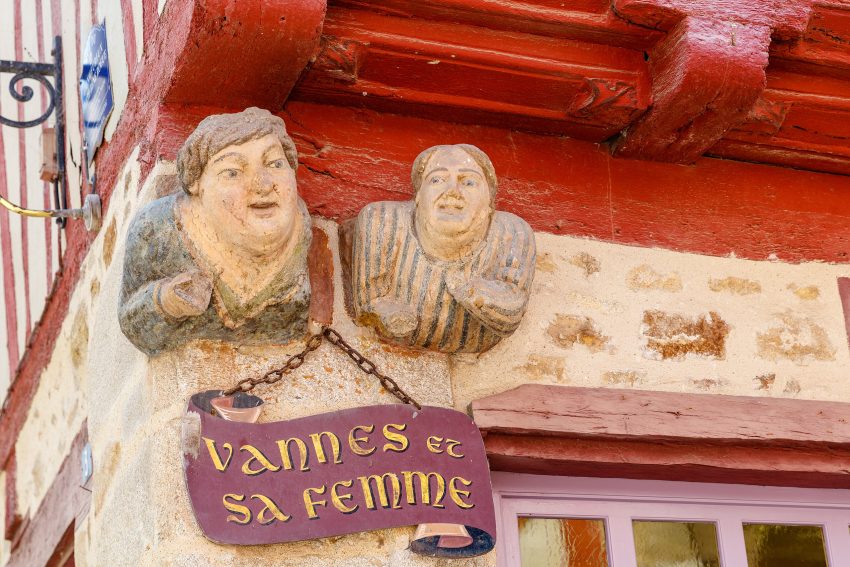
Location: Vannes et sa Femme, Rue des Halles, Vannes, France | Hours: 24 Hours | Price: Free | Website | Distance: 0.3km
5. Musée d'histoire et d'archéologie de Vannes
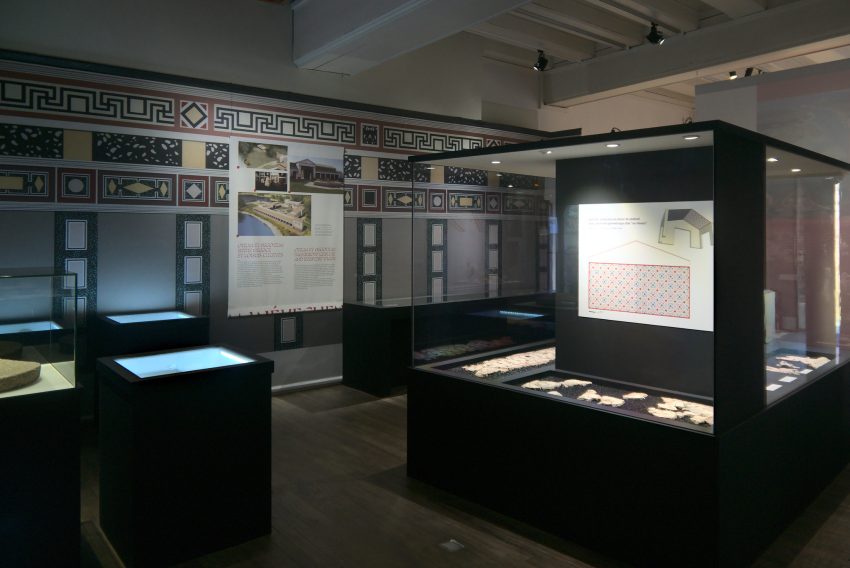
Location: Musee D'histoire Et D'archeologie, Rue Noé, Vannes, France | Hours: Open daily from June to September, 1:30 PM to 6 PM Currently closed for renovation. | Price: Adults: €5 | Website | Distance: 0.3km
6. Place des Lices
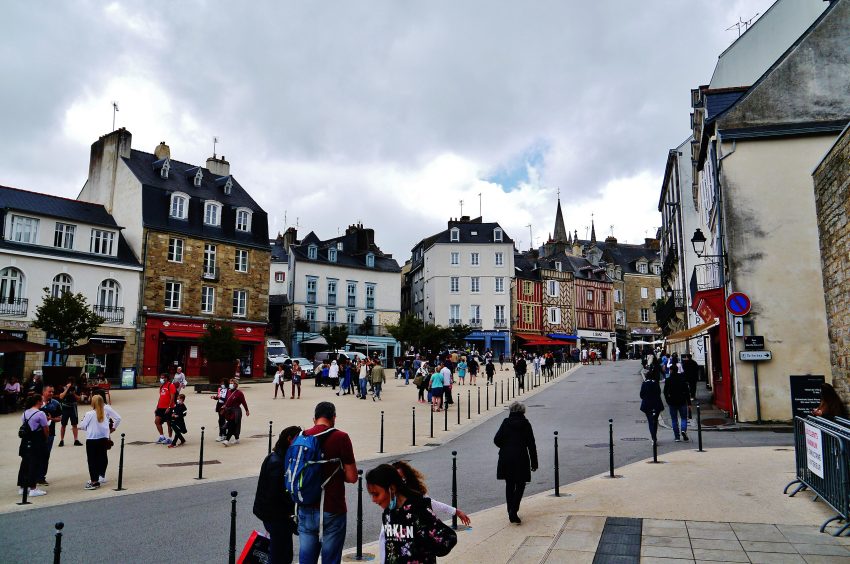
Location: Place des Lices, Vannes, France | Hours: Outdoor market (Wednesday & Saturday): 08:00–13:30. Halles des Lices (Tuesday – Sunday): 08:00–14:00. Closed on Monday (Halles des Lices). | Price: Free | Website | Distance: 0.4km
7. Remparts de Vannes

Location: Remparts de Vannes, Rue des Vierges, Vannes, France | Hours: 01 January – 30 April: 07:45–18:30; 01 May – 31 May & 01 September – 30 September: 07:45–20:30; 01 June – 31 August: 07:45–21:00. | Price: Free. | Website | Distance: 0.4km
8. Port of Vannes
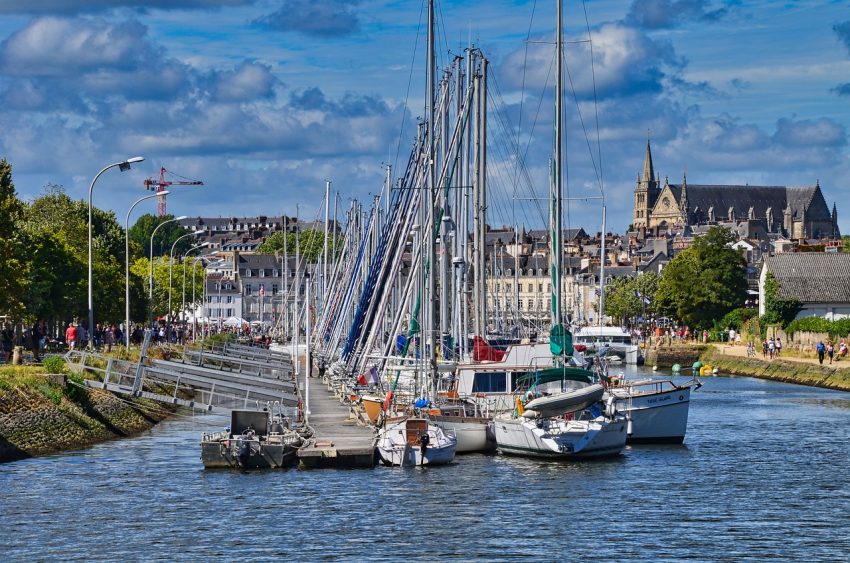
Location: Port Vannes, France | Hours: January – mid-April; mid-October – December: Monday – Saturday: 09:00–12:00 & 15:00–17:00. Mid-April – end-June; September – mid-October: Monday – Saturday: 08:00–12:00 & 15:00–18:00. July – August: Daily: 08:00–12:00 & 15:00–19:00. Closed on public holidays. The quays and waterfront promenade are accessible at all times. | Price: Free. | Website | Distance: 0.5km
9. Porte Saint Vincent
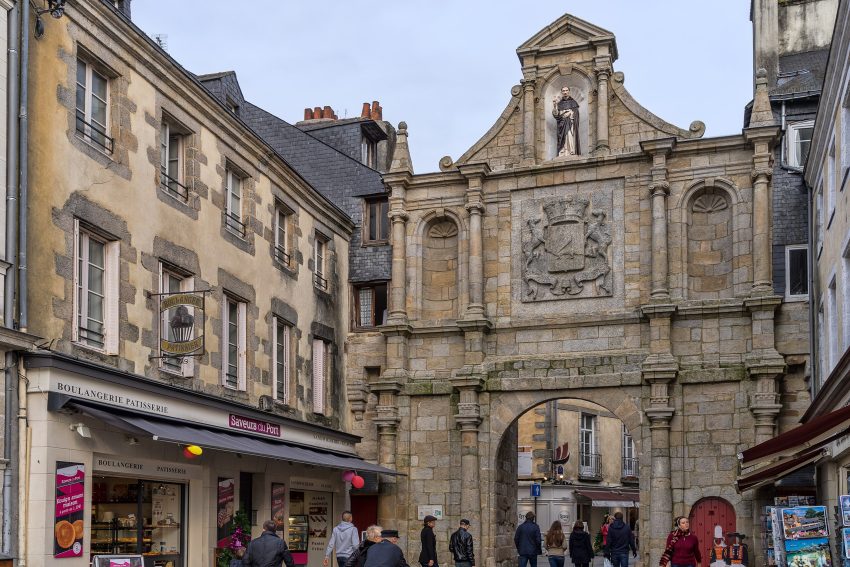
Location: Porte Saint Vincent, Place Gambetta, Vannes, France | Hours: 24 Hours | Price: Free | Website | Distance: 0.5km
10. Château de l’Hermine
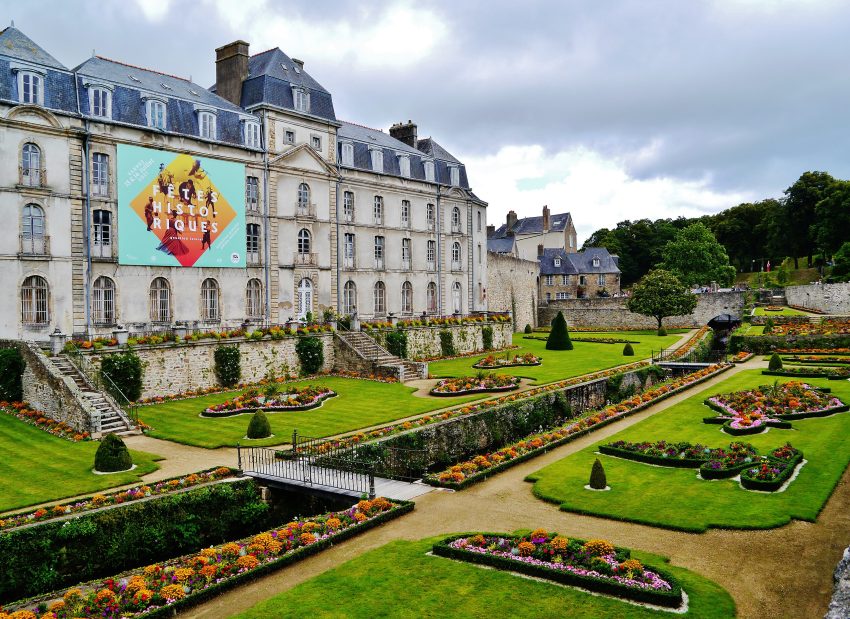
Location: Château de l'Hermine, Rue Porte Poterne, Vannes, France | Hours: (Winter) 01 January – 30 April: Daily: 07:45–18:30. (Summer) 01 May – 31 May; 01 September – 30 September: Daily: 07:45–20:30. (Summer) 01 June – 31 August: Daily: 07:45–21:00. | Price: Free. | Website | Distance: 0.5km
11. Lavoirs de la Garenne
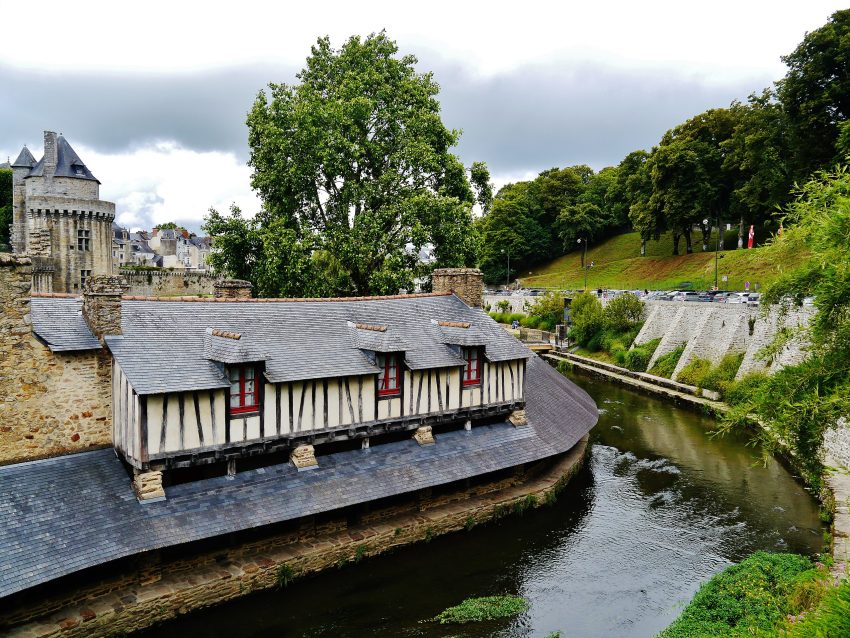
Location: Lavoirs de la Garenne, Rue Porte Poterne, Vannes, France | Hours: 24 Hours | Price: Free | Website | Distance: 0.5km
12. Conleau Peninsula
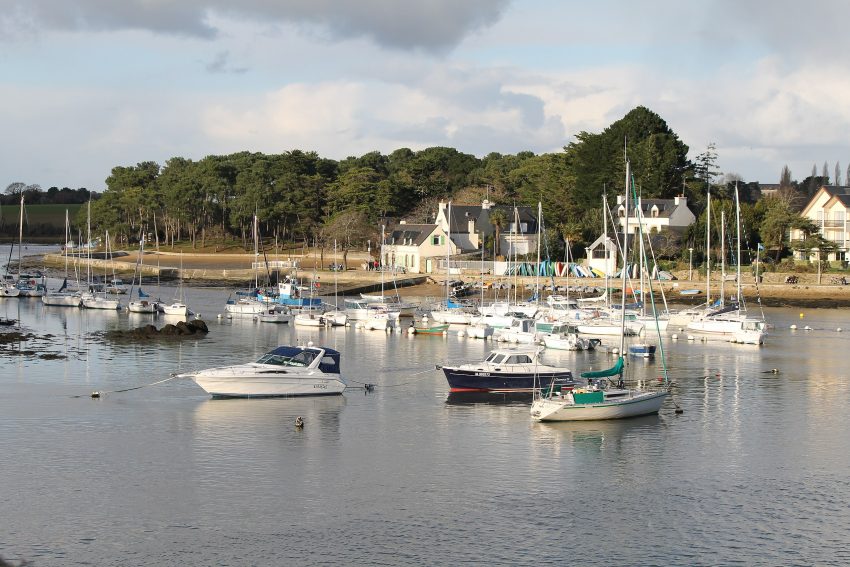
Location: Presqu'île de Conleau, Vannes, France | Hours: 24 Hours | Price: Free | Website | Distance: 3.6km
Best Day Trips from Vannes
A day trip from Vannes offers the perfect opportunity to escape the urban rhythm and discover the surrounding region's charm. Whether you're drawn to scenic countryside, historic villages, or cultural landmarks, the area around Vannes provides a variety of easy-to-reach destinations ideal for a one-day itinerary. If you are looking to rent a car in France I recommend having a look at Discover Cars, first, as they compare prices and review multiple car rental agencies for you.
1. Forteresse de Largoët
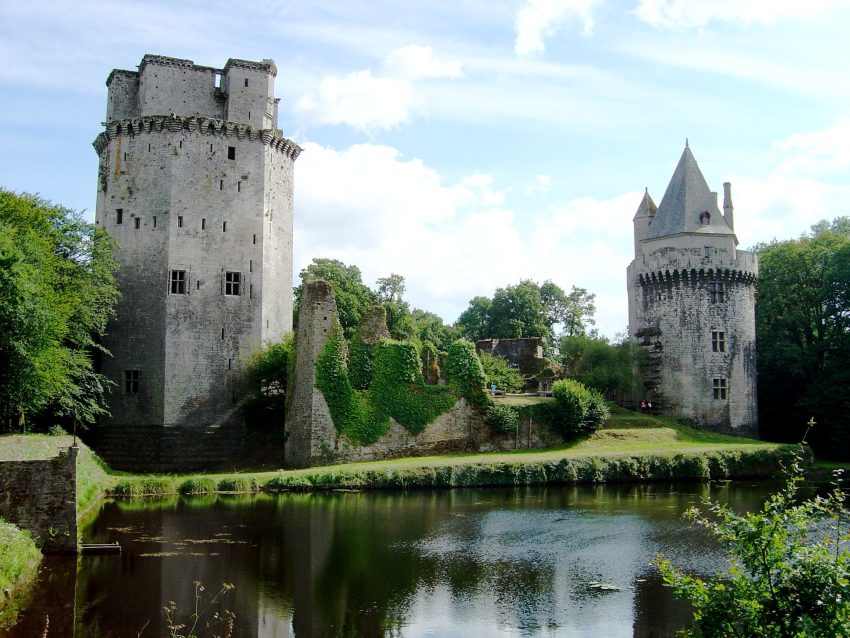
Location: Forteresse de Largoët, Allée des Tours de l'Argoet, Elven, France | Hours: Daily except Tuesday (during the season) March – May & All Saints’ Holidays: Weekends and public holidays 14:00–18:30; other open days 14:00–18:00 June & September: Daily (except Tuesday) 10:30–12:10 and 14:20–18:30 July & August: Daily 10:30–18:30 (no midday closure) Note: On days with a midday break, visitors already inside may stay between 12:10 and 14:20. | Price: Adults: €6.00; €4.50 (reduced); free for children under 10. | Website | Distance: 12.9km
Visiting Forteresse de Largoët
2. Château de Suscinio
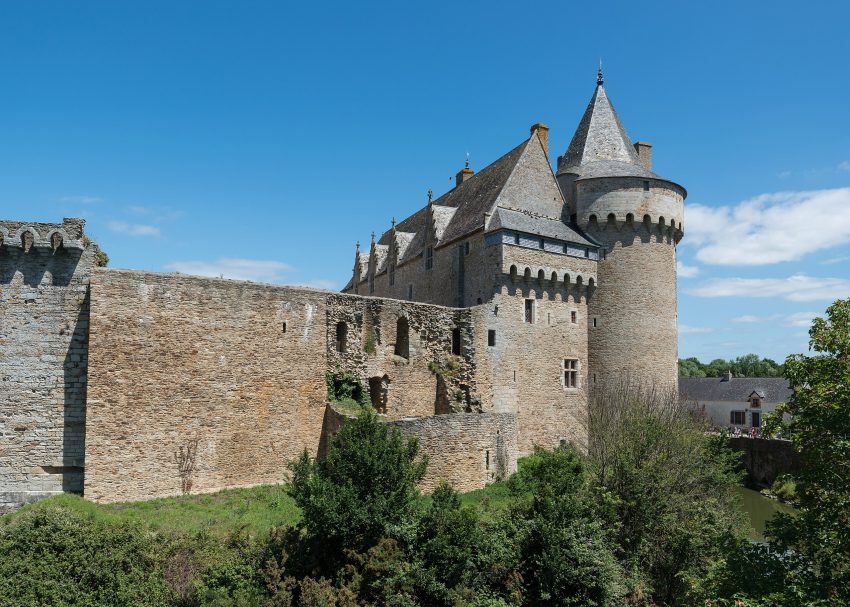
Location: Château de Suscinio, Route du Duc Jean V, Sarzeau, France | Hours: (Summer) 01 April – 30 June; 01 September – 30 September: Daily: 10:00–19:00. 01 July – 31 August: Daily: 09:30–19:30. (Winter) 01 February – 31 March; 01 October: Daily: 10:00–18:00. 01 November – 31 January: Daily: 14:00–18:00. School holidays: Daily: 10:00–18:00. 25 December & 01 January: 14:00–18:00. | Price: Adults €12; reduced €6.50; under 10s free. | Website | Distance: 16.4km
Visiting Château de Suscinio
3. Carnac Stones
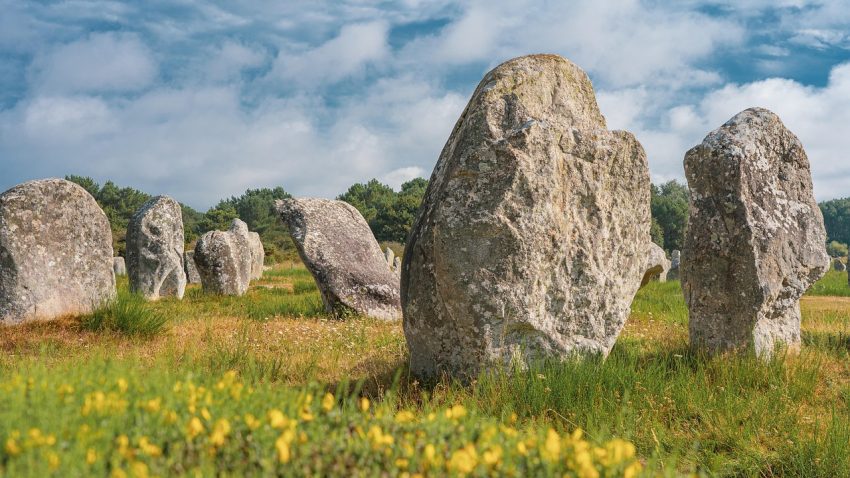
Location: Alignements of Carnac, Carnac, France | Hours: (Summer) 01 April – 30 June: 09:30–18:00; 01 July – 31 August: 09:30–19:00; 01 September – 30 September: 09:30–18:00. (Winter) 01 October – 31 March: 10:00–13:00 & 14:00–17:00. Closed on 01 January, 01 May & 25 December. | Price: Guided visit inside the alignments €13 (adult); €6 (ages 7–17); free under 7. | Website | Distance: 25.4km
Visiting Carnac Stones
4. Château de Josselin
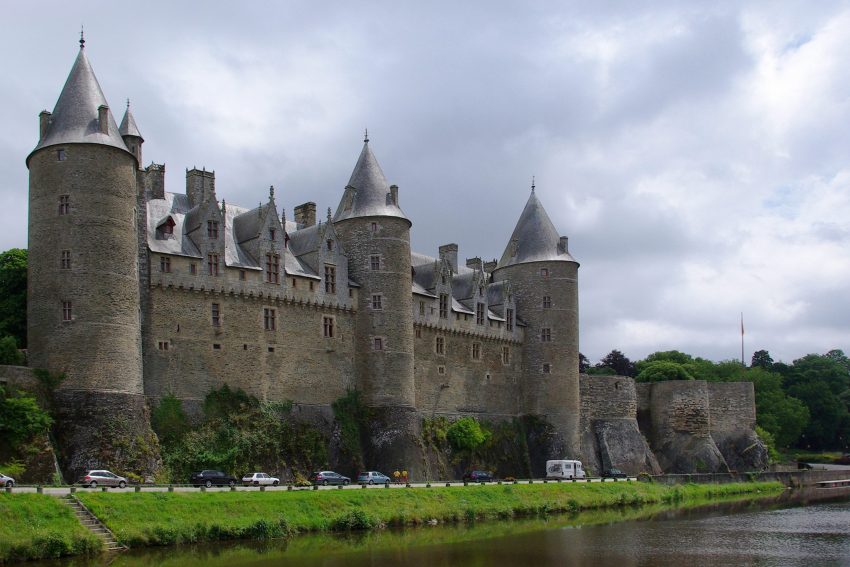
Location: Château de Josselin, Place de la Congrégation, Josselin, France | Hours: (Winter) 14 February – 08 March: Daily: 11:00–18:00. (Summer) 04 April – 01 November: Daily: 11:00–18:00. Closed from 02 November – 13 February. | Price: €11.50 (adult, self-guided); €14.50 (adult, guided tour); reduced €7–€10; child (7–14) €5.50–€7; free under 7. | Website | Distance: 36.3km
Visiting Château de Josselin
5. Château de Pontivy
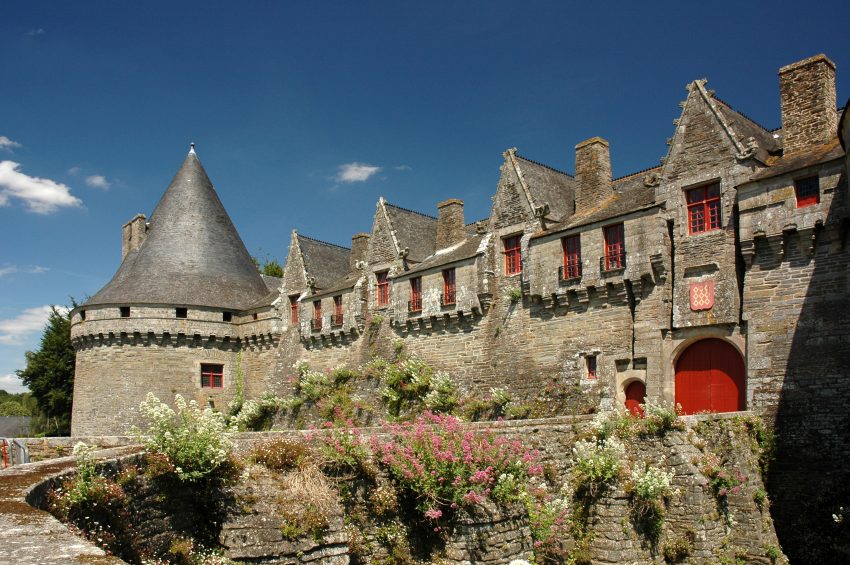
Location: Château de Pontivy, 63 Rue du Général de Gaulle, 56300 Pontivy, France | Hours: 24 Hours (exterior viewpoints and surrounding grounds). | Price: Free to see from outside; guided tour tickets typically €7 standard, €5 reduced, €22 family (2 adults + 2 children). | Website | Distance: 48.2km
Visiting Château de Pontivy
6. Pont-Aven
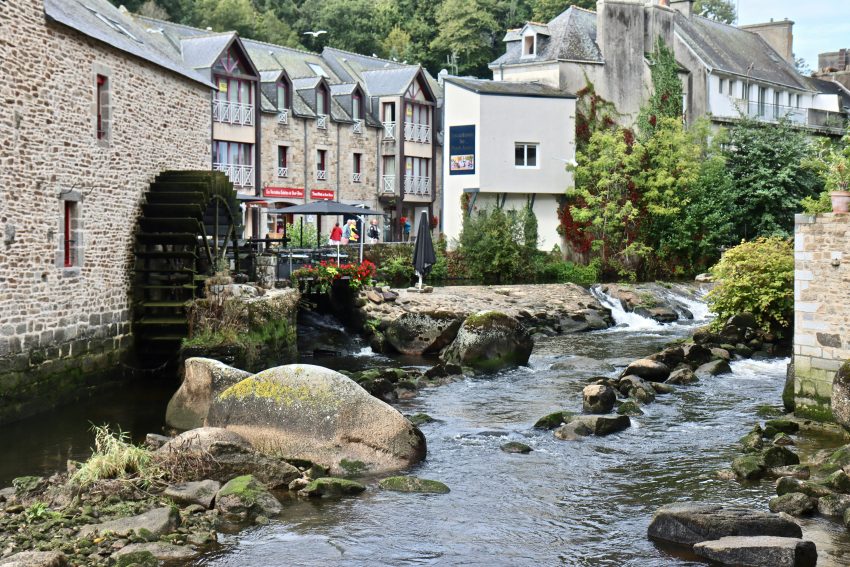
Location: Pont-Aven, France | Hours: Town streets are free; museum entry varies by season and exhibition. | Price: Outdoor areas are always accessible; museum, galleries, and shops keep their own schedules. | Distance: 77.1km
Visiting Pont-Aven
7. Ville Close de Concarneau
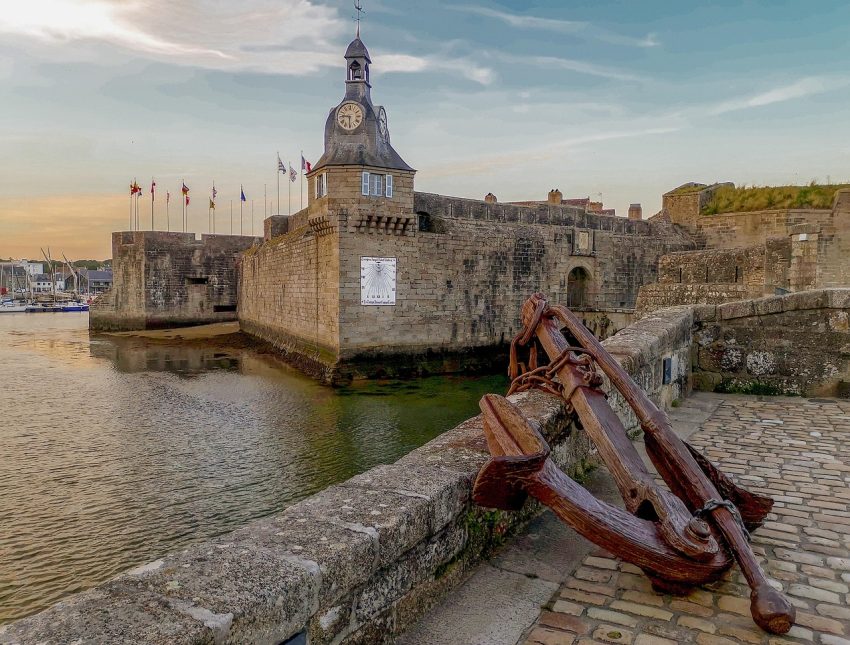
Location: Closed City of Concarneau 5 Rue Vauban 29900 Concarneau France | Hours: 24 Hours | Price: Free | Website | Distance: 89.6km
Visiting Ville Close de Concarneau
8. Concarneau

Visiting Concarneau
9. Rennes

Visiting Rennes
10. Nantes
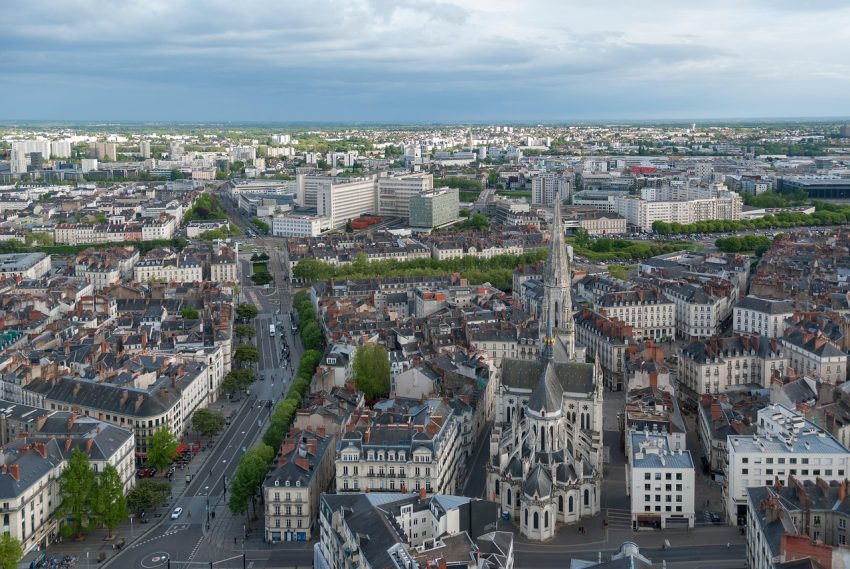
Visiting Nantes
11. Dinan
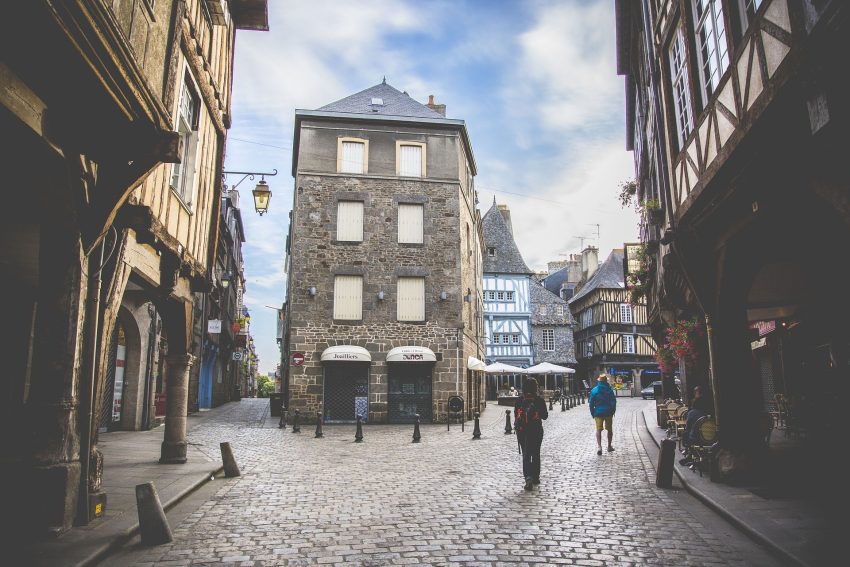
Visiting Dinan
12. Quimper
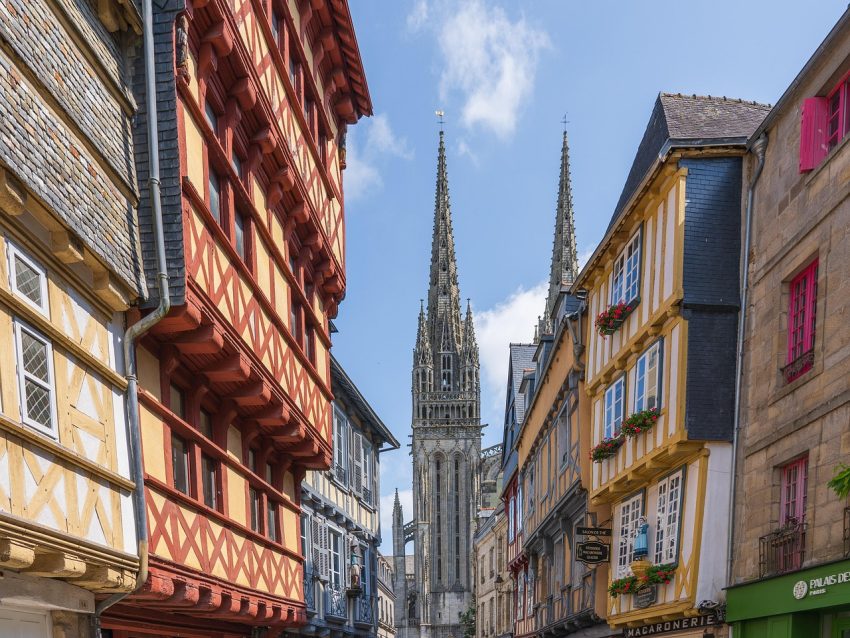
Visiting Quimper
13. Saint-Malo

Visiting Saint-Malo
14. Vitré
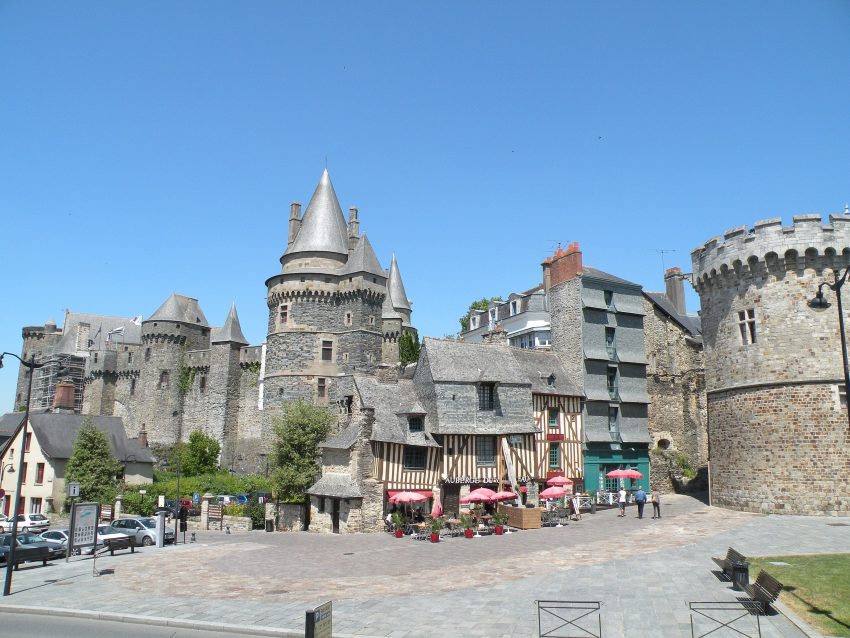
Visiting Vitré
15. Cancale

Visiting Cancale
16. Mont Saint Michel
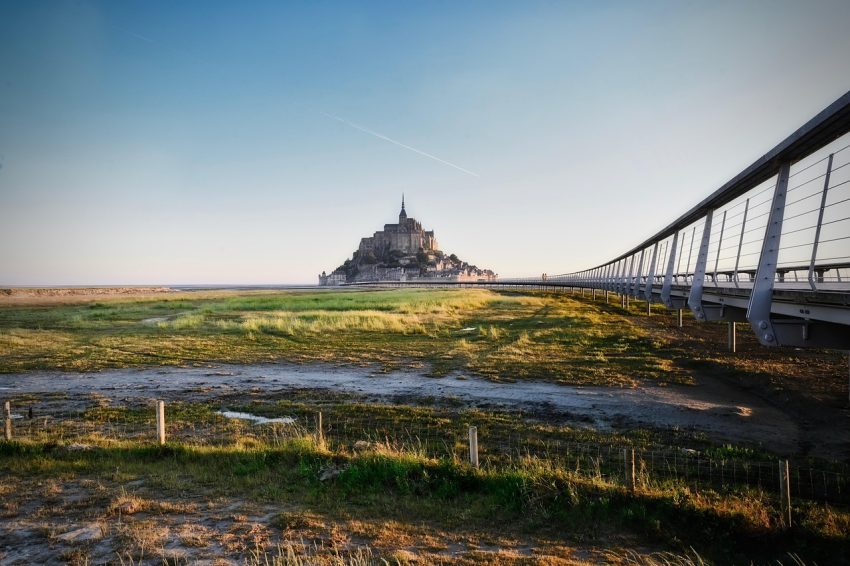
Visiting Mont Saint Michel
17. Brest
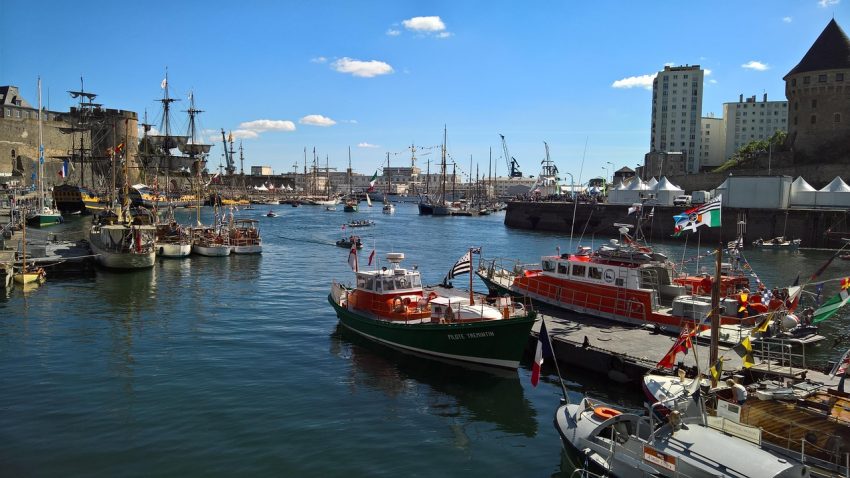
Visiting Brest
Where to Stay in Vannes
In the heart of Vannes’s medieval centre, just steps from the timber-framed houses of the old town and the bustling Place Henri IV, you’ll find a trio of refined townhouses and boutique inns. Hôtel Le Bretagne occupies a classic Breton façade and offers bright rooms overlooking the square, while Hôtel des Lices charms with vaulted ceilings, antique furnishings and a leafy courtyard tucked behind its stone exterior. A little further down the narrow lanes, La Croix Blanche blends contemporary décor with exposed beams and serves a breakfast of local specialties in an intimate salon.
Alongside the medieval ramparts, the port district beckons with waterside properties that capture views of moored sailboats and quay-side cafés. Hôtel Mercure Vannes Le Port perches on the edge of the marina with floor-to-ceiling windows and a panoramic breakfast room overlooking the harbor, while Ibis Styles Vannes Centre Ville offers sleek, modern rooms just a short stroll from the old fortifications. For a more intimate stay near the water, Hôtel Port Maria provides cozy chambers and a rooftop terrace perfect for sunset aperitifs as fishing boats drift by.
Venturing beyond the city walls brings you to the gentle countryside and suburban fringes, where peaceful retreats await amid gardens and oak groves. Manoir de Kerdrain is a beautifully restored 18th-century manor house set on a private estate, complete with manicured lawns and a heated outdoor pool, while B&B Hôtel Vannes Ouest Golfe du Morbihan offers bright, functional rooms with free parking—an ideal base for exploring the Golfe du Morbihan by car. For visitors seeking countryside charm with modern comforts, Chambre d’hôtes La Vallée welcomes guests into individually styled suites surrounded by flowering meadows and walking paths.
Using the our Hotel and Accomodation map, you can compare hotels and short-term rental accommodations in Vannes. Simply insert your travel dates and group size, and you’ll see the best deals for your stay.
Vannes Accommodation Map
Best Time to Visit Vannes
Vannes in Spring
Spring is a delightful time to visit Vannes, with flowers blooming in the city’s rampart gardens and pleasant weather perfect for walking tours. From March to May, the climate is mild and increasingly sunny, making it ideal for exploring the historic center or taking early boat trips into the Gulf of Morbihan before peak tourist season. The atmosphere is calm, and accommodations are generally more affordable than in summer.
April often marks the beginning of local events and cultural activities, and the outdoor cafés start to fill as the town awakens from winter. It’s an excellent season for travelers who enjoy a balance of comfort, fewer crowds, and access to all major attractions.
Vannes in Summer
Summer is the most popular time to visit Vannes, and for good reason. From June to August, the weather is warm, the town is full of life, and the harbor buzzes with activity. This is also when Vannes hosts its most famous cultural event, the Fêtes Historiques de Vannes in July. During this festival, locals dress in medieval costumes, parades wind through the old streets, and open-air concerts and reenactments celebrate the city’s rich past.
Boats to the Gulf of Morbihan’s islands run frequently in summer, and outdoor dining becomes a way of life. It’s the perfect season for families, festival-goers, and those seeking vibrant coastal energy.
Vannes in Autumn
Autumn brings a quieter and more reflective beauty to Vannes. From September to early November, the trees around the city and harbor turn golden, the summer crowds recede, and the mild temperatures make sightseeing especially pleasant. The markets brim with seasonal produce, and restaurants begin to feature hearty Breton specialties.
September is also a good time for exploring the nearby Gulf islands without the summer rush. The city often hosts smaller concerts and exhibitions in the fall, appealing to visitors who enjoy culture in a more relaxed setting.
Vannes in Winter
Winter in Vannes is peaceful and atmospheric. While colder and wetter from December through February, the old town still charms with its narrow lanes, traditional shops, and festive lighting. The Marché de Noël (Christmas Market) adds a warm glow to the city in December, offering regional treats, crafts, and mulled cider in a cozy setting.
This season is best for travelers who enjoy quiet exploration, cultural indoor activities like museums and galleries, and off-season pricing. Vannes remains lively enough to enjoy but free from the crowds that summer brings.
Annual Weather Overview
- January 9°C 52°F
- February 10°C 53°F
- March 12°C 57°F
- April 15°C 63°F
- May 17°C 67°F
- June 22°C 75°F
- July 25°C 81°F
- August 25°C 80°F
- September 21°C 73°F
- October 17°C 66°F
- November 13°C 59°F
- December 11°C 56°F
How to get to Vannes
Getting to Vannes by Air
Vannes is served by the nearby Lorient South Brittany Airport (LRT) and Nantes Atlantique Airport (NTE). Lorient is closer but offers more limited connections, mainly domestic. Nantes, about 110 kilometers away, provides a wider range of national and international flights. From either airport, you can rent a car or take a connecting train to Vannes. Some travelers may also consider Rennes–Saint-Jacques Airport (RNS), which is about 110 kilometers northeast of the city.
Getting to Vannes by Train
Vannes has a well-connected train station located close to the city center. High-speed TGV services run directly from Paris Montparnasse in approximately 2.5 to 3 hours. There are also regional trains from cities such as Nantes, Rennes, Lorient, and Quimper. You can use SNCF Connect to check schedules, compare routes, and purchase tickets for National (SNCF ) and regional trains (TER). For a more streamlined experience, we recommend using Omio, which allows you to easily compare prices, schedules, and book tickets for both National and Regional travel across all of Europe, all in one place.
Getting to Vannes by Car
Driving to Vannes offers flexibility and scenic routes through Brittany. From Paris, it takes about 4.5 hours via the A11 and N166 highways. If you're coming from Rennes, the drive is around 1.5 hours on the N24. Roads are generally in excellent condition and allow for comfortable travel through the countryside, with plenty of opportunities to stop in charming villages along the way. If you are looking to rent a car in France I recommend having a look at Discover Cars, first, as they compare prices and review multiple car rental agencies for you.
Travelling around Vannes
Once in Vannes, getting around is straightforward. The city center is compact and walkable, making it easy to explore on foot. There’s also a reliable local bus network operated by Kicéo, serving neighborhoods, the port, and nearby towns. For those planning day trips around the Gulf of Morbihan, regional trains and buses provide connections to Auray, Carnac, and Quiberon. For rail services, visit SNCF Connect.